10-Day Galapagos Cruise: Full Island Coverage
Part of our guide to how long your Galapagos cruise should be. Ready to pick a ship? See compare all Galapagos cruise ships by price, size and class.
Quick Facts: 10-Day / 11-Day Galapagos Cruise
| Detail | What to Know |
|---|---|
| What “10 Days” Actually Means | Most “10-day” bookings are 11-day itineraries (10 nights on vessel, 9 full sailing days) or back-to-back 5+6 or 6+5 combinations. The National Park approves 11-day cycles, not 10. |
| Full Sailing Days | 9 (on an 11-day itinerary) |
| Islands Covered | 9 to 13 islands depending on route combination |
| Species Coverage | 95%+ of the Galapagos Big 15 on a combined eastern and western route |
| What It Unlocks vs. 8-Day | Both waved albatross (Española) AND flightless cormorant (Fernandina) in one trip; Genovesa seabird colony; no route compromise |
| Main Route Options | Eastern + Western combination; Eastern + Northern (Genovesa); Western + Northern |
| Price Range (2026) | $4,500-$8,000 per person mid-range; $8,000-$16,000+ luxury |
| Who It’s For | Returning visitors after an 8-day single circuit; wildlife photographers; naturalists; anyone who wants both albatross and cormorant in one trip |
| Park Entrance Fee | $200 USD adults / $100 USD children under 12 (cash on arrival) – Prices verified July 10, 2026 |
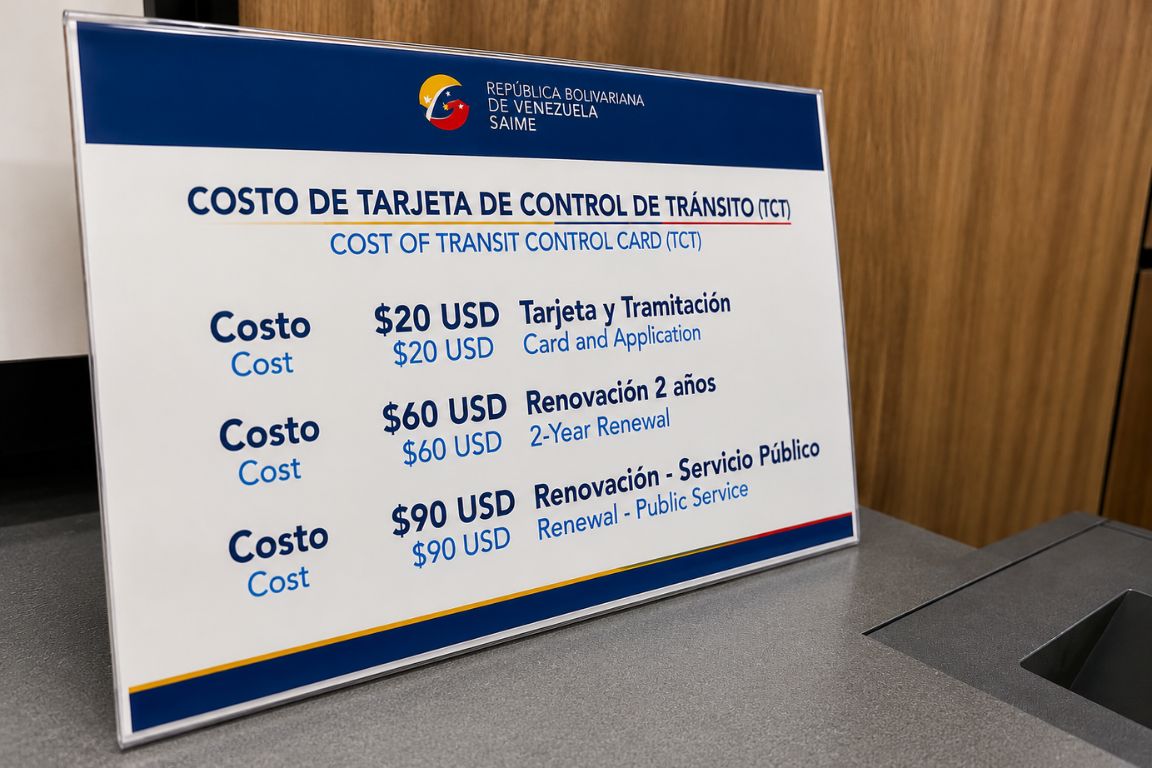
| Transit Control Card | $20 USD, pre-registered online before flying – Prices verified July 10, 2026 |
What Does a 10-Day Galapagos Cruise Actually Cover That an 8-Day Can’t?
One answer: both circuits. The waved albatross is exclusive to the eastern route. The flightless cormorant is exclusive to the western route. An 8-day cruise can do one properly. An 11-day cruise (what most operators deliver when you search for “10 days”) can do both without compromise. Nine full sailing days is enough to reach Española and give Punta Suarez its full morning, then cross to Fernandina and give Punta Espinoza its full morning too. That combination is not achievable in eight days. It is what the extended format exists to deliver.
Before going further: there is no official 10-day Galapagos National Park cruise itinerary. The Park approves cycles of 4, 5, 6, 8, 11, 14, and 15 days. What most operators sell as “10 days” is either an 11-day itinerary (10 nights on the vessel, 9 full sailing days), or a back-to-back combination of two shorter cruises, typically a 5-day and a 6-day sailing on the same vessel. Either way, you’re looking at nine or more full excursion days. That’s the product travelers searching “10-day Galapagos cruise” are actually booking, and it’s a significantly different trip from an 8-day cruise.
The geographic case for the extended format is straightforward. Every licensed vessel follows a 15-day circuit approved by the Galapagos National Park, during which it visits a set of sites without repeating any (with minor exceptions). Shorter cruises cover a portion of that circuit. An 11-day cruise covers roughly two-thirds of it. The sites that get added as you extend aren’t just more of the same: they’re different regions with different wildlife communities, different ocean current exposures, and different geological ages. Adding Fernandina to an eastern circuit, or adding Genovesa to a western one, brings species that simply don’t appear on the shorter itinerary in any form.
The extended format is also where the naturalist guide relationship reaches a different level of depth. Nine days is enough time for genuine natural history education rather than sequential introductions. By day six or seven, the evening briefings on a well-run 11-day cruise cover things the guide wouldn’t attempt on a shorter sailing: evolutionary dynamics across islands, the specific research happening at sites you’re visiting, the conservation history of the species you’ve been watching all week. That dimension of the experience is one of the most consistent highlights in feedback from travelers who’ve done both 8-day and extended cruises.
If you’re trying to decide whether the extended format makes sense for your trip, we work through this regularly and can give you a direct assessment. Fill out this short form and we’ll help you work out whether the extra days justify the additional cost for your specific situation.
Which Islands and Sites Does a 10-Day Itinerary Reach?
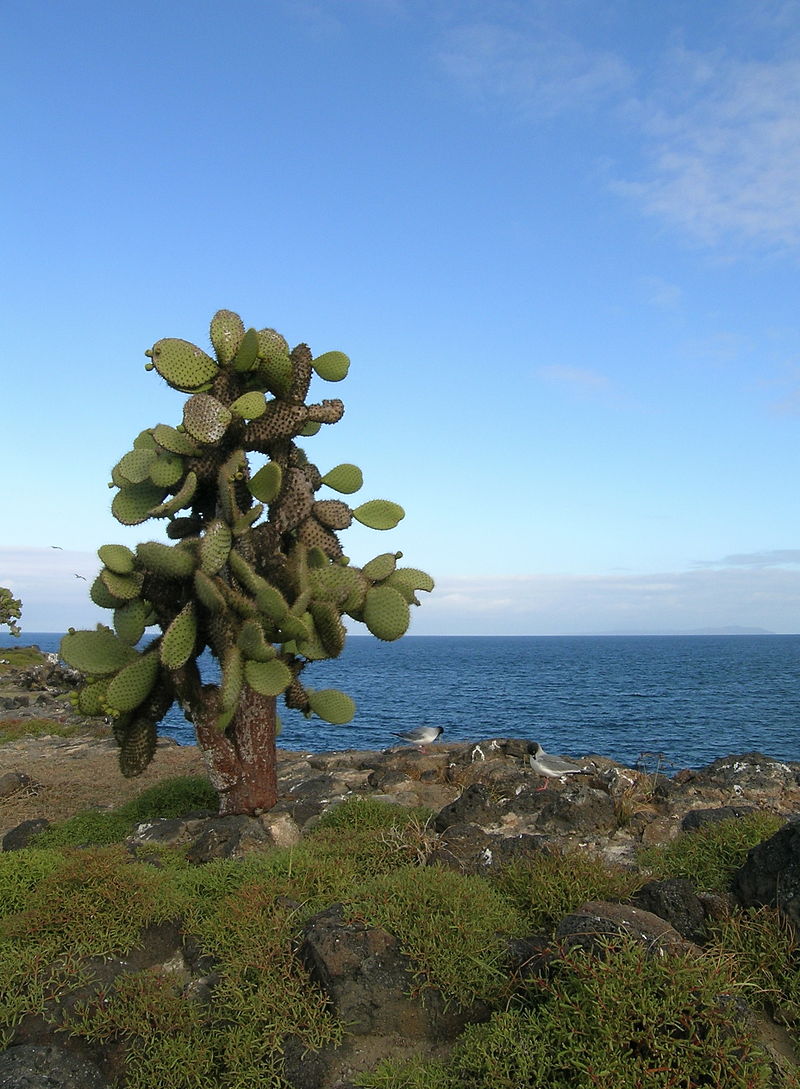
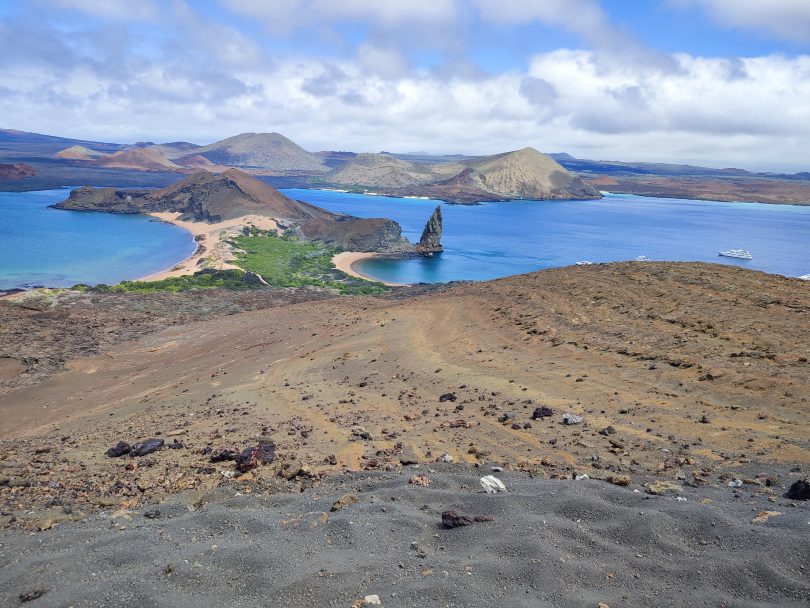
An 11-day Galapagos cruise typically visits 9 to 13 islands, covering both the eastern and western circuits or combining one full circuit with Genovesa in the north. The most common 11-day configuration pairs the complete eastern route (Española, Floreana, San Cristobal, Santa Fe, South Plaza, North Seymour, Santa Cruz) with three western days (Santiago, Isabela, Fernandina). A second common configuration takes the western circuit and adds Genovesa and a full Española day. Either approach gives you species that are strictly exclusive to each region without shortchanging any individual site.
The 11-day format comes together most cleanly when understood as two 5 or 6-day blocks joined into a single sailing. The first block completes the eastern highlights; the second completes the western ones (or adds the northern Genovesa loop). The vessel makes an overnight crossing between the blocks, which is the longest single passage of the trip. That crossing is worth knowing about in advance: depending on timing and season, it can involve 10 to 14 hours of open water sailing, during which the Bolivar Channel swell between the central and western archipelago can be felt. Most travelers sleep through it, but if motion sensitivity is a concern on your group, a catamaran hull is more important on an extended cruise than on a shorter one.
| Day | Eastern + Western 11-Day | Western + Northern 11-Day |
|---|---|---|
| Day 1 | Baltra arrival, Santa Cruz highlands | Baltra arrival, Santa Cruz highlands |
| Day 2 | South Plaza + Santa Fe | North Seymour + Mosquera |
| Day 3 | San Cristobal (Kicker Rock + Cerro Brujo) | Genovesa (Darwin Bay + Prince Philip’s Steps) |
| Day 4 | Floreana (Devil’s Crown + Post Office Bay) | Santiago (Sullivan Bay + Puerto Egas) |
| Day 5 | Española (Punta Suarez + Gardner Bay) | Rabida + Bartolome |
| Day 6 | North Seymour + overnight western crossing | Isabela (Tagus Cove + Urbina Bay) |
| Day 7 | Santiago (Sullivan Bay + Puerto Egas) | Isabela (Punta Vicente Roca) + Fernandina (Punta Espinoza) |
| Day 8 | Rabida + Bartolome | Isabela (Elizabeth Bay) + Floreana (Devil’s Crown) |
| Day 9 | Isabela (Tagus Cove + Urbina Bay) | Española (Punta Suarez + Gardner Bay) |
| Day 10 | Isabela (Punta Vicente Roca) + Fernandina | Santa Cruz (Darwin Research Station) |
| Day 11 (departure) | Morning excursion, Baltra departure | Morning excursion, Baltra departure |
The schedule above is a realistic typical structure, not a guaranteed sequence. The Galapagos National Park assigns specific sites to specific vessels on specific rotations, and the actual day-by-day will vary by operator, vessel, and departure date. What matters is that both configurations include all the headline sites of both circuits without compressing them. Confirm the actual schedule from your operator before booking.
Genovesa deserves a specific mention for anyone considering the western plus northern configuration. Located in the far northeast, it’s a collapsed volcanic caldera flooded by the sea. Darwin Bay’s beach trail leads through red-footed booby colonies so dense you can barely see the ground beneath them. Prince Philip’s Steps (El Barranco) climbs through Nazca booby nesting grounds, past short-eared owls hunting storm petrels in broad daylight, to a clifftop view that makes the overnight crossing to get there feel like a bargain. Travelers who’ve done Genovesa consistently rank it as one of the top three sites they visited across the entire trip.
The answer depends on cruise length, operator, and route in ways that aren’t always obvious from the brochure. Here’s a guide on which Galapagos itinerary visits the most islands so you compare options on equal footing.
What Wildlife Can You Expect Across 10 Days in the Galapagos?
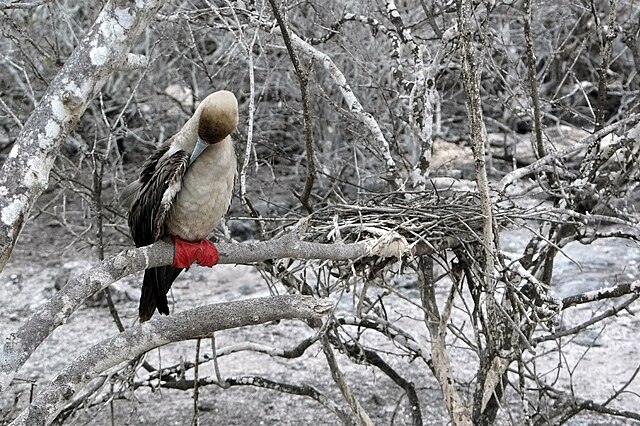
A combined 11-day Galapagos cruise reaches approximately 95% or more of the Galapagos Big 15 species in a single voyage. The only species remaining outside a standard non-diving 11-day itinerary are whale sharks and hammerhead schools at Darwin and Wolf, which require a specialized liveaboard diving trip. Everything else is accessible: waved albatross on Española, flightless cormorant on Fernandina, red-footed boobies on Genovesa, Mola mola at Punta Vicente Roca, hammerheads at Kicker Rock, giant tortoises in the Santa Cruz highlands, marine iguanas at multiple sites across both circuits, and the full penguin population of the western islands.
The wildlife case for the extended format reduces to one point: you don’t have to choose. On an 8-day cruise you pick East or West and accept that you’re missing the signature exclusive species of the other circuit. That’s the right call for most first-time visitors and it produces an excellent trip. But the absence of the albatross when you’ve done western, or the absence of the cormorant when you’ve done eastern, is a real gap that many travelers only notice after the fact. The extended cruise eliminates that gap entirely.
Beyond the circuit-exclusive species, nine full sailing days also increases the probability of the incidental encounters that define individual trips. Dolphins riding the bow wave during the western crossing. A whale surfacing off the beam during a morning passage through the Bolivar Channel. A Mola mola that drifts within meters of the panga at Punta Vicente Roca on a flat-calm June morning. These encounters are not scheduled and they don’t happen to everyone. More days in the field produces more chances. Travelers who’ve done both 8-day and extended cruises consistently describe the extended format as producing more of these unrepeatable moments, simply because they were out there longer.
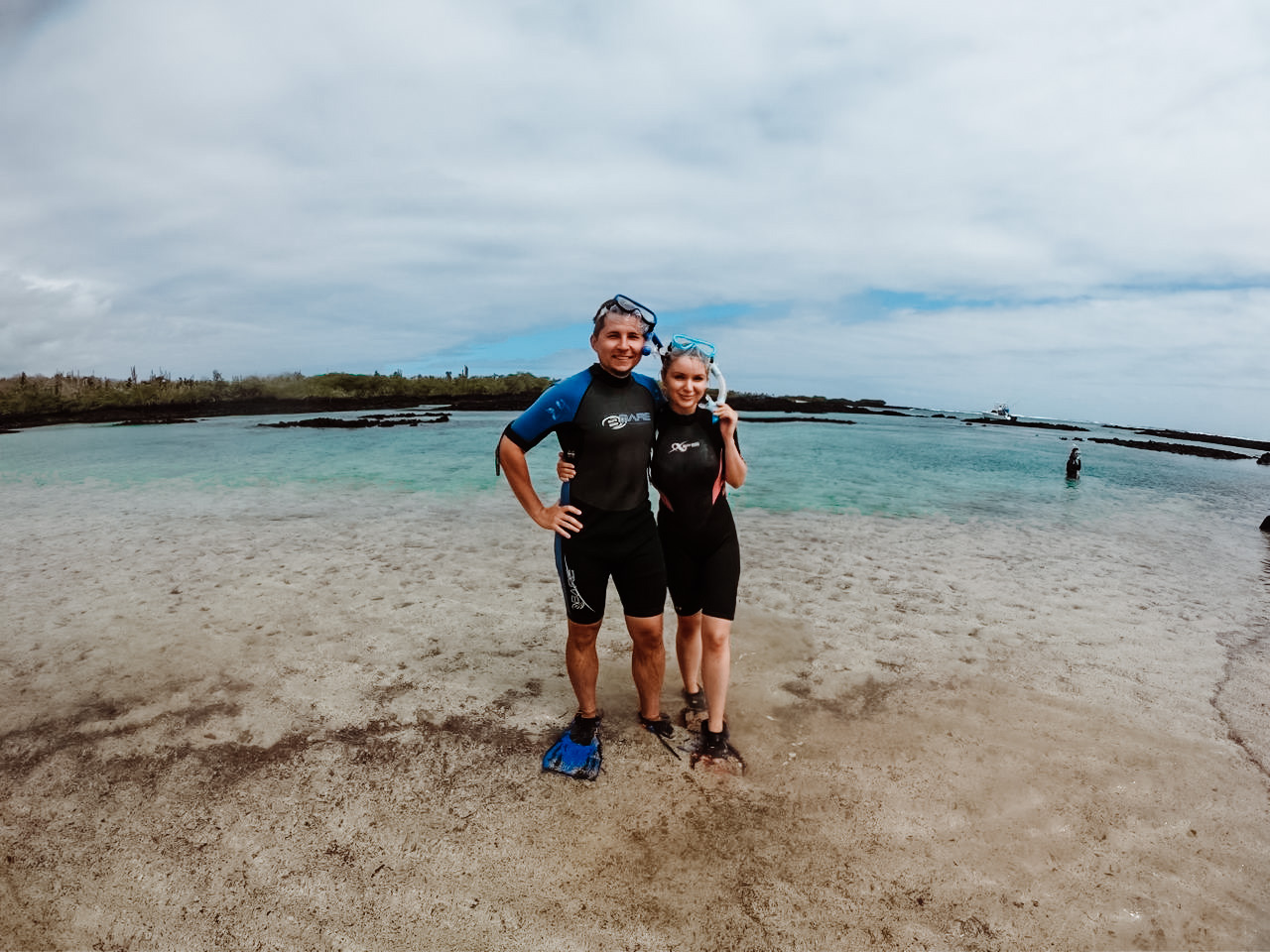
The snorkeling program across an 11-day cruise is also qualitatively different from a week-long sailing. With nine excursion days, many of which include morning and afternoon snorkel sessions, the total in-water time approaches 12 to 16 sessions at different sites. The variation between those sessions is one of the consistently named highlights in traveler feedback: Kicker Rock’s hammerhead channel is a different experience from Punta Espinoza’s marine iguanas feeding on the lava slope, which is different from Elizabeth Bay’s calm mangrove snorkel with rays drifting through the roots. No two sessions in nine days feel alike.
Not sure which Galapagos route gives you the best shot at the encounters that make the trip worth it? This breakdown on which Galapagos cruise route has the best wildlife covers the key species by island and what each route actually delivers.
What Does a 10-Day Galapagos Cruise Schedule Actually Look Like?
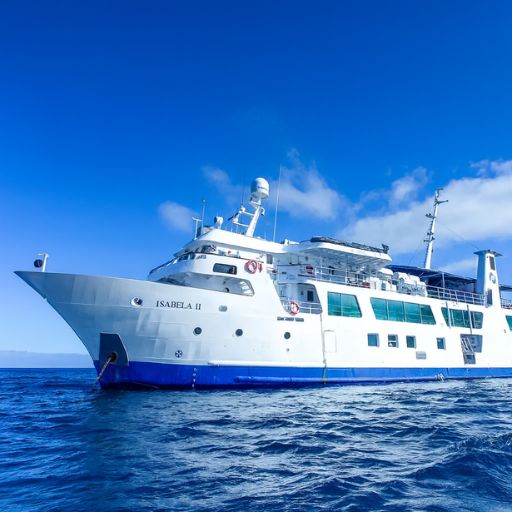
Nine full sailing days on a combined Galapagos cruise produces a rhythm that’s more settled than any shorter format. By day four you’ve left the orientation phase entirely. By day seven you’re in the kind of daily routine that feels less like tourism and more like expedition: you know the guide’s signals, you know which footwear to reach for which landing, you’ve stopped asking basic questions and started asking the ones that emerge from actually watching the same species in multiple contexts. The schedule is the same morning-to-evening structure as shorter cruises, but the accumulation across nine days is genuinely different.
The biggest logistical distinction in an extended cruise schedule is the circuit-crossing passage, typically a 10 to 14-hour overnight sailing from the central archipelago to the far western or far northern sites. This happens once during the 11-day itinerary, usually between day five and day seven depending on the configuration. You go to sleep anchored near the central islands; you wake up in a different ocean entirely, with the volcanic cliffs of Fernandina or the flooded caldera of Genovesa outside the porthole. The character of the water is different. The animals visible from the deck on the morning transit are different. It’s one of the moments on an extended cruise that makes the length feel earned rather than excessive.
A practical note on pacing: nine full sailing days is active, not leisurely. Two excursions per day plus the evening briefing is a consistent structure. Some travelers who booked an extended cruise expecting a relaxing week at sea arrive to discover it’s more demanding than they expected. The days are long, the early starts don’t stop at day five, and the lava terrain on the western sites doesn’t get easier on the seventh or eighth time you do it. The extended cruise rewards travelers who are genuinely engaged with what they’re seeing. It’s not the right format for someone who wants to spend time at the pool between wildlife walks. The Galapagos doesn’t really have that mode, and the extended format amplifies the intensity rather than relaxing it.
If you’re weighing the extended cruise against a standard 8-day and want to understand the pacing difference based on your travel style, we can help you make that call. Send us a message here and we’ll give you a straight read.
Five days hits a sweet spot in the Galapagos between seeing enough and not burning out on boat life. Here’s a full guide to the 5-day Galapagos cruise itinerary so you know what each day actually looks like.
What’s the Best Time of Year for a 10-Day Galapagos Cruise?
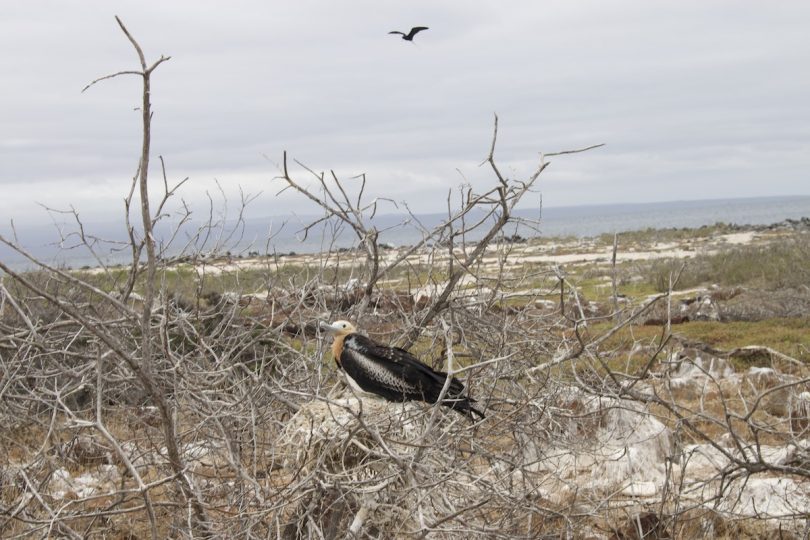
The combined eastern and western extended cruise has its own seasonal calculus because it needs to satisfy requirements from both circuits simultaneously. May is the single best month: the waved albatross has returned to Española, the Bolivar Channel swell is near its annual minimum, the Mola mola haven’t arrived yet but all other western wildlife is active, water visibility is excellent for snorkeling, and prices sit in the shoulder-season window below peak. November is the second sweet spot for the same reasons. For the western plus northern configuration, these same months apply, with the addition that Genovesa’s frigatebird courtship peaks March through May.
The seasonal complexity of an extended combined cruise is worth spelling out. The eastern circuit wants April through December for the albatross; the western circuit wants May or November to avoid the worst Bolivar Channel swell; and Genovesa wants March through May for active frigatebird courtship. May is the month where all three requirements overlap cleanly. It’s not a coincidence that May is when most experienced Galapagos operators report the highest booking density for extended itineraries from repeat visitors who know what they’re doing.
The one seasonal variable that operates differently on an 11-day cruise compared to a shorter one: the overnight Bolivar Channel crossing. On an 8-day western cruise, rough conditions in August or September mean a rougher single morning. On an extended cruise where that crossing happens midway through the trip, a rough night passage affects how travelers feel going into the subsequent day’s excursions. The impact is manageable on a catamaran hull. It’s more noticeable on a single-hull motor yacht. For August through October extended cruises, catamaran selection is even more important than it is for standard 8-day sailings.
| Month | Eastern Circuit Conditions | Western Circuit Conditions | Extended Cruise Assessment |
|---|---|---|---|
| Jan-Mar | Warm, calm; no albatross Jan-Mar | Warmest water; iguana grazing underwater | Skip if albatross is a priority |
| Apr-Jun | Albatross returns Apr; clearest water | Good; swell building Jun; May ideal | May: best single month for combined itinerary |
| Jul-Oct | Hammerheads peak; albatross with chicks | Mola mola; strongest swell Aug-Sep | Good wildlife; choose catamaran Aug-Sep |
| Nov | Albatross still present; sea lion pups | Swell calming; Mola mola tapering | November: second-best month for combined |
| Dec | Albatross departing; warm water building | Calming conditions; good visibility | Holiday peak pricing; albatross uncertain |
Seasonal data verified July 10, 2026.
How Does a 10-Day Cruise Compare to 8-Day and 15-Day Options?
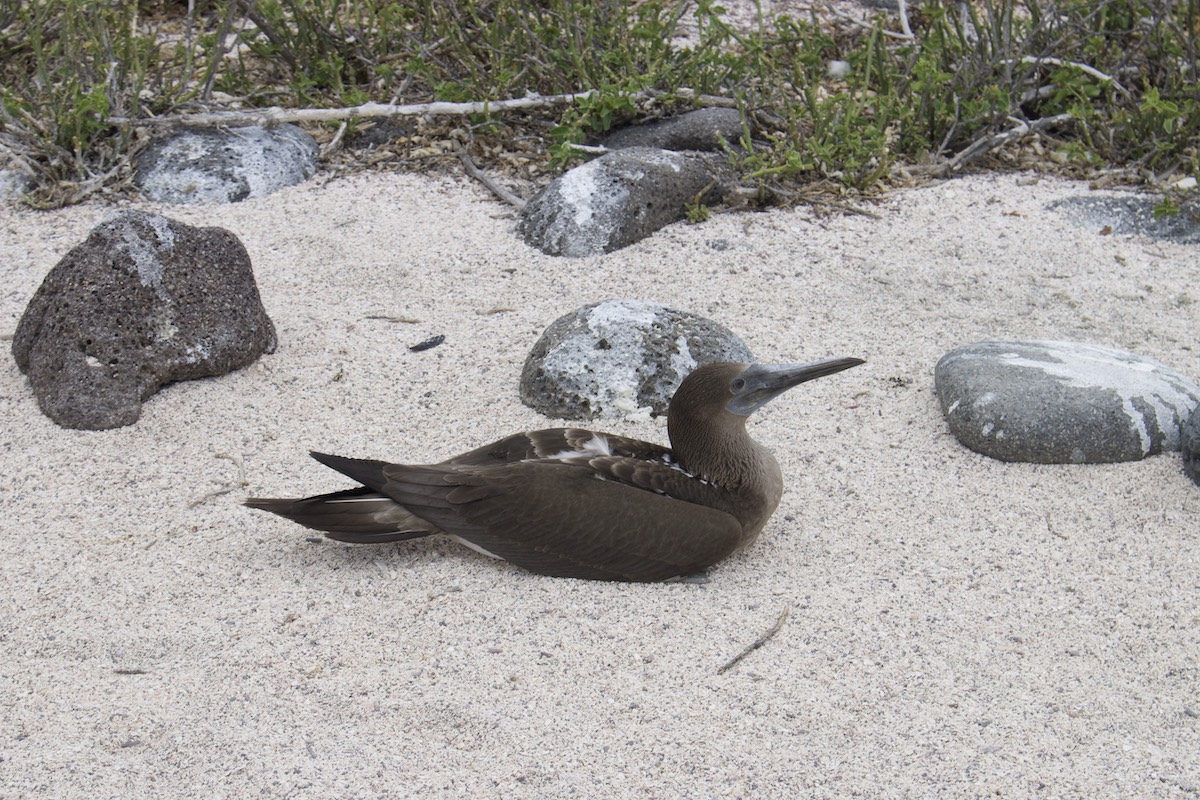
Against the 8-day, the 10/11-day extended cruise adds three full sailing days, multi-circuit coverage, and access to roughly 10 to 15% more species, specifically the circuit-exclusive animals you couldn’t see on your first circuit. The cost increase is proportional to the additional days. Against the 15-day full-archipelago expedition, the 11-day concedes complete coverage but delivers most of it, with three fewer days at sea and a lower price point. For the specific traveler who has done one 8-day circuit and wants to see the other side, the 11-day is the most efficient format available.
The comparison with 8 days comes up most in conversations with returning visitors. They did an 8-day eastern cruise, saw the albatross, want the cormorant. Or they did 8 days western, saw the cormorant, want the albatross. The 11-day combined itinerary is the product that serves exactly that need. It takes what they already know works, adds the circuit they haven’t done, and delivers both without the logistical complexity of booking two separate trips to the islands months apart.
Against the 15-day full expedition, the 11-day is the sensible choice for travelers who have two weeks total and want to include Quito or the Amazon. An 11-day cruise plus two nights in Quito and two nights in the Amazon fits inside two weeks comfortably. A 15-day cruise leaves no room for anything else. The 15-day format is for travelers who are going to the Galapagos specifically and comprehensively, not for travelers building a broader Ecuador experience. Both are valid purposes. They serve different travelers.
The one thing an 11-day cruise still can’t do that the 15-day can: cover every significant visitor site in the archipelago without repetition. The 11-day skips approximately one-third of the National Park’s approved sites across its full 15-day circuit. For most travelers, including most repeat visitors, those additional sites are not what motivates the longer trip. For wildlife photographers, serious naturalists, or travelers who want the comprehensive experience specifically, the 15-day format is the one to consider. For everyone else, 11 days is the right answer once you’ve decided you want more than a single 8-day circuit.
We’ve got a full breakdown on the 14-day Galapagos cruise if you want to know exactly how back-to-back itineraries are structured, which islands you’ll cover, and why serious Galapagos travelers consider this the ultimate way to experience the archipelago.
What Travelers Say After Extended Galapagos Cruises: Our Feedback Data
Based on feedback collected through mytrip2ecuador.com and our YouTube audience, alongside interviews with thousands of Galapagos cruise travelers:
| Factor | % Rated Excellent or Very Good | Common Traveler Comment |
|---|---|---|
| Glad they did extended over 8-day | 91% | “Having both the albatross and the cormorant in one trip was worth every extra day.” |
| Genovesa rated as trip highlight | 87% | “I wasn’t sure about the overnight crossing. Then we arrived. Completely worth it.” |
| Found the pace manageable across all days | 74% | “Active every day. I loved it. My partner was tired by day eight. Know your group.” |
| Naturalist guide depth improved across extended trip | 93% | “By day seven we were having actual conversations about evolution and conservation, not just briefings.” |
| Would recommend extended over back-to-back separate trips | 88% | “One continuous voyage is a completely different experience from two separate short cruises.” |
The 74% manageable pace figure is the one worth flagging most clearly in planning conversations. Roughly one in four extended cruise travelers found the physical demands across nine full excursion days higher than expected. These aren’t travelers who had a bad trip: most of them still rate the overall experience at the highest level. But the extended format is genuinely demanding, and knowing your group’s stamina before booking it matters more than it does for an 8-day cruise.
What Should You Know Before Booking a 10-Day Galapagos Cruise?
Confirm whether you’re booking an 11-day continuous itinerary or a back-to-back combination of two shorter cruises, and understand the difference before you pay a deposit. A continuous 11-day itinerary keeps you on the same vessel throughout, with a single crew and naturalist guide who knows you for the full nine days. A back-to-back combination means switching vessels midway, potentially with different guides and crew and a brief gap in between. Both work, but they produce different experiences, and the continuous format is almost always preferable if it’s available.
A few things specific to the extended format that catch travelers off guard:
The circuit-crossing overnight passage. The 10 to 14-hour overnight sailing from the central archipelago to the western or northern sites is the longest single passage on any standard Galapagos cruise. For most travelers it’s a non-event: you sleep through it and wake up somewhere extraordinary. For travelers prone to motion sickness, it’s the night to take medication before going to sleep rather than waiting to see how you feel. On a catamaran hull, the crossing is significantly smoother than on a single-hull motor yacht, particularly in the cool season when the Bolivar Channel swell is at its peak.
The naming confusion. Many operators use “10 days” and “11 days” interchangeably, or count differently depending on whether they’re counting nights on the vessel or calendar days including travel to and from Quito. Before booking, ask specifically: how many nights will I sleep on the vessel? How many full excursion days does that produce? An honest answer to those two questions is more useful than the headline day count in any marketing material.
Book 9 to 12 months ahead for prime departures. Extended combined itineraries have fewer vessel options than 8-day cruises, because not every operator runs an 11-day continuous route. The ones that do fill faster at popular times of year, particularly for May and November departures when the seasonal conditions are best for combined itineraries. Luxury and mid-range catamarans with strong reputations for extended routes sell out earliest.
The $200 park fee applies in full. The Galapagos National Park entrance fee is $200 per adult regardless of cruise length. Paid in USD cash on arrival at Baltra or San Cristobal airport. The $20 Transit Control Card is pre-registered online before your domestic flight. Bring both amounts in cash regardless of whether your operator says the park fee is included in the cruise price. Confirmed July 10, 2026.
Trying to figure out if two consecutive Galapagos cruises make more sense than one longer itinerary? Here’s the breakdown on back-to-back Galapagos cruise itineraries so you understand the difference and make the right call.
Which Ships Offer A 10-Day Galapagos Cruise?
Of the 75 ships we review, 11 list a 10-day itinerary. Class, guest count and price guide come from our own review of each ship.
| Ship | Class | Guests | Cruise Lengths | Price Guide |
|---|---|---|---|---|
| Estrella del Mar | Tourist Superior | 16 | 4, 10 days | ~$400-$500 per person per day – tourist superior range |
| Eden | Tourist Superior | 16 | 4, 5, 7, 8, 10, 15 days | ~$400-$600 per person/day for Tourist Superior class |
| Yolita II | Tourist Superior | 16 | 4, 5, 7, 8, 10 days | ~$6,800 per person (main deck cabin) |
| Xavier III | Tourist Superior | 16 | 4, 5, 7, 8, 10, 14 days | ~$2,500-$3,500 per person (Tourist Superior lower end) |
| Monserrat | Tourist Superior | 16 | 4, 5, 7, 8, 9, 10, 11, 12, 14, 15 days | From ~USD $3,800-$5,500 per person |
| Reina Silvia Voyager | First Class | 16 | 7, 8, 10, 15 days | See review |
| Galapagos Sky | First Class | 16 | 7, 10 days | See review |
| Celebrity Flora | Luxury | 100 | 7, 10, 11 days | From approx. $8,000 pp |
| National Geographic Islander II | Luxury | 48 | 5, 7, 8, 10 days | From ~$8,974 pp (5-night); standard 8-day significantly higher |
| National Geographic Gemini | Luxury | 48 | 8, 10 days | From ~$13,091 per person (double occupancy, excl. airfare) |
| National Geographic Delfina | Luxury | 16 | 10 days | From ~$6,860 per person (double occupancy, excl. airfare) |
Frequently Asked Questions
Is there an official 10-day Galapagos cruise?
Not in the Galapagos National Park’s approved cycle system. The Park approves itineraries in 4, 5, 6, 8, 11, 14, and 15-day cycles. What most operators sell as a “10-day cruise” is an 11-day itinerary (10 nights on the vessel, 9 full sailing days) or a back-to-back combination of two shorter cruises. When comparing options, ask how many nights you’ll be on the vessel rather than relying on the headline day count.
What does an extended Galapagos cruise add over an 8-day?
Three full additional sailing days, which enables two complete circuits in one voyage. The specific additions vary by configuration, but the most common extended combination includes both Española (waved albatross, eastern exclusive) and Fernandina (flightless cormorant, western exclusive), plus Genovesa’s seabird colonies if the northern addition is part of the route. Species coverage moves from approximately 85% on an 8-day cruise to 95%+ on an 11-day combined itinerary.
Who is a 10-day extended Galapagos cruise best suited for?
Returning visitors who completed an 8-day single circuit and want the other one. Wildlife photographers who need more time at sites and more variation across sessions. Naturalists or serious wildlife enthusiasts for whom comprehensive species coverage in a single voyage is specifically the goal. Travelers who have confirmed their group has the physical stamina for nine consecutive full excursion days. The extended format is not the right choice for first-timers who would do better starting with a focused 8-day circuit.
Is a continuous 11-day itinerary better than two back-to-back shorter cruises?
Generally yes. A continuous itinerary keeps you on the same vessel with the same naturalist guide for the full nine days, producing the relationship depth and experiential continuity that’s one of the extended format’s main advantages. Back-to-back combinations mean switching vessels, potentially with a gap between cruises and different guides on each half. Both deliver the circuit coverage; the continuous format delivers more of the extended cruise’s qualitative benefits.
What is the best time of year for a combined eastern and western Galapagos cruise?
May is the single best month: the waved albatross has returned to Española, the Bolivar Channel swell is near its annual minimum, all western wildlife is active, and prices sit below peak. November is the second sweet spot. Avoid January through March if the albatross is specifically on your list. August and September produce the strongest swell on the Bolivar crossing; choose a catamaran hull if booking those months.
How much does a 10/11-day Galapagos cruise cost in 2026?
Mid-range vessels run $4,500 to $8,000 per person. Luxury catamarans and yachts range from $8,000 to $16,000+. Add $250 to $600 for domestic flights, $200 for the park fee in cash, $20 for the TCT card, $250 to $400 in tips, and $150 to $600 for Quito nights before and after. Total all-in range: approximately $5,500 to $18,000+ per person depending on vessel class. Prices verified July 10, 2026.
The extended Galapagos cruise is where the islands stop being a destination and start being a world you’ve actually lived in for a while. The morning you wake up and Fernandina is outside the porthole after you fell asleep near the central islands. The afternoon at Genovesa when the red-footed boobies are nesting so close to the trail that you have to watch where you step. These are the moments that come from spending nine days in the field rather than six. If you’ve already done one Galapagos circuit and you know you want the other one, or if you’re planning your first trip and specifically want comprehensive coverage, we can help you find the right vessel and the right timing. Get in touch here and we’ll give you a direct recommendation with no pressure.
Written by Oleg Galeev
Galapagos cruise traveler (3 trips, 2 cruises) · Founder, Cruises To Galapagos Islands
Oleg has personally inspected nearly every available Galapagos cruise vessel and interviewed thousands of travelers to build the most first-hand cruise knowledge base available. He also runs the Ecuador travel blog mytrip2ecuador.com and the YouTube channel My Trip to Somewhere.
Cruises To Galapagos Islands is rated 4.9 stars on Google and TripAdvisor.
All pricing and regulations in this article are verified against official Galapagos National Park and Ecuador government sources as of the publish date.