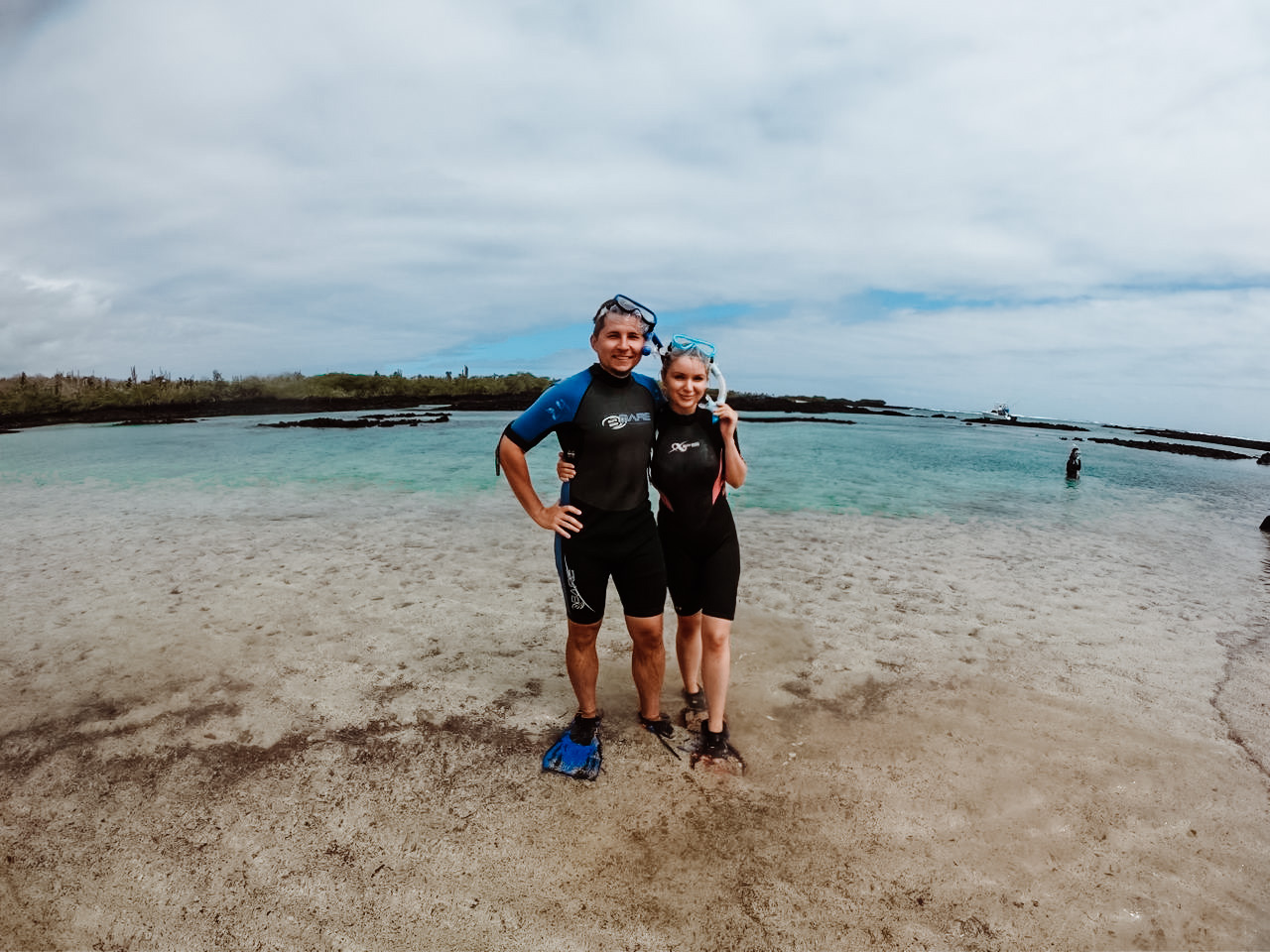
14-Day Galapagos Cruise: Ultimate Back-to-Back Guide
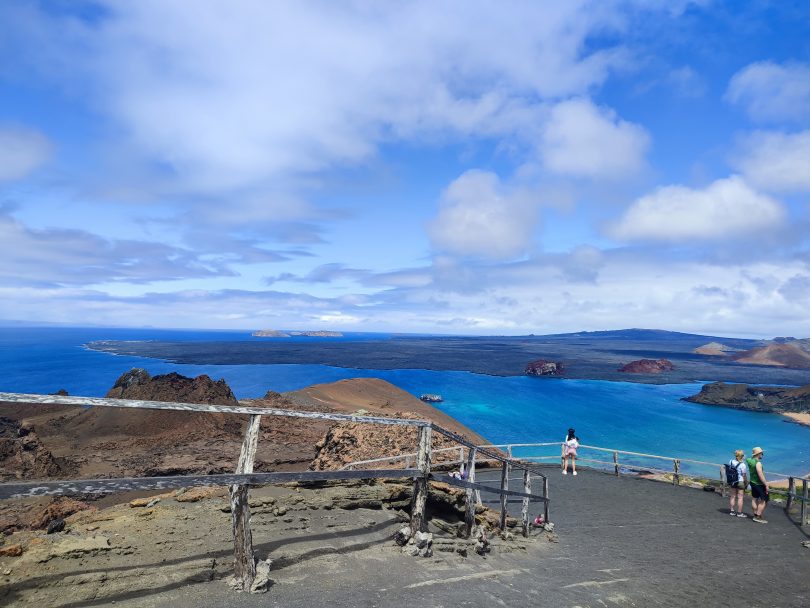
Part of our guide to how long your Galapagos cruise should be. Ready to pick a ship? See compare all Galapagos cruise ships by price, size and class.
Quick Facts: 14-Day Galapagos Cruise
| Detail | What to Know |
|---|---|
| Structure | Two back-to-back 8-day itineraries on the same vessel; 13 nights / 12 full sailing days |
| Why Back-to-Back Works | Since 2012 the Galapagos National Park requires vessels to wait 14 days before revisiting the same site – so every licensed vessel runs a full 15-day circuit. Operators divide it; back-to-back passengers ride almost all of it. |
| Islands Covered | 11 to 14 islands; all major regions including eastern, western, northern, and central |
| Visitor Sites | 14 to 17 of the 18 National Park-recognized sites across the full circuit |
| Species Coverage | Near-complete Big 15 coverage; only Darwin and Wolf dive sites remain out of reach |
| Price Range (2026) | $6,000-$12,000 per person mid-range; $12,000-$22,000+ luxury. Many operators offer 10-15% second-week discounts. |
| Who It’s For | Serious naturalists; wildlife photographers; returning visitors after multiple single-circuit trips; travelers with two full weeks specifically for the Galapagos |
| What It Still Can’t Do | Reach Darwin and Wolf (dive-only liveaboard); repeat any visitor site |
| Park Entrance Fee | $200 USD adults / $100 USD children under 12 (cash on arrival) – Prices verified July 10, 2026 |
| Transit Control Card | $20 USD, pre-registered online before flying – Prices verified July 10, 2026 |
What Is a 14-Day Galapagos Cruise and Who Is It Actually For?
A 14-day Galapagos cruise is two back-to-back 8-day itineraries on the same vessel, running 13 nights and 12 full sailing days. The structure exists because of a specific National Park rule introduced in 2012: every licensed vessel must wait 14 days before returning to the same visitor site. This means every Galapagos cruise ship is already running a complete two-week circuit. Operators divide that circuit into shorter bookable segments. Travelers who book both consecutive segments on the same vessel get the near-complete experience – all major island regions, most visitor sites on the full circuit, and the undivided attention of one naturalist guide for two weeks.
The 2012 rule is the foundational fact that makes the back-to-back cruise worth understanding. Before that year, vessels could revisit popular sites repeatedly, which concentrated environmental pressure at the most accessible landings. The 14-day waiting period forced the entire licensed fleet to distribute more evenly across the archipelago’s 70-plus terrestrial sites and 75-plus marine sites. The practical effect for travelers: every vessel is already completing a two-week circuit regardless of how it’s sold. The 8-day cruise you book is already half of that circuit. The back-to-back 14-day cruise gives you almost all of it.
Who this format is actually for is a narrower group than the 8 or 11-day formats serve. It’s not the right first Galapagos cruise for most travelers. The experience requires sustained physical engagement across 12 full excursion days, genuine enthusiasm for natural history rather than just wildlife ticking, and the kind of travel budget that makes two weeks in the Galapagos the primary goal rather than a component of a broader trip. The travelers who book 14-day cruises are overwhelmingly returning visitors who completed an 8-day single circuit and wanted everything – serious naturalists, wildlife photographers who need multiple sessions at the same sites in different conditions, and a specific cohort of retirees who decided that if they were going to do the Galapagos they were going to do it properly.
If you’re trying to work out whether the 14-day makes sense for your situation or whether an 11-day combined itinerary would cover what you care about, that’s a genuinely useful conversation to have before committing. Fill out this short form and we’ll give you a direct read.
What Does a 14-Day Back-to-Back Itinerary Cover?
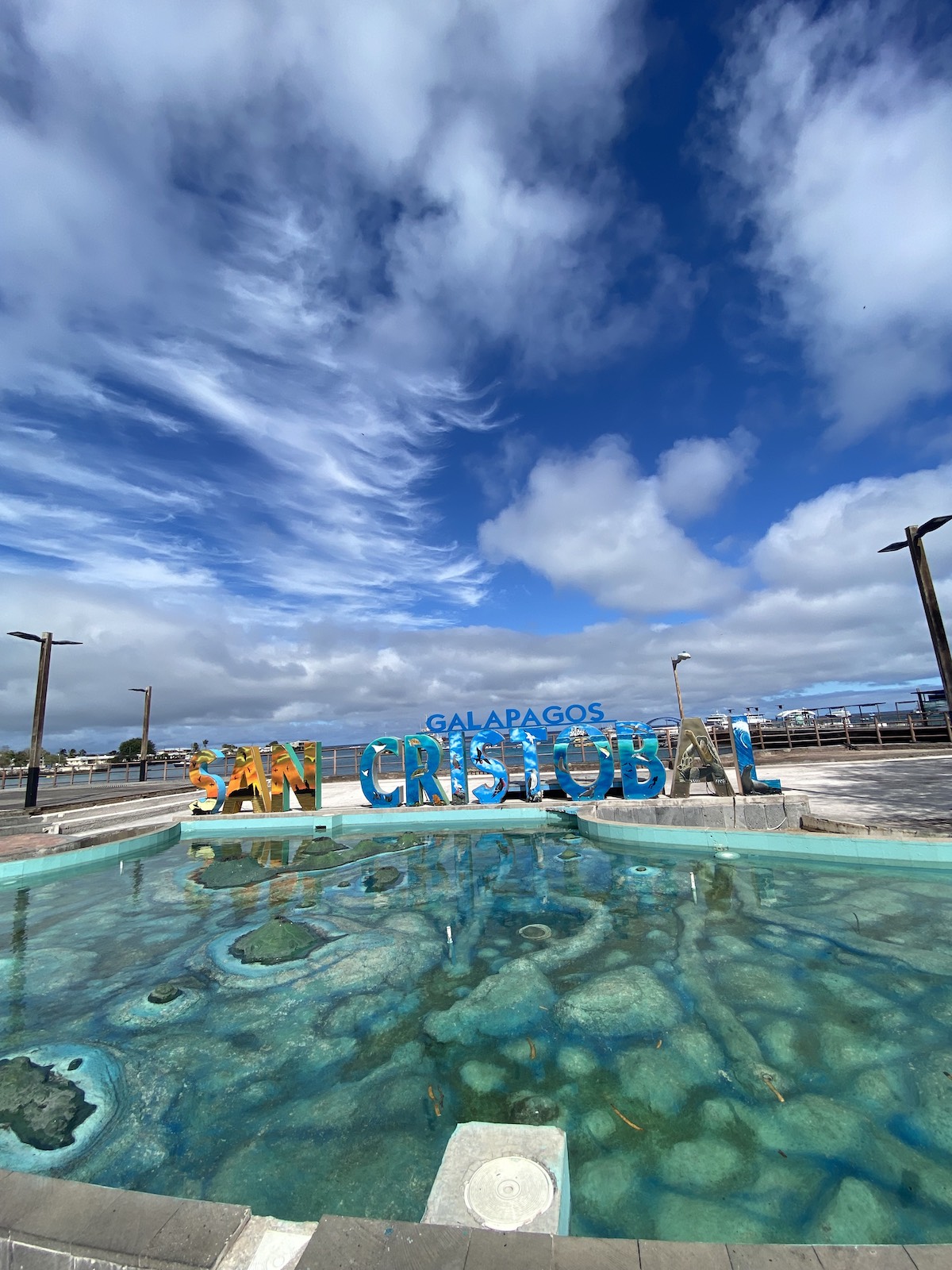
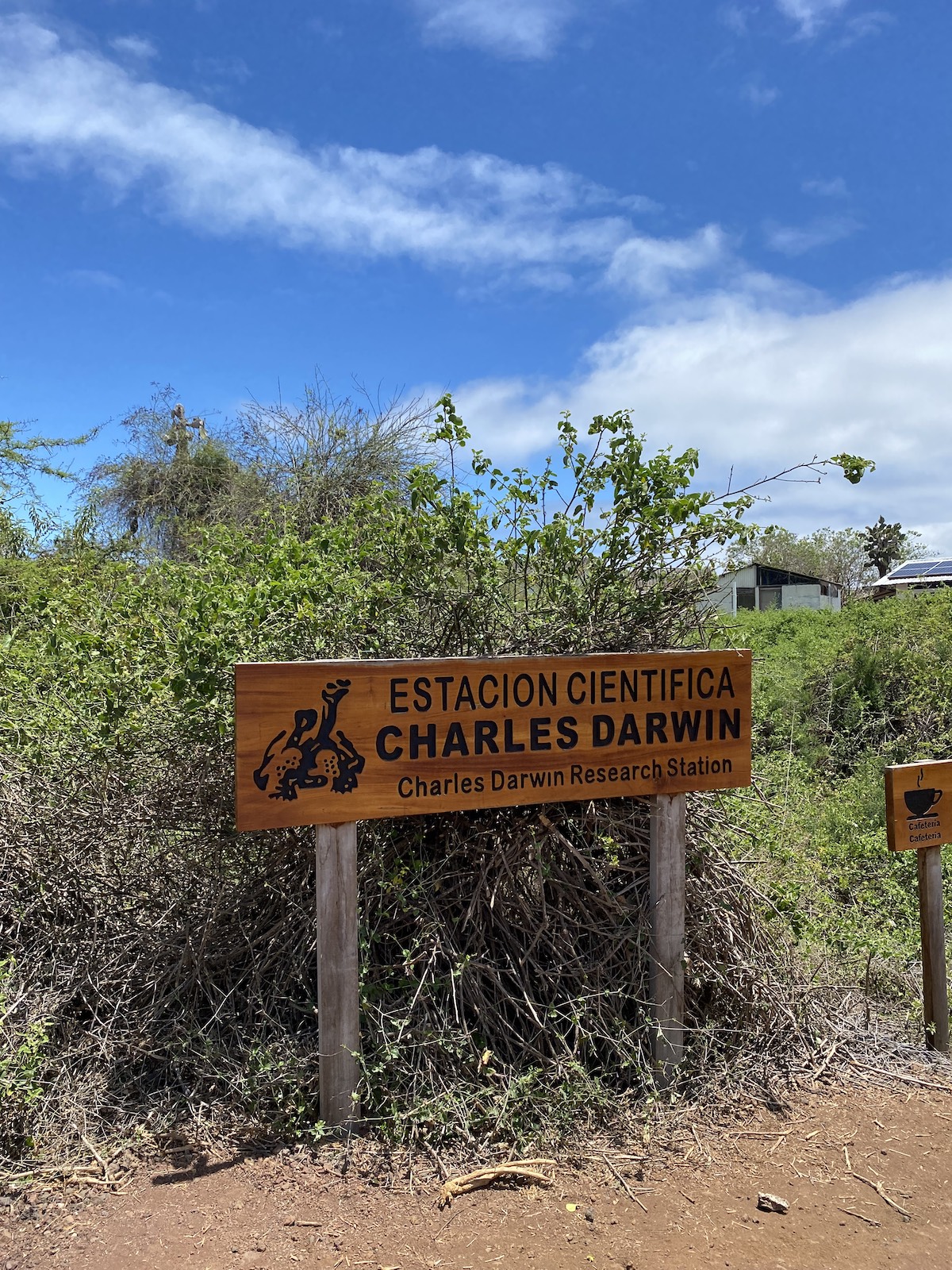
A 14-day back-to-back cruise covers all four major island regions of the Galapagos: eastern (Española, San Cristobal, Floreana), western (Fernandina, Isabela), northern (Genovesa), and central (Santa Cruz, Santiago, Bartolome, Rabida, North Seymour). The first 8-day segment typically covers one main circuit; the second 8-day segment covers the complementary one. Together they visit 11 to 14 islands and 14 to 17 of the 18 National Park-recognized visitor sites. No single site is repeated, with the near-universal exception of the Charles Darwin Research Station on Santa Cruz, which almost every itinerary includes at least once.
The way operators typically structure the two segments is worth understanding. The first week often covers the eastern and central islands: Santa Cruz highlands, South Plaza, Santa Fe, San Cristobal, Española, Floreana, North Seymour, and Genovesa. The second week pivots to the western and northern sites: Santiago, Rabida, Bartolome, Isabela (multiple sites across three landings), and Fernandina. Some operators run it the other way around. The order doesn’t materially affect the quality; what matters is that both halves are equally strong and equally planned, not a headliner week followed by a filler week.
| Region | Key Islands / Sites | Exclusive Species | Typical Segment |
|---|---|---|---|
| Eastern | Española (Punta Suarez + Gardner Bay), Floreana (Devil’s Crown + Post Office Bay), San Cristobal (Kicker Rock + Punta Pitt) | Waved albatross (Apr-Dec), Christmas iguana, all 3 booby species at Punta Pitt | Week 1 or 2 |
| Western | Fernandina (Punta Espinoza), Isabela (Tagus Cove + Urbina Bay + Punta Vicente Roca + Elizabeth Bay) | Flightless cormorant, largest marine iguana colony, Mola mola (Jun-Nov), Galapagos penguin year-round | Week 1 or 2 |
| Northern | Genovesa (Darwin Bay + Prince Philip’s Steps) | Red-footed booby mega-colony, short-eared owls hunting storm petrels, great frigatebird courtship | Week 1 typically |
| Central | Santa Cruz (highlands + Darwin Research Station), Santiago (Sullivan Bay + Puerto Egas), Bartolome (Pinnacle Rock), Rabida (red beach + flamingo lagoon), North Seymour | Giant tortoises in wild, fur seals, Galapagos hawk, all finch species | Distributed across both weeks |
One site worth calling out specifically: Punta Pitt on San Cristobal. It’s the only place in the entire archipelago where all three booby species – red-footed, blue-footed, and Nazca – nest in the same location. It appears almost exclusively on 14-day and 15-day itineraries because its position at the far eastern end of San Cristobal doesn’t fit economically into shorter schedules. Getting there means a longer crossing that shorter cruises won’t make just for one landing. Travelers on 14-day back-to-back sailings consistently name Punta Pitt as one of the strongest single landings of the two weeks, precisely because it delivers something unavailable anywhere else in the islands.
Ask your operator specifically whether Punta Pitt is on the itinerary before booking. Not all 14-day cruises include it. Get in touch here and we’ll tell you which vessels typically include it and which don’t.
More islands doesn’t always mean a better trip but it matters more than most people think when booking a Galapagos cruise. Here’s a full guide on which Galapagos itinerary visits the most islands so you know what you’re actually comparing.
What Wildlife Can You See Across 14 Days in the Galapagos?
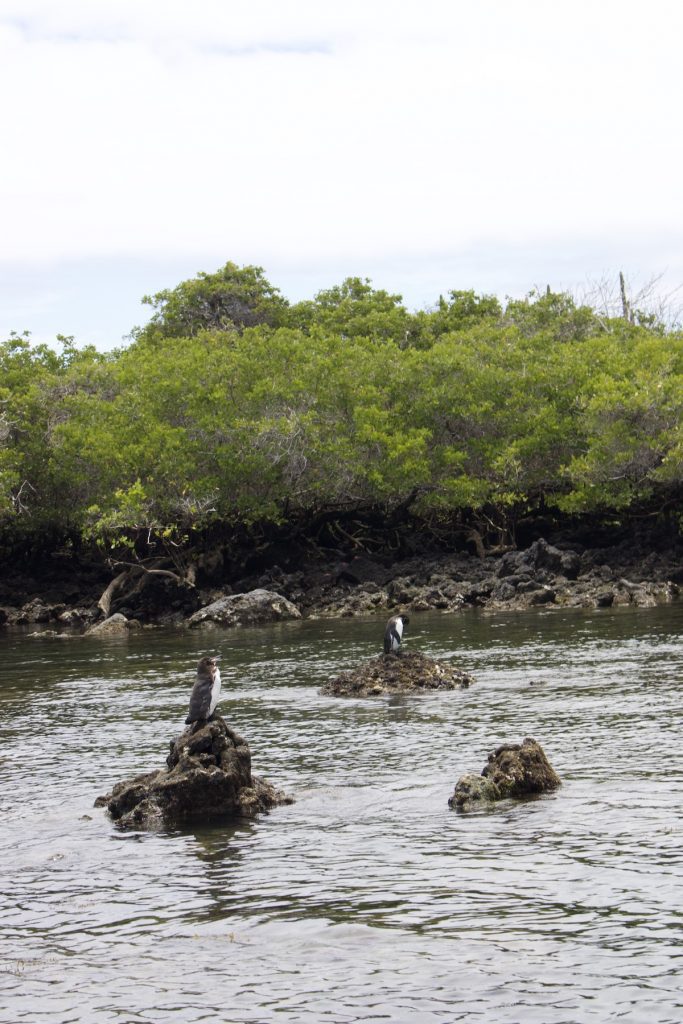
A 14-day back-to-back Galapagos cruise delivers near-complete Big 15 coverage in a single voyage. The only species remaining out of reach on a standard non-diving 14-day itinerary are the whale sharks and schooling hammerheads at Darwin and Wolf, which require a dedicated dive liveaboard regardless of cruise length. Everything else is available: waved albatross, flightless cormorant, red-footed boobies on Genovesa, Mola mola at Punta Vicente Roca, all three booby species at Punta Pitt, giant tortoises in the wild at the Santa Cruz highlands, the Fernandina marine iguana mega-colony, Galapagos penguin year-round, and the full suite of central islands species including Darwin’s finches, frigatebirds, sea lions, and sea turtles.
The wildlife case for 14 days over 11 days is specific. On an 11-day combined cruise you see most of the big names from both circuits but you’re still selecting: you might have one day on Isabela’s western face versus three days across the full 14-day western coverage. The 14-day format gives Isabela the time it deserves – multiple separate landings at Tagus Cove, Urbina Bay, Punta Vicente Roca, and Elizabeth Bay across different days, each delivering a different face of the island’s wildlife. That multi-landing depth changes what you understand about an island’s ecology in a way that a single visit doesn’t.
Twelve full excursion days also changes the probability calculus on incidental encounters. Whale sightings during Bolivar Channel passages become near-certain rather than lucky. Dolphins riding the bow wave happen repeatedly rather than occasionally. The guide has enough days to make second visits to the same species in different behavioral states: marine iguanas basking on the lava in the morning, the same species grazing underwater in the afternoon. Darwin’s finches become familiar rather than confusing. By week two, experienced travelers often describe a qualitative shift in perception: they’re not looking for wildlife anymore because the wildlife is just the world they’re living in.
Trying to decide between routes based on what you most want to see out there? Here’s which Galapagos cruise route has the best wildlife broken down by the encounters most travelers come back talking about.
What Does the Full Two-Week Schedule Look Like Day by Day?
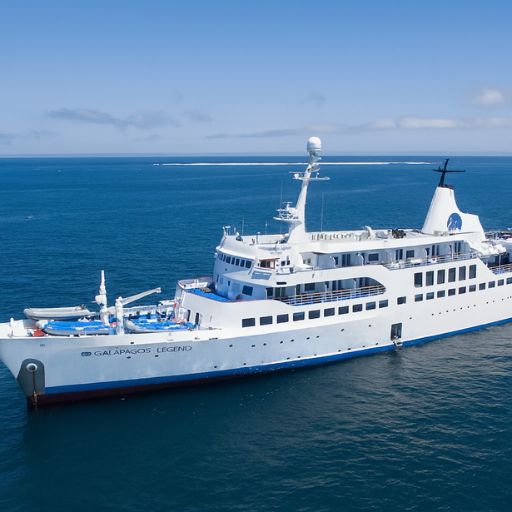
Twelve full sailing days across two back-to-back 8-day itineraries produces a schedule that’s more internally varied than any shorter format. The first week covers one complete regional circuit at a proper pace: two excursions daily, evening briefings that go deeper as the week progresses, no site compressed because the next island is too far. The second week starts fresh with a new circuit and a new set of sites, but the guide knows you by then, the crew knows your preferences, and the daily rhythm is so established that the transition between week one and week two barely registers. Day eight is the pivot – one half of the passenger roster departs, new travelers board, and the vessel turns toward the second circuit.
That midpoint on day eight is one of the structural features that distinguishes a back-to-back cruise from a single continuous extended itinerary. The arriving passengers on day eight get a fresh start on week two with a crew and guide who’ve already been sharpened by a week of running excursions. Travelers staying on from week one get the unbroken continuity of the same guide, same routine, and now a deeper familiarity with everything the guide knows. Several operators offer a small onboard celebration or meal for the back-to-back guests at this midpoint – a recognition that they’ve done something most visitors don’t.
The daily structure is unchanged from shorter cruise formats: up before 7am, first Zodiac to shore by 7:30am, two to three hours ashore or in the water, return to vessel, reposition during lunch, second excursion mid-afternoon, return by 5pm, shower, dinner at 7pm, evening debrief, vessel moves overnight to the next site. After twelve days of this rhythm it becomes genuinely automatic. The physical demands don’t diminish across two weeks but most travelers find their bodies adapt: better at the wet landings by day five, easier with the lava terrain by day eight, and genuinely fit by day twelve in a way they weren’t at the start.
The one logistical element unique to back-to-back cruises: your cabin between weeks. Most operators hold your cabin across the day-eight changeover without requiring you to move your luggage. Confirm this before booking. The few operators who don’t hold the same cabin across the back-to-back cause unnecessary disruption at the midpoint of what should be a continuous experience. This is worth a direct question to your operator: “Will I be in the same cabin for both segments?”
Not sure if back-to-back Galapagos cruises are actually possible or worth the extra time and cost? This breakdown on back-to-back Galapagos cruise itineraries covers the logistics, the benefits, and what the experience looks like when you commit to two consecutive weeks on the water.
What’s the Best Time of Year for a 14-Day Galapagos Cruise?
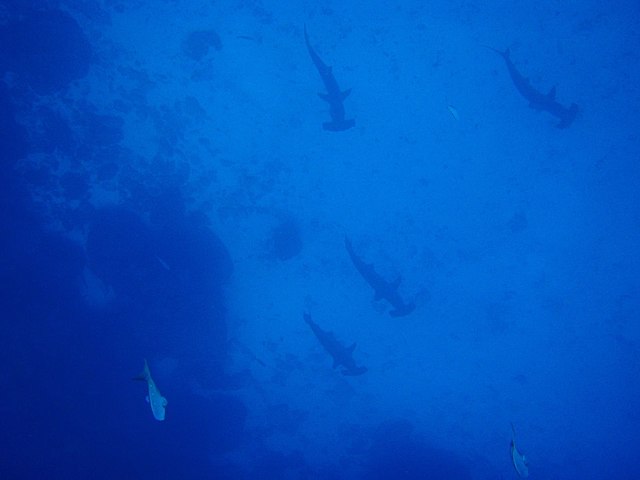
May is the single best month for a 14-day back-to-back cruise for the same reasons it’s the best month for any combined itinerary: the waved albatross has returned to Española, the Bolivar Channel swell is near its annual minimum, Mola mola haven’t yet peaked at Punta Vicente Roca but all other western wildlife is fully active, and pricing sits below the December through January peak. November is the second sweet spot. A 14-day cruise covering all circuits has less seasonal flexibility than a single-circuit 8-day sailing because it needs acceptable conditions across eastern, western, and northern routes simultaneously.
The seasonal complexity of the 14-day format is worth spelling out in full. The eastern circuit wants April through December for the albatross. The western circuit wants May or November to avoid the worst Bolivar Channel swell. Genovesa’s frigatebird courtship peaks March through May. Mola mola at Punta Vicente Roca peaks July through November. Kicker Rock hammerheads peak July through October. May is where the most important variables align: albatross is back, Bolivar Channel is calmest, frigatebird courtship is active, and while Mola mola haven’t peaked they’re already being seen. November is where the second-largest number of these variables line up: albatross still present, swell calming, Mola mola tapering, sea lion pups active on the eastern beaches.
The months to avoid on a 14-day cruise are narrower than on shorter formats but more consequential. January through March: the albatross has left Española and won’t return until April, which eliminates one of the eastern circuit’s defining experiences. August through September: the Bolivar Channel swell is at its peak, and a 14-day cruise spends more time in western waters than a shorter itinerary, amplifying the swell exposure. If your only available dates fall in those windows, a catamaran hull is essential, and managing expectations about the albatross (January to March bookings) is part of the pre-trip conversation.
| Month | 14-Day Cruise Assessment | Key Wildlife Active |
|---|---|---|
| Jan-Mar | Warm, calm; albatross absent Jan-Mar on Española; western circuit excellent | Iguana grazing underwater (Fernandina), sea turtles nesting, warm-water snorkeling |
| Apr-May | Best window. Albatross returns Apr; Bolivar swell near minimum May; frigatebird courtship active; shoulder pricing | Albatross courtship, blue-footed booby courtship, Genovesa frigatebirds, early Mola mola sightings |
| Jun-Jul | Excellent; swell building; Mola mola beginning; hammerheads at Kicker Rock | Mola mola, hammerheads, albatross with chicks, frigatebirds, cormorant nesting |
| Aug-Sep | Strong swell in Bolivar Channel; peak Mola mola; catamaran essential; not ideal for first 14-day cruise | Peak Mola mola, peak hammerheads, whale sightings in Bolivar Channel |
| Oct-Nov | Second-best window. Swell calming; Mola mola tapering; albatross still present; sea lion pups on eastern beaches; shoulder pricing | Albatross with fledglings, hammerheads tapering, sea lion pups, good snorkeling visibility |
| Dec | Albatross departing; warm water building; peak holiday pricing | Iguana breeding colors fading; sea turtles arriving to nest; calmer western crossings |
Seasonal data verified July 10, 2026.
How Does a 14-Day Cruise Compare to 11-Day and 15-Day Options?
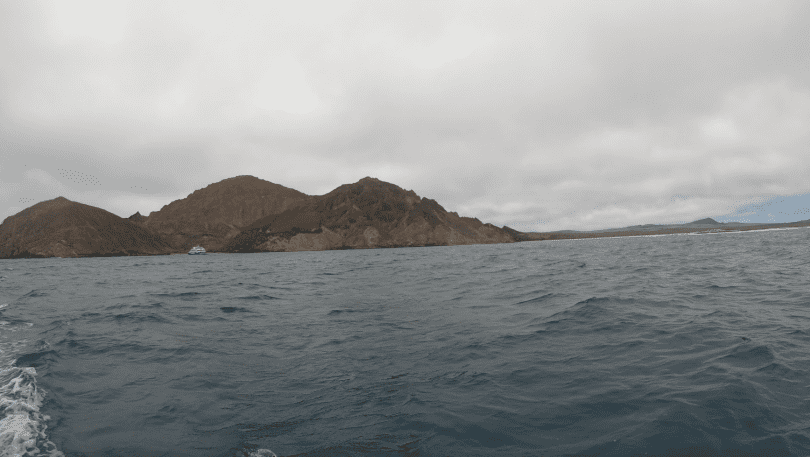
Against the 11-day extended cruise, the 14-day adds three more full sailing days, all four major island regions instead of three, Punta Pitt on San Cristobal (all three booby species together, exclusive to longer itineraries), and near-complete visitor site coverage of the full National Park circuit. Against the 15-day complete expedition, the 14-day is one day shorter and misses one or two visitor sites from the full circuit, while delivering essentially the same wildlife coverage and the same naturalist guide relationship depth. The 14-day is where most serious Galapagos travelers land when they want everything except the final marginal site that the 15-day adds.
The practical difference between 14 and 15 days is smaller than the difference between any other consecutive lengths in the series. Both cover the near-complete circuit. Both deliver all four major island regions. Both include Punta Pitt, Punta Espinoza, Punta Suarez, and the Genovesa seabird cathedral. The 15-day adds one or two visitor sites that the 14-day skips for scheduling reasons – typically a secondary central island site or a second snorkel at a site already visited in a different context. For travelers who care about comprehensive coverage as a goal, the 15-day is technically more complete. For travelers who care about the quality of what they see, the 14-day is essentially the same experience.
Many operators sweeten the back-to-back booking with a second-week discount of 10 to 15% off the cruise rate. At that discount level, the 14-day often costs meaningfully less than two separately booked 8-day cruises on the same vessel, even accounting for the one-day difference. If you’re planning to do both circuits eventually, comparing the cost of doing them back-to-back versus returning for a second trip is worth modeling before you book.
The comparison with the 11-day is more useful for actual planning decisions. The 11-day delivers multi-circuit coverage efficiently but skips some of the deeper Isabela sites, misses Punta Pitt entirely, and compresses the western circuit more than the 14-day does. For the traveler who did an 8-day eastern circuit and wants the western plus Genovesa in one more trip, the 11-day is the right product. For the traveler who wants everything the Galapagos has to offer on a standard cruise, the 14-day is the answer.
The remote islands that most cruises skip are exactly what a 10-day itinerary makes room for. Here’s a guide to the 10-day Galapagos cruise so you see what becomes possible when you have enough time on the water.
What Travelers Say After a 14-Day Back-to-Back Galapagos Cruise: Our Feedback Data
Based on feedback collected through mytrip2ecuador.com and our YouTube audience, alongside interviews with thousands of Galapagos cruise travelers:
| Overall experience rated best trip of their life | 89% | “I’ve been to six continents. Nothing compares to two weeks in the Galapagos.” |
| Second week rated as strong as or stronger than first | 84% | “I expected the second week to feel repetitive. It didn’t. Different islands, different world.” |
| Punta Pitt named as a trip highlight | 78% | “We saw all three booby species in a single landing. No short cruise can do that.” |
| Naturalist guide relationship deepened significantly in second week | 92% | “By day ten our guide wasn’t briefing us anymore. We were just talking about what we’d seen.” |
| Would recommend 14-day over two separate 8-day trips | 87% | “Continuous immersion is completely different from two trips. Don’t break it up if you can help it.” |
| Found the physical pace manageable across both weeks | 69% | “By day eleven my knees knew about it. Still the best two weeks of my life.” |
The 69% manageable pace figure is the most important number in this table for planning purposes. Nearly one in three back-to-back travelers found the cumulative physical demands of 12 full excursion days more than they’d anticipated. These aren’t dissatisfied travelers – the overall satisfaction numbers are the highest in the series. But twelve consecutive days of lava terrain, early starts, and cold-water snorkeling sessions is genuinely demanding, and knowing your group’s baseline fitness matters more for a 14-day booking than for any shorter format.
The snorkeling in the Galapagos is unlike anything else in the world but not every itinerary puts you in the best water. Here’s a full guide to the best Galapagos itinerary for snorkeling so you book the route that actually delivers underwater.
What Should You Know Before Booking a 14-Day Galapagos Cruise?
The most important booking considerations are: confirm which specific visitor sites are on each of the two 8-day segments, ask explicitly about same-cabin continuity across the midpoint changeover, check whether a second-week discount applies to your operator and vessel, and book 9 to 12 months ahead for May or November departures on quality vessels. The 14-day back-to-back is a smaller inventory market than the 8-day – fewer vessels run both segments continuously with the same crew and guide, and the ones that do fill their back-to-back slots earlier than their individual segments.
Several things specific to the 14-day format catch travelers off guard:
Not all back-to-back cruises are equal. Some operators market “14-day” cruises that are actually two separate shorter sailings on different vessels with a land night in between. That’s a different product from a true back-to-back on the same vessel with the same crew and guide. The continuous experience is significantly better: no repacking, no transfer logistics, no rebuilding the crew relationship. Ask explicitly whether you stay on the same vessel without disembarking between segments.
The midpoint day matters. Day eight on a back-to-back cruise is the transition day: one group departs, new travelers board, and the vessel pivots to the second circuit. Most operators handle this professionally, but the day’s excursion schedule is often slightly lighter than full days on either side of it. Some operators use it for a Santa Cruz town visit or a Darwin Research Station revisit. Confirm what day eight looks like before booking if maximizing excursion time is a priority.
The second-week discount is worth asking about explicitly. Several well-regarded operators including Quasar Expeditions offer a 10% reduction on the cruise rate for the second 8-day segment when booked as a continuous back-to-back. This isn’t always advertised prominently and sometimes requires a direct request at booking rather than appearing automatically in online pricing. For a cruise at this price point, 10% represents a meaningful saving.
The $200 park fee is paid once, not twice. Despite boarding for what is effectively two cruises, you pay the Galapagos National Park entrance fee once on arrival. The fee covers the full duration of your stay regardless of how many segments you sail. Bring $200 per adult in USD cash on arrival at Baltra or San Cristobal airport. The $20 Transit Control Card is also a single pre-registration online before your inbound domestic flight. Prices verified July 10, 2026.
Which Ships Offer A 14-Day Galapagos Cruise?
Of the 75 ships we review, 10 list a 14-day itinerary. Class, guest count and price guide come from our own review of each ship.
| Ship | Class | Guests | Cruise Lengths | Price Guide |
|---|---|---|---|---|
| Xavier III | Tourist Superior | 16 | 4, 5, 7, 8, 10, 14 days | ~$2,500-$3,500 per person (Tourist Superior lower end) |
| Monserrat | Tourist Superior | 16 | 4, 5, 7, 8, 9, 10, 11, 12, 14, 15 days | From ~USD $3,800-$5,500 per person |
| Solaris | First Class | 16 | 4, 5, 6, 7, 14 days | From ~$4,150 per person (ocean view cabin, regular season) |
| Tip Top V | First Class | 16 | 7, 14 days | From $6,388 pp |
| Coral I & II | First Class | 36 | 4, 7, 8, 14 days | ~$489-500 pp/day |
| Aqua Mare | Luxury | 16 | 8, 14 days | From ~$11,000 pp (Category 5) to ~$30,000 pp (Owner’s Suite) |
| Silver Galapagos | Luxury | 100 | 7, 14 days | From ~$8,000-10,000 pp (Classic Veranda Suite) |
| Silver Origin | Luxury | 100 | 7, 14 days | From ~$8,000-$13,000 pp (Classic Veranda Suite; varies by season) |
| Origin/Theory/Evolve | Luxury | 20 | 7, 14 days | From approximately $8,500 pp double occupancy |
| Ocean Spray | Luxury | 16 | 4, 5, 7, 14 days | $718-$884 per person per day |
Frequently Asked Questions
Why does a back-to-back Galapagos cruise work?
Since 2012 the Galapagos National Park has required all licensed vessels to wait 14 days before revisiting the same visitor site. Every licensed cruise ship is therefore running a complete two-week circuit. Operators divide that circuit into shorter bookable segments. Travelers who book two consecutive segments on the same vessel get the near-complete circuit in one continuous voyage. The 14-day back-to-back is the natural product of that regulatory structure.
How is a 14-day cruise different from two separate 8-day trips?
Continuous immersion: same vessel, same naturalist guide, same crew for 12 full sailing days. No repacking, no airport transfers, no rebuilding the guide relationship after a gap. The depth of understanding that develops with a single naturalist over 12 days is qualitatively different from what two separate one-week trips deliver. Most operators also offer a second-week discount of 10 to 15% for back-to-back bookings, making the continuous format better value as well as a better experience.
What makes a 14-day cruise different from an 11-day extended cruise?
Three additional full sailing days, coverage of all four major island regions (the 11-day typically covers three), access to Punta Pitt on San Cristobal (the only site with all three booby species, exclusive to longer itineraries), and deeper coverage of Isabela across multiple separate landings. The 11-day delivers multi-circuit coverage efficiently; the 14-day delivers it comprehensively.
Is a 14-day cruise physically demanding?
Yes. Twelve full excursion days with early starts, wet landings, lava terrain, and cold-water snorkeling sessions is genuinely demanding. In our feedback data, roughly one in three back-to-back travelers found the cumulative pace more than expected. The experience consistently rates as extraordinary regardless of that demand. Know your group’s baseline fitness before booking and be honest about stamina across two consecutive full weeks of active travel.
How far in advance should I book a 14-day Galapagos cruise?
Nine to twelve months for prime departures. The back-to-back inventory is smaller than the 8-day market because not every operator offers true continuous back-to-back sailings. Quality vessels with strong guides that run both segments continuously fill their back-to-back slots before their individual segments. May and November departures are the most sought-after and fill earliest.
How much does a 14-day Galapagos cruise cost in 2026?
Mid-range vessels run $6,000 to $12,000 per person. Luxury catamarans and yachts range from $12,000 to $22,000+. Many operators offer a 10 to 15% second-week discount on back-to-back bookings, which reduces the effective per-night cost significantly compared to booking two separate 8-day cruises. Add $250 to $600 for domestic flights, $200 for the park fee (paid once, in cash), $20 for the TCT card (pre-registered online), $350 to $500 in tips across two weeks, and $150 to $600 for Quito nights before and after. Total all-in range: approximately $7,500 to $24,000+ per person. Prices verified July 10, 2026.
Two weeks in the Galapagos is a different kind of trip from one week. Not just more of the same – different in the way that days ten and eleven feel, in the way the guide talks to you by the second week, in the specific moment at Punta Pitt when you realize you’re looking at all three booby species in the same frame and no shorter cruise would have brought you there. We’ve done these trips and we’ve helped a lot of people plan them. If you’re trying to decide whether the 14-day format makes sense for your specific situation or whether an 11-day combined cruise covers what you care about, get in touch here and we’ll give you a straight answer with no pressure.
Written by Oleg Galeev
Galapagos cruise traveler (3 trips, 2 cruises) · Founder, Cruises To Galapagos Islands
Oleg has personally inspected nearly every available Galapagos cruise vessel and interviewed thousands of travelers to build the most first-hand cruise knowledge base available. He also runs the Ecuador travel blog mytrip2ecuador.com and the YouTube channel My Trip to Somewhere.
Cruises To Galapagos Islands is rated 4.9 stars on Google and TripAdvisor.
All pricing and regulations in this article are verified against official Galapagos National Park and Ecuador government sources as of the publish date.