
TL;DR
A 4-day Galapagos cruise gives you two full days of island time once you subtract the arrival and departure half-days. That’s enough to see the central highlights, have genuine wildlife encounters, and understand why people spend decades trying to get here. It is not enough to do the Galapagos justice if you have the flexibility to go longer. The honest answer to whether it’s worth it: yes for travelers with real time constraints, no for travelers who are choosing 4 days to save money and could realistically do 7 or 8. The gap in experience between 4 and 7 days is larger than the gap in cost.
Quick Facts: 4-Day Galapagos Cruise
| Detail | What to Know |
|---|---|
| Actual Island Time | 2 full days plus partial arrival and departure days |
| Islands Typically Covered | 3 to 4 islands, depending on operator and route |
| Minimum Cruise Length | 4 days is the minimum permitted by the Galapagos National Park Directorate |
| Typical Route Options | Central loop (Bartolome, North Seymour, Santa Fe, Santa Cruz); Southern loop (Española, Floreana, San Cristobal); Northern loop (Genovesa, Bartolome, North Seymour) |
| Price Range (2026) | $1,200-$4,500+ per person depending on vessel class |
| What You Miss vs. 7–8 Days | 2-3 additional islands, more time per site, higher chance of catching rare sightings |
| Best Pairing | Combine with 2-3 days land-based on Santa Cruz before or after |
| Park Entrance Fee | $200 USD adults / $100 USD children under 12 (cash on arrival) – Prices verified July 10, 2026 |
| Transit Control Card | $20 USD, pre-registered online before flying – Prices verified July 10, 2026 |
What Can You Realistically See on a 4-Day Galapagos Cruise?
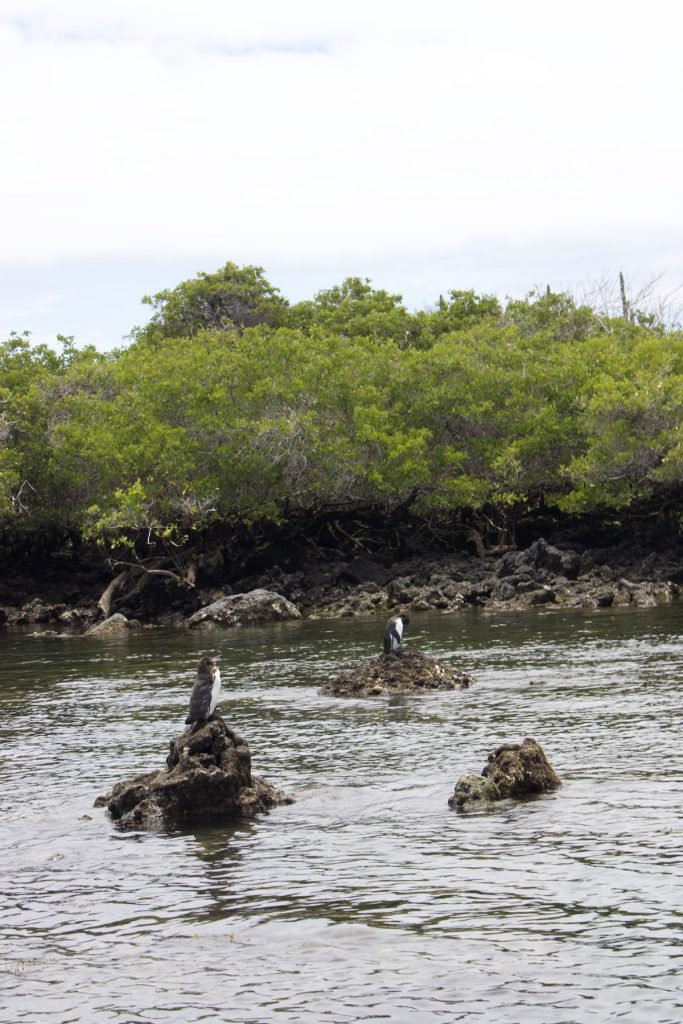
A 4-day Galapagos cruise delivers two full excursion days plus abbreviated arrival and departure half-days. In that time you’ll typically visit three to four islands, complete four to six guided excursions on land and in the water, and encounter most of the central Galapagos wildlife: sea lions, blue-footed boobies, marine iguanas, giant tortoises, Galapagos penguins, Darwin’s finches, and the Pinnacle Rock view from Bartolome if it’s on your route. This is not a compromise version of the Galapagos. These are real wildlife encounters with genuinely remarkable animals. It’s just a smaller sample than a longer cruise provides.
The math of a 4-day Galapagos cruise is worth understanding before you book. Day one: fly from Quito or Guayaquil, land at Baltra or San Cristobal, transfer to the vessel, complete biosecurity checks, board by midday at the earliest, do one afternoon excursion. Day two and day three: two full days with morning and afternoon excursions, typically two to three hours each. Day four: one morning excursion, then transfer to the airport and fly back to the mainland. You are paying for four days and getting, realistically, the productive island time of about two and a half.
That said, what happens in those two and a half days is extraordinary. We’ve spoken with thousands of Galapagos travelers over the years, and very few who did a 4-day cruise came back saying the experience was thin. Most came back saying they wanted more. The wildlife encounters are just as good on day two of a 4-day cruise as they are on day two of an 8-day cruise. The difference is cumulative: more days means more islands, more variety, more time per site, and more chances for the rare sightings that tend to happen when you’re in the right place at the right time more than once.
One practical note that applies specifically to 4-day cruises: the arrival day excursion, when it exists, is often a lower-intensity introduction rather than a headline site. Some operators use it for a Santa Cruz highlands visit or a quick snorkel at a near-shore site. This is fine, but it means the two full days in the middle are carrying most of the weight. Read the day-by-day schedule carefully and identify which excursions are genuinely strong before committing to a specific vessel.
Which Islands Does a 4-Day Itinerary Actually Cover?
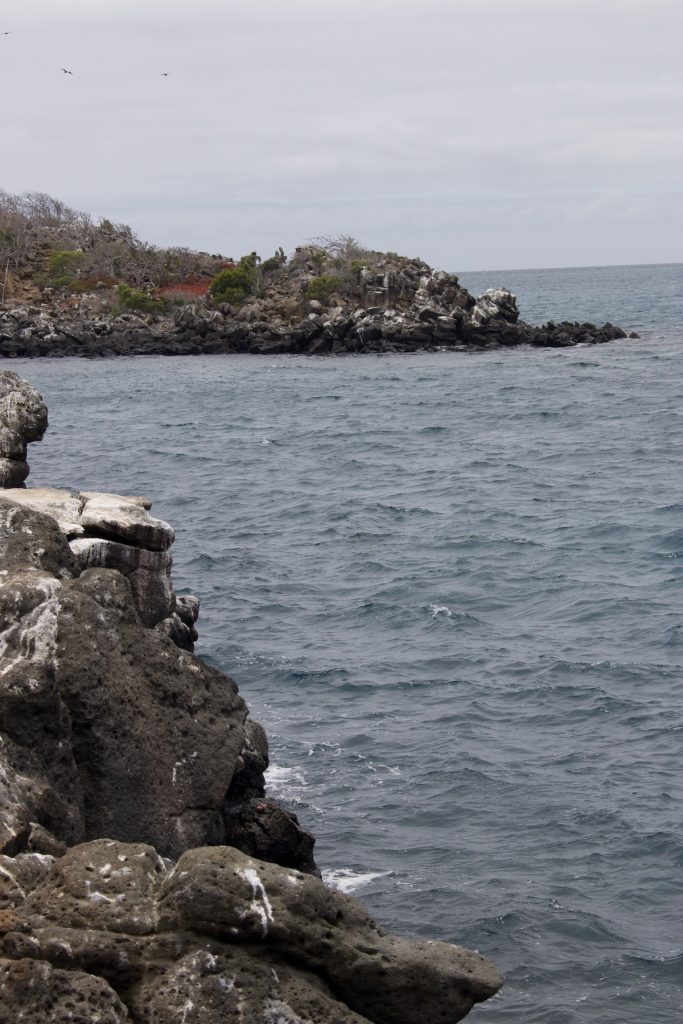
Most 4-day Galapagos cruises follow one of three route loops: central (Bartolome, North Seymour, South Plaza or Santa Fe, Santa Cruz), southern (San Cristobal, Española, Floreana, Santa Cruz), or northern (Genovesa, Bartolome, North Seymour, Santa Cruz). The central loop is the most common because the islands are clustered and sailing distances are short, maximizing time ashore. The southern loop is the most ambitious for 4 days, since Española and Floreana are farther from Baltra and require longer overnight sails that eat into the following mornings.
| Route | Typical Islands | Signature Experience | Best For |
|---|---|---|---|
| Central | Bartolome, North Seymour, South Plaza or Santa Fe, Santa Cruz | Pinnacle Rock view, penguin snorkeling, frigatebird and booby colonies, giant tortoises | First-timers, families, calm seas |
| Southern | San Cristobal, Española, Floreana, Santa Cruz | Waved albatross (Apr-Dec), Devil’s Crown snorkeling, Post Office Bay, Gardner Bay | Birders, albatross season (Apr-Dec), experienced travelers |
| Northern | Genovesa, Bartolome, North Seymour, Santa Cruz | Red-footed boobies and seabird colonies at Genovesa, Pinnacle Rock, frigatebirds | Dedicated birders |
The southern loop on 4 days is the option we’re most frequently asked about, because it includes Española and some travelers specifically want the albatross. It works, but it’s tight. The overnight sail from Santa Cruz to Española and back consumes time that longer itineraries spread across more days. You’ll get Española, and the albatross if you’re there April through December, but there will be a rushed quality to the transition days that you don’t feel on a 7-day southern itinerary.
One pattern worth knowing: some 4-day cruises are actually the second half of an 8-day sailing on a vessel that does a split itinerary. Travelers booking the second half often visit different islands from travelers who booked the first half. This can work well, but confirm which specific days you’re booking and what islands those days cover. The “same” cruise can visit very different sites depending on which half you board.
If you want help matching a specific 4-day route to your interests and dates, we’re happy to go through the options. Fill out this short form and we’ll tell you which vessels and routes we’d actually recommend for your situation.
More islands doesn’t always mean a better trip but it matters more than most people think when booking a Galapagos cruise. Here’s a full guide on which Galapagos itinerary visits the most islands so you know what you’re actually comparing.
What Are the Biggest Limitations of a 4-Day Galapagos Cruise?
The core limitation is simple: two full days of excursions isn’t enough time to build the rhythm that makes a Galapagos cruise so powerful. On a longer sailing, you settle into the pace, your naturalist guide learns what you’re interested in, the wildlife encounters start to compound, and the less-visited sites on days five through eight often produce the strongest memories. On a 4-day cruise, you’re just hitting that groove when it’s time to pack up. The other limitations are more specific: no access to the outer circuits (western, Darwin and Wolf), reduced wildlife variety, and less time per site.
The outer islands, Fernandina, the remote western face of Isabela, Darwin, and Wolf, are simply not reachable on a 4-day sailing. The sailing time to get there would eat most of your island time. A 4-day cruise is structurally a central or near-central itinerary. If the flightless cormorant, the whale shark encounters at Darwin, or the Mola mola at Punta Vicente Roca are on your list, a 4-day cruise cannot deliver them.
The second limitation is something travelers sometimes only notice in retrospect: the arrival-day half-excursion often lands at a secondary site rather than a headline stop. The reason is practical. You can’t start a long Zodiac crossing to Española at 3pm on day one because you won’t make it back before dark and dinner. So day one tends to be a gentler introduction. On a 4-day cruise this means you lose one of your effective excursion slots to a warm-up session. On an 8-day cruise the same dynamic exists but it barely matters because you have so many more days ahead.
Third: the Galapagos is a wildlife destination, and wildlife is unpredictable. The sea lions will show up. The iguanas will be there. But the rare sightings, the hammerhead school that appears from nowhere at Kicker Rock at 7am, the whale breaching off the bow during a morning crossing, the albatross landing two meters from the trail, tend to happen to the travelers who spend more days in the field. More time is more chances. A 4-day cruise narrows your odds on the special moments without eliminating them.
Wildlife is the whole reason most people go to the Galapagos and the route you pick determines what you actually see. Here’s a full guide on which Galapagos cruise route has the best wildlife so you book the right one.
Who Is a 4-Day Cruise Actually Right For?
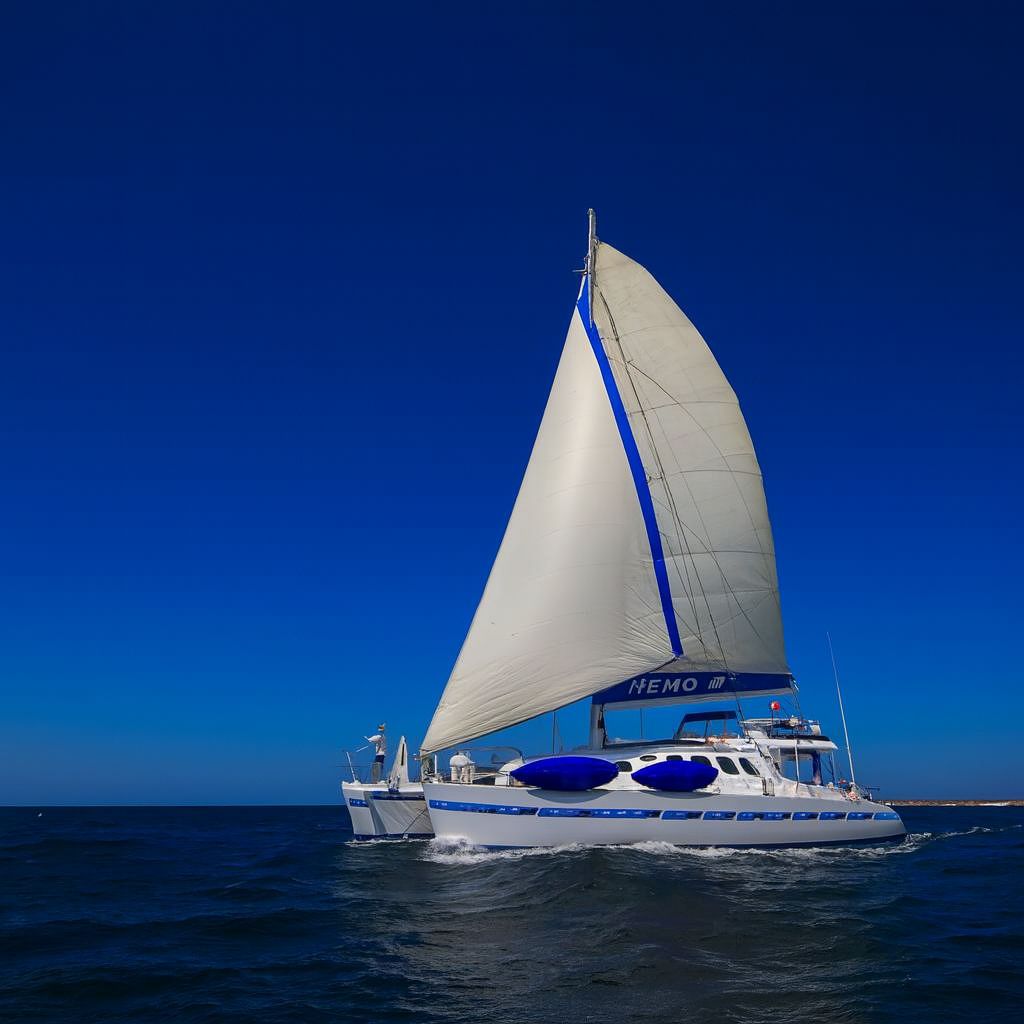
A 4-day Galapagos cruise is the right choice for travelers on a genuinely constrained schedule who cannot extend their trip, travelers combining the Galapagos with a longer South America itinerary where a full week would unbalance the rest of the journey, families with young children who need a shorter boat commitment, and divers who are planning to supplement the cruise with liveaboard time before or after. It is not the right choice for travelers who could realistically do 7 days but are choosing 4 to save money. The cost difference per day rarely justifies the experience gap.
The cost calculus is worth working through honestly. A 4-day mid-range cruise might cost $1,800 per person. A 7-day cruise on a comparable vessel might cost $2,800. That’s $1,000 more for three additional full excursion days, roughly $333 per day. When you factor in that you’ve already spent several hundred dollars on flights to Quito, $200 on the park fee, $20 on the TCT, and potentially another $400 or so on domestic flights to the islands, the incremental cost of extending by three days represents a fraction of your total trip investment. The Galapagos is genuinely hard to get to. Adding three days to an existing journey for $333 per day is usually the best value decision in Galapagos trip planning.
Where the 4-day cruise makes genuine sense is as part of a longer Ecuador trip. If you’re spending two weeks in Ecuador, doing Quito, the Amazon, and the Galapagos, a 4-day cruise fits naturally into the structure without distorting everything else. Spending 7 days on a Galapagos cruise in that context might mean cutting the Amazon or rushing Quito, which isn’t the right trade for every traveler. The 4-day cruise is also a reasonable entry point for travelers who are unsure about small-boat sailing and want to test the format before committing to a longer trip. Many of our repeat clients did a 4-day cruise first and came back for 8 days the following year.
We’ve had a lot of conversations with travelers in exactly this planning dilemma. If you want a straight answer about whether your specific situation warrants a 4-day or longer cruise, send us a message here and we’ll give you our honest read.
Still trying to figure out which Galapagos cruise makes sense for a family before you commit to the investment? This guide on the best Galapagos itinerary for families gives you a straight answer on which routes, ships, and cruise lengths work best with kids in tow.
How Does a 4-Day Cruise Compare to 5, 7, and 8-Day Options?
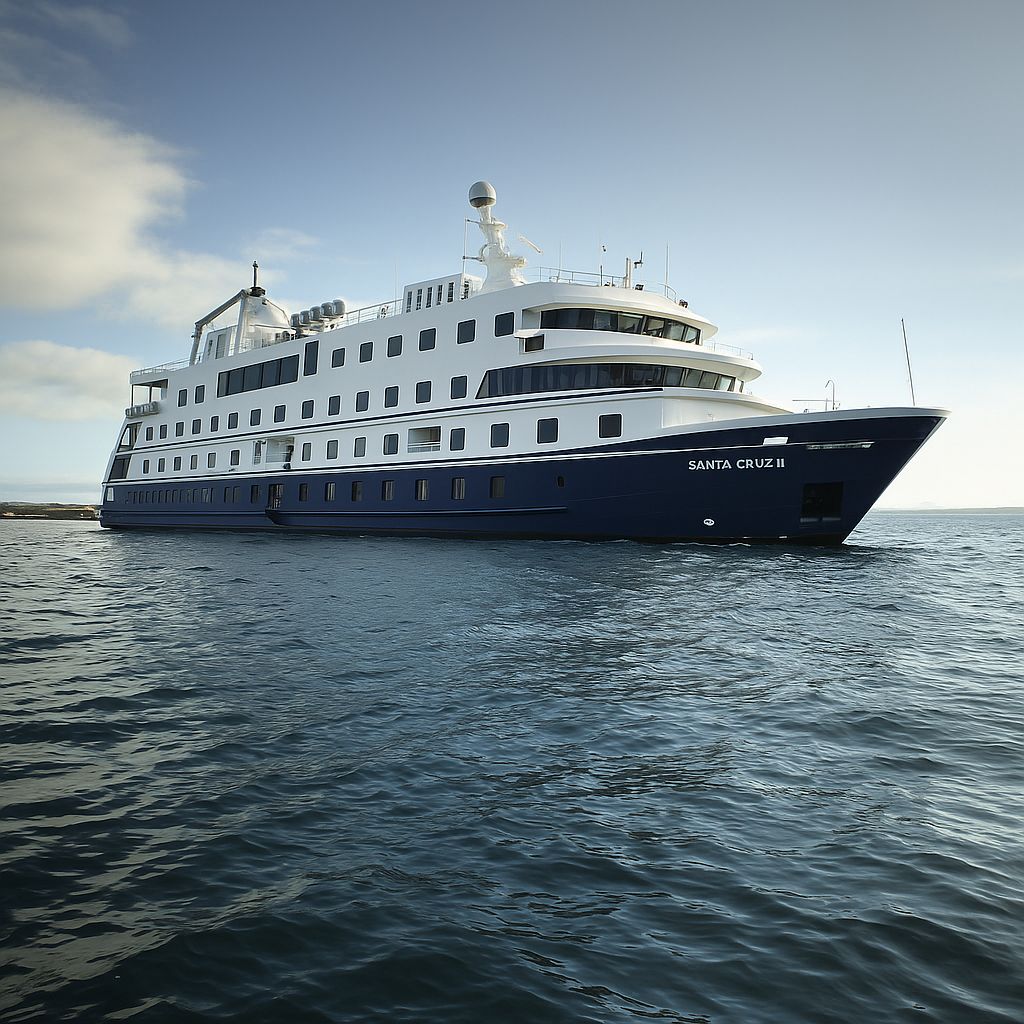
The jump from 4 to 5 days adds roughly 50% more island time for about 20% more cost, making it the single best value upgrade in Galapagos cruise planning. The jump from 5 to 7 or 8 days opens the outer circuits, adds more remote islands, and produces the cumulative experience most travelers describe as the reason they came back a second time. A 4-day cruise gives you the Galapagos. A 7 or 8-day cruise gives you the Galapagos and the time to actually sit with it.
| Length | Full Excursion Days | Islands Typically Visited | What Opens Up |
|---|---|---|---|
| 4 days | 2 full + 2 half-days | 3 to 4 | Central circuit basics; no outer islands |
| 5 days | 3 full + 2 half-days | 4 to 5 | More southern or northern islands; better pace; Española possible |
| 7 days | 5 full + 2 half-days | 6 to 7 | Full circuit coverage; multiple regions; rhythm settles in |
| 8 days | 6 full + 2 half-days | 7 to 9 | Western or outer island access; most comprehensive single-week experience |
The 5-day cruise is the upgrade most worth making from 4. If you’re currently planning a 4-day sailing and your schedule allows even one more day on the boat, a 5-day itinerary is almost always the better call. You gain a full excursion day, the pace becomes manageable rather than hurried, and you have room for an operator to make a real itinerary rather than a highlights reel.
The 8-day cruise is where the Galapagos experience matures into something different. By day five or six, you’ve adjusted to the rhythm of morning briefings, Zodiac transfers, two excursions daily, and evenings discussing what you saw. The naturalist guide knows your interests. The wildlife encounters start to feel less like scheduled events and more like a world you’re living in for a week. That quality isn’t available on 4 days.
Ten days in the Galapagos is where you stop sampling and start actually covering the archipelago. Here’s a full guide to the 10-day Galapagos cruise so you know exactly what full island coverage looks like in practice.
What’s the Best 4-Day Galapagos Itinerary for the Time?
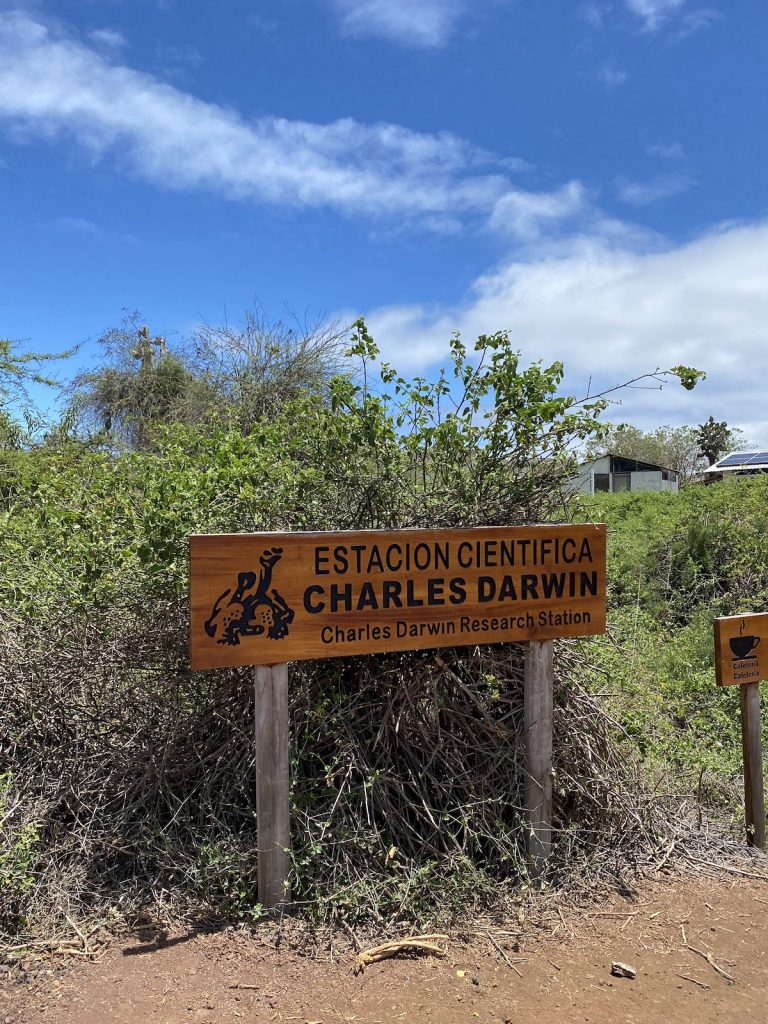
For most first-time travelers, the central loop is the strongest 4-day itinerary: Bartolome for Pinnacle Rock and penguin snorkeling, North Seymour for the frigatebird and booby colonies, South Plaza or Santa Fe for the land iguanas and turquoise bay, and Santa Cruz for the giant tortoise highlands and Darwin Research Station. These four islands are geographically clustered, require short overnight sails, and give you genuine variety across terrain, wildlife type, and activity without spending half your island time in transit.
The one 4-day scenario where we’d recommend the southern loop over the central: travelers visiting between April and December who specifically want to see the waved albatross on Española. That’s a legitimate reason to take on the tighter southern itinerary. The albatross encounter on Española is one of the most singular wildlife experiences in the Galapagos and if that’s what you came for, an Española-inclusive 4-day itinerary is the right call even though the logistics are more compressed.
Whichever route you choose, the single best way to strengthen a 4-day cruise is to add two or three days land-based on Santa Cruz before or after. This combination gets you the cruise’s overnight island access plus the day-tour sites around Santa Cruz, the Baltra ferry crossing, the Puerto Ayora fish market at night with its sea lions and reef sharks circling the dock, and the general texture of actually being in the islands rather than just passing through them. The total cost is often lower than extending the cruise itself, and the experience is broader.
First time planning a Galapagos cruise with snorkeling as your main priority? Our guide on the best Galapagos itinerary for snorkeling walks you through which routes and operators give you the most underwater time at the right sites.
What Travelers Say After 4-Day Galapagos Cruises: Our Feedback Data
Based on feedback from travelers collected through mytrip2ecuador.com and our YouTube audience, alongside interviews with thousands of Galapagos cruise passengers:
| Factor | 4-Day Travelers | Common Comment |
|---|---|---|
| Wildlife encounters met expectations | 88% | “Every single landing had something extraordinary.” |
| Wished the cruise was longer | 79% | “Just when we were getting into it, we had to leave.” |
| Would recommend 4-day cruise to others with time constraints | 83% | “If 4 days is all you have, absolutely do it.” |
| Booked or planned to book a longer return trip | 61% | “Already looking at 8 days next year.” |
| Felt the value for money was good | 74% | “Expensive per day but worth every dollar.” |
The 79% who wished the cruise was longer tells you something important. These travelers weren’t dissatisfied. They were so engaged that they wanted more. That’s actually a strong endorsement of the 4-day format as an entry point, and a strong argument for going longer if you can. The 61% planning a return trip is the number we find most useful in planning conversations: the 4-day cruise converts a very high proportion of visitors into travelers who will come back.
What Should You Know Before Booking a 4-Day Galapagos Cruise?
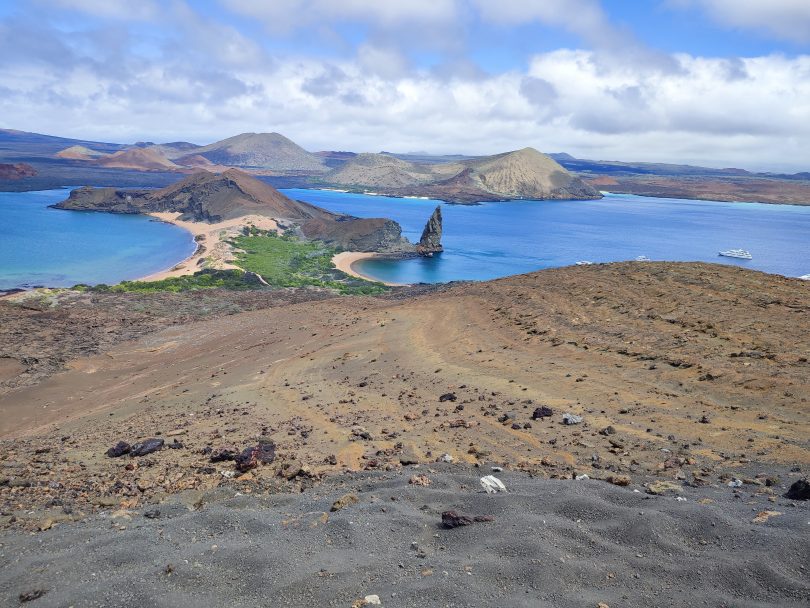
Book early, read the day-by-day schedule rather than just the headline island list, and factor the $200 park fee into your total budget from the start. On a 4-day cruise the park fee represents a significant percentage of your total spend, which makes it easy to underestimate the all-in cost. Also: 4 days is the minimum cruise length in the Galapagos. There are no 3-day options. The Galapagos National Park Directorate sets this floor, and operators cannot offer shorter sailings regardless of demand.
A few things that catch 4-day cruise travelers off guard:
The arrival half-day is shorter than you expect. Flights from Quito or Guayaquil typically land in the Galapagos around midday. After biosecurity inspection, transfer to the port, tender to the vessel, safety briefing, lunch, and unpacking, your first excursion on day one rarely starts before 2pm. This is normal and expected, but travelers who assumed they’d have a full first day sometimes feel the day was wasted. It wasn’t: you’ve arrived, you’re on the boat, and the afternoon excursion is real. Just don’t plan your itinerary expecting a full day one.
The park fee is the same regardless of cruise length. The $200 per adult Galapagos National Park fee applies whether you’re on a 4-day cruise or a 15-day expedition. It’s paid in USD cash on arrival at the airport, before biosecurity. There are no ATMs at Baltra Airport. Bring exact change from the mainland. The $20 Transit Control Card is now pre-registered online, not paid at the airport counter. Both requirements apply to every Galapagos visitor without exception. Prices verified July 10, 2026.
Vessel quality matters more on shorter cruises. On an 8-day sailing, one slow day or a mediocre dinner isn’t a crisis because you have six other days to compensate. On a 4-day cruise, the quality of your naturalist guide, the Zodiac equipment, and the excursion schedule are load-bearing. A weak naturalist on a 4-day cruise affects half your island time. Do more due diligence on the specific vessel and guide than you might on a longer sailing.
Consider combining with land time rather than comparing against longer cruises. A 4-day cruise combined with two days land-based on Santa Cruz is often a stronger total experience than a 4-day cruise alone, and the combined cost is typically lower than upgrading to a 7-day sailing. The day tours from Puerto Ayora reach Bartolome, North Seymour, and Santa Fe, which gives you additional sites without additional boat nights. If budget is the constraint, this hybrid approach is worth considering seriously.
Frequently Asked Questions
Is a 4-day Galapagos cruise really worth it?
Yes, if 4 days is genuinely what your schedule allows. You’ll have two full days of guided excursions, visit three to four islands, and encounter iconic Galapagos wildlife that justifies the journey. No, if you’re choosing 4 days primarily to save money and could realistically extend to 7 or 8 days. The additional cost per day for a longer cruise is modest relative to your total trip investment, and the experience improvement is significant.
What is the minimum Galapagos cruise length?
Four days. The Galapagos National Park Directorate sets this as the minimum cruise length for licensed operators. There are no 3-day cruise options in the Galapagos, regardless of what you may see advertised under different labels.
Can I see the waved albatross on a 4-day cruise?
Yes, if your cruise includes Española and you’re traveling between April and December. The southern 4-day loop (San Cristobal, Española, Floreana, Santa Cruz) is specifically designed to include Española. Outside April through December, the albatross colony is not on the island and cannot be seen anywhere in the archipelago.
How do I get the most out of a 4-day Galapagos cruise?
Choose a vessel with strong naturalist guides rather than the cheapest available option. Read the day-by-day itinerary before booking to confirm the specific sites, not just the headline islands. Consider adding two to three days land-based on Santa Cruz before or after your cruise to broaden your experience. Bring everything you need: cash for the park fee, sun protection, motion sickness medication, and a wetsuit liner if you’re sensitive to cold water.
How much does a 4-day Galapagos cruise cost in 2026?
Budget vessels start around $1,200 per person for 4 days. Mid-range options run $1,800 to $2,800. Luxury and first-class vessels range from $3,000 to $4,500 or more. These figures do not include the $200 park entrance fee (cash on arrival), the $20 TCT card (online registration), domestic flights from Quito or Guayaquil to Baltra or San Cristobal ($400 to $500), or accommodation before and after the cruise. Prices verified July 10, 2026.
Is a 4-day cruise better than a land-based trip with day tours?
For access to uninhabited islands, yes. Day tours from Santa Cruz cannot reach some of the most rewarding sites, and they arrive later in the morning than cruise passengers who anchor overnight. For flexibility and budget, a land-based trip has advantages. The best approach for most 4-day visitors is to combine both: a cruise for the offshore sites and one or two land-based days for the Santa Cruz experience. That combination often costs less than extending the cruise and delivers more variety.
The question we hear most often is some version of: I only have four days, is it worth making the trip? Our honest answer, after taking these cruises ourselves and working through this question with thousands of travelers, is yes. Every single time. The Galapagos at four days is still the Galapagos. It just leaves most people wishing they’d taken eight. If you want help working out the right cruise, the right route, and whether adding land time makes sense for your schedule, get in touch here. We’ll give you a straight answer with no pressure.
Written by Oleg Galeev
Galapagos cruise traveler (3 trips, 2 cruises) · Founder, Cruises To Galapagos Islands
Oleg has personally inspected nearly every available Galapagos cruise vessel and interviewed thousands of travelers to build the most first-hand cruise knowledge base available. He also runs the Ecuador travel blog mytrip2ecuador.com and the YouTube channel My Trip to Somewhere.
Cruises To Galapagos Islands is rated 4.9 stars on Google and TripAdvisor.
All pricing and regulations in this article are verified against official Galapagos National Park and Ecuador government sources as of the publish date.