
TL;DR
What most travelers mean when they search for a 7-day Galapagos cruise is a full week away from home. In practice, the Galapagos National Park approves itineraries in 4, 5, 6, 8, and longer cycles – not 7. What fills that “one week” window is almost always an 8-day cruise (7 nights on the vessel, with 6 full sailing days), or a 6-day cruise combined with a mainland night. The 8-day format is the one most travelers end up on and the one most industry professionals call the ideal Galapagos cruise length. It visits 6 to 8 islands across one full regional circuit and covers roughly 85% of the Big 15 Galapagos species on a single trip.
Quick Facts: 7-Day / 8-Day Galapagos Cruise
| Detail | What to Know |
|---|---|
| What “7 Days” Actually Means | 7 nights on the vessel / 8 calendar days. 6 full sailing days, bookended by half-day arrival and departure |
| National Park Itinerary Cycles | 4, 5, 6, 8, 11, 14, 15 days. No official 7-day cycle. Most weeklong bookings are 8-day itineraries. |
| Islands Typically Covered | 6 to 8 islands depending on route |
| Species Coverage | Approximately 85% of the Galapagos Big 15 on a well-routed 8-day itinerary |
| Main Route Options | Eastern (Española, Floreana, San Cristobal, Santa Fe, South Plaza, Santa Cruz); Western (Fernandina, Isabela, Santiago, Bartolome, Santa Cruz) |
| Price Range (2026) | $3,500-$6,000 per person mid-range; $6,000-$12,000+ luxury |
| Best For | Most travelers; single best-value cruise length; covers one full circuit properly |
| Park Entrance Fee | $200 USD adults / $100 USD children under 12 (cash on arrival) – Prices verified July 10, 2026 |
| Transit Control Card | $20 USD, pre-registered online before flying – Prices verified July 10, 2026 |
Why 7 Days Is Where the Galapagos Cruise Experience Really Opens Up
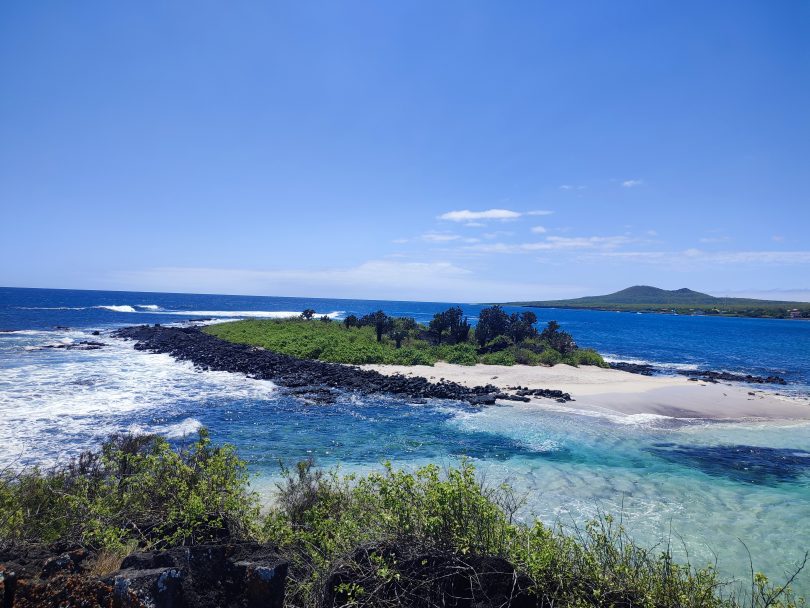
A week in the Galapagos is where most experienced travelers and expedition operators draw the line between a good trip and a complete one. Six full sailing days gives you time to cover a full regional circuit properly, see the iconic species without rushing, let the naturalist guide relationship develop into something genuinely useful, and have a day that surprises you rather than just confirms what you expected. The Galapagos at a week is the destination as it was meant to be experienced.
Before going further, it’s worth being clear about one thing that confuses nearly everyone planning a weeklong trip: there is no official 7-day Galapagos cruise. The Galapagos National Park Directorate approves cruise itineraries in specific cycles: 4, 5, 6, 8, 11, 14, and 15 days. When operators market “7-day” cruises they almost always mean an 8-day itinerary, which runs Saturday to Saturday, puts you on the vessel for 7 nights, and gives you 6 full sailing days. The arrival day and departure day are half-days. That format is what fills a week away from home, and it’s what we mean throughout this article when we say “7-day” or “weeklong” cruise.
Six full sailing days produces something the shorter formats can’t quite deliver: the feeling that you’ve actually lived in these islands rather than visited them. By day four or five of a well-run 8-day cruise, the morning briefings stop feeling like logistics and start feeling like continuation of the previous day’s conversation. Your naturalist guide knows which questions you keep asking. You’ve started noticing things on your own rather than waiting to be shown them. The sea lion pup that investigated your fins on day two is now just part of the background of what a landing looks like. That acclimation is the quality that separates a week in the Galapagos from three or four days.
On a practical level, six full sailing days is also enough to cover one complete regional circuit without rushing. The eastern route visits Española, Floreana, San Cristobal, North Seymour, Santa Fe, South Plaza, and Santa Cruz, typically across those six days, with two excursions per day. The western route visits Fernandina, Isabela (multiple sites), Santiago, Bartolome, Rabida, and Santa Cruz. Neither circuit feels hurried at this length. You have time to spend an unhurried afternoon at Gardner Bay rather than watching the clock for the Zodiac pickup.
If you want help finding the right weeklong sailing for your dates, we can narrow down the options based on your route preference, vessel class, and budget. Fill out this short form and we’ll put together a shortlist.
Two weeks in the Galapagos is the closest you’ll get to seeing everything the archipelago has to offer in a single trip. Here’s a full guide to the 14-day Galapagos cruise so you know exactly what back-to-back itineraries look like and who they’re built for.
What Routes Does a 7-Day Galapagos Cruise Cover?
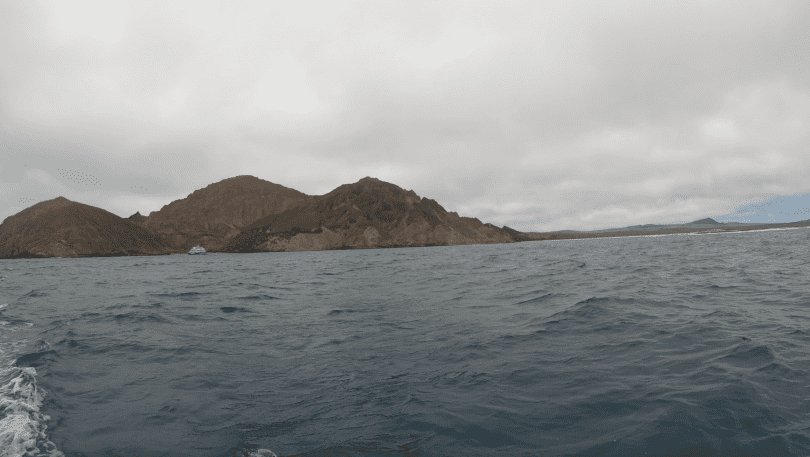
The two primary route options for a weeklong Galapagos cruise are the Eastern and the Western. The Eastern route visits Española, Floreana, San Cristobal, and the central islands, anchored by the waved albatross in season and the finest snorkeling sites in the archipelago. The Western route visits Isabela and Fernandina alongside Santiago and Bartolome, delivering the flightless cormorant, the Fernandina marine iguana colony, and the most remote, volcanically raw terrain in the islands. One week is enough to complete either circuit thoroughly. It is not enough to combine them.
The single most important planning decision on a weeklong cruise is choosing between East and West. They are genuinely different trips. The eastern route is the calmer, more accessible option, with some of the most famous wildlife spectacles in the Galapagos. The western route is more physically demanding, reaches more remote and exclusive territory, and rewards travelers with species found nowhere else on Earth. Here is how the two routes break down across a standard 8-day schedule:
| Day | Eastern Route | Western Route |
|---|---|---|
| Day 1 (arrival) | Baltra, Santa Cruz highlands (El Chato tortoises, lava tunnels) | Baltra, Santa Cruz (Dragon Hill or Bachas Beach) |
| Day 2 | South Plaza + Santa Fe (land iguanas, turquoise bay) | Floreana (Punta Cormorant, Devil’s Crown, Post Office Bay) |
| Day 3 | San Cristobal (Cerro Brujo + Kicker Rock snorkel) | Santiago (Sullivan Bay lava fields + Puerto Egas fur seals) |
| Day 4 | Floreana (Punta Cormorant, Devil’s Crown, Post Office Bay) | Rabida (red-sand beach) + Bartolome (Pinnacle Rock viewpoint, penguin snorkel) |
| Day 5 | Española (Punta Suarez albatross trail + Gardner Bay) | Isabela (Tagus Cove + Urbina Bay) |
| Day 6 | Santa Cruz (Darwin Research Station) + North Seymour (boobies, frigatebirds) | Isabela (Punta Vicente Roca) + Fernandina (Punta Espinoza) |
| Day 7 | Santiago (Sullivan Bay) or Bartolome | Isabela (Elizabeth Bay) + North Seymour |
| Day 8 (departure) | Morning excursion, then Baltra departure | Morning excursion, then Baltra departure |
Both routes use Baltra as the start and end airport. Specific sites within each route vary by operator and are subject to Galapagos National Park permitting, so exact days can shift. The table above represents a realistic typical sequence rather than a guaranteed schedule. Ask your operator for the actual day-by-day itinerary before booking.
One route combination worth noting: some 8-day itineraries are designed as “combined” loops that try to hit both eastern and western highlights in a single week. These can be appealing in theory and occasionally produce a strong result. In our experience working with thousands of travelers, the combined loops tend to feel rushed compared to a focused eastern or western circuit done properly. One week is enough for one thing done well. It’s not enough for two things done well.
Trying to maximize your island count without just booking the longest and most expensive cruise available? Here’s which Galapagos itinerary visits the most islands broken down so you find the best balance between coverage and cost.
What Wildlife Can You Expect on a 7-Day Cruise?
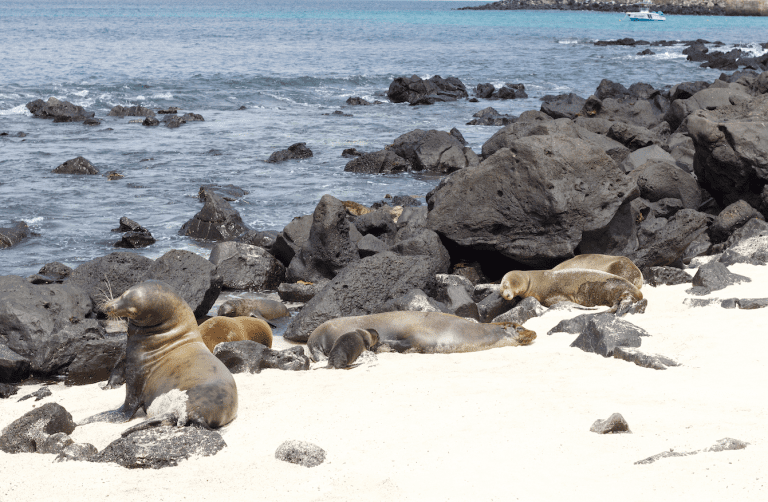
A weeklong Galapagos cruise reaches approximately 85% of the Galapagos Big 15 species on a well-matched itinerary. The remaining 15% are almost always species exclusive to one circuit: the waved albatross is eastern only; the flightless cormorant is western only. Pick your route based on which endemic species matters most to you, and accept that you’ll likely come back for the other one. Everything else, sea lions, giant tortoises, marine iguanas, blue-footed boobies, frigatebirds, Darwin’s finches, sea turtles, and Galapagos penguins, is reachable on both routes.
The eastern route’s signature wildlife moment is the waved albatross at Española. The whole world breeding population, around 25,000 pairs, returns to this single island between April and December. Standing at Punta Suarez and watching the courtship display at close range is one of the most singular wildlife experiences available anywhere. The same morning walk also takes you past Christmas iguanas (the vivid red and turquoise subspecies endemic to Española), the Española mockingbird, active booby colonies, and the blowhole at the cliff edge that sends seawater 20 meters into the air. Punta Suarez delivers more wildlife variety in two hours than many destinations manage in a week.
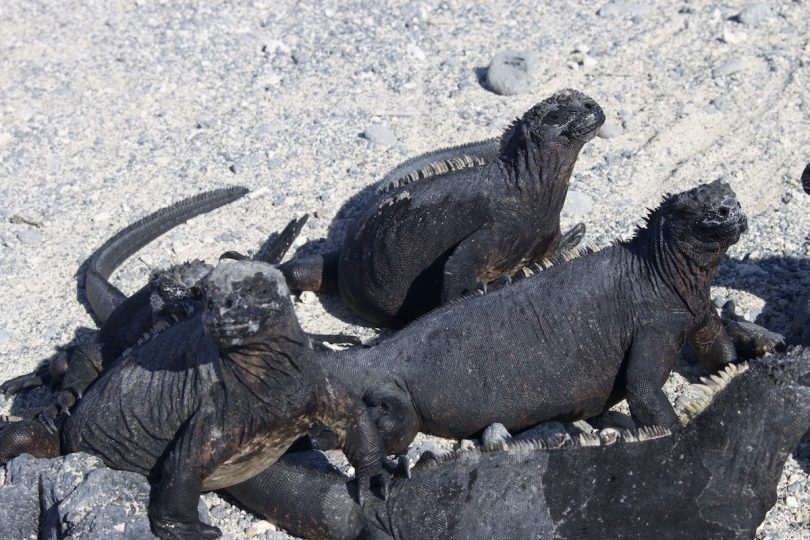
The western route’s equivalent moment is Punta Espinoza on Fernandina. The marine iguana colony here is the largest in the archipelago, hundreds of animals piled on the lava within meters of the landing, and the flightless cormorant nests just beyond them. This bird exists only on Isabela and Fernandina and has been flightless long enough that its wings have shrunk to vestigial stubs still used for balance. Watching one dry those wings in the sun the way its ancestors once dried flight feathers is one of those moments where the theory of evolution stops being abstract.
Both routes deliver exceptional snorkeling. The eastern route has Kicker Rock (hammerheads in season) and Devil’s Crown (best reef fish diversity in the archipelago). The western route has Punta Vicente Roca (Mola mola ocean sunfish, June through November) and Elizabeth Bay (calm mangrove snorkeling with sea turtles and marine iguanas grazing underwater). Snorkeling sessions across a full week typically add up to eight to twelve in-water sessions at different sites. The variation between sessions is significant enough that experienced snorkelers consistently describe the cumulative week as their most varied underwater experience anywhere.
Wildlife is the whole reason most people go to the Galapagos and the route you pick determines what you actually see. Here’s a full guide on which Galapagos cruise route has the best wildlife so you book the right one.
What Does a Typical Week Look Like Day by Day?
Six full sailing days on a Galapagos cruise produces a specific rhythm that most travelers don’t anticipate from the outside: earlier than expected, more active than expected, and more varied than expected. You’re up before 7am every day for excursions that run until late afternoon. The boat moves overnight so you wake up at a new island each morning. By day three most travelers have found their pace. By day five the experience has accumulated enough that everything feels different from how it did at the airport. Day six, which is the last full excursion day, is almost always the one that generates the strongest memories.
Early mornings are the defining feature of a Galapagos cruise that travelers most often underestimate before they arrive. Wake-up calls between 6 and 6:30am are standard. First Zodiac landing by 7am is common. The reasons are practical: the best wildlife behavior happens in the cooler morning hours, and cruise ships have priority access to landing sites before day-tour boats arrive from the inhabited islands. That early access produces genuinely different encounters from what a land-based visitor sees at the same site at 10am.
The daily structure is consistent: morning excursion (two to three hours), return to vessel for breakfast if not taken before or brunch, passage to afternoon site, afternoon excursion (two to three hours), return for shower and rest, evening dinner, naturalist briefing for the following day. The passage between morning and afternoon sites is when most travelers discover the boat’s deck: watching frigate birds follow the vessel in the hope of stealing a fish, spotting a dolphin pod off the bow, or simply sitting in the equatorial sun with a coffee while the islands change shape on the horizon.
The naturalist briefing after dinner is one of the less-discussed elements that shapes the whole experience. On a good vessel with a strong guide, these evening sessions are genuinely informative and often become the social hub of the cruise. By day four or five on a 16-guest vessel, everybody has been through the same experiences and there are real things to discuss: the specific moment the albatross launched off the cliff, the marine iguana the guide pulled back from the trail because it was too close to the path, what the seawater temperature data means for the wildlife patterns the group has been seeing. These conversations don’t happen on a 4-day cruise. They happen on a week-long one.
What’s the Best Time of Year for a 7-Day Galapagos Cruise?
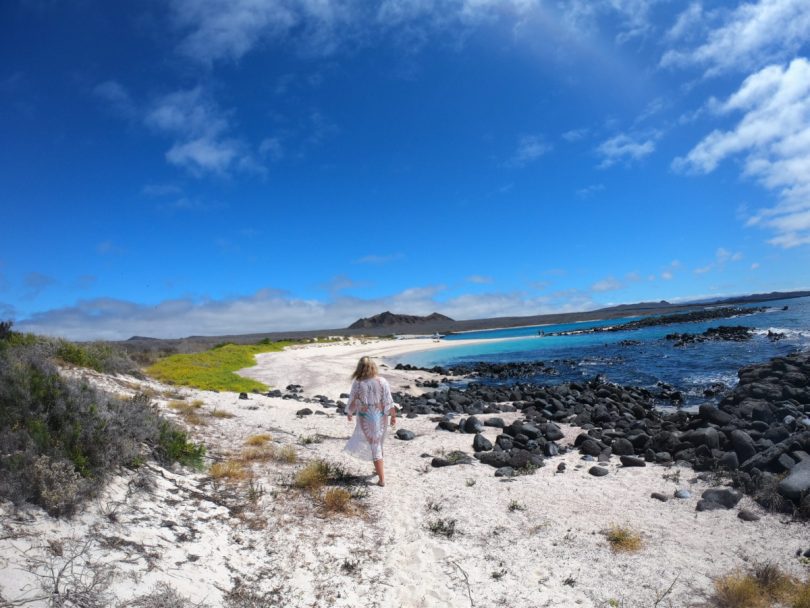
The weeklong Galapagos cruise works in any month, but the route choice and the season interact in ways that matter. For the eastern route, April through December gives you the waved albatross on Española; December through May gives the warmest water and best visibility at Devil’s Crown and Kicker Rock. For the western route, May and November are the sweet spots: manageable swell, active wildlife, and shoulder-season pricing. August through September on the western route involves the strongest Bolivar Channel swell, which can make crossings rough on single-hull vessels. Neither season is wrong. They’re different trips.
The albatross window is the eastern route’s most time-sensitive variable. The birds return to Española in April and leave by January. January, February, and March mean no albatross, which is the single most frequently cited disappointment in eastern route feedback from travelers who didn’t check the calendar before booking. If you’re booking an eastern route, check April through December. If your dates fall in January through March, either switch to the western route or adjust expectations before you go.
The western route has its own seasonal consideration: the Bolivar Channel between Isabela and Fernandina gets rough during the peak cool season, particularly in August and September. On a 5-day cruise that’s a significant problem because the itinerary has no flexibility. On an 8-day western cruise it’s more manageable because the schedule can absorb a rough morning without losing a key site. That said, if motion sensitivity is a concern and you’re booking the western route in the cool season, choose a catamaran hull over a single-hull motor yacht. The stability difference is real and measurable on rough crossing days.
| Route | Best Months | Avoid If | Key Wildlife Timing |
|---|---|---|---|
| Eastern | Apr-Jun, Nov (sweet spots); Apr-Dec for albatross | Jan-Mar if albatross is the goal | Albatross Apr-Dec; hammerheads at Kicker Rock Jun-Nov; Devil’s Crown clearest Apr–Jun |
| Western | May, Nov (best); Dec-May (calmer); Jul-Oct (Mola mola) | Aug-Sep on single-hull if motion-sensitive | Mola mola Jun-Nov; flightless cormorant nesting Jun-Oct; marine iguana grazing underwater Dec-May |
Water temperatures and seasonal data verified July 10, 2026.
Shoulder season departures in September and early December consistently offer 10 to 20% lower prices on the same vessels compared to peak January and July sailings. Wildlife is still excellent in those windows and landing sites see fewer visitors. If your dates are flexible, this is worth factoring into the booking decision. Get in touch here and we’ll check which dates on your preferred route have availability and the best current pricing.
How Does a 7-Day Cruise Compare to 5-Day and 8-Day Options?
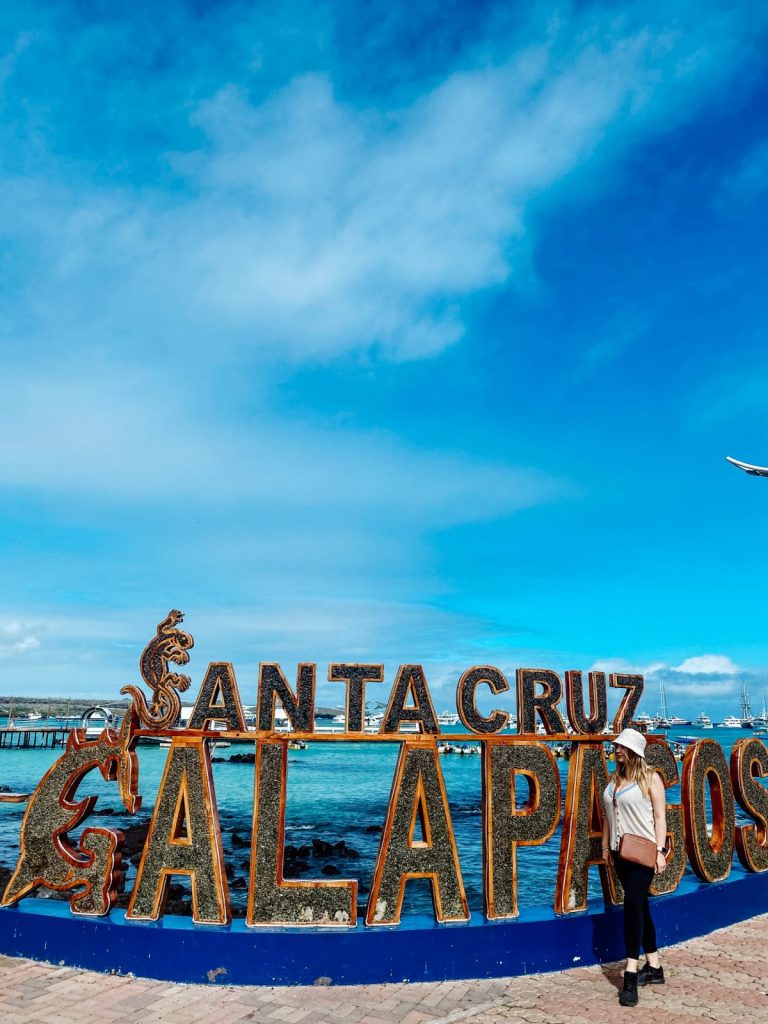
The weeklong 8-day cruise sits in a structurally stronger position than either the 5-day or the 8-day + landing extensions. Against the 5-day, it offers three additional full sailing days, one complete regional circuit rather than a partial one, significantly higher species coverage, and the accumulated experience quality that only becomes available after day four or five. Against longer formats of 11 or 15 days, it concedes multi-circuit coverage but delivers everything a single well-chosen circuit has to offer. For the majority of first-time Galapagos travelers, it is the right answer.
The comparison with the 5-day cruise is straightforward: the 8-day visits approximately two to three more islands, covers 15 to 20% more species, has room for the itinerary to develop, and ends with travelers feeling complete rather than wishing for more. The 5-day is genuinely excellent for travelers with hard time constraints. The 8-day is the choice when you have a week to spend and are trying to decide how to spend it.
The comparison with the 11-day or 15-day cruise is more nuanced. Those formats allow two circuits combined, which means seeing both the waved albatross on Española and the flightless cormorant on Fernandina in a single trip. That’s the main thing the 8-day gives up. If both those species are on your list and your schedule allows two weeks, a 15-day cruise is worth serious consideration. If you have to choose, pick the circuit that aligns with your top priorities and come back for the other.
One comparison that rarely comes up but matters: the 8-day cruise versus a 5-day cruise combined with three land-based days on Santa Cruz. The combination sometimes costs less than the longer cruise and gives you day-tour access to Bartolome, North Seymour, and Santa Fe alongside the cruise sites. For travelers optimizing budget rather than depth, this hybrid can be competitive. For travelers optimizing the quality of the wildlife experience, the 8-day cruise does things the day-tour model can’t: overnight anchoring at the next morning’s site, early access before day boats arrive, and the full relationship with a naturalist guide across a week.
We’ve got a full breakdown on the 10-day Galapagos cruise if you want to know exactly which islands make it onto a longer itinerary and why this length appeals to travelers who want to see the full picture.
What Travelers Say After a Weeklong Galapagos Cruise: Our Feedback Data
Based on feedback collected through mytrip2ecuador.com and our YouTube audience, alongside interviews with thousands of Galapagos cruise travelers:
| Factor | % Rated Excellent or Very Good | Common Traveler Comment |
|---|---|---|
| Overall experience met expectations | 96% | “Every single day had something I’ll remember for the rest of my life.” |
| Felt the cruise length was right | 82% | “A week is exactly right. You’re ready to leave but you don’t want to.” |
| Naturalist guide relationship improved across the week | 91% | “By day four the briefings felt like a real conversation, not a lecture.” |
| Would return to do the other circuit | 74% | “We did eastern. Already planning western for next year.” |
| Strongest memory came on day 4, 5 or 6 | 63% | “The best moment of the trip happened on day five. You need to get there.” |
That last figure is the most telling. Nearly two-thirds of weeklong cruise travelers place their strongest single memory on day four, five, or six. On a 5-day cruise, you reach day three and leave. The best moment the week would have produced simply doesn’t happen. This is the case for the weeklong format that no comparison table can fully capture. The Galapagos at a week doesn’t just give you more of what a 5-day gives you. It gives you something that only becomes available after you’ve been there long enough to stop performing the role of tourist.
What Should You Know Before Booking a 7-Day Galapagos Cruise?
The most important things to confirm before booking are whether you’re actually looking at an 8-day (7 nights) or 6-day cruise, which specific sites the itinerary visits on the days that matter most to you, and whether the park entrance fee is included in the cruise price. Book early for prime season departures: June through August western route sailings and April through December eastern route sailings with Española fill up six to twelve months ahead on reputable vessels.
The “7 days versus 8 days” nomenclature confusion catches many travelers. When you see an operator advertise a “7-day cruise,” count the nights on the vessel before committing. A 7-night cruise is an 8-day calendar trip. A 6-night cruise is a 7-day calendar trip. The difference between the two is a full sailing day, typically the day that determines whether you reach Fernandina on the western route or have a complete Española experience on the eastern. If the sales material says “7 days, 6 nights,” that’s a 6-day cruise, not what most people have in mind when they search for a weeklong Galapagos trip.
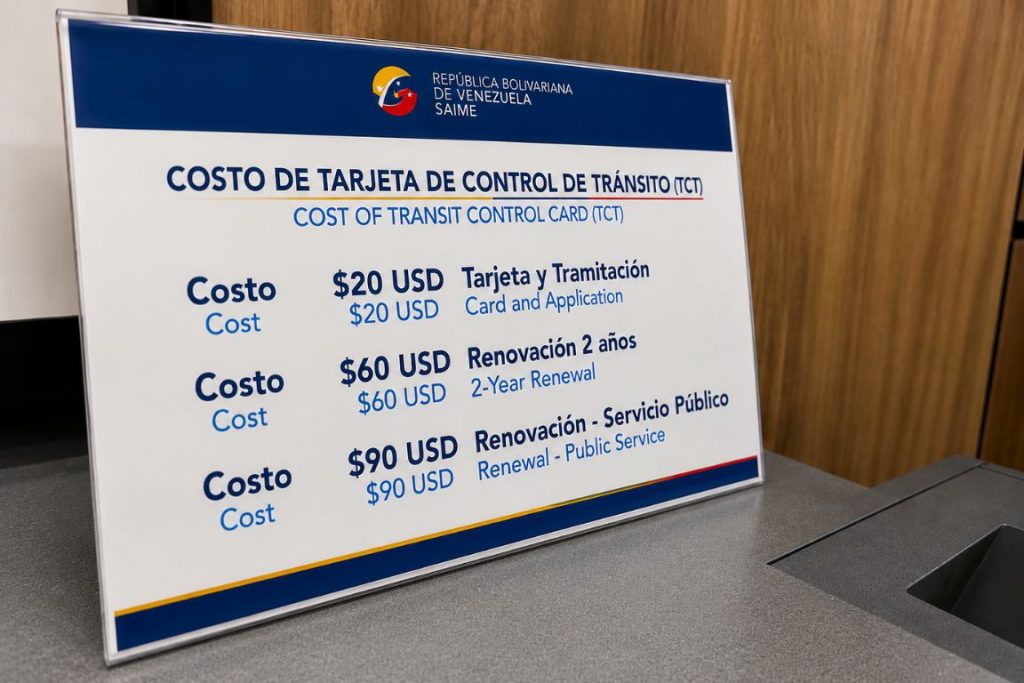
Beyond the naming: bring the $200 park fee in USD cash. Most reputable operators include the fee in their package pricing, but confirm this in writing before you assume. The Transit Control Card ($20) must be registered online before your domestic flight, not purchased at the airport as of May 2025. Neither payment can be made by card on arrival. A family of four with all members over 12 needs $800 in cash as backup regardless of what the operator has included, in case of any discrepancy at the airport desk. Prices verified July 10, 2026.
Tipping your naturalist guide and crew is expected and genuinely meaningful on a small expedition vessel. A common benchmark is $10 to $15 per person per day for the naturalist and a similar pooled amount for the crew. Budget this separately from the cruise cost. On a weeklong sailing it represents a modest total but makes a significant difference to the people who made the experience what it was.
If you’re comparing specific 8-day itineraries and want a straight read on which vessels and routes deliver what they promise for your dates, that’s exactly what we help with. Send us a message here and we’ll give you honest recommendations with no pressure.
First time planning a Galapagos family trip and not sure where to start with itinerary selection? Our guide on the best Galapagos itinerary for families walks you through the best options by age group, cruise length, and what kids actually respond to out there.
Frequently Asked Questions
Is there actually a 7-day Galapagos cruise?
Not in the official sense. The Galapagos National Park Directorate approves itineraries in cycles of 4, 5, 6, 8, 11, 14, and 15 days. What’s marketed as a “7-day cruise” is almost always an 8-day itinerary (7 nights on the vessel, 6 full sailing days) or a 6-day cruise combined with a mainland hotel night. Count the nights on the vessel when comparing options.
Which route is better for a first-time visitor: eastern or western?
It depends on what you most want to see. The eastern route is calmer, more accessible, and delivers the waved albatross on Española between April and December alongside the finest snorkeling sites in the archipelago. The western route is more physically demanding and reaches more remote islands, delivering the flightless cormorant and the Fernandina marine iguana colony. Neither is objectively better. Choose based on your priority species and your comfort level with rougher crossings.
Can a 7-day cruise cover both eastern and western Galapagos?
Not in any meaningful way. Combining the eastern and western circuits requires at least 11 days to do both properly. Some operators offer 8-day “combined” itineraries that visit a few eastern and a few western sites in a single week. These tend to feel rushed compared to a focused circuit done properly. One week is enough for one circuit done well.
When should I book a weeklong Galapagos cruise?
For peak departures, six to twelve months in advance. June through August western sailings and April through December eastern sailings on quality vessels fill early. For shoulder season (September, early December), three to six months ahead is usually sufficient. The earlier you book, the more cabin category choice you have on the specific vessel you want.
What is the Galapagos park fee for a weeklong cruise in 2026?
$200 USD per adult and $100 per child under 12 for foreign visitors, paid in USD cash on arrival at Baltra or San Cristobal airport. The $20 Transit Control Card must be pre-registered online before your domestic flight. Many reputable operators include the park fee in their cruise package; confirm in writing. Prices verified July 10, 2026.
What species can I see on a 7-day eastern versus western Galapagos cruise?
Eastern: waved albatross (Apr–Dec only on Española), Christmas iguana, Española mockingbird, hammerheads at Kicker Rock (cool season), Devil’s Crown reef fish, Floreana mockingbird (from panga at Champion Islet), flamingos, giant tortoises, blue-footed boobies, Nazca boobies. Western: flightless cormorant, Galapagos penguin year-round, largest marine iguana colony (Fernandina), Mola mola (Jun–Nov), Elizabeth Bay sea turtles and rays, fur seals at Santiago, Bartolome Pinnacle Rock. Both: giant tortoises, sea lions, marine iguanas, blue-footed boobies, frigatebirds, Darwin’s finches, sea turtles during snorkeling.
A week in the Galapagos is where the trip becomes the thing people talk about for years. The albatross launch off the cliff at Española. The morning at Punta Espinoza when there were more marine iguanas than you could count. The night-briefing on day five that turned into a two-hour conversation about Darwin. None of that happens in three days. We’ve been on these cruises and we’ve helped thousands of travelers plan them. If you want to work out the right route, the right vessel, and the right timing for your specific situation, get in touch here and we’ll give you a straight recommendation with no pressure.
Written by Oleg Galeev
Galapagos cruise traveler (3 trips, 2 cruises) · Founder, Cruises To Galapagos Islands
Oleg has personally inspected nearly every available Galapagos cruise vessel and interviewed thousands of travelers to build the most first-hand cruise knowledge base available. He also runs the Ecuador travel blog mytrip2ecuador.com and the YouTube channel My Trip to Somewhere.
Cruises To Galapagos Islands is rated 4.9 stars on Google and TripAdvisor.
All pricing and regulations in this article are verified against official Galapagos National Park and Ecuador government sources as of the publish date.