
TL;DR
“Itinerary A” and “Itinerary B” are operator labels for the two halves of a vessel’s complete two-week circuit. Every Galapagos cruise ship runs a full 15-day route approved by the National Park. Most operators divide that route into two roughly equal 7 or 8-night segments and call them A and B. The actual geographic split varies by operator, but the most common pattern is this: Itinerary A covers the southern and central islands (Española, Floreana, San Cristobal, Santa Cruz, and nearby sites), and Itinerary B covers the western and northern islands (Fernandina, Isabela, Santiago, Genovesa). The decision you’re really making is eastern versus western, and the species that defines each side makes it the only choice that matters.
Quick Facts: Itinerary A vs Itinerary B
| Factor | Itinerary A (typical) | Itinerary B (typical) |
|---|---|---|
| Geographic focus | Southern and central islands | Western and northern islands |
| Typical islands | Española, Floreana, San Cristobal, Santa Fe, South Plaza, North Seymour, Santa Cruz | Fernandina, Isabela (multiple sites), Santiago, Genovesa, Rabida, Bartolome, Santa Cruz |
| Circuit-exclusive wildlife | Waved albatross (Apr to Dec), Christmas iguana, Española mockingbird | Flightless cormorant, marine iguana mega-colony (Fernandina), Mola mola (Jun to Nov), red-footed booby colony (Genovesa) |
| Sea conditions | Calmer year-round; shorter crossings | Rougher; Bolivar Channel swell strongest Aug to Oct |
| Terrain character | White sand beaches, highland vegetation, older volcanic geology | Active lava fields, volcanic cliffs, younger raw terrain |
| Top snorkeling | Devil’s Crown (best reef fish diversity), Kicker Rock (hammerheads in season), Gardner Bay | Punta Vicente Roca (Mola mola, penguins), Elizabeth Bay (turtles, rays), Punta Espinoza |
| Best for | First-timers, families, motion-sensitive travelers, albatross season visitors | Returning visitors, photographers, travelers wanting endemic western species |
| Park Entrance Fee | $200 USD adults / $100 USD children under 12 (cash on arrival) – same for both itineraries. Prices verified July 10, 2026. |
What Are Itinerary A and Itinerary B on a Galapagos Cruise?
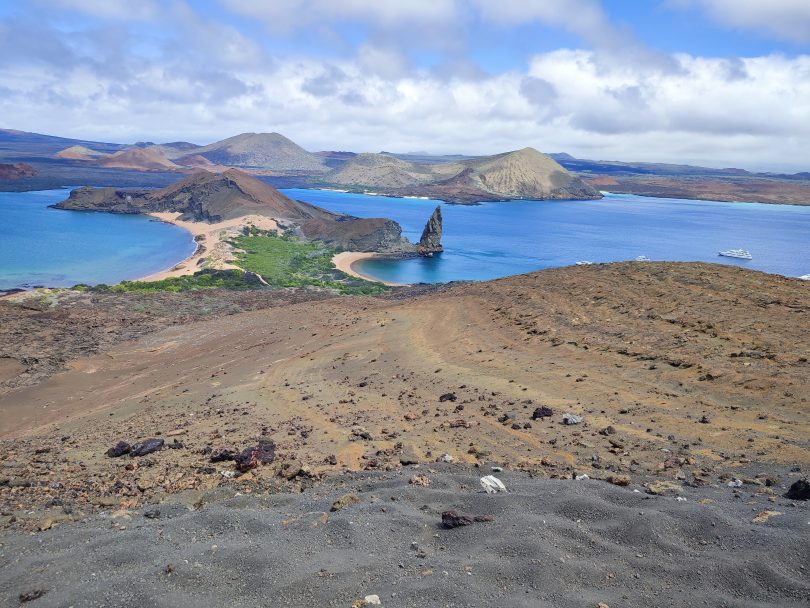
Itinerary A and Itinerary B are the two halves of a licensed Galapagos cruise vessel’s complete two-week circuit. In 2012 the Galapagos National Park required every permitted vessel to wait 14 days before returning to the same visitor site, which means all cruise ships now run a full 15-day approved route. Operators divide that route into shorter bookable segments. Most commonly those segments are labeled A and B, each covering a distinct region of the archipelago. The labels are operator shorthand: Ecoventura’s A is different from Quasar’s A is different from Endemic’s A. But the underlying geographic logic is consistent across almost every operator. One half covers the southern and central islands. The other covers the western and northern ones.
The naming convention causes more confusion than it probably should. Travelers see “Itinerary A” and assume it’s the better one because it comes first alphabetically. Others assume B is more advanced. Neither is true. Quasar Expeditions is direct about this: their two 8-day itineraries are “equal in terms of site visitations, expedition activities, scenery, and wildlife encounters.” Ecoventura says the same. The A/B label is purely a scheduling convention, not a quality ranking. What the label does tell you is which half of the circuit you’re on, and that matters enormously because the two halves deliver fundamentally different wildlife.
The reason both halves can be genuinely equal is that the 2012 National Park rule was designed specifically to prevent the quality imbalance that existed before. Before that rule, vessels could revisit the most accessible and popular sites repeatedly, which meant the “A” departure and the “B” departure on the same vessel might visit overlapping islands. The 14-day site rotation forces genuine geographic distribution: no site is repeated within the two-week window, so both itineraries have to be built from strong sites rather than padding one with second-rate landings while the other gets the flagship experiences.
If you’re looking at a vessel’s A and B offerings and want to understand specifically what you’d be getting on your dates, we work through this constantly. Fill out this short form and we’ll tell you exactly what’s on the itinerary for your specific departure.
Which Islands Does Itinerary A Cover?
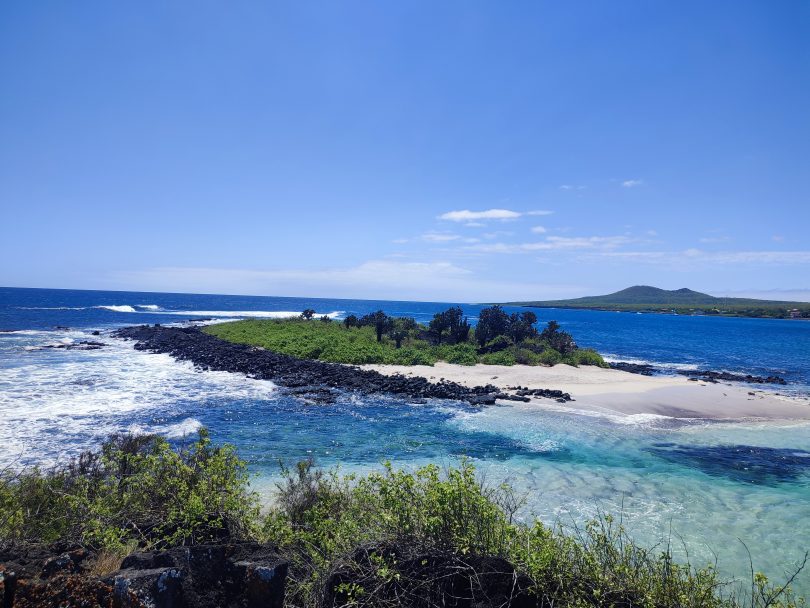
Itinerary A, in its most common form across operators, covers the southern and central Galapagos: Española, Floreana, San Cristobal, Santa Cruz, and a selection of central islands including South Plaza, Santa Fe, North Seymour, and Bartolome. These are the older volcanic islands with more established ecosystems, white sand beaches, and calmer surrounding seas. The defining experience of Itinerary A is Española and specifically Punta Suarez, which hosts the only waved albatross breeding colony on Earth between April and December. Everything else on this itinerary is excellent, but Española is what most travelers name as the moment that made the trip.
The island-by-island texture of a typical Itinerary A week follows a logical geographic arc. The sailing starts and ends at Baltra, which sits next to Santa Cruz in the center of the archipelago. From there, the vessel works south and east across four or five days, hitting the outer eastern islands before returning via the central cluster. The result is a week where each day feels meaningfully different from the last: the turquoise-floored land iguana habitat of South Plaza gives way to the white-sand Santa Fe bay, then the hammerhead channel at Kicker Rock off San Cristobal, then the history of Floreana (Post Office Bay, the 1930s murder mystery, Devil’s Crown snorkeling), then the full-day experience of Española at its best, then the Darwin Research Station and highlands tortoises on Santa Cruz, then North Seymour’s frigatebird and booby colonies on the final morning before departure.
Devil’s Crown deserves specific mention as an Itinerary A site. It’s a partially submerged volcanic crater off Floreana’s coast, accessible only by cruise (no day trips from the inhabited islands can reach it). The interior of the crater acts as a natural fish trap, with marine diversity that consistently rates among the strongest snorkeling experiences in the entire archipelago. Eagle rays, sea turtles, white-tip reef sharks, and wall fish at close range in calm protected water. Travelers who’ve done snorkeling sessions across both circuits often name Devil’s Crown as their single best underwater experience.
One firm seasonal note for Itinerary A: if your travel dates fall between January and March, the waved albatross will not be on Española. The entire global breeding population of that bird, roughly 25,000 pairs, leaves the island in January and doesn’t return until April. A January to March Itinerary A booking produces a genuinely strong cruise week across every other site. Española itself is still worth visiting for the other wildlife, the blowhole, and the beach. But the albatross will not be there, and it’s the thing most travelers are specifically coming for. Check your dates against the April to December window before locking in an Itinerary A booking.
We’ve got a full breakdown on the best Galapagos itinerary for birdwatching if you want to know exactly which routes give you the best shot at blue-footed boobies, waved albatross, frigatebirds, and Darwin’s finches in a single trip.
Which Islands Does Itinerary B Cover?
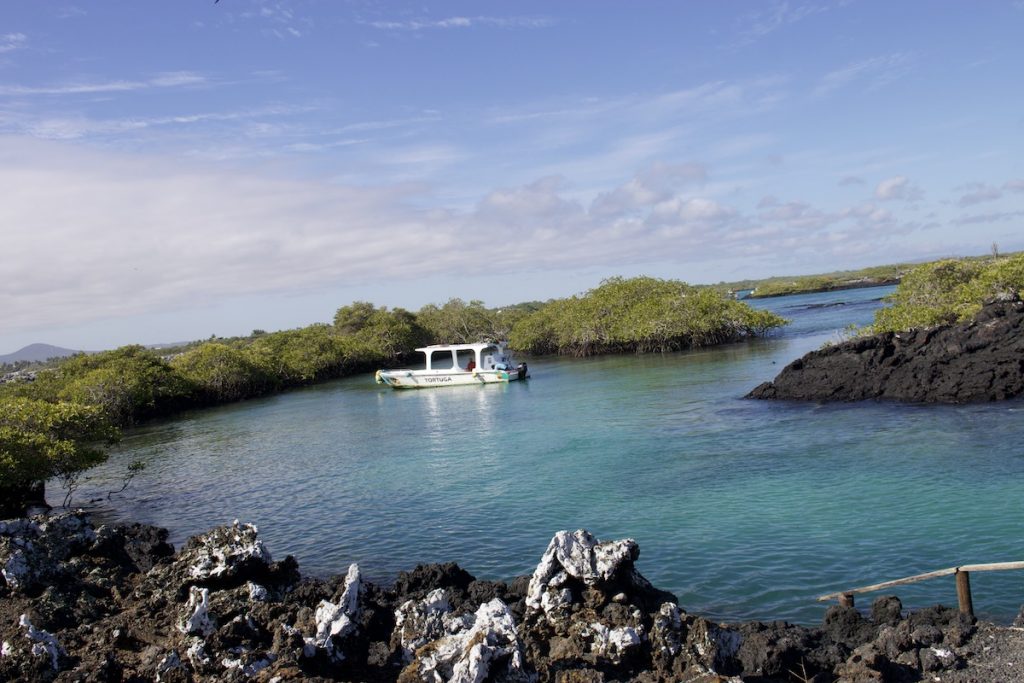
Itinerary B covers the western and northern Galapagos: Fernandina, Isabela (multiple separate sites), Santiago, Genovesa, Rabida, Bartolome, and Santa Cruz. These are the younger, more volcanically active islands with raw lava terrain, colder nutrient-rich water, and the highest wildlife density of any cruise circuit in the archipelago. The defining experiences of Itinerary B are Punta Espinoza on Fernandina (the only place in the world where the flightless cormorant and the marine iguana mega-colony share the same volcanic shoreline) and Genovesa’s Darwin Bay (one of the most concentrated seabird sites on Earth, period).
The Itinerary B week tends to feel more physically demanding than A and more geographically remote. The overnight crossing to reach Fernandina, at the far western edge of the archipelago, is longer than any Itinerary A passage. The lava terrain at Punta Espinoza requires ankle-support footwear and careful footing in ways that Española’s beach trails don’t. The Bolivar Channel between Isabela and Fernandina can produce genuine swell, particularly in August through October. These aren’t reasons to avoid Itinerary B; they’re reasons to go in with honest expectations and the right footwear.
What Itinerary B delivers in return for that physical investment is access to things that have no equivalent on any other standard cruise. The flightless cormorant only exists on Isabela and Fernandina. It evolved in an environment with no land predators over millions of years, shedding its ability to fly so completely that its wings are now vestigial stubs it uses for balance. Watching one dry those stubby wings in the posture its ancestors used to dry flight feathers is one of those moments that makes Darwin’s ideas feel immediate rather than abstract. The Fernandina marine iguana colony numbers in the thousands visible from a single landing at Punta Espinoza, piled on the lava in a density that makes Itinerary A’s iguana landings look like previews.
Genovesa adds the northern dimension to Itinerary B. The flooded caldera of a collapsed volcano, Darwin Bay’s beach trail leads through red-footed booby nesting colonies so dense you step around them. Prince Philip’s Steps climbs through Nazca booby grounds to a clifftop where short-eared owls hunt storm petrels in broad daylight. It is one of the most concentrated wildlife sites in the islands and it appears almost exclusively on Itinerary B sailings. Travelers who weren’t sure about the longer overnight crossing to get there consistently name Genovesa as among the top three moments of their trip.
We’ve got a full breakdown on which Galapagos itinerary visits the most islands if you want to know exactly how the longer and shorter routes compare and what each additional island actually adds to the experience.
Itinerary A vs B: Head-to-Head Wildlife Comparison
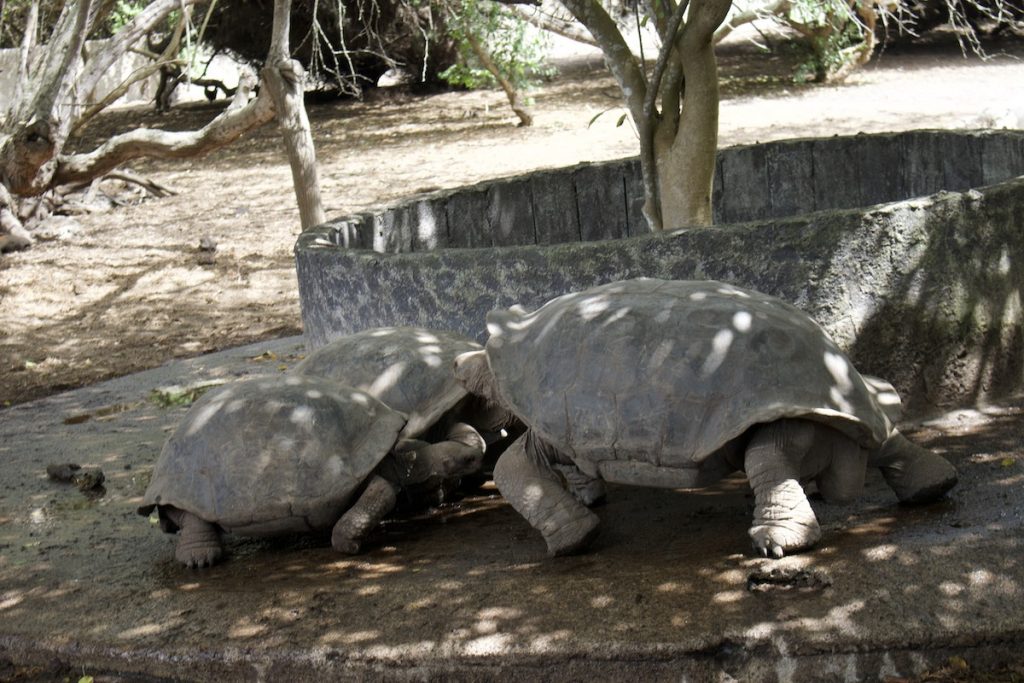
The species that define each itinerary are the circuit-exclusive endemics: the waved albatross is found only on Española, which is Itinerary A. The flightless cormorant is found only on Isabela and Fernandina, which are Itinerary B. Everything else that defines a great Galapagos wildlife week, sea lions, giant tortoises, marine iguanas, blue-footed boobies, frigatebirds, Darwin’s finches, sea turtles, Galapagos penguins, appears on both itineraries. If your priority species is the albatross, book Itinerary A between April and December. If it’s the cormorant, book Itinerary B. If it’s neither specifically, the choice comes down to terrain preference and sea conditions.
| Species | Itinerary A | Itinerary B |
|---|---|---|
| Waved albatross | Yes (Apr to Dec, Española) | No |
| Flightless cormorant | No | Yes (Fernandina and Isabela) |
| Red-footed booby (mega-colony) | Occasional sightings | Yes (Genovesa) |
| Mola mola (ocean sunfish) | No | Yes (Jun to Nov, Punta Vicente Roca) |
| Hammerhead sharks | Yes (Jun to Oct, Kicker Rock) | Occasional in Bolivar Channel |
| Marine iguana mega-colony | Smaller colonies at multiple sites | Yes (Fernandina, largest in archipelago) |
| Galapagos penguin | Possible at Bartolome | Reliable at Isabela and Fernandina |
| Christmas iguana (Española subspecies) | Yes (Española) | No |
| Giant tortoises in the wild | Yes (Santa Cruz highlands) | Yes (Isabela slopes, Santa Cruz) |
| Devil’s Crown snorkeling | Yes (Floreana) | No |
| Fur seals | Occasional | Yes (Puerto Egas, Santiago) |
The shared species are worth naming explicitly because they reassure travelers who are worried about choosing the wrong itinerary: sea lions at virtually every landing, giant tortoises at the highlands, marine iguanas on every coastal site, blue-footed boobies at multiple islands, Darwin’s finches, frigatebirds, Nazca boobies, and sea turtles during snorkeling appear on both A and B. You are not choosing between a wildlife-rich trip and a lesser one. You are choosing between two specific and different signature experiences.
Not sure which Galapagos route gives you the best shot at the encounters that make the trip worth it? This breakdown on which Galapagos cruise route has the best wildlife covers the key species by island and what each route actually delivers.
Which Itinerary Should You Choose?
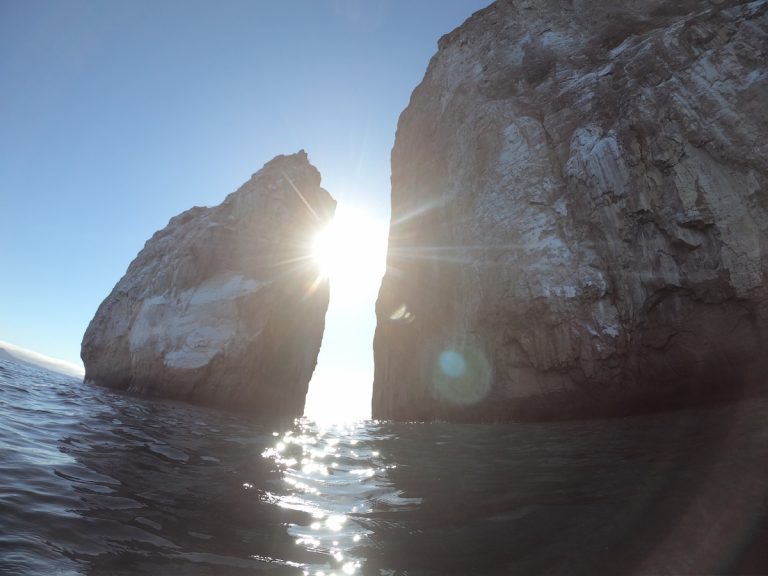
Choose Itinerary A if: it’s your first Galapagos cruise, your group includes anyone with motion sensitivity, you’re traveling between April and December and the waved albatross is on your list, or you specifically want the finest dedicated snorkeling sites in the archipelago at Devil’s Crown and Kicker Rock. Choose Itinerary B if: you’ve already done the A circuit, you want the flightless cormorant or the Fernandina marine iguana colony, you’re comfortable with longer overnight crossings and potential swell in the Bolivar Channel, or you’re a wildlife photographer who specifically wants the Genovesa seabird experience. Most first-time visitors go A. Most returning visitors who’ve done A go B next.
The motion sensitivity question is worth addressing directly because it comes up in almost every planning conversation we have about the A versus B decision. Itinerary A’s crossings are shorter and the sea conditions around the southern and central islands are calmer year-round. Itinerary B includes the Bolivar Channel, which runs between Isabela and Fernandina and concentrates swell from the open Pacific in a way that the calmer central waters don’t. In the cool season from August through October, this channel can produce genuinely rough passages. If anyone in your group gets motion sick reliably on boats, Itinerary A in any season or Itinerary B on a catamaran hull in the calm season are the safer bets. A single-hull motor yacht on Itinerary B in August is the scenario we consistently warn against for motion-sensitive travelers.
The first-time versus returning-visitor framing is a useful default but not an absolute rule. Some first-time travelers come specifically for the cormorant or the Mola mola and should absolutely book B. Some returning visitors had such a strong first experience on B that they want A next for the albatross. The choice is ultimately about which circuit-exclusive wildlife matters most to you, and that’s a personal question. If neither albatross nor cormorant is a specific priority and you’re choosing for the first time, A is the safer default because it’s calmer and the albatross season alignment makes April through December the strongest window for the itinerary’s signature experience.
If you want a straight recommendation based on your specific travel dates, group composition, and interests, that’s what we do. Get in touch here and we’ll tell you which itinerary makes more sense for your trip.
Not sure which Galapagos route gives you the most time in the water with the best marine life? This breakdown on the best Galapagos itinerary for snorkeling covers the top sites, the species, and which cruises prioritize in-water experiences.
What’s the Best Time of Year for Each Itinerary?
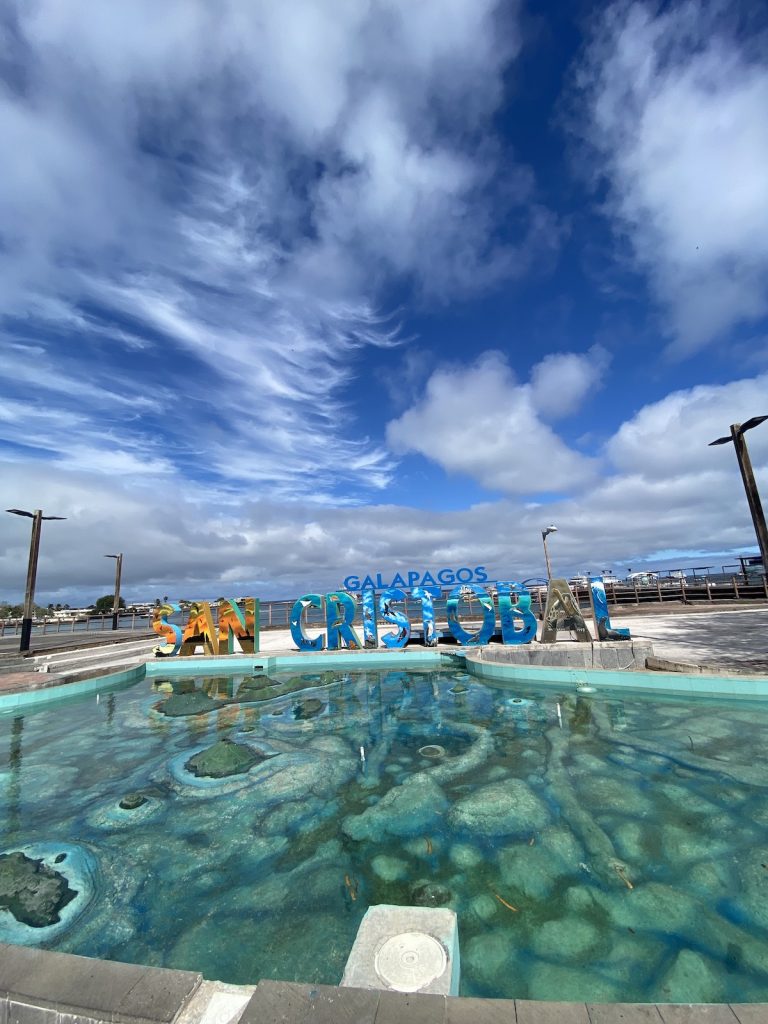
Itinerary A is strongest between April and December, when the waved albatross is present on Española. Within that window, May and November are the sweet spots: good visibility for snorkeling, manageable conditions, and shoulder-season pricing. Itinerary B works year-round but peaks in two separate windows: May and November for overall balance (calm Bolivar Channel, all endemic species active), and July through October for the Mola mola at Punta Vicente Roca. The one month to specifically avoid for Itinerary B’s Bolivar Channel crossings on a single-hull vessel is August and September.
The seasonal matrix for Itinerary A is relatively straightforward. The albatross window opens in April and closes in January. Within that eight-month window, the best snorkeling visibility at Devil’s Crown peaks in April through June, and the hammerhead sharks at Kicker Rock off San Cristobal are most reliable from July through October. Sea lion pups are active at Gardner Bay from August through November. There’s no month in the April to December window that is meaningfully weaker than another; the variation is in which specific species are in peak behavioral state rather than whether the itinerary is worth booking.
Itinerary B’s seasonal picture is slightly more complex because the Bolivar Channel swell is a real factor for the western crossings. December through May produces the calmest western passages and the warmest water, which means marine iguanas actively grazing underwater at Fernandina and the best conditions for Punta Espinoza snorkeling. June through November brings peak Mola mola at Punta Vicente Roca and peak flightless cormorant nesting activity, but also the strongest swell in the Bolivar Channel. If your Itinerary B booking falls in July through October and your group has any motion sensitivity at all, catamaran selection is not optional. It’s the difference between a manageable overnight crossing and a rough one.
| Month | Itinerary A | Itinerary B |
|---|---|---|
| Jan to Mar | Good but no albatross; warm water, calm seas, excellent snorkeling visibility | Excellent; warmest water, calmest Bolivar Channel, iguana grazing underwater at Fernandina |
| Apr to May | Best window. Albatross returns April; clearest water; booby courtship active; May is sweet spot | Best window. Bolivar swell near minimum; all endemic species active; May is sweet spot |
| Jun to Jul | Strong; albatross with chicks; hammerheads building at Kicker Rock | Strong; Mola mola arriving; swell building; catamaran preferred from July |
| Aug to Sep | Good; peak hammerheads at Kicker Rock; albatross with fledglings; sea lion pups | Peak Mola mola; strongest Bolivar swell; catamaran essential on single-hull; still excellent wildlife |
| Oct to Nov | Second-best window. Albatross still present; sea lion pups; swell easing; November sweet spot pricing | Second-best window. Mola mola tapering; swell calming; November sweet spot pricing; cormorant nesting winding down |
| Dec | Albatross departing; holiday peak pricing; warm water building | Good conditions; calming Bolivar Channel; holiday peak pricing |
Seasonal data verified July 10, 2026.
What Should You Know Before Booking Itinerary A or B?
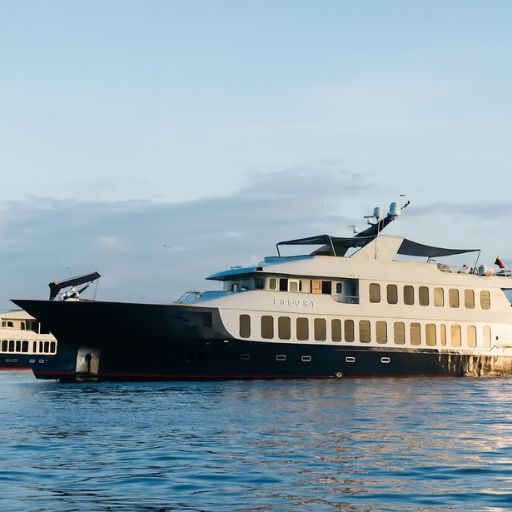
The most important things to confirm before booking are: which specific operator’s A or B you’re looking at and what islands it actually includes, whether your travel dates fall in the albatross window if you’re booking Itinerary A, and whether you need a catamaran hull if you’re booking Itinerary B in July through October. The A/B label alone tells you almost nothing without knowing the specific vessel and operator. Two different operators’ Itinerary B sailings can cover meaningfully different islands. Always read the day-by-day schedule rather than relying on the letter designation.
A few things that catch Itinerary A versus B travelers off guard:
The labels aren’t standardized. Ecoventura’s Itinerary A is their southern/central route and their Itinerary B is western/northern. Some other operators use A and B the other way around. A small number use entirely different naming conventions (loops, circuits, or themed names like “In the Steps of Darwin”). Never book based on the letter alone. Confirm the geographic circuit, the specific islands, and the day-by-day schedule before committing.
Both itineraries depart and return from Baltra. Almost all Galapagos cruise itineraries, A and B alike, use Baltra Island airport as the embarkation and disembarkation point. San Cristobal airport is used by some vessels, particularly for Itinerary A sailings that start in the eastern islands. Confirm your airport before booking domestic flights from Quito or Guayaquil. The airport confusion catches travelers more often than it should.
The park fee is $200 regardless of itinerary. The Galapagos National Park entrance fee is $200 per adult and $100 per child under 12 for foreign visitors, paid in USD cash on arrival at the airport. It applies to Itinerary A and Itinerary B equally, and it’s paid once per visit regardless of how many days you’re on the vessel. The $20 Transit Control Card is pre-registered online before your domestic flight. Bring both amounts in cash. Prices verified July 10, 2026.
Doing both A and B is the most common repeat pattern. The structure of the two halves is specifically designed to be complementary rather than overlapping. Many travelers do Itinerary A on a first trip and Itinerary B on a return visit. Some operators offer a 10 to 15% discount if you book both back to back, which is the most efficient way to see both circuits without returning for a separate trip.
Still deciding whether to extend your Galapagos trip into a second consecutive cruise? This guide on back-to-back Galapagos cruise itineraries gives you a straight answer on what it involves and whether it’s worth it.
What Travelers Say About Itinerary A vs B: Our Feedback Data
| Factor | Itinerary A Travelers | Itinerary B Travelers |
|---|---|---|
| Named one site as clearly the trip highlight | 82% named Española (Punta Suarez) | 71% named Fernandina (Punta Espinoza) or Genovesa |
| Wish they had done the other itinerary too | 74% | 68% |
| Found sea conditions comfortable throughout | 91% | 76% (lower in Aug to Oct single-hull bookings) |
| Already planning a return for the other itinerary | 61% | 57% |
| Would recommend their itinerary to others | 97% | 95% |
The near-identical recommendation rates (97% vs 95%) confirm what experienced operators consistently say: both itineraries are genuinely excellent. The choice between them is not a quality decision, it’s a wildlife priority decision. The 74% of Itinerary A travelers who wish they’d done B too, and the 68% of B travelers who feel the same about A, is the number that best captures the Galapagos cruise dynamic: both itineraries are strong enough that doing one well makes you want the other one.
The A versus B decision is simpler than most travelers make it once you strip away the naming confusion. It’s really just this: do you want to see the albatross or the cormorant first? Everything else on both circuits is exceptional. We’ve done both and we’ve talked to thousands of people who’ve done one or both. If you want a direct read on which one makes more sense for your specific dates, group, and interests, get in touch here and we’ll give you a straight answer.
Frequently Asked Questions
What is the difference between Itinerary A and Itinerary B on a Galapagos cruise?
Itinerary A and B are the two halves of a vessel’s complete 15-day National Park-approved circuit. Most operators use A for the southern and central islands (Española, Floreana, San Cristobal, Santa Cruz) and B for the western and northern islands (Fernandina, Isabela, Genovesa, Santiago). The specific islands covered vary by operator, so always check the day-by-day schedule rather than relying on the letter alone.
Is Itinerary A or B better for a first-time visitor?
Itinerary A for most first-timers. It’s calmer, covers iconic eastern sites including Española’s waved albatross between April and December, and delivers excellent snorkeling at Devil’s Crown and Kicker Rock. About 70% of first-time visitors go with the A or equivalent eastern/southern circuit. Itinerary B is the better choice if you specifically want the flightless cormorant or the Fernandina marine iguana colony.
Can I see the waved albatross on Itinerary B?
No. The waved albatross breeds exclusively on Española, which is an Itinerary A island. Itinerary B does not include Española on any standard operator’s schedule. If the albatross is on your list, book Itinerary A between April and December.
Can I see the flightless cormorant on Itinerary A?
No. The flightless cormorant exists only on Isabela and Fernandina, both of which are Itinerary B islands. It does not appear on Itinerary A.
Can I do both Itinerary A and B on the same trip?
Yes, by booking both as a back-to-back cruise on the same vessel, typically 14 to 15 days total. Many operators offer a 10 to 15% discount for booking both weeks consecutively. This is the most common format for travelers who want the complete Galapagos experience in a single voyage.
How do I know which itinerary my cruise dates fall on?
Ask the operator directly before booking. Vessels alternate between A and B on a fixed weekly schedule, and the specific rotation varies by vessel. The departure date determines which circuit you’re on. We can tell you which itinerary any specific departure date covers across most major operators. Send us your dates here and we’ll check for you.
Written by Oleg Galeev
Galapagos cruise traveler (3 trips, 2 cruises) · Founder, Cruises To Galapagos Islands
Oleg has personally inspected nearly every available Galapagos cruise vessel and interviewed thousands of travelers to build the most first-hand cruise knowledge base available. He also runs the Ecuador travel blog mytrip2ecuador.com and the YouTube channel My Trip to Somewhere.
Cruises To Galapagos Islands is rated 4.9 stars on Google and TripAdvisor.
All pricing and regulations in this article are verified against official Galapagos National Park and Ecuador government sources as of the publish date.