
TL;DR
The literal answer: a 15-day circumnavigation visits the most islands, typically 11 to 14 across all four major regions without repeating a single visitor site. But that answer misses what most travelers actually want to know. Island count is a poor proxy for experience quality. An 8-day cruise that spends a full afternoon at Española produces a richer encounter with that island than a 15-day cruise that allocates two hours to it while racing to hit every site on the circuit. The right question isn’t which itinerary visits the most islands. It’s which itinerary gives you the most meaningful time at the islands that matter for your specific interests.
Quick Facts: Island Coverage by Cruise Length
| Cruise Length | Typical Islands Visited | Visitor Sites Covered | Big 15 Species Coverage |
|---|---|---|---|
| 4-day | 3 to 4 | 4 to 6 | ~60% |
| 5-day | 4 to 5 | 6 to 8 | ~70% |
| 8-day | 6 to 9 | 8 to 12 | ~85% |
| 11-day | 9 to 12 | 12 to 15 | ~95% |
| 15-day | 11 to 14 | 16 to 18 | ~99% |
| Darwin and Wolf (dive liveaboard) | 2 (Darwin, Wolf only) | 2 to 4 dive sites | N/A (diving only; no land excursions) |
Note: The Galapagos archipelago contains 127 islands, islets, and rocks in total. Of these, 13 are major islands and 14 are accessible to visitors. The National Park maintains approximately 70 terrestrial and 75 marine visitor sites. No single standard cruise visits all of them.
How Many Islands Are There in the Galapagos and Which Ones Can You Actually Visit?
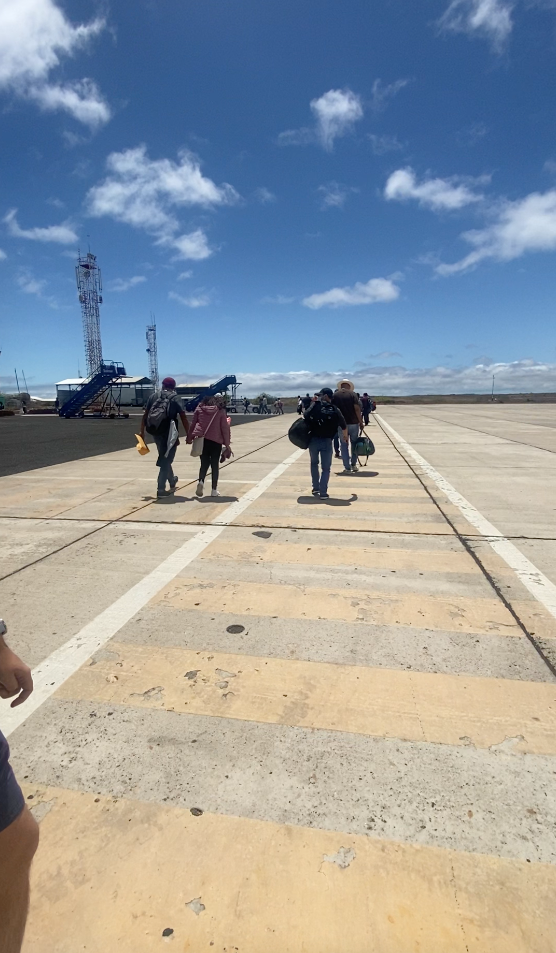
The Galapagos archipelago contains 127 islands, islets, and rocks. Of those, 13 are major islands and 14 are formally accessible to visitors under National Park rules. The remaining islands are off-limits: reserved for scientific research, closed to protect undisturbed wildlife, or simply too small and remote to sustain landing infrastructure. Every visitor site in the archipelago requires access via a National Park-authorized cruise or day tour, in groups of no more than 16 people per certified naturalist guide. Independent access to any uninhabited island is not permitted under any circumstances.
The 14 visitable major islands are: Santa Cruz, San Cristobal, Isabela, Fernandina, Española, Floreana, Santiago, Genovesa, Rabida, Bartolome, North Seymour, South Plaza, Santa Fe, and Marchena. Baltra is accessible as a transit point with a major airport but functions primarily as an arrival and departure hub rather than a wildlife destination in itself. Beyond these, dozens of smaller named islets and rocks serve as official visitor sites for snorkeling or panga rides even though no land excursion is possible: Kicker Rock off San Cristobal, Devil’s Crown off Floreana, and Champion Islet off Floreana are examples of sites that appear on itineraries without being full islands.
Two islands stand entirely outside the standard cruise system: Darwin and Wolf, in the far northwest of the archipelago. These are accessible only via specialized liveaboard diving vessels, require Advanced Open Water certification with at least 50 logged dives, and have no terrestrial visitor access. No standard cruise, regardless of length, includes them on its itinerary. The whale sharks and schooling hammerheads that bring divers to those sites are genuinely extraordinary, but they exist in a separate planning category from everything else discussed in this article.
The practical implication for cruise planning: the pool of visitable islands is 14, not 127. A 15-day circumnavigation visits 11 to 14 of those. An 8-day cruise visits 6 to 9. The differences between cruise lengths are meaningful but they operate within a defined universe of accessible destinations, and every major island on the list offers a genuinely strong wildlife experience.
Most Galapagos cruises run two alternating routes and the difference matters more than most people realize. Here’s an honest comparison of Galapagos cruise itinerary A vs B so you pick the one that actually fits what you want to see.
Which Cruise Length Visits the Most Islands?
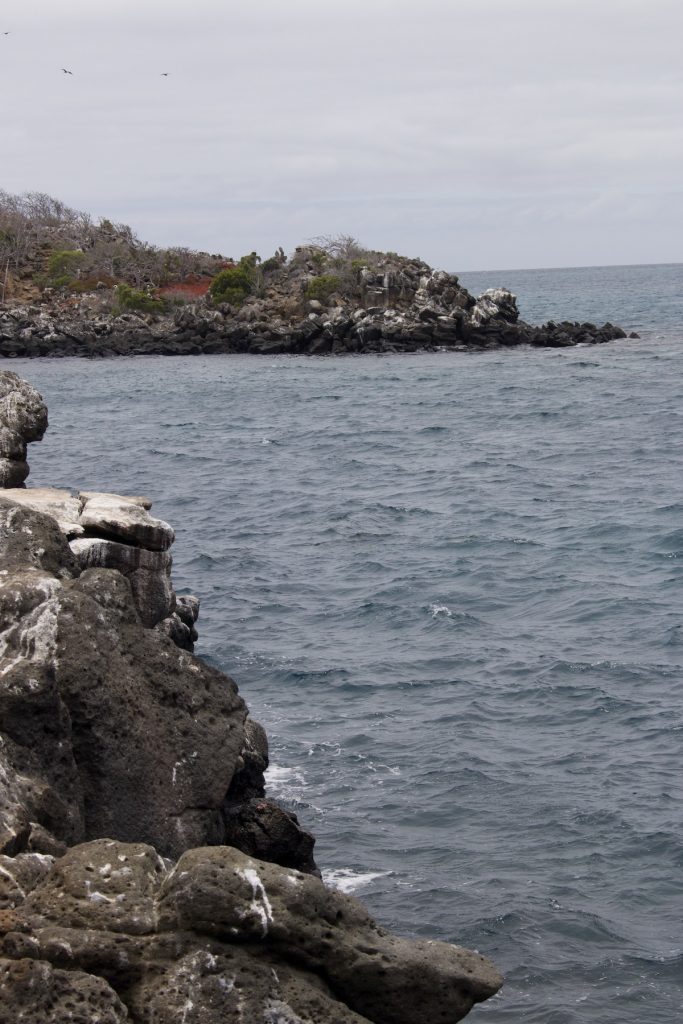
The 15-day circumnavigation visits the most islands of any standard cruise format, typically covering 11 to 14 major islands and 16 to 18 of the 18 National Park-recognized visitor sites. It is the only format where the vessel does not repeat any visitor site during the entire voyage. The 11-day combined cruise visits 9 to 12 islands. The 8-day single-circuit cruise visits 6 to 9. The 5-day covers 4 to 5. The 4-day covers 3 to 4. Island count scales roughly in proportion to cruise length, with the biggest jumps in coverage occurring between the 4 or 5-day short formats and the 8-day, and again between the 8-day and the 11 or 15-day extended formats.
The jump from 4 or 5-day to 8-day is where the geographic coverage changes most dramatically. Shorter cruises are geometrically constrained: the overnight sailing required to reach Fernandina, Española, or Genovesa takes time that a 4 or 5-day itinerary simply doesn’t have. A 5-day cruise on the central or eastern loop visits South Plaza, Santa Fe, Bartolome, North Seymour, and Santa Cruz. It cannot reach Española, Fernandina, or Genovesa without compressing every other site into half the time it deserves. The 8-day eastern circuit can visit all of those properly: Española gets a full day, San Cristobal gets Kicker Rock in the afternoon and Cerro Brujo in the morning, Floreana gets Devil’s Crown and Post Office Bay, and the central islands don’t feel rushed.
The jump from 8-day to 11 or 15-day adds multi-circuit coverage. A single 8-day cruise covers one complete regional loop. The 11 or 15-day extended formats combine two loops, which is what allows them to reach both Española and Fernandina in a single voyage. These two islands anchor opposite sides of the archipelago and represent the two circuit-exclusive species that travelers most frequently cite as reasons to extend their trip: the waved albatross at Española and the flightless cormorant at Fernandina.
| Cruise Format | Islands Accessible | What Becomes Possible |
|---|---|---|
| 4 to 5-day | Central cluster only (Bartolome, North Seymour, South Plaza, Santa Fe, Santa Cruz) | Core central wildlife; no outer islands |
| 8-day eastern | Full eastern circuit (adds Española, Floreana, San Cristobal, North Seymour, South Plaza) | Waved albatross; Devil’s Crown snorkeling; Kicker Rock hammerheads; Post Office Bay |
| 8-day western | Full western circuit (adds Fernandina, Isabela multiple sites, Santiago, Rabida) | Flightless cormorant; Mola mola; Punta Espinoza; Bolivar Channel whale sightings |
| 11-day combined | Eastern plus western, or either circuit plus Genovesa | Both albatross and cormorant; Genovesa seabird colony; red-footed boobies |
| 15-day circumnavigation | All four regions; near-complete visitor site coverage; no site repeated | Punta Pitt (all three booby species); complete Big 15 coverage; maximum variety |
If comprehensive island coverage is your specific goal, the 15-day is the only format that achieves it without any structural compromise. If you want to know which format to book given your actual situation, we work through this specific question with travelers all the time. Fill out this short form and we’ll give you a direct recommendation based on your dates and interests.
We’ve got a full breakdown on the 14-day Galapagos cruise if you want to know exactly how back-to-back itineraries are structured, which islands you’ll cover, and why serious Galapagos travelers consider this the ultimate way to experience the archipelago.
Which Route Covers the Most Distinct Island Ecosystems?
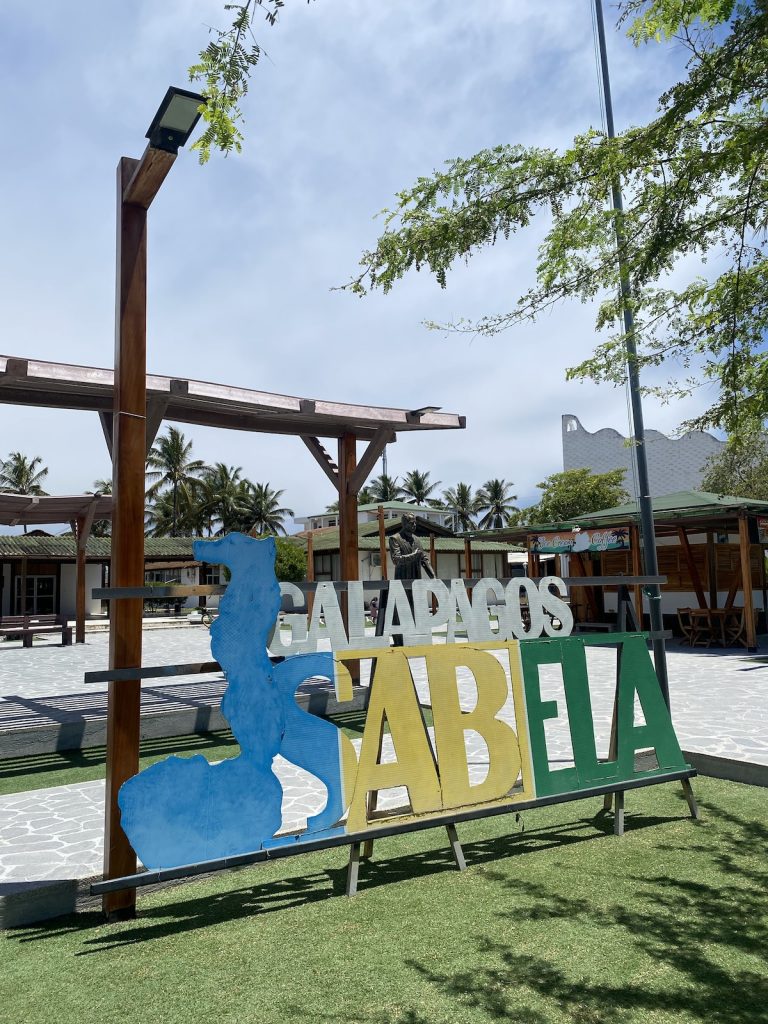
The route that covers the most distinct ecosystems is the combined eastern plus western circuit, available on 11-day and 15-day itineraries. The eastern islands are geologically older, with white sand beaches, more established vegetation, and warmer surrounding waters. The western islands are younger, still volcanically active in some cases, with raw lava terrain, colder nutrient-rich water flowing from the Cromwell Current, and the highest wildlife density in the archipelago. Adding Genovesa from the northern region brings a third distinct ecosystem type: the flooded caldera environment with seabird colonies unlike anything on the eastern or western circuits.
The ecosystem variation across the Galapagos is what makes island count a more interesting metric than it might initially seem. Each island group sits in a different ocean current regime, receives different rainfall, and has evolved its wildlife communities in partial isolation from the others. The eastern islands at Española and Floreana sit in warmer, calmer water and host the waved albatross, the Christmas iguana, and the richest reef fish diversity in the archipelago. The western islands at Fernandina and Isabela are bathed by the cold Cromwell Current, which drives the upwelling productivity that supports the largest marine iguana populations in the islands and the year-round Galapagos penguin population. These aren’t variations on a theme. They’re genuinely different worlds within the same archipelago.
For a single 8-day circuit, the question of which route covers more distinct ecosystems within one week is effectively a draw. An 8-day eastern circuit covers sandy beach, highland vegetation, volcanic cliff, and flat central island habitats. An 8-day western circuit covers active lava field, volcanic caldera, mangrove lagoon, and open cliff habitats. Neither is definitively richer in ecosystem variety. They’re complementary rather than overlapping. This is the structural reason that experienced travelers consistently come back to do the circuit they missed on their first trip: it genuinely is a different experience, not just more of the same.
The western islands and the northern dive sites play by completely different rules when it comes to wildlife. Here’s a guide on which Galapagos cruise route has the best wildlife so you pick the route that matches what you’re actually after.
Does More Islands Always Mean a Better Trip?
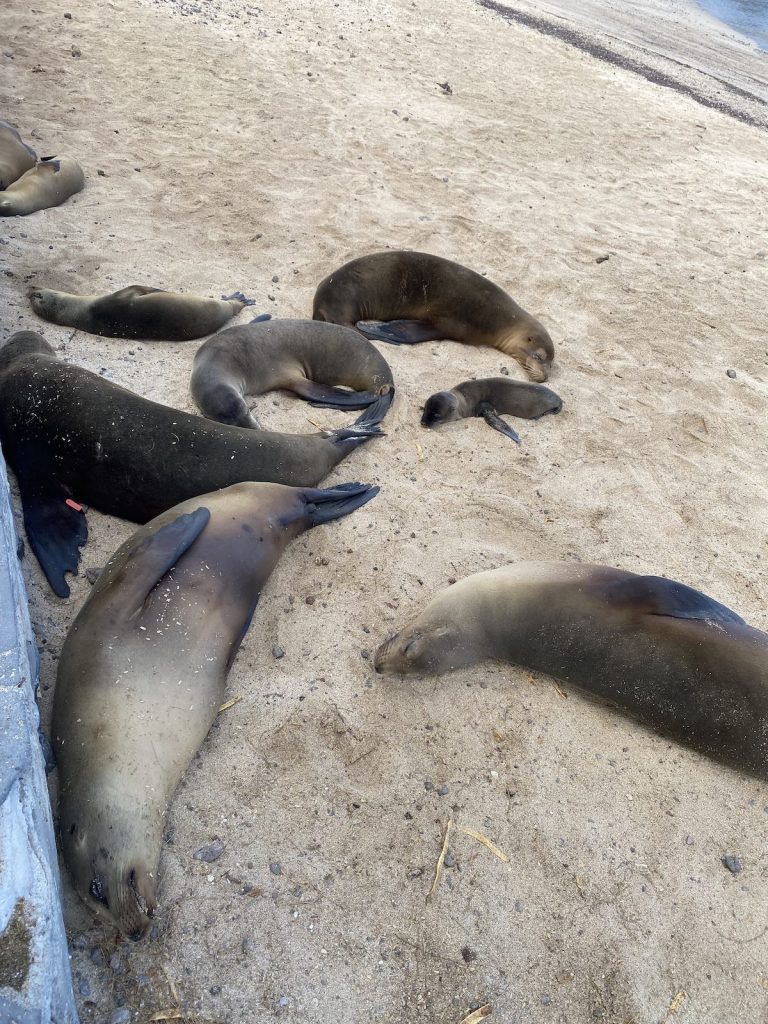
No. The research consistently shows that more islands within a fixed time window produces a worse experience per island, not a better one overall. A Galapagos cruise where you spend a rushed two hours at Española produces a thinner encounter with that island than a cruise where you spend a full unhurried morning at Punta Suarez and a full afternoon at Gardner Bay. The National Park site rotation means every standard cruise visits strong sites. The variable is not which sites you reach but how much time and pace you get at each one.
This is the most useful reframe for travelers who arrive at the “which itinerary visits the most islands” question. They’re usually asking because they assume more coverage means more value. In the Galapagos, more time at fewer islands consistently outperforms more islands with less time. The 8-day cruise that gives Española a full day, with the albatross courtship display in the morning and the sea lion colony at Gardner Bay in the afternoon, delivers more from that island than the itinerary that squeezes Española into a single morning excursion before sailing to the next site before dark.
The same logic applies at the level of cruise length. One reliable pattern in traveler feedback is that the strongest single memories from a Galapagos cruise tend to come from days four through six on an 8-day sailing, not from the final day when the most islands have been visited. What produces the strongest memories isn’t the number of islands reached. It’s the accumulation of time in the field: the guide knowing what you’re interested in by day four, the unscheduled moment when a sea lion pup investigates your snorkel fins without any prompting, the albatross that lands two meters from the trail while you’re watching another one perform its courtship dance. None of that accumulation happens when you’re island-hopping at speed to maximize your count.
The exception is the 15-day circumnavigation, which is long enough to both cover comprehensive island range and spend proper time at each site without rushing. But that format is not for every traveler, and the compression of the wildlife interactions within a more manageable week is frequently a better product for travelers who don’t specifically want the comprehensive format.
Which Islands Are Exclusive to Longer Itineraries?
Three islands are effectively exclusive to longer cruise formats: Española (8-day eastern or longer), Fernandina (8-day western or longer), and Genovesa (8-day northern loop or longer, or selected 5-day itineraries with extended northern routing). A 4-day cruise on the central loop cannot reach any of these three. A 5-day cruise can reach one of them but only if the operator specifically designs the route to include it. These three islands collectively account for the most frequently cited “strongest memory” experiences across traveler feedback from every cruise length we track.
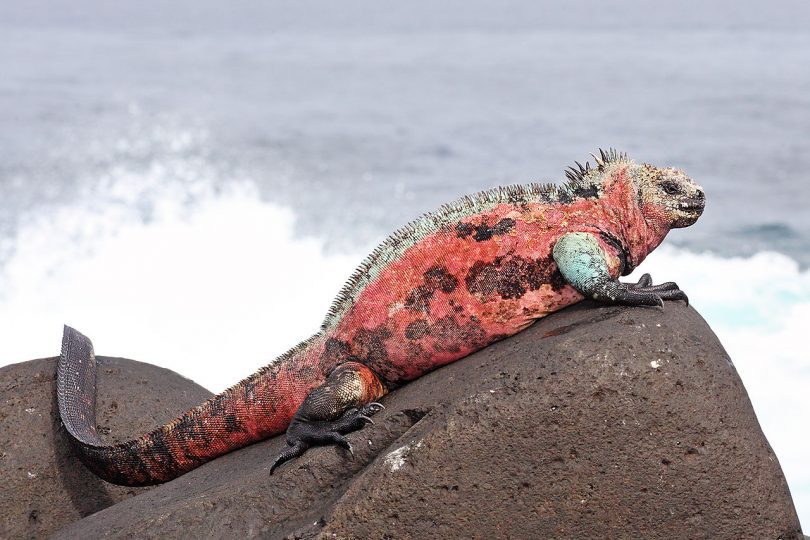
Española is the single most frequently named highlight across all Galapagos cruise travelers. It hosts the world’s only waved albatross breeding colony between April and December. Punta Suarez on Española is consistently described by naturalist guides as the single strongest individual visitor site in the archipelago: the albatross courtship display, the Christmas iguana (the most colorful marine iguana subspecies, with vivid red and green breeding coloration), the Española mockingbird, nesting Nazca boobies, blue-footed boobies, and the dramatic blowhole at the cliff edge, all within a two-hour guided walk. Shorter cruises simply cannot reach it without an overnight sailing time that they don’t have.
Fernandina is the most volcanically active island in the archipelago. La Cumbre volcano erupted as recently as 2024. Zero invasive species have ever established on Fernandina, which means its wildlife is the most pristine in the islands. Punta Espinoza hosts the largest marine iguana colony in the Galapagos, along with the entire world population of flightless cormorants that nest on this island and Isabela. It appears only on 8-day western and longer itineraries.
Genovesa sits in the far northeast, requiring an overnight crossing that shorter central-loop cruises won’t make. Darwin Bay’s beach trail leads through red-footed booby nesting colonies so dense you step around them. Prince Philip’s Steps (El Barranco) climbs through Nazca booby territory to a clifftop where short-eared owls hunt storm petrels at midday. The island is the one site where all of this concentrates in a single visit, and it’s available only on itineraries specifically designed to include the northern loop.
What’s the Best Itinerary for Maximum Island Variety in One Week?
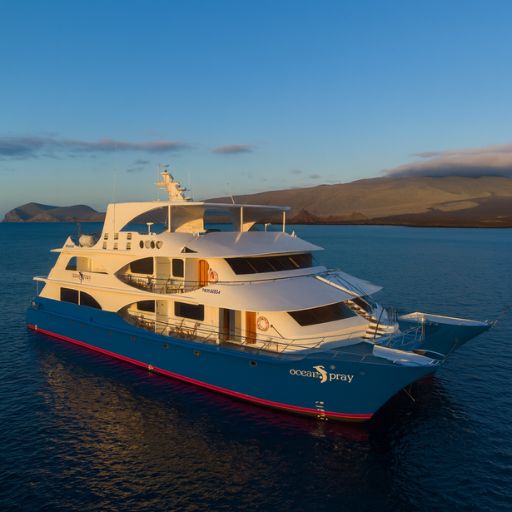
The best itinerary for maximum island variety in a standard one-week window (8-day cruise) is whichever of the eastern or western circuits includes Genovesa as part of its northern loop extension. Not all 8-day itineraries include Genovesa, but some operators route the eastern 8-day to add it on day three before heading south to Española. When Genovesa is on an 8-day schedule, you get three distinct regional ecosystems in one week: the northern seabird cathedral, the eastern beach-and-albatross circuit, and the central islands. That combination delivers the widest ecosystem variety available within a single week without extending to 11 or 15 days.
For travelers who specifically want Genovesa and either Española or Fernandina in the same week, the best approach is to ask operators directly whether their current 8-day eastern schedule includes Genovesa as a day-three site before the vessel turns south toward Española. Some do. Some don’t. The difference is significant. An 8-day eastern itinerary that starts at Genovesa before Española covers the most distinct ecosystem variety available in a single week on the standard cruise calendar.
If you want both Española and Fernandina in the same trip without compromising either, you need at least 11 days. This is the fundamental planning reality behind the island coverage question. One week done well gives you one complete circuit with full time at every site. Two weeks done well gives you both complete circuits. Trying to combine elements of both in a single week produces the compressed combined itinerary that experienced operators consistently warn against: you lose the best landings on both sides rather than gaining a complete version of either.
We can tell you which specific 8-day departures on your dates include Genovesa within the eastern circuit, and whether that adds meaningful variety to the week given your other priorities. Send us a message here and we’ll check the current schedules.
A week in the Galapagos is enough to cover serious ground if the route is right. Here’s a guide to the 7-day Galapagos cruise so you understand which routes make the most of every day on the water.
What Travelers Say About Island Coverage: Our Feedback Data
| Factor | Finding | Implication |
|---|---|---|
| Strongest single memory came from a site exclusive to longer itineraries | 71% of 8-day travelers | The outer islands drive the most powerful memories; worth the extra days |
| Felt they needed more time at individual sites rather than more sites | 64% of 5-day travelers | Depth per site matters more than breadth of coverage at short lengths |
| Would not have traded any island for longer time at an existing one | 83% of 8-day travelers | 8-day pacing is right; sites are not rushed; the balance holds |
| Española specifically named as something they’d specifically go back for | 68% of travelers who visited it | The outer exclusive sites generate the strongest repeat intent |
| More islands per day would have improved their trip | 12% | Travelers don’t want more islands per day; they want the right islands with proper time |
The 12% figure is the most useful data point in this table. Only one in eight travelers across all cruise lengths wishes they’d visited more islands per day. The overwhelming majority either feel the pacing was right, wish they’d had more time at existing sites, or wish they’d added days to reach sites that were genuinely out of reach on their itinerary length. The question “which itinerary visits the most islands” turns out to matter less to travelers after the trip than it does before it.
What Should You Know Before Choosing an Itinerary for Island Coverage?
The most useful frame for the island coverage question is not “how many islands” but “which specific islands matter for my interests, and what’s the shortest itinerary that reaches them with proper time.” If Española and the albatross are the goal, an 8-day eastern circuit is the minimum viable format. If Fernandina and the cormorant are the goal, an 8-day western circuit is the minimum viable format. If both are the goal, the minimum viable format is 11 days. If comprehensive coverage is specifically the goal, the minimum viable format is 15 days. Every shorter format involves accepting that one or more of these islands is not on the schedule.
A few practical things that catch travelers off guard when thinking about island coverage:
More islands per itinerary is not the same as more time in the Galapagos. A 15-day circumnavigation spends the same number of hours at individual sites as an 8-day single-circuit cruise. The 15-day adds more sites to the schedule but doesn’t slow the pace at each one. In fact, the compressed combined itineraries that some operators market as covering both circuits in 8 days often spend less time at each site than a focused single-circuit 8-day cruise. More islands within a fixed time equals less time per island. More days in the field equals more time overall.
Day tours from Santa Cruz can supplement a cruise itinerary. Travelers who want to add North Seymour, Bartolome, or Santa Fe to an experience that’s already covered the eastern or western circuit can add those sites via day tours from Puerto Ayora before or after the cruise. This is sometimes a more cost-effective way to extend island coverage than extending the cruise itself. The sites reachable by day tour are the central cluster sites, not the outer exclusive islands.
The 14-day National Park site rotation governs everything. The rule requiring vessels to wait 14 days before returning to any visitor site means the sites on your itinerary are determined by the vessel’s position in its rotation, not by what you specifically request. Two travelers on different departure dates on the same vessel will visit slightly different sub-selections of sites within their regional circuit. The headlines (Española, Fernandina, Genovesa) are consistent across itinerary types. The specific secondary sites within each circuit may shift by a landing or two depending on the departure date.
Bring $200 per adult in cash for the park fee. The Galapagos National Park entrance fee is $200 per adult foreign visitor and $100 per child under 12, paid in USD cash on arrival at Baltra or San Cristobal airport. The $20 Transit Control Card is pre-registered online before your domestic flight. Both are required regardless of how many islands your itinerary visits. Prices verified July 10, 2026.
First time hearing about back-to-back Galapagos cruises and not sure if it’s realistic for your schedule and budget? Our guide on back-to-back Galapagos cruise itineraries walks you through everything you need to know before you commit.
Frequently Asked Questions
Which Galapagos cruise itinerary visits the most islands?
The 15-day circumnavigation visits the most islands, typically 11 to 14 major islands and 16 to 18 of the 18 National Park-recognized visitor sites without repeating any. The 11-day combined cruise visits 9 to 12 islands. The 8-day single-circuit cruise visits 6 to 9. The 5-day covers 4 to 5. The 4-day covers 3 to 4.
How many Galapagos islands can you visit on a cruise?
Of the 127 islands, islets, and rocks in the Galapagos archipelago, 14 major islands are formally accessible to visitors under National Park rules. A 15-day circumnavigation visits 11 to 14 of them. An 8-day cruise visits 6 to 9. Two islands, Darwin and Wolf in the far northwest, are accessible only via specialized liveaboard diving vessels and cannot be visited on any standard cruise regardless of length.
Which islands are only accessible on longer Galapagos cruises?
Three islands are effectively exclusive to longer formats: Española (8-day eastern or longer, required for waved albatross), Fernandina (8-day western or longer, required for flightless cormorant and marine iguana mega-colony), and Genovesa (8-day northern loop or 11-day plus, required for the red-footed booby mega-colony and short-eared owl encounters). A 4-day cruise cannot reach any of these three.
Does visiting more islands mean a better Galapagos trip?
Not necessarily. A Galapagos cruise that spends proper time at each site consistently delivers stronger experiences than a cruise that visits more islands with less time per landing. The outer exclusive islands, Española, Fernandina, and Genovesa, are worth the additional days to reach. But within a given cruise length, maximizing island count by compressing site time is counterproductive. More days in the field is more valuable than more islands per day.
Which 8-day Galapagos itinerary visits the most distinct ecosystems?
An 8-day eastern itinerary that includes Genovesa as a day-three stop before heading south to Española covers three distinct regional ecosystems in a single week: northern seabird (Genovesa), eastern beach and albatross (Española, Floreana, San Cristobal), and central volcanic (Santa Cruz, Bartolome). Not all operators include Genovesa in their eastern 8-day schedule. Ask specifically before booking.
How many islands does a 5-day Galapagos cruise visit?
Typically 4 to 5 islands, covering 6 to 8 visitor sites. The 5-day cruise covers the central loop (Santa Cruz, Bartolome, North Seymour, South Plaza or Santa Fe) or a partial eastern or western loop. It cannot reach Española, Fernandina, or Genovesa without structural compromises to site time. A 5-day cruise represents roughly 70% of the Big 15 species coverage of the archipelago.
The right way to frame the island coverage question isn’t how many but which ones. Once you know which specific islands or species matter to you, the minimum viable cruise length follows naturally. We work through this with travelers every day. If you want a direct read on which itinerary reaches the islands you care about without adding unnecessary days or leaving out the ones that matter, get in touch here and we’ll give you a specific answer.
Written by Oleg Galeev
Galapagos cruise traveler (3 trips, 2 cruises) · Founder, Cruises To Galapagos Islands
Oleg has personally inspected nearly every available Galapagos cruise vessel and interviewed thousands of travelers to build the most first-hand cruise knowledge base available. He also runs the Ecuador travel blog mytrip2ecuador.com and the YouTube channel My Trip to Somewhere.
Cruises To Galapagos Islands is rated 4.9 stars on Google and TripAdvisor.
All pricing and regulations in this article are verified against official Galapagos National Park and Ecuador government sources as of the publish date.