
TL;DR
The best Galapagos itinerary for snorkeling depends on what you want to see underwater. For the finest reef fish diversity and most famous dedicated snorkel sites, the eastern route delivers Devil’s Crown off Floreana and Kicker Rock off San Cristobal. For cold-water pelagic encounters including Mola mola, penguins, and marine iguanas grazing underwater, the western route and specifically Punta Vicente Roca on Isabela is the answer. For protected, accessible caldera snorkeling with hammerhead sharks, Genovesa’s Darwin Bay is its own category. Every cruise itinerary includes snorkeling. The sites vary enormously by route. An 8-day cruise typically delivers 8 to 14 in-water sessions. What you see at each one is genuinely different from session to session, which is one of the things that makes Galapagos snorkeling unlike anywhere else.
Quick Facts: Galapagos Snorkeling by Route
| Factor | Eastern Route | Western Route | Northern (Genovesa) |
|---|---|---|---|
| Water temp (typical) | 22 to 26°C warm season; 19 to 22°C cool season | 18 to 22°C year-round (Cromwell Current) | 20 to 24°C; caldera protected from current |
| Signature snorkel sites | Devil’s Crown (Floreana), Kicker Rock (San Cristobal), Gardner Bay (Española), Champion Islet (Floreana) | Punta Vicente Roca (Isabela), Elizabeth Bay (Isabela), Punta Espinoza (Fernandina), Tagus Cove (Isabela) | Darwin Bay beach snorkel, Prince Philip’s Steps cliff snorkel (Genovesa) |
| Headline underwater species | Eagle rays, sea turtles, white-tip reef sharks, hammerheads (Jul to Oct at Kicker Rock), sea lions, colorful reef fish | Mola mola (Jun to Nov), Galapagos penguin, marine iguana underwater, flightless cormorant, sea turtles, seahorses | Hammerhead sharks (caldera), sea lions, rays, manta rays, tropical fish |
| Wetsuit needed | 3mm warm season; 5mm cool season | 5mm year-round recommended | 3 to 5mm depending on season |
| Difficulty range | Beginner friendly (Gardner Bay, Champion Islet) to intermediate-advanced (Devil’s Crown, Kicker Rock) | Intermediate to advanced; cold water; some current | Beginner to intermediate; caldera protected |
| Snorkel sessions per 8-day cruise | 8 to 14 in-water sessions (eastern routes typically higher) | 6 to 10 in-water sessions (some western sites are panga-only) | 2 sessions at Genovesa plus central island sessions |
| Park Entrance Fee | $200 USD adults / $100 USD children under 12 (cash on arrival, same for all routes) – Prices verified July 10, 2026 |
Why Snorkeling in the Galapagos Is Unlike Anything Else You’ve Done
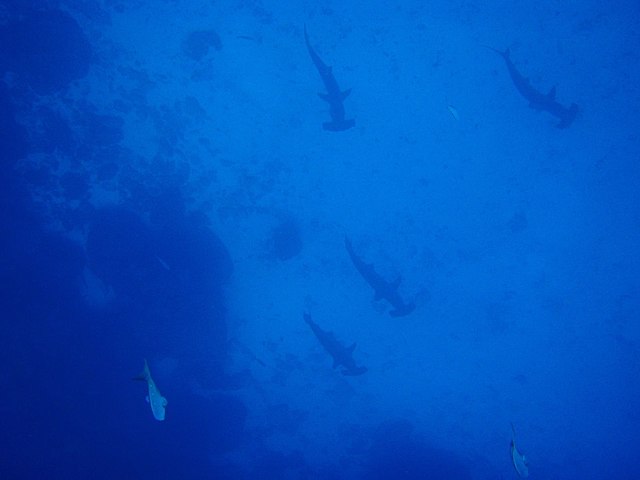
Most snorkeling destinations are about coral reefs and tropical fish. The Galapagos is about something completely different: the same fearless endemic wildlife you see on land is also underwater, and it behaves exactly the same way. Sea lions treat snorkelers as interactive toys rather than threats. Marine iguanas graze on algae on the lava slope beside you. Galapagos penguins torpedo through the water column at close range. The wildlife in the Galapagos didn’t evolve with land predators and has no deep-wired fear response, whether you’re on a beach trail or in the water ten meters from shore. That makes Galapagos snorkeling a fundamentally different experience from anywhere else you can go.
The practical distinction is worth stating plainly. In most snorkeling destinations, the wildlife moves away when you approach. In the Galapagos, it doesn’t. A juvenile sea lion that decides you’re interesting will circle your legs, blow bubbles in your mask, and swim directly through the group at speed, then do it again. A marine iguana feeding on the lava shelf at Punta Espinoza will continue grazing while you float a meter above it, swinging its long tail in a slow propulsion stroke, completely indifferent to your presence. A Galapagos penguin hunting a school of fish will pass within arm’s reach because you are simply not a threat it has any reason to register. This isn’t a managed encounter. It’s what wild animals with no evolutionary reason to fear humans look like.
The water itself is also different from what most tropical snorkeling destinations offer. The Galapagos sits at the confluence of three major ocean currents: the cold Humboldt Current from the south, the warmer Panama Current from the north, and the Cromwell Current that upwells along the western islands. These currents drive extraordinary marine productivity: the cold, nutrient-rich water supports large schools of fish, which support the sharks and rays that feed on them, which in turn produces underwater encounters that typically require diving much deeper in other destinations. At Kicker Rock, hammerhead sharks are visible from the surface during the cool season simply because the nutrient upwelling brings them to shallower water.
One practical difference from tropical reef snorkeling: the water can be cold. The western islands sit year-round at 18 to 22°C because of the Cromwell Current upwelling, and even the eastern islands drop to 19 to 22°C in the cool season (June through November). A 3mm wetsuit is adequate for warm season eastern snorkeling. The western route in the cool season warrants a 5mm full wetsuit. Most cruise vessels provide wetsuits; confirm with your operator whether they’re included or available for rental before you assume.
If you want help matching the right snorkeling itinerary to your experience level and the species you most want to see underwater, we work through this regularly. Fill out this short form and we’ll give you a direct recommendation.
The western islands are where the Galapagos gets serious about wildlife. Here’s a full guide to the Galapagos western islands itinerary so you know exactly what you’re signing up for before you book.
Which Route Has the Best Snorkeling Sites?
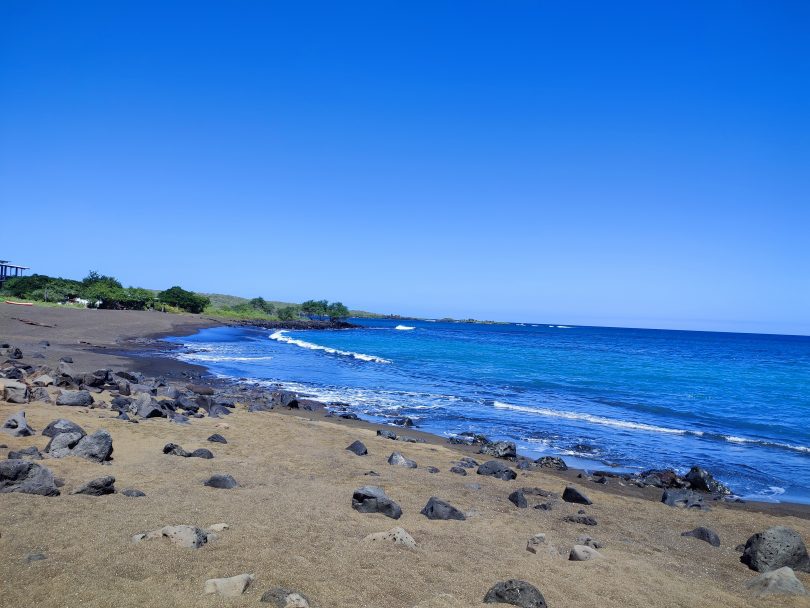
The eastern route has the most famous and most frequently praised dedicated snorkeling sites in the archipelago: Devil’s Crown off Floreana and Kicker Rock off San Cristobal. The western route has the most diverse cold-water marine encounters and the highest wildlife density per session, particularly at Punta Vicente Roca. The northern route at Genovesa offers the most protected and accessible snorkeling environment in the islands, with good marine life variety in the calm caldera waters. There is no objectively best route for snorkeling. The right one depends on whether you prioritize reef fish diversity, pelagic and endemic underwater species, or accessible conditions.
Eastern routes typically run more in-water sessions per week than western routes because the central archipelago has more dedicated snorkel-only sites: Champion Islet off Floreana (sea lions and marine life in calm water), Lobos Islet off San Cristobal (the best sea lion interaction site in the islands), and the beach snorkel at Gardner Bay on Española. The western route substitutes some of these with panga-only sites like Elizabeth Bay where you observe wildlife from the boat rather than entering the water. Eastern 8-day cruises average 8 to 14 in-water sessions; western 8-day cruises average 6 to 10. Session count matters less than what each session delivers, but it’s worth knowing before you set expectations.
The single most-praised snorkeling site in the archipelago across traveler feedback, guide recommendations, and experienced operator consensus is Devil’s Crown off Floreana. It appears on eastern and southern route itineraries. The single most distinctive snorkeling experience in terms of species you can’t see anywhere else is Punta Vicente Roca, on western route itineraries. These two sites represent different things: Devil’s Crown is the best reef-snorkel experience in the Galapagos; Punta Vicente Roca is the best pelagic encounter. Choosing between them is the eastern versus western route decision in miniature.
Trying to maximize your island count without just booking the longest and most expensive cruise available? Here’s which Galapagos itinerary visits the most islands broken down so you find the best balance between coverage and cost.
The Top Galapagos Snorkeling Sites by Route
The six strongest dedicated snorkeling sites in the Galapagos across all routes are: Devil’s Crown (Floreana, eastern), Kicker Rock (San Cristobal, eastern), Punta Vicente Roca (Isabela, western), Punta Espinoza (Fernandina, western), Darwin Bay caldera (Genovesa, northern), and Champion Islet (Floreana, eastern). Each site delivers something genuinely distinct. No single itinerary includes all six.
Devil’s Crown (Floreana, eastern route). A partially submerged volcanic crater, its jagged rim breaking the surface like a crown. The prevailing current runs you through the interior and around the outer wall without requiring much swimming effort. Inside the crater, the sheltered water supports one of the richest marine ecosystems in the islands: moray eels in the crevices, pencil sea urchins on the walls, parrotfish, groupers, surgeonfish, wrasses, and scorpionfish. Eagle rays cross in pairs. White-tip reef sharks rest on the sandy bottom. Sea turtles drift through without apparent urgency. Visibility is typically 15 to 20 meters on good days. Occasional hammerhead sightings have been reported, though they’re not the site’s primary draw. Devil’s Crown is cruise-only: day boats from the inhabited islands cannot reach it.
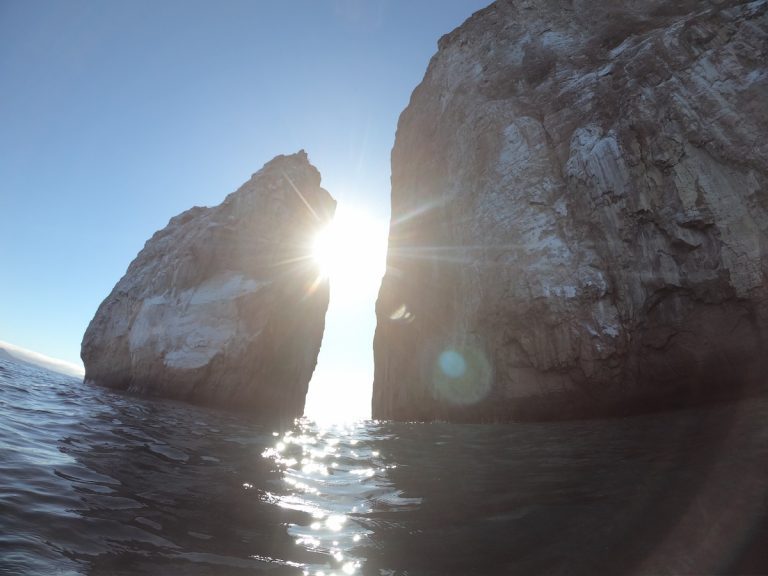
Kicker Rock (San Cristobal, eastern route). Two volcanic tuff columns rising 140 meters from the ocean with a narrow channel between them that creates a current corridor. The current concentrates food and, consequently, everything that eats it. White-tip reef sharks, Galapagos sharks, eagle rays, sea turtles, and sea lions are reliable. Hammerhead sharks are the headline: in July through October, naturalist guides working Kicker Rock’s early morning sessions report hammerhead school sightings on 9 of 11 outings between 6:30 and 8:00am, when the cool-season upwelling is strongest and visibility averages 18 to 22 meters. Outside that window, sightings become much less reliable. The channel snorkel is intermediate to advanced: current, depth, and group spread require comfort in moving water.
Punta Vicente Roca (Isabela, western route). No landing permitted; panga-only access along 200-meter volcanic cliffs. The cold Cromwell Current upwelling here creates one of the most biologically productive panga snorkel sites in the entire Pacific. Mola mola drift vertically near the surface from June through November, reaching two meters in length and visible from the panga before you enter the water. Pacific seahorses attach to gorgonian fans on the deeper cliff wall. Pacific green sea turtles rest on ledges. Red-lipped batfish, one of the more improbable-looking fish in the ocean, are found here. Galapagos penguins fish in the same water column. The cold water (18 to 20°C year-round at this site) requires a 5mm wetsuit. Currents are real. This is not a beginner site, but it consistently produces the most singular species-specific encounters of any snorkel session on any standard cruise itinerary.
Punta Espinoza (Fernandina, western route). The same landing site famous for the marine iguana mega-colony is also an extraordinary snorkel: marine iguanas feeding on the algae-covered lava slope underwater, flightless cormorants diving alongside you in the shallow water near shore, Galapagos penguins hunting fish in the same stretch. Dolphin encounters are higher probability here than at any other standard snorkel site. Cold water (18 to 20°C), moderate current, intermediate skill level.
Darwin Bay Caldera (Genovesa, northern route). The flooded caldera of Genovesa’s collapsed volcano provides the most protected snorkeling environment in the archipelago. The circular geography blocks wind and current, and the clear caldera water supports hammerhead sharks visible in the deeper central sections, manta rays, sea lions, and good reef fish diversity. This is the most beginner-accessible advanced-wildlife snorkel in the islands: calmer conditions than Kicker Rock or Devil’s Crown, with hammerhead sightings that rival what either offers seasonally. The panga ride along the caldera wall before the snorkel also serves as a surface-level preview of what’s down there.
Champion Islet (Floreana, eastern route). A small islet just north of Floreana with a sea lion colony that has produced a near-perfect sea lion encounter sighting rate in our traveler feedback data. The water is calm, conditions are beginner-friendly, and the sea lion interactions here are among the most consistent in the islands. Rays and sea turtles add to the session. This is the right site for first-time snorkelers or anyone nervous about currents who still wants a quality wildlife encounter underwater.
Not sure what separates itinerary A from itinerary B or which one gives you better wildlife encounters? This breakdown on Galapagos cruise itinerary A vs B covers the key differences in islands, landings, and overall experience.
What Will You Actually See Underwater in the Galapagos?
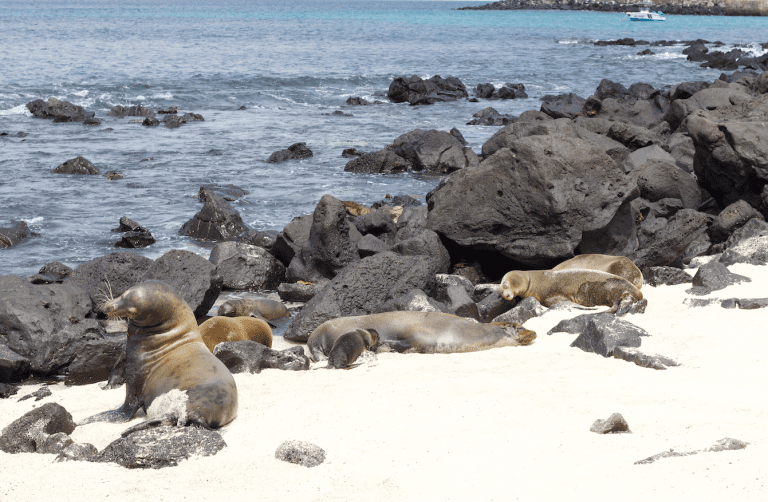
Galapagos snorkelers consistently encounter five categories of animals that don’t behave the way similar animals do elsewhere: sea lions that play with snorkelers as objects of entertainment rather than fleeing from them, marine iguanas that graze on algae on the lava slope while you float directly above, Galapagos penguins that rocket through the water at close range hunting fish, sea turtles that don’t accelerate away when approached, and sharks of multiple species that are present, visible, and indifferent to snorkelers. Beyond these endemic and behavior-specific highlights, the reef fish diversity includes species specific to the Galapagos Marine Reserve found nowhere else in the Pacific.
The sea lion encounter deserves specific description because travelers consistently report it as the most surprising element of Galapagos snorkeling. These animals are not performing for visitors. Juvenile sea lions use snorkelers as interactive objects: they swim through the group at speed, reverse direction and do it again, blow bubbles directly in your mask from inches away, and occasionally grab a fin in their teeth before releasing it and spiraling away. It is play, unmistakably and entirely on the sea lion’s terms. You are not chasing the animal. The animal is messing with you. Champion Islet off Floreana and Lobos Islet off San Cristobal produce this encounter most consistently, but it occurs across most calm-water sites on eastern route itineraries.
The marine iguana underwater is one of the Galapagos encounters that photographs poorly but stays with travelers for years. The animal uses a slow sinuous tail motion to propel itself along the lava shelf, grazing on the algae film with a sideways cropping motion. It is demonstrably a land animal doing something its ancestors never evolved to do, and yet it does it with complete competence at close range. Punta Espinoza on Fernandina produces this encounter most reliably, as does the warm-season snorkeling at Tagus Cove on Isabela where the algae-covered floor attracts the animals regularly.
For travelers coming from tropical reef snorkeling backgrounds, one adjustment is worth making in advance: Galapagos waters have lower visibility in the cool season (10 to 15 meters versus 20 to 30 meters in the warm season) due to the plankton bloom that the cold currents drive. That same plankton bloom is why the hammerheads, Mola mola, and large ray concentrations occur in the cool season. The visibility tradeoff is real. If you want clear water, you go in the warm season and accept fewer pelagic animals. If you want hammerheads and Mola mola, you go in the cool season and wear a 5mm wetsuit.
First time planning a Galapagos cruise and trying to figure out which route maximizes your wildlife sightings? Our guide on which Galapagos cruise route has the best wildlife walks you through the options by species, island, and season.
Which Cruise Length Gives You the Most Snorkeling Time?
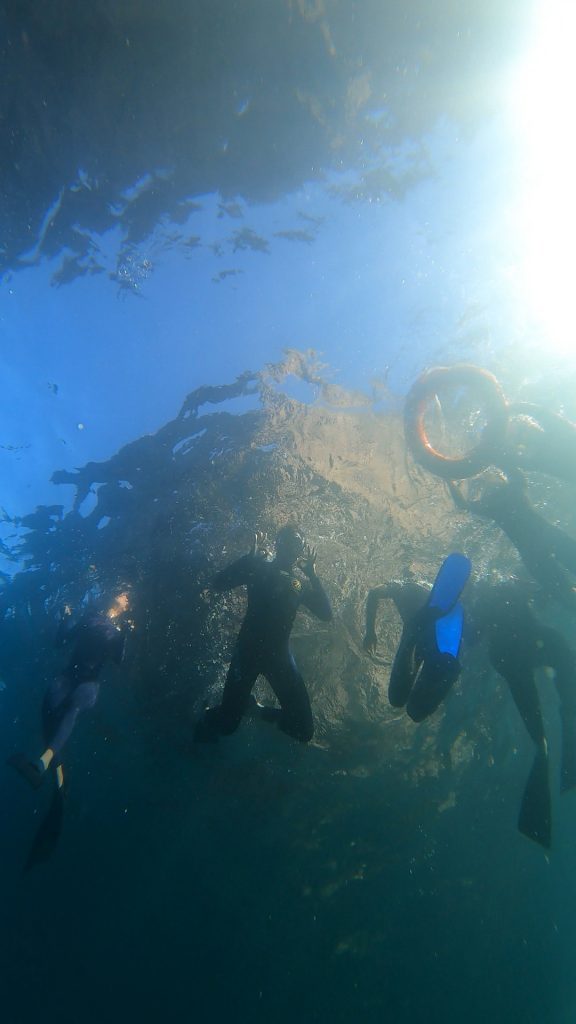
An 8-day cruise delivers the optimal balance of snorkeling sessions and site variety: typically 8 to 14 in-water sessions across 6 full excursion days, covering multiple distinct site types within one regional circuit. The 5-day cruise delivers 5 to 8 sessions but cannot reach the headline sites (Devil’s Crown, Kicker Rock, Punta Vicente Roca) without structural compromises. A 4-day cruise delivers 3 to 5 sessions at accessible central sites only. The 15-day circumnavigation adds snorkeling sessions from both circuits plus Genovesa, but the total session count doesn’t scale proportionally because some sessions from the second week visit sites similar to the first week’s.
For snorkeling specifically, the jump in value between 4 or 5 days and 8 days is more pronounced than for any other aspect of the Galapagos cruise experience. The reason is that the best dedicated snorkeling sites in the archipelago, Devil’s Crown, Kicker Rock, and Punta Vicente Roca, all require overnight sailing time to reach. A 4-day central-loop cruise doesn’t have that time. An 8-day eastern cruise does.
The 11-day or 15-day extended formats add the remaining headline sites from the other circuit and Genovesa. For a traveler whose primary motivation is snorkeling, an 11-day combined itinerary provides the most comprehensive snorkeling program available on a standard cruise: eastern sites including Devil’s Crown and Kicker Rock, western sites including Punta Vicente Roca and Punta Espinoza, and Genovesa’s Darwin Bay caldera in a single voyage. That combination requires careful seasonal matching, since Kicker Rock hammerheads peak in the cool season and Punta Vicente Roca Mola mola also peak in the cool season, while the warmest clearest water for reef snorkeling at Devil’s Crown occurs in the warm season. May is the month where most of these requirements come closest to alignment.
If snorkeling is your primary reason for the trip and you’re trying to decide between cruise lengths, get in touch here and we’ll help you build the most snorkeling-optimized itinerary for your specific dates and experience level.
The islands you only reach on a 14-day itinerary are some of the most extraordinary in the entire archipelago. Here’s a guide to the 14-day Galapagos cruise so you see what becomes possible when time isn’t the limiting factor.
What’s the Best Time of Year for Galapagos Snorkeling?
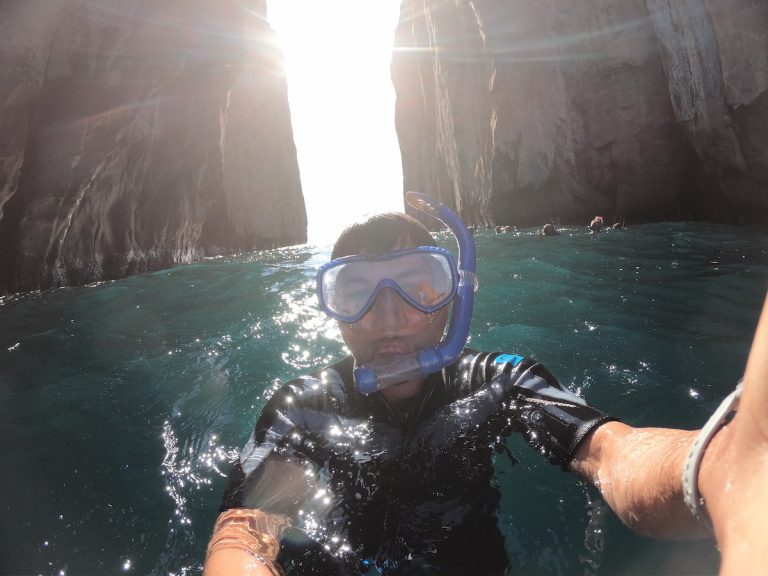
The two seasons produce genuinely different snorkeling experiences rather than one being better overall. The warm season (December through May) brings 22 to 26°C water, visibility up to 30 meters on good days, and calmer conditions that suit beginner snorkelers and reef fish photography. The cool season (June through November) brings 18 to 22°C water, visibility dropping to 10 to 15 meters, but peak hammerhead activity at Kicker Rock, peak Mola mola sightings at Punta Vicente Roca, more active marine iguanas grazing underwater, and higher overall marine biomass driven by the plankton bloom. May is the sweet spot where warm season conditions persist with cool season wildlife beginning to appear.
The warm season versus cool season choice for snorkeling is the clearest version of the Galapagos planning tradeoff. Warm, clear water in a Galapagos reef snorkel is already extraordinary by any objective standard. The reef fish diversity at Devil’s Crown in April rivals any tropical reef. The sea lion interactions at Champion Islet are unaffected by season. The marine iguana underwater encounters at warm-season Fernandina, when the water is closer to 22°C, are actually more reliable than cool-season ones because the animals spend more time grazing.
The cool season argument for snorkeling comes down to three animals: hammerhead sharks at Kicker Rock, Mola mola at Punta Vicente Roca, and whale sharks at Darwin and Wolf (dive-only liveaboard). If any of those three are on your list, you snorkel in the cool season and you bring the wetsuit. The water is cold enough that sessions longer than 60 to 90 minutes become uncomfortable without adequate neoprene coverage. Most vessels provide 3mm shorty wetsuits as standard. For cool-season western itineraries, a 5mm full wetsuit is worth renting or bringing.
| Season | Water Temp | Visibility | What’s Best | What’s Missing |
|---|---|---|---|---|
| Warm (Dec to May) | 22 to 26°C | 20 to 30m | Reef fish photography; coral; sea lion play; marine iguana grazing; comfortable for all levels | Fewer hammerheads; no Mola mola; lower marine biomass |
| Cool (Jun to Nov) | 18 to 22°C | 10 to 15m | Hammerheads (Jul to Oct at Kicker Rock); Mola mola (Jun to Nov at Punta Vicente Roca); highest marine biomass overall | Lower visibility; cold; 5mm wetsuit needed for western sites |
| May (sweet spot) | 22 to 24°C | 15 to 25m | Best overall balance: warm, clear, marine life active, earliest Mola mola sightings beginning; shoulder pricing | Hammerheads not yet at peak; Mola mola just arriving |
Water temperatures verified July 10, 2026. Visibility ranges are approximate and vary by site and specific conditions.
What Should You Know Before You Get in the Water?
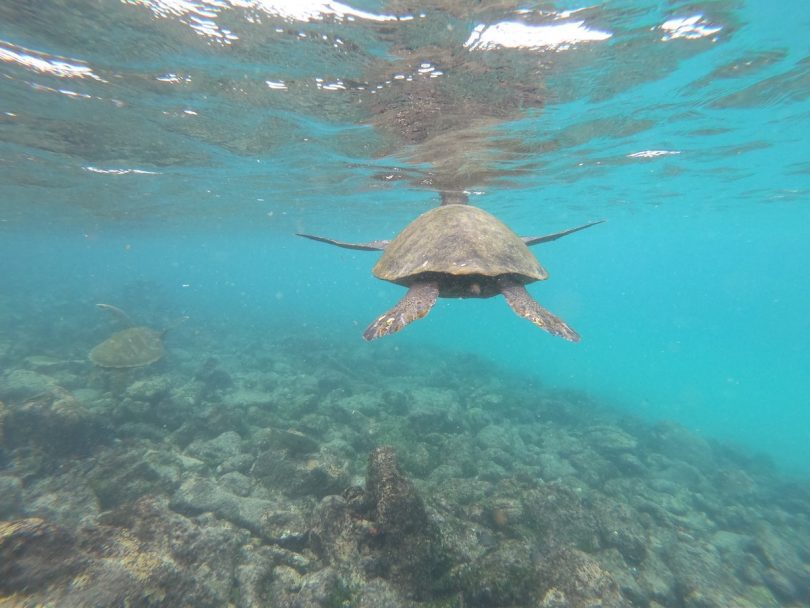
Every snorkel session in the Galapagos is led by a National Park-certified naturalist guide who enters the water with your group. Snorkeling is surface-only on all standard cruise itineraries: most vessels and the National Park Directorate guidelines prohibit free dives below 5 meters for insurance and safety reasons. Scuba diving is a completely separate activity, restricted to licensed dive operators on day trips from Santa Cruz, Isabela, or San Cristobal, or specialized liveaboard dive cruises to Darwin and Wolf. Your cruise itinerary will not include scuba. Bring reef-safe sunscreen: the Galapagos National Park requires it at all snorkel sites. Standard sunscreen containing oxybenzone is not permitted.
Several practical things that catch snorkelers off guard on Galapagos cruises:
The panga ladder requires arm strength. Exiting the water after a snorkel session means climbing a short ladder on the side of the inflatable Zodiac panga, lifting yourself roughly one meter out of the water without much leverage. In a wetsuit, with fins in hand, tired from 60 to 90 minutes in the water, this is more demanding than it sounds. If you have shoulder or upper-body mobility limitations, tell your guide before the session so they can plan assistance.
Facial hair and mask seal. A mustache or any hair between the nose and upper lip causes most snorkel masks to leak. The fix is simple: shave that strip before each snorkel session. The rest of a beard causes no problems. This is not mentioned in most pre-trip briefings and catches travelers off guard on their first session.
Thermoclines are jarring. Moving from warmer surface water into a cold layer during a snorkel at sites like Kicker Rock or Devil’s Crown happens without warning. The temperature can drop 3 to 4 degrees within seconds as you drift over a deeper cold-water section. It’s normal, not dangerous, but unexpected for first-time Galapagos snorkelers used to consistent tropical water temperatures.
The 2-meter rule applies underwater too. Galapagos National Park regulations require maintaining a 2-meter minimum distance from all wildlife. The sea lions don’t follow this rule and will approach you. You are prohibited from approaching them. In practice the distinction matters more in the briefing than in the water, because the animals make their own choices about proximity. Never touch any wildlife regardless of how close it comes.
Reef-safe sunscreen is required. Standard chemical sunscreens containing oxybenzone and octinoxate are not permitted in the Galapagos National Park, including at marine sites. Bring reef-safe mineral sunscreen before you arrive. It’s available in Puerto Ayora, but availability and selection on the vessel may be limited.
Trying to find a Galapagos cruise that treats diving as the main event rather than an add-on? Here’s the best Galapagos itinerary for diving broken down so you find an operator and route built around what you actually came for.
What Travelers Say About Galapagos Snorkeling: Our Feedback Data
| Factor | Finding | Implication for Planning |
|---|---|---|
| Said snorkeling was the highlight of the cruise overall | 47% | Nearly half of all Galapagos cruise travelers cite underwater as their primary memory |
| Said sea lion interaction was the best single snorkel moment | 58% | Sea lion sites (Champion Islet, Lobos Islet, Gardner Bay) deliver the most cited moments |
| Wished they’d brought a 5mm wetsuit instead of relying on the vessel’s 3mm | 34% of cool-season western route travelers | Western route cool-season travelers consistently underestimate cold water at Punta Vicente Roca |
| Each snorkel session felt distinctly different from the previous one | 91% | Site variety across one week is consistently noted as the main difference from tropical reef snorkeling |
| Would have skipped a land excursion to add another snorkel session | 29% | For dedicated snorkelers, choosing a vessel with a strong in-water program matters more than vessel class |
The 91% “each session felt distinctly different” figure is the most useful single number in this table for communicating what Galapagos snorkeling is actually like. In most snorkeling destinations, sessions at different sites along the same reef feel similar: same fish families, same coral types, same behavioral patterns. In the Galapagos, a morning session with marine iguanas grazing underwater at Punta Espinoza followed by an afternoon session floating through hammerhead territory at Kicker Rock followed by a protected sea lion interaction at Champion Islet produces three experiences with essentially no overlap in what you encountered or how you encountered it.
Frequently Asked Questions
What is the best snorkeling site in the Galapagos?
Devil’s Crown off Floreana is the most consistently praised dedicated snorkeling site in the archipelago for reef fish diversity and marine life concentration. Punta Vicente Roca on Isabela’s western face delivers the most distinctive species-specific encounters (Mola mola, penguins, marine iguanas underwater) available on any standard cruise. Kicker Rock off San Cristobal is the best site for hammerhead shark encounters during the cool season (July through October). Each site is on a different route; no single itinerary includes all three.
Do you need to be an experienced snorkeler for Galapagos cruises?
No, but you need to be a comfortable swimmer. Basic snorkeling skills are expected on all sessions. Some sites (Devil’s Crown, Kicker Rock, Punta Vicente Roca) have current and depth that make them intermediate to advanced. Sites like Champion Islet, Gardner Bay, and the Darwin Bay caldera at Genovesa are appropriate for first-time snorkelers. Tell your guide your experience level before the session: they will position you appropriately or give you the option to observe from the panga.
What wetsuit thickness do you need for Galapagos snorkeling?
A 3mm wetsuit is sufficient for warm-season (December through May) eastern route snorkeling at most central and eastern sites. A 5mm full wetsuit is strongly recommended for cool-season (June through November) snorkeling, particularly on western route sites where water temperatures drop to 18 to 20°C at Punta Vicente Roca and Punta Espinoza. Most vessels provide a 3mm shorty as standard. Upgrade to 5mm by renting on board or bringing your own if booking the western route in the cool season.
When is the best time of year for Galapagos snorkeling?
It depends on your priority. Warm season (December through May) offers comfortable water (22 to 26°C), higher visibility (up to 30 meters), and calm conditions suitable for all experience levels. Cool season (June through November) brings colder water (18 to 22°C) and lower visibility (10 to 15 meters) but peak hammerheads at Kicker Rock (July through October) and peak Mola mola at Punta Vicente Roca (June through November). May is the best overall balance month for snorkeling across both routes.
Is scuba diving available on a standard Galapagos cruise?
No. Standard cruise itineraries do not include scuba diving. Snorkeling is surface-only. Scuba diving is available separately through licensed dive operators on day trips from Santa Cruz, Isabela, or San Cristobal, or via specialized liveaboard dive cruises that visit Darwin and Wolf. Most vessels do not have dive compressors or scuba equipment. If diving is your primary interest, book a dedicated dive liveaboard rather than a standard naturalist cruise.
Can you snorkel with hammerhead sharks in the Galapagos?
Yes, at certain sites and times of year. Kicker Rock off San Cristobal (eastern route) is the most reliable site for hammerhead school sightings during the cool season, peaking July through October. Darwin Bay caldera at Genovesa (northern route) also produces hammerhead sightings in the deeper caldera sections. Whale sharks are present at Darwin and Wolf but accessible only via dive liveaboard. Hammerhead sharks in the Galapagos are scalloped hammerheads: large, visible from the surface in schools during the cool season, and indifferent to snorkelers.
The best snorkeling itinerary in the Galapagos is the one that puts you at the right sites for the species you came to see in the water, at the time of year when those species are most active. That requires matching route, season, and cruise length to your specific priorities, which is the kind of planning question that sounds complicated but usually resolves in about ten minutes of conversation. We’ve snorkeled these sites and helped thousands of travelers plan their time in the water. Get in touch here and we’ll tell you exactly which itinerary gives you the snorkeling program you’re looking for.
Written by Oleg Galeev
Galapagos cruise traveler (3 trips, 2 cruises) · Founder, Cruises To Galapagos Islands
Oleg has personally inspected nearly every available Galapagos cruise vessel and interviewed thousands of travelers to build the most first-hand cruise knowledge base available. He also runs the Ecuador travel blog mytrip2ecuador.com and the YouTube channel My Trip to Somewhere.
Cruises To Galapagos Islands is rated 4.9 stars on Google and TripAdvisor.
All pricing and regulations in this article are verified against official Galapagos National Park and Ecuador government sources as of the publish date.