
TL;DR
The Galapagos works for couples because the islands provide genuine privacy, total disconnection from ordinary life, and shared experiences that are impossible to replicate anywhere else. The best couples itinerary is an 8-day eastern or western cruise on a small vessel of 16 to 20 guests, chosen for cabin quality and hull stability as much as itinerary. For honeymooners, a private charter of a small catamaran delivers the most intimate version of the experience. The eastern circuit suits couples who want the albatross, warm water, and beach access. The western circuit suits couples who want wilder terrain, higher wildlife density, and the feeling of being somewhere genuinely remote.
Quick Facts: Galapagos Couples and Honeymoon Planning
| Factor | Recommendation |
|---|---|
| Best vessel size for couples | 16 to 20 guests; small enough for intimacy and personal service; avoid larger 80 to 100-guest ships if privacy matters |
| Best cruise length | 8 days; long enough to reach the outer islands and fully disconnect; short enough to hold intensity throughout |
| Best route for couples (general) | Eastern for warm water, beaches, and albatross; western for raw wilderness and highest wildlife density |
| Best season | May (shoulder season, albatross active, warm water, lighter crowds); December through April for warmest water |
| Honeymoon upgrade | Notify operator at booking; most vessels offer complimentary touches (cabin flowers, champagne, private deck dinners on request) |
| Private charter option | Available on most 16-guest vessels; full vessel for two people; pricing typically 6 to 10x per-person rate; best for budget-flexible honeymooners |
| Park entrance fee | $200 per adult, cash on arrival. TCT: $20 per person online. Prices verified July 10, 2026 |
Why the Galapagos Is One of the World’s Great Couples Destinations
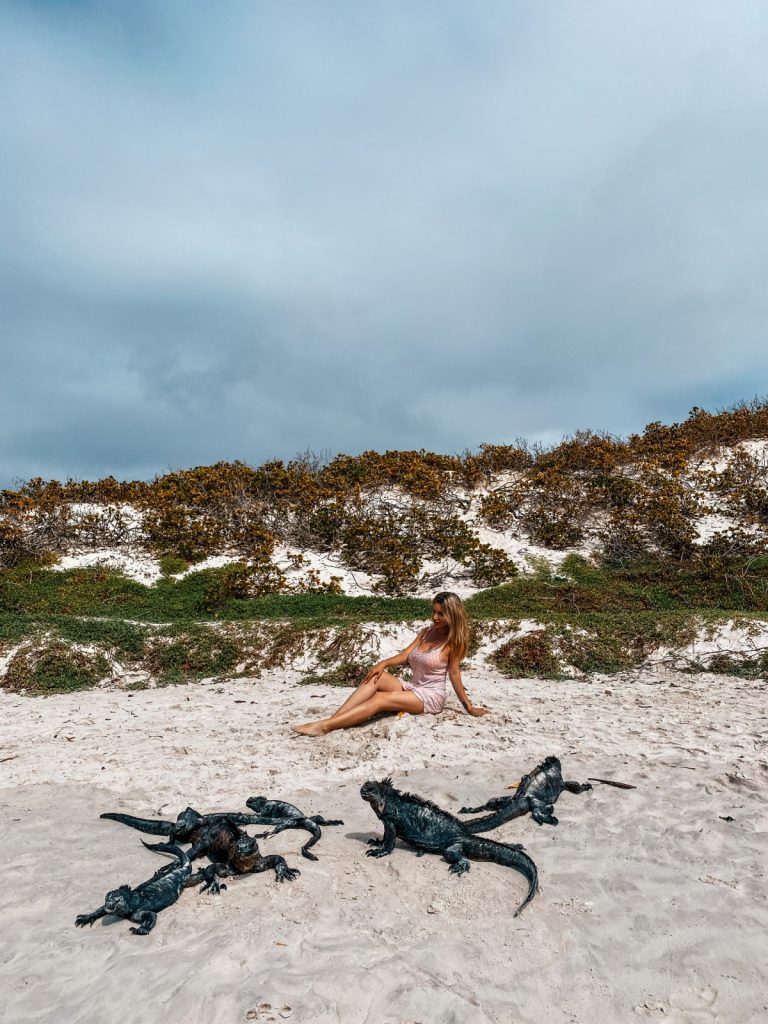
The Galapagos gives couples something that most travel destinations can’t manufacture: genuine shared experience. Not the side-by-side consumption of a beach resort, where two people happen to be in the same place, but actual shared discovery where both people are encountering something new at the same moment and responding to it together. The waved albatross courtship dance two meters from where you’re standing. A sea lion that chooses to circle both of you during the same snorkel session. A marine iguana on the lava at Fernandina, doing something that neither of you has a reference point for, and turning to each other with the same expression. Those moments accumulate across a week and produce something a shared hotel room in Santorini doesn’t.
The disconnection is part of it. Most Galapagos cruise vessels have limited or no connectivity away from the inhabited islands. For a couple arriving from the noise and demand of daily life, the absence of the phone as a competing attention source changes the dynamic of the trip entirely. Evenings on the sundeck watching the stars move over open water, morning briefings from the naturalist about what the day holds, the rhythm of excursion and meal and excursion again: the structure of a cruise removes the low-level decision fatigue that consumes couples travel energy at unstructured destinations. You don’t argue about what to do because the day is already designed. You just live inside it together.
The Galapagos also scales unusually well across different relationship stages. A couple on their first major trip together finds the shared novelty of the wildlife encounters immediately bonding. A couple celebrating a milestone anniversary finds the remoteness and natural scale genuinely humbling in the way that produces gratitude. Honeymooners find an alternative to the Maldives or Bora Bora that trades passive beauty for active shared experience, which tends to produce stronger memories. All three of those couples leave having talked more and looked at their phones less than on any other trip they’ve taken. That’s not a coincidence.
Which Route Is Best for Couples?
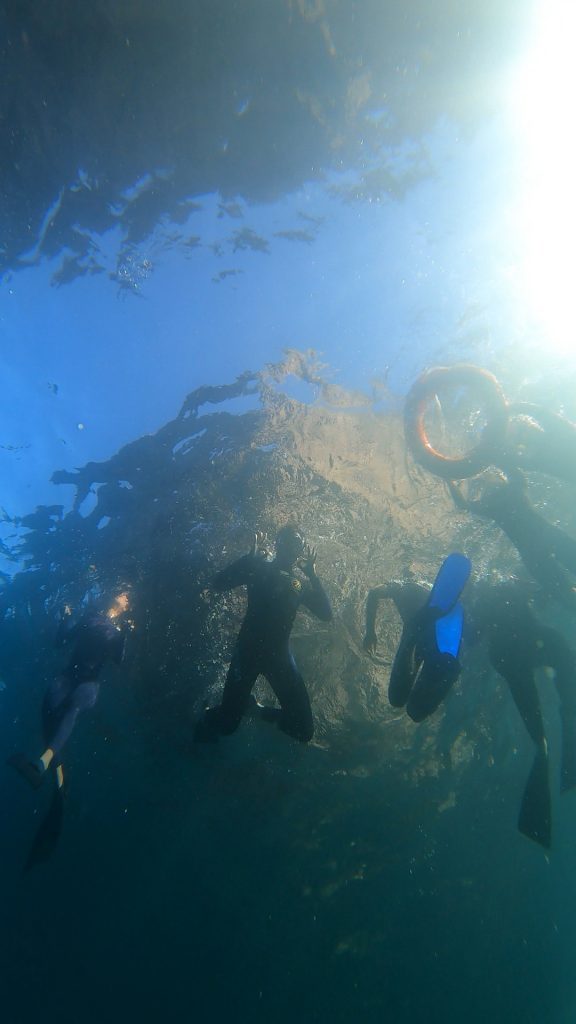
The eastern route suits most couples: calmer seas, warmer water for snorkeling together, white sand beaches for genuine beach time between excursions, and the waved albatross courtship display at Española from April through December. The western route suits couples who specifically want the wilder, more remote feeling: the lava fields of Fernandina, the cold nutrient-rich water at Punta Vicente Roca, and the sense of being somewhere that most tourists never reach. The eastern route is the romantic postcard version of the Galapagos. The western route is the version that produces the stronger sense of having been somewhere genuinely extraordinary.
The eastern route’s specific couples highlights are worth naming. Gardner Bay on Española is the longest white sand beach in the eastern archipelago, with a sea lion colony where you can sit at the edge of the water while juveniles investigate you from arm’s reach. The afternoon after Punta Suarez, with the albatross still in your head, lying on Gardner Bay’s sand watching a sea lion play in the shallows two meters away is the kind of afternoon that couples describe as one of the best of their lives. Devil’s Crown snorkel off Floreana at sunset on the right itinerary, the Post Office Bay barrel, the volcanic blowhole at Punta Suarez: the eastern circuit produces a sequence of experiences with genuine emotional range, not just wildlife variety.
The western circuit’s specific couples appeal is different and harder to describe but equally consistent in traveler feedback. Punta Espinoza on Fernandina is the most pristine visitor site in the entire archipelago, zero invasive species, and the marine iguana colony there in the late afternoon, when the light goes warm on the lava and the cormorants are drying their wings and the penguins are fishing the channel, produces a quality of stillness that couples consistently describe as unlike anything else. If the eastern circuit is extraordinary, the western circuit is primordial. Both are romantic in different ways.
Trying to maximize your island count without just booking the longest and most expensive cruise available? Here’s which Galapagos itinerary visits the most islands broken down so you find the best balance between coverage and cost.
Which Cruise Length Is Right for a Couples Trip?
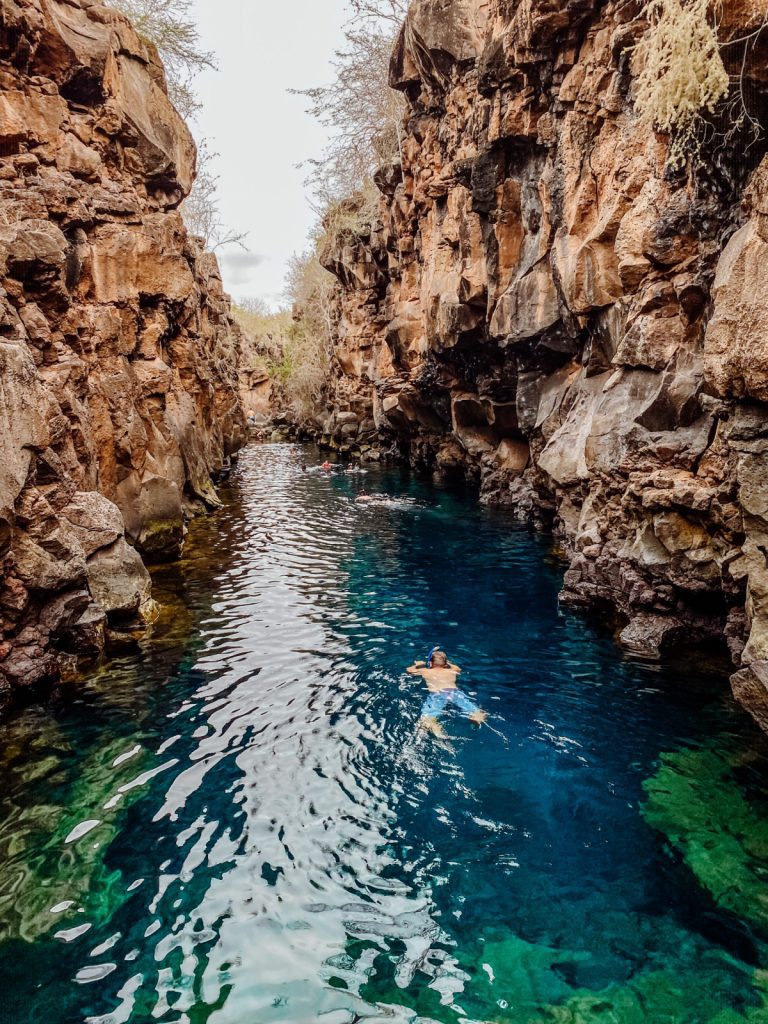
Eight days is the right length for most couples, including honeymooners. It delivers six full excursion days, enough depth to fully disconnect from ordinary life by day three and stay disconnected through day six, and enough site variety to produce the range of experiences that a single week in the Galapagos should deliver. The 5-day cruise works for couples with tight schedules but doesn’t provide enough time to reach the outer islands where the most extraordinary wildlife encounters occur. The 15-day circumnavigation suits couples who specifically want comprehensive coverage and don’t mind the fatigue accumulation of two full weeks at sea.
For couples combining the Galapagos with a broader Ecuador or South America itinerary, the 8-day cruise followed by two nights at a highland lodge in the Andes or a night in Quito before or after produces a more varied trip that stays fresh throughout. The Galapagos is intense and all-consuming in the best way, but extending directly to a second week at sea dulls the intensity for many couples. A week on the water, then a change of context, then home tends to land better than two weeks of the same format.
The remote islands that most cruises skip are exactly what a 10-day itinerary makes room for. Here’s a guide to the 10-day Galapagos cruise so you see what becomes possible when you have enough time on the water.
What Do Couples Actually Experience on a Galapagos Cruise?
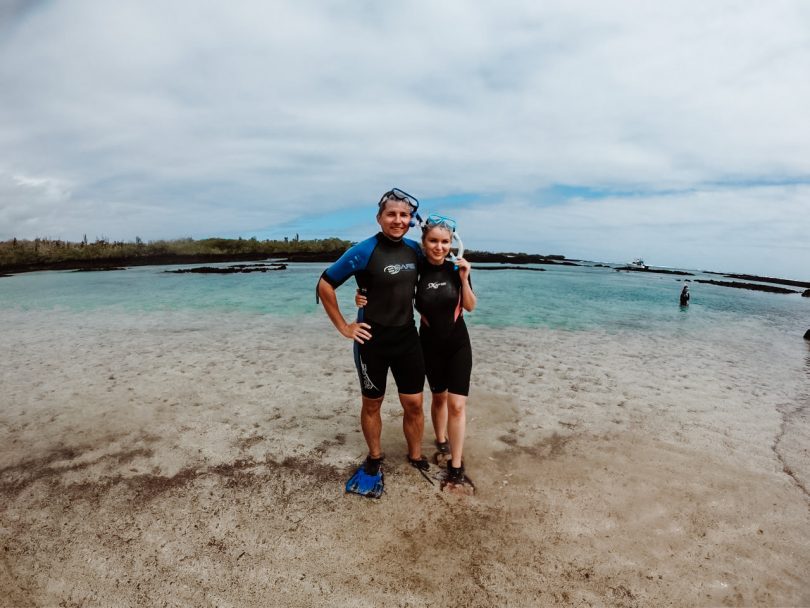
A typical couples day on a Galapagos cruise runs: early morning wake-up call, sunrise on deck during overnight transit, breakfast, first excursion ashore (90 minutes to two hours), back to the vessel, snorkel session or panga ride, lunch, navigation to the afternoon site, second excursion ashore, sundeck time before dinner, dinner, evening naturalist briefing about tomorrow. The overnight navigation happens while you sleep. Every morning you wake up somewhere different. The rhythm is full and structured without feeling like a schedule; the activities flow naturally and the vessel handles the logistics between them.
The moments that couples specifically cite in feedback as most memorable are not the planned highlights but the in-between ones. The dolphins that appear alongside the vessel at dawn during the transit, with no announcement and no viewing platform, just two people standing at the bow watching them in the quiet before anyone else is awake. The moment after a particularly extraordinary landing when you sit together at the bow on the panga ride back and don’t say anything because there’s nothing to add. The naturalist saying goodnight at the end of the evening briefing and the two of you staying on the sundeck with the stars in a way that doesn’t happen in the same quality anywhere else you’ve traveled.
The vessel quality matters more for couples than for any other demographic. A family with children or a solo traveler on an adventure trip can absorb a lower-grade vessel and focus on the wildlife. Couples notice the cabin, the bed, the shower, the quality of the evening meal, whether the wine is good, whether the crew treats them as though their trip is special. These details don’t happen automatically on every Galapagos vessel. Asking specifically about cabin size, bedding configuration (a double rather than two singles pushed together), and what honeymoon arrangements the vessel makes before booking is worth the conversation.
First time planning a Galapagos cruise and trying to figure out which route maximizes your wildlife sightings? Our guide on which Galapagos cruise route has the best wildlife walks you through the options by species, island, and season.
Honeymoon in the Galapagos: What to Know
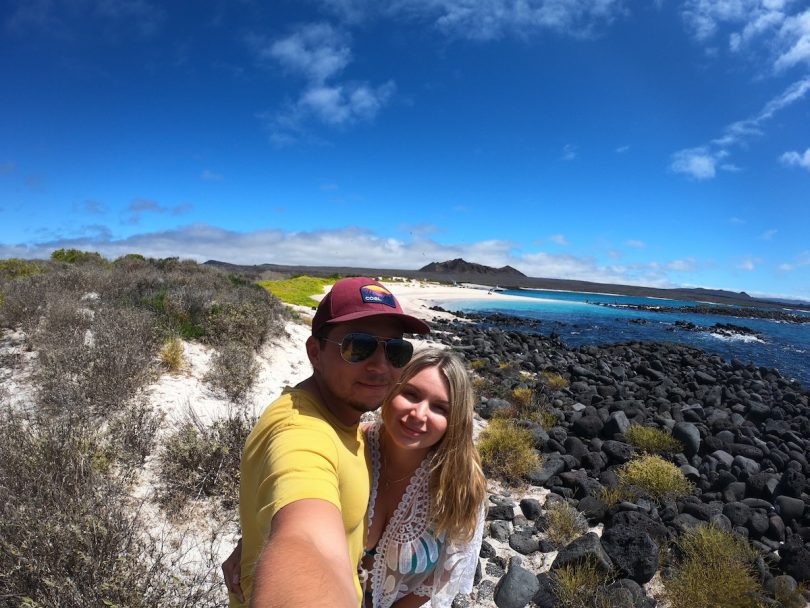
The Galapagos honeymoon market has grown significantly in the past decade as couples have moved away from passive beach resort destinations toward active shared experience travel. The archipelago’s combination of remoteness, extraordinary wildlife, structured intimacy, and genuine disconnection from daily life makes it one of the most consistently well-reviewed honeymoon destinations on Earth among couples who have done it. The two specific things that honeymooners should do differently from standard cruise bookers: notify the operator at the time of booking (not after) so the vessel can arrange complimentary touches, and seriously consider whether a private charter is within budget.
A private charter of a small Galapagos vessel, typically 16 guests at standard capacity, rented for two people, is the most intimate possible version of a Galapagos honeymoon. The itinerary is the same, the naturalist guide is the same, the excursions are the same. What changes is that the vessel is yours. The pace adjusts to your preferences. The crew’s attention is entirely on the two of you. Evening meals can be served wherever you want on the vessel. The sundeck is private. Morning excursions can be timed to your sleep schedule within the National Park rules. Private charters cost significantly more per person than sharing a vessel with other passengers, typically six to ten times the per-person cabin rate. For couples for whom the budget allows it, the private charter honeymoon is the highest possible version of the Galapagos experience.
For couples booking a shared cruise rather than a charter, most operators offer honeymoon packages that include cabin upgrades when available, flowers and wine on arrival, and a private dinner arrangement. These need to be requested at booking, not mentioned on arrival. The crew’s capacity to arrange personal touches is genuine on most small vessels; the constraint is advance notice. If you’re booking a Galapagos honeymoon cruise, tell us when you fill out the form and we’ll make sure the vessel knows before you board. Reach out here to start that conversation.
What’s the Best Time of Year for Couples?
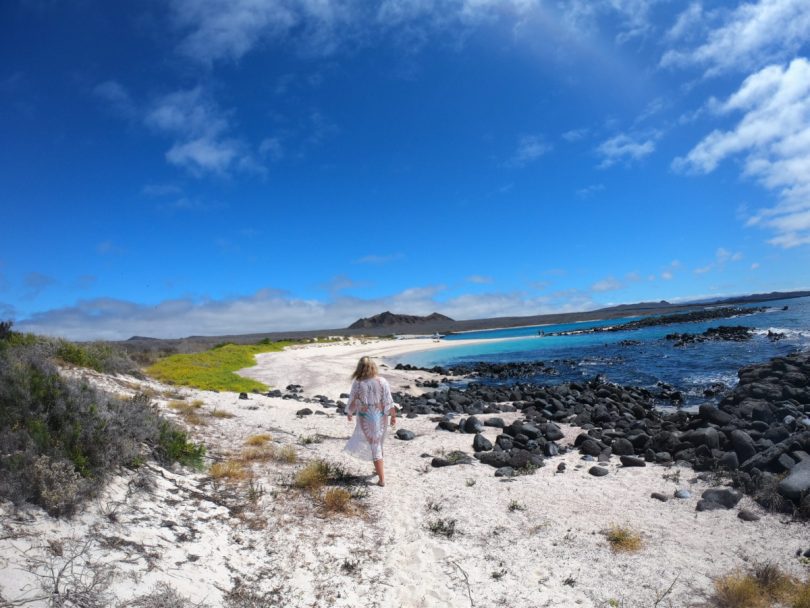
May is the single best month for a Galapagos couples trip across all practical considerations: the waved albatross courtship display is at peak intensity at Española, water temperatures are warm enough for comfortable snorkeling (22 to 24°C), sea conditions are calmer than the cool season, crowds are lighter than the peak December to January and June to August holiday windows, and pricing reflects the shoulder season. December through April works for couples prioritizing warm water and visibility over albatross access. The cooler months from June through November produce the most dramatic western route encounters (Mola mola, whale sharks at Darwin and Wolf if diving, peak hammerheads) but with colder water and rougher crossings that suit more adventurous couples.
For honeymooners with fixed post-wedding dates, the Galapagos works in any month. The wildlife is extraordinary year-round. The seasonal differences affect which specific animals are in which specific behavioral states, not whether the trip delivers extraordinary experiences. If your wedding date puts you in February, a February Galapagos honeymoon is the right call. The one genuine seasonal note: avoid planning specifically for Española albatross during January through March, as the birds are absent from the island those three months.
Trying to find a Galapagos cruise that treats diving as the main event rather than an add-on? Here’s the best Galapagos itinerary for diving broken down so you find an operator and route built around what you actually came for.
What Couples Say About Galapagos Cruises: Our Feedback Data
| Factor | Finding | Implication |
|---|---|---|
| Said the Galapagos produced stronger couple memories than any previous trip together | 88% | The shared discovery dynamic produces memories more durably than passive beach experiences |
| Said the absence of connectivity improved the trip | 79% | Disconnection is a feature, not a limitation; couples who embrace it report the highest satisfaction |
| Said vessel quality meaningfully affected the experience | 71% | Couples are more sensitive to vessel quality than any other traveler type; cabin and service matter |
| Honeymooners who said the Galapagos was the right choice over a traditional honeymoon destination | 93% | Active shared experience honeymoons outperform passive beach resort honeymoons in retrospective satisfaction |
| Would return to do a different route as a couple | 77% | The complementary nature of eastern and western circuits makes the Galapagos a natural repeat destination for couples |
What Should Couples Know Before Booking?
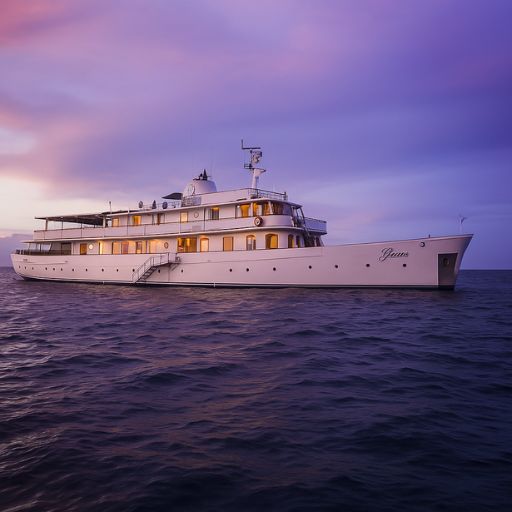
The four most important couples-specific booking points: choose the vessel as carefully as the itinerary (cabin size, bed configuration, crew reputation with couples all matter), book early for peak honeymoon periods (December through January and May through June fill their best cabins first), notify the operator at booking rather than on arrival for honeymoon arrangements, and consider whether the privacy of a smaller vessel matters more than the facilities of a larger one. A 16-guest catamaran with outstanding crew will produce a better couples experience than a 100-guest ship with a spa, on the same itinerary.
A few additional things specifically for couples:
Bed configuration is worth confirming before departure. Standard Galapagos cruise cabins on many vessels have two single beds that can be configured as a double. This is not the same as a fixed double bed. Confirm in writing whether your booked cabin has a fixed queen or king bed, or two singles, before departure. On a honeymoon, arriving to find two separate single mattresses pushed together is a preventable disappointment.
Sunset and stargazing time is built into the structure. The evening transition between the afternoon excursion and dinner is the most naturally romantic window of the day on a Galapagos cruise. The sun drops fast near the equator, the colors are vivid, and the vessel is typically anchored off an uninhabited island. Most vessels allow sundeck time before dinner specifically for this. On a catamaran, the bow netting is the preferred spot: lying on the netting over the water as the stars appear over the open Pacific, with no light pollution and no noise, is something that people who have done it still describe years later.
The $200 park fee applies to both of you. The Galapagos National Park entrance fee is $200 per adult foreign visitor, paid in USD cash on arrival at Baltra or San Cristobal airport. The $20 Transit Control Card is pre-registered online at the mainland Ecuador airport. These fees apply regardless of cruise class or vessel type. Budget $440 cash for two people between the two fees. Prices verified July 10, 2026.
Extending to Quito before or after adds meaningful value. Quito’s historic center is a UNESCO World Heritage Site with colonial architecture, excellent restaurants, and a genuinely beautiful highland city. Adding two nights in Quito before or after a Galapagos cruise gives the trip context, allows for altitude adjustment, and creates a fuller Ecuador experience. Several good hotels in the historic center suit couples specifically; ask us for recommendations when you book.
If you want help finding the right vessel for your budget, the right itinerary for your travel window, and making sure the honeymoon arrangements are handled before you arrive, get in touch here and we’ll take care of the details.
Frequently Asked Questions
Is the Galapagos good for a honeymoon?
Yes, consistently one of the most highly rated honeymoon destinations among couples who choose active experience travel over passive beach resort stays. The combination of genuine remoteness, shared wildlife discovery, structured intimacy of the small cruise format, and total disconnection from daily life produces stronger memories and higher retrospective satisfaction than traditional resort honeymoons in our traveler feedback data.
Which Galapagos route is most romantic for couples?
The eastern circuit suits most couples: calmer seas, warmer water, white sand beaches, and the albatross courtship display at Española from April through December. The western circuit delivers a wilder, more remote feeling with higher wildlife density at Fernandina and Isabela, colder water, and rougher crossings. Eastern for warmth and accessibility; western for intensity and raw wilderness.
Can you do a private cruise in the Galapagos for two people?
Yes. Private charters of standard cruise vessels (typically 16-guest capacity) are available for couples and small groups. A private charter means the vessel and crew are entirely yours for the duration. Pricing is typically six to ten times the per-person rate on a shared cruise. The experience is the most intimate possible version of a Galapagos trip and the most popular format among budget-flexible honeymooners.
What should couples look for in a Galapagos cruise vessel?
Cabin size and bed configuration (confirm a fixed double, not two singles), crew reputation with couples and honeymooners, vessel size of 16 to 20 guests for personal service and intimacy, hull stability (catamaran for smoother crossings), and overall vessel quality including food and evening experience. A 16-guest catamaran with outstanding crew consistently outperforms larger vessels with more facilities for couples specifically.
What is the best time of year for a Galapagos honeymoon?
May is the optimal month overall: albatross at peak courtship on Española, warm water, calmer conditions, lighter crowds, and shoulder pricing. December through April offers the warmest water (22 to 26°C) for the most comfortable snorkeling. The Galapagos works in every month; if your wedding date is fixed, your honeymoon timing follows that. The one specific note: avoid planning for Española’s albatross in January through March as the birds are absent those months.
How much does a Galapagos couples cruise cost?
Shared cruise pricing for two adults on an 8-day first-class or luxury vessel runs roughly $5,000 to $16,000 total for the couple, depending on vessel class and season. A private charter of a 16-guest vessel for two people runs considerably higher. Add $400 in park fees for two adults ($200 each, cash on arrival), $40 in TCT cards ($20 each, online), and domestic flights ($500 to $1,200 for two return). Most operators offer honeymoon upgrades at no additional cost when notified at booking. Prices verified July 10, 2026.
The Galapagos gives couples something genuinely rare: a week where the world narrows to the two of you and whatever animal is currently within arm’s reach. The vessel you choose, the itinerary you book, and whether the crew knows it’s a honeymoon before you arrive all shape how that week feels. We’ve matched hundreds of couples and honeymooners to the right combination of vessel, route, and timing. Get in touch here and tell us about your trip, and we’ll make sure the details are right.
Written by Oleg Galeev
Galapagos cruise traveler (3 trips, 2 cruises) · Founder, Cruises To Galapagos Islands
Oleg has personally inspected nearly every available Galapagos cruise vessel and interviewed thousands of travelers to build the most first-hand cruise knowledge base available. He also runs the Ecuador travel blog mytrip2ecuador.com and the YouTube channel My Trip to Somewhere.
Cruises To Galapagos Islands is rated 4.9 stars on Google and TripAdvisor.
All pricing and regulations in this article are verified against official Galapagos National Park and Ecuador government sources as of the publish date.