Best Galapagos Itinerary for Families
Part of our guide to how long your Galapagos cruise should be. Ready to pick a ship? See Galapagos cruises by price, size and class.
Quick Facts: Galapagos Family Cruise Planning
| Factor | Recommendation |
|---|---|
| Minimum recommended age | 7 years old (some operators accept 6; under 4 requires a liability waiver on most vessels) |
| Ideal age range | 8 to 16 years; old enough to snorkel independently and engage with wildlife excursions |
| Best route for families | Eastern circuit (calmer seas, white sand beaches, sea lion interactions, age-accessible wildlife) |
| Best cruise length | 8 days (6 full excursion days; long enough to reach the best sites; short enough to avoid exhaustion) |
| Best season for families | December through May (warm water 22 to 26°C, calmer seas, better beach days) |
| Vessel type | Catamaran hull for stability; triple or interconnecting cabins; crew experience with children |
| Children’s park fee | $100 USD (under 12); adults $200 USD. Cash on arrival. Prices verified July 10, 2026 |
| Children’s cruise discounts | 15 to 40% on most family-oriented vessels for children under 12 or 17 |
Why the Galapagos Works Exceptionally Well for Families with Children
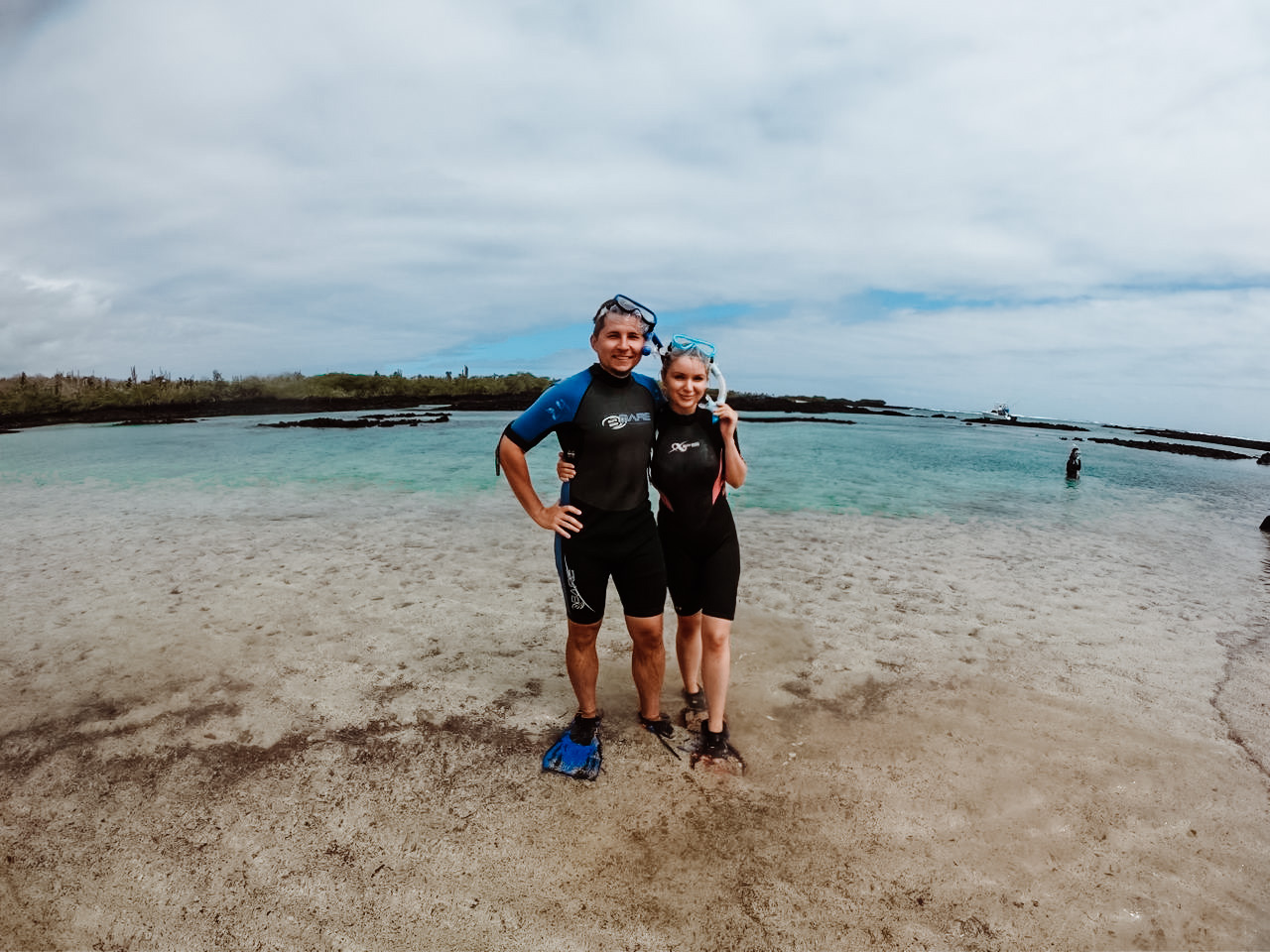
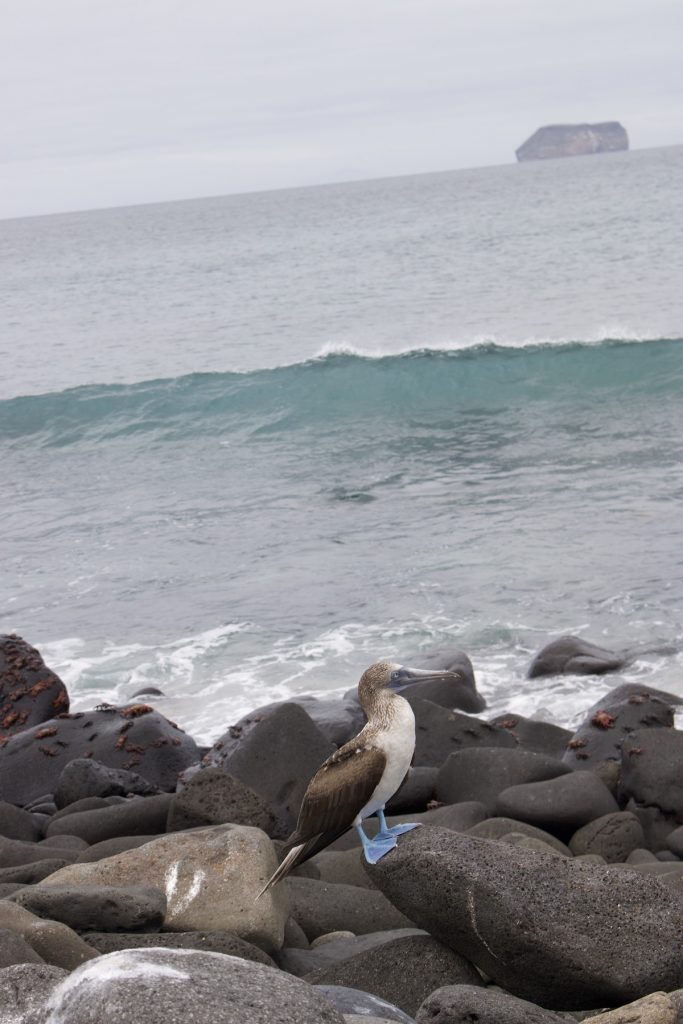
The Galapagos works for families because the single thing that makes every other wildlife destination hard for children, the requirement to be patient, quiet, and distant from the animals, simply doesn’t apply here. Galapagos wildlife has no fear of humans. A blue-footed booby will walk around your eight-year-old without changing direction. A sea lion pup will investigate your child’s fins during a snorkel session. A marine iguana will sit on the trail two meters from the group while the guide explains how it expels salt through its nasal glands. Children who struggle to stay focused through a museum exhibit spend entire Galapagos landing sessions completely absorbed, because the animals come to them rather than requiring sustained attention at a distance.
The structure of a cruise also removes almost all the logistical friction that makes family travel exhausting. You unpack once. Meals are handled. The daily schedule is fixed: excursion in the morning, snorkel or panga ride, lunch, afternoon excursion, dinner, evening briefing. There are no decisions to make, no restaurants to find, no arguments about what to do next. The guide leads, the family follows, and the wildlife shows up. For parents who have spent years managing children’s attention spans at destinations designed for adults, the Galapagos is genuinely one of the simplest family travel formats that exists.
The educational dimension is real and it happens without any effort from parents. Children who arrive knowing nothing about Darwin’s finches or marine iguanas leave with opinions about evolution, conservation, and species adaptation. Naturalist guides working with family groups consistently report that children ask more questions per excursion than any other demographic, and that the questions get more sophisticated as the week progresses. A twelve-year-old on day five of a Galapagos cruise is a different natural history observer from the one who stepped off the plane in Quito. That’s not a marketing claim. It’s what happens when children spend six days watching animals they’ve never seen before behave in ways that no screen has prepared them for.
Wildlife is the whole reason most people go to the Galapagos and the route you pick determines what you actually see. Here’s a full guide on which Galapagos cruise route has the best wildlife so you book the right one.
What Age Is Right for a Galapagos Family Cruise?
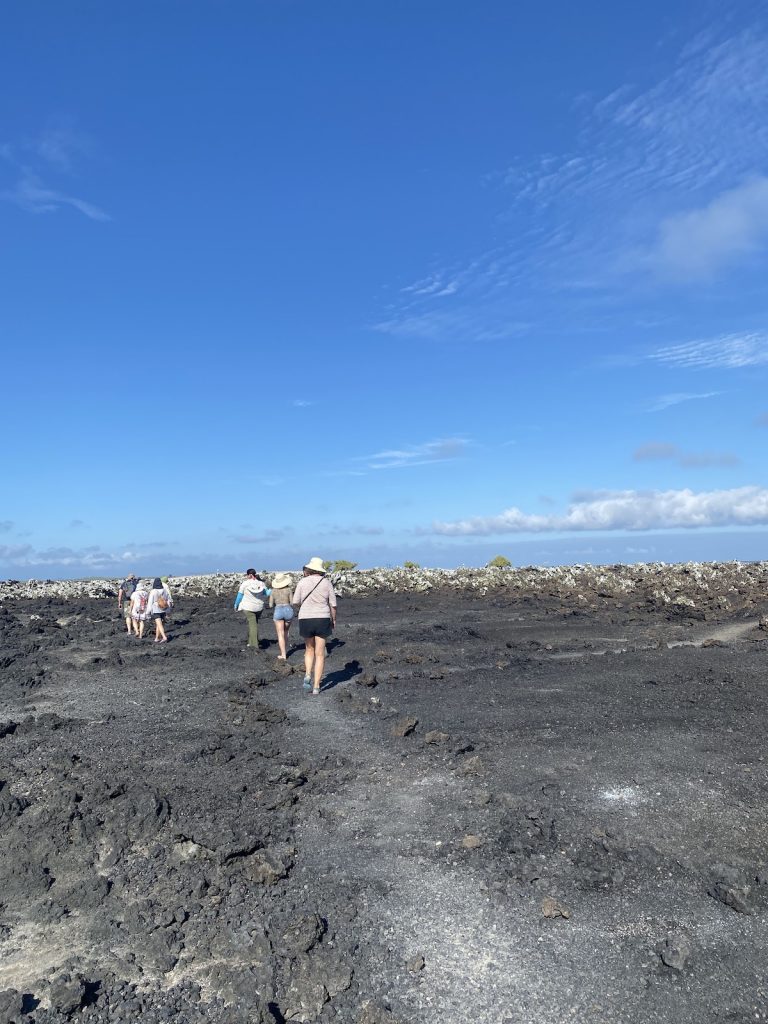
The practical minimum is 7 years old, with 8 as a more comfortable floor. Children younger than 7 can physically make the trip but the combination of equatorial heat, trail hiking (average 1 to 1.5 miles per landing), wet landings requiring knee-deep wading, and the snorkel component becomes stressful for both the child and the parents managing them. Most operators set their formal minimum at 6, with under-4 requiring a liability waiver. The sweet spot is 8 to 16: old enough to snorkel independently, engage with the guide’s explanations, remember the experience in detail, and be genuinely absorbed rather than managed. Teenagers who would normally resist a family vacation consistently describe the Galapagos as an exception, because the wildlife is extraordinary enough to bypass the standard adolescent indifference to whatever their parents find impressive.
A few age-specific practical points worth knowing. Children under 12 pay the reduced National Park entrance fee of $100 rather than the adult $200. Most family-oriented cruise operators offer 15 to 40% discounts on cruise fares for children under 12 or under 17, depending on the vessel. The largest discounts typically apply when the child is accommodated in the parents’ cabin on a third berth rather than in a separate cabin. For a family of four needing two separate cabins, the cost difference between a standard vessel and one with interconnecting cabin options can be significant enough to determine the vessel choice.
For very young children under 6 who make the trip, glass-bottom pangas available on some vessels allow underwater viewing without entering the water, which is a useful alternative when a child is too young for the snorkel component. The guide-to-group ratio (16 passengers per guide, per National Park rules) means that children on trail must stay with the group. There are no bathrooms at any uninhabited island visitor site. Parents of young children should plan accordingly before every landing.
Which Route Is Best for Families?
The eastern route is the best choice for most families. It has the calmest sea conditions in the archipelago, the most beach-accessible wildlife encounters (sea lions on Gardner Bay, boobies on North Seymour, marine iguanas on every beach), and the most beginner-friendly snorkel sites. The western route is excellent but involves rougher open water crossings in the Bolivar Channel, colder water year-round due to the Cromwell Current upwelling, and fewer sand beach landings. For a family with children, the eastern route’s combination of calmer conditions and accessible wildlife consistently produces a better experience than the western route, particularly for children under 12.
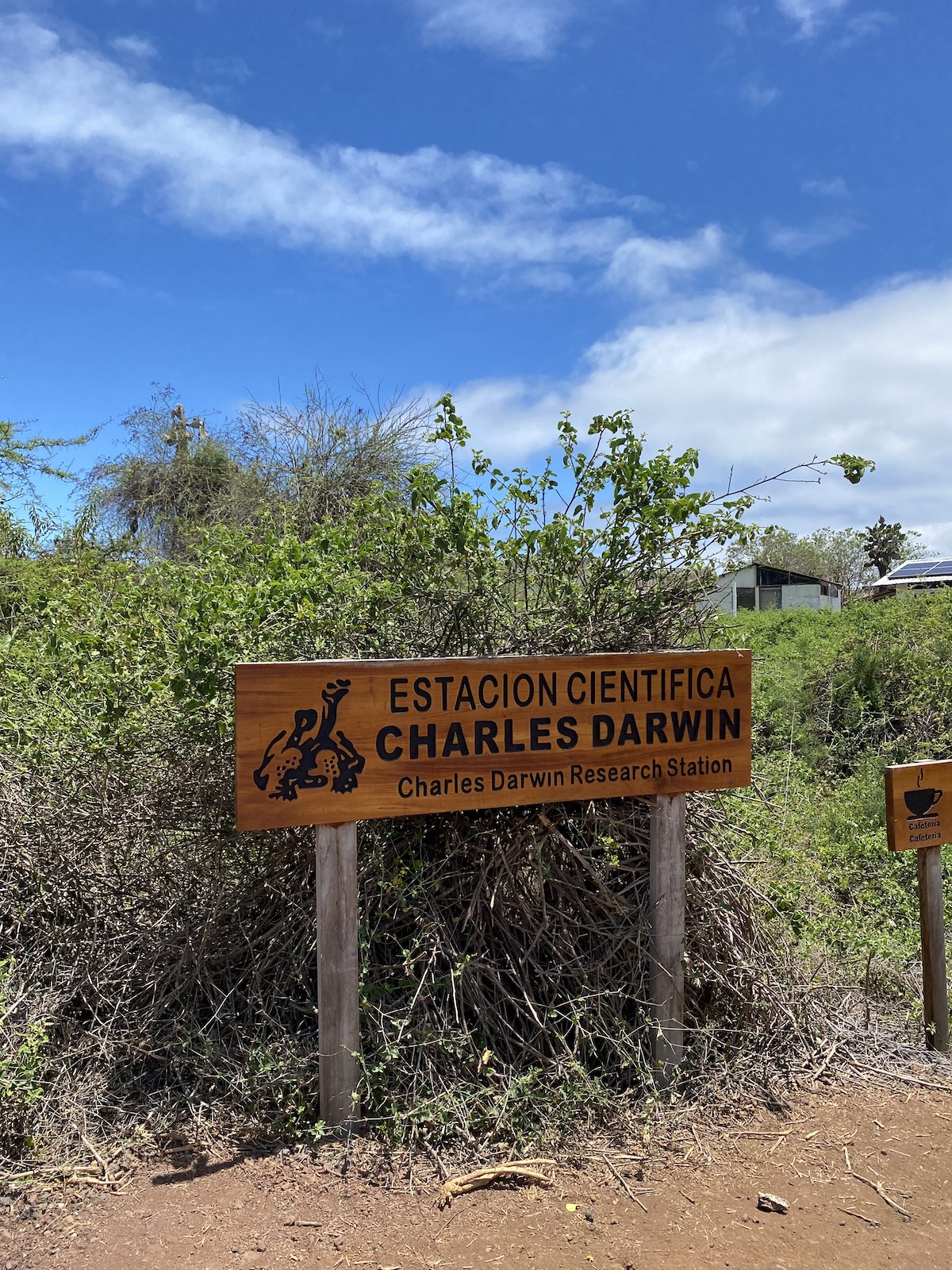
The eastern route’s four strongest family-specific wildlife encounters are worth naming specifically. North Seymour delivers the blue-footed booby and frigatebird combination at arm’s reach on a flat easy trail, no elevation change, 45 minutes walking. Gardner Bay on Española is one of the longest white sand beaches in the Galapagos with a sea lion colony where juveniles approach and investigate visitors in shallow water. The snorkel at Gardner Bay or Champion Islet off Floreana is beginner-appropriate with sea lions and sea turtles in calm water. Giant tortoises at the Charles Darwin Research Station on Santa Cruz allow close viewing without any hiking. These four encounters, North Seymour, Gardner Bay, Champion Islet snorkel, and the tortoise center, give a family an extraordinarily comprehensive wildlife week in conditions that don’t require any particular fitness level, age threshold, or experience.
Genovesa deserves mention because it adds the red-footed booby colony and short-eared owl to the family itinerary if an 8-day eastern route includes it. The trail at Genovesa is moderate, the landing is manageable, and the seabird density there consistently amazes children who’ve already spent several days with boobies and still find Genovesa overwhelming in the best sense. Not all 8-day eastern itineraries include Genovesa. It’s worth asking specifically whether your departure date’s schedule includes it when booking for a family with children old enough to handle the moderate landing (8 and above).
Not sure which Galapagos itinerary covers the most ground or whether island count is even the right thing to optimize for? This breakdown on which Galapagos itinerary visits the most islands gives you a straight answer and the context to use it.
Which Cruise Length Works Best for Families?
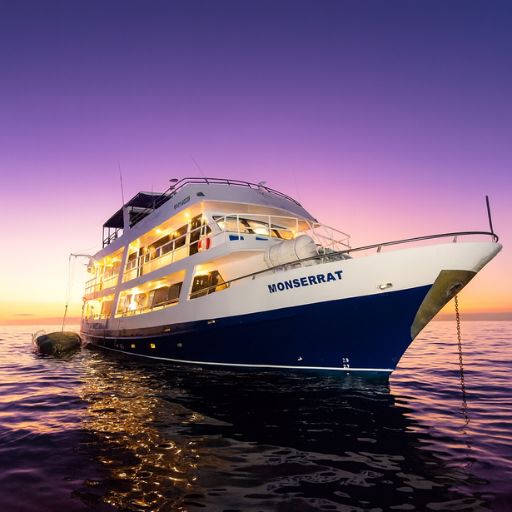
The 8-day cruise is the right length for families. It delivers 6 full excursion days, enough to reach Española and the outer eastern islands without the pace feeling compressed, and short enough that children don’t hit the wall of exhaustion that the 11 or 15-day itineraries can produce. The 5-day cruise is a viable alternative for families with younger children or tighter schedules: it covers the central islands, delivers excellent wildlife encounters, and the shorter duration reduces the fatigue and motion-sickness exposure. The 4-day format is genuinely too short for a family that has made the effort and cost of getting to the Galapagos.
By day five or six of an 8-day cruise, children are typically at their most engaged: they know the guide by name, they recognize species on sight, they’ve developed preferences about which animals they liked most, and the morning wake-up call for excursions has stopped feeling like effort. This is when the investment pays off most clearly. An itinerary that is cut short before that accumulation happens undersells what the Galapagos can produce for a family. The 15-day format adds comprehensive coverage but at a daily intensity that wears on children and parents alike over two weeks. The 8-day format is the one that experienced family travel operators consistently recommend for a reason.
Not sure which 7-day Galapagos route covers the right combination of islands for what you want to see? This breakdown on the 7-day Galapagos cruise walks you through the best routes and what each one prioritizes.
What Will Kids Actually Do on a Galapagos Cruise?
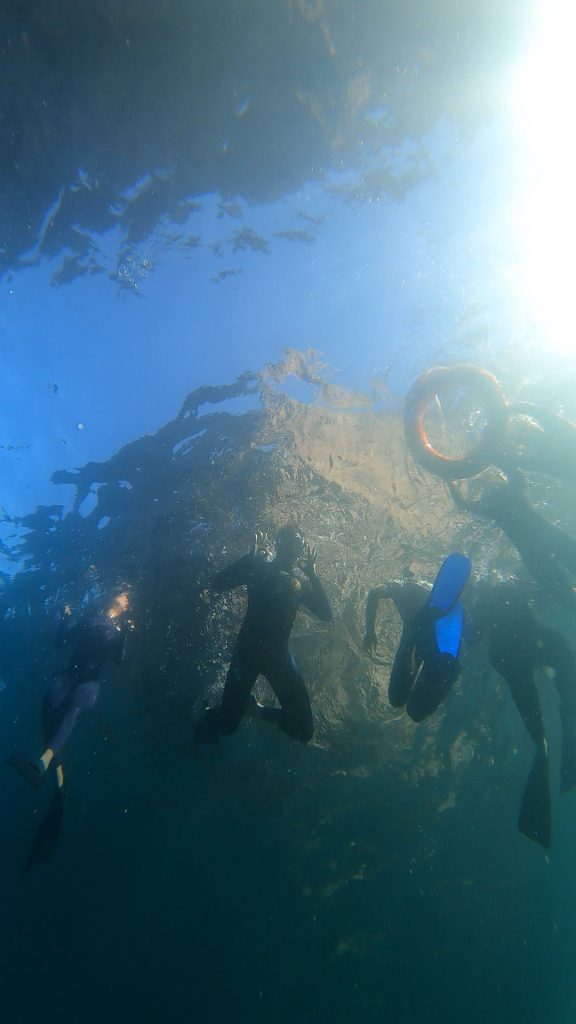
A typical Galapagos cruise day for a family includes two guided shore excursions (morning and afternoon), one or two snorkel or panga-ride sessions, meals on the vessel, and an evening naturalist briefing about the next day’s sites. The excursions average 1 to 1.5 miles of walking on marked trails. The snorkel sessions run 45 to 90 minutes. On board between excursions, most family-appropriate vessels provide junior naturalist logbooks, wildlife checklists, drawing activities, and onboard talks pitched at children. The pace is structured and full without being relentless: most families report children falling asleep shortly after dinner and waking up genuinely excited about the next landing.
The snorkel sessions are the activity children most frequently cite as their favorite part of a Galapagos cruise, and it’s worth being specific about why. A Galapagos snorkel session is not about looking at coral. A juvenile sea lion that decides your child is interesting will circle them, blow bubbles in their mask, and then disappear at speed before doing it again. This is the animal choosing the interaction, on the animal’s terms. For a child who has grown up watching wildlife through screens, the difference between a sea lion video and a sea lion actively playing with you in chest-deep water is not a quantitative difference. It’s a categorical one. That experience is what parents describe when they say their children came home changed.
Children who can swim but aren’t experienced snorkelers can be briefed and equipped on the vessel before the first session. Guides work with younger snorkelers specifically. Most vessels carry child-sized masks and fins. For children under 6 or those not comfortable in open water, the glass-bottom panga option on some vessels provides underwater viewing without entering the water, and it produces genuinely strong encounters: sea turtles, reef fish, and marine iguanas visible from the panga floor at close range.
The difference between a good snorkeling cruise and a great one in the Galapagos comes down to which islands you visit. Here’s the best Galapagos itinerary for snorkeling so you pick the route with the right stops.
What’s the Best Time of Year for a Family Galapagos Trip?
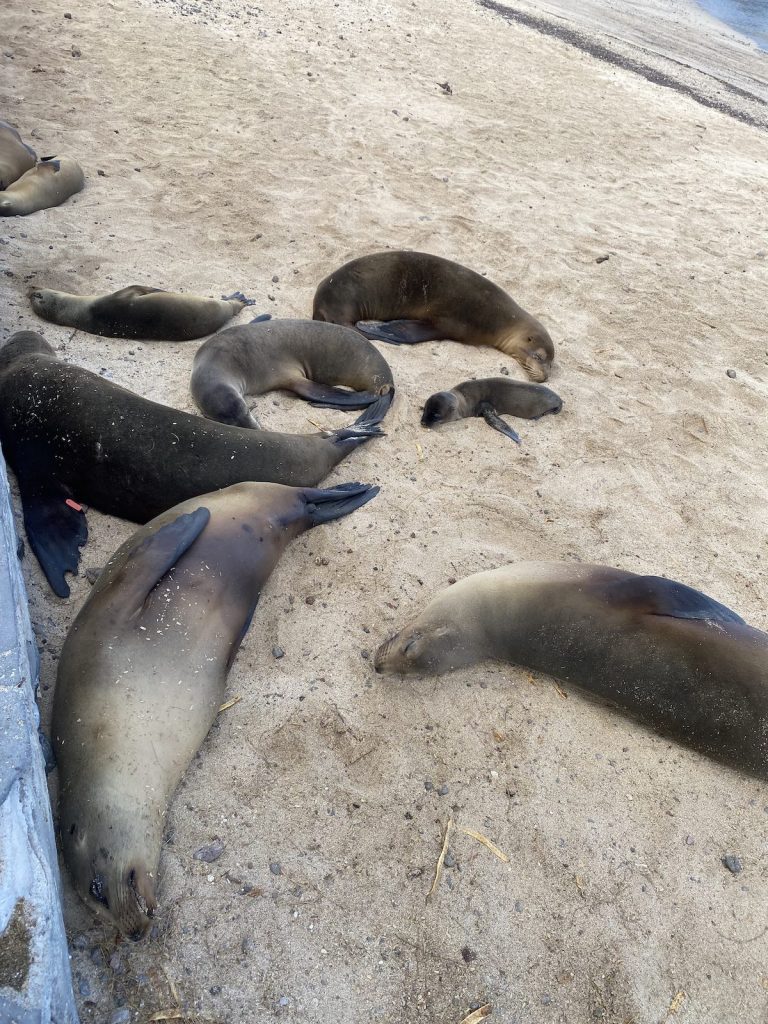
December through May is the best period for families. The warm season brings water temperatures of 22 to 26°C that are comfortable for children snorkeling, calmer sea conditions that reduce motion sickness exposure, and the white sand beach conditions at Gardner Bay and other eastern sites that allow extended family time on shore. Sea lion pups are most abundant and most playful in August, which is an excellent month for families prioritizing the sea lion snorkel interaction. School holiday alignment in June through August and December through January drives the highest family booking volumes, so those months book earlier and cost more. May and November are the most consistent recommendation for families who have schedule flexibility.
The albatross window (April through December at Española) aligns well with family scheduling, and children respond to the albatross courtship display at Punta Suarez as strongly as adults do. Watching two birds walk circles around each other, point their heads to the sky, and clatter bills together two meters from where you’re standing is the kind of thing that requires no explanation and no prior interest in birds to produce complete attention from a twelve-year-old.
Trying to find a Galapagos itinerary that covers the right islands for serious birders without sacrificing the other wildlife encounters? Here’s the best Galapagos itinerary for birdwatching broken down so you find the right balance.
What Families Say About Galapagos Cruises: Our Feedback Data
| Factor | Finding | Implication |
|---|---|---|
| Children named snorkeling as trip highlight | 78% | Prioritize itineraries with strong beginner-friendly snorkel sites (Champion Islet, Gardner Bay) |
| Parents said children were more engaged than on any previous family trip | 86% | The fearless wildlife removes the distance and patience requirement that loses children at other wildlife destinations |
| Motion sickness was an issue for at least one child in the group | 31% | Catamaran hull and warm-season booking meaningfully reduce this; bring medication regardless |
| Families who said the trip was worth the cost specifically for children | 94% | The highest approval rating in our family travel feedback across any destination |
| Families who said they would return with the children at an older age | 67% | The Galapagos is a destination that deepens with revisits; many families do a second trip once teenagers |
What Should Families Know Before Booking?
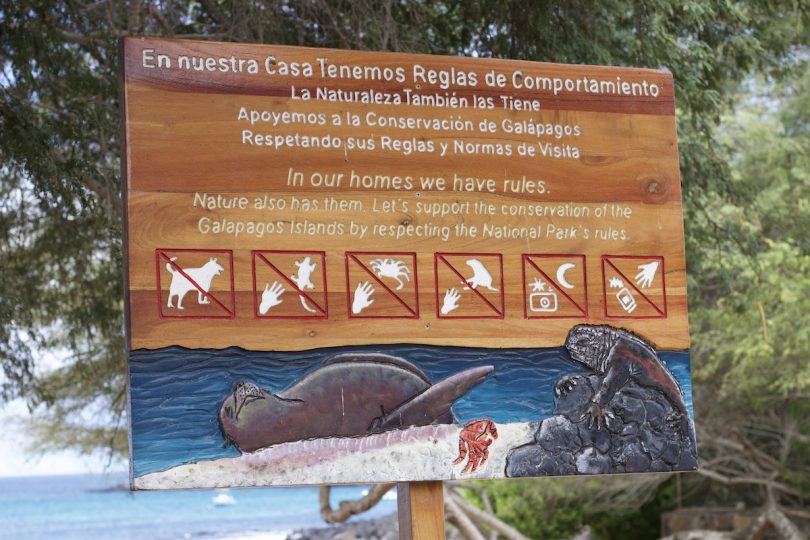
The four most important family-specific booking considerations are: confirm the vessel has triple or interconnecting cabins before locking in dates (two separate cabins for a family of four is a significant cost difference), choose a catamaran hull for the most stable crossings, verify the operator’s actual minimum age against your youngest child’s age, and book school holiday departures at least 9 to 12 months ahead because family cabin configurations sell out first. The $100 child park fee and available cruise discounts of 15 to 40% for children make the cost more manageable than the headline per-adult pricing suggests.
A few additional practical points specifically for families:
Sun protection is not optional at the equator. The UV index in the Galapagos is extreme year-round, including on cloudy days. Children burn faster than adults at equatorial UV levels, often before feeling the heat. Reef-safe mineral sunscreen (required in the National Park), rash guards, wide-brim hats, and UV-rated sunglasses are essential for every landing. Most Galapagos cruises don’t stock enough child-specific sun protection on board. Bring more than you think you’ll need from home.
Wet landings require walking through knee-deep water to shore. Most island landings involve stepping off a panga into shallow water and wading to the beach. Children find this entertaining rather than problematic, but shoes that can get wet (water shoes or sandals with straps) make the transition easier. Dry landings onto rock platforms require agility and adult assistance for younger children.
The 16-person guide ratio means children need to stay on trail. The National Park requires that no more than 16 guests accompany one guide during any landing. That means the group needs to move together, stay on the marked path, and not separate. For children who run ahead or wander, a second adult in the family group makes trail management significantly easier. This isn’t a safety issue in most cases; it’s a group cohesion requirement that guides enforce consistently.
Motion sickness preparation matters more than most families expect. Island crossings are done at night on most itineraries, so the motion is a sleep disruption more than a daytime issue. But some daytime panga transfers in choppier conditions affect motion-sensitive children. Consult a doctor about appropriate medication for children before departure. Scopolamine patches and antihistamine-based medications both have child-appropriate formulations. Catamarans provide meaningfully better stability than monohull motor yachts, which is the single most impactful vessel choice for families with motion-sensitive children.
For help matching the right vessel and departure date to your family’s ages, budget, and priorities, fill out this short form and we’ll give you a direct recommendation.
Frequently Asked Questions
What is the minimum age for a Galapagos family cruise?
Most operators set their practical minimum at 6 years old, with children under 4 requiring a liability waiver on most vessels. The recommended floor for a comfortable family experience is 7 to 8 years old: old enough to snorkel independently, handle the trail distances (1 to 1.5 miles per landing), and engage with the guide. Children younger than 6 can make the trip but the combination of equatorial heat, wet landings, and full-day excursion schedule is physically and logistically demanding for both child and parents.
Which Galapagos route is best for families with children?
The eastern circuit. It offers calmer sea conditions than the western route, warmer water for snorkeling, more white sand beach landings, and the most accessible fearless wildlife encounters including sea lions at Gardner Bay and blue-footed boobies at North Seymour. The western route is excellent but involves rougher open water crossings, colder water year-round, and fewer beach landings suited to families with younger children.
How much does a Galapagos family cruise cost?
Cruise fares start around $550 per person per day for first-class vessels, with children under 12 or 17 receiving 15 to 40% discounts on most family-oriented vessels. The largest discounts apply when the child is accommodated in the parents’ cabin on a third berth. Add the $200 adult park fee and $100 child park fee (cash on arrival), the $20 Transit Control Card per person, and domestic flights from Ecuador ($250 to $400 per person return). An 8-day family cruise for two adults and one child typically runs $8,000 to $18,000 all-in depending on vessel class and season. Prices verified July 10, 2026.
Can toddlers and young children snorkel in the Galapagos?
Children who can swim independently can participate in most snorkel sessions. Most vessels carry child-sized masks and fins. For children not yet comfortable in open water, glass-bottom pangas on some vessels provide underwater viewing without entering the water and produce strong encounters with sea turtles, reef fish, and marine iguanas. The beginner-friendly snorkel sites on the eastern route (Champion Islet, Gardner Bay) are the most appropriate starting points for first-time child snorkelers.
Is the Galapagos suitable for teenagers?
The Galapagos is one of the most consistently well-received destinations for teenagers across all family travel feedback. The wildlife is extraordinary enough to bypass standard adolescent indifference; a sea lion circling your teenager in chest-deep water is not something that reads as a “parent trip.” Teenagers with interests in biology, photography, conservation, or adventure travel find the Galapagos intensely engaging. The absence of wifi on most vessels is sometimes a transition issue for the first day; by day three it is consistently described as part of what made the trip feel different from everyday life.
Do Galapagos cruises have children’s programs?
Some do, some don’t. The Galapagos is not a Caribbean mega-cruise with supervised kids clubs. Family-appropriate vessels typically offer junior naturalist logbooks, wildlife checklists, drawing and identification activities, and naturalist talks pitched at children alongside the adult evening briefing. The guide’s engagement with children during excursions is often the most impactful element; asking specifically about naturalist experience working with families before booking a vessel makes a real difference. Charter cruises (booking an entire vessel for your family group) allow fully customized pacing and are popular with multigenerational family groups of 8 or more.
A Galapagos family cruise is a significant commitment, and the vessel and itinerary choices matter more than they do for most other destinations because the difference between the right and wrong vessel for a family is measured in cabin configurations, hull stability, and how the crew treats a seven-year-old asking about marine iguanas. We’ve helped hundreds of families find the right match. Get in touch here and tell us your children’s ages, your travel window, and your budget, and we’ll give you a specific recommendation.
Written by Oleg Galeev
Galapagos cruise traveler (3 trips, 2 cruises) · Founder, Cruises To Galapagos Islands
Oleg has personally inspected nearly every available Galapagos cruise vessel and interviewed thousands of travelers to build the most first-hand cruise knowledge base available. He also runs the Ecuador travel blog mytrip2ecuador.com and the YouTube channel My Trip to Somewhere.
Cruises To Galapagos Islands is rated 4.9 stars on Google and TripAdvisor.
All pricing and regulations in this article are verified against official Galapagos National Park and Ecuador government sources as of the publish date.