Can You Do Back-to-Back Galapagos Cruise Itineraries?
Part of our guide to how long your Galapagos cruise should be. Ready to pick a ship? See Galapagos cruises by price, size and class.
Quick Facts: Back-to-Back Galapagos Cruises
| Factor | Details |
|---|---|
| Standard format | Two 8-day segments back to back = 15 days total (with one transfer day between segments) |
| Site repetition | Zero repeated visitor sites when booked correctly; the 14-day rotation rule makes this structurally guaranteed |
| Same vessel or different? | Both possible; same vessel is simpler; different vessel requires a transfer day between segments |
| Wildlife coverage | Near-complete; both eastern and western circuits plus central islands; 95 to 99% of the Big 15 species |
| Who books it | Returning visitors; serious naturalists and wildlife photographers; retirees with flexible schedules; dedicated birders |
| vs. 15-day single cruise | Effectively the same coverage; some operators sell the combined format as a single “15-day” booking |
| Park entrance fee | $200 adults / $100 children under 12 (cash on arrival, paid once for the full trip). TCT: $20 per person. Prices verified July 10, 2026 |
What Is a Back-to-Back Galapagos Cruise and How Does It Work?
A back-to-back Galapagos cruise is two consecutive cruise segments booked sequentially, with no break between them. The most common format is two 8-day itineraries combined into a 15-day trip. The first segment covers one regional circuit, typically the eastern islands or the western islands plus central. The second segment covers the complementary circuit. Because the National Park’s 14-day site rotation rule prevents any vessel from revisiting a site within two weeks, the two segments of a back-to-back itinerary are guaranteed to visit entirely different visitor sites. There is no repetition. The combined result is near-complete coverage of every accessible visitor site in the archipelago without ever seeing the same island twice in sequence.
The mechanics are straightforward. A vessel operating in the Galapagos runs on a fixed 15-day circuit approved by the National Park. Operators divide that 15-day circuit into shorter segments to accommodate different traveler schedules: the most common divisions are two 8-day itineraries (with one day overlap at Baltra), or three 5-day itineraries, or a combination of 4-day and 8-day departures. When you book a back-to-back, you are booking week one and week two of the same 15-day circuit, starting on the same day the circuit begins. The result is that you cover the full approved circuit without any site appearing twice.
On the same vessel, the logistics are simple: you stay on board through the transfer point. Some passengers from week one disembark at Baltra or San Cristobal while new passengers board. You remain in your cabin, repack nothing, and wake up the next day as a continuing passenger on the second segment with a new group of fellow travelers joining you. On a different vessel, the transfer day requires shuttling between vessels, which may involve an overnight in Puerto Ayora or at the airport hotel in Baltra depending on departure timing.
Why the 14-Day Site Rotation Rule Makes Back-to-Back Cruises Possible
In 2012, the Galapagos National Park introduced a regulation requiring all permitted cruise vessels to wait at least 14 days before returning to any visitor site. The regulation was designed to reduce environmental impact, distribute visitor pressure more evenly across the archipelago, and prevent overcrowding at individual sites. As a structural consequence, it means every vessel is effectively operating a 15-day master circuit that it continuously repeats. Operators divide this 15-day circuit into shorter segments for commercial flexibility. When a traveler books both segments consecutively on the same vessel, they are simply traveling the full undivided 15-day circuit that the vessel was already approved to run.
This is worth understanding in detail because it answers a question many travelers ask: do back-to-back itineraries actually cover different places, or do they repeat the same islands with slightly different daily sequences? The answer is definitively different places. The 14-day rule makes it structurally impossible for a vessel to revisit a site within the same 15-day circuit. Week two of a back-to-back is legally required to avoid every site visited in week one. This isn’t an operator design choice or a marketing claim. It’s a National Park regulatory consequence.
The practical implication: a traveler doing a back-to-back on the same vessel sees every island and visitor site on that vessel’s approved 15-day circuit. A traveler doing week one only sees half of them. The site coverage doubles. The species coverage goes from roughly 85% of the Big 15 on a single 8-day cruise to 95 to 99% across two weeks.
Trying to decide if two weeks in the Galapagos justifies the time and cost over a shorter cruise? Here’s the 14-day Galapagos cruise broken down so you understand what the full back-to-back experience actually gets you.
What Does a Back-to-Back Itinerary Actually Cover?
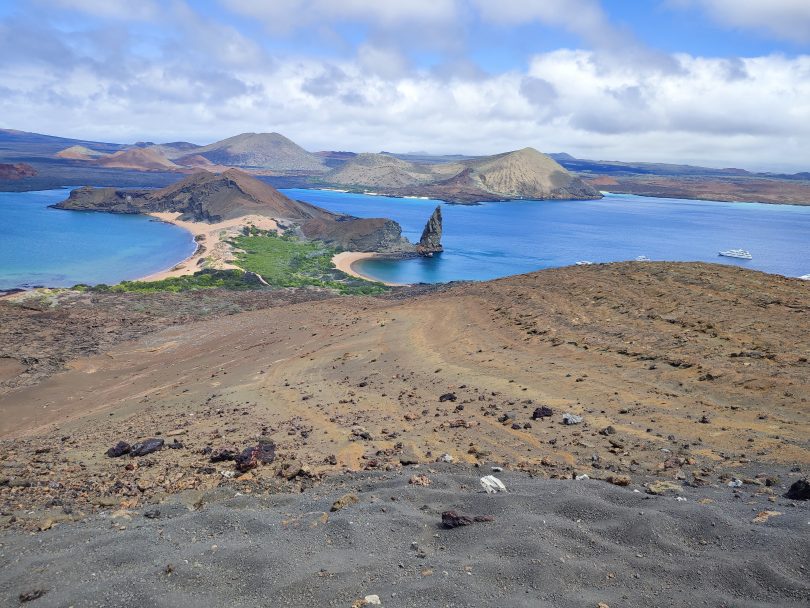
A standard back-to-back combining the eastern and western 8-day circuits visits the full breadth of the Galapagos accessible island network: Española (waved albatross, Española mockingbird), Floreana (Devil’s Crown, Post Office Bay), San Cristobal (Kicker Rock, Punta Pitt with all three booby species), the central islands (Santa Cruz, North Seymour, South Plaza, Santa Fe, Bartolome), Isabela (Punta Vicente Roca, Elizabeth Bay, Urbina Bay, Tagus Cove), Fernandina (Punta Espinoza, flightless cormorant, marine iguana mega-colony), Santiago (Puerto Egas, Sullivan Bay), and Rabida. The only commonly cited sites not covered on this combination are Genovesa and Marchena, which require a specifically northern-loop itinerary to include.
The species coverage across a full eastern plus western back-to-back is the most comprehensive available on any standard naturalist cruise format. The waved albatross (eastern, April to December), flightless cormorant (western, year-round), Galapagos penguin in natural habitat (western, year-round), all three booby species (Punta Pitt on San Cristobal in week one), Mola mola (Punta Vicente Roca, western, June to November), marine iguana mega-colony (Fernandina, western), the giant tortoise in the Santa Cruz highlands, and the full seabird assemblage of the central islands are all covered across the two weeks without needing to make trade-offs between them.
For dedicated birders specifically targeting Genovesa’s red-footed booby mega-colony and short-eared owl hunting in daylight, an eastern plus northern back-to-back (rather than eastern plus western) is the combination that includes it. This format gives up Fernandina and the western sites in exchange for Genovesa, which is the right trade for a birder whose priority is seabirds over the western circuit’s endemics. Confirm which specific combination your operator’s back-to-back covers before booking; not all operators run the same pairing.
More islands doesn’t always mean a better trip but it matters more than most people think when booking a Galapagos cruise. Here’s a full guide on which Galapagos itinerary visits the most islands so you know what you’re actually comparing.
How Does a Back-to-Back Compare to a Single 15-Day Cruise?
In terms of visitor sites covered and wildlife encountered, a correctly structured back-to-back itinerary on the same vessel produces the identical result as a single 15-day cruise booking. The distinction is largely commercial: some operators market the full two-week circuit as a single “15-day” product and price it as such. Others market the same circuit as two separate “8-day” segments that can be booked back to back. The itinerary is the same. The vessel is the same. The sites visited are the same. The difference, when one exists, is in the mid-trip passenger change and any transfer logistics that accompany it.
The one practical difference on the same vessel: mid-trip, the vessel returns to Baltra or San Cristobal to exchange passengers. Week-one travelers disembark, new week-two travelers board, and back-to-back passengers remain on board through this turnover. Some back-to-back passengers describe the mid-trip passenger exchange as a slight disruption to the cruise’s social dynamic: the group you’ve spent a week with leaves, and a new set of travelers arrives who are at day one of their experience. This is worth knowing in advance but rarely cited as a significant negative by travelers who have done it.
Where a back-to-back on two different vessels does differ from a single 15-day cruise: the vessels have different approved circuits with different site selections within each regional route. The combined coverage may actually exceed what any single vessel’s 15-day circuit includes, since two different vessels may have access to different approved site combinations. This is a meaningful potential advantage for travelers who want to maximize unique site coverage, but it requires careful coordination to ensure the two segments don’t include site overlaps if the vessels operate different circuit variants.
The islands you visit on each route are completely different and so is the experience. Here’s Galapagos cruise itinerary A vs B so you understand what you’re actually choosing between.
Who Should Book a Back-to-Back Galapagos Cruise?
Back-to-back cruises consistently attract four types of travelers: returning visitors who have already done one circuit and want the other; dedicated wildlife photographers who need the full range of lighting conditions, terrain, and species across both circuits; serious naturalists and birders working toward a complete endemic species checklist; and retirees or travelers with extended schedule flexibility who want the most comprehensive single Galapagos experience available. A back-to-back is not the right format for first-time visitors, travelers with limited vacation time, or anyone who has found that one week of intensive nature travel leaves them ready to go home.
The fatigue question deserves honest treatment. Two weeks of structured daily excursion, twice-daily landings, snorkel sessions, evening briefings, and overnight navigations is genuinely demanding. By day ten or eleven, most travelers are physically tired regardless of fitness level. The wildlife remains extraordinary through the end of the second week; what changes is the traveler’s capacity to be fully present for each encounter at the same intensity as day three. Travelers who have done back-to-backs consistently report that the second week’s wildlife encounters are as strong as the first week’s on paper, but that personal fatigue affects how they’re experienced. This is not a reason not to do a back-to-back; it’s information to set accurate expectations and to pace the trip by allowing adequate rest between excursions where the schedule permits.
Wildlife photographers are the demographic that benefits most unambiguously from the back-to-back format. Two weeks provide two different seasonal light conditions if the trip spans the warm-to-cool season transition, access to both circuit’s species without compromise, and enough days at specific sites to return under different conditions if weather or animal behavior didn’t cooperate on the first visit. For a serious photographer, the back-to-back is simply more time with subjects that can’t be photographed anywhere else on Earth.
We’ve got a full breakdown on which Galapagos cruise route has the best wildlife if you want to know exactly where to find the iconic species and which itinerary puts you in front of the most impressive encounters.
What Are the Logistics of Switching Vessels Mid-Trip?
Switching vessels between back-to-back segments requires at minimum a half-day transfer at Baltra or San Cristobal airport. In practice this means: disembarkation from vessel one in the morning, airport transfer, a few hours wait or an overnight at the airport-adjacent hotel, and embarkation on vessel two in the afternoon or the following morning. Luggage transfers between vessels are managed by the operators but require packing everything back into bags at the mid-point. The transfer day is the primary logistical friction of a different-vessel back-to-back; most travelers who do it report that it’s manageable but that staying on the same vessel for both segments is meaningfully simpler when the option exists.
The most practical reason to switch vessels between segments is that the second segment’s preferred vessel doesn’t offer both weeks of the operator’s circuit as a continuous booking. This happens when two different operators run your preferred route combinations, or when the second vessel’s departure date aligns with the end of your first segment but the same vessel doesn’t offer a second segment on those dates. In these cases, a different-vessel back-to-back is the right logistical solution rather than a preferred one.
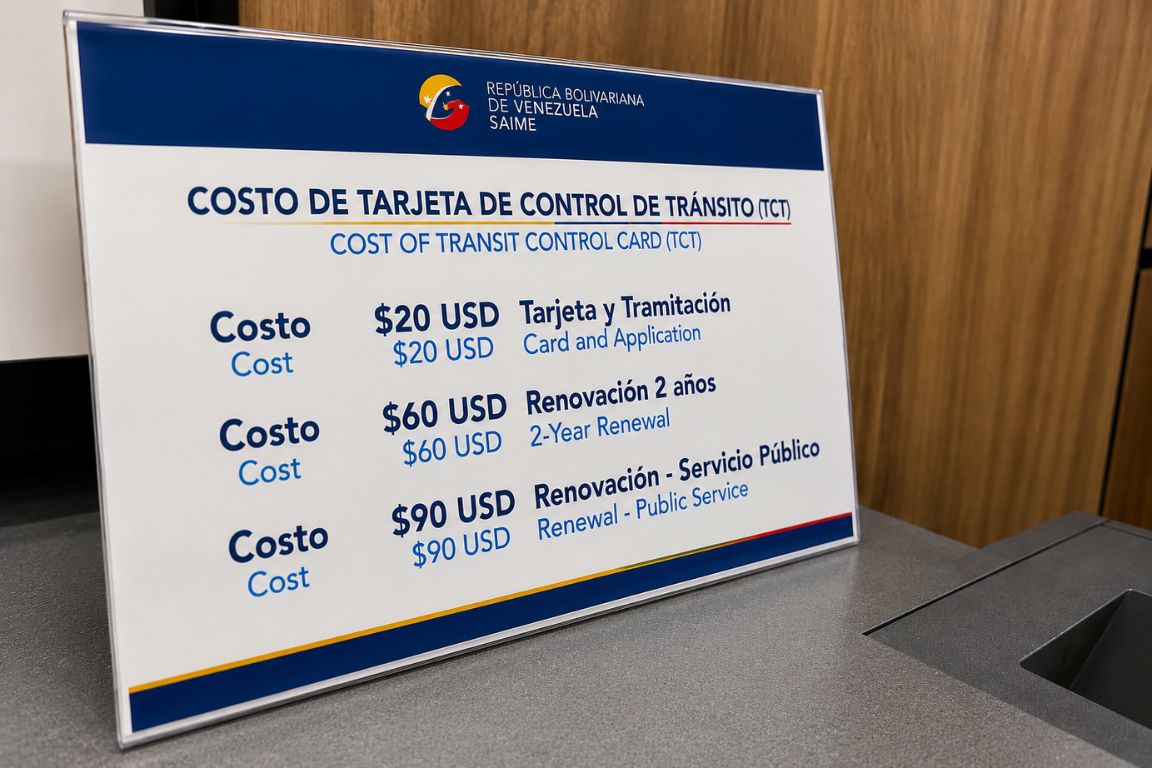
One detail that frequently surprises travelers planning a different-vessel back-to-back: the park entrance fee of $200 per adult is paid once, on first arrival. You do not pay it again when transferring to the second vessel. The Transit Control Card ($20 per person, registered online before departure from mainland Ecuador) similarly covers the full duration of your stay in the archipelago regardless of how many vessels you board. Confirm with both operators that they are aware you are doing a back-to-back when booking, so the documentation is handled correctly at both ends. Prices verified July 10, 2026.
What Travelers Say About Back-to-Back Galapagos Cruises: Our Feedback Data
| Factor | Finding | Implication |
|---|---|---|
| Said week two wildlife encounters were as strong as week one | 91% | Site variety holds up; the second week is not a repetition or a diminishing return |
| Experienced meaningful fatigue by day 10 or 11 | 67% | Two weeks is physically demanding; rest days or slower afternoon pacing in week two helps |
| Preferred same vessel over vessel switch for back-to-back | 78% | The mid-trip transfer logistics are manageable but staying put is meaningfully simpler |
| Said the back-to-back was worth the added cost and time over a single 8-day cruise | 86% | For travelers with the time and budget, the comprehensive coverage is consistently justified |
| Would recommend back-to-back specifically for returning visitors | 94% | The format is the natural next step after a first successful one-week Galapagos trip |
What Should You Know Before Booking a Back-to-Back?
The four things to confirm before booking a back-to-back Galapagos cruise: which specific visitor sites each segment covers (to verify zero overlap), whether the second segment is on the same vessel or requires a transfer, how the mid-trip passenger exchange on the same vessel works logistically, and whether the combined booking carries a discount over two separate segment bookings. Most operators who run formal back-to-back or 15-day itineraries price the combination at a modest discount versus the sum of two separate 8-day fares, typically 5 to 10%. If an operator doesn’t offer a combined price, ask directly before assuming two separate bookings is the only option.
A few additional practical points:
Book both segments simultaneously. Booking week one and expecting week two to be available when you’re ready to add it is risky. The second segment of a back-to-back on the same vessel has limited availability because it is the same fixed departure schedule, and other passengers book it independently as a standalone week. Securing both segments in the same transaction guarantees the continuity you need.
Confirm the itinerary pair covers your priority species. Not every back-to-back combination includes both Española (eastern, for albatross) and Fernandina (western, for flightless cormorant). Some operators pair southern and central circuits rather than eastern and western. Review the specific site lists for both segments before committing, not just the route labels.
Packing for two weeks requires more discipline than packing for one. Most Galapagos vessels have limited cabin storage and no laundry facilities for passengers. Two weeks of clothing in a carry-on plus day bag requires real packing discipline. A capsule wardrobe of technical quick-dry clothing, reworn between excursions, is more practical than packing for outfit variety. Ask the operator about laundry availability before departure.
Consider adding a Quito or highland extension at the midpoint. Some travelers doing a different-vessel back-to-back use the transfer day as an opportunity to fly to Quito for one night, visit the equatorial monument, and fly back to Galapagos the following morning. This adds cost and complexity but gives the trip a meaningful break and change of context at the halfway point that can reduce second-week fatigue. It’s a minority choice but one that several travelers with the schedule flexibility have described as improving the overall trip.
If you want help identifying which vessel and which itinerary pairing delivers the back-to-back coverage you’re looking for, get in touch here and we’ll match the right combination to your dates and priorities.
The southern islands pack some of the most iconic Galapagos experiences into a single route. Here’s a full guide to the Galapagos southern islands itinerary so you know which stops are worth the most of your time.
Frequently Asked Questions
Can you do a back-to-back Galapagos cruise without repeating any islands?
Yes. The Galapagos National Park’s 14-day site rotation rule, which requires all vessels to wait two weeks before returning to any visitor site, structurally guarantees that two consecutive segments on the same vessel visit entirely different sites. A correctly structured back-to-back has zero site repetition.
Is a back-to-back the same as a 15-day Galapagos cruise?
Effectively yes. Many operators sell their full 15-day circuit either as a single “15-day” booking or as two consecutive “8-day” segments that form a back-to-back. The itinerary, vessel, sites, and wildlife coverage are identical. The difference is commercial packaging, not the actual experience.
Do you have to change vessels between back-to-back segments?
Not necessarily. On the same vessel, you stay on board through the mid-trip passenger exchange while week-one passengers disembark and week-two passengers board. On a different vessel, a transfer day at Baltra or San Cristobal is required, with luggage handling and a brief wait before embarkation on the second vessel. Same-vessel is simpler; 78% of back-to-back travelers in our feedback data preferred it.
Who is a back-to-back Galapagos cruise best suited for?
Returning visitors who have done one circuit and want the other, wildlife photographers needing both circuits’ species and terrain, dedicated birders and naturalists working toward a complete endemic species checklist, and travelers with extended schedule flexibility. It’s not the right format for first-time visitors or travelers who prefer a shorter more intense experience over a comprehensive two-week one.
Do you pay the park fee twice on a back-to-back?
No. The Galapagos National Park entrance fee ($200 adults / $100 children under 12) is paid once on first arrival, regardless of how long you stay or how many vessels you board. The $20 Transit Control Card, registered online before departure from mainland Ecuador, similarly covers the full stay. Prices verified July 10, 2026.
How much does a back-to-back Galapagos cruise cost?
A 15-day back-to-back on a first-class or luxury vessel runs roughly $7,000 to $20,000+ per person depending on vessel class and season. Some operators offer 5 to 10% discounts on combined back-to-back bookings versus two separate segment fares. Add $200 in park fees (paid once), $20 Transit Control Card, and domestic flights ($250 to $600 return). Budget separately for tips and any pre or post-cruise accommodation. Prices verified July 10, 2026.
A back-to-back Galapagos cruise is the most comprehensive standard naturalist cruise experience available in the archipelago. Getting it right requires confirming that the two segments cover complementary circuits with no site overlap, that the vessel and booking structure work for your timeline, and that the combined pricing is fair relative to two separate bookings. We work through these details regularly. Get in touch here and we’ll find the right back-to-back combination for your dates.
Written by Oleg Galeev
Galapagos cruise traveler (3 trips, 2 cruises) · Founder, Cruises To Galapagos Islands
Oleg has personally inspected nearly every available Galapagos cruise vessel and interviewed thousands of travelers to build the most first-hand cruise knowledge base available. He also runs the Ecuador travel blog mytrip2ecuador.com and the YouTube channel My Trip to Somewhere.
Cruises To Galapagos Islands is rated 4.9 stars on Google and TripAdvisor.
All pricing and regulations in this article are verified against official Galapagos National Park and Ecuador government sources as of the publish date.