Galapagos Northern Islands Itinerary: Darwin & Wolf
Part of our guide to how long your Galapagos cruise should be. Ready to pick a ship? See compare all Galapagos cruise ships by price, size and class.
Quick Facts: Darwin and Wolf Islands
| Detail | What to Know |
|---|---|
| Location | Darwin: ~191 km northwest of Isabela. Wolf: ~44 km south of Darwin. |
| Access | Liveaboard only. No day trips, no snorkeling tours, no shore landings permitted. |
| Certification Required | Advanced Open Water minimum; significant open-water experience strongly recommended |
| Typical Trip Length | 7 to 10 days (includes transit time from central archipelago) |
| Dives Per Day | 3 to 4 dives daily; night dives available at Wolf |
| Water Temp (Darwin/Wolf) | 21–27°C (warmer than central/southern Galapagos) |
| Signature Species | Scalloped hammerhead (year-round), whale shark (Jun-Nov), silky shark, Galapagos shark, manta ray, bottlenose dolphin |
| Darwin’s Arch Status | Arch above water collapsed May 2021 (natural erosion). Now known as the Pillars of Evolution. Underwater terrain unchanged; diving unaffected. |
| Permitted Liveaboards | Limited number of licensed operators; most carry 8 to 16 guests |
| Park Entrance Fee | $200 USD adults / $100 USD children (cash on arrival) – Prices verified July 10, 2026 |
| Transit Control Card | $20 USD, pre-registered online before flying – Prices verified July 10, 2026 |
What Makes Darwin and Wolf Islands Different From Every Other Stop in the Galapagos?
Darwin and Wolf sit on a volcanic ridge far north of the main archipelago, isolated enough that three major ocean currents converge directly around them. That convergence, the cold Cromwell Current pushing up from depth, the Humboldt from the south, and the warmer Panama Current from the northeast, creates a nutrient density that draws the largest concentrations of pelagic marine life in the entire Pacific. These are not reef dives. They are big-animal encounters in open, current-driven water, built for experienced divers who want to be surrounded by things that dwarf them.
Most of the Galapagos is about wildlife that doesn’t care you’re there. Darwin and Wolf take that dynamic into the water and scale it up. You hold position against a current, tuck into the volcanic structure, and wait. Then the hammerheads arrive. Not one or two: walls of them, moving in tight schools of fifty to two hundred animals, circling in from the blue and disappearing again. On the right day, whale sharks come through like submarines passing in slow motion. Silky sharks and Galapagos sharks work the outer edges. Manta rays cruise past while bottlenose dolphins hit the surface overhead.
There is nothing quite like this combination anywhere else on Earth. The waters around Darwin and Wolf hold the highest shark biomass recorded on the planet. That’s not marketing language, it’s a figure that appears in marine research because this particular stretch of open Pacific functions as a critical aggregation point and transit corridor for pelagic species moving between the Galapagos and the Cocos Islands further north.
The other thing that sets Darwin and Wolf apart: the Galapagos National Park enforces strict visitor controls here. Only a small number of licensed liveaboards hold permits to operate at these sites, and each vessel must file its itinerary in advance. When you’re in the water at Darwin or Wolf, you are almost certainly sharing the site only with other divers from your own boat and the occasional research vessel. That level of solitude in waters this productive is exceptionally rare.
Which Islands and Sites Does the Northern Itinerary Actually Cover?
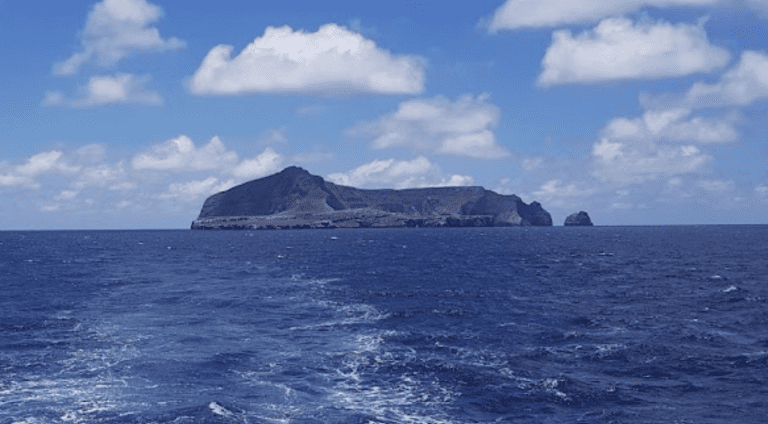
A typical northern liveaboard itinerary runs 7 to 10 days total. Darwin and Wolf together account for the majority of dives, usually 10 to 14 out of roughly 20 total. The transit from the central archipelago takes the better part of a day each way, and most operators use that sailing time to stop at secondary sites including Cabo Douglas on Fernandina, Punta Vicente Roca on Isabela, and Cousins Rock near Santiago. These stopover sites are genuinely excellent dives on their own, serving as an effective preview of the main event to the north.
At Darwin Island, the primary dive site is now called the Pillars of Evolution, the two rock columns that remained after the original arch above water collapsed in May 2021 due to natural erosion. The arch’s collapse made international news at the time, but it had zero effect on the diving. The underwater plateau, the cleaning stations, the current patterns, and the structure that draws hammerheads and whale sharks are all exactly as they were. The site sits on a submerged rocky plateau divers call the Theatre, and multiple dive positions allow you to work it across several sessions without repeating the same experience. El Arenal on Darwin’s northern side and The Arch to the south offer variation within the same island.
Wolf Island has several distinct sites. Shark Bay is the headline, known specifically for the shark walls that fill Galapagos dive photography. Hammerheads school here in the same formation pattern as Darwin, with silky and Galapagos sharks holding the outer boundary. The Anchorage at Wolf is where night dives happen: shallower, calmer current, and home to the red-lipped batfish, one of the stranger-looking creatures in the Pacific. It walks along the sandy floor on modified pectoral fins because it doesn’t swim particularly well. Finding one on a night dive at Wolf is one of those moments that earns its own story.
| Site | Island | What Happens Here | Difficulty |
|---|---|---|---|
| Pillars of Evolution (formerly Darwin’s Arch) | Darwin | Hammerhead schools, whale sharks, Galapagos sharks, mantas, massive fish aggregations | Advanced; strong variable currents |
| El Arenal | Darwin | Northern approach dive; eagle rays, turtles, cleaning station activity | Advanced |
| Shark Bay | Wolf | Shark walls, silky sharks, hammerheads, moray eels, schooling jacks | Advanced; strong currents |
| The Anchorage | Wolf | Night dive site; red-lipped batfish, shark feeding, milder current | Intermediate to Advanced |
| Cabo Douglas | Fernandina (en route) | Marine iguanas feeding underwater, flightless cormorants, Mola mola | Intermediate |
| Cousins Rock | Near Santiago (en route) | Sea horses, whitetip reef sharks, hammerheads, dense reef fish | Intermediate |
If you’re working out whether a particular liveaboard’s itinerary gives you the right number of dives at Darwin and Wolf versus transit sites, we’ve reviewed the schedules of most licensed operators and can point you toward the boats that maximize time at the northern sites. Get in touch here and we’ll give you a straight comparison.
Not sure which Galapagos itinerary covers the most ground or whether island count is even the right thing to optimize for? This breakdown on which Galapagos itinerary visits the most islands gives you a straight answer and the context to use it.
What Will You See Underwater at Darwin and Wolf?
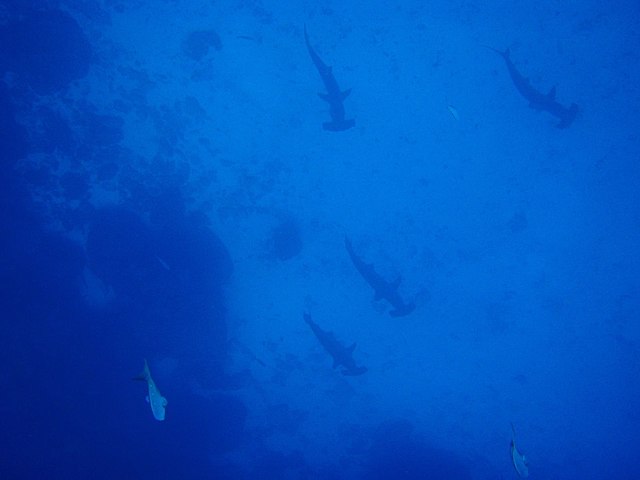
Scalloped hammerheads are present year-round at both islands, aggregating in schools that can number in the hundreds. Whale sharks appear from June through November when the Humboldt Current is strongest, and the majority are large pregnant females moving through on a migration corridor that links the Galapagos to Cocos Island. Silky sharks, Galapagos sharks, eagle rays, manta rays, dolphins, and sea turtles fill out most dives. Species diversity across a week of diving at Darwin and Wolf is rarely matched anywhere else on the planet.
The hammerheads are what most divers come for, and they deliver in a way that’s hard to explain to anyone who hasn’t been in the water with a school of two hundred of them. The key is position. You tuck behind a rock or a ledge, get stable in the current, go still, and wait. The sharks move toward cleaning stations, grouper and angelfish picking parasites off their skin, and they don’t particularly register you if you stay calm and low. Getting swept off position chasing them is the fastest way to end the encounter. Your guide’s briefing on positioning before each dive at Darwin is the most important thing you’ll hear all week.
Whale sharks at Darwin run large. Most are mature females, and some estimates suggest they’re pregnant, using the nutrient-rich northern waters as a feeding and transit corridor. They move slowly and let boats and divers approach at a respectful distance. Being in the water alongside a ten-meter whale shark that is completely unbothered by your presence is a different category of experience from most diving. June through November are the peak months, with July through October producing the most consistent sightings at both Darwin and Wolf.
The en-route stops add their own specific encounters. Cabo Douglas on Fernandina’s western cape is one of the few places in the world where you can dive with marine iguanas as they graze underwater on algae along the rocky slope, bobbing and crawling through the surge. It’s an inherently absurd-looking animal even on land. Watching one purposefully swim twenty meters down to feed on a lava wall is stranger still.
The western islands and the northern dive sites play by completely different rules when it comes to wildlife. Here’s a guide on which Galapagos cruise route has the best wildlife so you pick the route that matches what you’re actually after.
Who Is the Northern Itinerary Actually For?
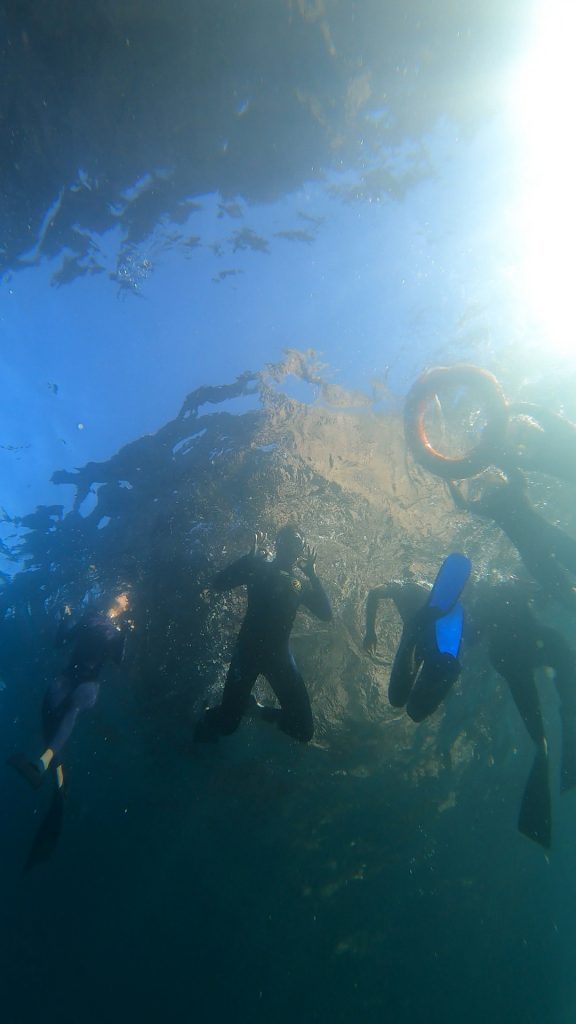
Darwin and Wolf are strictly for experienced divers. The currents at both islands are strong, variable, and sometimes sudden. Dives routinely involve holding position in significant current flow, reading water movement to time entries and exits, and staying composed when large animals approach unexpectedly. Advanced Open Water certification is the stated minimum, but most operators and guides strongly prefer guests with at least 50 logged dives in open-water conditions before arriving. A diver who freezes up or panics at Darwin doesn’t just ruin their own dive, they complicate a situation for everyone in the group.
This is not the itinerary for someone who wants a casual Galapagos experience with wildlife walks and beach landings. There are no beach landings. There are no wildlife walks. The above-water experience at Darwin and Wolf is essentially the boat: the meals, the briefings, the surface intervals watching tropicbirds and nazca boobies nesting on the cliffs, and the occasional dolphin pod alongside the hull at dusk. The trade is complete immersion in the diving, not an island-hopping experience with the underwater portion as a bonus. Some divers find this intensely satisfying. Others who imagined the full Galapagos land-and-sea package feel the narrow focus.
From our experience working with diving travelers: the ones who get the most out of Darwin and Wolf are comfortable divers who’ve logged serious open-water time, are physically fit enough for multiple daily dives, and genuinely prioritize big-animal pelagic encounters over diverse island experiences. If that’s you, this is probably the best week of diving you will ever do. If you’re an intermediate diver still building confidence, an eastern or western itinerary with excellent dive sites like Kicker Rock and Punta Vicente Roca will serve you better and leave you more prepared to come back for Darwin and Wolf later.
Not sure which category you fall into based on your dive history? We’re happy to help you think it through honestly before you book anything. Send us a message here and tell us your certification level and logged dives.
Hammerheads, whale sharks, and marine iguanas underwater are all possible here but only on the right route. Here’s the best Galapagos itinerary for diving so you don’t waste dives at the wrong sites.
What’s the Best Time of Year to Dive Darwin and Wolf?
June through November is the season most serious divers target, driven by whale shark season and peak hammerhead aggregations. The Humboldt Current is strongest during these months, pushing nutrient-rich cold water north and drawing the largest pelagic concentrations to Darwin and Wolf. Water temperatures drop to 21-24°C at the northern sites, and visibility ranges from 10 to 25 meters. December through May brings warmer, calmer water (up to 27°C), better visibility, and fewer whale sharks but still strong hammerhead activity year-round.
Importantly, Darwin and Wolf run warmer than the rest of the Galapagos even in the cool season. The central and southern islands can drop to 16-18°C in August and September. Darwin and Wolf stay in the 21-24°C range during those same months because of their northern position and exposure to the warmer Panama Current mixing in. A 5mm wetsuit is adequate for most divers at the northern sites. That same diver would want a 7mm for diving the southern portions of the same liveaboard itinerary, particularly at Fernandina and Isabela.
Visibility is the variable that generates the most pre-trip questions. At Darwin and Wolf, 15 to 25 meters is typical during the warm season, when plankton levels are lower. During the cool season, the nutrient bloom that draws the whale sharks also reduces visibility, sometimes to 10 to 15 meters. You may be 15 meters from a school of hammerheads and see only their silhouettes moving through the blue. Many divers find this dramatic. Others find it frustrating. Which camp you fall into probably tells you a lot about whether your primary interest is photography or pure encounter.
| Season | Water Temp (Darwin/Wolf) | Visibility | Key Species Activity |
|---|---|---|---|
| Jun-Nov (cool season) | 21-24°C | 10-20 m | Whale sharks peak (Jul-Oct); largest hammerhead schools; manta activity high; dolphins frequent |
| Dec-May (warm season) | 24-27°C | 15-30 m | Hammerheads year-round; manta rays peak Dec-May; clearer water for photography; fewer whale sharks |
Water temperatures verified July 10, 2026 against Galapagos National Park Directorate and operator field data.
How Does the Northern Route Compare to Eastern and Western Itineraries?
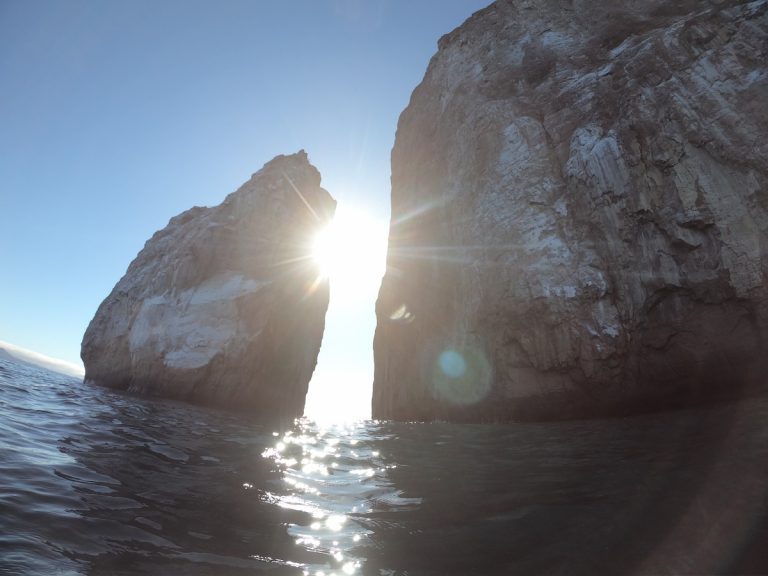
Darwin and Wolf are not a variation of the standard Galapagos cruise experience. They’re a separate category entirely. Eastern and western itineraries are multi-experience trips combining wildlife landings, snorkeling, and cruising between diverse islands. The northern liveaboard is a diving expedition that happens to be located in the Galapagos. The comparison is less about which wildlife you prefer and more about whether you’re a serious diver who wants to maximize underwater time, or a traveler who wants the full breadth of what these islands offer above and below the water.
The western route has genuinely excellent diving at Punta Vicente Roca and around Fernandina, and it adds the shore-based wildlife that makes the Galapagos famous on land. The eastern route has Kicker Rock and Devil’s Crown, both of which are world-class snorkeling and recreational dive sites. But neither comes close to the scale and density of large-animal encounters that Darwin and Wolf produce. If your benchmark dive experience involves Caribbean reef fish and the occasional nurse shark, the northern liveaboard will feel like a different sport.
Many experienced divers ultimately do two trips: a liveaboard focused on Darwin and Wolf, then a return on a standard cruise to get the island experience they couldn’t access on the first trip. The two itineraries serve such different purposes that doing them in either order makes complete sense.
We’ve got a full breakdown on the Galapagos central islands itinerary if you want to know exactly which islands are included, what you’ll see on each one, and how to get the most out of this route.
What Should You Know Before Booking a Darwin and Wolf Liveaboard?
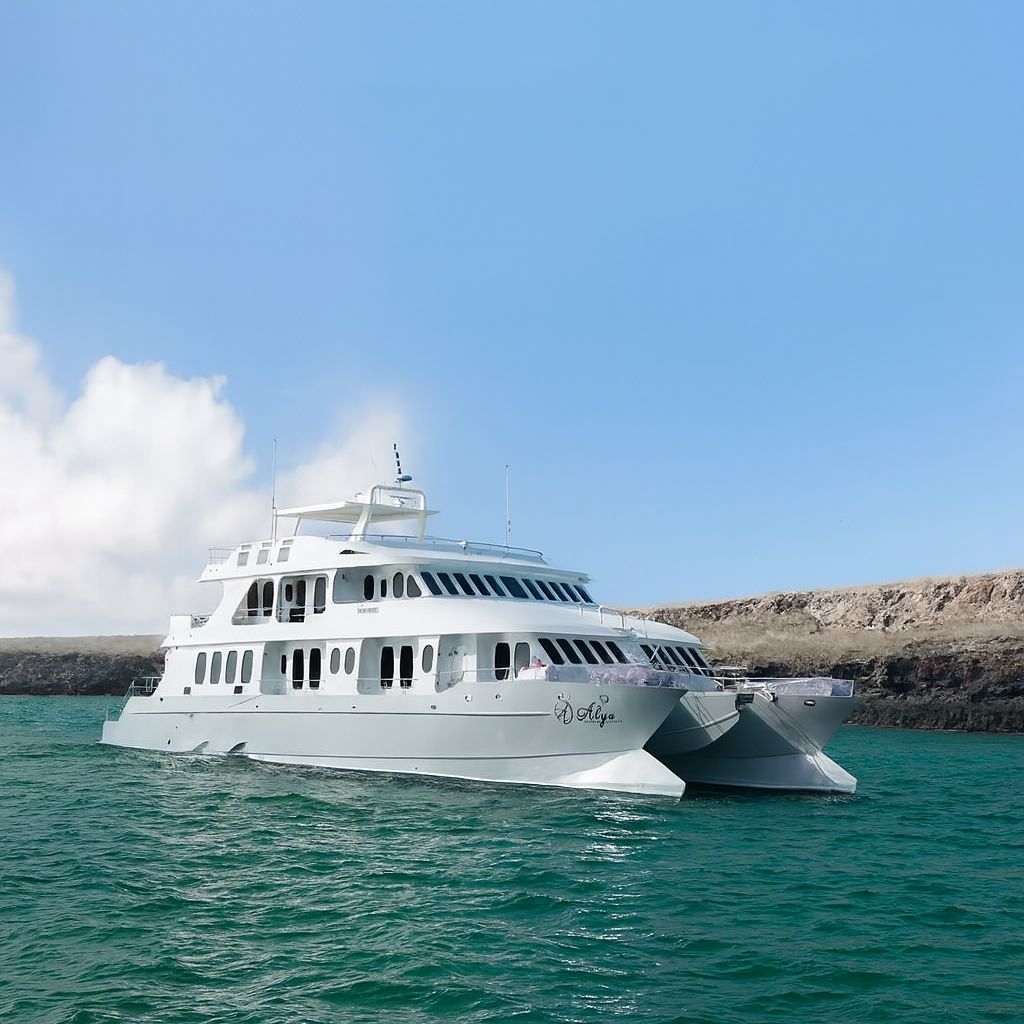
Book early, bring the right gear, and be honest about your experience level. Darwin and Wolf liveaboards sell out faster than almost any other dive trip in the world. Top-season departures (July through October) routinely fill six to twelve months in advance on the most reputable vessels. The number of licensed operators is small, the boats are small, and demand is high. If you’re planning for this year, check availability immediately. If you’re planning for next year, start the conversation now.
A few things that trip up first-time Darwin and Wolf divers, drawn from conversations with hundreds of traveling divers over the years:
The current is not like anything you’ve trained in. Strong open-ocean current at Darwin is a different experience from a gentle drift dive on a Caribbean reef. Your guide will brief you on how to read the water, where to hold position, and how to manage an unexpected current surge. Listen carefully. Divers who’ve logged most of their time in calm, warm water are often surprised by the physical demand. The diving itself rewards patience and stillness more than technique, but you need to be fit enough to manage the crossings and multiple daily dives without fatigue compounding poor decisions underwater.
Nitrox is available and worth using. Most northern liveaboards carry nitrox, and using it gives you longer bottom times at shallower cleaning station depths while reducing nitrogen accumulation across multiple dives per day. If you’re not already nitrox-certified, consider getting the certification before the trip. It’s a short course and the practical benefit over 20+ dives across a week is real.
The reef hook question. Currents at Darwin and Wolf sometimes make reef hooks useful for holding position at cleaning stations without damaging the substrate. Ask your operator whether they’re permitted at the specific sites you’ll dive. Guidelines can vary and some operators have their own position on this. Either way, knowing how to use one before you arrive matters.
The boat matters more than usual. On a standard Galapagos cruise, the boat is your accommodation between islands. On a northern liveaboard, the boat is also your surface interval, your equipment staging, your briefing room, and your home for up to ten days at sea. The quality of the dive deck, the dinghy-to-water transfer system, the guide-to-diver ratio, and the condition of the rental gear all directly affect your diving. Do not pick a northern liveaboard based primarily on price. Ask about the guide ratio, the gear quality, the nitrox setup, and how many other divers will be on board.
What Divers Say After Darwin and Wolf: Our Feedback Data
Based on traveler feedback collected through mytrip2ecuador.com and our YouTube audience, along with interviews with divers who have completed northern liveaboard itineraries:
| Factor | % Rated Excellent or Very Good | Common Diver Comment |
|---|---|---|
| Hammerhead school encounters | 91% | “Nothing in my 300 logged dives came close to this.” |
| Whale shark encounters (cool season travelers only) | 78% | “Saw three in two days. Absolutely surreal.” |
| Liveaboard experience overall | 84% | “The boat and crew were the difference. Pick your vessel carefully.” |
| Difficulty matched expectations | 67% | “The currents were stronger than I expected. I was fine but I was also very prepared.” |
| Would return to Darwin and Wolf specifically | 89% | “This is the one dive destination I’d go back to without hesitation.” |
The difficulty rating is the one to pay attention to. At 67%, it’s lower than any other Galapagos experience in our feedback data. That number is not a warning against going. It’s a warning against going underprepared. The divers who report difficulty exceeding expectations are almost always the ones who arrived with recreational certification and limited open-water hours. The divers who say it matched or exceeded expectations are the ones who did the preparation honestly.
Frequently Asked Questions
Did the collapse of Darwin’s Arch affect the diving?
No. The arch above water collapsed in May 2021 due to natural erosion, and the two remaining pillars are now called the Pillars of Evolution. The underwater terrain, cleaning stations, current patterns, and the structures that draw hammerheads and whale sharks are completely unchanged. Diving at the site continues to produce the same encounters as before the collapse.
Can I snorkel at Darwin and Wolf?
No. Darwin and Wolf are scuba diving sites only. There are no snorkeling tours, no shore landings, and no day-trip access. If you are not a certified diver, these islands are not accessible to you. The nearest alternative snorkeling with comparable pelagic activity is Kicker Rock on San Cristobal, which is on the eastern circuit.
What certification do I need?
Advanced Open Water is the formal minimum. Most operators and experienced guides strongly recommend at least 50 logged dives in open-water conditions before attempting Darwin and Wolf. If you have Advanced certification but most of your experience is in calm, warm, sheltered water, be honest with yourself and your operator about that. The current management here is the skill that matters most, and it’s not something you can read about and then apply under pressure for the first time.
How far in advance should I book?
For July through October departures on reputable vessels, six to twelve months in advance is realistic. Some specific boats and departure dates book out even earlier. The number of licensed operators is small and the boats are small, which means availability is genuinely limited. If you’re targeting a specific season, start the booking conversation as soon as your dates are clear.
What does a northern liveaboard cost in 2026?
Most 7 to 10 day Darwin and Wolf liveaboards run between $3,500 and $7,000 per person depending on the vessel and cabin class, not including international flights to Ecuador or the $200 park entrance fee paid in cash on arrival. Add the $20 Transit Control Card pre-registered online before your Galapagos flight. Budget around $4,500 to $8,000 all-in for most travelers. Prices verified July 10, 2026.
Darwin and Wolf attract a specific kind of diver: someone who has been underwater in a lot of places and is looking for the one experience that resets the standard. If that’s where you are, we can help you find the right vessel, the right season, and the right preparation. We’ve evaluated most of the licensed liveaboards operating these routes and know the ones that deliver on what they promise. Get in touch here and tell us your experience level and target dates. We’ll give you honest recommendations with no pressure.
Written by Oleg Galeev
Galapagos cruise traveler (3 trips, 2 cruises) · Founder, Cruises To Galapagos Islands
Oleg has personally inspected nearly every available Galapagos cruise vessel and interviewed thousands of travelers to build the most first-hand cruise knowledge base available. He also runs the Ecuador travel blog mytrip2ecuador.com and the YouTube channel My Trip to Somewhere.
Cruises To Galapagos Islands is rated 4.9 stars on Google and TripAdvisor.
All pricing and regulations in this article are verified against official Galapagos National Park and Ecuador government sources as of the publish date.