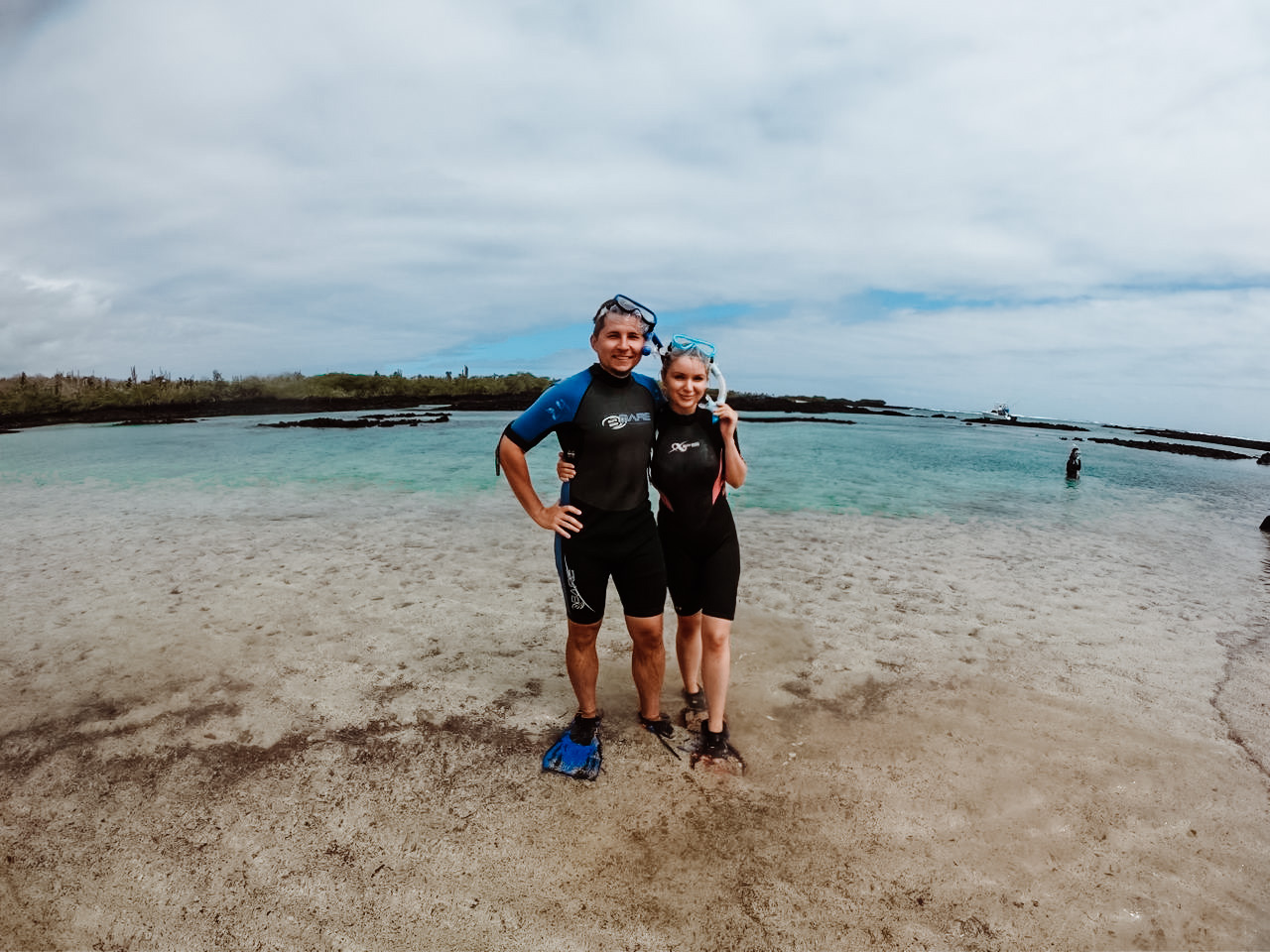
Which Galapagos Cruise Route Has the Best Wildlife?
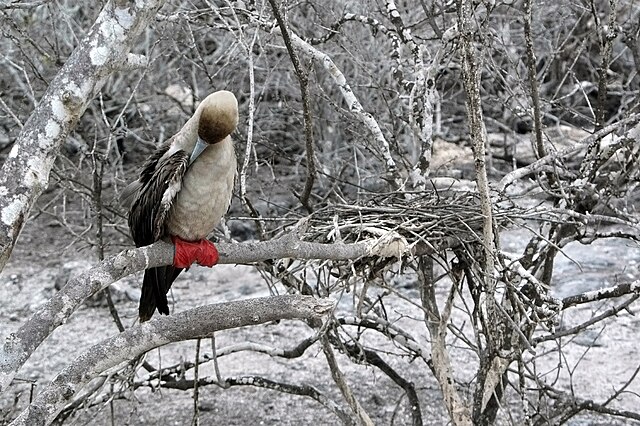
Part of our guide to how long your Galapagos cruise should be. Ready to pick a ship? See the best Galapagos cruises by price, size and class.
Quick Facts: Wildlife by Route
| Route | Circuit-Exclusive Wildlife | Best Snorkeling | Best For |
|---|---|---|---|
| Eastern | Waved albatross (Apr to Dec, Española only), Christmas iguana, Española mockingbird | Devil’s Crown (best reef fish diversity), Kicker Rock (hammerheads in season), Gardner Bay | First-timers; albatross season; families; calmer seas |
| Western | Flightless cormorant (Fernandina and Isabela), Fernandina marine iguana mega-colony, Mola mola (Jun to Nov), whale sightings year-round | Punta Vicente Roca (Mola mola, penguins), Elizabeth Bay (turtles, rays), Punta Espinoza | Returning visitors; photographers; volcanic terrain; endemic species |
| Northern (Genovesa) | Red-footed booby mega-colony (largest on Earth), short-eared owl hunting in daylight, swallow-tailed gull, wedge-rumped storm petrel | Darwin Bay (hammerheads in caldera, rays, sea lions), calm caldera waters | Dedicated birders; seabird specialists; travelers adding to eastern circuit |
| Park Entrance Fee | $200 USD adults / $100 USD children under 12 (cash on arrival, same for all routes) – Prices verified July 10, 2026 |
Why “Best Wildlife” Depends Entirely on Which Species You’re There to See
No single Galapagos cruise route has objectively better wildlife than the others. Each route has species that are exclusive to it and genuinely extraordinary: the albatross can only be seen on the eastern route at Española, the flightless cormorant only on the western route at Fernandina and Isabela, and the red-footed booby mega-colony and daytime-hunting short-eared owl only on the northern route at Genovesa. These aren’t variations in quality. They’re completely different wildlife experiences that happen to share the same archipelago, separated by enough ocean that no single standard one-week cruise can reach all three.
The “best wildlife” question is one we get constantly, and the honest answer requires being direct about what it actually means. If you’re asking which route has the most fearless wildlife, the answer is all of them: the Galapagos endemic species evolved without land predators and have no fear response to humans regardless of which island you’re standing on. If you’re asking which route has the highest raw density of animals visible during a typical landing, experienced guides consistently point to the western circuit and specifically Punta Espinoza on Fernandina, where the marine iguana colony is so large that you have to watch your feet. If you’re asking which route is most famous for its signature moment, Española’s Punta Suarez on the eastern circuit generates the most frequently cited “best day of my life” responses across traveler feedback.
What the question is usually really asking is: which route should I choose? And that question has a specific answer based on your priority species, your travel dates, and your tolerance for rougher sea conditions. The rest of this article gives you the information to answer it for your specific situation. If you want to skip the research and get a direct recommendation based on your dates and interests, fill out this short form and we’ll tell you which route to book.
The Eastern Route: What Wildlife It Delivers and When
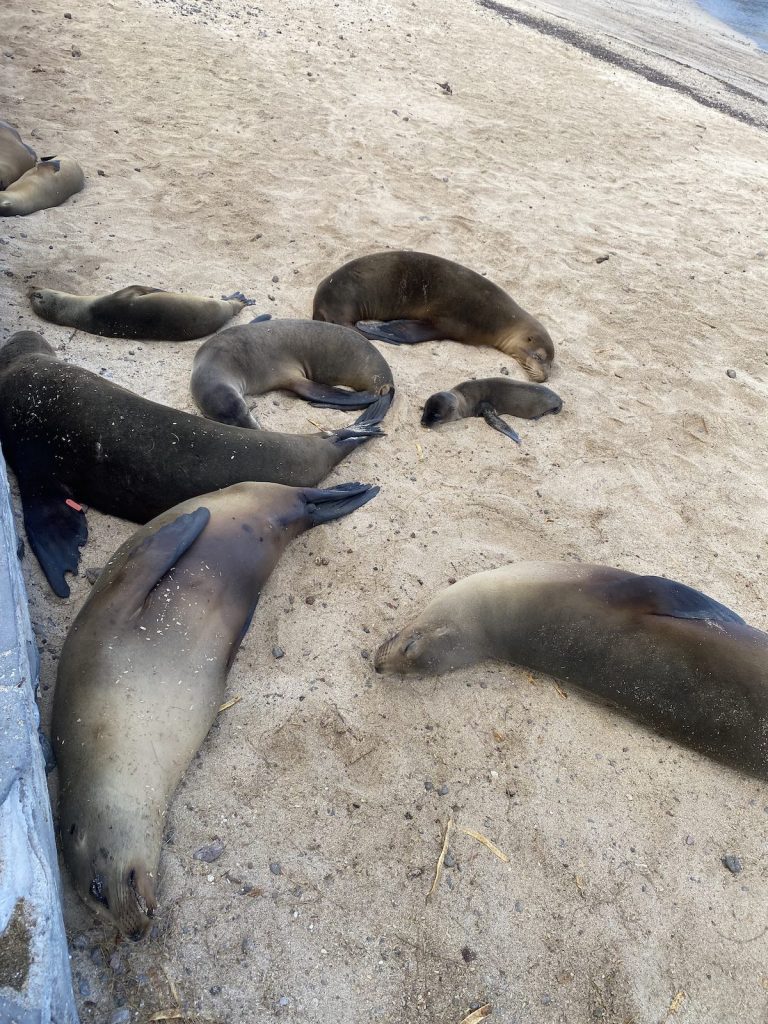
The eastern route, covering Española, Floreana, San Cristobal, Santa Cruz, South Plaza, Santa Fe, and North Seymour, is the most wildlife-dense circuit for travelers visiting between April and December. The defining experience is the waved albatross at Española, which breeds nowhere else on Earth. Beyond the albatross, the eastern route delivers the finest reef snorkeling in the archipelago at Devil’s Crown, the best hammerhead shark encounters in the islands at Kicker Rock, the full gallery of central Galapagos land wildlife, and the richest beach experience in the islands at Gardner Bay. It is the most frequently recommended first Galapagos circuit for a reason: it is comprehensive, accessible, and consistently extraordinary.
The albatross at Española’s Punta Suarez is worth describing specifically because no photograph or written account fully prepares travelers for what they encounter. The global breeding population of waved albatrosses, roughly 25,000 pairs, returns to this one island every April and stays through December. During that window, Punta Suarez is one of the most active wildlife spectacles on Earth: the courtship display involves two birds walking in circles around each other, pointing skyward and clacking bills, in a ritual that takes years for young birds to learn. They do this within meters of the trail. You stand among them. The guide doesn’t need to point the albatross out. You walk into the middle of it.
The same Punta Suarez walk also delivers Christmas iguanas (the most vividly colored marine iguana subspecies, with red and green breeding coloration that makes Española’s look like a different species from the grey iguanas elsewhere), Nazca booby nesting colonies at arm’s reach from the trail, the Española mockingbird (a distinct species that will investigate your boots and laces without invitation), and the blowhole at the cliff’s southern end that sends seawater 20 meters into the air when the swell hits right. Two hours at this site consistently produces more distinct wildlife encounters than most travelers experience in a full day anywhere else.
Gardner Bay in the afternoon adds a different dimension: a long white sand beach with one of the largest sea lion colonies in the eastern circuit, easily 200 animals at low season. These sea lions are not performing for visitors. They’re sleeping, nursing pups, sparring with juveniles, and occasionally deciding a snorkeler looks like interesting company. The difference between watching sea lions from a beach and having one swim directly up to your mask and blow bubbles in your face is the difference between a nature documentary and a Galapagos cruise.
Devil’s Crown off Floreana deserves its own mention because it’s the strongest dedicated snorkeling site on the eastern route and one of the best in the entire archipelago. The partially submerged volcanic crater acts as a natural reef enclosure: the interior walls support exceptional marine fish diversity, white-tip reef sharks rest on the bottom, eagle rays pass through, sea turtles graze, and the topography is varied enough that each pass through produces something different. Kicker Rock off San Cristobal adds hammerhead sharks in season (peak July through October), which move through in schools during the cool current months in a way that turns the snorkel session into something genuinely different from anything else in the islands.
The one seasonal limitation of the eastern route is absolute and worth stating plainly: the waved albatross leaves Española in January and doesn’t return until April. A January through March eastern route booking produces an excellent cruise across every site. Española itself is still worth visiting for everything else at Punta Suarez. But the albatross will not be there, and it is the reason most travelers choose this route in the first place.
Not sure what makes the eastern route worth considering over the more popular western loop? This breakdown on the Galapagos eastern islands itinerary covers the key sites, the wildlife, and who this route is actually built for.
The Western Route: What Wildlife It Delivers and When
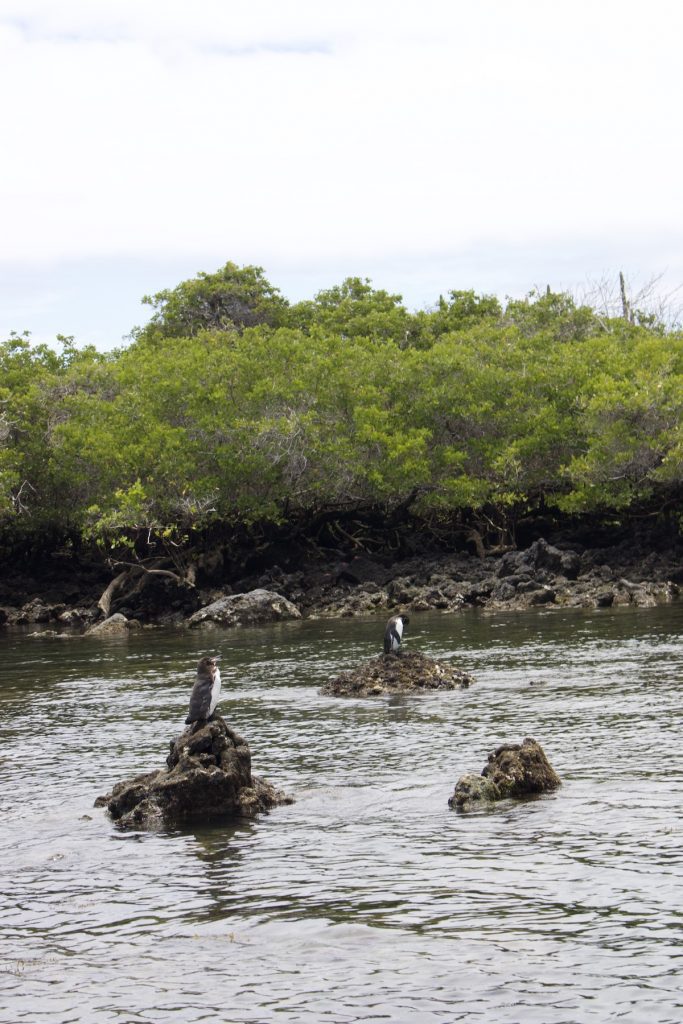
The western route, covering Fernandina, Isabela (across multiple separate landing sites), Santiago, Bartolome, and Rabida, is the circuit with the highest wildlife density per landing in the archipelago. The defining experiences are Punta Espinoza on Fernandina, where the world’s entire flightless cormorant population nests alongside the largest marine iguana colony in the islands, and Punta Vicente Roca on Isabela’s northwestern tip, where Mola mola ocean sunfish drift past the cliffs from June through November while Galapagos penguins fish the cold upwelling. The western islands are younger, more volcanically active, bathed in cold nutrient-rich water, and completely off-limits to day-trip visitors from the inhabited islands. You can only reach them on a cruise.
Punta Espinoza on Fernandina is the site that experienced Galapagos guides point to when asked where the highest wildlife density in the archipelago is. The marine iguana colony here numbers in the thousands: they pile on the lava in a density that makes other marine iguana landings look sparse. Galapagos penguins fish the cold water just offshore, sometimes visible from the landing site. Flightless cormorants nest on the rocks, drying those vestigial wing stubs in the posture their ancestors used for flight before millions of years of island evolution removed the need for it. Sea lions haul themselves over the iguana colony with no concern for the iguanas and no concern for you. Galapagos hawks patrol the edge of the lava field. All of this is visible from a single two-hour guided walk, and Fernandina is the island in the entire archipelago with zero established invasive species, meaning everything you see there exists in the most pristine ecological context available on any Galapagos landing.
Punta Vicente Roca is a different kind of western site: no land access, panga-only, 200-meter volcanic cliffs with nesting Nazca boobies and brown noddies in every crack, and below the surface the cold Cromwell Current upwelling that brings the marine life density that defines the western islands. Mola mola ocean sunfish arrive here from June through November. These animals, the heaviest bony fish in the ocean and among the most peculiar-looking creatures on Earth, drift vertically near the surface and allow the panga to approach within meters. Galapagos penguins dive through the same water column, along with sea turtles, fur seals, and at times flightless cormorants swimming underwater alongside the snorkelers. It is one of the most species-dense single marine encounters available on any standard cruise.
The western route’s one honest planning consideration: the Bolivar Channel between Isabela and Fernandina can produce significant swell, particularly from August through October when the cool season currents are strongest. For motion-sensitive travelers booking those months, a catamaran hull is not optional. The crossing is manageable and the destination is worth it, but going in with accurate expectations about conditions is better than being surprised at 2am during an overnight passage.
The western islands are where the Galapagos gets serious about wildlife. Here’s a full guide to the Galapagos western islands itinerary so you know exactly what you’re signing up for before you book.
The Northern Route: What Genovesa Adds That Neither Circuit Offers
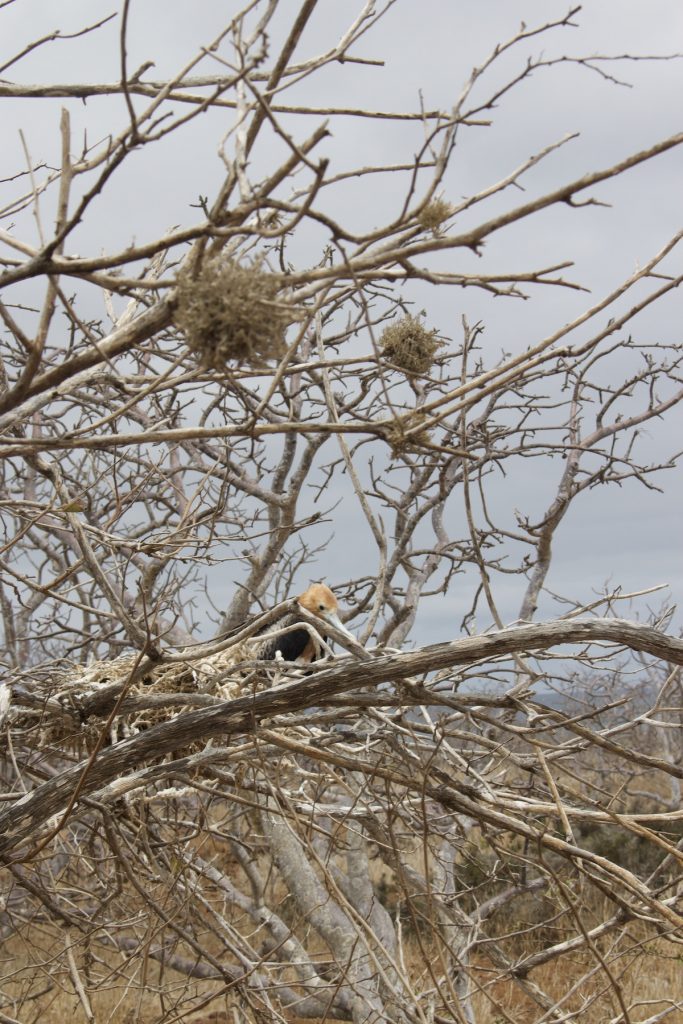
The northern route, centered on Genovesa Island in the far northeast of the archipelago, is the dedicated seabird circuit. It is accessible only by cruise, requires an overnight crossing to reach, and delivers experiences that are genuinely unavailable anywhere else in the islands. The red-footed booby colony on Genovesa is the largest on Earth, with an estimated 200,000 birds. Short-eared owls hunt wedge-rumped storm petrels in broad daylight on the plateau above Prince Philip’s Steps. Swallow-tailed gulls, the only nocturnal gull species in the world, nest at the cliff edge. Darwin Bay’s caldera waters produce some of the most protected and accessible snorkeling in the islands, including hammerhead sharks visible in the deeper sections. This is the route for travelers who want birds above everything else.
The Genovesa experience is often described as overwhelming by first-time visitors, and the description is accurate in the most positive sense. At Darwin Bay, the number of birds in simultaneous activity around the trail is difficult to process: great frigatebirds displaying red pouches from the Palo Santo shrubs, red-footed boobies nesting in the same trees, Nazca boobies on the ground, lava gulls, yellow-crowned night herons, and swallow-tailed gulls on the rocks, mockingbirds investigating any stationary object, all of this within arm’s reach of the trail without any of them showing the slightest interest in moving to accommodate the visiting humans.
Prince Philip’s Steps (El Barranco) adds a vertical dimension: the steep stone stairway cut directly into the cliff wall leads up through more Nazca and red-footed booby colonies to a broad lava plateau where wedge-rumped storm petrels swarm in the hundreds and the short-eared owl, camouflaged almost perfectly against the dark lava, waits at the burrow entrances. Watching an owl take a storm petrel is one of the Galapagos moments that experienced naturalist guides describe as something they never tire of showing visitors despite having done it hundreds of times. It requires patience, a sharp eye, and being in the right place, all of which the guide provides.
Genovesa is not on every Galapagos itinerary. It requires an overnight crossing that adds sailing time, which is why it typically appears only on 8-day itineraries specifically designed to include the northern extension, or on 11 and 15-day itineraries. If Genovesa is a specific priority, confirm that the vessel’s schedule for your departure date actually includes it before booking. Not every operator routes the same way on every departure.
The hammerhead aggregations here are unlike anything else in the archipelago. Here’s a guide to the Galapagos northern islands itinerary so you know what you’re getting into and whether it matches your experience level.
Head-to-Head Wildlife Comparison: Eastern vs Western vs Northern
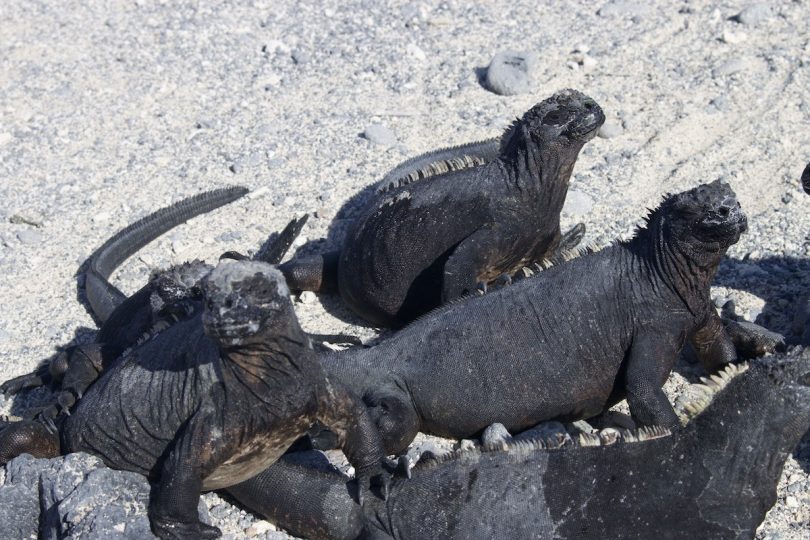
The three routes don’t compete on the same wildlife dimension. The eastern route is strongest for iconic beach-based wildlife encounters and the albatross. The western route is strongest for raw wildlife density, endemic species exclusive to Fernandina and Isabela, and the most dramatic marine encounters in the archipelago. The northern route is strongest for seabird variety and concentration, specifically at Genovesa. Species that appear across all three routes include sea lions, marine iguanas, blue-footed boobies, Nazca boobies, Darwin’s finches, frigatebirds, sea turtles, and giant tortoises. The circuit-exclusive species are the reason to choose one route over another.
| Species | Eastern | Western | Northern (Genovesa) |
|---|---|---|---|
| Waved albatross | Yes (Apr to Dec, Española) | No | No |
| Flightless cormorant | No | Yes (Fernandina and Isabela) | No |
| Red-footed booby (mega-colony) | Occasional | Occasional | Yes (Genovesa, largest colony on Earth) |
| Short-eared owl (daytime hunting) | No | No | Yes (Genovesa, Prince Philip’s Steps) |
| Marine iguana mega-colony | Smaller colonies | Yes (Fernandina, largest in archipelago) | Small colony only |
| Mola mola (ocean sunfish) | No | Yes (Jun to Nov, Punta Vicente Roca) | No |
| Galapagos penguin (reliable) | Possible at Bartolome | Yes (Isabela and Fernandina year-round) | No |
| Hammerhead sharks | Yes (Jun to Oct, Kicker Rock) | Occasional in Bolivar Channel | Yes (Darwin Bay caldera snorkeling) |
| Whale sightings | Occasional | Yes (Bolivar Channel, Jun to Nov) | Occasional |
| Swallow-tailed gull | Occasional | Occasional | Yes (Genovesa, breeding colony) |
| Giant tortoises in the wild | Yes (Santa Cruz highlands) | Yes (Isabela slopes, Santa Cruz) | Not at Genovesa; on Santa Cruz portion |
| Galapagos fur seals | Occasional | Yes (Puerto Egas, Santiago) | Small colony at Genovesa |
The shared species are worth stating clearly because they reassure travelers that choosing any route doesn’t mean missing the Galapagos. Sea lions at virtually every landing, marine iguanas on every coastal site, blue-footed boobies and Nazca boobies at multiple islands, Darwin’s finches, frigatebirds, sea turtles during snorkeling, and giant tortoises on Santa Cruz appear across all three routes. You are not choosing between a complete experience and a lesser one. You are choosing which extraordinary signature experience to prioritize.
Not sure what separates itinerary A from itinerary B or which one gives you better wildlife encounters? This breakdown on Galapagos cruise itinerary A vs B covers the key differences in islands, landings, and overall experience.
Which Route Has the Best Snorkeling and Marine Wildlife?
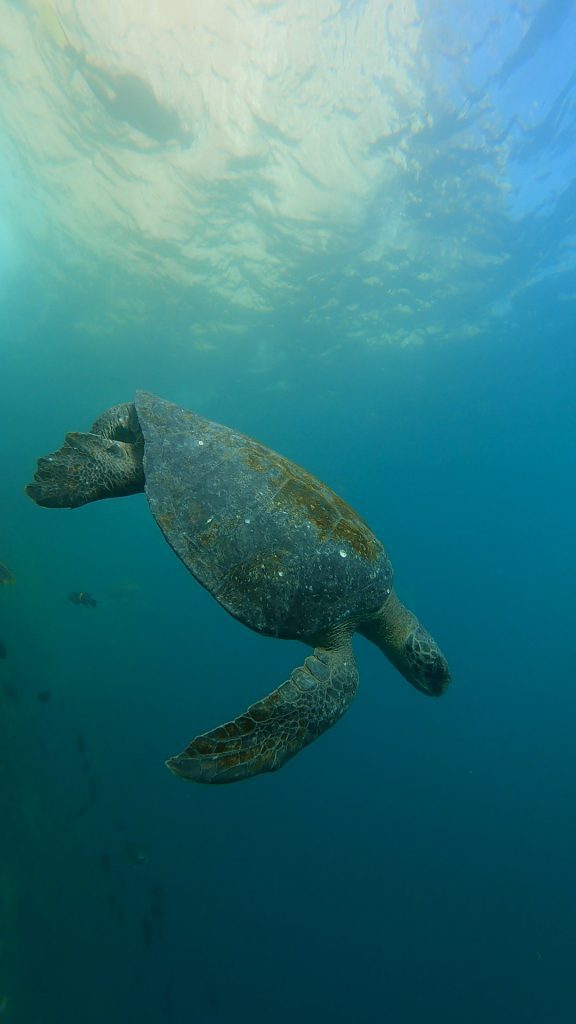
The western route has the most diverse marine wildlife profile overall, driven by the cold Cromwell Current upwelling that brings the nutrient density supporting Mola mola, penguins, and dense fish populations at sites like Punta Vicente Roca and Elizabeth Bay. The eastern route has the most famous dedicated snorkeling sites in the archipelago, with Devil’s Crown offering the best reef fish diversity and Kicker Rock offering the best seasonal hammerhead encounters. Genovesa’s Darwin Bay caldera is the most protected and accessible snorkeling environment for travelers who aren’t confident in open-water conditions, with good marine life variety including hammerheads in the deeper sections of the caldera.
The Punta Vicente Roca snorkeling session on the western route stands out in the marine wildlife conversation because it delivers things that don’t appear on any other standard cruise site. The Mola mola, the heaviest bony fish in the ocean, drifts vertically near the surface in the cold upwelling from June through November. These animals reach two meters in length and weigh up to 1,000 kilograms. They’re not fast. They don’t flee. The panga brings you alongside and you slide into the water next to an animal that looks like someone stretched a large fish into a circle and removed the tail. Galapagos penguins hunt through the same water column simultaneously. This combination of Mola mola, penguin, sea turtle, and cliff-nesting seabird visible from a single panga position is something that doesn’t exist anywhere else.
Devil’s Crown off Floreana is the eastern route’s snorkeling answer. The partially submerged volcanic crater creates a protected enclosure with current running through the gap, concentrating fish on either side. The interior supports extraordinary reef fish variety: eagle rays, white-tip reef sharks resting on the sandy bottom, schools of fish in every direction, and wall habitat along the crater rim that changes character as you circle it. Experienced snorkelers consistently rate Devil’s Crown among the top two or three marine experiences in the entire Galapagos.
Genovesa’s Darwin Bay caldera offers something different: calm, protected water within the horseshoe of the collapsed volcano walls. This is one of the most accessible snorkel sites in the archipelago for nervous or less experienced snorkelers because the circular geography blocks current and the water clarity is excellent. Hammerhead sharks patrol the deeper sections of the caldera interior in numbers that match or exceed what Kicker Rock offers seasonally, though the seasonal timing differs slightly. Manta rays, sea turtles, and a wide variety of tropical fish round out the Darwin Bay underwater experience.
If you’re choosing a route specifically for snorkeling and marine wildlife, we can match the best sites to your experience level and the species you most want to see. Get in touch here and we’ll give you a direct recommendation.
The difference between a good snorkeling cruise and a great one in the Galapagos comes down to which islands you visit. Here’s the best Galapagos itinerary for snorkeling so you pick the route with the right stops.
What Travelers Say About Each Route: Our Feedback Data
| Factor | Eastern | Western | Northern (Genovesa) |
|---|---|---|---|
| Strongest single memory named from this route | 82% named Española (Punta Suarez) | 74% named Fernandina (Punta Espinoza) | 87% named Genovesa (Prince Philip’s Steps or Darwin Bay) |
| Described the wildlife as exceeding expectations | 91% | 94% | 93% |
| Would return to do a different route | 74% | 68% | 71% |
| Found sea conditions comfortable throughout | 93% | 79% (lower Aug to Oct single-hull) | 88% |
| Said Genovesa specifically justified the extra sailing time to reach it | N/A | N/A | 96% |
The 94% “exceeded expectations” figure for the western route, compared to 91% for the eastern and 93% for the northern, reflects the consistent pattern we see in traveler feedback: the western route tends to surprise travelers most. Many arrive expecting the albatross to be the headline Galapagos experience and discover that the flightless cormorant at Punta Espinoza, a bird few travelers knew much about before the trip, produces a stronger reaction. The 96% figure for Genovesa justifying the extra sailing time is the highest single-site satisfaction number in our feedback data across all routes and lengths.
Which Galapagos Route Should You Choose for Your Wildlife Priorities?
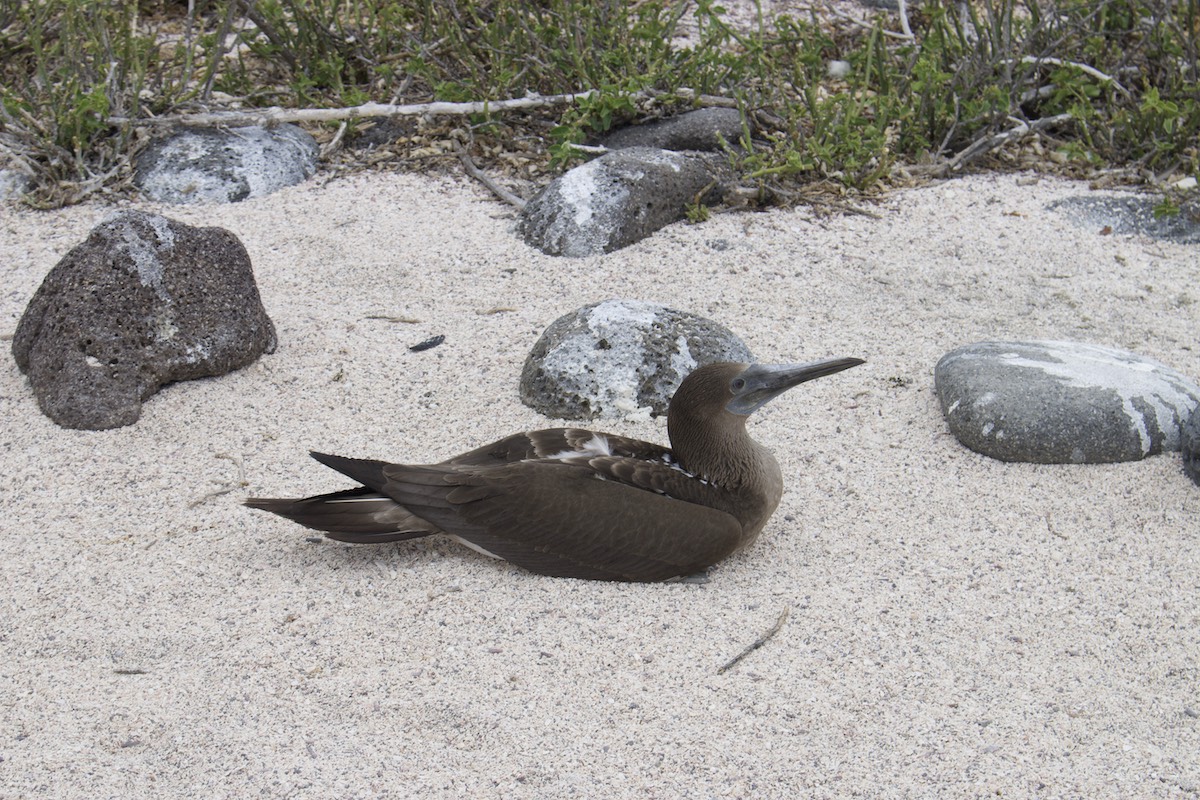
Book the eastern route if: the waved albatross is on your list (April to December only), it’s your first Galapagos cruise, your group includes motion-sensitive travelers or children, or you specifically want the finest reef snorkeling sites in the archipelago at Devil’s Crown and Kicker Rock. Book the western route if: you want the flightless cormorant and the highest wildlife density per landing in the archipelago, you’ve already done the eastern circuit, or you’re traveling June through November and want Mola mola and whale sightings in the Bolivar Channel. Book a Genovesa-inclusive itinerary if: you’re a dedicated birder or seabird enthusiast, or you’re extending a standard eastern circuit with an extra day or two. Two out of three isn’t possible on a standard one-week cruise. All three requires 11 days or more.
The most common planning conversation we have goes like this: a traveler has one week, both the albatross and the cormorant are on the list, and they want to know which one to prioritize. The honest answer is whichever they’d regret missing more. The albatross seasonal window (April to December) is the more constraining variable: if you’re traveling in that window, the eastern route delivers something that will simply not be there on a January booking. The flightless cormorant is at Fernandina year-round with no seasonal restriction. If your dates give you both options, the albatross window is usually the tiebreaker toward the eastern route for a first Galapagos trip.
For returning visitors who’ve already done one circuit, the decision is easier: book the other one. The eastern and western circuits are designed to be complementary. The wildlife doesn’t overlap in any meaningful way at the level of the circuit-exclusive species. Traveling the circuit you haven’t done yet delivers a genuinely different week, not a repetitive one.
For travelers specifically motivated by wildlife photography, the western route’s consistent recommendation from photographers relates to the combination of raw wildlife density at Fernandina, the distinctive lava-field compositions, the Mola mola light in the cold water at Punta Vicente Roca, and the whale behavior in the Bolivar Channel. The eastern route gives you the albatross in flight and courtship, the Christmas iguana coloration, and the Gardner Bay sea lion beach. Both are strong for photography. The western route gets more consistent mentions from professional wildlife photographers as the more technically challenging and more rewarding circuit.
Still trying to figure out which itinerary gives you the broadest Galapagos experience before you commit? This guide on which Galapagos itinerary visits the most islands gives you a clear answer based on route, length, and what each island actually contributes.
Frequently Asked Questions
Which Galapagos cruise route is best for first-time visitors?
The eastern route for most first-timers. It’s calmer, delivers the waved albatross on Española between April and December, has the finest reef snorkeling at Devil’s Crown and Kicker Rock, and covers the iconic central Galapagos wildlife that defines the destination for most travelers. About 70% of first-time visitors choose the eastern or equivalent southern and central circuit.
Can I see the waved albatross on the western route?
No. The waved albatross breeds exclusively on Española, which is on the eastern route. The western route does not include Española. If the albatross is a priority, book the eastern route between April and December.
Can I see the flightless cormorant on the eastern route?
No. The flightless cormorant exists only on Isabela and Fernandina, both western route islands. It does not appear on any standard eastern route itinerary.
Which route has better snorkeling?
Both routes offer excellent snorkeling with different character. The eastern route has Devil’s Crown (best reef fish diversity in the archipelago) and Kicker Rock (hammerheads, June through October). The western route has Punta Vicente Roca (Mola mola, June through November; penguins year-round) and Elizabeth Bay (sea turtles, rays, calm mangrove water). Genovesa’s Darwin Bay caldera is the most protected snorkeling environment in the archipelago, good for all experience levels and with hammerhead sightings in the deeper sections.
Is the western Galapagos route harder physically?
Somewhat. The Bolivar Channel between Isabela and Fernandina can produce significant swell, particularly from August through October. The lava terrain at Punta Espinoza requires ankle-support footwear and careful footing. The overall excursion difficulty is similar to the eastern route, but the sea conditions on crossings are rougher. If anyone in your group has significant motion sensitivity, choose a catamaran hull for the western route and consider May or November for calmer crossing conditions.
Which route do wildlife photographers prefer?
The western route gets more consistent mentions from professional wildlife photographers for its combination of wildlife density at Fernandina, dramatic lava-field compositions, Mola mola light at Punta Vicente Roca, and whale behavior in the Bolivar Channel. The eastern route delivers the albatross in courtship display and the Christmas iguana coloration on Española, both of which are photographic subjects unavailable anywhere else. Both are excellent. The western route is the more technically demanding and tends to produce more distinctive images.
Can I do all three routes in one trip?
Not in a standard one-week format. An 8-day cruise covers one complete circuit. Combining eastern and western requires at least 11 days. Adding Genovesa to either circuit meaningfully as a full day visit requires similar extensions. All three regions done properly in a single continuous voyage requires a 15-day circumnavigation.
The route decision is the most consequential single choice in Galapagos cruise planning. Get it right and you spend a week encountering animals that exist nowhere else on Earth in the exact context that makes them extraordinary. The albatross courtship at Punta Suarez. The cormorant drying its vestigial wings at Punta Espinoza. The red-footed booby colony filling the trees at Darwin Bay on Genovesa. None of these is better than the others. They’re different worlds within the same archipelago, and the one you choose should be the one where your specific priority animals live. We’ve been to all three and we help travelers work through this decision every day. Get in touch here and we’ll tell you which route to book for your dates and interests.
Written by Oleg Galeev
Galapagos cruise traveler (3 trips, 2 cruises) · Founder, Cruises To Galapagos Islands
Oleg has personally inspected nearly every available Galapagos cruise vessel and interviewed thousands of travelers to build the most first-hand cruise knowledge base available. He also runs the Ecuador travel blog mytrip2ecuador.com and the YouTube channel My Trip to Somewhere.
Cruises To Galapagos Islands is rated 4.9 stars on Google and TripAdvisor.
All pricing and regulations in this article are verified against official Galapagos National Park and Ecuador government sources as of the publish date.