
TL;DR
Tipping is expected on Galapagos cruises and is a meaningful part of crew and guide income. The standard structure uses two separate tips: one for the naturalist guide ($10 to $20 per person per day) and one for the crew pool covering everyone else on the vessel ($10 to $20 per person per day). On an 8-day cruise, budget $150 to $320 per person total for both envelopes. Tips are almost always given in USD cash at the end of the voyage. The captain is typically included in the crew pool unless your operator specifies otherwise. Bring small-denomination USD bills from the mainland – $20s, $10s, and $5s – since the islands have limited ATM access and the crew prefers cash over card.
| Cruise Length | Guide Tip (per person) | Crew Tip (per person) | Total Per Person |
|---|---|---|---|
| 4 days | $40 to $80 | $40 to $80 | $80 to $160 |
| 5 days | $50 to $100 | $50 to $100 | $100 to $200 |
| 7 to 8 days | $70 to $160 | $70 to $160 | $140 to $320 |
| 10 to 11 days | $100 to $220 | $100 to $220 | $200 to $440 |
| 14 to 15 days | $140 to $300 | $140 to $300 | $280 to $600 |
Based on the standard rate of $10 to $20 per person per day for each envelope. Luxury class: use the higher end or above. Budget class: lower end is acceptable. All figures in USD.
Do You Need to Tip on a Galapagos Cruise?
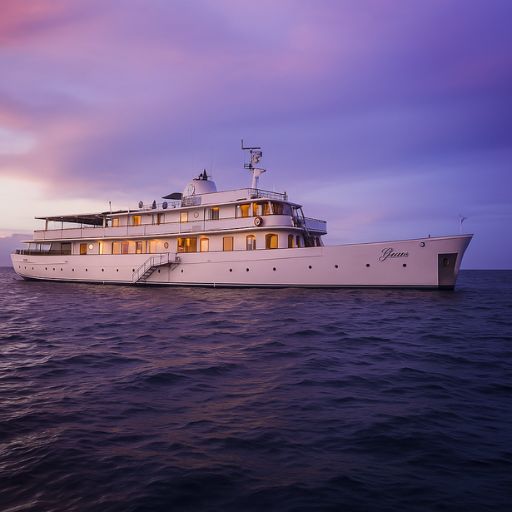
Yes. Tipping is expected on Galapagos cruises and is a genuine and significant part of what crew members and naturalist guides earn. It is not mandatory in a legal sense, but it is a firmly established norm understood by every traveler, guide, and crew member in the Galapagos cruise industry. Not tipping, or tipping far below the standard range, is noticed and has real financial impact on the people who made your trip work. Tips should reflect quality of service, and on a well-run cruise the quality is usually high enough to justify the full range.
Ecuador uses the US dollar as its official currency, which simplifies the tipping calculation for North American travelers. The minimum wage in Ecuador is roughly $415 per month, and the cost of living in Ecuador averages around $2,000 per month in urban areas. For crew members who receive even a modest daily tip from each passenger over the course of a full season, the income supplement is meaningful. For naturalist guides who have invested years in university-level biology training and demanding National Park certification exams, the tip is recognition of specialized expertise as well as service.
A common concern among first-time cruisers from countries with less developed tipping cultures – particularly Australia, New Zealand, and parts of Europe – is whether tipping norms from home apply here. They don’t. Galapagos cruises operate within a service economy that is structured around the expectation of gratuities. The crew is working 14-hour days in a remote location, away from their families, for the duration of the cruise season. The tip isn’t a bonus on top of a comfortable salary. It’s a meaningful supplement to a base wage that reflects Ecuador’s cost of labor rather than the global value of the service being delivered.
If you’re still deciding which cruise to book and want to understand the full cost picture including tipping, reach out here and we’ll walk you through realistic total budgets for each cruise class and length.
How Much Should You Tip the Crew on a Galapagos Cruise?
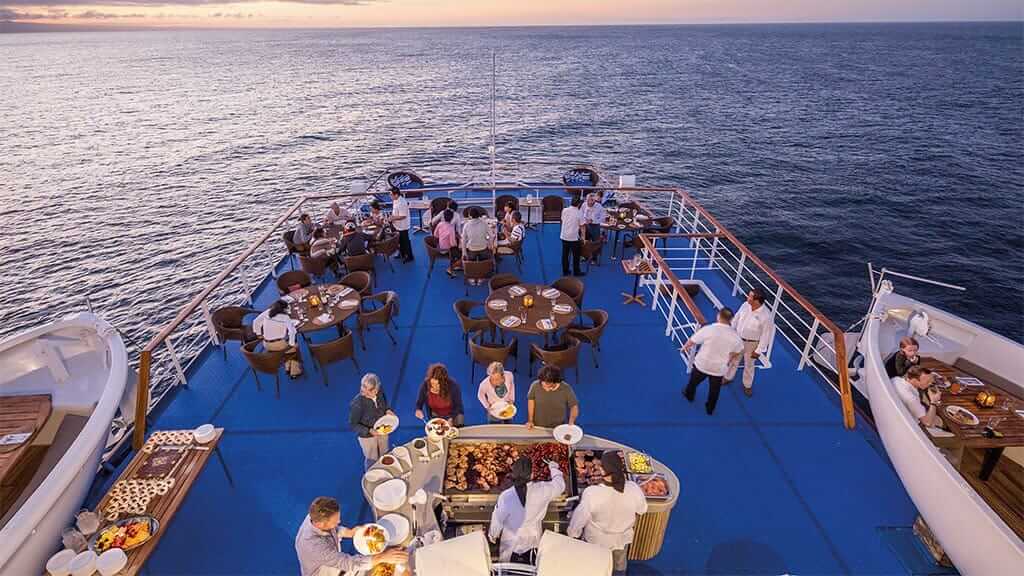
The standard crew tip is $10 to $20 per person per day, placed in a single envelope that is collected and divided among all crew members other than the guide. On an 8-day cruise at the midpoint of this range ($15 per person per day), the crew envelope contains $120 per traveler. For a couple traveling together, that’s $240 in the crew envelope. Luxury class cruises typically suggest or expect the higher end of this range or above. Budget class travelers may tip toward the lower end. The crew pool covers the captain, chef, cabin stewards, zodiac drivers, and all support staff.
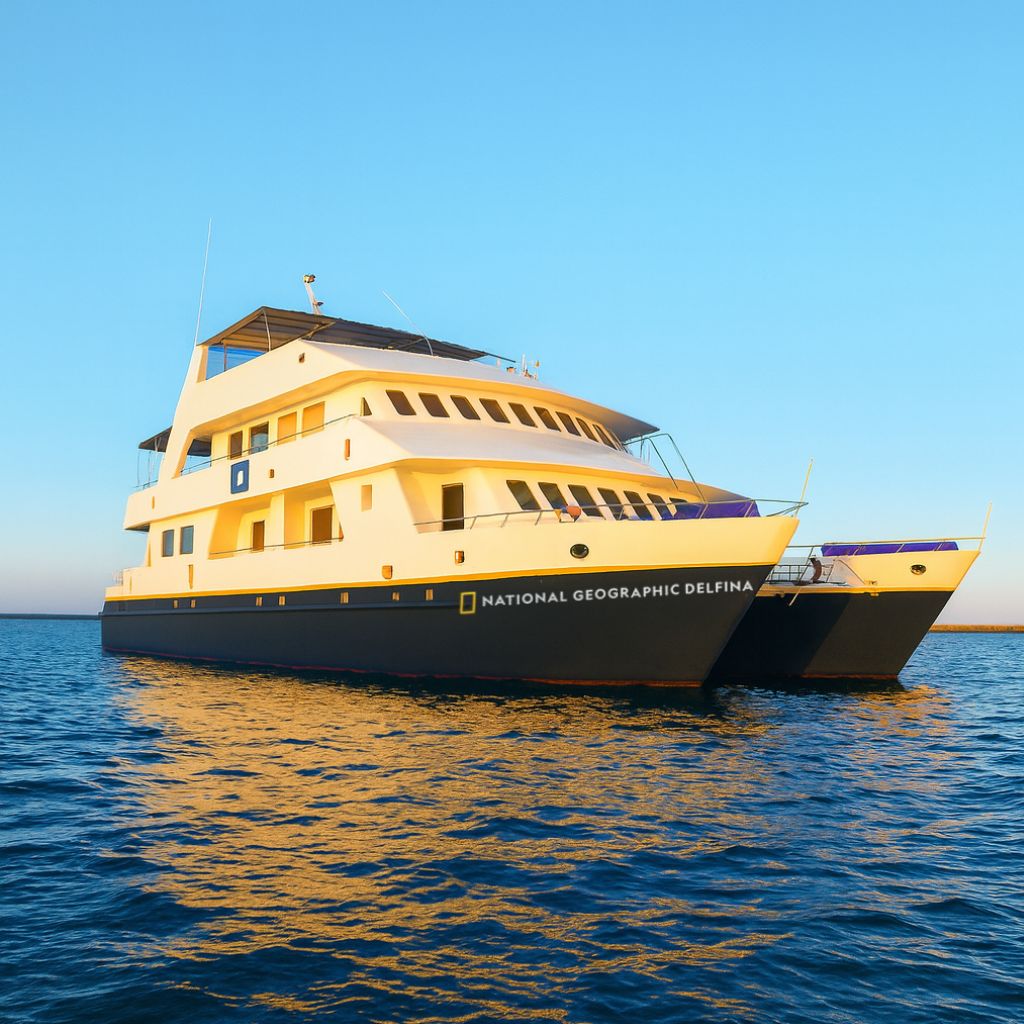
The crew of a typical Galapagos vessel is larger than most passengers realize when they board. A 16-passenger catamaran might have a captain, first mate, engineer, two zodiac drivers, a chef, an assistant chef, two cabin stewards, and a bartender – roughly 9 to 11 people whose work combines to make the cruise function. The naturalist guide is typically separate. The tip that goes into the crew envelope is divided among all of these people, which means the per-person share of the pool is modest. A crew tip of $120 from each passenger across a 16-passenger vessel generates a pool of $1,920 for an 8-day cruise, divided among perhaps 10 crew members – roughly $192 each. That’s a meaningful supplement but not extravagant, which is why consistent tipping matters more than occasional exceptional tipping from one or two passengers.
The individuals who benefit most visibly from tips – the zodiac driver who landed every excursion cleanly, the cabin steward who turned down the beds and refreshed the towels twice a day, the chef who produced three excellent meals daily in a tiny galley – often work invisibly enough that travelers don’t think to acknowledge them specifically. The pooled envelope system exists precisely to ensure these contributions are recognized even when passengers interact with them less directly than with the guide.
Trying to figure out whether a budget cruise delivers enough or whether the premium options are worth the significant price jump? Check out our how much does a Galapagos cruise cost guide before you commit to anything.
| Financial Indicator / Metric | Single Traveler Ledger | Couple Traveler Ledger | 16-Passenger Ship Pool (Total) |
| Daily Crew Tip (Suggested Midpoint) | $15 | $30 | $240 total pooled per day |
| Total Tip for 8-Day Cruise | $120 | $240 | $1,920 total communal pool |
| Estimated Onboard Crew Manifest | Not Applicable | Not Applicable | 10 staff members (Captain, engineer, chefs, cabin stewards, panga drivers, bartender) |
| Estimated Net Payout Per Crew Member | Not Applicable | Not Applicable | ~$192 per crew member, per 8-day rotation |
How Much Should You Tip the Naturalist Guide Separately?
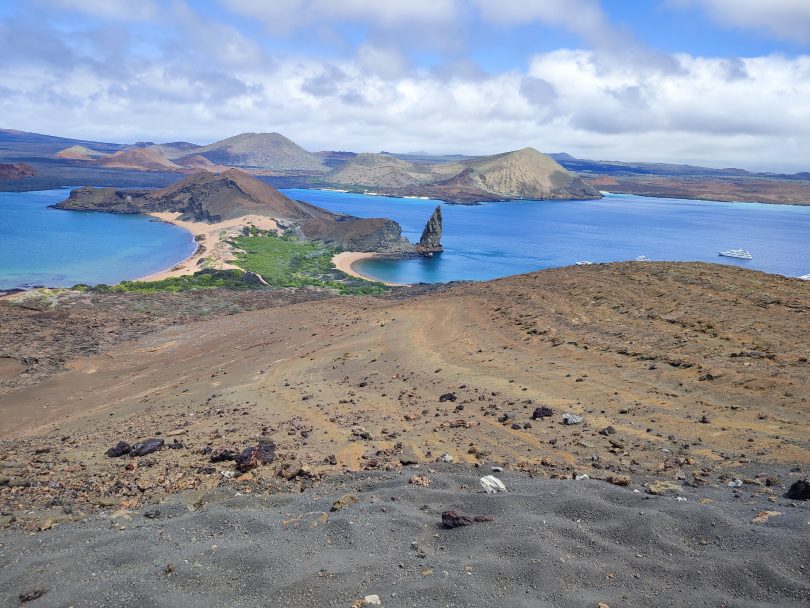
The naturalist guide receives a separate tip envelope from the crew, and the standard range is also $10 to $20 per person per day. On an 8-day cruise this produces a guide tip of $80 to $160 per passenger. The guide tip is separate from the crew envelope because the guide’s role – university-trained naturalist, certified by the Galapagos National Park, primary interpreter of everything passengers experience on shore and underwater – is distinct from operational crew work, and many guides are contracted independently rather than employed directly by the vessel operator.
The guide tip is the one that travelers most often underestimate relative to what it represents. A Level III Galapagos naturalist guide has completed a university degree in biology or ecology, passed demanding National Park certification exams, and typically accumulated years of experience on these specific islands. They work from the first morning briefing through the last evening lecture, covering an enormous range of evolutionary biology, geology, marine ecology, and conservation science in real time, in English (and sometimes additional languages), while managing group dynamics, ensuring National Park compliance, and watching for wildlife opportunities that justify an unscheduled stop. The $10 to $20 per day range reflects that scope of expertise.
On some voyages, two guides share a single vessel – one assigned to each excursion group when the passenger count requires splitting. In these cases, the standard practice is to tip each guide separately at the same per-day rate, or to leave a single guide envelope that the guides split between themselves. Ask your cruise director or fellow passengers about the specific arrangement on your vessel before the final night, so the distribution makes sense.
If you’d like to know in advance which vessels have particularly well-regarded guides – Level III naturalists with strong English and years of specific island experience – ask us directly here. Guide quality is the single biggest variable in cruise experience across all price points.
First time booking a Galapagos cruise and worried about being blindsided by costs you didn’t plan for? Here’s our what is not included in a Galapagos cruise guide so you build a realistic total budget from the start.
Do You Tip the Captain on a Galapagos Cruise?
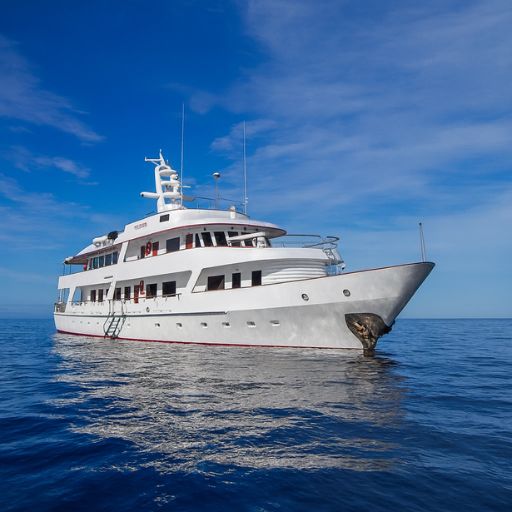
The captain is almost always included in the crew pool rather than tipped separately. On a Galapagos expedition vessel, the captain is responsible for safe navigation of remote Galapagos waters on overnight passages, compliance with National Park permit schedules, and the overall safe operation of the vessel and everyone aboard. They are senior crew and well-compensated relative to other crew members. Standard practice is to include the captain in the crew envelope rather than tip them individually, unless a specific and exceptional situation warrants a personal addition.
The question of whether to tip the captain separately comes up often in forum discussions and almost always reflects a misunderstanding of how tip pooling works on small expedition vessels. Unlike large mainstream cruise ships where the captain is a senior corporate employee well-insulated from gratuity economics, a Galapagos vessel captain is part of a small team that collectively delivers the experience. The crew envelope that passengers hand to the head of crew or the captain is distributed across the entire team including the captain.
The one scenario where a personal captain tip makes sense is on a small private charter where the captain is also the owner, and there is no crew pool system because the vessel has two or three people aboard. In that context, what would otherwise go into a crew envelope goes directly and personally to the captain-owner. For standard naturalist cruises with a separate guide and a full crew, the pooled system handles the captain’s recognition without a separate envelope.
Not sure what you’re actually getting for the price before you commit to one of the most expensive trips you’ll ever book? Here’s our what is actually included in a Galapagos cruise price guide so there are no costly surprises.
How Is the Tip Usually Collected and Distributed?
Most Galapagos cruise vessels leave two envelopes in each passenger cabin on the final evening – one labeled for the guide and one for the crew. Passengers fill them with cash, seal them, and deposit them in a collection box at reception, hand them to the captain or cruise director, or present them directly at a final gathering. The crew envelope is distributed equally among all crew members. The guide envelope goes entirely to the naturalist guide. The system is designed to make the transaction discreet, removing the awkwardness of cash changing hands individually with each person.
The two-envelope approach is the most common structure, but some vessels handle it differently. On larger first-class and luxury boats, a single tipping box may be centrally placed in the salon with a note explaining distribution. Some operators include a suggested tipping rate in the welcome packet or pre-departure documentation. Others leave it entirely to passenger discretion without any guidance. If your vessel doesn’t provide envelopes or explicit guidance, bring your own envelopes from home and ask the cruise director on the penultimate day how the collection and distribution works on this specific vessel.
Passengers sometimes coordinate their tips, particularly on small boats where a natural rapport develops among the group over the course of the voyage. A group discussion on the final evening about what feels appropriate, and occasionally a pooled contribution from the whole group rather than individual envelopes – happens regularly on smaller vessels. This approach works when the whole group agrees and the logistics are clear. It doesn’t work when agreement is difficult to reach or when some passengers want to tip more or less than the consensus amount.
What Currency and Form Should Tips Be In?
USD cash is the overwhelmingly preferred form for Galapagos cruise tips. Ecuador uses the US dollar as its official currency, making USD cash immediately usable without currency conversion. Some vessels on larger or luxury-class boats allow tips to be charged to a credit card and added to the onboard account, but internet connectivity on remote Galapagos anchorages is often too unreliable to guarantee card processing. Cash avoids this problem entirely and puts money directly in the hands of the people being thanked on the day you leave.
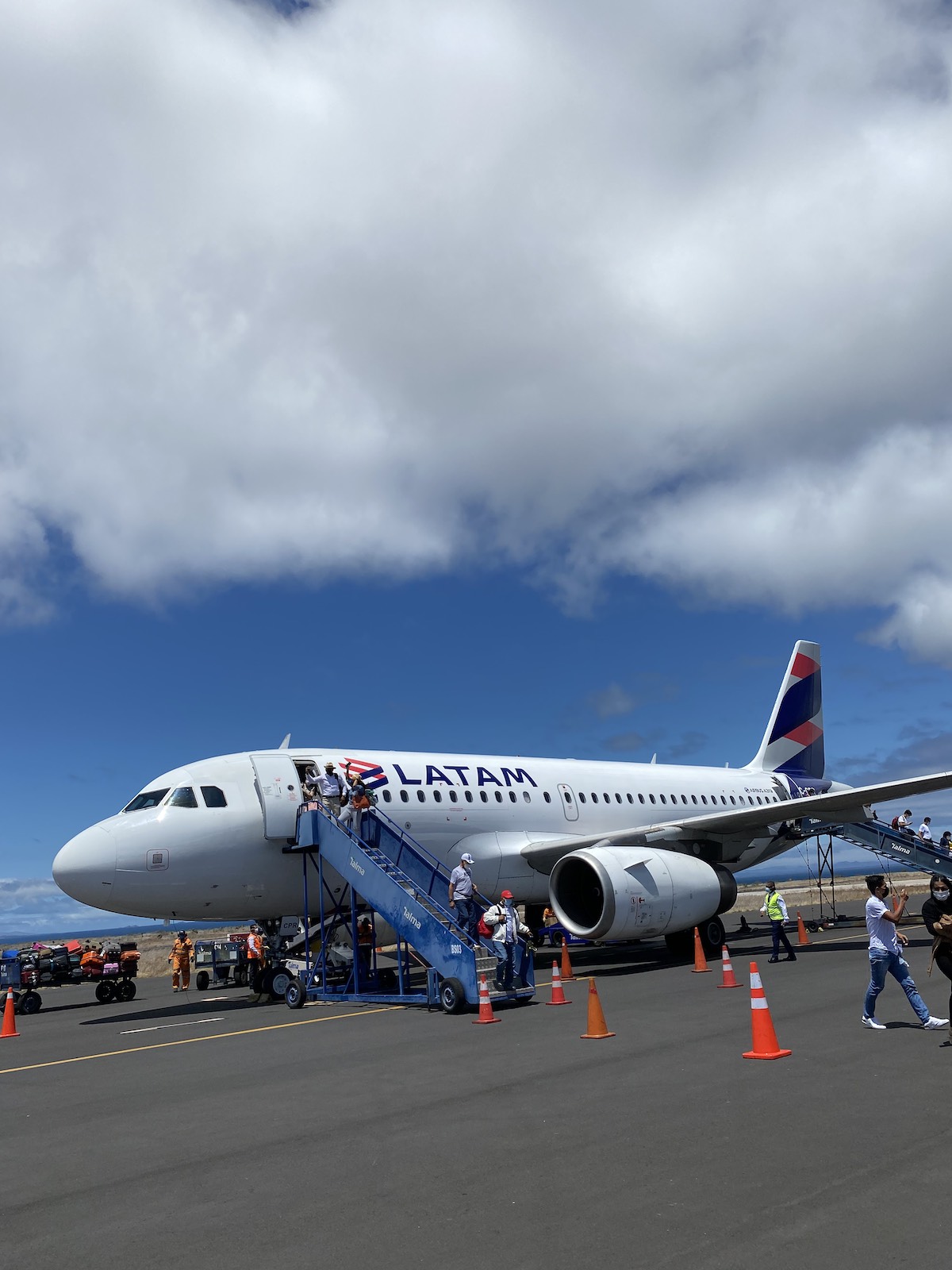
The practical implication is to plan your cash before the cruise, not after arriving on the islands. Baltra airport has no ATM. San Cristóbal airport has limited banking infrastructure. Puerto Ayora on Santa Cruz has ATMs but they can be unreliable and frequently run out of cash during high season. The reliable approach is to withdraw tip money at mainland ATMs in Quito or Guayaquil before boarding the Galapagos flight, alongside the $200 park fee cash you’re already bringing.
Denomination matters. Bring a mix of $20, $10, and $5 bills. Avoid $100 and $50 bills for tips – they create change-making problems for crew members with limited cash on hand, and many small establishments in Ecuador are reluctant to accept large bills. For a couple on an 8-day cruise, a realistic tip budget is $240 to $640 total (both envelopes combined) depending on cruise class and generosity. Preparing this in mixed denominations before departure makes the final-evening distribution clean and uncomplicated.
For a complete pre-departure cash checklist covering park fees, tips, onboard drinks, and souvenirs by cruise length and class, send us a message here and we’ll send you a specific breakdown for your trip.
When During the Cruise Should You Tip?
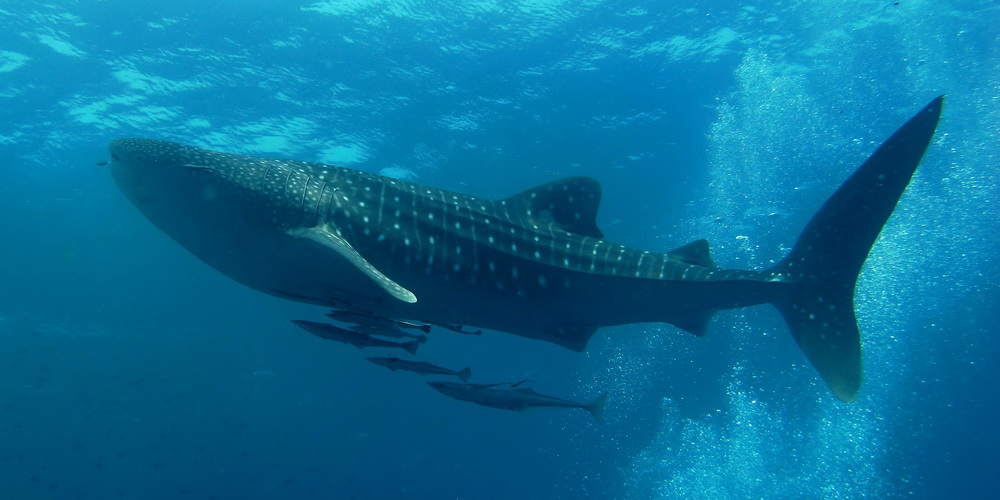
Tips are given at the end of the cruise, not incrementally throughout. The vessel hands out tipping envelopes on the final evening. Passengers fill them overnight and deposit them before or during the farewell gathering on the last morning before the airport transfer. Tipping throughout the cruise is not the Galapagos norm and creates tracking confusion for both passenger and recipient. The exception is a direct personal gesture to a specific crew member for an exceptional moment – a panga driver who spotted a whale shark and changed course, a chef who prepared something special on request – which can be given at any point in cash, separately from the end-of-trip envelopes.
The end-of-cruise timing is standard across the industry for a practical reason: tips given early in the voyage create ambiguity about whether more is expected later. Giving everything at the end allows the tip to reflect the complete experience rather than a partial impression. It also gives the guide and crew the entire voyage to demonstrate the quality that warrants a generous tip, which is to say, consistently excellent service across all 8 days rather than an exceptional first-day performance followed by a decline.
On cruises of 14 days or longer, some operators suggest tipping mid-voyage and again at the end rather than delivering the entire amount in a single end-of-cruise envelope. This is the exception rather than the rule, and if it applies to your specific cruise, the operator typically mentions it in the welcome documentation.
What Are the Tipping Norms for Different Cruise Classes?
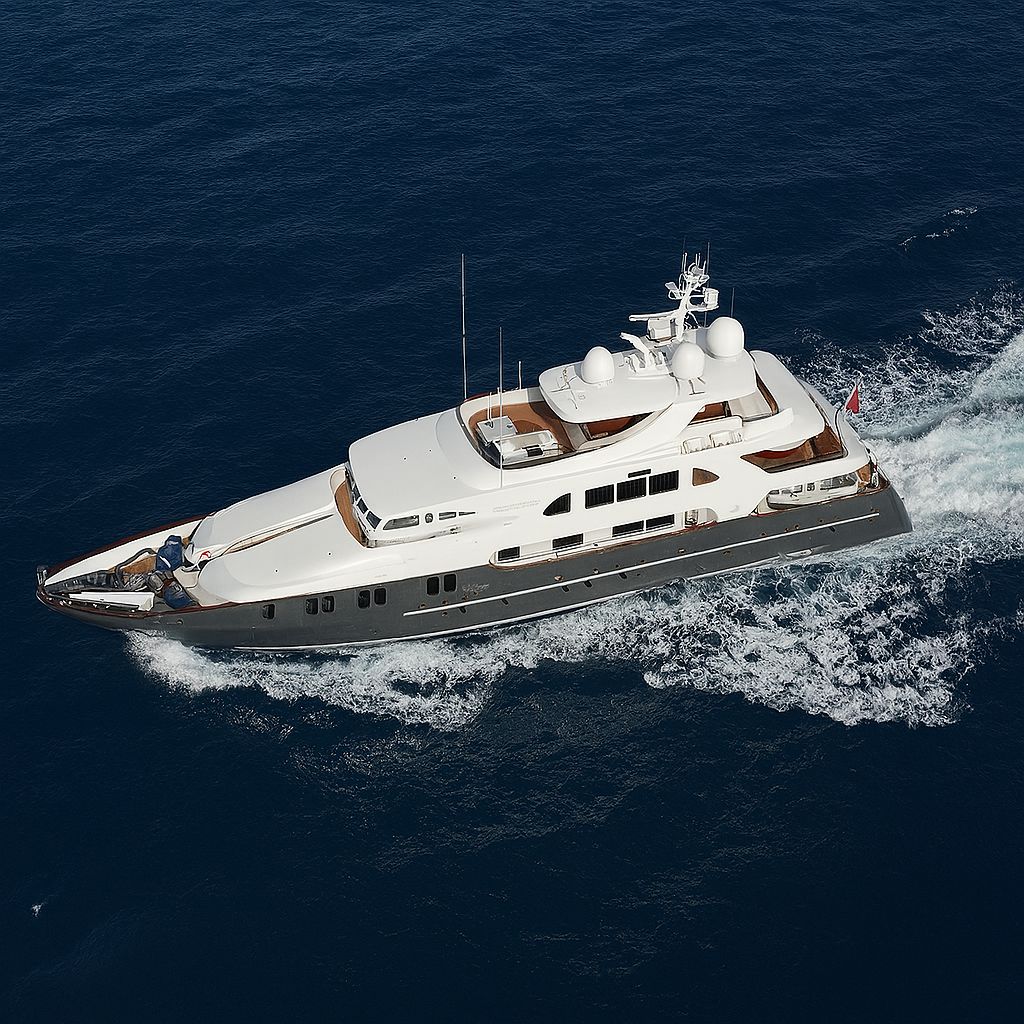
Tipping norms scale with cruise class, and the suggested ranges differ meaningfully between budget, tourist superior, and luxury. Budget and economy class: $8 to $12 per person per day for each envelope. Tourist superior: $10 to $15 per person per day for each envelope. First class: $12 to $18 per person per day. Luxury: $15 to $25 per person per day or higher. Some luxury operators suggest 10% of the cruise cost as the total tip, which on a $10,000 cruise produces a $1,000 tip pool. This is the high end of any reasonable range and should be understood as a suggestion, not an obligation.
The higher norms for luxury class reflect two realities: the proportionality between trip cost and tip, and the higher baseline quality of service being recognized. A luxury Galapagos vessel with 16 passengers, a Level III senior naturalist, a professional chef, and attentive cabin stewards is delivering a level of service that genuinely warrants the higher end of the range. A budget vessel doing its best within tight margins warrants the tip too, but at the lower end that reflects the service level and the financial reality of that class of traveler.
One important clarification from experienced Galapagos operators: Galapagos guides earn a significantly higher wage than the average Ecuadorian professional. The tip for the guide is not sustaining someone in poverty – it’s acknowledging exceptional professional expertise at a standard that is fair for both parties. Some guides have been known to suggest or imply that larger tips are expected, citing figures like 10 to 20% of the total cruise cost. This pressure is not appropriate. Tip within the ranges above based on the service you received, without feeling coerced into amounts that don’t reflect your honest assessment of the experience.
The Galapagos cruise price tag is significant enough to deserve serious scrutiny – our is a Galapagos cruise worth the money guide breaks down exactly what you get for the cost and whether the experience lives up to the investment.
| Cruise Class | Avg. Daily Tip Per Person (Guide) | Avg. Daily Tip Per Person (Crew) | Most Common Comment |
|---|---|---|---|
| Budget / Economy | $8 to $10 | $10 to $12 | “Wasn’t sure how much; wish I’d had guidance before” |
| Tourist Superior | $10 to $15 | $12 to $15 | “Guide was exceptional; tipped toward the high end” |
| First Class | $12 to $18 | $15 to $20 | “Used the operator’s suggested range; felt right” |
| Luxury | $15 to $25 | $20 to $25+ | “Glad I prepared cash in advance; no ATM on Baltra” |
Frequently Asked Questions
How much should you tip on a Galapagos cruise total?
Budget $10 to $20 per person per day for each of two separate envelopes: one for the naturalist guide and one for the crew pool. On an 8-day cruise at $15 per day, that’s $120 per envelope or $240 total per person. A couple traveling together should budget $480 total. Luxury class travelers should use the higher end or above; budget travelers may use the lower end.
Are tips included in the Galapagos cruise price?
Almost never. A small number of luxury operators have moved to an all-inclusive gratuity model, but this is the exception. The vast majority of Galapagos cruises across all price tiers treat tips as separate from the cruise price and deliver tipping envelopes on the final evening. Check your booking documentation specifically if this is a concern.
Should you tip the guide more than the crew?
The standard is equal daily rates for the guide envelope and the crew envelope, distributed to each separately. Some travelers tip the guide slightly more as a reflection of their direct relationship with the naturalist throughout the voyage. There is no wrong answer within the standard ranges. What matters is that both envelopes are filled and that neither pool is neglected.
Can you tip by credit card on a Galapagos cruise?
Some first-class and luxury vessels allow card tips added to the onboard account. Internet connectivity in remote Galapagos anchorages is often unreliable, which can make card processing fail at exactly the moment you need it. Cash in USD is the reliable choice. Prepare tip cash from mainland ATMs in Quito or Guayaquil before boarding the Galapagos flight.
What happens if a guide pressures you to tip more than the standard?
Tip based on your honest assessment of the service using the ranges in this article. Some guides have been reported to suggest figures like 10 to 20% of the total cruise cost, which significantly exceeds standard norms. These suggestions are not obligations. Galapagos naturalist guides earn a high wage by Ecuadorian standards and the standard tip ranges above reflect fair acknowledgment of excellent work without pressure to exceed them.
Planning Your Galapagos Cruise Budget?
Tips are one of several cash items to plan for alongside the park fee, onboard drinks, and any island souvenirs. We send every traveler we work with a complete cash planning guide for their specific cruise length, class, and departure – so nothing is a surprise on the last night of the voyage.
Rated 4.9 stars on Google and TripAdvisor. Get in touch here and we’ll make sure you arrive prepared for everything the trip costs.
Written by Oleg Galeev
Galapagos cruise traveler (3 trips, 2 cruises) · Founder, Cruises To Galapagos Islands
He also runs the Ecuador travel blog mytrip2ecuador.com and the YouTube channel My Trip to Somewhere.
Cruises To Galapagos Islands is rated 4.9 stars on Google and TripAdvisor.