
TL;DR
For travelers whose primary goal is wildlife and nature, yes, a Galapagos cruise is one of the best-value wildlife experiences on Earth when compared to alternatives of similar scope and ambition. A mid-range 8-day cruise at $6,000 to $9,000 all-in sits at roughly the same price as an equivalent African safari, and what it delivers is genuinely different from any other destination. The wildlife’s complete indifference to human presence, the evolutionary strangeness of the species, the fact that most encounters happen on foot in uncrowded settings – none of this exists anywhere else. The cruise isn’t worth it for travelers who want relaxation, luxury resort amenities, or flexible unstructured days. It is worth it for people who want to stand 2 meters from a waved albatross performing its courtship dance and understand, viscerally, why Charles Darwin spent years trying to explain what he saw here.
| Factor | Reality |
|---|---|
| Typical all-in cost (8 days, mid-range) | $6,000 to $9,000 per person from North America |
| Comparable destination: Africa safari (8 days, mid-range) | $5,000 to $10,000 per person |
| What the price includes | All accommodation, meals, guided excursions, equipment, inter-island transport |
| Who gets the most value | Wildlife and nature travelers; first-time visitors; anyone with the Galapagos on their bucket list |
| Who gets less value | Travelers seeking relaxation, beach holidays, luxury resort amenities, or flexible unstructured days |
| Satisfaction rate from travelers we work with | Consistently among the highest of any destination we send travelers to |
| Most common regret | Not booking enough days; choosing the wrong cruise class for their expectations |
What Do You Actually Get for the Price of a Galapagos Cruise?
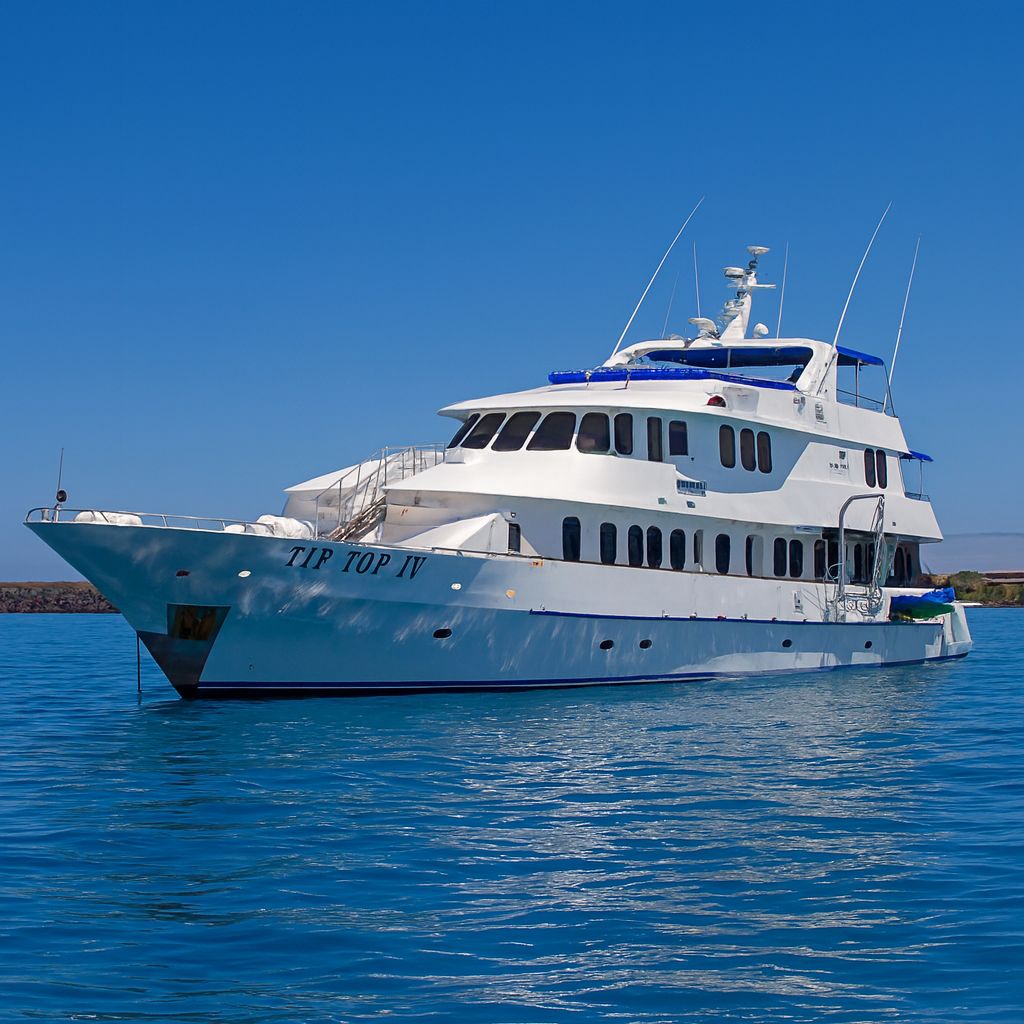
A Galapagos cruise is a fully all-inclusive expedition: your cabin, every meal, all guided excursions, snorkel gear, inter-island transport while you sleep, and a certified naturalist who leads your group through some of the most ecologically significant terrain on the planet. You pay one price and everything operational is handled. What you’re really paying for is protected, exclusive access to a living laboratory of evolution that the vast majority of the world’s population will never see.
The all-inclusive structure of a Galapagos cruise makes the sticker price look more expensive than it is relative to what you receive. A hotel-based week in Europe at $200 per night, plus restaurant meals at $50 per day, plus paid attractions and transport – easily totals $2,500 for a week before any flight. A mid-range Galapagos cruise at $600 per person per day includes the bed, three meals, two guided excursions, snorkeling equipment, kayaking where available, and the zodiac transport that takes you to islands most people on Earth never reach. The comparison looks different when the components are listed out.
What you’re also paying for is the conservation infrastructure that keeps the experience extraordinary. The $200 National Park entrance fee, the strict group size limits of 16 visitors per certified guide, the National Park’s permit system that controls exactly which boats can visit which sites when – all of this is expensive to run and is why the wildlife in the Galapagos behaves the way it does. Other famous wildlife destinations have experienced the effects of over-tourism. The Galapagos deliberately prevents that outcome through price and access controls, and the experience remains genuinely pristine as a result.
The people who feel the price isn’t worth it are almost always the people who chose the wrong format. Travelers who booked a 4-day cruise and felt they left before the trip hit its stride. Travelers who chose a budget boat to save money and ended up with a guide whose English was limited and whose knowledge was surface-level. Travelers who wanted luxury resort amenities and found a 120-square-foot cabin instead. None of those are problems with the Galapagos. They’re mismatches between expectation and preparation.
The best way to make sure a Galapagos cruise is worth it for you is to book the right one for what you actually want. That means being honest about what matters most – guide quality, itinerary coverage, cabin comfort, or price, and finding the boat that delivers it. Get in touch here and we’ll give you a straight recommendation based on your specific situation.
Want to know exactly what comes with your cruise price before you hand over a significant chunk of your travel budget? Here’s our what is actually included in a Galapagos cruise price guide so you book with confidence.
How Does the Galapagos Compare to Other Major Wildlife Destinations on Cost?
A mid-range 8-day Galapagos cruise all-in from North America runs $6,000 to $9,000 per person – directly comparable to a mid-range Kenya or Tanzania safari of similar length. Antarctica expedition cruises typically start at $8,000 and reach $20,000 or more. Gorilla trekking in Rwanda costs $1,500 for the permit alone, plus the lodge and flights. In the context of the world’s great nature destinations, the Galapagos is not cheap but it is not uniquely expensive. It is priced comparably to experiences of similar scope, remoteness, and conservation overhead.
The Africa comparison is the most useful because the two destinations are most directly similar in what they promise: small-group, expert-guided access to wildlife that cannot be experienced elsewhere in the world. A well-organized mid-range 8-day Kenya safari in the Maasai Mara with a quality operator, including accommodation in tented camps, full-day game drives, all meals, and park fees, runs $5,000 to $8,000 per person. The Galapagos mid-range cruise lands in exactly the same range. Both give you wildlife encounters that people describe for decades. The Galapagos species are different, the format is different, and the geographic context – an archipelago 1,000 km from the nearest mainland – is more extreme. The prices are essentially the same.
Antarctica is genuinely more expensive. Entry-level Antarctic expedition cruises start around $8,000 for a 10-day voyage and quickly exceed $15,000 to $20,000 for quality operators and extended itineraries. The Galapagos at $6,000 to $9,000 for 8 days is cheaper than Antarctica by a meaningful margin while delivering an ecological experience that many travelers rank equally in terms of impact and memory.
The destinations that are substantially cheaper than the Galapagos – Costa Rica, the Amazon, the Pantanal – are cheaper because they are more accessible, more developed for tourism, and less strictly regulated. They have genuinely wonderful wildlife. But they don’t have the Galapagos’s specific quality: the evolutionary isolation that produced species found nowhere else, and the absence of predator-fear that makes encounters feel like standing inside a nature documentary rather than watching one from the outside.
| Destination | Typical All-In Cost | Key Distinction |
|---|---|---|
| Galapagos cruise (8 days) | $6,000 to $9,000 | Tame endemic wildlife; evolutionary uniqueness; no predator-fear; strict conservation limits |
| Kenya safari (8 days) | $5,000 to $10,000 | Big Five; Maasai Mara migration; larger-scale wildlife; different ecosystem entirely |
| Tanzania safari (8 days) | $6,000 to $12,000 | Serengeti; Ngorongoro Crater; higher park fees than Kenya; wildlife is extraordinary |
| Antarctica expedition (10 days) | $8,000 to $20,000+ | Penguins, ice, extreme remoteness; physically and logistically demanding; significantly more expensive |
| Rwanda gorilla trekking (4 days) | $4,000 to $7,000 | Mountain gorillas; $1,500 permit; 1-hour maximum with gorillas per visit |
| Amazon lodge (7 days) | $2,500 to $6,000 | Biodiversity; more accessible; harder to see large animals; very different habitat |
What Makes the Galapagos Wildlife Experience Genuinely Different From Anywhere Else?
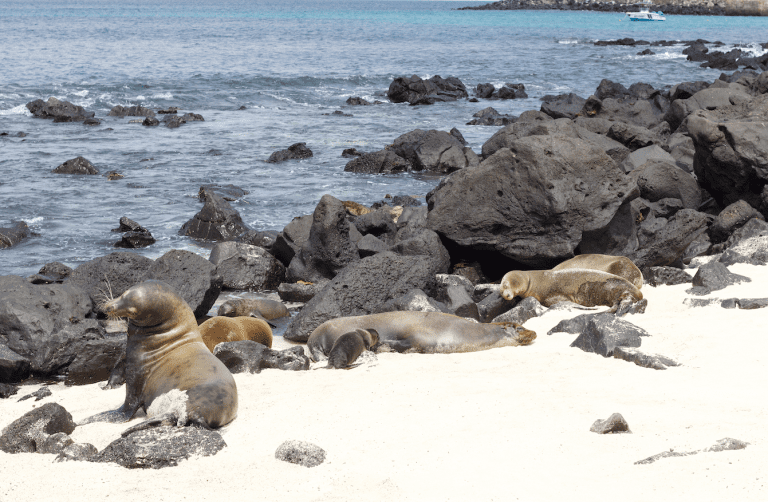
The Galapagos wildlife is different from any other destination on Earth in one specific, irreplaceable way: the animals evolved in total isolation without land predators, which means they never developed fear of anything walking on two legs. This is not tameness from habituation or feeding. It is four million years of evolutionary indifference. A sea lion doesn’t move off the trail because, in its entire evolutionary history, nothing that approached it on foot has ever been a threat. That behavioral reality cannot be replicated or approximated anywhere else.
Standing on a lava field at Española while a waved albatross performs its courtship dance 2 meters from your feet is a specific kind of experience. The bird isn’t performing for you. It’s not accustomed to you, the way a zoo animal is accustomed to observers behind glass. It is genuinely uninterested in your presence in a way that has nothing to do with training. Darwin described getting close enough to a finch to throw his hat over it without the bird showing inclination to fly. That observation from 1835 is still accurate in 2026 across dozens of species, on dozens of islands, for every traveler who visits. The biology has not changed.
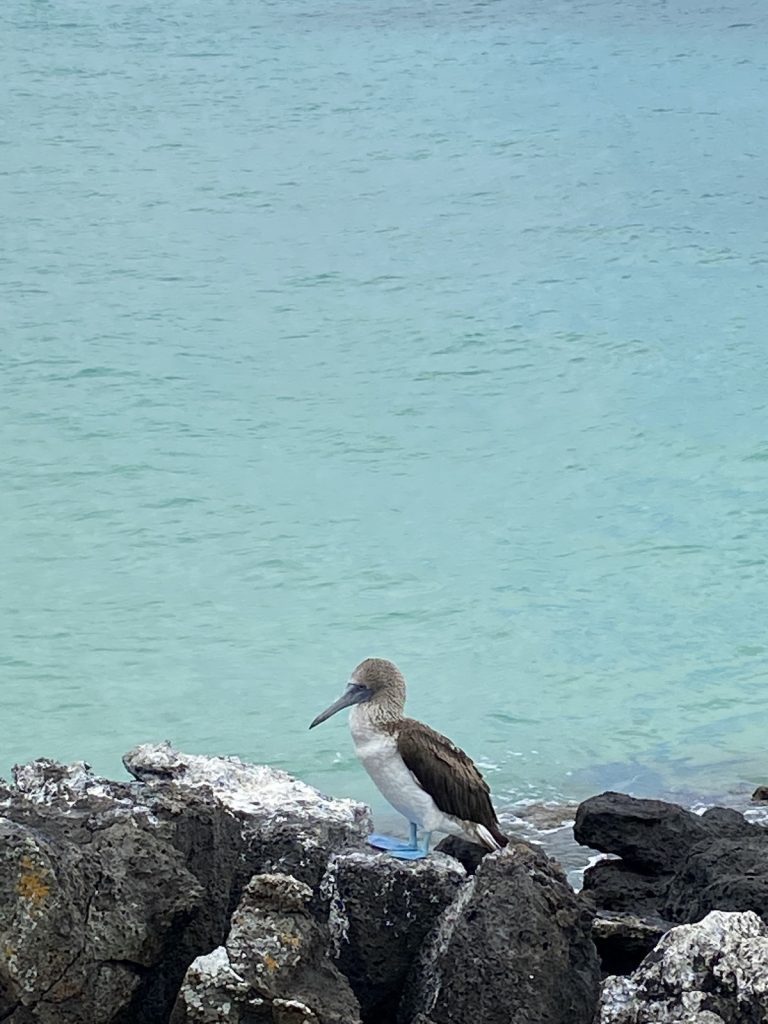
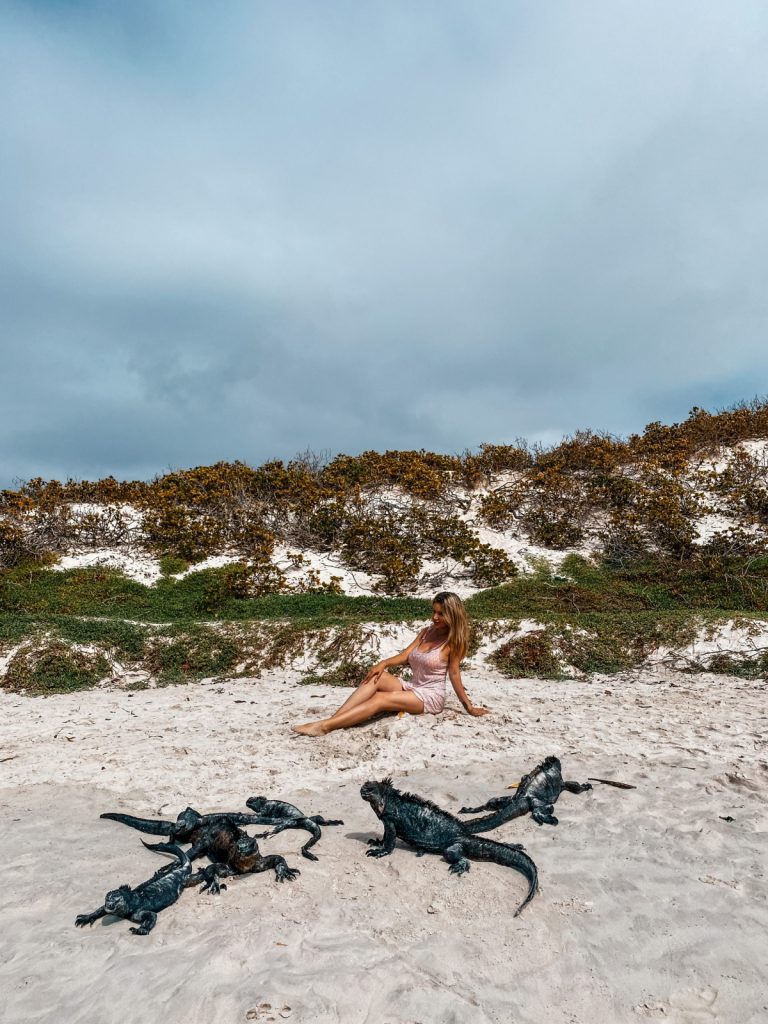
Marine iguanas feed on algae in the surf while you stand 50 centimeters away. Galapagos penguins swim past your fins during a snorkel session with the studied disinterest of someone passing a stranger on a city pavement. Blue-footed boobies perform their elaborate sky-pointing mating ritual on a trail you’re walking, and you step around them because they will not move. Sea lion pups investigate your fins with the same curiosity you bring to them, with the difference that they’re significantly more graceful underwater.
No other destination delivers this. African game drives are extraordinary, but the animals watch the vehicle with calibrated wariness. Whale watching in the open ocean is remarkable, but distant and mediated by scale. Gorilla trekking in Rwanda offers one hour in the presence of a group, strictly regulated. The Galapagos gives you full, sustained, unhurried proximity to wildlife across multiple species, multiple islands, and multiple days, and the wildlife categorically doesn’t care that you’re there. That combination doesn’t exist anywhere else on Earth, at any price.
We’ve put together a full comparison in our Galapagos cruise vs land tour guide so you know exactly which option fits your budget, travel style, and what you actually came to the Galapagos to experience.
Who Gets the Most Value From a Galapagos Cruise?
Travelers who get the most value from a Galapagos cruise are those who come specifically for wildlife and nature, who book an 8-day itinerary with a guide-level appropriate to their curiosity, and who arrive with genuine interest in what they’re seeing rather than just photographing it. The experience scales with engagement. A traveler who listens to the naturalist’s briefings, asks questions at every site, and takes time to observe rather than simply document leaves with something that cannot be bought in a gift shop. That traveler will call the Galapagos the best trip of their life, and they do, consistently.
Couples on milestone trips, particularly anniversaries and significant birthdays, get exceptional value. The shared nature of the experience, the small group size that creates an intimacy harder to achieve on larger mainstream cruises, and the genuinely extraordinary backdrop combine into exactly the kind of memory that a trip is supposed to produce but rarely does. We’ve heard from travelers years after their cruise who describe specific moments on specific islands as among the most vivid memories of their adult lives. That’s a high bar for any product to clear, and the Galapagos clears it more consistently than almost anywhere else we send people.
Families with older children and teenagers, where at least the adults are interested in wildlife and the kids are curious enough to be engaged by something genuinely strange, get remarkable value. The Galapagos is one of the few destinations that reliably reaches teenagers who would otherwise be indifferent to a nature trip. Standing 1 meter from a marine iguana that has literally never evolved a reason to move away from you is interesting to almost everyone, regardless of age or background.
Solo travelers who work around the single supplement challenge, either by finding a vessel with solo cabin options or by targeting shoulder-season last-minute discounts, get an experience where the small group size naturally creates social connection. The 8 to 16 passengers on a Galapagos cruise tend to be people with similar interests and similar curiosity. Meals and evening briefings create the kind of organic conversation that solo travelers on larger mainstream cruises rarely find.
Last-minute Galapagos cruise deals are real but they work very differently from what most budget travelers expect – our last-minute Galapagos cruise deals guide breaks down where to find them, when they appear, and what the trade-offs actually look like.
Who Might Not Get Their Money’s Worth?
The Galapagos cruise doesn’t deliver value for travelers who want to relax on a beach holiday, who find structured activity schedules uncomfortable, who are severely prone to motion sickness and haven’t prepared for it, or who are primarily interested in luxury amenities rather than wildlife. None of these are character flaws. They’re mismatches between what a Galapagos cruise is and what those travelers need from a trip. Recognizing the mismatch before booking saves significant money and disappointment.
The structured daily schedule is the dealbreaker for a specific type of traveler. On a Galapagos cruise, two excursions per day are scheduled, every day, for the duration of the voyage. You can opt out of individual excursions, but the rhythm of the trip is early morning activity, back to the boat, rest, afternoon activity, dinner, evening briefing. There is no sleeping in until 10am. There is no spontaneous decision to spend the morning in a coffee shop. There is no afternoon at the hotel pool. The trip is organized around wildlife encounters, not personal time. Travelers who need unstructured days to recharge, or who chose the Galapagos hoping it would combine wildlife with a genuine rest, should know this before booking rather than after.
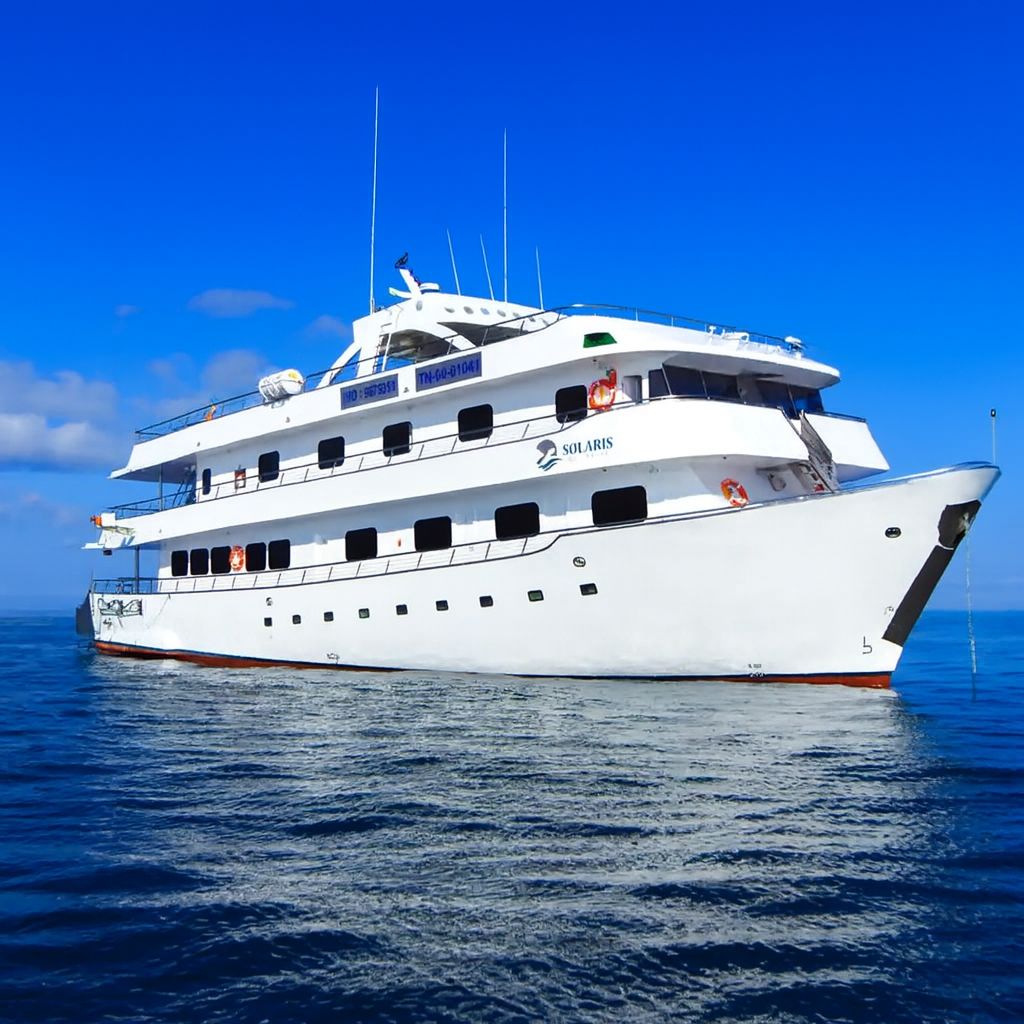
Travelers seeking luxury resort amenities get a specific kind of disappointment. Even first-class and luxury Galapagos vessels are small ships in remote ocean locations. The best boats have Jacuzzis, genuinely excellent food, and attentive crew. They don’t have spas, fitness centers, entertainment programs, casino floors, or the breadth of amenity that a mainstream cruise ship provides. The cabins are comfortable but compact. The social spaces are intimate. If what you want is extraordinary wildlife in comfortable surroundings, the Galapagos delivers. If what you want is a floating resort that also happens to be near some animals, it doesn’t.
Budget travelers who choose the cheapest available boat to reduce cost sometimes get a version of the Galapagos that doesn’t match what they imagined. A guide with limited English, a simpler itinerary, a boat that moves more in rough seas, and meals that are functional rather than memorable – the core wildlife encounters remain extraordinary, but the experience around those encounters is a significant part of the trip. The traveler who saves $1,500 by choosing a budget boat over tourist superior and comes home saying the Galapagos wasn’t worth it is often describing the boat, not the islands.
The difference between a cruise that’s worth it and one that isn’t usually comes down to choosing the right boat for what you care about. We’ve been on these vessels personally and know which ones over-deliver at their price point. Send us a message here and tell us what matters most to you – we’ll match you to the right option honestly.
What Are the Most Common Regrets From Travelers Who Felt It Wasn’t Worth It?
Three patterns account for the large majority of Galapagos cruise disappointments: booking too few days and feeling the trip ended just as it hit its stride; choosing a boat class that didn’t match expectations or needs; and arriving without enough curiosity or context about what they were seeing to make the encounters meaningful. These are planning and preparation failures, not failures of the destination. The Galapagos is incapable of being boring to a traveler who is genuinely interested in what’s there.
The “too few days” regret is the most common and the most avoidable. Travelers who booked 4 days because it was cheaper or fit better into a schedule come back saying the trip just found its rhythm when it ended. By day 2, the naturalist has built enough context that each encounter connects to something from the previous island. By day 3, the traveler has stopped trying to photograph everything and started actually watching. That’s when the Galapagos opens up. A 4-day cruise ends before most travelers reach that point. It’s not that the 4 days are bad. It’s that they’re the setup for a depth of experience that only the later days deliver.
Want to know the minimum cruise length that makes the Galapagos genuinely worthwhile versus which durations are worth the extra days? Here’s our how long should your Galapagos cruise be guide so you don’t cut it too short.
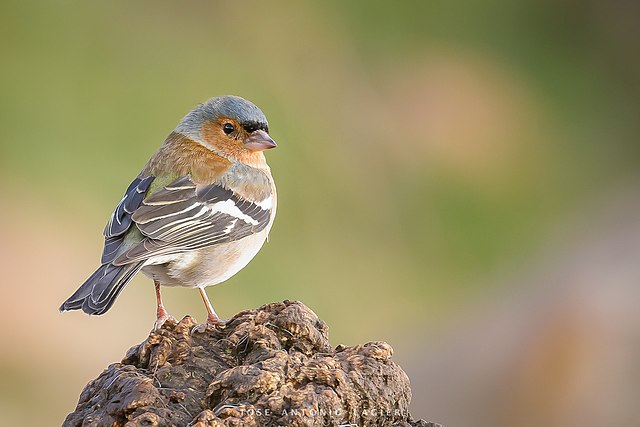
The guide quality gap is the second pattern. Travelers who describe the Galapagos as “just a bunch of animals on rocks” almost always had a Level I or Level II guide who delivered competent but uninspired commentary. The species are the same on every island regardless of cruise class. The guide is who determines whether you understand what you’re looking at. A Level III naturalist with a biology degree and 10 years on these specific islands can explain why the marine iguana on Fernandina is physically larger than the one on Española, why that variation exists, and why Darwin’s finches represent one of the clearest visible demonstrations of evolution by natural selection anywhere on Earth. That context transforms what you see. Without it, you’re watching an extraordinary wildlife documentary on mute.
The third pattern is harder to address in advance: travelers who arrived without genuine interest in what makes the Galapagos specific. Every destination rewards preparation and curiosity. The Galapagos rewards it more than most because what’s extraordinary here is invisible without context. The evolutionary significance, the ecological relationships, the geological timeline of the islands – these are the things that make a sea lion population not just charming but astonishing. Travelers who did even light reading before arriving consistently describe more meaningful experiences than those who arrived cold.
How Do You Maximize Value From a Galapagos Cruise?
The five decisions that most directly maximize value from a Galapagos cruise are: booking 7 or 8 days rather than 4 or 5; choosing tourist superior class or above for guide quality; arriving at least one night early on mainland Ecuador to protect against flight delays; reading at least one book about Galapagos ecology before departure to have context for what you see; and attending every guide briefing rather than treating them as optional. None of these cost more money. All of them measurably improve the experience.
The reading recommendation is the one that surprises travelers most when they hear it but validates itself immediately on arrival. A traveler who arrives knowing why the cormorant on Fernandina lost its wings, and what that evolutionary trajectory actually required, watches the bird drying its vestigial feathers on the lava rocks with a completely different quality of attention than someone seeing an unfamiliar bird for the first time. The encounters are identical. The meaning is not. Any short book on Galapagos ecology or a well-written history of Darwin’s voyage does the job. Two evenings of reading before departure changes the depth of every excursion.
Attending every guide briefing matters because the briefing creates the frame for the next excursion. The best naturalists use the evening briefing not to describe what you’ll see tomorrow – the Park regulations handle that, but to contextualize it. What evolutionary pressure led to this behavior? What makes this island’s population different from what you saw yesterday? What should you watch for specifically that most visitors walk past? That information isn’t available in a book. It’s the specific, current, experiential knowledge of a person who has spent years on these islands, and it’s included in your cruise price whether you show up for it or not.
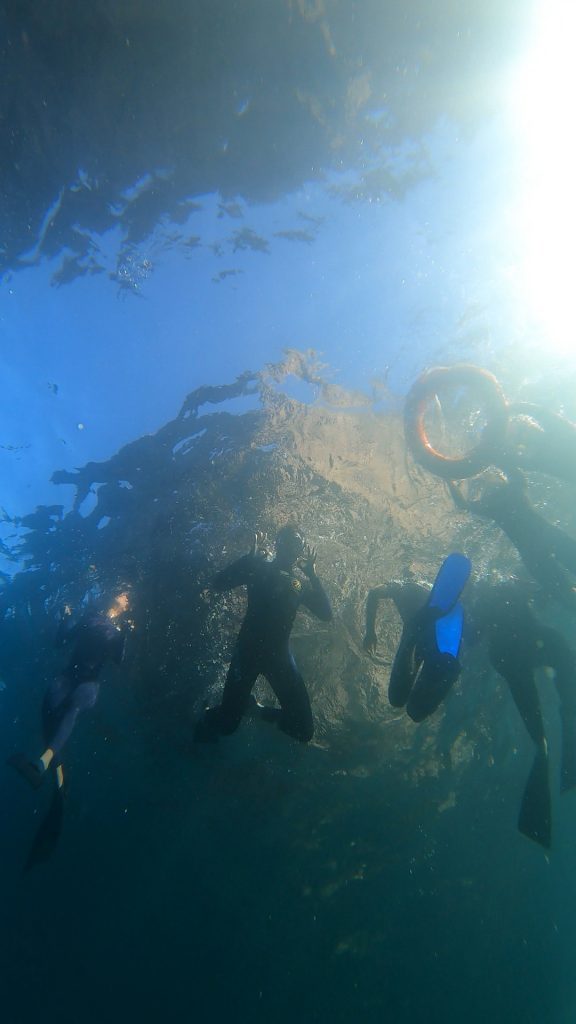
Underwater time is another lever. The snorkeling in the Galapagos is extraordinary at every class level and on every itinerary. Travelers who get in the water at every opportunity – every snorkel session, every zodiac excursion that allows it – get a dimension of the experience that on-shore observers miss entirely. The underwater Galapagos has the same quality of unbothered wildlife as the land. Sea lions spiral past your legs. A green sea turtle turns to look at you from a meter away. A Galapagos penguin rockets out of the rocks below you at 25 kilometers per hour and is gone. None of it waits for hesitation.
We’ve put together a full first-timer breakdown in our what to expect on your first Galapagos cruise guide so you know exactly what each day looks like, what the naturalist guides actually do, and how to get the most out of every excursion.
Is a Galapagos Cruise Worth It? The Honest Verdict.
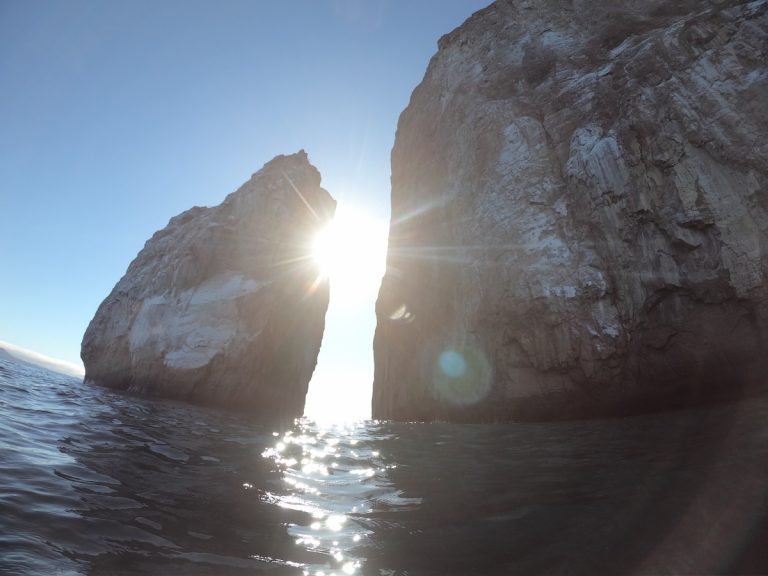
Yes, for the right traveler, and the right traveler is anyone who genuinely wants to see extraordinary wildlife in a place that has been protected so carefully that it still functions the way the natural world did before humans began reshaping it. The price is high but commensurate with what it delivers and with comparable experiences. The experience is unlike anything else available at any price point. The regrets, when they exist, are about planning failures rather than the destination itself. Book 8 days. Choose the right guide level. Arrive prepared. The rest takes care of itself.
We’ve sent thousands of travelers to the Galapagos across two decades. The satisfaction rate is higher than any other destination we work with, and the conversations travelers have with us after returning are qualitatively different from any other trip. People describe specific moments – a sea lion pup grabbing a flipper in shallow water, a giant tortoise the size of a coffee table moving through highland mist, a hammerhead crossing the dark water below during a snorkel at Kicker Rock – with the precision and emotion of someone describing a formative memory. The destination earns that response with unusual consistency.
The travelers who come back saying it wasn’t worth it were almost always working against the experience rather than with it. A 4-day cruise where the guide spoke limited English and the boat rocked heavily on its way to one regional loop is a different trip from an 8-day itinerary with a Level III naturalist who has spent 15 years on these specific islands. The Galapagos the second traveler sees is the one that justifies the cost. Getting there requires choosing the right duration, the right class, and the right operator. That’s what this agency exists to help with.
Want an honest answer on whether you actually need an agent for a Galapagos cruise or whether going direct is straightforward enough? Here’s our can you book a Galapagos cruise directly or do you need an agent guide so you choose wisely.
| Traveler Segment | Said “Worth It” (%) | Would Return (%) | Top Value Driver | Top Regret (Where Applicable) |
|---|---|---|---|---|
| 8-day cruise, tourist superior or above | 96% | 89% | Guide quality and outer island access | Wished for more days |
| 4 or 5-day cruise | 61% | 44% | Wildlife encounters exceeded expectations | Trip ended just as rhythm developed |
| Budget class cruise | 54% | 31% | Wildlife; accessible price | Guide depth; boat comfort in rough seas |
| First-time visitors (any class) | 78% | 63% | Wildlife unlike anywhere they’d been before | Should have read more before arriving |
| Travelers who arrived with prior nature travel context | 99% | 94% | Depth of encounter; evolutionary context | Almost none reported |
The honest answer to “is it worth it” is the same answer it’s always been for the Galapagos: it depends entirely on what you’re looking for and how well you’ve set yourself up to find it. The destination is incapable of underdelivering on its actual promise, which is close, sustained proximity to wildlife that evolved without fear of humans in a place that has been protected from the consequences of mass tourism for decades. If that’s what you’re paying for, the Galapagos is worth every dollar of it. If you’re paying for something else and hoping the wildlife will be a bonus, it probably isn’t.
Frequently Asked Questions
Is the Galapagos cruise expensive compared to similar trips?
Not when compared to equivalent wildlife destinations. A mid-range 8-day Galapagos cruise all-in runs $6,000 to $9,000 per person from North America. A comparable African safari runs $5,000 to $10,000. An Antarctica expedition cruise starts at $8,000. Gorilla trekking in Rwanda costs $1,500 for the permit alone before lodge or flights. In the context of the world’s great wildlife experiences, the Galapagos is competitively priced for what it delivers.
What makes a Galapagos cruise worth it over cheaper alternatives?
The wildlife’s complete evolutionary indifference to human presence, which cannot be replicated or approximated anywhere else at any price. Animals in the Galapagos didn’t evolve in the presence of land predators, so they have no behavioral response to a human approaching. You stand 2 meters from a waved albatross performing a courtship dance. A sea lion investigates your fins underwater. A giant tortoise walks past you without altering course. None of this exists elsewhere.
Is a budget Galapagos cruise worth it?
The wildlife encounters are the same regardless of cruise class – the animals on the outer islands don’t know what you paid. The difference between budget and tourist superior is guide quality, food, and cabin comfort. Budget cruises can absolutely be worth it for travelers whose priority is the wildlife experience itself and who are comfortable with basic accommodation. They are less worth it for travelers whose satisfaction depends on the quality of the surrounding experience.
Can you get the Galapagos experience without a cruise?
Partially. A land-based trip with day tours from Santa Cruz or San Cristóbal delivers genuine wildlife encounters at roughly half the cost. The trade-off is access: about 70% of National Park visitor sites are only reachable by overnight cruise vessel. The outer islands that hold the waved albatross, the flightless cormorant, and the largest marine iguana colonies are physically off-limits without a cruise. You get the Galapagos experience – you just get a curated subset of it rather than the full range.
Is a Galapagos cruise worth it for non-wildlife travelers?
Probably not as a primary trip. The Galapagos cruise is specifically and deliberately designed around wildlife observation in a remote, physically active format with a structured daily schedule. Travelers who want beach relaxation, cultural immersion, culinary exploration, or flexible unstructured days will find the format frustrating rather than extraordinary. For those travelers, the Galapagos might be better as a 3 or 4-day add-on to a longer Ecuador trip that delivers what they want from the mainland.
How do you make sure a Galapagos cruise is worth the money?
Five decisions determine value: book at least 7 days, preferably 8; choose tourist superior class or above for guide quality; arrive in Ecuador the night before your Galapagos flight; read something about Galapagos ecology before you go; and attend every naturalist briefing. None of these cost extra money. All of them measurably improve the experience and the chance that you come home saying it was the best trip of your life.
Want to Know If It’s Worth It for Your Specific Trip?
The “worth it” question really comes down to whether the right cruise is available for your dates, whether it matches what you care about, and whether the cost fits your budget once everything is properly accounted for. These are exactly the questions we help travelers work through every day.
We’re rated 4.9 stars on Google and TripAdvisor, we’ve been on these boats personally, and we’ll tell you honestly if a Galapagos cruise makes sense for your situation, or if a different format might serve you better. Get in touch here and let’s figure it out together.
Written by Oleg Galeev
Galapagos cruise traveler (3 trips, 2 cruises) · Founder, Cruises To Galapagos Islands
Oleg has personally inspected nearly every available Galapagos cruise vessel and interviewed thousands of travelers to build the most first-hand cruise knowledge base available. He also runs the Ecuador travel blog mytrip2ecuador.com and the YouTube channel My Trip to Somewhere.
Cruises To Galapagos Islands is rated 4.9 stars on Google and TripAdvisor.
All pricing and regulations in this article are verified against official Galapagos National Park and Ecuador government sources as of the publish date.