
TL;DR
Every Galapagos traveler needs five things in 2026: a valid passport with 6 months validity, a Transit Control Card (TCT) purchased online before the flight ($20), a biosafety sworn declaration completed online within 48 hours of the flight (free), the Ecuador customs FRA form completed online before entering Ecuador (free, required since July 2025), and $200 in USD cash for the National Park entrance fee paid on arrival. All bags go through a physical biosecurity inspection at the Quito or Guayaquil airport before boarding. Arrive at least 2.5 hours before the Galapagos flight to get through every step without rushing.
| Requirement | Cost | When to Complete | Where |
|---|---|---|---|
| Valid passport (6+ months validity) | n/a | Before booking travel | Must match name on TCT registration exactly |
| Ecuador visa (if required for your nationality) | Varies | Before travel; at Ecuadorian consulate | Not required for US, Canada, UK, EU, Australia, most others |
| Ecuador customs declaration (FRA) | Free | Up to 72 hours before entering Ecuador | aduana.gob.ec (create free ECUAPASS account) |
| Transit Control Card (TCT) | $20/person | At least 48 hours before Galapagos flight | siig-cgreg.gobiernogalapagos.gob.ec |
| Biosafety sworn declaration (DJM) | Free | Within 48 hours before Galapagos flight | declaracion.abgalapagos.gob.ec |
| Baggage biosecurity inspection | Included in TCT | At mainland airport before check-in | ABG counter at Quito (UIO) or Guayaquil (GYE) |
| National Park entrance fee | $200 adults / $100 children (12+) | On arrival at Galapagos airport | Cash USD only; paid to park rangers at Baltra or San Cristóbal |
| Round-trip ticket | n/a | Required at TCT registration and immigration | Must show onward travel from both Ecuador and Galapagos |
What Are the Entry Requirements for the Galapagos Islands in 2026?
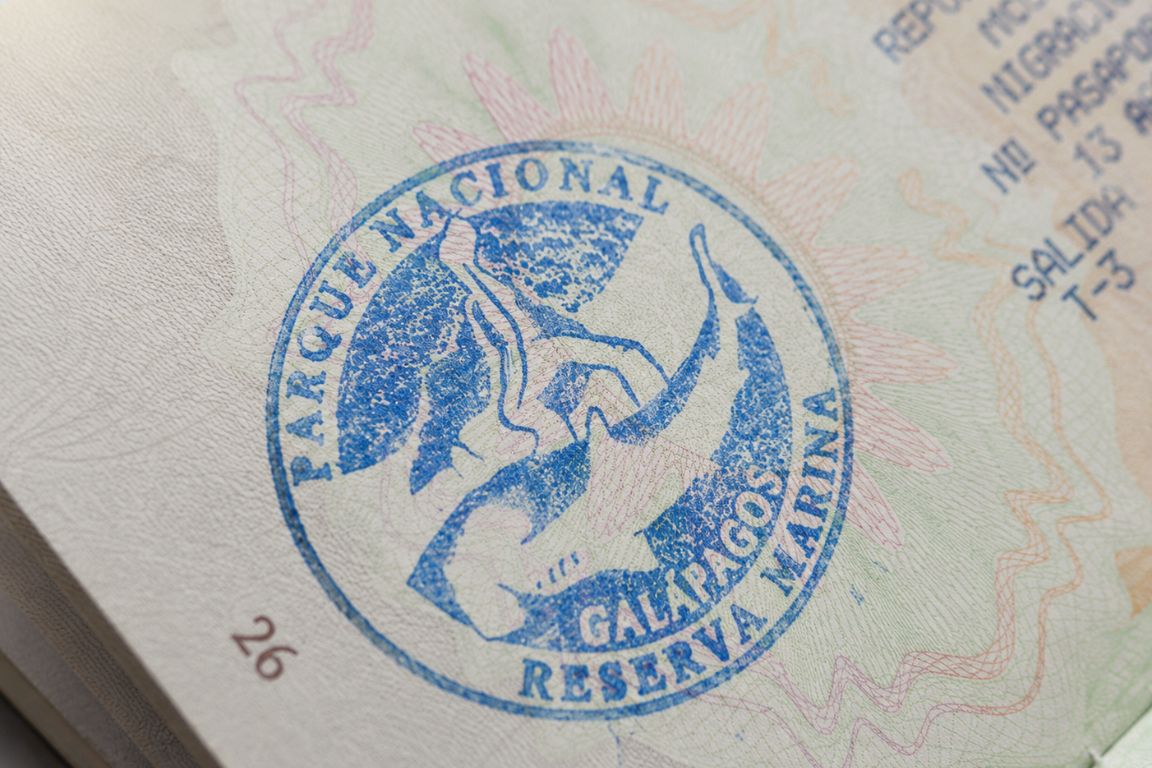
In 2026, every Galapagos traveler must complete five mandatory steps before reaching the islands: confirm Ecuador entry eligibility (visa or visa-free based on nationality), complete the Ecuador customs FRA form online, register and pay for the Transit Control Card online, fill out the biosafety sworn declaration online, and carry sufficient USD cash for the National Park entrance fee paid on arrival. Three of these steps moved to online-only processes between May 2025 and July 2025, meaning travelers working from older information may be missing requirements that now exist.
The Galapagos is one of the most entry-regulated tourist destinations in the world, not because the government wants to restrict tourism, but because the 1998 Galapagos Special Law gave the islands constitutional authority to control access in the interest of protecting an ecosystem that UNESCO recognizes as one of the last places on Earth where evolutionary processes are still largely intact. Every requirement on the list above exists because something was getting into or onto the islands that wasn’t supposed to be there – biological matter, unregistered visitors, untracked stays. The regulations are genuinely protective, not bureaucratic for its own sake.
The three recently-changed online requirements are the ones most likely to catch travelers off guard. The Ecuador customs FRA form is new from July 2025 and applies to everyone entering or leaving Ecuador, not just Galapagos travelers. The TCT moved from an at-airport transaction to an online-only pre-registration in May 2025. The biosafety declaration became fully digital and paper-form-free in January 2026. Any travel guide, blog post, or forum advice written before these dates describes a process that no longer exists in the same form.
If you’d like a clear walkthrough of exactly what to complete and in what order for your specific travel dates, get in touch here and we’ll send you a step-by-step prep list.
Galapagos entry requirements go beyond a standard visa and the Transit Control Card process catches a lot of first-time visitors off guard – our do you need a visa to visit the Galapagos guide breaks down every document you need and where to get it.
What Is the Galapagos Transit Control Card and How Do You Get One?
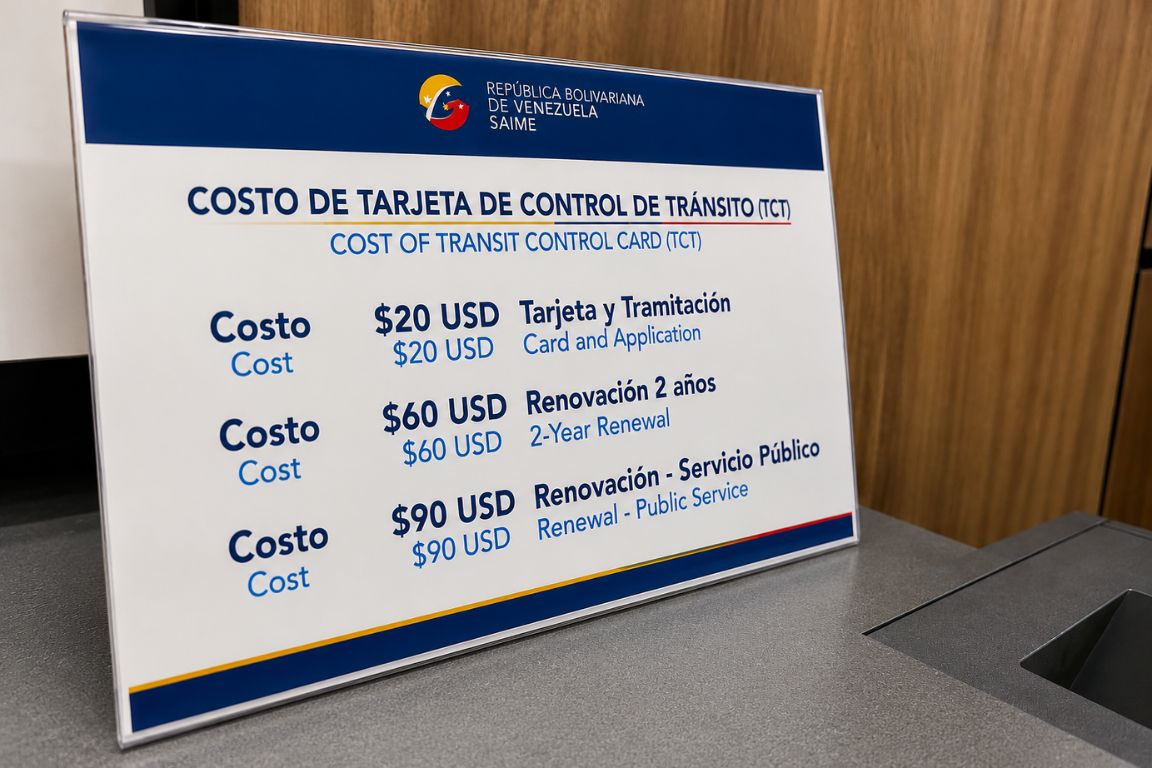
The Transit Control Card (TCT) is a mandatory $20 document issued by the Galapagos Government Council that tracks every tourist’s entry, stay duration, and departure from the islands. It enforces the 60-day maximum tourist stay and gives authorities real-time data on visitor volume across the archipelago. As of May 2025 it must be purchased online at siig-cgreg.gobiernogalapagos.gob.ec – the old at-airport counter option no longer exists. Without a valid TCT you will not be allowed to board the Galapagos flight regardless of what cruise or tour is booked.
The registration process takes about 15 minutes online. You’ll need your passport number, your round-trip flight information including dates and flight numbers, and your accommodation details for the islands (hotel name or cruise vessel name). After completing the form and paying the $20 fee by credit card, you receive a digital TCT with a QR code. Save it on your phone and optionally print a copy. Complete this at least 48 hours before the Galapagos flight – the system recommends it and some travelers report delays if done too close to departure.
You must present the TCT at four points during the journey: at the CGREG counter in the mainland airport before check-in, at the airline check-in desk (they will not process your boarding pass without it), on arrival at the Galapagos airport, and at departure from the islands (where the card is collected). Keep it safe throughout the entire trip. If you lose it, you may face a delay and possible fee at departure while the record is verified against the digital system.
The TCT also goes by older names that still appear in some travel guides: INGALA card, migration card, and transit card. These all refer to the same document. The issuing agency changed from INGALA to CGREG (Governing Council of the Galapagos Islands) in recent years, which is why some older resources list a different organization, but the document and its purpose are the same.
How Much Is the Galapagos National Park Entrance Fee and How Do You Pay It?
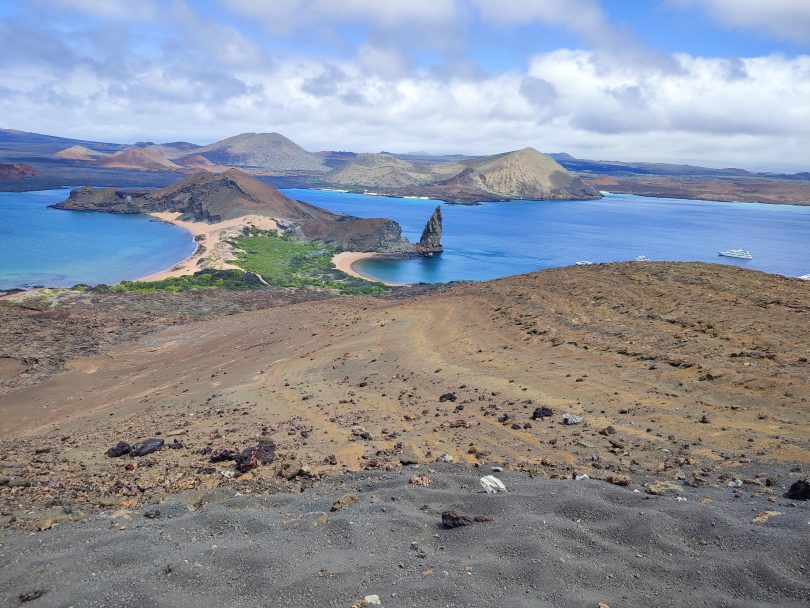
The Galapagos National Park entrance fee is $200 per adult (age 12 and over) and $100 per child (under 12) for foreign visitors, paid in USD cash on arrival at the Galapagos airport. Ecuadorian nationals pay $30. Citizens of Andean Community or Mercosur nations pay $100. The fee is collected by park rangers at a dedicated desk in the arrivals area before you exit the terminal, after passport control and baggage claim. There are no ATMs at Baltra airport – bring the exact amount in cash from the mainland.
The fee went up in August 2024 from $100 to $200 for foreign adults. This is the most significant increase in decades and some older travel content still lists the previous rate. The $200 rate has been in place for all departures from August 2024 onward, and it is confirmed for 2026. For a family of four with two adults and two children all over age 12, that’s $800 in cash needed before anyone exits the arrivals hall.
The fee breakdown by recipient gives context for why it exists. Roughly 40% goes directly to the Galapagos National Park for ranger operations, wildlife monitoring, and habitat restoration. Around 20% funds Galapagos municipalities for local infrastructure. The remaining 40% splits between the Provincial Government, the Navy for marine enforcement, the Ministry of Environment, the quarantine and biosecurity agency, and the Galapagos Marine Reserve. Every dollar is retained within the archipelago’s conservation and governance ecosystem.
One practical note on payment: while most sources confirm cash-only, a minority of recent traveler reports note that card payment is intermittently available at Baltra. Don’t rely on this. The reliable, problem-free approach is to have $200 per adult in USD cash drawn from mainland ATMs before your Galapagos departure. Quito and Guayaquil airports both have ATMs in the departures area before security. Use them before boarding the Galapagos flight.
| Visitor Category | Adult (12+) | Child (under 12) |
|---|---|---|
| Foreign visitors (non-Ecuadorian) | $200 | $100 |
| Andean Community / Mercosur nationals | $100 | $50 |
| Ecuadorian nationals and residents | $30 | $15 |
| Galapagos residents | Exempt | Exempt |
What Is the Galapagos Biosafety Declaration and Why Does It Matter?
The biosafety sworn declaration (DJM – Declaración Juramentada de Mercancías) is a free mandatory form administered by the Galapagos Biosafety Agency (ABG) that requires all travelers 18 and over to declare whether they’re carrying food, plants, seeds, live animals, camping equipment, wood, handicrafts, or minerals, and whether they’ve been in contact with domestic or wild animals in the 72 hours before the flight. As of January 31, 2026, the paper version no longer exists. The declaration must be completed online at declaracion.abgalapagos.gob.ec within 48 hours before the Galapagos flight.
The declaration takes about 5 minutes to complete. You answer three sworn statements about whether you’re carrying any biological items that could introduce invasive species, whether you’re bringing camping equipment, and whether you’ve visited farms, zoos, or wildlife areas in the preceding 72 hours. If any answer is yes, you still complete the form – you just declare the items honestly. The form generates a QR code sent to your email. Save it on your phone. You’ll present it at the mainland biosecurity inspection and again on arrival in the Galapagos.
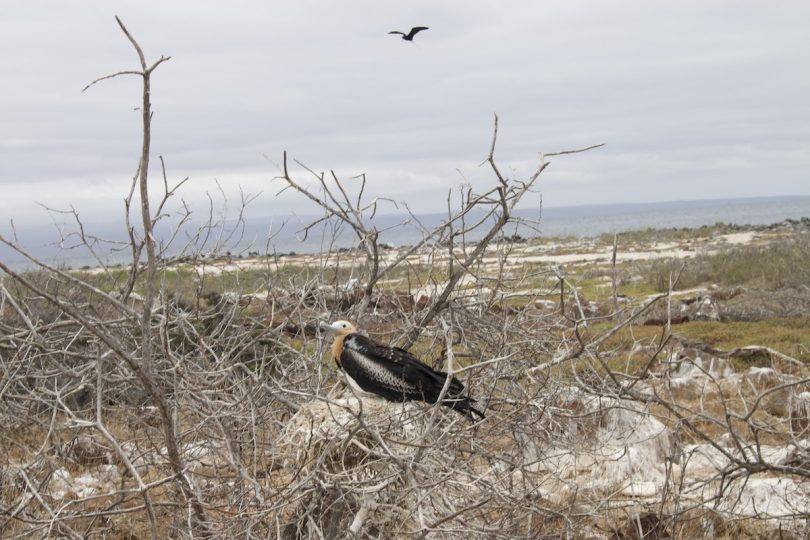
Why this matters: invasive species are the single greatest threat to Galapagos biodiversity. A fruit fly accidentally introduced from a piece of fruit in a traveler’s bag, a seed carried in the tread of a hiking boot, a plant cutting from someone’s home garden – any of these can cascade into an ecological crisis in a system where species evolved in total isolation. The Galapagos has spent decades and millions of dollars fighting introduced rats, cats, goats, and plant species that arrived precisely this way. The declaration and the physical inspection it enables are the primary defense against ongoing introductions.
What Other Forms Do You Need to Complete Before Arriving?
Since July 2025, all travelers entering or leaving Ecuador must complete the Ecuador Customs Declaration (FRA – Formulario de Registro Aduanero) online before travel, regardless of whether they have anything to declare. This is separate from the Galapagos-specific requirements and applies to all travelers transiting Ecuador. First-time users register a free ECUAPASS account at aduana.gob.ec using their passport number, complete the form, and generate a QR code to present at Ecuadorian immigration on arrival.
The FRA form asks standard customs questions, whether you’re carrying currency over $10,000, commercial goods, food, or other declarable items. For most Galapagos travelers the answers are all no, and the form takes under 5 minutes. The key step is creating the ECUAPASS account the first time, which requires your passport number and email address. Travelers who arrive at Quito or Guayaquil without the FRA QR code may face delays at immigration while completing the form there on a phone or at a provided terminal.
The complete online pre-departure checklist, in order: FRA customs form (up to 72 hours before entering Ecuador), TCT registration and payment (at least 48 hours before Galapagos flight), biosafety declaration (within 48 hours before Galapagos flight). All three generate QR codes. Keeping all three on the same phone screen or in the same saved folder avoids fumbling through different apps or email folders at busy airport checkpoints.
What Happens at the Airport Biosecurity Inspection?
Before checking in for the Galapagos flight at the mainland airport, all travelers must pass through the ABG biosecurity inspection counter with every bag – checked luggage and carry-on. Officials run all bags through an X-ray scanner and may physically inspect anything that shows up on screen. Checked bags that clear inspection are sealed with a tamper-evident label that cannot be removed until cleared again on arrival in the Galapagos. You cannot check in your luggage with the airline until biosecurity has sealed it. Allow 60 to 90 minutes for the full pre-departure sequence on top of standard check-in time.
The sequence at the mainland airport from arrival to gate runs like this: present TCT at CGREG counter for verification, proceed to ABG biosecurity counter with all luggage, X-ray scan and possible hand inspection, receive sealed labels on checked bags, proceed to airline check-in with sealed bags and boarding pass, standard security checkpoint (present passport, boarding pass, and TCT), proceed to gate. The biosecurity counter at Quito airport operates from approximately 4:20am to 12:30pm daily. At Guayaquil it opens around 6:30am. Flights to the Galapagos depart in the morning, so these windows align with the departure schedule, but arriving at the airport before the biosecurity area opens creates a queue that grows quickly.
On the flight itself, two additional biosecurity measures apply. Flight attendants spray the overhead compartments with a WHO-approved insecticide while passengers are seated before landing in the Galapagos. On arrival, passengers walk through a disinfectant footbath to sterilize shoe soles before entering the terminal. Both are standard and the insecticide is considered safe for passengers. If you’re sensitive to aerosols, covering your face briefly during the overhead spray is fine.
On arrival in the Galapagos, checked luggage goes through a second round of inspection by sniffer dogs trained to detect organic matter. Bags are placed on a conveyor in the baggage claim area and pass the dogs before being released. Travelers wait behind a painted line until their bag has been cleared. Any positive indication by a dog results in a manual inspection. Items found that shouldn’t be there are confiscated.
Want to know exactly how to get from wherever you are to a Galapagos cruise departure without the logistics catching you off guard? Here’s our how to get to the Galapagos Islands guide so you plan it properly.
What Items Are Prohibited From Entering the Galapagos?
The prohibited items list for the Galapagos is broader than most travelers expect. It covers all fresh fruits and vegetables, raw meat and dairy, live plants and flowers, seeds of any kind, live animals including insects, raw or unprocessed wood and wooden handicrafts, soil and growing media, and any biological material that could harbor living organisms. Pre-packaged and sealed commercial food products are generally permitted. Fresh produce bought at an Ecuadorian market to eat on the plane is not – discard it before the inspection or it will be confiscated.
The practical implications for packing are straightforward. Don’t bring fresh food in your carry-on or checked bag. Don’t pack wooden souvenirs from mainland Ecuador or elsewhere. If you’re bringing camping equipment, declare it on the biosafety form – hiking boots with dried mud from a previous trip should be cleaned before travel since soil can contain seeds and organisms. Sealed snacks from commercial manufacturers (protein bars, chips, chocolate, crackers) are fine. Fruit, vegetables, fresh meat, cheese, or anything home-prepared is not.
Items are also restricted when moving between Galapagos islands. Inter-island speedboat ferries conduct their own biosecurity inspections at departure points to prevent biological material from one island ecosystem entering another. This applies particularly to organic food and plant material. Cruise passengers don’t encounter this directly since the vessel handles all provisioning, but land-based travelers moving between Santa Cruz, Isabela, and San Cristóbal by ferry should know their bags will be inspected at each departure.
On the way out, similar restrictions apply. Travelers cannot remove natural materials from the Galapagos, including shells, lava rock, coral, animal parts, sand, or native plant material. This is enforced at departure. Souvenirs made from these materials are illegal to sell and illegal to export. Commercially produced souvenirs made from non-native materials are fine.
What Does the Complete Pre-Departure Checklist Look Like?

The complete Galapagos pre-departure checklist has three phases: things to do weeks before travel (passport validity, visa if required, USD cash), things to do 48 to 72 hours before the Galapagos flight (FRA customs form, TCT registration, biosafety declaration), and things to do on the day of travel (arrive 2.5 hours early, present TCT at CGREG counter, pass biosecurity inspection, airline check-in, carry $200 cash per adult). Every item on this list has a consequence if missed – none are optional suggestions.
Weeks before departure: confirm your passport has at least 6 months validity beyond your return date; if not, renew before booking. Confirm whether your nationality requires an Ecuador visa at the Ministerio de Relaciones Exteriores; if yes, apply at the Ecuadorian consulate. Arrange to have USD cash on hand for the park fee – $200 per adult, $100 per child. If your cruise operator offers to handle the park fee as part of the package, confirm this in writing before departure.
Forty-eight to 72 hours before the Galapagos flight: complete the FRA Ecuador customs form at aduana.gob.ec (first-time users create an ECUAPASS account; takes 10 minutes). Register and pay for the TCT at siig-cgreg.gobiernogalapagos.gob.ec (takes 15 minutes; pay the $20 fee by card). Complete the biosafety declaration at declaracion.abgalapagos.gob.ec (takes 5 minutes; free). Save all three QR codes on your phone and send them to your email as backup.
On the day of travel: arrive at the Quito or Guayaquil airport at least 2.5 hours before the Galapagos flight departure. Go to the CGREG counter first (look for signs indicating Galapagos migration or TCT – the counter opens around 4:20am at Quito, 6:30am at Guayaquil). After TCT verification, proceed to the ABG biosecurity inspection with all bags. After bags are sealed, proceed to the airline check-in counter. After check-in and standard security, proceed to the gate. Have your TCT, biosafety QR code, and $200 cash per adult accessible when you land.
| Requirement | Completed in Advance (%) | Handled at Airport (%) | Issue When Left to Airport |
|---|---|---|---|
| TCT registration | 85% | 15% | Queue time 30 to 45 min; flight risk if arriving late |
| Biosafety declaration | 91% | 99% | Paper form no longer available; must use phone at airport |
| Ecuador FRA customs form | 74% | 26% | Delay at immigration; terminal completion possible but stressful |
| USD cash for park fee | 78% | 22% | No ATMs at Baltra; scramble or card payment unreliable |
Send us a message here and tell us what matters most to you – we’ll match you to the right option honestly.
Frequently Asked Questions
How do you get the Galapagos Transit Control Card in 2026?
Online at siig-cgreg.gobiernogalapagos.gob.ec, at least 48 hours before your Galapagos flight. You’ll need your passport number, round-trip flight details, and accommodation or cruise vessel name. Pay the $20 fee by credit card. The old at-airport counter option was discontinued in May 2025 and no longer exists.
Is the Galapagos National Park fee included in cruise packages?
Sometimes but not always. Many reputable cruise operators include the $200 park fee in their package pricing – ask specifically before booking. If it’s not included, you need $200 per adult in USD cash on arrival. Always confirm in writing with your operator whether the fee is included, and if so, how they handle payment logistics on arrival day.
What happens if you forget to complete the biosafety declaration before the flight?
Since January 2026, paper forms are no longer available on the plane or at the airport. Travelers who haven’t completed the declaration online at declaracion.abgalapagos.gob.ec will need to complete it on their phone at the airport before passing through biosecurity. This is possible but adds time and stress in an already time-pressured departure sequence. Complete it the day before travel.
Can you pay the Galapagos park fee by credit card?
The official requirement is USD cash. Card payment is intermittently available at Baltra but cannot be relied upon – the electronic system goes offline periodically. San Cristóbal is less reliably set up for card payment. Bring $200 per adult in cash from the mainland. Quito and Guayaquil airports both have ATMs in the departures area before security – use them before boarding if needed.
How early should you arrive at the airport for a Galapagos flight?
At least 2.5 hours before departure. The Galapagos departure sequence requires TCT counter verification, biosecurity baggage inspection and sealing, and airline check-in – all before the standard security checkpoint. Each step has a queue that grows as the departure time approaches. The biosecurity counter at Quito opens around 4:20am; at Guayaquil around 6:30am.
Want a Personalized Pre-Departure Checklist for Your Trip?
The entry requirements change and the online processes are genuinely new. We send every traveler we work with a specific, dated pre-departure checklist tailored to their travel dates, nationality, and cruise operator – so nothing is missed and nothing is done twice. No guesswork about which forms still apply or which processes have changed.
Rated 4.9 stars on Google and TripAdvisor. Get in touch here and we’ll prepare yours.
Written by Oleg Galeev
Galapagos cruise traveler (3 trips, 2 cruises) · Founder, Cruises To Galapagos Islands
He also runs the Ecuador travel blog mytrip2ecuador.com and the YouTube channel My Trip to Somewhere.
Cruises To Galapagos Islands is rated 4.9 stars on Google and TripAdvisor.
Entry requirements verified against official Galapagos Government Council and Ecuador sources as of June 2026. Requirements change – confirm current rules at gobiernogalapagos.gob.ec before travel.