
TL;DR
No visa is required for the Galapagos itself. What determines whether you need a visa is Ecuador’s entry policy, since all travelers must pass through mainland Ecuador first. Citizens of the US, Canada, UK, EU, Australia, and most other countries get 90-day visa-free entry to Ecuador and can visit the Galapagos on that same stamp. About 35 to 40 nationalities – mostly from Africa, Asia, and the Middle East – require a visa to enter Ecuador and must obtain it before travel. Beyond Ecuador entry, every Galapagos visitor needs three things: a Transit Control Card ($20, purchased online before the flight), the National Park entrance fee ($200, cash on arrival), and a completed biosafety declaration.
| Requirement | Detail | When/Where |
|---|---|---|
| Ecuador visa | Not required for most nationalities (90-day tourist entry); required for ~35 to 40 countries | Before travel if required; obtained at Ecuadorian consulate |
| Valid passport | At least 6 months validity beyond entry date; must match TCT registration name | Required at all checkpoints |
| Transit Control Card (TCT) | $20 per person; mandatory for all visitors; purchase online before flight | Online at siig-cgreg.gobiernogalapagos.gob.ec; at least 48 hours before Galapagos flight |
| Biosafety sworn declaration | Online form declaring no prohibited items; mandatory for all travelers 18+ | Online at declaracion.abgalapagos.gob.ec; within 48 hours before flight |
| Ecuador customs declaration (FRA) | Required for all travelers entering or leaving Ecuador as of July 2025 | Online at aduana.gob.ec; up to 72 hours before travel |
| Baggage inspection | Mandatory biosecurity check of all bags before boarding Galapagos flight | Quito or Guayaquil airport; allow extra time |
| National Park entrance fee | $200 per adult (12+); $100 per child; cash only | Paid on arrival at Baltra or San Cristóbal airport |
| Round-trip ticket | Proof of onward travel from both Ecuador and Galapagos | Required at Ecuador immigration and TCT verification |
Do You Need a Visa to Visit the Galapagos Islands?
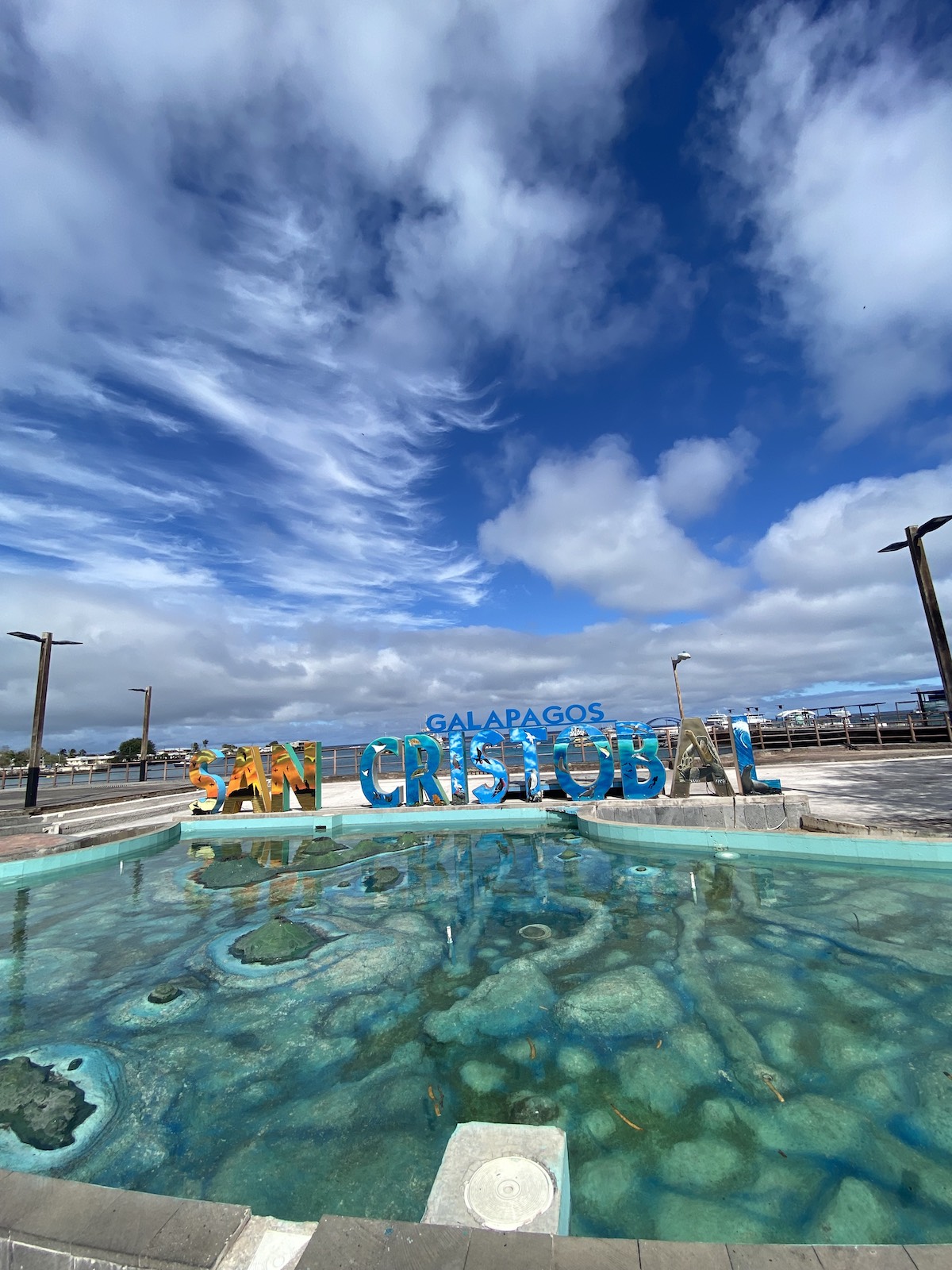
The Galapagos Islands do not have their own visa. There is no separate Galapagos visa, permit, or special travel authorization required beyond what Ecuador requires for entry to the country. Whether you need a visa to visit the Galapagos depends entirely on your nationality’s standing with Ecuador’s immigration policy, and for the large majority of travelers from North America, Europe, Australia, and most of Latin America, the answer is no visa required for stays up to 90 days.
The Galapagos is a province of Ecuador, not a separate jurisdiction with independent immigration control. When you fly from Quito or Guayaquil to Baltra or San Cristóbal, you are traveling domestically within Ecuador. Ecuador’s entry stamp covers the Galapagos without any additional visa or immigration step. What the Galapagos does have is a set of access controls specific to the islands – the Transit Control Card, the National Park fee, and the biosafety inspection, but none of these are visas. They are conservation and access management tools, and every traveler regardless of nationality must complete them.
The confusion about “Galapagos visas” usually comes from travelers who encounter the TCT requirement and assume it functions like a visa because it involves registration and payment. It doesn’t. The TCT is the Galapagos equivalent of a park entry system that tracks how long you stay, not a travel authorization that determines whether you’re allowed to come at all. Your Ecuador entry determines whether you can visit. The TCT determines how your visit is tracked.
If you’re unsure whether your nationality requires an Ecuador visa or want to understand the full entry process before booking a cruise, get in touch here and we’ll walk through the requirements for your specific situation.
Which Countries Get Visa-Free Entry to Ecuador and the Galapagos?
Citizens of approximately 153 countries enter Ecuador visa-free for tourism stays up to 90 days, including the US, Canada, UK, all EU member states, Australia, New Zealand, Japan, South Korea, Brazil, Argentina, and most of Latin America, Southeast Asia, and the Pacific. Approximately 35 to 40 nationalities require a visa, primarily from Africa, parts of Asia, the Middle East, and some Caribbean nations. If your country requires a visa for Ecuador, you must obtain it from an Ecuadorian consulate before travel – there is no visa on arrival for these nationalities.
The countries currently requiring a visa to enter Ecuador include Afghanistan, Angola, Bangladesh, Cameroon, Cuba, Egypt, Eritrea, Ethiopia, Gambia, Ghana, Guinea, India, Iran, Iraq, Kenya, Libya, Mali, Myanmar, Nepal, Nigeria, Pakistan, Philippines, Democratic Republic of Congo, Republic of Congo, Ivory Coast, Senegal, Sierra Leone, Somalia, Sudan, South Sudan, Syria, Sri Lanka, Venezuela, Vietnam, and Yemen. China, notably, is not on this list – Chinese citizens can enter Ecuador visa-free. Ecuador’s visa policy evolves, so travelers from any of these countries should verify current requirements with the official Ministerio de Relaciones Exteriores or the nearest Ecuadorian consulate before making travel arrangements.
For visa-free travelers, entry works simply: arrive at Quito or Guayaquil with a valid passport (at least 6 months validity remaining from entry date), a return or onward ticket, and sufficient funds for your stay. Ecuador immigration stamps a 90-day tourist entry. That stamp covers both mainland Ecuador and the Galapagos. No additional immigration step is needed when flying to the islands.
South American nationals traveling on Mercosur or Andean Community passports have additional flexibility – most can enter Ecuador with their national identity card rather than a passport. The exception is Venezuelan citizens, who do require a passport and currently need a visa or special humanitarian permit.
What Documents Do You Actually Need to Enter the Galapagos?
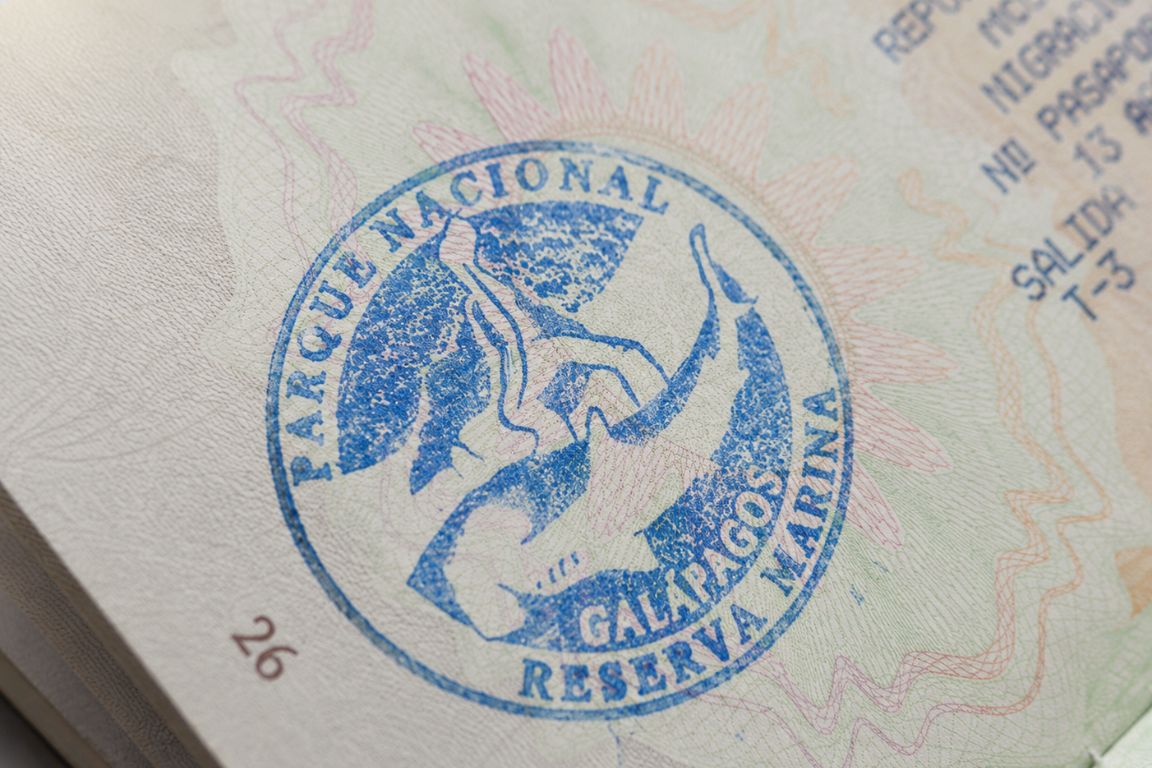
Six documents or completed requirements are needed to enter the Galapagos in 2026: a valid passport (or national ID for eligible South American citizens), Ecuador entry clearance (visa or visa-free admission), the Transit Control Card purchased online before the flight, the biosafety sworn declaration completed online within 48 hours of the flight, the Ecuador customs FRA form completed online before entering or leaving Ecuador, and cash for the National Park entrance fee paid on arrival. The checklist is longer than it used to be because several requirements that were previously handled at the airport have moved to online pre-completion.
The Ecuador customs FRA form is a newer addition that catches some travelers off guard. Since July 2025, all travelers entering or leaving Ecuador must complete the Formulario de Registro Aduanero online, regardless of whether they have anything to declare. The form is free and takes about 5 minutes at aduana.gob.ec. First-time users register with their passport number to create a free ECUAPASS account, then generate a QR code to present at immigration. Travelers who researched Ecuador entry before July 2025 may not be aware this form now exists.
The biosafety sworn declaration is a separate form from the TCT and is administered by the Galapagos Biosafety Agency (ABG). It asks travelers to declare whether they’re carrying processed or fresh food, plants, flowers, seeds, live animals, camping equipment, wood, or handicrafts. Since January 31, 2026, the paper version of this form no longer exists – all travelers 18 and over must complete it online at declaracion.abgalapagos.gob.ec within 48 hours of the Galapagos flight. Save the QR code on your phone. You’ll need to show it during the baggage inspection at the mainland airport before boarding.
What Is the Galapagos Transit Control Card and Is It a Visa?
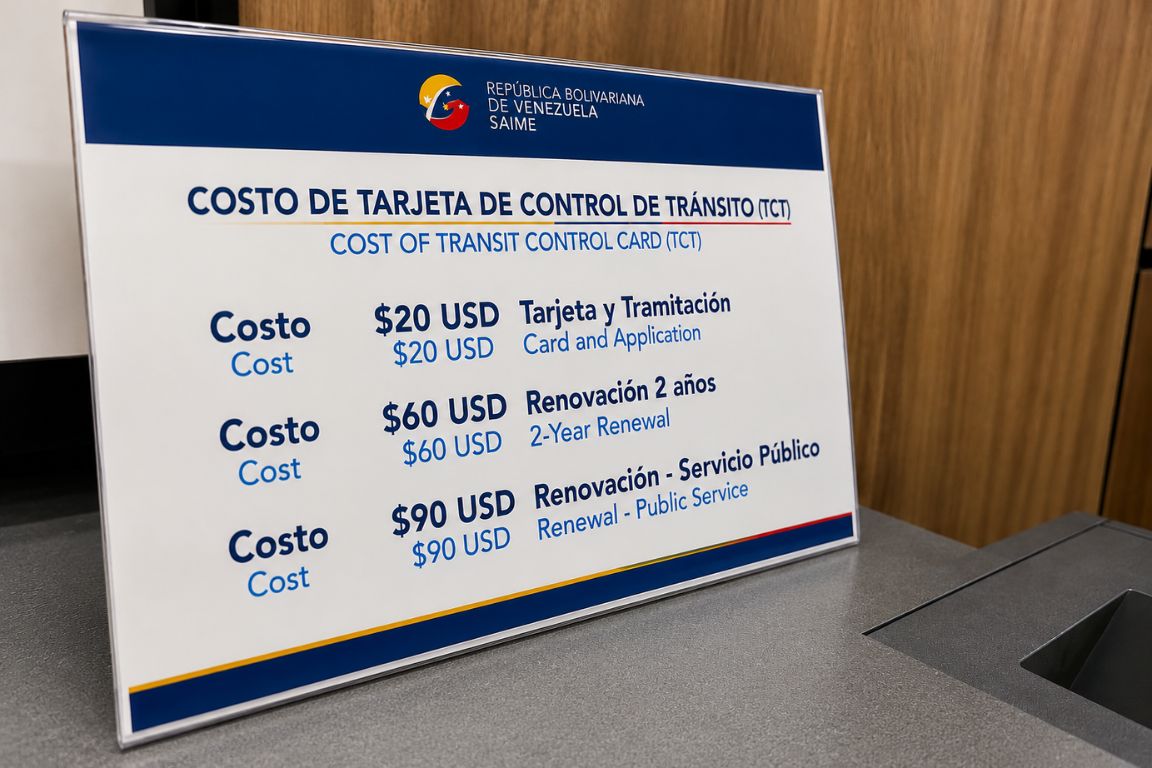
The Transit Control Card (TCT) is not a visa. It is a mandatory tracking document issued by the Galapagos Government Council (CGREG) that records every visitor’s entry, stay duration, and departure from the Galapagos province. Its purpose is conservation management – monitoring tourism volume to enforce the 60-day maximum tourist stay and protect the islands’ fragile ecosystem from over-tourism. It costs $20 per person, must be purchased online before the flight, and must be presented multiple times during the journey.
The TCT changed significantly in May 2025. Before that date, travelers obtained it at a counter in the Quito or Guayaquil airport on the day of the flight. That option is gone. The current process requires completing registration at siig-cgreg.gobiernogalapagos.gob.ec at least 48 hours before the Galapagos departure flight. During registration you enter your passport details, your round-trip flight information, and your accommodation or cruise details. You pay the $20 fee online, then download or save the digital TCT. Even after completing online registration, you still need to stop at the CGREG counter at the mainland airport to have your documents verified before you can check in for the Galapagos flight.
The TCT must be kept throughout the entire trip. You present it on departure from the mainland, on arrival at the Galapagos airport, and again when departing the islands. Losing the card creates a bureaucratic problem on departure – keep a digital copy on your phone as backup. Cruise operators who handle logistics for their passengers typically assist with TCT registration, but if you’re managing your own paperwork, the process is straightforward and takes about 15 minutes online.
One specific limitation to understand: the TCT grants tourist access only. Travelers who enter the Galapagos on a tourist TCT are not permitted to work, conduct paid professional activities, or carry out research. The Galapagos Special Law of 1998 governs work and residency on the islands, and these categories require separate permits from the Galapagos Government Council entirely outside the tourist TCT framework.
Wondering whether the national park fee is paid on arrival or in advance and what happens if your Transit Control Card paperwork isn’t in order at Quito airport? This Galapagos entry requirements, transit card and national park fees explained guide covers the details most Ecuador travel blogs treat as obvious.
How Long Can You Stay in the Galapagos?
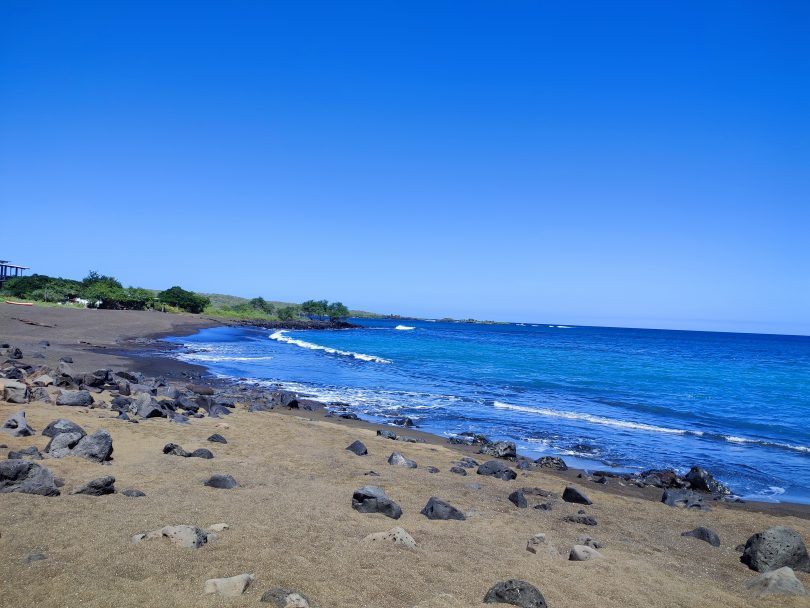
Tourists can stay in the Galapagos for a maximum of 60 consecutive days per calendar year. This is separate from Ecuador’s 90-day tourist visa allowance – even if your Ecuador entry stamp permits 90 days in the country, you cannot remain in the Galapagos province for more than 60 of those days. Multiple entries into the Galapagos are permitted within the year, but the total accumulated days across all entries cannot exceed 60. The TCT tracks this count at every entry and exit.
For the vast majority of cruise travelers visiting for 4 to 15 days, this limit is completely irrelevant. It becomes relevant for backpackers and long-term Ecuador travelers who want to spend significant time on the islands combining land tours, volunteering, and slow travel. Even for that category, 60 days in the Galapagos is a substantial amount of time.
Exceeding the 60-day tourist limit requires a residency category beyond tourist status. Temporary residency in the Galapagos requires sponsorship from a Galapagos-based employer who must demonstrate that no resident already available can fill the position. Permanent residency effectively closed in 2003 when the last wave of eligibility under the 1998 Special Law expired. New permanent residency is now only available by birth or marriage to an existing permanent resident. The islands are constitutionally authorized to restrict free residence and property rights – unlike mainland Ecuador – specifically because of the ecological imperative of controlling population growth.
We’ve put together a full duration breakdown in our how long should your Galapagos cruise be guide so you know exactly how to match your cruise length to the wildlife, islands, and experience you actually came for.
Are There Any Entry Restrictions Specific to the Galapagos Beyond Ecuador’s Requirements?
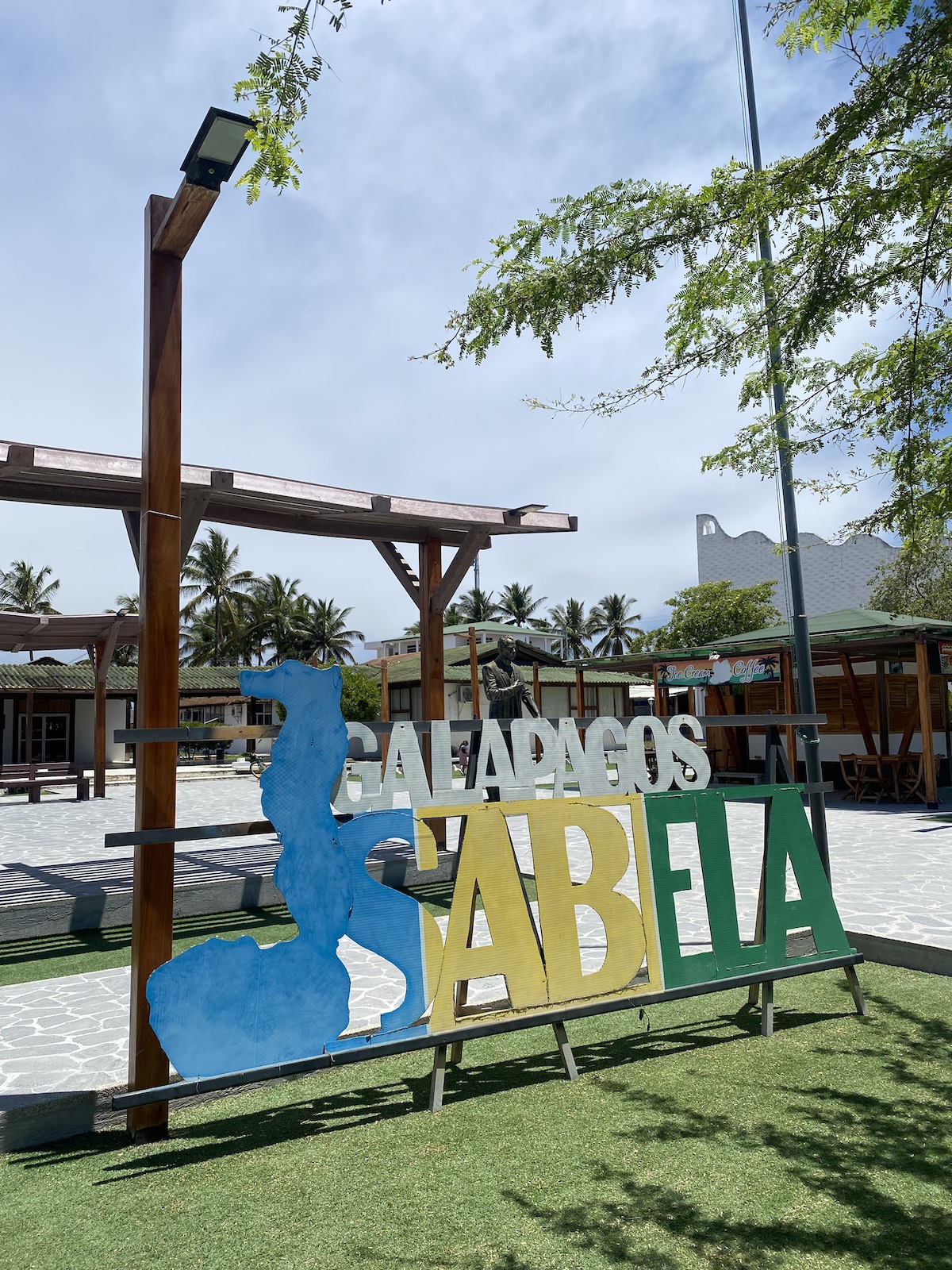
Yes. The Galapagos operates under a Special Regime established by Ecuador’s 1998 Special Law, which gives the islands authority to impose access controls beyond standard Ecuador immigration. These include the 60-day maximum tourist stay, the biosecurity inspection that applies to all visitors regardless of nationality, restrictions on bringing biological materials to the islands, and prohibitions on working or conducting research on a tourist TCT. The islands also restrict construction, commerce, and new business activity to permanent residents, making the Galapagos one of the most controlled tourist destinations in the world from a regulatory perspective.
The biosecurity restrictions are the ones travelers encounter most directly. The prohibited items list maintained by the Galapagos Biosafety Agency (ABG) includes fresh fruit and vegetables, unprocessed seeds, live animals, plants and plant material, soil, and certain outdoor equipment that may carry soil or seeds from other environments. Camping equipment – tents, sleeping bags, hiking boots – must be declared and may be inspected for biological material. Flight attendants spray the overhead bins with insecticide on every flight to the Galapagos to prevent insects from entering the islands. On landing, passengers step through a disinfectant solution at the airport to sterilize shoe soles. These are not ceremonial – they represent genuine biosecurity protocols for one of the world’s most ecologically fragile environments.
Between islands within the Galapagos, additional biosecurity inspections apply when traveling by speedboat ferry. Organic material including food cannot be moved freely between inhabited islands. This is enforced at inter-island ferry departure points. Cruise passengers don’t encounter this directly since the vessel manages all provisioning, but travelers doing land-based trips between San Cristóbal, Santa Cruz, and Isabela will pass through these checks when using inter-island speedboats.
What Happens at the Airport When You Arrive in the Galapagos?
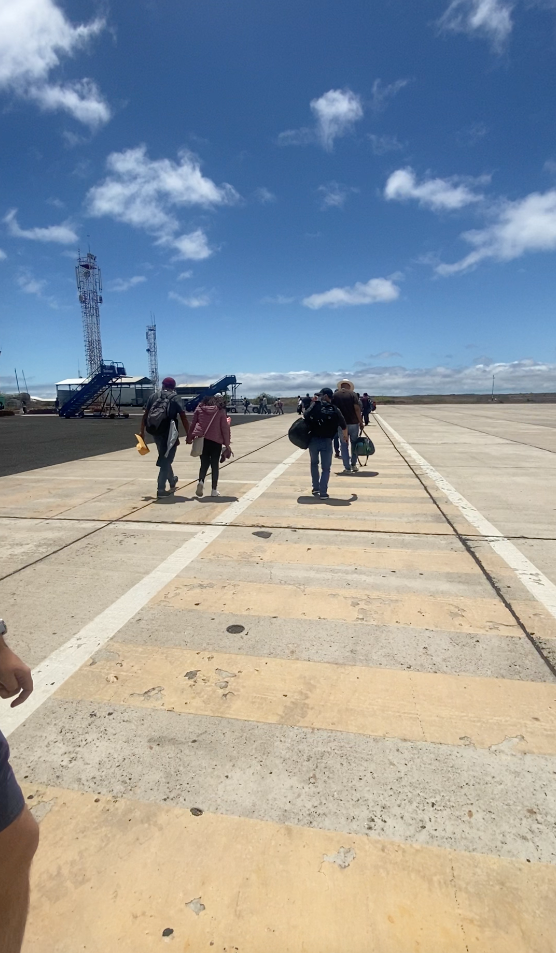
The arrival process at both Baltra and San Cristóbal follows a specific sequence: immigration and passport control, presentation of TCT, biosafety declaration QR code check, baggage inspection by sniffer dogs, and then payment of the National Park entrance fee in cash before exiting the terminal. The entire process takes 20 to 45 minutes depending on the number of passengers and the efficiency of the queue. Cruise passengers are met by a vessel representative on the other side of the exit, who handles the transfer to the boat.
At Baltra specifically, the sequence from landing to cruise boarding looks like this: the plane lands, passengers file through immigration (present passport and TCT), proceed to baggage claim, pass through the biosafety dog inspection for checked luggage, then proceed to the park fee collection point where a park officer collects $200 per adult in USD cash. After paying, you exit the terminal, board a 5-minute bus to the dock, and either board a zodiac to the anchored vessel or take the Itabaca Channel ferry to Santa Cruz for Puerto Ayora-based cruises.
The cash requirement for the park fee catches a meaningful number of travelers unprepared. The fee is $200 per adult and $100 per child, and it is cash only at the collection point. There is no card payment option at the park fee desk. Some sources indicate card payment is available at Baltra but unreliable – don’t count on it. Bring the correct amount in USD cash from the mainland. Quito and Guayaquil both have reliable ATMs. Baltra’s airport facilities are limited.
Trying to figure out which Ecuadorian gateway city to fly through and what happens at the airport before you board the island flight? Check out our how to get to the Galapagos Islands guide before you book any flights.
What Are the Most Common Entry Mistakes That Delay or Block Travelers?
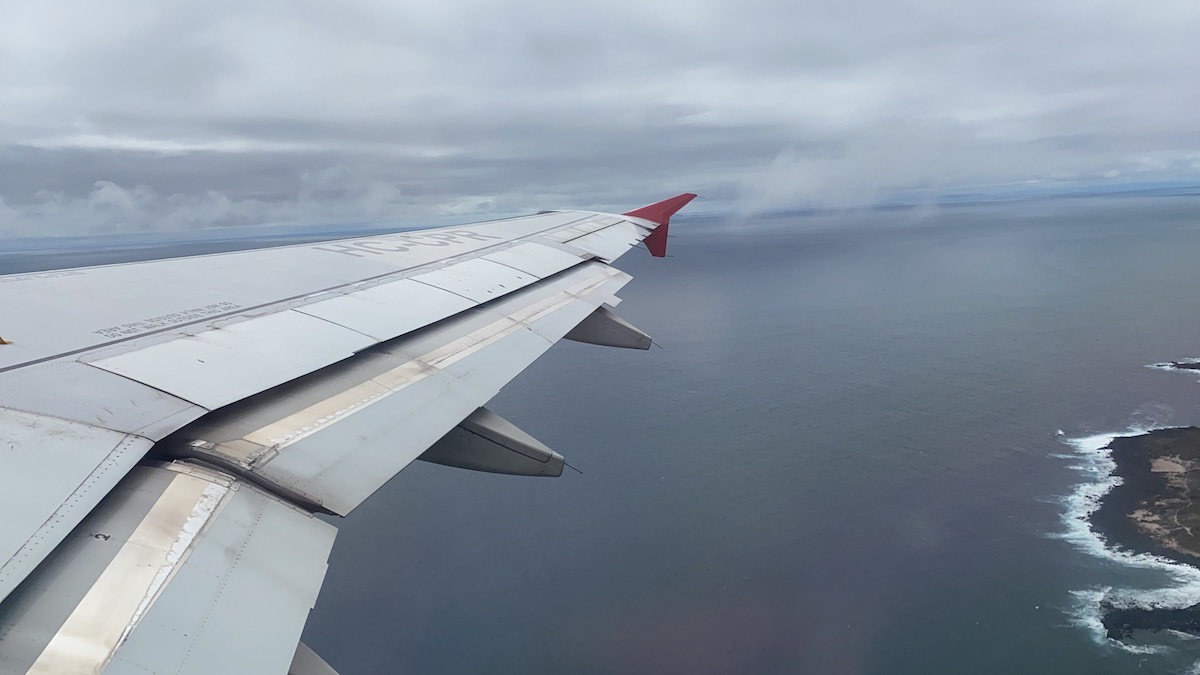
Five entry mistakes account for nearly all Galapagos arrival problems: not completing the TCT online before the flight (the at-airport option no longer exists as of May 2025), not completing the biosafety sworn declaration online (paper forms gone as of January 2026), not carrying sufficient USD cash for the $200 park fee on arrival, arriving at the Quito or Guayaquil airport without enough time for baggage inspection before the flight, and – for nationalities requiring a visa – not obtaining the Ecuador visa before travel.
The TCT and biosafety declaration mistakes are the most common because both processes changed recently and travelers who researched the entry process before 2025 or early 2026 may be working from outdated information. The TCT was an at-airport transaction for decades before May 2025. The biosafety declaration was a paper form filled on arrival until January 2026. Both are now online-only processes completed before leaving the mainland. A traveler who shows up at the airport without these completed cannot board the Galapagos flight.
The baggage inspection timing mistake catches travelers who arrive at the Quito or Guayaquil airport with the same lead time they’d allow for a standard domestic flight. The Galapagos departure process requires: TCT verification at the CGREG counter, then biosafety declaration verification, then full baggage inspection at the ABG biosecurity booth, then airline check-in, then standard security. This sequence typically takes 60 to 90 minutes on top of normal check-in time. Arrive at least 2.5 hours before the Galapagos flight at either mainland airport.
For travelers from the approximately 35 to 40 countries requiring an Ecuador visa, the visa mistake is the most consequential. Ecuador does not offer visa on arrival for these nationalities. A traveler from India, Nigeria, or Bangladesh who arrives at Quito without an Ecuador visa will be denied entry to Ecuador and will not reach the Galapagos regardless of what cruise is booked. Verify visa requirements with the Ecuadorian consulate for your specific nationality well before booking anything.
| Issue | Frequency (%) | Outcome When It Happened |
|---|---|---|
| TCT not completed before arrival at airport | 38% | Flight nearly missed; resolved at airport with urgency |
| Insufficient USD cash for park fee | 22% | Delay while sourcing cash at Baltra; stressful boarding |
| Arrived at mainland airport with insufficient time for biosecurity queue | 18% | Flight missed in worst cases; near misses common |
| Biosafety declaration not completed online (paper form sought) | 14% | Completed on phone at airport; caused delay in queue |
| Prohibited food items found in luggage at inspection | 8% | Items confiscated; delay; no boarding issue but avoidable |
Send us a message here and tell us what matters most to you – we’ll match you to the right option honestly.
Frequently Asked Questions
Do US citizens need a visa for the Galapagos?
No. US citizens enter Ecuador visa-free for up to 90 days with a valid passport. That Ecuador entry covers the Galapagos without any additional visa. US citizens still need the Transit Control Card ($20, purchased online before the flight) and the National Park entrance fee ($200 cash on arrival), but neither is a visa.
Do Indian citizens need a visa for the Galapagos?
Yes, indirectly. India is on Ecuador’s visa-required list, meaning Indian passport holders must obtain an Ecuador visa from an Ecuadorian consulate before traveling. Without that Ecuador visa, entry to the country, and therefore access to the Galapagos – is not possible. The visa application requires a valid passport, onward ticket, and travel insurance, with a $50 application fee and $150 visa fee if approved.
What is the Galapagos Transit Control Card?
The TCT is a $20 mandatory tracking document issued by the Galapagos Government Council that records every visitor’s entry and stay duration to enforce the 60-day maximum tourist limit. It is not a visa. As of May 2025 it must be purchased online at siig-cgreg.gobiernogalapagos.gob.ec at least 48 hours before the Galapagos flight. The old at-airport option no longer exists.
How much is the Galapagos National Park entrance fee?
$200 per adult (age 12 and over) and $100 per child, paid in USD cash on arrival at Baltra or San Cristóbal airport. Card payments are not reliably accepted. Bring the exact amount from the mainland. For a family of two adults and two children over 12, that’s $800 in cash.
Can you work or do research in the Galapagos on a tourist visa?
No. Tourist TCT status explicitly prohibits work, paid professional activity, and research. The Galapagos Special Law of 1998 governs these categories, which require separate permits from the Galapagos Government Council. Entering on a tourist classification and conducting professional activities is a violation that can result in removal from the islands.
Questions About Entry Requirements for Your Specific Situation?
Entry requirements, especially the newer online-only processes for the TCT and biosafety declaration, catch travelers off guard when they’re working from outdated information. We help every traveler we work with understand exactly what they need, in what order, and by when – before the booking is confirmed and well before the travel date.
Rated 4.9 stars on Google and TripAdvisor. Get in touch here and we’ll walk through the complete entry process for your nationality and travel dates.
Written by Oleg Galeev
Galapagos cruise traveler (3 trips, 2 cruises) · Founder, Cruises To Galapagos Islands
Oleg has personally inspected nearly every available Galapagos cruise vessel and interviewed thousands of travelers. He also runs the Ecuador travel blog mytrip2ecuador.com and the YouTube channel My Trip to Somewhere.
Cruises To Galapagos Islands is rated 4.9 stars on Google and TripAdvisor.
Entry requirements and fees verified against official Galapagos Government Council and Ecuador immigration sources as of the publish date. Requirements can change – verify with the Ecuadorian consulate for your nationality before travel.