
TL;DR
The Galapagos is one of the few places on earth where wildlife photography doesn’t require a telephoto the length of your arm. Animals evolved without land predators and are genuinely indifferent to cameras. You’ll photograph a blue-footed booby courtship dance from two feet away. Bring a 70-200mm for wildlife, a wide angle for landscapes, and a GoPro or waterproof housing for snorkeling. For photographers, a small vessel with a slow pace, early and late landings for golden-hour light, and an itinerary that includes both Española and North Seymour covers the core images. Photography-specific departures exist and are worth considering.
Quick Facts: Galapagos Photography Cruises
| Detail | What You Need to Know |
|---|---|
| Park entry fee | $200 USD cash per adult on arrival – Verified July 30, 2026 |
| Transit Control Card (TCT) | $20 per person, purchased online before your flight |
| Flash photography | Banned at all visitor sites; stresses wildlife |
| Drone use | Banned throughout the Galapagos National Park |
| Best wildlife proximity | 1 to 3 meters typical; 70-200mm lens sufficient for most subjects |
| Best land lens range | 70-200mm or 100-400mm; wide angle 16-35mm for landscapes |
| Underwater recommendation | GoPro or waterproof phone housing; test before trip |
| Best season for warm light + wildlife | December through May (warm season); soft equatorial light, calmer seas |
| Best season for behavioral shots | April through June; courtship displays at peak across multiple species |
| Photography-specific departures | Available on Ecoventura, La Pinta (UnCruise), Nemo III, Quasar vessels |
Why Is the Galapagos One of the Best Photography Destinations in the World?
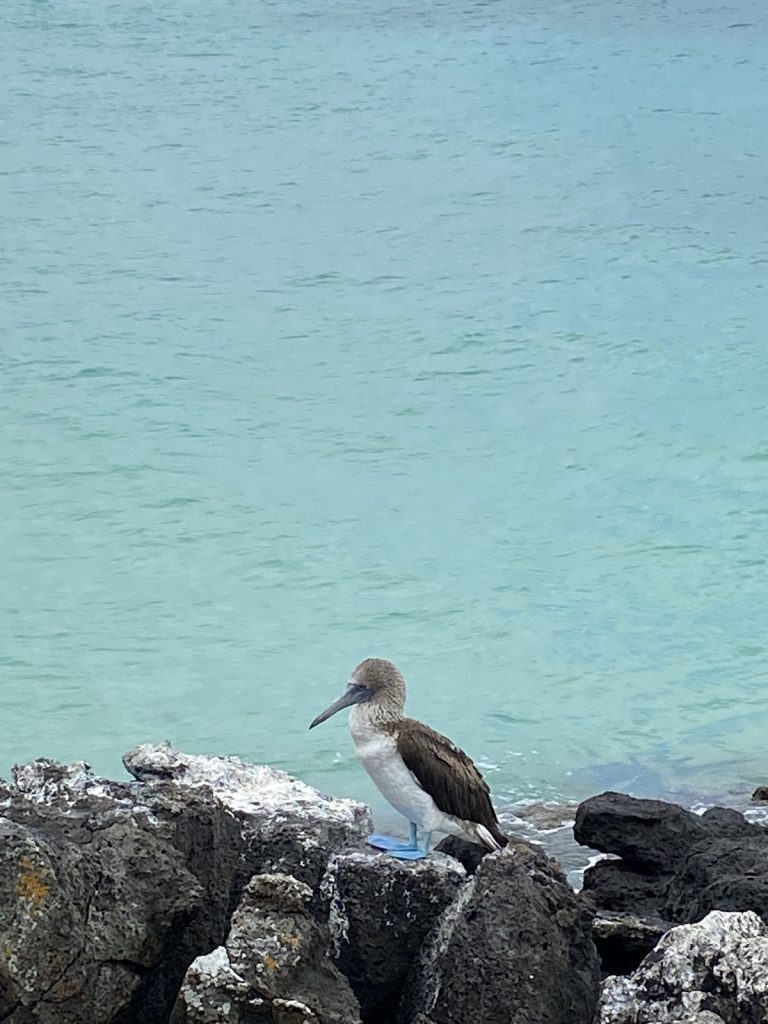
Because the wildlife doesn’t move away from you. That single fact changes everything about wildlife photography here. Animals in the Galapagos evolved without land predators and have no inherited fear response to humans. A blue-footed booby will perform its entire courtship dance while you crouch two feet away adjusting your exposure. A marine iguana will bask on the same rock while you circle it for a better background. A Galapagos hawk will land near you and watch you back. This proximity, combined with extraordinary species density and dramatic volcanic scenery, makes the Galapagos arguably the most productive wildlife photography destination per day of shooting that exists.
Most wildlife photography destinations require either extraordinary patience and fieldcraft, expensive telephoto equipment, or both. In the Galapagos the calculus inverts. You don’t need a 600mm lens from a football field away. You need a steady hand and reasonable technique to compose a frame when the subject is close enough to be blurred by your own breathing. The challenge here isn’t getting close. It’s making intentional images rather than just reflexive point-and-shoot reactions to animals that won’t stop presenting themselves.
The landscapes amplify the portfolio further. Black lava fields, turquoise coves, red-sand beaches on Rabida, green-sand beaches on Floreana, Bartolome’s Pinnacle Rock above a colony of penguins: the visual variety across islands is genuinely extraordinary, and those scenes exist within a short panga ride of each other throughout a single cruise itinerary.
If photography is your primary reason for this trip, the itinerary and pacing matter as much as the destination. We know which vessels allow extended golden-hour time at sites and which run to a tight schedule. Send us a message here and tell us what you most want to shoot.
The Galapagos is the ultimate wildlife destination but the cruise you pick determines which species you actually encounter. Here’s a guide to the best Galapagos cruise for wildlife enthusiasts so you book the itinerary that delivers the encounters worth traveling for.
What Will You Actually Photograph in the Galapagos?
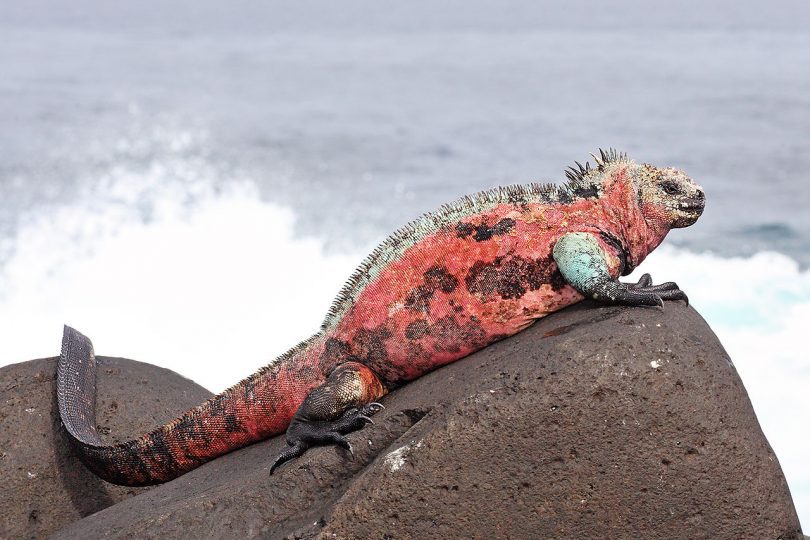
The Galapagos portfolio breaks into four distinct categories: behavioral wildlife shots at close range, portrait subjects on land and in water, landscape and seascape work, and underwater photography. Most photographers fill memory cards faster than they expect across all four. The standout behavioral subjects are the blue-footed booby courtship dance, the magnificent frigatebird throat-sac inflation, the waved albatross courtship ritual on Española, and sea lion pups playing underwater. The portrait subjects are everywhere, all day, from marine iguanas to giant tortoises to Galapagos penguins.
The blue-footed booby courtship dance is the most photographed behavior in the Galapagos and with good reason. The male lifts one electric-blue foot slowly, then the other, in a deliberate sequence while extending his wings and presenting his beak skyward. He performs this from a few feet away, repeatedly, for minutes at a time. North Seymour is the best site. The dance happens in open light on flat ground, which means you can work on composition, try different angles, and bracket exposure without the bird showing the slightest irritation.
The marine iguana of Española deserves its own mention. During breeding season from December through March, males turn vivid red and green against the black lava: the “Christmas iguanas.” The color contrast is so dramatic that even a smartphone produces striking images. At other times of year they’re black on black, which is its own compositional challenge and produces a completely different kind of photograph.
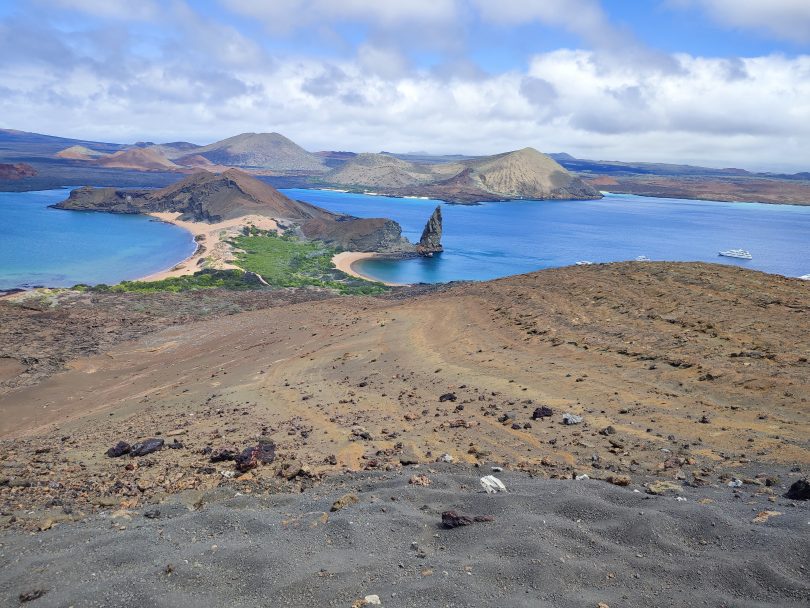
Bartolome’s Pinnacle Rock is the landscape anchor of most Galapagos photo portfolios. Volcanic rock formation rising from a bay where penguins hunt, the summit view at golden hour with the surrounding islands catching warm light, the panga shot with Pinnacle Rock reflected in flat water: these images appear on the covers of magazines and they’re genuinely available to anyone on the right itinerary at the right time of day.
Underwater, the sea lion pups are the standout photography subject. The adults are photogenic in a majestic way. The pups are ridiculous and joyful and swim directly into your camera with enormous eyes. A GoPro or waterproof phone housing in the snorkel session at Champion Islet or Gardner Bay produces images that most photographers rate among their favorites from the entire trip, regardless of what else they shot.
Not sure which Galapagos cruise covers the right islands for serious birdwatchers or which operators pair their itineraries with naturalist guides who know their birds? This breakdown on the best Galapagos cruise for birdwatchers covers what matters most.
Which Cruise Class and Vessel Features Matter Most for Photographers?
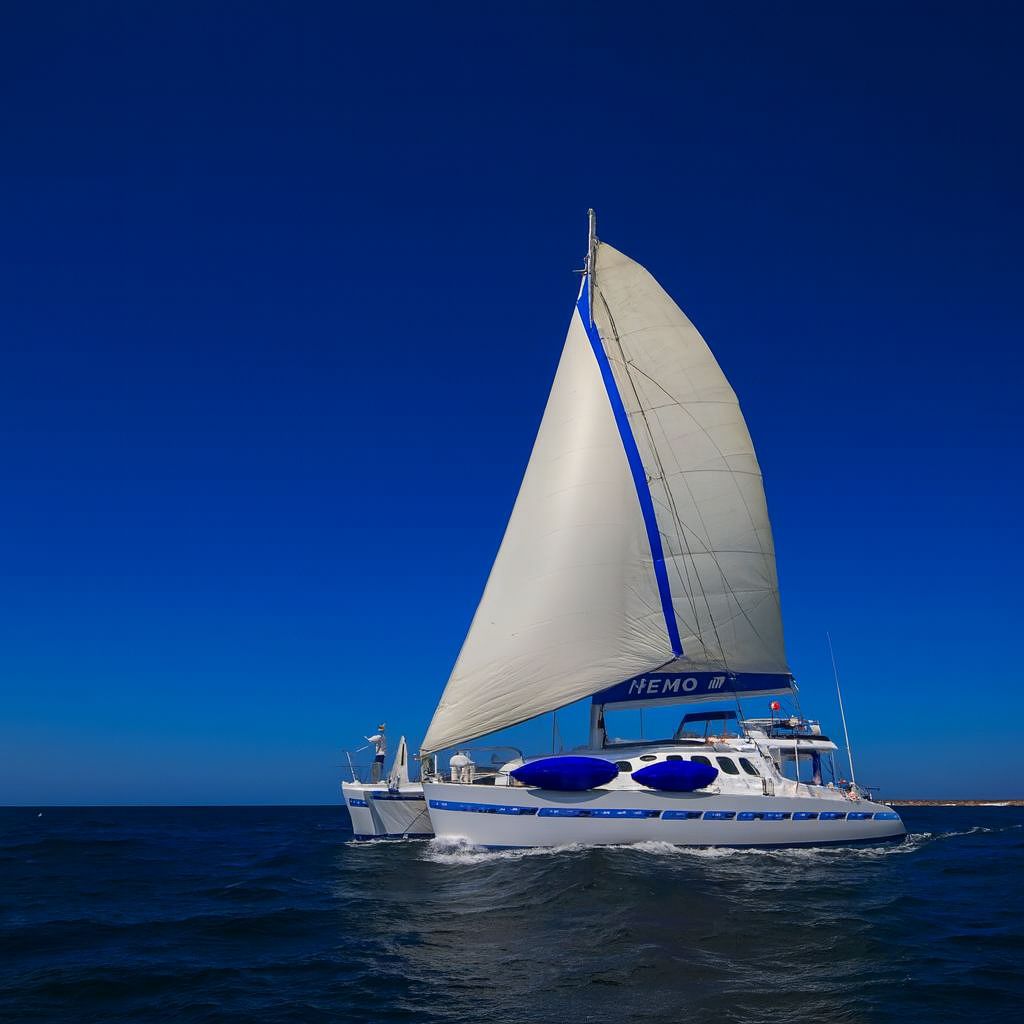
Pace is the most important variable for photographers. A vessel that stays longer at productive sites, schedules early morning landings to capture golden-hour light, and doesn’t rush groups back to the panga ahead of schedule is worth more than an extra cabin amenity. Small vessels of 16 passengers give guides more flexibility to linger at a site when the light or the behavior is exceptional. Photography-specific departures, offered by operators including Ecoventura, La Pinta, Nemo III, and Quasar, go further: they optimize the daily schedule specifically around light windows and include instruction from a professional photographer or photo naturalist on board.
The standard cruise schedule runs two landings per day, morning and afternoon, with the midday hours at sea or on the boat. Photography-specific departures restructure this around golden hour: landing at or before dawn to shoot in the first light, extending the afternoon excursion to capture the last of the evening light, and scheduling dedicated image review and instruction sessions in the middle of the day. For serious photographers, this reframing of the daily schedule can produce dramatically different results from the same sites.
Vessel stability matters for photographers in a way it doesn’t for all travelers. A catamaran hull provides a steadier shooting platform on deck during crossings and at anchor, which affects both comfort and the quality of handheld shots taken from the boat. The camera dry storage provision on the panga is also worth confirming: several vessels provide dedicated waterproof boxes on the zodiac for camera gear, which matters during wet landings when you’re stepping through ankle-deep water with equipment.
For photographers traveling with non-photographers, the general interest naturalist cruise remains the right format since the experiences overlap perfectly: what makes for extraordinary photography in the Galapagos, close wildlife, dramatic scenery, and great light, is the same thing that makes for an extraordinary general wildlife experience. The difference between a photography departure and a standard cruise is pace and instruction, not access.
Photography departures fill faster than standard cruises because they attract a specific kind of traveler who books early. If a photography-specific itinerary is on your list, the booking window matters. We’re rated 4.9 stars on Google and TripAdvisor. Fill out this short form and we’ll check current availability on photography-focused departures.
Which Itinerary Has the Best Photography Opportunities?
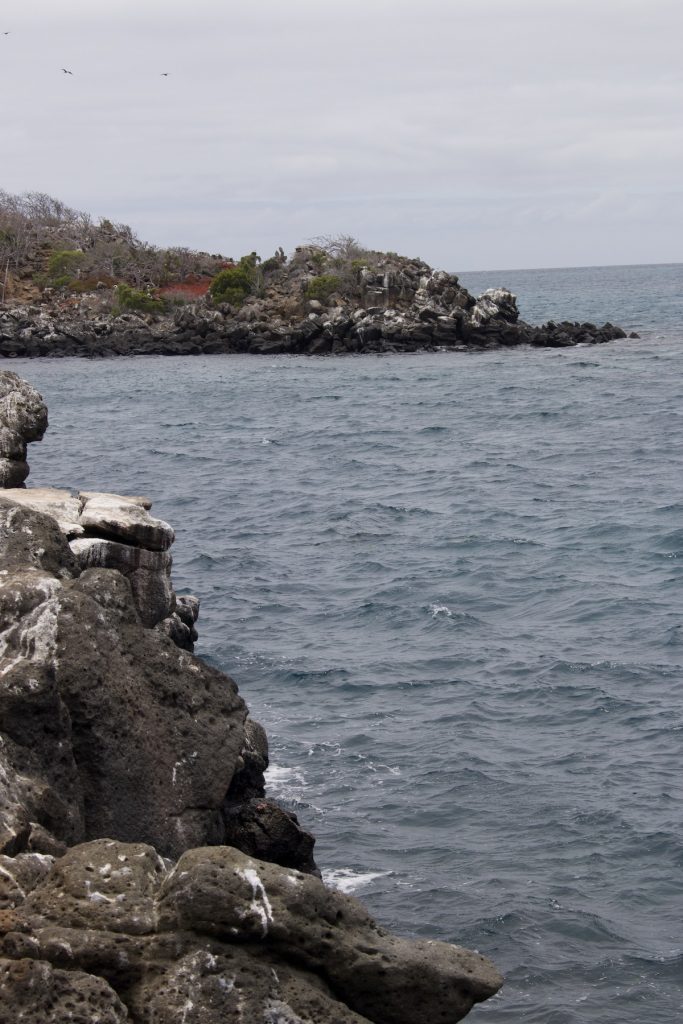
For photographers, the must-have sites are North Seymour for frigatebird and booby behavioral shots, Española for waved albatross and the most dramatic cliff scenery in the archipelago, Bartolome for the quintessential Galapagos landscape image, Rabida for the red beach sea lion nursery, and Gardner Bay or Champion Islet for underwater sea lion work. An eastern 8-day itinerary covers most of these. Adding Genovesa extends the seabird colony work significantly. Western itineraries add flightless cormorant and the alien lava landscapes of Fernandina.
Española’s Punta Suarez is the single most photographically productive landing in the archipelago for the right photographer. Waved albatross courtship on the cliff edge, Española mockingbirds investigating your bag, Galapagos hawks at close range, blue-footed boobies and Nazca boobies nesting on the same flat trail, marine iguanas in breeding colors: a three-hour morning at Punta Suarez in April or May with decent light is the kind of session photographers come back from needing to buy a new hard drive.
Rabida is underrated relative to the more famous sites and worth specifically confirming on your itinerary. The deep red volcanic beach, caused by iron oxide in the lava, is one of the most visually striking settings in the entire archipelago. A sea lion nursery sits at the beach’s edge. The contrast of terracotta sand, turquoise water, and dark volcanic cliffs behind makes images that look nothing like anyone’s mental picture of the Galapagos and everything like a shot they want framed on a wall.
What Photographers Tell Us After Their Galapagos Cruise
From the thousands of travelers Oleg has interviewed through mytrip2ecuador.com and the YouTube channel, photographers are among the most specific in their post-trip feedback. The data below reflects aggregate responses from travelers for whom photography was a primary trip motivation.
| Finding | Result | Context |
|---|---|---|
| Photographers who said they wished they’d brought a second camera body | ~61% | Most common reason: lens-switching time lost when behavior was happening |
| Photographers who rated the sea lion underwater session as their best shot of the trip | ~58% | Consistent across all experience levels from smartphone to professional DSLR |
| Photographers who wished the vessel had stayed longer at their top site | ~74% | Highest among those on standard 16-passenger shared departures vs. photography charters |
| Photographers who brought a 400mm+ lens and said it was unnecessary | ~43% | Cited wildlife proximity as making long telephoto range redundant at most sites |
| Photographers who said they’d specifically book a photography departure next time | ~69% | Primary reasons: extended golden-hour time and slower pace at key sites |
What Camera Gear Should You Bring on a Galapagos Cruise?
The Galapagos inverts the usual wildlife photography gear calculus. You don’t need a super-telephoto. What you need is a versatile mid-range zoom (70-200mm or 100-400mm) for the majority of wildlife work, a wide-angle (16-35mm or 24-105mm) for landscapes and environmental portraits, multiple batteries and memory cards, a waterproof solution for snorkeling, and rain protection for your body and lenses. Two camera bodies saves time you’d otherwise lose to lens changes during behavioral sequences.
The 70-200mm is the workhorse lens for most Galapagos photographers. At 200mm you can fill the frame with a booby from one meter away and still get sharp behavioral shots at 1/800s. Wildlife here isn’t running away, but it is moving: the booby dance, the sea lion in mid-roll on the beach, the iguana sneeze. Fast shutter speeds matter more than focal length. A 100-400mm gives extra reach for birds in flight and pelagic species spotted from the boat, but most experienced Galapagos photographers agree they reach for the 70-200mm far more often.
Leave the 500mm or 600mm prime at home. It’s genuinely overkill here and adds weight and bulk that makes the panga landing uncomfortable. One photographer who brought a 600mm f/4 reported using it for exactly two shots across eight days, both of them pelagic birds spotted at sea. The extra reach is simply not what this destination demands.
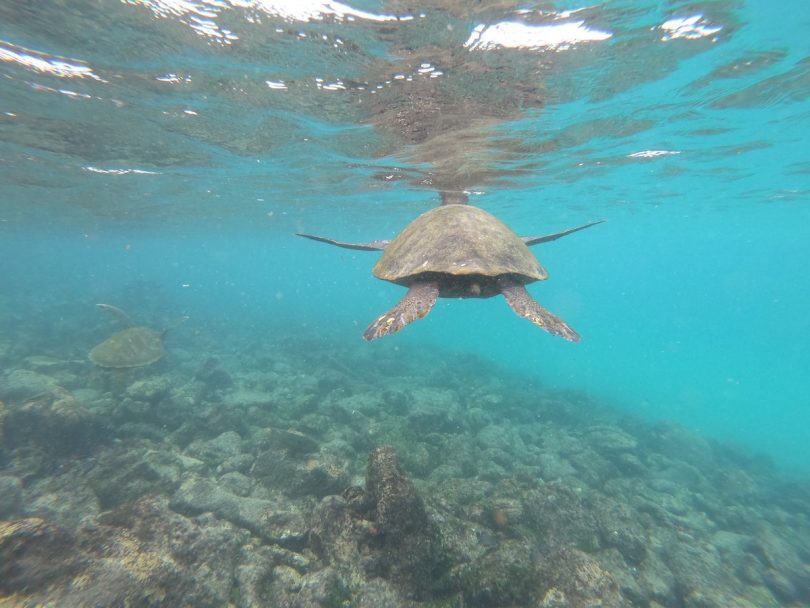
For underwater work, the advice from experienced Galapagos photographers is consistent: keep it simple. A GoPro 12 or a waterproof phone housing produces excellent results in the shallows where sea lion encounters happen. A full DSLR underwater housing setup with strobes is powerful but complex and the Galapagos snorkel environment has backscatter from nutrient-rich water that makes strobe management genuinely difficult. If you haven’t shot with a full rig before, this is not the trip to learn on.
Practical items most photographers forget: a rain sleeve for the body and lens (equatorial rain is sudden and heavy in the warm season), a microfiber cloth for salt spray on the front element during panga rides, multiple memory cards, and at least three batteries per body. Charging opportunities on a 16-passenger yacht are limited and you will shoot more frames per day than you expect.
Snorkeling in the Galapagos is unlike anywhere else on the planet but the cruise you pick determines how much time you actually spend in the water. Here’s a full guide to the best Galapagos cruise for snorkelers so you book the right one.
What Is the Best Time of Year for Galapagos Photography?
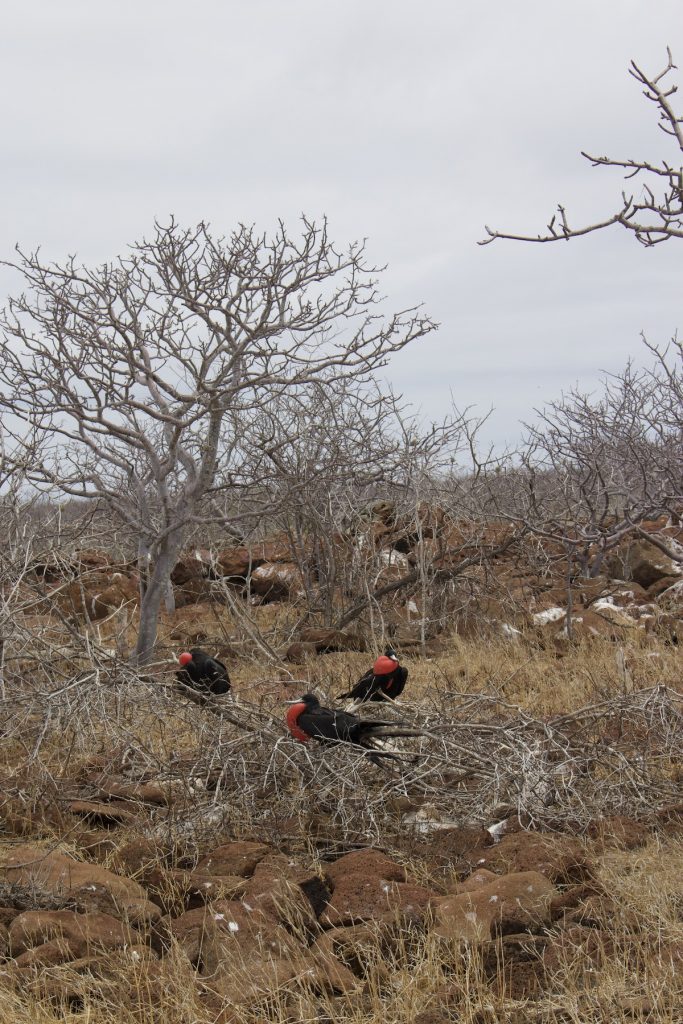
April through June is the peak window for behavioral photography. Waved albatross courtship is active on Española from April. Frigatebird throat-sac display peaks from March through June. Blue-footed booby dancing happens year-round but is most intense during courtship season in the cool season’s transition. The light in April and May, as the warm season transitions to cool, often produces the most dramatic skies: clouds building over volcanic peaks, shafts of light breaking through onto black lava fields.
December through March is the warm season and produces the warmest, softest light for landscape and portrait work. The equatorial sun is harsh at midday throughout the year, but the warm season morning and evening light is particularly golden and consistent. Marine iguana breeding coloration peaks on Española during this period, with the vivid red and green Christmas iguana colors at their most saturated from December through March. Sea turtle nesting on the eastern beaches also peaks during this window, adding a nesting and hatchling story to the photographic opportunities.
July through November is the cool season and brings behaviors that have their own photographic value: courtship activity winding down into chick-rearing across multiple seabird species, sea lion pups at their most playful and interactive, and dramatic overcast skies that can produce moody landscape images very different from warm-season shots. Photographers who want to shoot a full behavioral arc rather than just courtship peaks find the cool season productive in its own right.
We’ve got a full breakdown on the best time of year to take a Galapagos cruise if you want to know exactly how each season affects the wildlife encounters, the snorkeling conditions, and the overall experience on the water.
What Are the Biggest Mistakes Photographers Make Booking a Galapagos Cruise?
The four most consistent photographer mistakes: bringing too much telephoto and not enough wide angle, not checking whether the vessel’s schedule allows golden-hour landings, forgetting reef-safe sunscreen and realizing on arrival that standard SPF must stay on the boat, and underestimating how many batteries and memory cards a full day of Galapagos shooting actually consumes. Flash photography is banned and drones are banned; arriving with either expecting to use them is an expensive and frustrating surprise.
The flash ban catches photographers off guard more than it should. Every visitor site in the Galapagos National Park prohibits flash photography to avoid stressing wildlife. This means all shooting is ambient light, which in turn means shooting in the early morning and late afternoon when the light is workable, and accepting that midday shots on flat lava in bright equatorial sun will be contrasty and less interesting regardless of technique. Planning your sessions around light quality rather than just site access is the discipline that separates good Galapagos photos from average ones.
The drone restriction is absolute. No drones anywhere in the national park, which covers essentially every visitor site and most of the surrounding waters. Anyone who books a trip planning to fly a drone will be disappointed. The views from Bartolome’s summit and Española’s cliffs are extraordinary enough from a fixed position that the prohibition rarely bothers photographers who didn’t plan around it.
Packing too much long glass and not enough versatility is the other consistent gear mistake. Photographers who travel with a 500mm prime and nothing shorter than 200mm find themselves unable to capture the landscape context that makes Galapagos wildlife images more interesting than just tight-cropped portraits. The booby on the cliff edge with the ocean behind it is a better photograph than the booby filling the entire frame, and that contextual shot requires a shorter focal length than most wildlife photographers bring by default.
Frequently Asked Questions
Are drones allowed in the Galapagos?
No. Drones are completely banned throughout the Galapagos National Park, which covers all visitor sites and most of the surrounding marine reserve. There are no exceptions for commercial or professional photography. Anyone planning to use a drone should leave it at home.
Is flash photography allowed in the Galapagos?
No. Flash photography is banned at all national park visitor sites. All shooting is ambient light. This is why early morning and late afternoon landings are so important for photographers: the quality of available light at those times is what determines image quality when flash is not an option.
Do you need a professional camera to get good photos in the Galapagos?
No. The wildlife proximity means smartphones produce genuinely remarkable images here that would be impossible to achieve at most wildlife destinations. A modern phone camera with a decent portrait mode handles sea lion portraits, iguana close-ups, and landscape shots more than adequately. A mirrorless or DSLR with a 70-200mm opens up behavioral photography, birds in flight, and better low-light work. But the Galapagos is one of the few destinations where the gap between phone and professional camera matters less than usual.
What is the single best photography site in the Galapagos?
Española’s Punta Suarez in April or May. Waved albatross courtship, multiple booby species, Galapagos hawk, Española mockingbirds, breeding marine iguanas, dramatic cliff scenery: the density of photographic subjects and the quality of behavioral opportunities at this single site in the right season is extraordinary. North Seymour is the second answer, specifically for blue-footed booby courtship dance, which happens in open light on flat ground at the closest proximity of any behavioral photography opportunity in the archipelago.
Getting the most out of a Galapagos photography trip means choosing the right itinerary, the right departure type, and the right season for what you most want to shoot. We’ve been helping photographers and general travelers plan this trip for years, we’re rated 4.9 stars on Google and TripAdvisor, and we know which vessels allow the extended golden-hour time that makes the difference. If you want a recommendation built around your photography goals rather than a generic cruise suggestion, get in touch here and we’ll put something specific together.
Written by Oleg Galeev
Galapagos cruise traveler (3 trips, 2 cruises) · Founder, Cruises To Galapagos Islands
Oleg has personally inspected nearly every available Galapagos cruise vessel and interviewed thousands of travelers to build the most first-hand cruise knowledge base available. He also runs the Ecuador travel blog mytrip2ecuador.com and the YouTube channel My Trip to Somewhere.
Cruises To Galapagos Islands is rated 4.9 stars on Google and TripAdvisor.
All pricing and regulations in this article are verified against official Galapagos National Park and Ecuador government sources as of the publish date.