
Health Note: This article provides general guidance on water safety in the Galapagos. Travelers with specific health concerns, compromised immune systems, or gastrointestinal sensitivities should consult their doctor before travel. Water quality conditions can change; information here reflects conditions as of the publish date.
Quick Summary
Water on Galapagos cruise ships is safe to drink. Modern vessels produce fresh water through onboard reverse osmosis or desalination systems, treat and filter it, and provide it through refill stations throughout the vessel. Tap water on shore in Galapagos port towns is not safe to drink: it is typically brackish, undertreated, and not recommended by health authorities. Single-use plastic water bottles are banned across the archipelago. Every cruise ship provides purified drinking water for refilling. Bring a good insulated reusable bottle, use the vessel’s refill stations, and drink more than you think you need on active excursion days in equatorial sun.
Water Safety in the Galapagos: Quick Reference
| Water Source | Safe to Drink? | Notes |
|---|---|---|
| Onboard vessel drinking water (mid-range to luxury) | Yes | Produced via reverse osmosis or desalination, then filtered and treated. Available at refill stations throughout the vessel. Provided in reusable bottles on most mid-range to luxury ships. |
| Cabin tap water (on ship) | Generally yes – verify with your operator | On most modern vessels, cabin tap water is treated and safe. Some older budget vessels advise against drinking cabin tap water directly. When in doubt, use the vessel’s designated drinking water dispensers. |
| Ice on board cruise ships | Yes | Made from the vessel’s treated drinking water supply. Safe on all certified Galapagos cruise operators. |
| Tap water in port towns (Puerto Ayora, Puerto Baquerizo Moreno) | No | Brackish, undertreated, and not recommended by health authorities. Puerto Ayora on Santa Cruz in particular has persistent water quality challenges. Use purified water from restaurants and shops. |
| Ice in shore-side restaurants and bars | Use caution | May be made from tap water. Established tourist restaurants typically use purified water for ice. Smaller local establishments are a higher risk. Ask if unsure. |
| Single-use plastic water bottles | Banned across the archipelago | Single-use plastic bottles are prohibited in the Galapagos under Ecuador law. All vessels provide purified water for reusable bottle refilling. Bring your own or use the bottle provided by most mid-range to luxury vessels. |
| Water from visitor sites and uninhabited islands | No | No drinking water infrastructure exists at visitor sites. All water for excursions comes from the vessel. Fill your reusable bottle from the vessel’s refill station before every landing. |
General guidance only. Verify cabin water policy with your specific vessel. Verified September 2026.
Is the Water Safe to Drink on a Galapagos Cruise Ship?
Yes. Drinking water on Galapagos cruise ships is safe. Modern vessels produce fresh water through onboard desalination or reverse osmosis systems, then filter and treat it before distributing it through cabin taps and dedicated refill stations. On mid-range to luxury vessels, this is the same treated water available throughout the ship. Most operators provide reusable bottles and multiple filling points so guests never need bottled water during the cruise.
The water supply on a cruise ship is a closed, controlled system. The vessel draws seawater from around it, processes it through reverse osmosis membranes or thermal desalination units, mineralizes the resulting distilled water for palatability, and chlorinates it to safe drinking standards. This is not the public water infrastructure of the island towns. It is produced on demand, on board, under the operator’s quality management. The result is reliably clean water that is available continuously at refill stations and through cabin taps on certified vessels.
The distinction between cabin tap water and dedicated refill stations is worth understanding. On most modern mid-range to luxury Galapagos vessels, all water throughout the ship comes from the same treated supply, meaning cabin taps deliver the same water as the main dispensers. On a small number of older budget vessels, the cabin tap water may be treated for washing but not to drinking standard, and dedicated dispensers or bottled water may be the recommended drinking source. When in doubt about your specific vessel, ask the crew on arrival: the answer takes 30 seconds and eliminates any ambiguity.
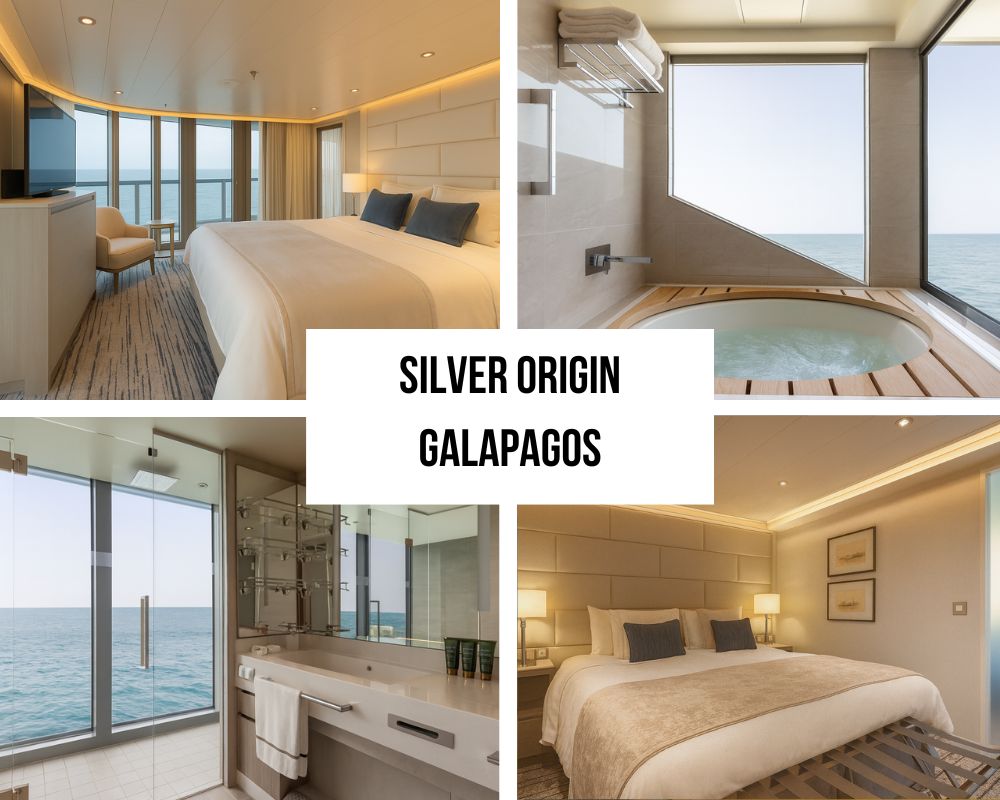
Silver Origin takes this a step further with in-suite fresh water purification systems in every cabin, producing certified drinking water directly at the cabin level. Celebrity Flora converts seawater through onboard systems and distributes it through in-room filtration stations. Both vessels eliminate even the theoretical concern about drinking directly from the cabin tap by purifying at the point of use. Ecoventura provides filtered water dispensers throughout the vessel and issued reusable collapsible bottles to guests specifically to replace single-use plastic bottles.
The water supply setup on your specific vessel, including whether cabin tap water is certified for drinking and where the refill stations are located, is part of the day-one orientation your naturalist guide delivers on boarding. If you want this information before you arrive, we can confirm the setup for any vessel we recommend. Fill out this short form and we will include vessel-specific practical details alongside your cruise quote.
How Do Galapagos Cruise Ships Produce Fresh Water?
Most Galapagos cruise vessels produce fresh water through reverse osmosis: seawater is pressurized through semi-permeable membranes so fine that only water molecules pass through, leaving salt, minerals, and contaminants behind. The resulting distilled water is then remineralized for taste and chlorinated to drinking water standards. Some older vessels use thermal desalination, which boils seawater and condenses the steam. Both methods produce safe drinking water from the Pacific Ocean surrounding the archipelago.
Reverse osmosis is now the standard for modern Galapagos expedition vessels for two reasons: it produces higher-quality output than thermal evaporation and it requires less energy. The membranes used in RO systems remove not just salt but a wide range of dissolved minerals, bacteria, and organic compounds. The output is essentially distilled water, which is then remineralized by adding controlled amounts of calcium and magnesium to restore the natural taste that distillation removes. The result is water that tastes better than many municipal tap water supplies in developed countries.
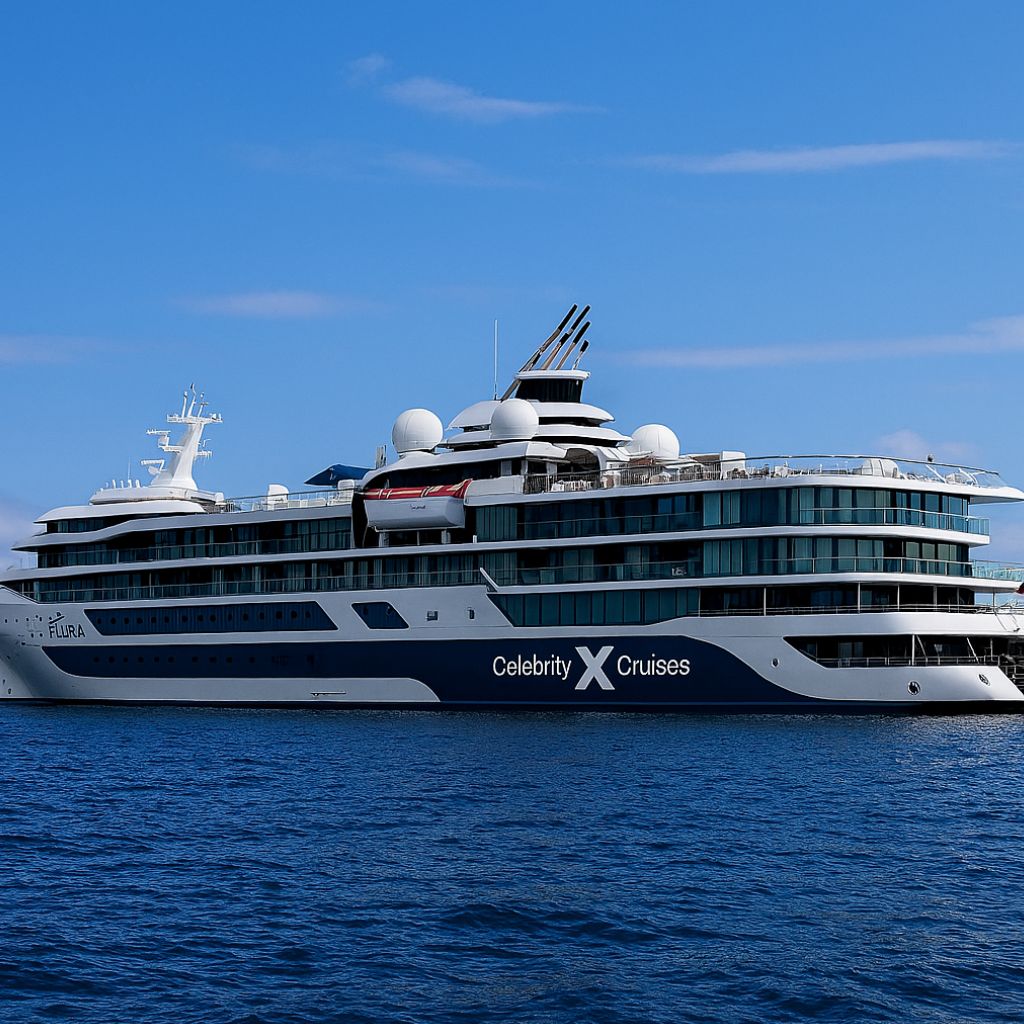
Celebrity Flora’s water system is worth naming specifically because it represents the most advanced approach in the Galapagos fleet. The vessel converts seawater into freshwater on board, distributes it through in-cabin filtration stations in every suite, and also harvests condensation from the air conditioning system for use in laundry, eliminating the need to use drinking-quality water for non-drinking purposes. This closed-loop approach reduces the total fresh water demand on the vessel while maintaining drinking water quality throughout.
The production capacity of these systems exceeds the vessel’s daily consumption, which means fresh water is available continuously rather than rationed. Guests on a Galapagos cruise should never find themselves in a situation where the refill stations are empty or the water supply is interrupted. The only exception is a very small number of budget vessels that supplement their onboard production with water taken on in port, which introduces a dependency on the port infrastructure that modern RO systems do not have.
Understanding how your vessel manages fresh water, laundry, and wastewater is part of the environmental picture of a Galapagos cruise that many travelers find genuinely interesting. The GNPD imposes strict environmental management standards on all operators, and the way the better vessels meet those standards reflects a genuine commitment to the ecosystem. If this matters to your cruise selection, we can match you with operators who lead on environmental performance. Reach out here and we will walk you through the options.
Laundry on a Galapagos cruise is one of those practical questions most people forget to ask until they’re already on the boat. Here’s a guide on laundry service on Galapagos cruise ships so you pack the right amount of clothes.
Is Tap Water Safe to Drink in the Galapagos Islands on Shore?
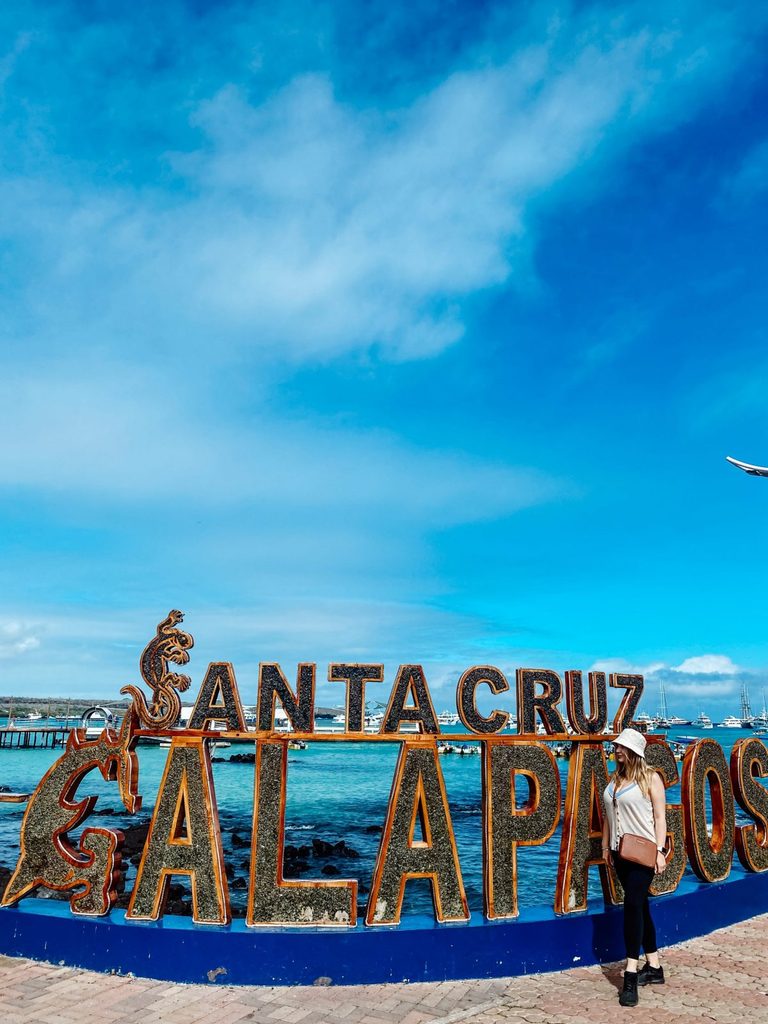
No. Tap water in Galapagos port towns is not safe to drink for most visitors. The water in Puerto Ayora on Santa Cruz, the main tourist hub, is typically brackish and not treated to drinking standards. A 2022 public health study found that even the desalination plants serving the inhabited islands faced functionality issues and produced water that did not consistently meet international drinking standards. Use purified water from your cruise vessel, from established restaurants, or from sealed purchased water on shore.
The water situation in Puerto Ayora has been a documented infrastructure challenge for decades. The town sits on a volcanic island with no natural fresh water source: all water comes from groundwater that is naturally brackish due to seawater intrusion into the volcanic rock, desalination of seawater, or rainwater harvesting. The desalination infrastructure serving Santa Cruz has historically faced reliability problems. Buildings throughout Puerto Ayora have large rooftop storage tanks filled whenever water runs, then used over the course of the day. The water in those tanks is fine for showering but not consistently safe for drinking.
The shore-side water risk is relevant to cruise travelers during port stops. When the vessel anchors off Puerto Ayora and guests take the water taxi into town for free time, the water safety picture changes from the clean vessel environment to the island’s imperfect infrastructure. Established tourist restaurants and cafes use purified water for drinking and cooking, and most have clearly visible water dispensers or sealed bottles. Local markets and less-established food vendors carry higher risk. Apply the same general Ecuador traveler guidance to any food or drink prepared with water on shore: stick to cooked food, sealed drinks, and restaurants that clearly use purified water.
Ice in shore-side establishments deserves specific attention. Ice in high-traffic tourist restaurants serving the cruise market is generally made with purified water and carries low risk. Ice in smaller local establishments may be made from tap water and carries higher risk. This is a judgment call based on the establishment’s evident standards. When in doubt, skip the ice and drink bottled or canned beverages from sealed containers.
The Galapagos has specific health requirements that catch some travelers off guard before they board. Here’s a guide to Galapagos cruise health requirements so you know exactly what’s needed before you book.
What Should You Drink Instead of Tap Water in the Galapagos?
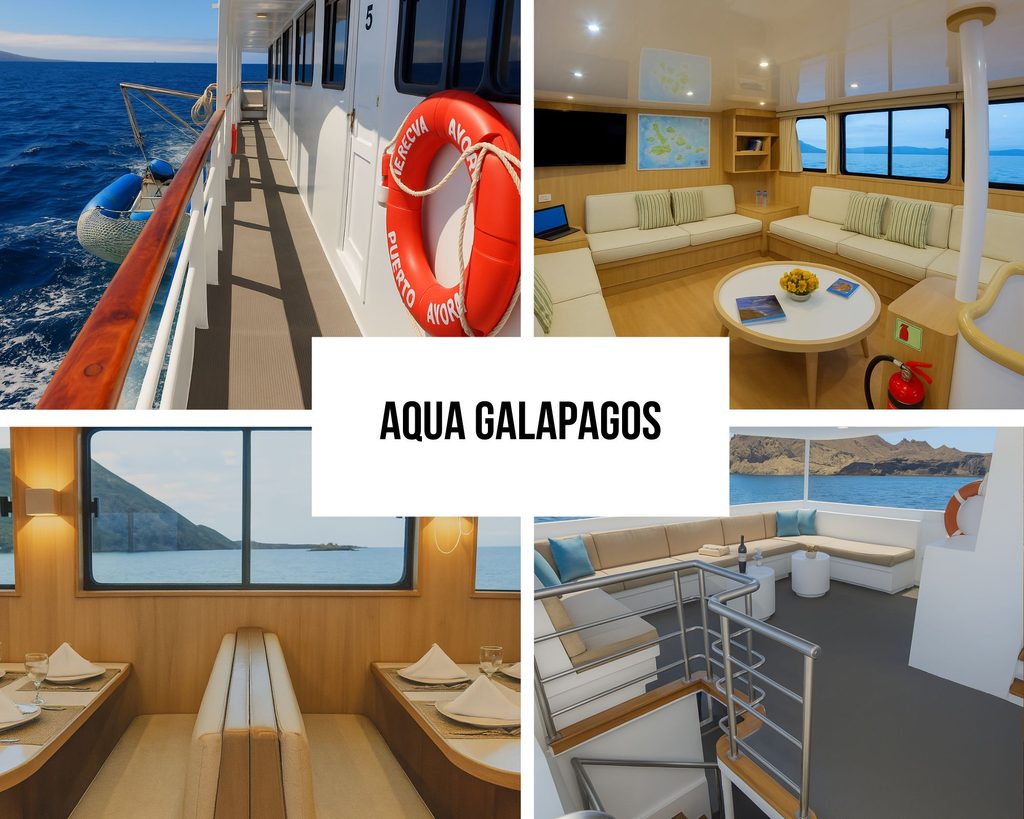
On your cruise vessel, drink freely from the vessel’s purified water supply at the refill stations or cabin tap (confirm which is certified for your specific vessel). On shore, drink purified water from your refilled vessel bottle, sealed bottled or canned beverages, or drinks from established tourist restaurants that explicitly use purified water. Avoid tap water, ice from unknown sources, and raw produce washed in unknown water in any shore-side establishment.
The vessel’s refill system is your primary hydration infrastructure for the entire cruise. On most mid-range to luxury vessels, refill stations are located at multiple points throughout the ship: the main bar, the dining area, the boarding platform, and in some cases in-cabin dispensers. Before every excursion, fill your reusable bottle completely. A 750ml to 1L insulated bottle holds enough for a standard 1.5 to 2 hour excursion in moderate conditions. On long afternoon hikes in full sun, consider refilling a second bottle or bringing a small collapsible water carrier as backup.
On shore during port stops in Puerto Ayora or Puerto Baquerizo Moreno, the sealed commercial beverage option is the lowest-risk approach. Agua con gas (sparkling water), juices in sealed cartons, and soft drinks in cans all carry no local water contamination risk. Locally bottled purified water in sealed plastic bottles is available at shops throughout both towns. Fresh coconut water sold by street vendors is typically safe since the coconut itself provides a sterile interior, though the cup it is served in may introduce risk.
Are Single-Use Plastic Water Bottles Allowed on a Galapagos Cruise?

No. Single-use plastic water bottles are banned across the Galapagos archipelago under Ecuador law, which prohibits the import, sale, and use of single-use plastics including bottles, straws, bags, and polystyrene across the islands. This ban has been in effect since 2018 to 2019. No cruise vessel operating in the Galapagos sells or distributes single-use plastic water bottles. Every vessel provides purified water for refilling. Travelers who arrive expecting to buy bottled water throughout the cruise will be redirected to the vessel’s refill system.
The plastic ban is one of the most consequential environmental policies affecting the Galapagos cruise experience, and it is almost entirely positive from the traveler’s perspective. The ban means cruise operators had to solve the hydration problem differently, which they did through onboard water purification and reusable bottle distribution. The result is that every mid-range to luxury vessel now provides better hydration infrastructure than most travelers had access to before the ban, in the form of high-quality purified water available throughout the day at no extra charge.
The reusable bottle provided by most vessels has become a cruise keepsake in its own right. Celebrity Flora guests receive a metal reusable bottle in their cabin on arrival, used throughout the cruise and taken home at the end. Silver Origin provides a metallic reusable bottle to each guest, which together with on-board reverse osmosis refill stations saves an estimated 17,000 plastic bottles per cruise season. Ecoventura introduced collapsible reusable bottles starting in 2014, years before the formal ban, as part of their SmartVoyager environmental certification program. Bring a quality bottle from home in addition to whatever the vessel provides, particularly if you prefer an insulated version that keeps water cold during long excursions.
The environmental policies on Galapagos cruise vessels vary in how seriously they are implemented beyond the legal minimum. The operators who lead on environmental performance, including on water management, waste reduction, and carbon footprint, are the ones whose practices match the extraordinary destination they operate in. If this matters to how you choose a cruise, we can help you distinguish between vessels that meet the minimum and those that genuinely exceed it. Send us a message here and we will factor environmental performance into the cruise recommendations we make for you.
What Should You Bring for Hydration on a Galapagos Cruise?
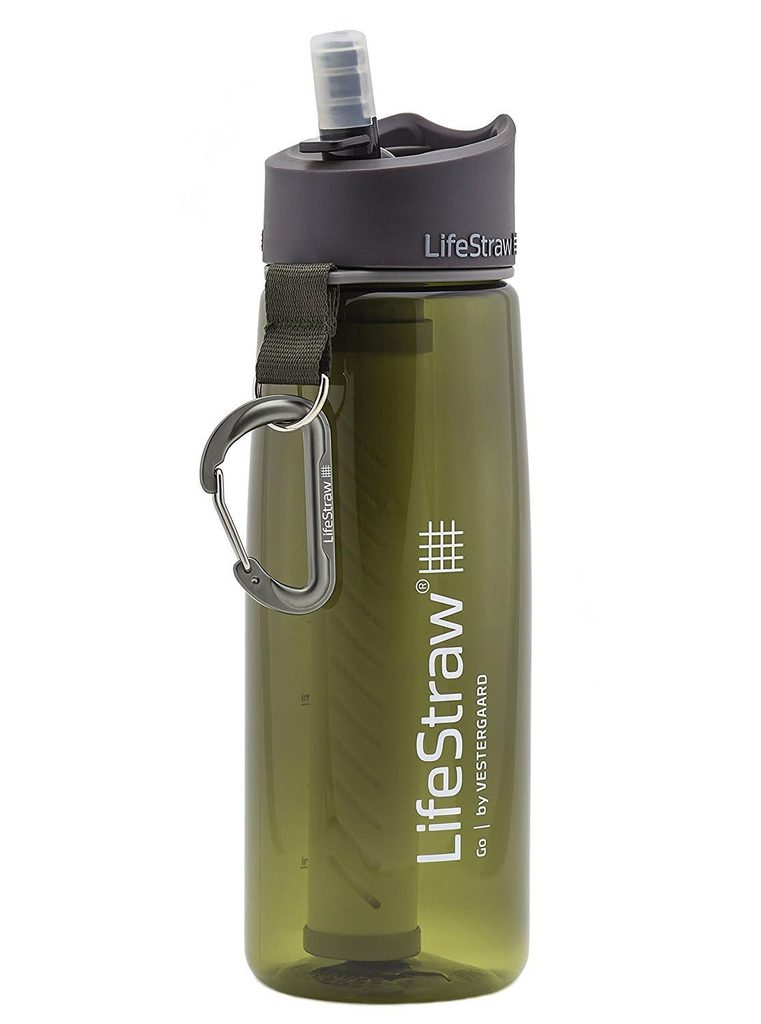
Bring one quality insulated reusable water bottle (750ml to 1L) as your primary hydration tool for the entire cruise. The vessel provides purified water at refill stations throughout. An insulated bottle keeps water cold for 4 to 6 hours in equatorial heat, which matters on morning excursions that run into midday. The vessel will likely provide a reusable bottle as well, but the quality varies. A well-chosen personal bottle is lighter, better insulated, and more comfortable to carry on the trail than most vessel-provided options.
The insulation requirement is real in the Galapagos. A standard uninsulated bottle left in equatorial sun becomes unpleasantly warm within 30 minutes, which leads to reduced drinking because warm water is less refreshing. An insulated stainless steel bottle maintains cold water temperature for the full duration of a morning excursion, making it genuinely easier to stay hydrated across 2 hours of active walking on exposed lava in 28 to 32°C conditions. The weight difference between an insulated 750ml bottle and a standard bottle is under 100 grams, which is not a meaningful trade-off against the comfort benefit.
A few additional hydration tools that experienced Galapagos travelers recommend: electrolyte tablets or powder (Nuun, Liquid IV, or similar) that dissolve in your reusable bottle for days when heat and physical activity are above average. These are particularly useful on the Sierra Negra volcano hike on western itineraries and on morning excursions in the warm season at eastern sites with full sun exposure. They add meaningful hydration efficiency without requiring extra liquid volume.
Wet landings, wildlife walks, and cold Humboldt current water all in one trip. Here’s what to pack for a Galapagos cruise so you’re ready for every part of it.
How Much Water Do You Need Per Day on a Galapagos Cruise?
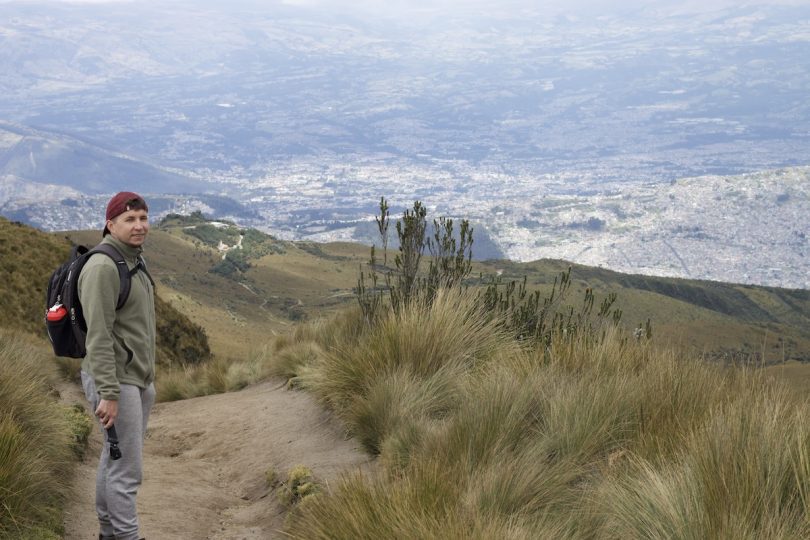
Plan to drink 2.5 to 4 liters of water per day on an active Galapagos cruise excursion day. The combination of equatorial sun, physical activity across two excursions, salt air, and snorkeling in cool water creates significant hydration demands that exceed typical daily intake for most travelers. Dehydration is the most common cause of afternoon fatigue and headaches on Galapagos cruises, and it is entirely preventable with consistent drinking throughout the day.
| Activity Level | Recommended Daily Intake | Context |
|---|---|---|
| Standard excursion day (two excursions, moderate walking) | 2.5 to 3 liters | Two 1.5-hour excursions in equatorial sun. Drink at least 500ml before departing for each excursion and refill before the return. |
| High-activity day (long hike, full snorkel, or warm season) | 3 to 4 liters | Sierra Negra volcano hike, warm-season (Dec to May) full days at eastern sites, or any day with sustained sun exposure on exposed terrain. |
| Cool-season day (July to November, western itinerary) | 2 to 2.5 liters | Cooler ambient temperatures reduce sweat rate but the equatorial UV index remains high. Do not reduce water intake significantly even in cool conditions. |
| On-vessel rest day or light activity | 1.5 to 2 liters | Transit days, days at anchor in sheltered bays, or days where one excursion is skipped. Air conditioning on the vessel reduces hydration demands. |
Water intake recommendations are general guidance. Individual needs vary. Verify September 2026.
The dehydration mechanism on a Galapagos cruise is different from typical vacation dehydration. Snorkeling in cool water suppresses the perception of sweating even as the equatorial UV exposure continues above the water surface. Travelers who spend an hour snorkeling at Kicker Rock feel cold when they exit the water and do not associate the session with significant fluid loss. The UV exposure was real regardless of the water temperature, and the physical effort of swimming against current for 60 minutes has a real hydration cost. Drink water after every snorkel session regardless of how you feel.
What Travelers Say About Water and Hydration on Their Galapagos Cruise (Our Data)
From feedback collected through mytrip2ecuador.com and our YouTube audience, here is what travelers reported about water safety and hydration on their Galapagos cruise:
| Finding | % Who Named It | Pattern Observed |
|---|---|---|
| Dehydration caused afternoon fatigue | 38% | More than a third of travelers attributed afternoon tiredness on at least one day to dehydration. Almost all reported that carrying a full insulated bottle on every excursion and drinking consistently eliminated the problem by day three. |
| Vessel water was better than expected | 74% | Three quarters of travelers reported that the vessel’s drinking water tasted better than they expected, attributing it to the remineralization process following reverse osmosis treatment. |
| Did not know shore tap water was unsafe | 41% | More than four in ten travelers were unaware before departure that tap water in Galapagos port towns was not safe for drinking. Most adjusted immediately on learning this, with no health consequences. |
| Appreciated the vessel’s reusable bottle | 83% | Among travelers on vessels that provided a reusable bottle (Celebrity Flora, Silver Origin, Ecoventura, and others), 83 percent rated it positively and brought it home as a souvenir. Most said it changed their daily hydration habits at home. |
| Wished they had brought their own insulated bottle | 29% | Almost a third of travelers who relied solely on vessel-provided bottles reported that the vessel bottle was not adequately insulated, making water warm by mid-excursion. Those who brought their own insulated bottles consistently rated hydration management as easier. |
Frequently Asked Questions
Can you drink the water on a Galapagos cruise ship?
Yes. Galapagos cruise ships produce fresh water through onboard reverse osmosis or desalination systems, then filter and treat it to drinking water standards. The water is available at refill stations throughout the vessel and in some cases directly from cabin taps. It is safe to drink and typically tastes good due to remineralization after the desalination process.
Is tap water safe to drink in Galapagos port towns?
No. Tap water in Galapagos port towns, particularly Puerto Ayora on Santa Cruz, is typically brackish and not treated to drinking standards. Public health studies have confirmed that the tap supply does not consistently meet international drinking water standards. Use purified water from your cruise vessel, sealed commercial beverages, or established tourist restaurants that use purified water.
Are plastic water bottles allowed in the Galapagos?
Single-use plastic water bottles are banned across the Galapagos archipelago under Ecuador law. No cruise vessel sells or distributes single-use plastic bottles. All vessels provide purified water at refill stations. Bring a quality reusable insulated bottle from home, and expect to receive a vessel-provided reusable bottle on most mid-range to luxury cruises.
How much water should I drink on a Galapagos cruise excursion?
Plan for 2.5 to 4 liters per active excursion day. Two excursions in equatorial sun with physical activity creates significant hydration demand. Fill a 750ml to 1L insulated bottle before each excursion and drink consistently throughout. After snorkeling, drink water regardless of how you feel – cool water suppresses the perception of fluid loss even as UV exposure and swimming effort continue.
Do Galapagos cruise ships provide reusable water bottles?
Most mid-range to luxury vessels do. Celebrity Flora provides a metal reusable bottle in each cabin. Silver Origin provides a metallic reusable bottle to each guest. Ecoventura provides collapsible reusable bottles. The single-use plastic ban across the archipelago means all vessels have had to provide a refilling solution, and most have made a reusable bottle part of the standard guest kit.
Planning Your Galapagos Cruise?
The water supply setup, environmental management practices, and practical day-to-day logistics on any specific vessel are part of the detailed pre-booking information we provide to every traveler we work with. Knowing what to expect before you board makes the first day smoother and the whole week better. Cruises To Galapagos Islands is rated 4.9 stars on Google and TripAdvisor. Every conversation is free and comes with no commitment. Fill out the contact form and we will match you with the right cruise and send you a complete picture of what to expect on board.
Written by Oleg Galeev
Galapagos cruise traveler (3 trips, 2 cruises) · Founder, Cruises To Galapagos Islands
Oleg has personally explored the water situation across multiple Galapagos visits, including a stay in Puerto Ayora documented on mytrip2ecuador.com. He also runs the YouTube channel My Trip to Somewhere.
Cruises To Galapagos Islands is rated 4.9 stars on Google and TripAdvisor.
All water safety information in this article is general guidance only, verified against health authority sources as of the publish date. Conditions can change – consult your doctor if you have specific health concerns.