
TL;DR
For most travelers, 6 to 12 months in advance is the right window. Christmas, Easter, and summer departures (June through August) should be booked 12 to 18 months out, and group or charter bookings need even more lead time. Last-minute deals exist but require genuinely flexible travel dates and come with real trade-offs on vessel choice and itinerary. Always book the cruise before the international flights, not after. Cancellation penalties on most Galapagos boats become total at 90 days before departure, so travel insurance with trip cancellation coverage is essential once you’ve committed. The earlier you lock in the cruise, the more options you have across cabin category, itinerary, and pricing.
| Traveler Situation | Recommended Booking Window | Why |
|---|---|---|
| Standard travel, flexible dates | 6 to 12 months | Good vessel and cabin selection; itinerary flexibility still available |
| Christmas or New Year week | 12 to 18 months | Top vessels book out a year or more in advance for holiday departures |
| Easter or spring break | 12 months minimum | South American and North American holiday overlap creates peak demand |
| Summer (June to August) | 9 to 12 months | School holidays drive high demand; family-friendly boats fill first |
| Group booking or charter (8 or more) | 12 to 18 months | Blocking multiple cabins on any vessel requires very early commitment |
| Shoulder season, flexible traveler | 3 to 6 months | May, September, October have more availability; last-minute possible but not guaranteed |
| True last-minute (any month) | 2 to 6 weeks | Discounts of 10 to 40% possible on unsold cabins; limited choice and no peak season guarantee |
Why Does Booking Timing Matter More for the Galapagos Than Almost Any Other Destination?
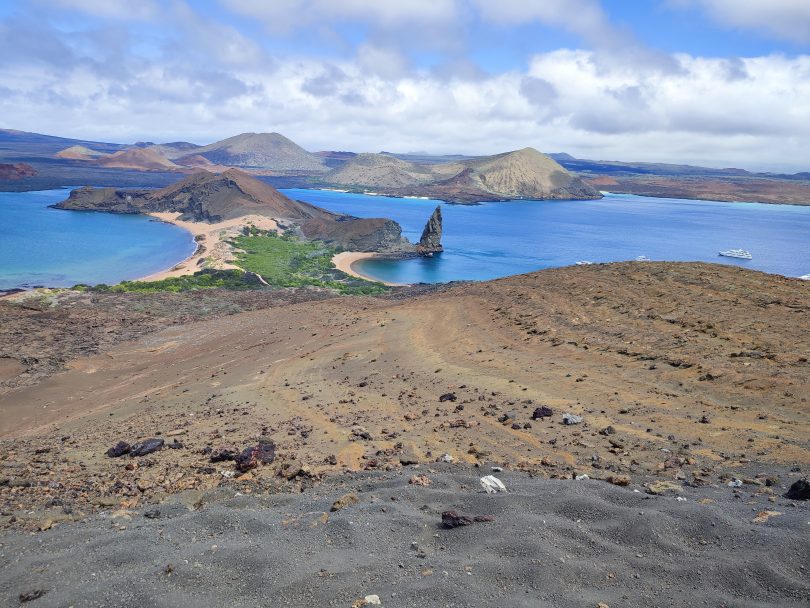
The Galapagos operates under strict government capacity controls that cap the number of visitors at each site and limit the total fleet to roughly 80 licensed vessels. There are no new boats being added to satisfy demand spikes, no extra sailings when the holiday calendar fills up, and no option for operators to add departures. When a sailing sells out, it is gone. That structural constraint makes early booking more consequential here than at almost any other travel destination on Earth.
Most popular vacation destinations have a safety valve. Hotels add rooms. Airlines add flights. Tour operators expand departures. The Galapagos National Park deliberately closes all of those valves. Every vessel navigating the archipelago holds a permit specifying exactly which visitor sites it can access, how many passengers it carries, and which itinerary it runs. The park authority controls this fleet tightly, and for good reason: the islands’ ecosystem is one of the most sensitive and irreplaceable on the planet. Conservation is the priority, not tourist throughput.
What this means practically is that demand consistently outpaces supply on the dates most travelers want. A first-class yacht carrying 16 passengers sells its 8 cabins and that particular departure is simply full. There is no overflow. No waitlist accommodation. No equivalent boat running the same itinerary on the same week. The couple who decided to “check availability in a few months” comes back to find that the vessel and week they wanted is gone, and the next available option on their shortlist runs six weeks later than their planned vacation.
We’ve seen this exact scenario play out hundreds of times. The travelers who end up on great boats, on the itineraries they wanted, in the cabin categories that suit them, are the ones who committed early. Not because we pushed them to. Because the fleet is that small.
If you have a target travel window in mind and you’re not sure what’s still available, the fastest way to find out is to just ask us. We have current availability across the fleet and can tell you honestly within a few hours what’s open, what’s filling up, and what’s already gone. Send us a message here and we’ll check for you at no obligation.
How Far in Advance Do Most Travelers Actually Book a Galapagos Cruise?
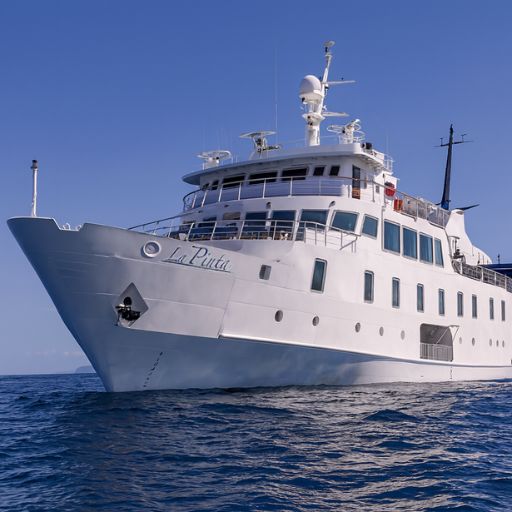
Most travelers booking a Galapagos cruise do so 4 to 9 months before departure, with the sweet spot sitting around 6 to 8 months for non-peak periods. Luxury travelers and those with fixed dates tend to book earlier, often 9 to 12 months out. Waiting longer than 6 months for a standard departure still works, but vessel choice narrows noticeably, and specific cabin categories on popular boats can disappear well before the 6-month mark.
The 6-month figure is where most planning guidance converges, and it holds up from what we see on our end. At 6 months, a good selection of tourist superior and first-class boats still has availability across multiple itineraries. Cabin choices within a given boat are generally still open. You can usually still pick between an upper-deck cabin and a lower-deck one, between a window and a porthole, between a queen and two singles.
At 3 months, that choice has narrowed. The specific boat you wanted might have only one cabin type left. The itinerary you preferred might have sold out entirely, leaving you to choose between a different route or a different vessel. That’s not a disaster, but it means you’re fitting your trip to what’s available rather than building a trip around what you actually want.
At 8 weeks, for a non-peak departure, you can still find something. Budget and lower-end tourist superior boats often have lingering availability even close to departure, and some operators will discount those spots to fill them. But for anyone with a specific vessel in mind, a preferred itinerary, or a cabin category that matters for physical comfort or travel party reasons, 8 weeks is cutting it close.
Planning a Galapagos cruise involves more moving parts than most trips – our how to plan a Galapagos cruise guide breaks down the booking timeline, itinerary choices, and logistics most first-timers only figure out too late.
| Months Before Departure | Vessel Selection | Cabin Choice | Price |
|---|---|---|---|
| 12 to 18 months | Full fleet available; all classes | Full choice in any cabin category | Standard or early-bird rates |
| 6 to 12 months | Strong selection; popular vessels filling | Most categories still available | Standard rates; some promotions |
| 3 to 6 months | Narrowing; top-rated boats thinning out | Limited; lower-deck or interior may be all that remains | Standard; some shoulder-season deals |
| 4 to 8 weeks | Leftover inventory; often budget or basic tourist superior | Minimal choice; take what’s available | Possible discounts of 10 to 40% on unsold cabins |
| Under 2 weeks | Very limited; mostly shoulder season scraps | No choice; single remaining cabins | Deepest discounts but highest risk |
How Early Should You Book During Peak Season?

Christmas and New Year departures should be booked 12 to 18 months in advance. Easter and spring break require at least 12 months. Summer departures (June through August) should be secured 9 to 12 months out. These are not conservative estimates padded for safety. They reflect what actually happens to availability on the most in-demand Galapagos departures every year, consistently.
Christmas week in the Galapagos draws an unusually heavy concentration of demand from multiple directions at once. North American families on school holidays, South American travelers during the southern summer, European travelers on year-end breaks, and honeymooners taking advantage of warm-season conditions all compete for the same small pool of sailings in late December. Some operators report taking Christmas bookings over a year in advance. Not as an anomaly. As a pattern.
Easter is the other week that consistently surprises travelers who assumed they had time. Easter in the Galapagos is complicated by the fact that it overlaps with school holidays across both North and South America simultaneously. The total demand spike is larger than Christmas in some years. If your family is tied to the school calendar and Easter is your window, start the conversation with an operator in January of the previous year at the latest.
Summer (June through August) is more predictable but still demanding. The Galapagos dry season, with its marine wildlife peak, coincides exactly with when families have the most flexibility to travel. Boats that carry families with children, tend to be larger, more stable vessels, and those fill first. By the time most people start planning a summer trip in February or March, the best family-friendly departures for July are already heavily committed.
The table below captures what our traveler conversations show consistently about peak season booking patterns.
| Travel Period | Booked Their First Choice Vessel (%) | Had to Take Second Choice (%) | Avg Lead Time (Months) | Most Common Regret |
|---|---|---|---|---|
| Christmas / New Year | 31% | 69% | 14 months | Waited too long; preferred boat fully booked |
| Easter / Spring Break | 42% | 58% | 11 months | Couldn’t get preferred itinerary |
| Summer (Jun to Aug) | 56% | 44% | 9 months | Family-friendly cabin sizes gone |
| Shoulder Season (May, Sep, Oct) | 88% | 12% | 4 months | Generally satisfied; more flexibility |
If your target dates fall in any peak window and you haven’t started looking yet, now is the time to at least check what’s open. Waiting one more month to “think about it” is how people end up on a different boat than they wanted. Reach out here and we’ll check current availability for your dates and give you an honest picture of what’s left.
Want to know the booking window that consistently delivers the best Galapagos cruise prices without sacrificing cabin choice? Here’s our best time to book a Galapagos cruise for maximum discounts guide so you plan around it.
Can You Book a Galapagos Cruise Last-Minute, and Should You?
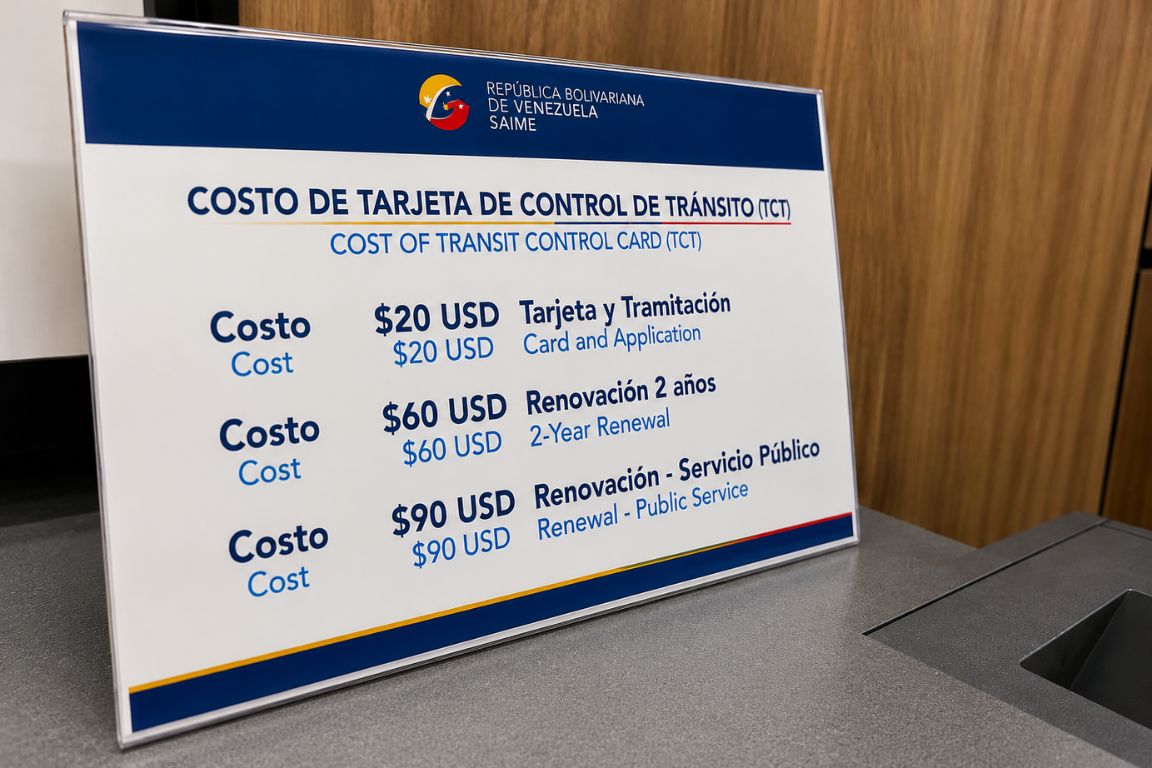
Last-minute Galapagos cruises are real. Discounts of 10 to 40% do appear when operators need to fill unsold cabins in the final weeks before departure. But the strategy only makes sense for travelers with genuinely flexible dates, no preference on vessel or itinerary, and the logistical ability to arrange flights to Ecuador and the INGALA TCT card on short notice. For anyone with fixed vacation dates, a specific boat in mind, or a family in tow, last-minute is a gamble that rarely pays off.
Here’s why last-minute booking works differently in the Galapagos than almost anywhere else. Each vessel runs a fixed, park-approved itinerary on a fixed schedule. There are no extra departures to absorb demand, and no online platform where you tap in a date and grab a cabin the way you would a Caribbean cruise. Operators discount unsold cabins to avoid sailing with empty berths, but those deals require direct contact, fast payment, and the willingness to take whatever is available on whatever boat still has space. The boat with a discounted cabin in September might be a perfectly good tourist superior catamaran. Or it might be the boat nobody chose for a reason.
The other logistical reality most last-minute articles gloss over: you still need a domestic flight from Quito or Guayaquil to the islands, and that flight needs to land at the correct Galapagos airport to connect with your cruise’s embarkation point. Book an international flight first and then scramble for a last-minute cruise, and you may find the only available departure starts from the other island, requiring an expensive flight change or a missed first day.
The approach that actually works for opportunistic travelers: arrive in Quito or Guayaquil with flexible outward and return flights, connect with an operator who has direct relationships with the fleet, and let them identify which boats have unsold cabins for departures in the next 2 to 4 weeks. That’s the real last-minute Galapagos strategy. It takes flexibility that most travelers with jobs, families, and fixed vacation allowances simply don’t have.
Not sure whether waiting for a last-minute deal is a smart strategy or a gamble that leaves you with the worst cabins on the worst boats? Check out our last-minute Galapagos cruise deals guide before you decide to wait.
Does Booking Early Get You a Better Price?
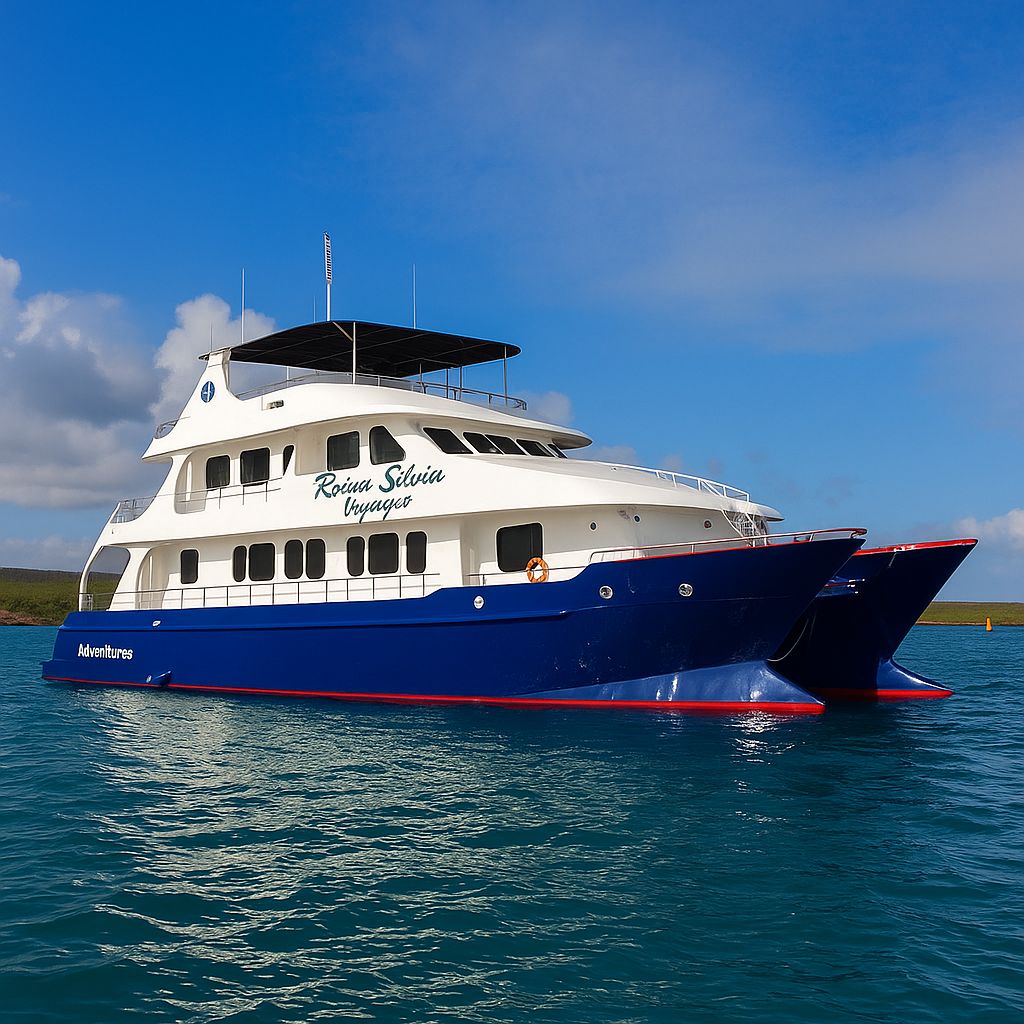
Booking early generally gets you a better cabin for the same price, rather than a lower price for the same cabin. Early-bird discounts do exist on some vessels and some departures, but they’re not the norm across the fleet. What early booking reliably delivers is cabin category choice: the upper-deck suite, the window cabin, the double bed instead of twins. Those options disappear as a boat fills. The price may stay the same, but the experience tied to that price gets meaningfully better the earlier you commit.
There is a genuine early-bird discount structure on some operators. A few boats release departures 12 to 18 months out at a reduced rate, with prices stepping up as the departure approaches and cabins fill. These promotions are worth watching for if you have a specific vessel in mind and are planning well ahead. But they’re operator-specific and not universal across the fleet.
What’s more consistent than price discounts is the cabin selection advantage. On a 16-passenger yacht with 8 cabins, early bookers get the upper-deck cabins with portholes or windows. Later bookers get the lower-deck interior cabins at the same price. The wildlife you see on excursions is identical. But the quality of sleep, the natural light in the cabin, and the sea view when you wake up in the morning are meaningfully different. For a 7 to 8 day trip, that matters more than most people think when they’re planning from home.
The one scenario where waiting pays off on price is shoulder season last-minute discounts, covered in the previous section. Operators do drop prices to fill stragglers in May, September, and October. But those discounts come at the cost of choice, not as a bonus for patience.
We’ve put together a full deal-finding breakdown in our how to get the best deal on a Galapagos cruise guide so you know exactly where to look, when to book, and how to compare prices without getting burned.
What Happens to Availability as the Departure Date Gets Closer?
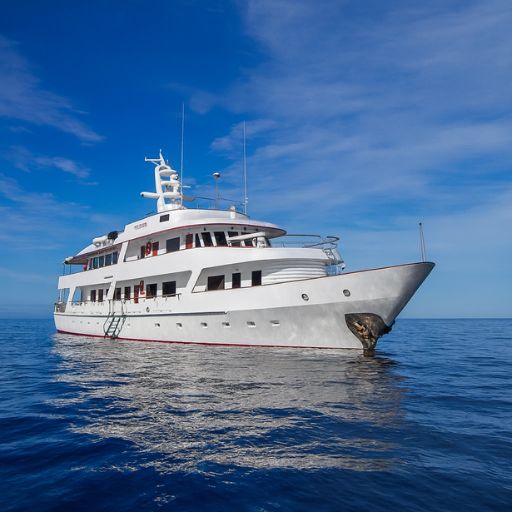
Availability on Galapagos cruises doesn’t decline evenly over time. It drops in two distinct waves: a large chunk of inventory disappears in the 6 to 12 month window as the bulk of travelers book, and then a second, faster drop occurs in the final 6 to 8 weeks when the remaining unsold cabins either get discounted and snapped up or sail empty. The middle window, 2 to 5 months before departure, is often the thinnest for selection without the discount benefit of true last-minute pricing.
Think of Galapagos availability as an hourglass rather than a steady drain. Bookings cluster at two ends: people who planned a year out and locked in early, and opportunists who grabbed a discounted cabin in the final weeks. The travelers who look at availability 3 months before a non-peak departure and find limited options aren’t necessarily too late for last-minute deals. They’re in the awkward middle, where the best inventory is gone but the discount window hasn’t fully opened yet.
Popular itineraries and highly rated vessels follow this pattern most acutely. A well-reviewed first-class yacht with a strong naturalist guide reputation might fill its December departures by January, its summer departures by October of the previous year, and its shoulder-season departures by the 4 to 5 month mark. Newer vessels entering the fleet, or boats that haven’t yet built a review track record, tend to have more lingering availability at all stages.
The practical implication: if you’re checking availability for a specific boat and find it’s 70 to 80% full 4 months out, don’t assume it will free up closer to departure. In most cases the remaining cabins will sell, not open. Waiting to see what happens usually means watching the last cabin disappear and starting over with a different vessel entirely.
What Should You Book First: the Cruise or the Flights?
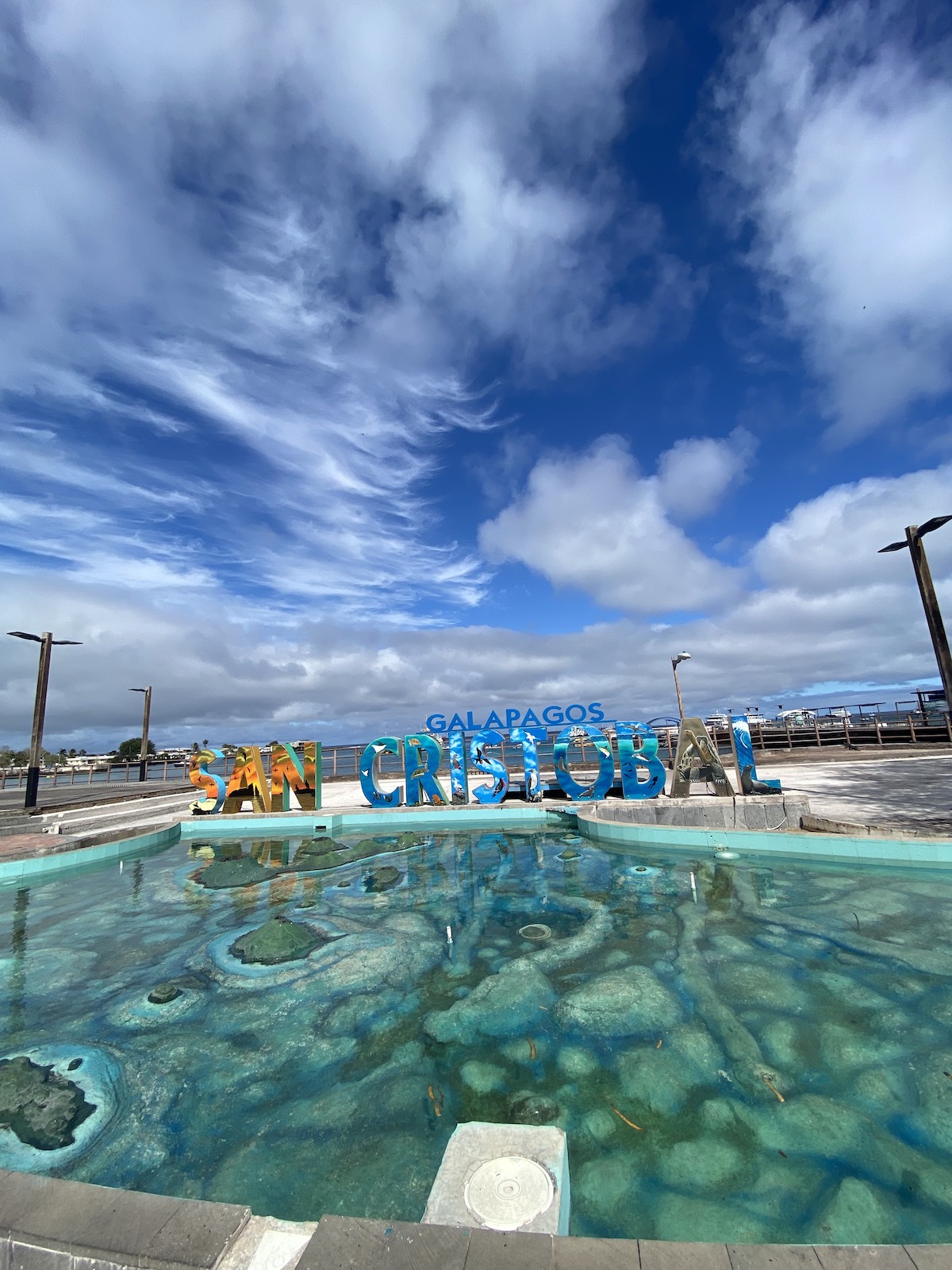
Always book the cruise first. Then book international flights to Ecuador. Then arrange the domestic Ecuador-to-Galapagos flights, ideally through or in coordination with your cruise operator. Booking international flights before securing the cruise is one of the most common and costly planning mistakes on a Galapagos trip, and it creates problems that range from inconvenient to expensive.
Here’s why the order matters so much. Each Galapagos cruise follows a fixed itinerary that starts at a specific island airport on a specific day. Some cruises start at Baltra near Santa Cruz. Others start at San Cristóbal. A few end at a different airport than where they begin. If you book international flights to Ecuador first and then discover the only available cruise in your week starts from the island you can’t easily reach with your existing domestic flight, you’re either changing flights at cost or changing your cruise plan entirely.
There’s a second reason to let the cruise lead. Your cruise departure date determines your arrival day in Ecuador, your overnight hotel, and your domestic flight. If the cruise departs Thursday morning from Baltra, you need to be in Quito or Guayaquil Wednesday night, which means your international flight needs to land Wednesday at the latest. Booking the international flight before you know the cruise departure date and embarkation airport means making assumptions that may not hold up once you try to fit the cruise into them.
The safest approach for most travelers: once the cruise is confirmed, ask your operator whether they handle the domestic flights as part of the booking. Many do, and having them coordinate that leg eliminates the airport mismatch risk entirely. For the international flights, book those once the cruise is locked, using the confirmed embarkation and debarkation points to set your Ecuador arrival and departure dates.
Getting the booking order right, and making sure the domestic flights match the cruise embarkation point, is exactly where a local agency earns its value. We coordinate this for travelers every week and it takes the guesswork out completely. Get in touch here and we’ll walk you through the logistics step by step.
Getting to the Galapagos involves more steps than a standard international flight and the entry requirements catch a lot of first-timers out – our how to get to the Galapagos Islands guide breaks down every stage of the journey from your home country to the dock.
What If Your Plans Change After You’ve Already Booked?
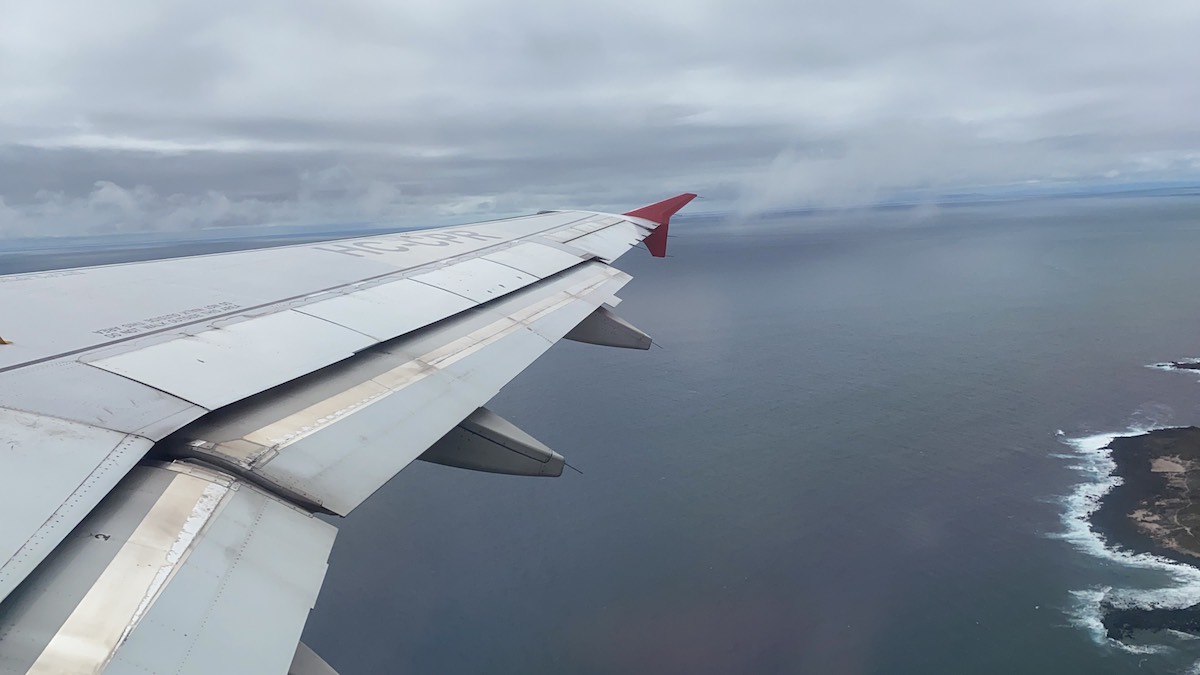
Most Galapagos cruise operators apply a strict cancellation structure: cancellations more than 90 days before departure forfeit the deposit (typically 30% of the cruise cost), and cancellations inside 90 days forfeit the full amount. There is no grace period and no partial refund once you’re inside that 90-day window. Travel insurance with trip cancellation coverage is not optional on a trip this expensive once you’ve committed.
The 90-day rule is the one that catches people. It feels like plenty of notice. Three months before a trip, plenty of things can still change: a work obligation, a family health issue, a travel partner backing out. But from the operator’s perspective, 90 days before departure is the point at which filling a cancelled cabin becomes genuinely difficult. Most operators have already told their waitlist that the boat is full. By the time a last-minute cancellation comes in, the window to resell that cabin has largely closed, and the operator absorbs the revenue loss. The 90-day hard cutoff exists for exactly this reason.
Some operators offer a two-tier fare structure. A standard fare carries the strict cancellation policy. A flexible fare, priced slightly higher, allows rebooking with a fee up to 65 to 100 days before departure, and cancellation with a partial refund up to that same window. If your travel dates are uncertain or your trip involves people with unpredictable schedules, a flexible fare is worth the premium.
Date changes are treated as cancellations and new bookings on most Galapagos vessels. If you need to move your trip from one week to another, even by a few days, you’re not rescheduling. You’re cancelling the original booking, forfeiting whatever penalty applies at that point, and rebooking at the then-current rate. This is distinct from how many hotels and airlines handle changes, and it surprises travelers who assume a date shift is a minor administrative adjustment.
The practical protection is straightforward: buy trip cancellation insurance at the time of booking, not later. Most policies require purchase within 14 to 21 days of the initial trip deposit to cover pre-existing conditions and to unlock the “cancel for any reason” add-on. Waiting until a few weeks before departure to buy travel insurance protects against illness or weather but doesn’t protect against the life events that could have been covered if you’d bought the policy the day you paid the deposit.
The direct vs agent debate for Galapagos cruise bookings is more nuanced than most travel forums make it sound – our can you book a Galapagos cruise directly or do you need an agent guide breaks down where each approach wins and where it falls short.
| Days Before Departure | Typical Penalty | What You Keep |
|---|---|---|
| More than 90 days | Deposit forfeited (typically 30% of cruise cost) | Remaining 70% refunded |
| 30 to 90 days | 50% to 100% of total cruise cost | Partial refund depending on operator |
| Under 30 days | 100% of total cruise cost forfeited | Nothing |
| Last-minute deals | Non-refundable in full at time of payment | Nothing; no-refund terms apply from booking |
| Flexible fare (where available) | Rebooking fee $75 to $150; cancellation 80% refund up to 65 days out | Most of your money if you act early enough |
Frequently Asked Questions
Is 3 months too late to book a Galapagos cruise?
Not necessarily, but the options are meaningfully narrower than at 6 months. Budget and some tourist superior boats often still have availability at 3 months, particularly outside peak season. First-class and luxury vessels with strong reputations are typically quite thin by this point. If you have a specific boat in mind or specific dates that matter, 3 months is cutting it close. If you’re flexible on vessel and itinerary, 3 months can still work.
Can I book a Galapagos cruise more than a year in advance?
Yes, and for peak season dates or charter bookings, it’s often the right move. Many operators accept bookings 12 to 18 months out. Some release 2027 and 2028 dates already. For Christmas, Easter, and summer school holidays, booking over a year ahead is not unusual. You’ll typically put down a deposit (usually 20 to 30% of the cruise cost) to confirm the reservation.
Do Galapagos cruise prices go up closer to the departure date?
Generally yes, as demand fills available cabins and operators lose incentive to discount. The exception is last-minute unsold inventory, where prices drop to fill stragglers. But that discount applies to whatever is left, not the vessel or cabin you would have chosen. For the cruise you actually want, prices tend to be most predictable and sometimes lowest when you book 6 to 12 months out.
What deposit is required to hold a Galapagos cruise booking?
Most operators require a deposit of 20 to 30% of the total cruise cost to confirm a reservation, with the remaining balance due 90 days before departure. Bookings made inside the 90-day window require full payment immediately. Last-minute deals require full payment at the time of booking with no refund policy.
Should I use a travel agent or book a Galapagos cruise directly?
For most travelers, working with a specialist agency adds real value on a Galapagos trip. The fleet has around 80 vessels and the differences between them are substantial but not obvious from a website. A good agent knows which boats are currently running well, which naturalist guides are exceptional, and how the itineraries actually compare on the water. Pricing through a reputable specialist is generally the same as booking direct, and sometimes better when the agency has standing relationships with operators.
What happens if my cruise is cancelled by the operator?
Operator-initiated cancellations are rare in the Galapagos but do happen, usually due to mechanical issues or regulatory situations. Most operators will offer a full refund or rebooking onto an equivalent vessel and itinerary. Your travel insurance should also cover non-recoverable costs if a cancellation disrupts other parts of your trip, such as non-refundable international flights already purchased.
Ready to Check What’s Available for Your Dates?
You don’t need to commit to anything today to find out what’s still open. Tell us your target travel window, your group size, and a rough sense of the experience you’re after, and we’ll come back with an honest picture of what’s available, what’s filling fast, and what we’d recommend given your timing.
We’re rated 4.9 stars on Google and TripAdvisor, we’ve been on these boats personally, and we’re not in the business of pushing people toward boats that don’t fit them. Get in touch here and let’s figure out the right option for you.
Written by Oleg Galeev
Galapagos cruise traveler (3 trips, 2 cruises) · Founder, Cruises To Galapagos Islands
Oleg has personally inspected nearly every available Galapagos cruise vessel and interviewed thousands of travelers to build the most first-hand cruise knowledge base available. He also runs the Ecuador travel blog mytrip2ecuador.com and the YouTube channel My Trip to Somewhere.
Cruises To Galapagos Islands is rated 4.9 stars on Google and TripAdvisor.
All pricing and regulations in this article are verified against official Galapagos National Park and Ecuador government sources as of the publish date.