
TL;DR
A Galapagos cruise follows a consistent and deeply satisfying rhythm: wake-up call around 6am, morning excursion on shore or in the water, back to the boat for lunch while it repositions, afternoon excursion, dinner, evening briefing from the naturalist about tomorrow’s islands. The vessel moves overnight while you sleep. Day one is an arrival half-day with one excursion. By day three most travelers hit a depth inflection point where they stop reacting to extraordinary things and start understanding them – this is when the trip becomes something other than a wildlife checklist. The final morning delivers one last early excursion before the airport transfer. Most first-timers come home saying the experience was better than they imagined and shorter than they wanted.
| Time | What Happens |
|---|---|
| 5:45 to 6:30am | Wake-up call; breakfast served; gear up for excursion |
| 7:00 to 10:00am | Morning excursion: zodiac to shore, guided walk or snorkel; wildlife most active |
| 10:30 to 11:30am | Snorkeling, kayaking, or zodiac cruising off the vessel (on many itineraries) |
| Noon | Lunch onboard; vessel repositions to afternoon site |
| 1:00 to 2:30pm | Rest, read, talk with other passengers; optional guide talk on some vessels |
| 3:00 to 6:00pm | Afternoon excursion: second island visit, snorkel, or panga ride |
| 6:30 to 7:00pm | Return to vessel; rinse gear; aperitifs on deck; sunset |
| 7:00 to 8:00pm | Dinner; relaxed conversation with fellow passengers |
| After dinner | Naturalist briefing for tomorrow; optional stargazing; early to bed |
| Overnight | Vessel moves to next island while passengers sleep |
What Happens on Day One of a Galapagos Cruise?
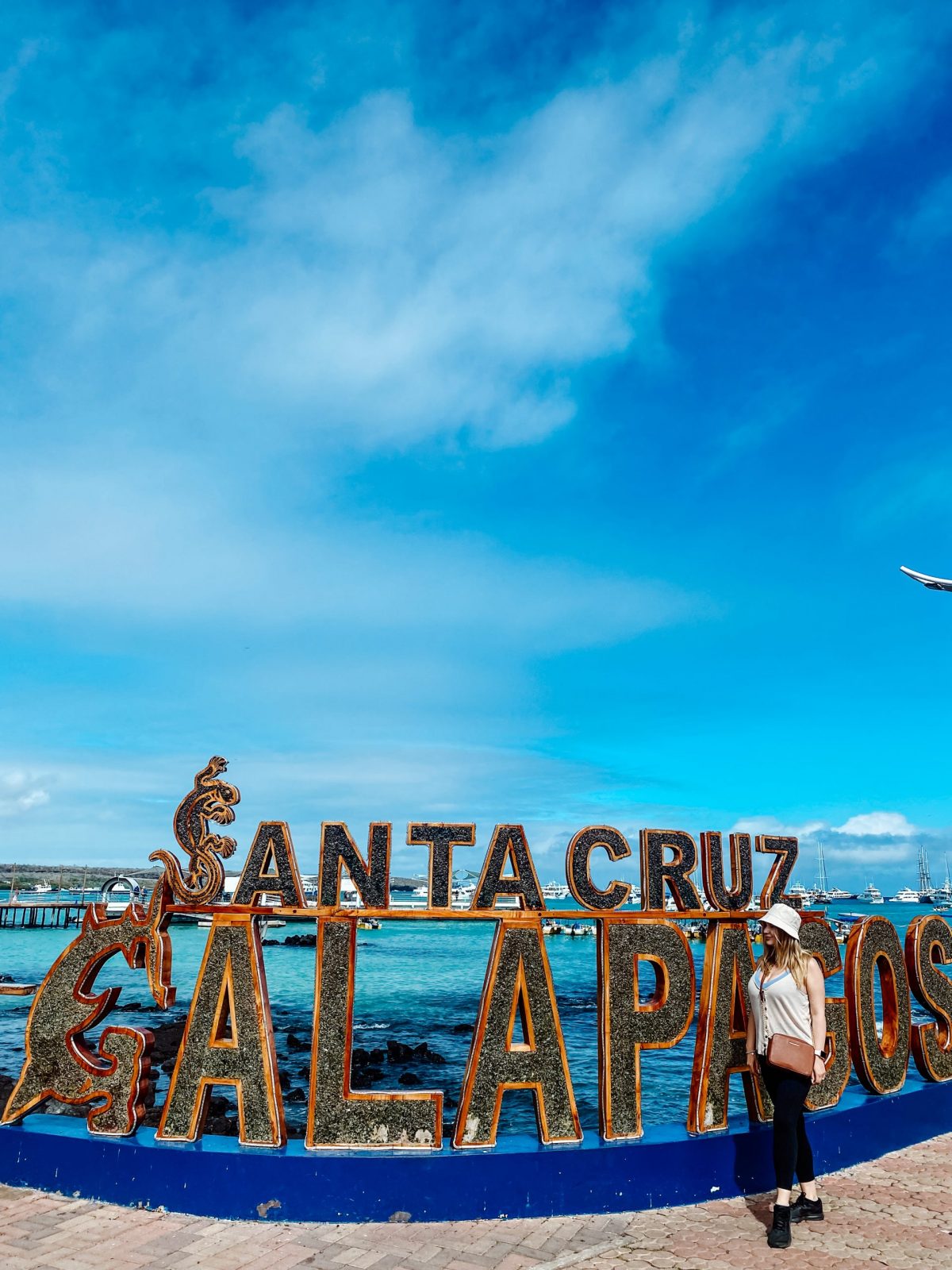
Day one is an arrival half-day. You fly from Quito or Guayaquil, land at Baltra or San Cristóbal in the late morning, pay the National Park fee in cash at the airport, pass through the biosecurity inspection of your carry-on, and transfer to the vessel – by zodiac from the dock, by bus from the airport, or by ferry from the channel crossing depending on your specific cruise. Boarding happens around noon. After a welcome lunch and safety briefing, your first excursion launches in the afternoon. Day one gives you one island visit. The full day rhythm starts on day two.
The transfer from Baltra airport to the vessel takes different forms depending on the cruise. Some ships dock at Baltra’s small pier and passengers board within 20 minutes of leaving the arrivals hall. Others anchor in the channel and send a zodiac to collect passengers from a dock. For cruises based in Puerto Ayora on Santa Cruz, add the Itabaca Channel ferry crossing and a 40-minute bus ride across the island – total transfer time is about 90 minutes from the airport. Either way, you’re on the boat before early afternoon.
The welcome sequence is consistent across most vessels. The captain introduces themselves. The crew runs a safety drill covering life jacket locations, emergency procedures, and the muster point. The naturalist guide introduces themselves and outlines the cruise philosophy – probably starting with the National Park rules around wildlife distance, staying on marked trails, and leaving nothing behind. Then lunch. Then the first afternoon excursion, which on many itineraries delivers something extraordinary within hours of boarding. A sea lion colony on the dock. Marine iguanas basking in dense herds on lava rock. Blue-footed boobies plunge-diving offshore. The first encounter with Galapagos wildlife tends to produce a quality of silence that large groups of adults almost never produce. It’s worth paying attention to that moment.
If you want to know what specifically to expect on day one of the cruise you’re considering, the embarkation process differs by vessel and departure port. Get in touch here and we’ll walk you through exactly what arrival day looks like for your specific itinerary.
Want to know exactly how to get from wherever you are to a Galapagos cruise departure without the logistics catching you off guard? Here’s our how to get to the Galapagos Islands guide so you plan it properly.
What Does a Typical Full Day on a Galapagos Cruise Look Like?

A full Galapagos cruise day has five phases: early morning excursion (7 to 10am), optional water activity off the vessel (10:30 to 11:30am), lunch and midday repositioning, afternoon excursion (3 to 6pm), and an evening of dinner and naturalist briefing. Two guided visits per day is the standard structure mandated by National Park itinerary rules. The mornings are the most important – wildlife is most active in the cooler early hours, and the light is best for both observation and photography. Most days feel full without feeling rushed.
The 6am wake-up call surprises some travelers who expected a more relaxed pace. It’s there for the animals, not for the schedule. Equatorial sun reaches full heat by 10am. Marine iguanas that were moving across the lava field at 7am are tucked into crevices by 9:30am. Boobies actively displaying and fishing in the early morning are resting by noon. The guide knows this and the itinerary is built around it. Getting up at 6am on a Galapagos cruise isn’t an inconvenience – it’s the reason the encounters are as good as they are.
Between excursions, the vessel moves. Distances range from a 20-minute crossing between adjacent sites to a 2-hour transit to the next island on the itinerary. During midday repositioning, the boat is moving and passengers settle into the rhythm of the between-excursion hours: shower off the saltwater, eat lunch, nap, read on deck, talk with the guide about what they saw and what tomorrow holds. On better vessels, the naturalist runs optional informal talks during this window – on geology, on Darwin’s finches, on the specific evolution story of whatever species dominated the morning visit. These talks are optional and always worth attending.
What Are the Morning Excursions Actually Like?
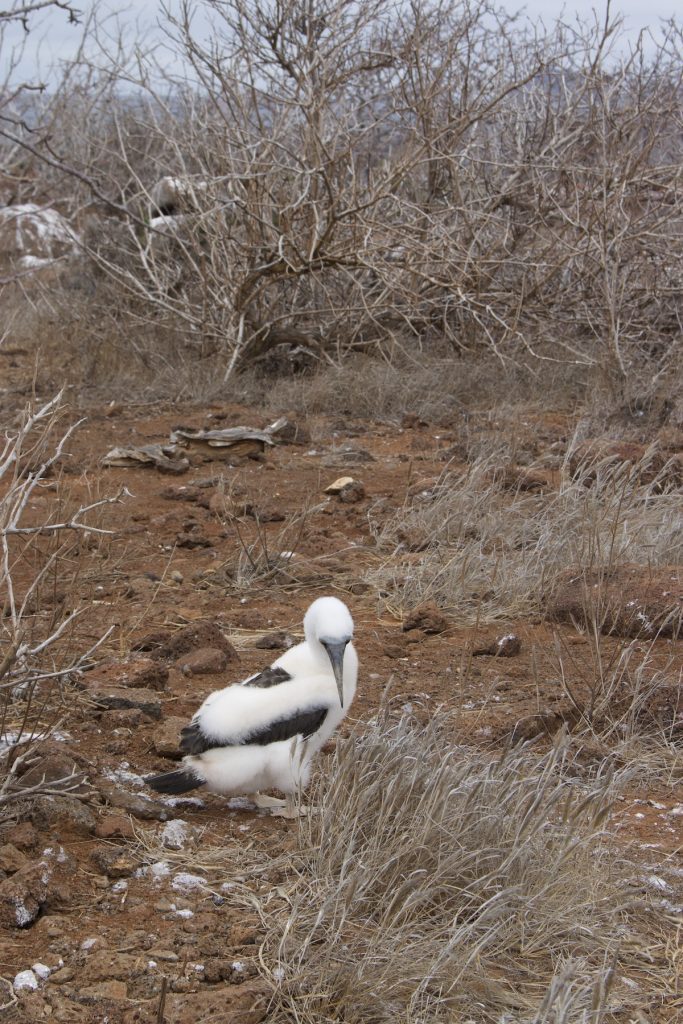
Morning excursions begin with a zodiac (inflatable panga) ride from the vessel to the landing site. Landings are either dry – you step from the zodiac onto rocks or a dock – or wet, meaning you step into shin-deep water and wade to the beach. The guide leads a group of maximum 16 people along a marked trail, narrating what you encounter as it happens. The encounters are not staged and not guaranteed, but the density and variety of wildlife on a well-chosen morning excursion in the Galapagos is unlike any other experience available anywhere in the world.
The wet landing instruction trips up some first-timers who didn’t pack appropriately. You step out of the zodiac into shallow water with your shoes on. Water shoes, sandals, or old trainers that can get wet and dry quickly are the correct footwear for wet landings. People who wear their best hiking boots discover this the hard way on day one. Most operators cover this in the pre-departure documentation, but it bears repeating: wet landings are the norm rather than the exception on many itineraries.
On the trail, the guide controls pace. They stop when something is worth stopping for and move the group when it isn’t. The wildlife encounter quality depends significantly on how the guide manages this rhythm – a skilled naturalist knows when an animal is about to do something extraordinary and positions the group to watch it, rather than moving along the trail on a fixed schedule. A blue-footed booby performing its courtship display, lifting one foot then the other in slow deliberate sequence while sky-pointing, will hold the guide’s group at that spot for as long as the display continues. This isn’t improvised – it comes from years of learning how each species behaves at each site in each season.
The National Park rule of maintaining 2 meters distance from wildlife is enforced by the guide. What visitors consistently discover is that the animals don’t maintain the 2-meter rule themselves. A sea lion pup may investigate your fins while you snorkel within arm’s reach. A Nazca booby on its nest may lean forward to examine your camera lens from 30 centimeters. The guide’s job in those moments is to ensure you don’t reach out, and most people find that the restraint required makes the encounter more rather than less intense.
What Happens Between Excursions and in the Evenings?
The hours between excursions and after dinner are quieter and more social than most first-timers expect. Galapagos cruise passengers – typically 8 to 20 people on a small vessel – tend to be curious, well-traveled, and interested in talking about what they’ve seen. Meals become extended conversations about the morning’s encounters. The evening briefing, which runs 20 to 40 minutes before or after dinner, is when the naturalist contextualizes the day and prepares the group for tomorrow. Evenings end early because 6am comes fast and the days are genuinely tiring in the best way.
The evening briefing deserves more pre-trip attention than most travelers give it. The briefing isn’t just logistics – it’s the interpretive layer that connects each day’s encounters to the larger story of what the Galapagos is. A strong naturalist uses the briefing to build anticipation: tomorrow at Genovesa you’ll be walking through a red-footed booby colony, and here’s why the red-footed booby evolved to nest in trees rather than on the ground like its blue-footed cousin, and here’s what that tells us about resource partitioning, and here’s what to look for specifically when we’re on the island. That briefing changes what the morning excursion delivers because it gives observers a frame of reference.
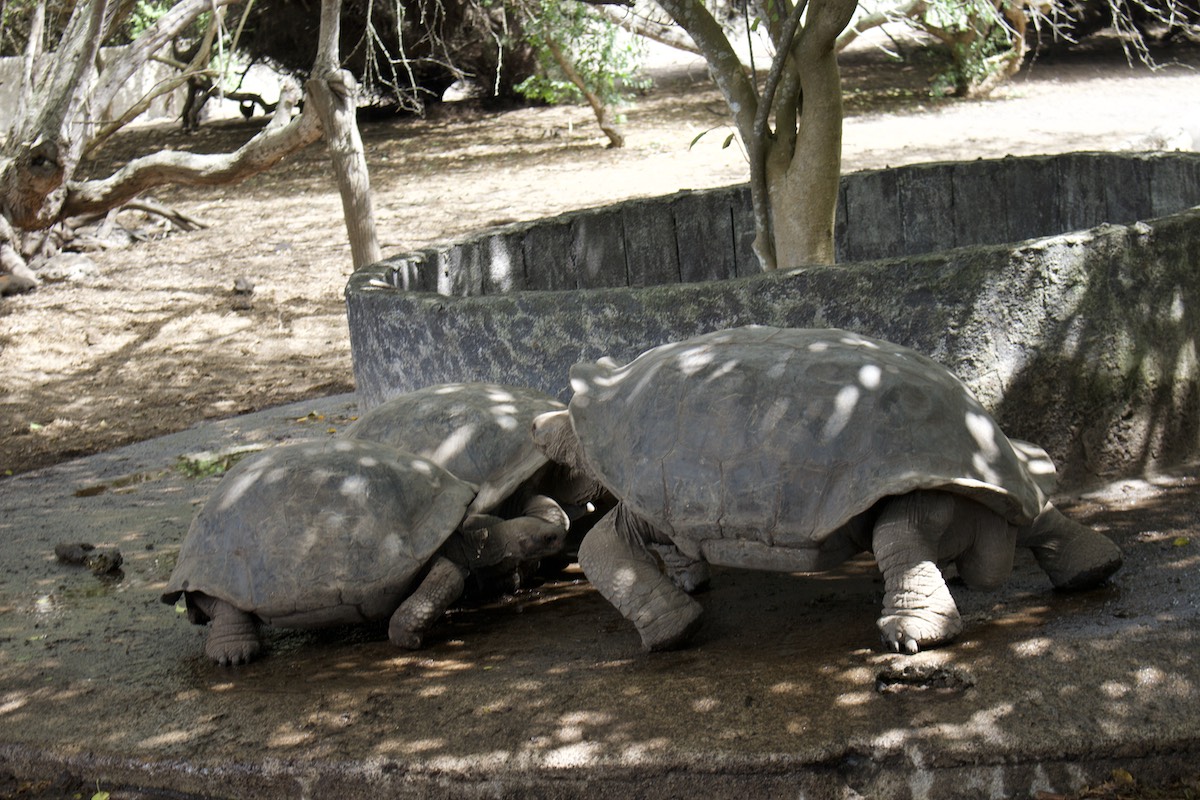
The social life of a Galapagos cruise is one of the most consistently underestimated pleasures for travelers who arrive uncertain about spending a week with strangers on a small boat. The shared intensity of what everyone is experiencing – standing inches from a giant tortoise at dusk, watching a marine iguana sneeze salt while a sea lion barks in the background – creates genuine connection between people who met less than 48 hours ago. Aperitifs on deck after the afternoon excursion, with the sun dropping toward the Pacific and the naturalist answering questions over a drink, is one of those travel experiences that travelers describe for years afterward.
How Does the Cruise Feel by the Middle of the Week?
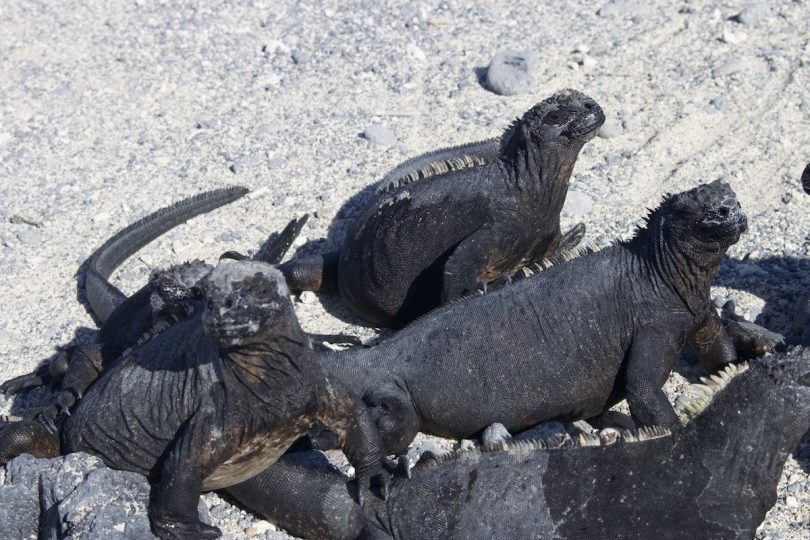
By day three or four of an 8-day cruise, something shifts. The initial overwhelm of encountering Galapagos wildlife at close range settles into something more like comprehension. First-timers stop cataloging species – blue-footed booby, check; marine iguana, check, and start noticing details: the difference in size between the marine iguana populations on different islands, the way the waved albatross chick is already as large as its parent, the moment when a sea lion surfaces to breathe while snorkeling and makes direct eye contact from 40 centimeters. This is the depth inflection point, and it’s what makes the 8-day cruise structurally different from the 4-day one. The 4-day cruise ends before most travelers reach it.
The guide’s role intensifies at this point because the group’s questions change. Day one and two questions are orienting: where are we, what is that, how far did we sail last night. Day four questions are comparative and connective: why does the Fernandina marine iguana look different from the one we saw on Santa Cruz, what does the albatross’s sky-pointing actually communicate to the female, why do the lava fields here look different from yesterday’s island. The naturalist who has spent days building shared reference points with the group delivers the best naturalist sessions at this stage of the voyage.
The rhythm of the cruise also becomes habitual mid-week in a way that is surprisingly restorative. Waking before dawn because you want to, not because you have to. Eating three good meals at predictable times. Moving your body through varied terrain each morning. Being in saltwater each day. The structured simplicity of the schedule – excursion, eat, rest, excursion, eat, sleep – strips away the decision fatigue that characterizes normal daily life and replaces it with something that feels like clarity. Travelers who arrived thinking the structured schedule would feel confining often report by mid-week that it feels like freedom.
What Is the Last Day of a Galapagos Cruise Like?
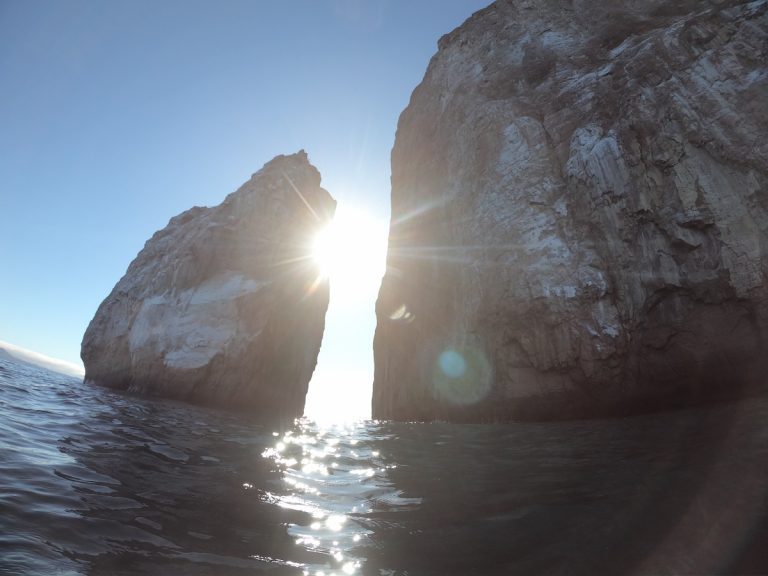
The final day follows the same structure as all others: early wake-up, one morning excursion, then return to the vessel for the airport transfer. On many itineraries the last excursion is particularly well-chosen – operators often place a high-impact site at the end of the voyage deliberately, leaving passengers with a strong final image before departure. Luggage is set outside cabins the night before. After the morning excursion, breakfast, and final goodbyes to the crew, the zodiac takes passengers to the dock and the bus transfers to Baltra or San Cristóbal airport for the flight back to the mainland.
The final evening the night before has a specific character that repeat Galapagos travelers recognize. The crew typically marks it with a small ceremony – a toast, a card, sometimes a modest farewell gathering after dinner. The naturalist gives a closing briefing that is different from all the others: instead of preparing the group for tomorrow’s island, they reflect on the route covered, summarize what was seen, and often share something personal about why they work in the Galapagos. On small vessels where crew and passengers have spent a week in close proximity, this moment produces more genuine emotion than most travelers expect from what is, technically, a commercial vacation.
The flight back to Quito or Guayaquil carries a specific quality of conversation. People who didn’t know each other 8 days ago are exchanging email addresses and recounting the same encounters – the hammerhead that appeared below them at Kicker Rock, the albatross chick that looked directly at them on Española, the sea lion that grabbed a fin underwater. The shared memory is already beginning to compress into a handful of crystalline moments, which is the shape this trip takes in people’s lives long after it ends.
Wondering whether an 8-day itinerary covers significantly more than a 5-day cruise or whether the extra days start to feel repetitive? This how long should your Galapagos cruise be guide covers the honest duration trade-offs most operators don’t address directly.
What Surprises First-Time Travelers Most About the Daily Experience?
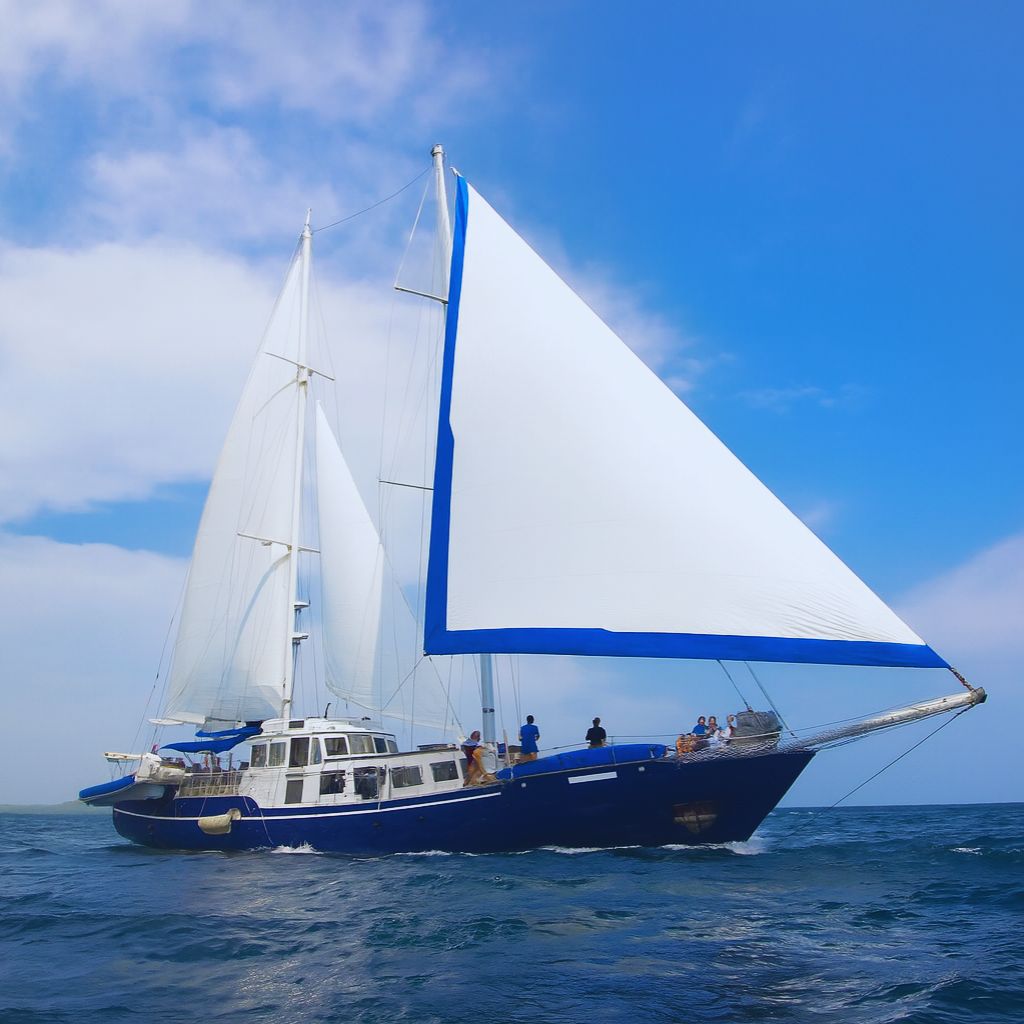
Five things consistently surprise first-time Galapagos cruise travelers: how genuinely tiring the days are despite not being strenuous; how small and intimate the social world of the boat becomes by day two; how much better the morning excursions are than the afternoon ones in terms of wildlife activity; how quickly the structured rhythm stops feeling structured and starts feeling natural; and how the wildlife encounters that feel most extraordinary are almost never the ones you planned for but the ones the guide positioned you to witness spontaneously.
The tiredness surprise deserves honest acknowledgment. Walking on lava fields in equatorial sun, snorkeling in currents, paddling a kayak, climbing volcanic hills, and carrying camera equipment through two excursions per day adds up to real physical output. Add the early wake-up and the fresh sea air, and most passengers are genuinely ready for bed by 9pm regardless of how late they normally stay up at home. This isn’t a problem – it’s an indicator that the days are full of the right kind of activity. But first-timers who planned to stay up stargazing every night discover that tiredness is the more reliable outcome after day two.
The social intimacy of a small Galapagos vessel is something travelers understand abstractly before the trip and feel viscerally within 24 hours of boarding. A group of 12 to 16 strangers eating three meals together, sharing a zodiac, watching extraordinary things in close physical proximity, and sitting in the same salon for evening briefings – this creates connection faster than almost any other shared environment adults encounter in regular life. By day three most passengers know everyone’s name, profession, and where they came from. By day five they know why each person wanted to come to the Galapagos, what they came hoping to see, and which encounter moved them most.
How Should You Mentally Prepare for Your First Galapagos Cruise?
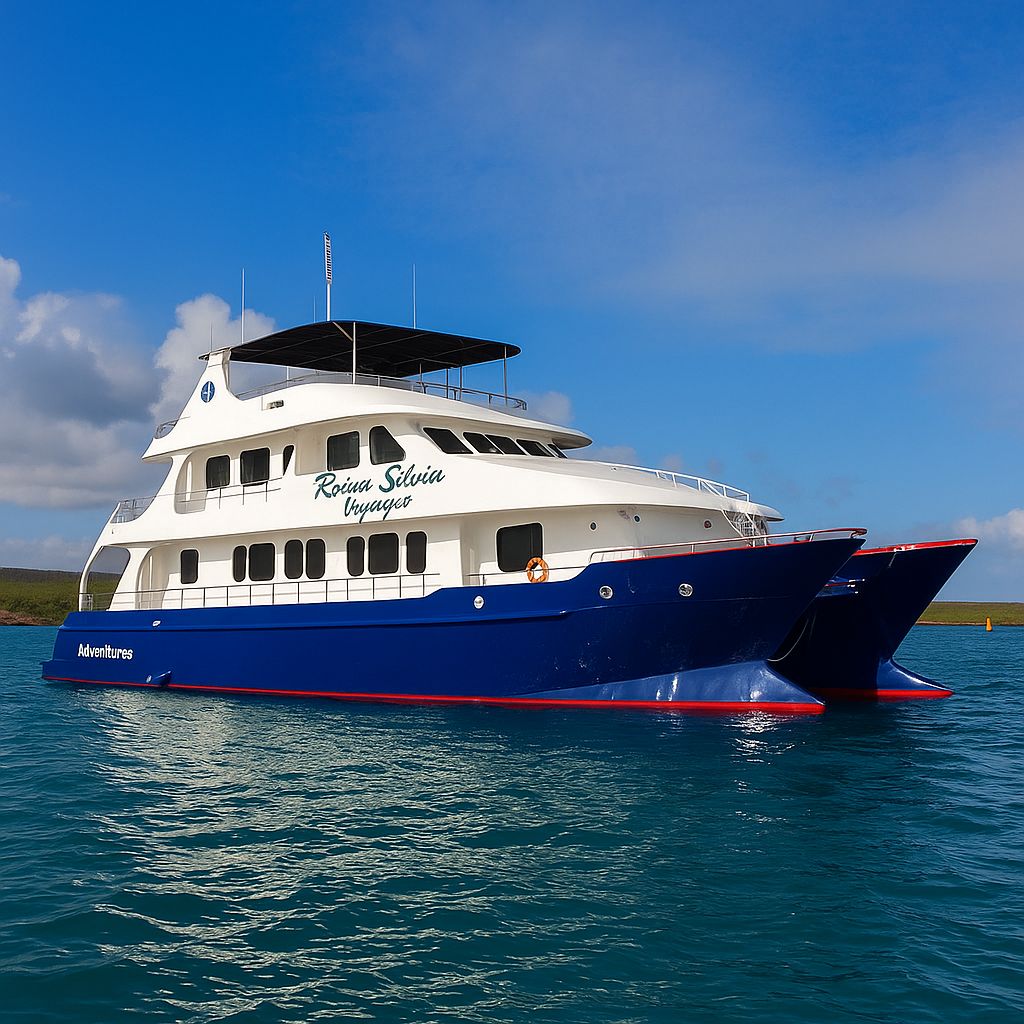
Three mental adjustments make the first Galapagos cruise more rewarding: letting go of the impulse to photograph everything, arriving with some prior reading about what makes the archipelago ecologically specific, and accepting the schedule rather than resisting it. The travelers who come back describing the trip as transformative are almost always the ones who spent more time watching than shooting, arrived with context that made each encounter meaningful, and found the structured daily rhythm liberating rather than constraining. The Galapagos delivers its best version of itself to the traveler who shows up ready to receive it rather than document it.
The photography impulse deserves direct address. The Galapagos produces better wildlife photography than almost any other destination because the animals don’t move away from your lens. This is extraordinary and it produces a specific trap: spending the entire morning excursion looking at wildlife through a viewfinder rather than with your eyes. The traveler who puts the camera down for 20 minutes and simply watches a waved albatross perform its courtship dance without the mediation of a screen often describes that 20 minutes as the defining experience of the trip. Bring the camera. Use it. Also put it away sometimes.
The reading recommendation that keeps appearing across thousands of traveler accounts, including our own: even a short book on Galapagos ecology read before departure changes the quality of every encounter on the trip. The context provided by understanding why the finches have different beak shapes, why the marine iguana is the only ocean-going lizard in the world, why the islands produced the specific evolutionary laboratory that shaped Darwin’s thinking – that context transforms what looks like an interesting animal into something that illuminates how life itself works. The naturalist guide provides this context throughout the trip. Arriving with some of it already in place means the first morning excursion delivers depth rather than novelty.
First time attempting to plan a Galapagos cruise and feeling overwhelmed by the options? Here’s our how to plan a Galapagos cruise guide so you approach it with a clear head and a logical sequence.
| Finding | % of First-Timers | Context |
|---|---|---|
| Experience exceeded pre-trip expectations | 98% | Consistent finding regardless of vessel class or month |
| Wished the cruise had been longer | 64% | Most pronounced among travelers who booked 4 to 5 days |
| Surprised by how social and connected the small group felt | 76% | Particularly notable among solo travelers |
| Best single moment was unplanned or spontaneous | 89% | Wildlife encounters that weren’t on the briefing schedule |
| Would return to the Galapagos for a second cruise | 72% | Higher among travelers who had read about the islands before arrival |
Send us a message here and tell us what matters most to you – we’ll match you to the right option honestly.
Frequently Asked Questions
What time do you wake up on a Galapagos cruise?
Most Galapagos cruises issue a wake-up call between 5:45 and 6:30am. Morning excursions typically launch at 7am when wildlife is most active and the temperature is coolest. The schedule is designed around the animals’ behavior, not traveler convenience. Most first-timers are surprised by how quickly this early rhythm becomes natural and how well they sleep.
How many excursions do you do per day on a Galapagos cruise?
Two guided excursions per day is the standard structure: a morning visit to one site and an afternoon visit to another, often a different island. Some operators add a morning water activity between the land excursion and lunch. Each excursion runs 2 to 3 hours on shore or in the water with a certified naturalist guide in a group of maximum 16 people.
What do you do between excursions on a Galapagos cruise?
Eat, rest, and process. Lunch is served while the vessel repositions to the afternoon site. The 1 to 2 hours between lunch and the afternoon excursion is the quietest part of the day: nap, read, sit on deck, talk with the guide or other passengers. On quality vessels, the naturalist may offer an informal optional talk on a relevant topic during this window. The evening after dinner features the daily briefing from the naturalist on the next day’s islands.
Is a Galapagos cruise physically demanding?
Moderately. The walks on shore are generally 1 to 3 kilometers on marked trails over lava, sand, or highland terrain. Wet landings require stepping from a zodiac into shin-deep water. Snorkeling sessions run 30 to 90 minutes. The cumulative effect of two active excursions per day in equatorial sun makes most travelers genuinely tired by evening, but nothing requires exceptional fitness. Travelers in their 70s with reasonable mobility complete these itineraries comfortably every season.
How big are the groups on Galapagos cruise excursions?
The Galapagos National Park limits groups to a maximum of 16 people per certified naturalist guide. Most cruise vessels carry fewer than 20 passengers total, meaning excursion groups are often the entire passenger list. This is dramatically smaller than most other nature tourism contexts in the world and is part of what produces the quality of encounter the Galapagos is known for.
Ready to Plan Your First Galapagos Cruise?
Every detail of the daily experience – the landing logistics, the guide quality, the evening briefing depth, the mid-week rhythm – varies by vessel. We’ve been on these boats and can tell you which ones deliver the full experience described above and which ones fall short. We match travelers to the right cruise for their situation, not the most expensive one.
Rated 4.9 stars on Google and TripAdvisor. Get in touch here and let’s plan your first Galapagos cruise properly.
Written by Oleg Galeev
Galapagos cruise traveler (3 trips, 2 cruises) · Founder, Cruises To Galapagos Islands
He also runs the Ecuador travel blog mytrip2ecuador.com and the YouTube channel My Trip to Somewhere.
Cruises To Galapagos Islands is rated 4.9 stars on Google and TripAdvisor.