
TL;DR
A Galapagos cruise runs anywhere from $1,500 per person on a basic 4-day itinerary to $14,000+ per person on an 8-day luxury yacht. Most first-time travelers land between $4,500 and $9,000 all-in, including international flights, mandatory fees, and extras. The cruise price itself is only part of the budget – add $200 for the National Park entrance fee (cash only), $20 for the INGALA TCT card, $150-$300 in guide and crew tips, domestic flights, and travel insurance. Solo travelers face the steepest per-person premium due to single supplements that can add 50-100% to the cabin rate. The cheapest months to book are May, September, and October. The best savings come from booking 6-12 months ahead, not last-minute.
2026 Galapagos Cruise Cost: Quick Reference
| Cruise Class | Per Day (Per Person) | 4-Day Trip | 8-Day Trip |
|---|---|---|---|
| Budget / Economy | $350-$500 | $1,400-$2,000 | $2,800-$4,000 |
| Tourist Superior | $500-$700 | $2,000-$2,800 | $4,000-$5,600 |
| First Class | $610-$800 | $2,440-$3,200 | $4,880-$6,400 |
| Luxury | $800-$1,700+ | $3,200-$6,800 | $6,400-$14,000+ |
| Mandatory Park Fee | $200 adults / $100 children under 12 (cash only on arrival) + $20 TCT card – Prices verified June 2026 |
What Is the Average Cost of a Galapagos Cruise in 2026?
The average Galapagos cruise costs around $600-$700 per person per day in 2026, making a typical 7-8 day itinerary run $4,200-$5,600 per person for the cruise alone. Add mandatory fees, international flights, and extras and the realistic all-in number for most travelers is $6,000-$9,000 per person. That average masks a wide range, from under $2,000 for a 4-day budget trip to over $14,000 for 8 days on a top-tier luxury yacht.
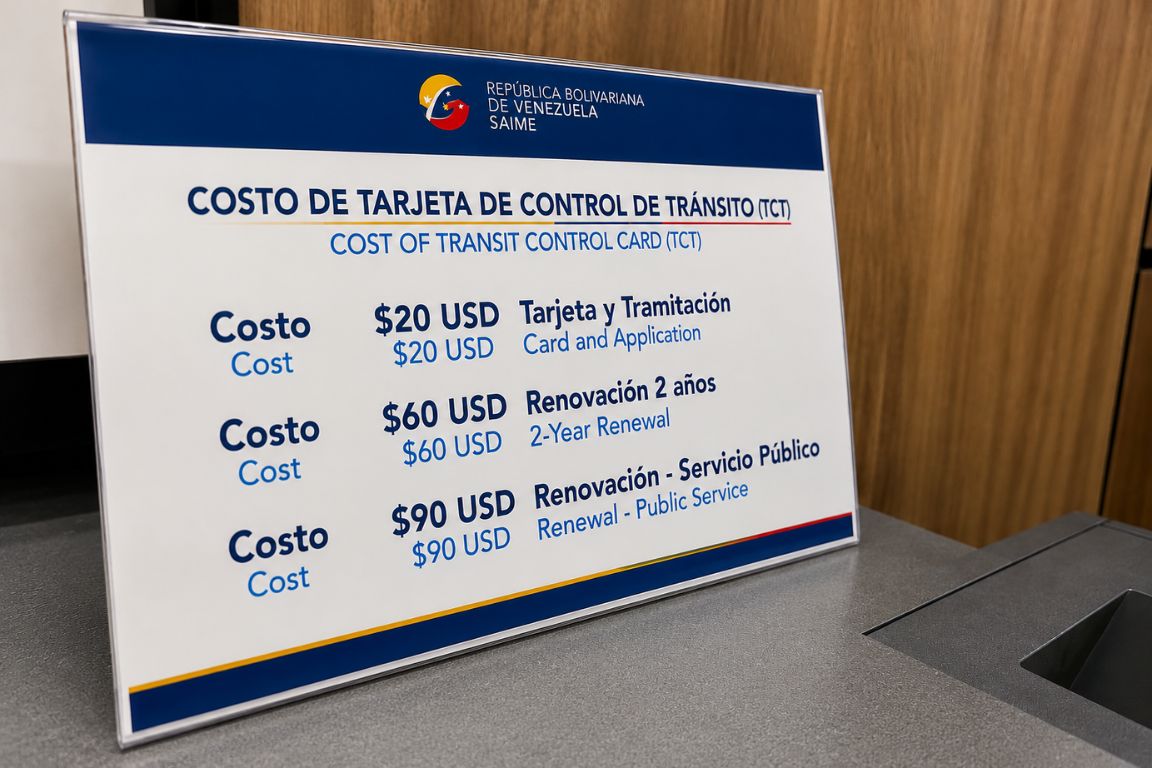
Nobody should budget for the cruise price and call it a day. The listed cruise rate covers your cabin, all meals, snorkel gear, and guided excursions. It does not cover the $200 National Park entrance fee, the $20 INGALA Transit Control Card, your domestic flights between Ecuador’s mainland and the islands, international flights to get to Ecuador, gratuities for guides and crew, alcoholic beverages, or travel insurance. Those add-ons can push the real cost $1,500-$3,000 per person above the advertised cruise price.
There is also a floor to Galapagos pricing that surprises people who’ve shopped Caribbean cruises. Every vessel operating in the archipelago faces costs that simply don’t exist elsewhere: National Park permit fees per passenger, strict capacity limits on visitor sites, fuel costs to reach islands 1,000 km off the mainland, biosecurity compliance requirements, and the logistics of provisioning a ship with fresh food in one of the most remote destinations on Earth. Operating costs run 30-50% higher than comparable vessels elsewhere in South America. Below around $3,000 per person for an 8-day itinerary, you’re looking at boats that don’t legally operate in the park. That’s the actual floor, not a starting point to negotiate down from.
If you’ve seen a Galapagos cruise listing that looks unusually cheap and you’re not sure what you’re actually getting, we’re happy to look at it with you. We know the fleet well and can tell you in plain terms whether a price makes sense for what’s on offer. Send us a message here and we’ll give you an honest read, no pressure and no obligation.
Trying to figure out what the Transit Control Card actually is, how much the national park fee costs, and where you pay it? Check out our Galapagos entry requirements, transit card and national park fees explained guide before you book anything.
What Do the Four Cruise Classes Actually Cost, and What’s the Real Difference?
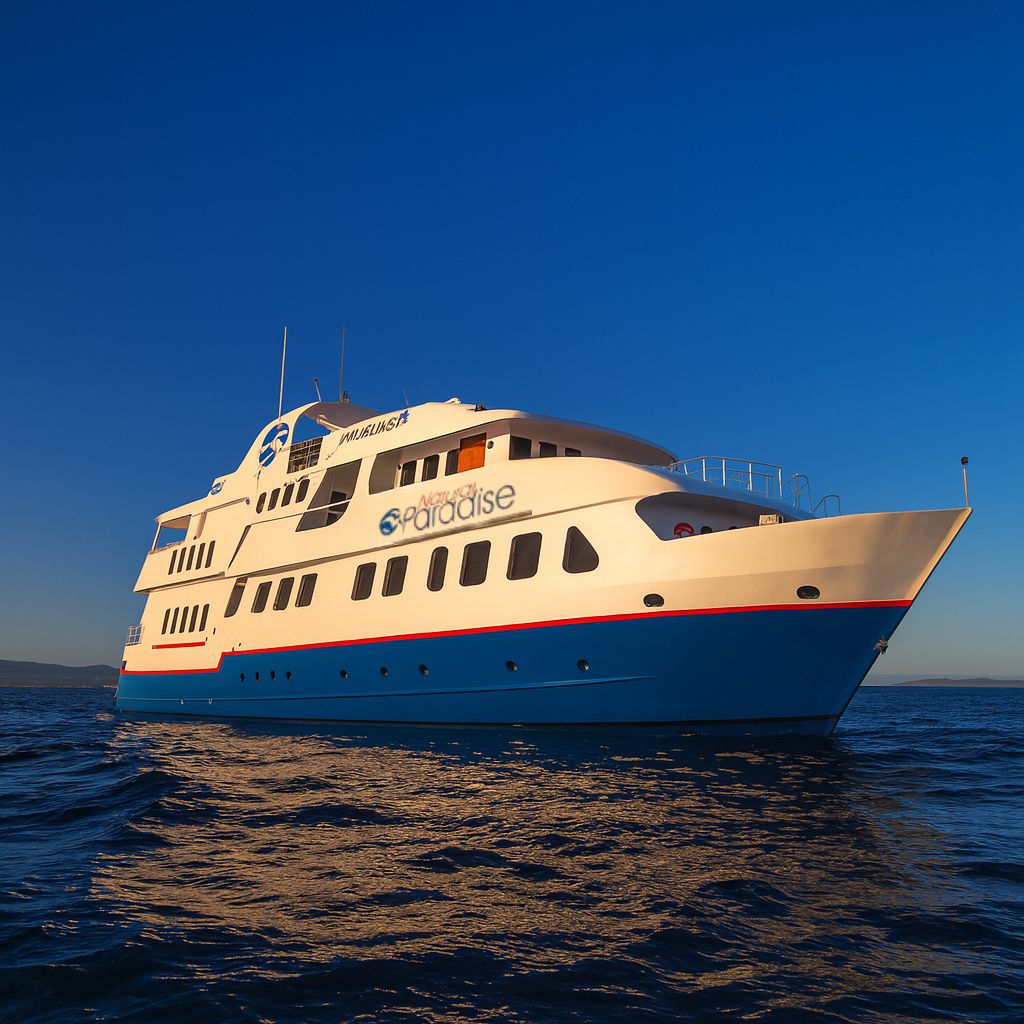
The four Galapagos cruise classes are Budget, Tourist Superior, First Class, and Luxury. The price gap between them is significant – a first class 8-day costs roughly twice a budget 8-day, but the actual visitor sites and excursions are identical across all classes. What changes is cabin comfort, food quality, guide expertise, and the ratio of staff to passengers. That ratio is where the real difference lives.
Budget boats ($350-$500 per day) run 16-36 passengers with guides who hold basic naturalist certification. Cabins are functional – private is common at this level now, though some older vessels still offer shared bathrooms on lower decks. Meals are straightforward. You’ll see the same Galapagos penguins and the same iguanas as the luxury boat anchored next to you. The wildlife doesn’t charge a premium. What the premium buys is the context someone puts around what you’re seeing.
Tourist Superior ($500-$700 per day) is where we generally start recommending for first-timers who want a solid experience without first-class pricing. Cabins are properly comfortable, food is notably better, and guides have advanced naturalist certification. This band spans a real range – there are excellent boats here and mediocre ones, so specific vessel knowledge matters more than class label alone.
First Class ($610-$800 per day) bridges the gap between mid-range comfort and luxury. Cabins are spacious, meals are well-prepared with more variety, and guides typically hold university degrees in biology or ecology. For travelers who spend significant time at the dinner table comparing what they saw that day and want a guide who can genuinely hold that conversation at depth, first class is often the right answer. Wetsuits are sometimes available for rent rather than included, so check that detail before booking.
Luxury ($800-$1,700+ per day) delivers what you’d expect at those rates: private balconies on some vessels, gourmet dining, crew-to-guest ratios that mean someone knows your coffee order by day two, and naturalist guides with graduate-level scientific training. The boats themselves are generally newer, better maintained, and carry 16-20 passengers instead of 30+. For travelers celebrating a milestone – an anniversary, a retirement, a once-in-a-generation trip – the luxury tier justifies itself. For a traveler who spends most of the day outside on excursions anyway, the gap between first class and luxury is smaller than the price difference suggests.
| Class | Cabin | Food | Guide Level | Passengers | Wetsuit |
|---|---|---|---|---|---|
| Budget | Basic private; some shared bath | Simple buffet | Level 1-2 certified naturalist | 16-36 | Basic shorty; sometimes extra |
| Tourist Superior | Comfortable private cabin | Good, fresh ingredients | Level 2-3 certified naturalist | 16-32 | Included |
| First Class | Spacious cabin, quality bedding | Chef-prepared, varied menus | Degree-level naturalist | 16-20 | Included or rental |
| Luxury | Suite-style; some with balcony | Gourmet, locally sourced | MSc/PhD naturalist; low guest ratio | 16-20 | Included + 5mm option |
How Does Cruise Length Affect the Total Price?
Cruise length has a near-linear effect on cost – every extra day adds the full per-day rate. But the per-day rate often drops slightly on longer itineraries as operators factor in fixed costs across more days. A 4-day cruise on the same vessel as an 8-day itinerary doesn’t cost exactly half. The 8-day rate per day is usually 5-15% lower, making longer itineraries better value per day even before you account for what you actually get to see.
The standard Galapagos itinerary lengths are 4 days (3 nights), 5 days (4 nights), 7 days (6 nights), and 8 days (7 nights). Some operators run 10, 11, and 15-day expeditions for the northern islands. The 4-day option is the entry point and works best as an add-on to a longer Ecuador trip when someone has limited vacation days. It’s not a bad experience – you see real wildlife and the boat rhythm is the same. But you’re mostly visiting the central and eastern islands near Santa Cruz. Española, Genovesa, and Fernandina – the outer islands where wildlife density peaks – require sailing time that a 4-day itinerary doesn’t have.
Seven and eight days hit the sweet spot because they give the itinerary enough range to include at least one or two remote outer island stops, and they give you enough days on the boat that the pace stops feeling rushed. By day four you’ve figured out the schedule, you’ve stopped worrying about photographing every single iguana, and you just start being present. That’s when the trip shifts from remarkable to genuinely life-changing. The traveler who comes back saying the Galapagos was the best trip of their life is almost always the one who did 7 days or more.
We’ve put together a full duration breakdown in our how long should your Galapagos cruise be guide so you know exactly how to match your cruise length to the wildlife, islands, and experience you actually came for.
| Duration | Budget | Tourist Superior | First Class | Luxury |
|---|---|---|---|---|
| 4 days / 3 nights | $1,400-$2,000 | $2,000-$2,800 | $2,440-$3,200 | $3,200-$6,800 |
| 5 days / 4 nights | $1,750-$2,500 | $2,500-$3,500 | $3,050-$4,000 | $4,000-$8,500 |
| 7 days / 6 nights | $2,450-$3,500 | $3,500-$4,900 | $4,270-$5,600 | $5,600-$11,900 |
| 8 days / 7 nights | $2,800-$4,000 | $4,000-$5,600 | $4,880-$6,400 | $6,400-$14,000+ |
What Extra Fees Do Most Travelers Forget to Budget For?
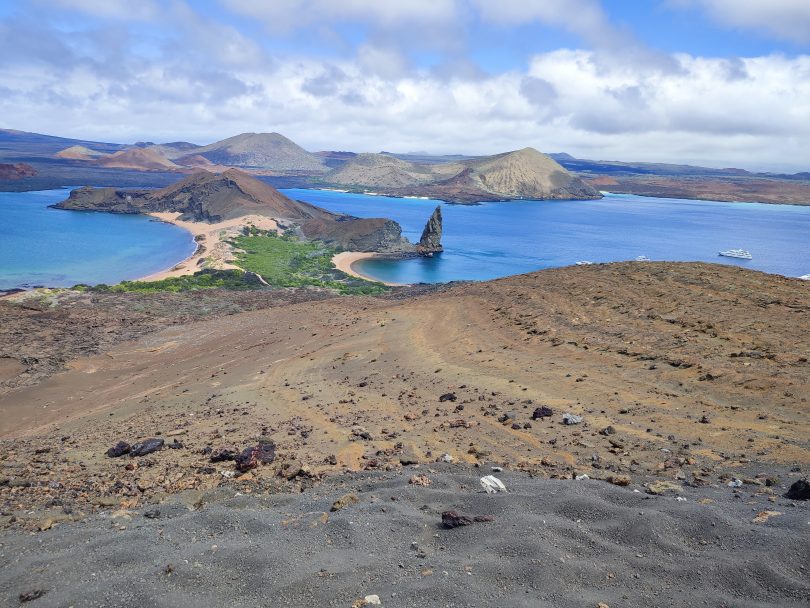
The five costs most travelers underestimate when budgeting a Galapagos cruise are: the $200 National Park entrance fee (cash only), guide and crew gratuities ($10-$25 per person per day), domestic Ecuador flights ($300-$500 per person), alcoholic beverages (not included on most boats), and the single supplement surcharge for solo travelers (50-100% of the cabin rate). Together these routinely add $1,500-$3,000 per person above the cruise listing price.
The gratuity expectation catches travelers off guard most often. On the final evening of most Galapagos cruises, an envelope appears in your cabin. The crew and guide have spent 7 or 8 days looking after you in a remote environment – waking early, staying up late for star-gazing briefings, carrying guests’ gear in zodiacs, cooking three meals a day from scratch while the boat moves. The standard recommended range is $10-$15 per person per day on budget and tourist superior boats, and $20-$25 per person per day on first class and luxury. On an 8-day first class trip at $20 per day, that’s $160 per person beyond the cruise price. For a couple, $320. Not trivial, and not optional if you want to be a decent human being about it.
Alcohol is the other one. Most Galapagos cruise listings explicitly exclude alcoholic beverages. Some boats sell wine and beer onboard at $5-$12 per drink. Some allow you to bring your own with a corkage fee of $10-$40 per bottle. A few luxury vessels include a drinks package. Read the inclusions carefully before you board, and factor in a daily drinks budget if that’s part of how you unwind after excursions.
The solo traveler cost deserves its own paragraph. Cruise cabins are priced per person based on double occupancy. A solo traveler occupying a double cabin alone typically pays a single supplement – often 50-100% of the per-person rate on top of the base price. On a $5,000 first-class cruise, a 75% single supplement turns that into $8,750 for one person. Some boats have single cabins with no supplement, and some operators will match solo travelers to share with another same-gender solo. Those options are worth seeking out specifically, because the supplement can transform a manageable budget into an impossible one.
Want to know exactly what comes with your cruise price before you hand over a significant chunk of your travel budget? Here’s our what is actually included in a Galapagos cruise price guide so you book with confidence.
| Cost Item | Typical Amount | Notes |
|---|---|---|
| National Park entrance fee | $200 adults / $100 children under 12 | Cash only, USD, paid on arrival at the Galapagos airport; some operators collect in advance |
| INGALA TCT card | $20 per person | Complete online before flying; QR code required at airport checkpoint |
| Domestic flights (Ecuador) | $300-$500 per person round-trip | LATAM or Avianca; sometimes included in cruise package – always check |
| Crew and guide gratuities | $10-$25 per person per day | $80-$200 per person on an 8-day trip; given in cash at cruise end |
| Alcoholic beverages | $5-$12 per drink on most boats | Excluded on most cruises unless specified; check corkage fee before bringing your own |
| Travel insurance | $150-$800 per person | Required with medical evacuation coverage; price varies by age, coverage level, and trip value |
| Solo traveler single supplement | 50-100% surcharge on cabin rate | Can add $2,000+ to an 8-day first class cruise; some boats waive it in shoulder months |
| Mainland Ecuador hotel | $50-$200 per night | At least one pre-cruise night in Quito or Guayaquil is strongly recommended |
| Souvenirs and personal spending | $50-$300+ | Small gift shops operate in Puerto Ayora and Puerto Baquerizo Moreno |
Calculating a real all-in Galapagos budget is harder than it looks – the inclusions and exclusions vary by boat, and the single supplement question alone can dramatically change what a trip actually costs. We put together no-obligation quotes that lay out every cost line by line, so there are no surprises. Fill out this short form and we’ll build you an accurate picture based on your specific travel dates and group size.
Most Galapagos cruise operators are upfront about what’s included but considerably vaguer about what isn’t – our what is not included in a Galapagos cruise guide breaks down the extras that consistently catch first-time passengers out.
When Is the Cheapest Time to Book a Galapagos Cruise?
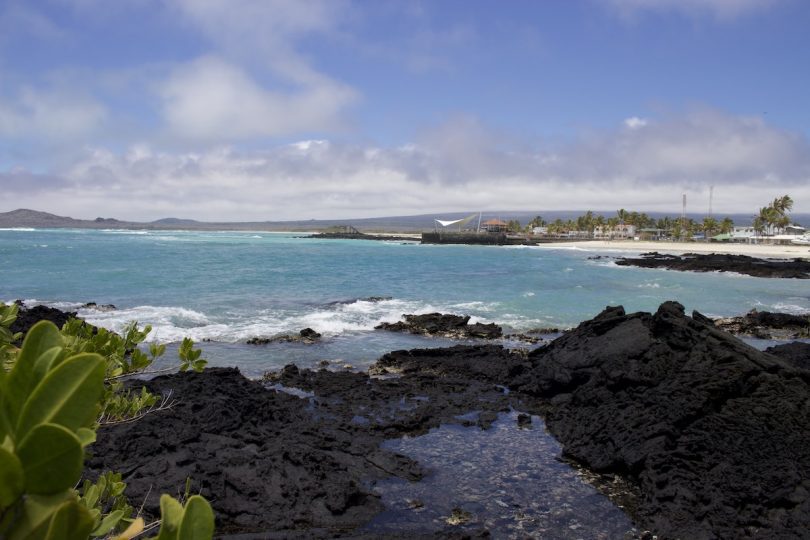
The cheapest months to take a Galapagos cruise are May, September, and October. These shoulder-season windows sit between the two peak periods – the warm season holiday rush (December to January, Easter) and the summer peak (June to August), and see both lower prices and better availability on preferred vessels. Early December and mid-January also offer brief pricing dips just outside the holiday bookends.
What most travelers don’t realize is that “cheapest” in the Galapagos doesn’t mean dramatically different wildlife. May is a transition month – warm season is winding down, marine activity is picking up, and the dramatic overcast that defines August hasn’t arrived yet. You get calm seas, reasonable water temperatures, and wildlife that’s genuinely active. September and October see the garúa mist that characterizes the dry season, but the marine feeding frenzy is in full effect. Sea lions are nursing pups. Penguins are feeding close to shore. It’s not a consolation-prize wildlife period, it’s a different and often extraordinary one.
The peak season price premium is real. Christmas and New Year weeks see the highest rates across all cruise classes. July and August, when European and North American summer school holidays overlap, are nearly as expensive. Easter week fills boats months or years ahead of time. If your travel dates are flexible, even shifting a departure by two weeks can mean a meaningful price difference and significantly more cabin choices.
Trying to figure out whether booking 12 months out or waiting for a seasonal price drop delivers better savings on a Galapagos cruise? Check out our best time to book a Galapagos cruise for maximum discounts guide before you commit.
Is It Cheaper to Book Last-Minute or Far in Advance?
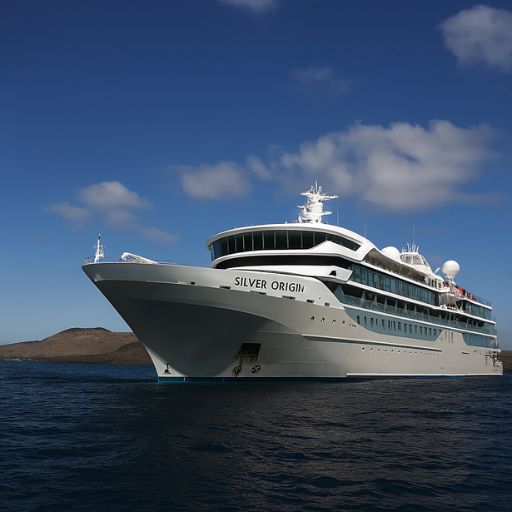
For most travelers on most itineraries, booking 6-12 months in advance beats last-minute on both price and choice. Last-minute deals exist – discounts of 10-40% do appear when operators try to fill unsold cabins in the final weeks before departure, but they come with serious trade-offs: you get whatever vessel has space, not the one you wanted, and during peak season there may simply be nothing available at any price.
The last-minute strategy only works if three things are true simultaneously: your travel dates are genuinely flexible (within a 2-3 month window, not a specific week), you’re not targeting a peak season departure, and you’re willing to accept whatever cruise class and itinerary is leftover. If any of those conditions aren’t met, the strategy fails. The Galapagos is not the Caribbean. There are roughly 80 licensed vessels for the entire archipelago, each capped at 100 passengers. The fleet is small. When it fills up, it fills up completely.
Early booking, by contrast, secures cabin category choice, itinerary preference, and sometimes early-bird pricing when operators release departures. The difference between booking a year out and six months out on a popular luxury vessel is often the difference between the upper-deck suite with a window and the lower-deck interior cabin. Same price, very different experience on a 7-night trip.
One genuine last-minute scenario where the math works: a solo traveler flexible on dates who targets shoulder months (May, September, October) and is willing to book whatever tourist superior or first class boat has an unsold cabin 4-6 weeks before departure. Operators do discount these spots aggressively. But this is opportunistic travel, not planned travel, and it requires a lifestyle that can accommodate that kind of flexibility.
If you have target dates and you’re wondering whether you’ve left things too late, just ask us – we have current availability across the fleet and can tell you honestly what’s still open at what price. It takes two minutes to find out instead of wondering. Reach out here and we’ll check what’s available for your window.
Not sure how early you actually need to secure a Galapagos cruise before the cabins you want disappear? Here’s our how far in advance should you book a Galapagos cruise guide so you don’t miss out.
Galapagos Cruise vs. Land-Based Trip: Which Gives Better Value?
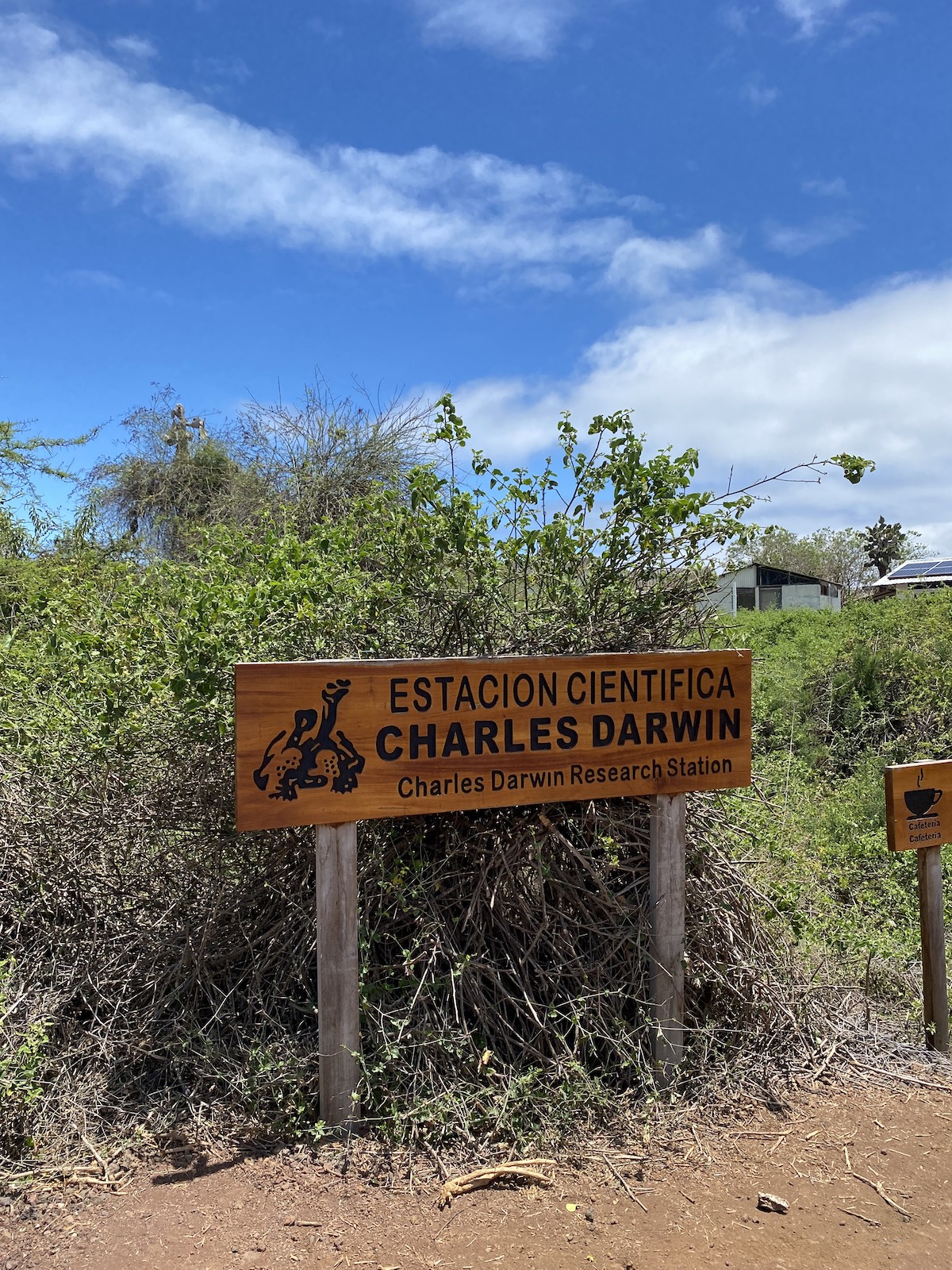
A land-based Galapagos trip costs $2,500-$5,000 per person all-in compared to $6,000-$9,000 for a mid-range cruise. The land-based option is genuinely cheaper, but it accesses roughly 30% of the visitor sites a cruise reaches. The remote outer islands where wildlife density and variety peak are unreachable without a live-aboard boat. For the Galapagos experience most travelers are imagining, the cruise delivers it. The land-based option delivers a meaningful but fundamentally different trip.
The cost comparison deserves some unpacking. A land-based trip out of Puerto Ayora on Santa Cruz Island covers the Charles Darwin Research Station, Tortuga Bay, several nearby snorkel sites, and day tours by speedboat to Bartolome, North Seymour, and maybe Española on a long day. These are real sites with genuine wildlife. But they’re the accessible sites – the ones closest to the inhabited islands, the ones every land-based visitor sees. The cruise accesses Fernandina (marine iguanas in their tens of thousands, flightless cormorants, no permanent human residents), Genovesa (the “bird island” with vast frigatebird colonies and red-footed boobies), and the remote northern islands Darwin and Wolf (whale sharks and hammerheads in numbers that stagger experienced divers). Those sites are only reachable by boat, and they’re where the encounters that define the Galapagos in most people’s memories actually happen.
The other honest difference: a land-based trip involves daily speedboat transfers between sites. Those transfers cross open water in small boats and take time. On a cruise, you wake up anchored at the site. The transition between cabin and wildlife is a zodiac ride, not a two-hour boat transfer. That structural difference changes the texture of the whole experience.
Where land-based wins clearly: solo travelers dodging the single supplement, anyone with significant motion sickness sensitivity, travelers who want to experience local Galapagos town life, and people who genuinely have a $3,000 ceiling and would rather see the accessible islands well than not go at all. None of those are bad reasons to choose land-based. The mistake is choosing it to “save money on the Galapagos experience” when the two options aren’t really the same experience.
The gap between a Galapagos cruise and a land tour is bigger than just price and seasickness – our Galapagos cruise vs land tour guide breaks down the real differences in wildlife access, island coverage, and overall experience.
| Factor | Cruise (7-8 days) | Land-Based (7 days) |
|---|---|---|
| Typical All-In Cost | $6,000-$9,000 per person (mid-range) | $3,000-$5,500 per person (mid-range) |
| Visitor Sites Accessible | All 70+ licensed sites including remote outer islands | ~30% of sites; central and nearby islands only |
| Wildlife Density | Highest; remote islands have concentrated, undisturbed wildlife | Good at accessible sites; limited variety |
| Solo Traveler Cost | Single supplement adds 50-100% to cabin rate | No supplement; hotels price per room |
| Motion Sickness Risk | Moderate; overnight passages between islands | Minimal; day transfers only |
| Local Culture Access | Limited; most time spent on uninhabited sites | Better; stay in real towns, local restaurants |
| Best For | Wildlife-focused travelers, couples, families seeking the full Galapagos | Budget travelers, solo travelers, motion-sensitive visitors |
What Does a Realistic All-In Galapagos Budget Actually Look Like?
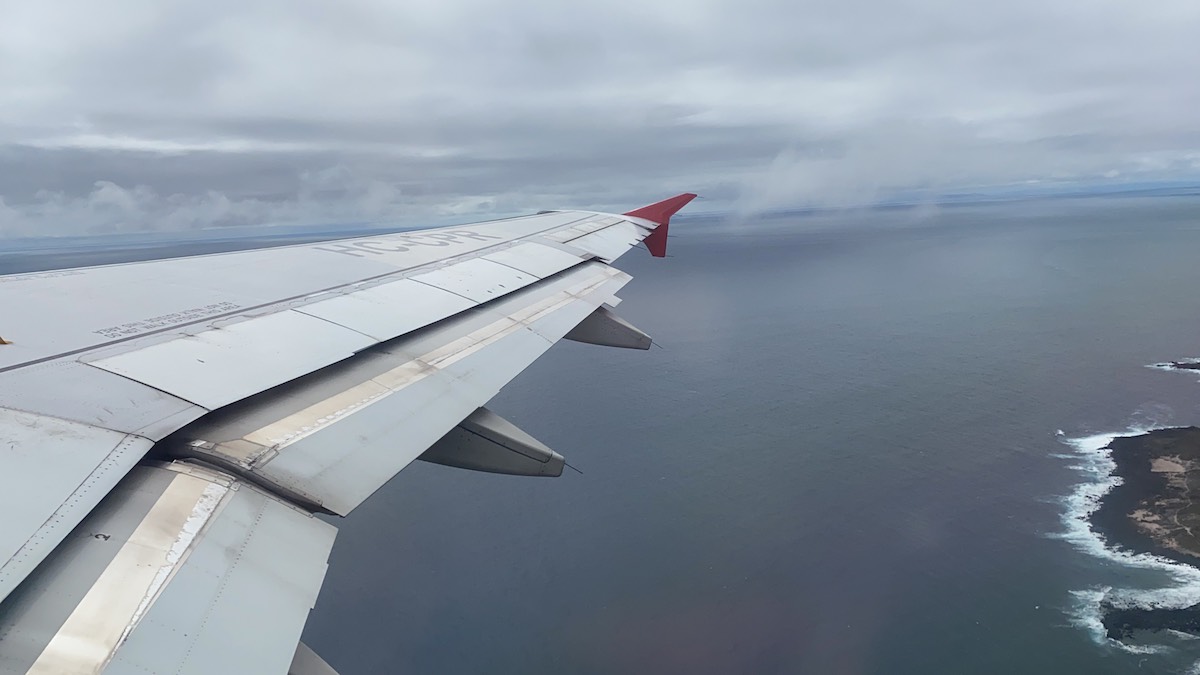
A realistic all-in Galapagos budget for a couple on a 7-day tourist superior cruise from North America runs $14,000-$18,000 total ($7,000-$9,000 per person). A solo traveler on a first class 8-day itinerary should budget $10,000-$13,000 all-in after the single supplement. Luxury travelers doing an 8-day trip as a couple should plan for $22,000-$30,000 total. These numbers include everything: cruise, flights, park fees, tips, insurance, and mainland hotel nights.
Here’s what the numbers look like built out from scratch, so nothing gets missed.
| Cost Line | Couple, Tourist Superior, 7 Days | Solo, First Class, 8 Days | Couple, Luxury, 8 Days |
|---|---|---|---|
| Cruise (base, per person) | $3,500-$4,900 pp | $4,880-$6,400 | $6,400-$11,200 pp |
| Single supplement | N/A | $2,000-$4,800 (50-75%) | N/A |
| International flights (per person) | $700-$1,100 | $700-$1,100 | $1,000-$2,500 |
| Domestic flights Ecuador (per person) | $300-$500 | $300-$500 | $300-$500 |
| National Park fee (per person) | $200 | $200 | $200 |
| TCT card (per person) | $20 | $20 | $20 |
| Tips / gratuities (per person) | $105-$120 ($15/day) | $160 ($20/day) | $160-$200 ($20-$25/day) |
| Travel insurance (per person) | $200-$350 | $250-$500 | $400-$800 |
| Mainland hotel + meals (per person) | $100-$200 | $100-$200 | $200-$500 |
| Alcohol, souvenirs, extras (per person) | $150-$300 | $150-$300 | $300-$600 |
| Estimated Total (all travelers) | $10,550-$15,340 | $8,760-$14,000 | $18,960-$33,640 |
A few patterns show up consistently when we look at what travelers actually spend versus what they budgeted. Almost everyone underestimates tips. Almost everyone underestimates how much they’ll spend on drinks. And almost nobody accounts for the mainland hotel nights – the night before the Galapagos flight and often the night before the international departure home. These aren’t huge line items individually, but they add up to several hundred dollars per person that didn’t appear in the original mental budget.
The single most important number to get right is the cruise itself, because it anchors everything else. Changing your cruise class changes your tip expectations, your cabin comfort, your guide quality, and your overall experience. Everything else is predictable and manageable once you’ve locked in which boat you’re actually on.
Getting a realistic budget number for your specific trip, with your specific dates, group size, and cabin preferences, is something we do for travelers every day. Our 4.9-star rating on Google and TripAdvisor is built on giving people straight answers, not upselling them into boats they don’t need. Get in touch here and we’ll put together an honest all-in estimate for your trip, free, no commitment required.
We’ve put together a full value breakdown in our is a Galapagos cruise worth the money guide so you know exactly what the price buys you and whether it aligns with what you actually came to the Galapagos to experience.
Frequently Asked Questions
Does the Galapagos cruise price include the National Park entrance fee?
Sometimes, but not always. Some operators collect the $200 National Park fee as part of the cruise price and pay it on your behalf at arrival. Others list it as an additional cost you pay separately at the Galapagos airport in cash. Always check the inclusions section of your booking documentation explicitly. Don’t assume either way.
What is the cheapest way to do a Galapagos cruise?
The cheapest approach is a 4-day budget class departure during the shoulder months (May, September, or October), booked through an operator who can access last-minute availability on unsold cabins. This can bring the cruise cost under $1,500 per person. The trade-offs are limited island access, basic cabin conditions, and variable guide quality. The mandatory fees ($200 park fee, $20 TCT, flights) still apply regardless of cruise class.
Are Galapagos cruises worth the money?
Among the thousands of travelers we’ve worked with and interviewed, the Galapagos cruise consistently ranks as the most memorable trip of people’s lives. The wildlife is genuinely unlike anything else on Earth. That said, “worth it” depends entirely on choosing the right cruise class for your expectations. A budget boat with a weak naturalist guide is a different experience than a first-class boat with an exceptional one. Getting the class right matters more than the absolute price you pay.
Do Galapagos cruise prices include food?
Yes. All meals, including breakfast, lunch, dinner, and snacks, are included in the cruise price across all classes. Non-alcoholic beverages are also included. Alcoholic drinks are excluded on most boats and cost extra, typically $5-$12 per drink. A small number of luxury operators include a drinks package – check the inclusions before boarding.
How much should I tip on a Galapagos cruise?
The standard range is $10-$15 per person per day on budget and tourist superior boats, and $20-$25 per person per day on first class and luxury. Tips are shared among the guide, captain, crew, and kitchen staff. Bring the cash in U.S. dollars. An envelope is typically provided on the final night. The guide and crew rely on gratuities as a meaningful part of their income – this is not optional for travelers who received good service.
What is a single supplement on a Galapagos cruise?
A single supplement is the surcharge a solo traveler pays to occupy a double-occupancy cabin alone. Most Galapagos boats price cabins assuming two people share them. A solo traveler taking that cabin alone typically pays 50-100% extra. On a $5,000 first-class cruise, a 75% supplement means the solo traveler pays $8,750. Some boats have dedicated single cabins with no supplement, and some operators can match solo travelers to share with another same-gender solo. Ask specifically when inquiring.
Ready to Get a Real Price for Your Galapagos Cruise?
The numbers in this article are ranges for good reason – prices vary by vessel, departure date, cabin category, and what the operator includes. The only way to get an accurate all-in budget for your specific trip is to work through the details with someone who knows the current fleet.
We’re a 4.9-star rated agency, we’ve been on these boats personally, and we build no-obligation quotes that show every cost line clearly. There are no surprises later. Get in touch here – tell us your dates, your group size, and your rough budget range, and we’ll get back to you with an honest, detailed breakdown.
Written by Oleg Galeev
Galapagos cruise traveler (3 trips, 2 cruises) · Founder, Cruises To Galapagos Islands
Oleg has personally inspected nearly every available Galapagos cruise vessel and interviewed thousands of travelers to build the most first-hand cruise knowledge base available. He also runs the Ecuador travel blog mytrip2ecuador.com and the YouTube channel My Trip to Somewhere.
Cruises To Galapagos Islands is rated 4.9 stars on Google and TripAdvisor.
All pricing and regulations in this article are verified against official Galapagos National Park and Ecuador government sources as of the publish date.