
TL;DR
The two most reliable ways to save real money are booking 6 to 12 months in advance (which unlocks early-bird discounts and the best cabin selection) and traveling in September, October, or May (the lowest-demand months, when operators run promotions to fill boats). Last-minute deals of 30 to 50% off exist but require full date flexibility and being already in Ecuador. Ecuador-based specialist agencies almost always match or beat online prices while adding genuine logistics value. The biggest deal-hunting mistake is choosing a shorter cruise or a cheaper boat class to save money – both reliably produce the most common regret in Galapagos travel.
| Strategy | Potential Saving | What It Requires | Best For |
|---|---|---|---|
| Early booking (6 to 12+ months out) | $500 to $1,500+ per person | Firm dates; deposit | Most travelers; best cabin selection too |
| Travel in shoulder season | 10 to 20% vs peak | Date flexibility; Sep/Oct/May travel | Travelers with flexible schedules |
| Last-minute deal (30 to 60 days out) | 30 to 50% off rack rate | Full flexibility; preferably already in Ecuador | Solo travelers; travelers already in South America |
| Group discount (4+ adults) | 10% off per person | Coordinating 4 or more travelers | Families; friend groups |
| Black Friday / wave season booking | 15 to 25% off select departures | Monitoring operator promotions Nov to Jan | Planners booking 12+ months out |
| Ecuador-based specialist agency | Matches or beats online; avoids costly errors | Willingness to work through a specialist | All travelers; especially first-timers |
| Quito duty-free wine vs onboard | $35 per bottle (check boat’s corkage policy first) | Confirming boat’s BYOB policy before boarding | Wine drinkers doing longer cruises |
| Solo supplement waiver (shoulder season) | $1,200 to $2,000 per trip | Targeting specific vessels in shoulder months | Solo travelers |
Why Are Galapagos Cruise Prices Structured the Way They Are?
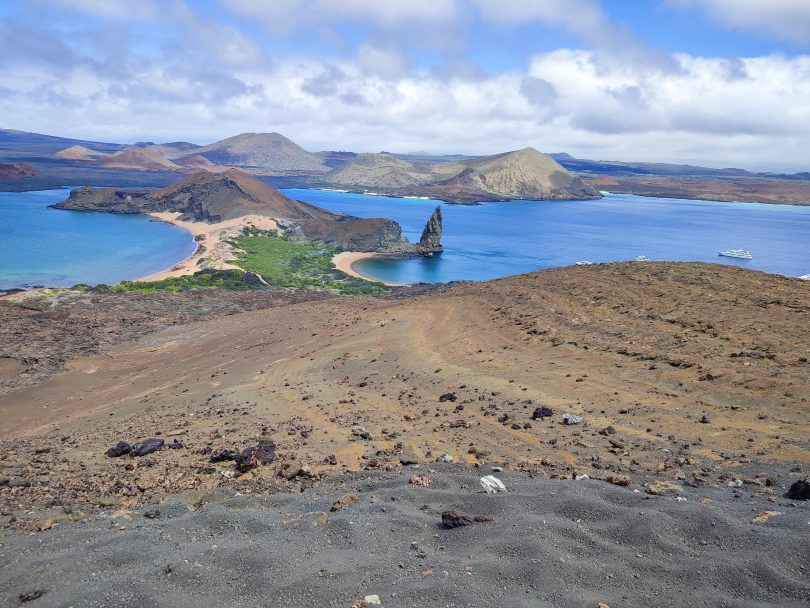
Galapagos cruise prices are high because the cost of operating a legal, compliant vessel in the archipelago is genuinely expensive, not because operators are padding margins on an easy product. Every consumable is shipped 1,000 km from the mainland. Fuel costs are elevated by the isolation. Certified naturalist guides – the single most important variable in the experience – are among the highest-paid professionals in Ecuador. National Park permits limit how many boats can operate and which sites they can visit. Prices are high because the structural costs are high.
Understanding this matters for deal-hunting because it sets realistic expectations. You are not going to find a Galapagos cruise at a genuinely low price the way you might find a cheap flight or an off-season hotel rate. The floor exists and it exists for legitimate reasons. What you can do is pay less than the rack rate through timing, flexibility, and smart booking decisions w-ithout touching the elements of the trip that actually determine whether it’s worth doing.
The pricing structure across cruise classes reflects real differences in what operators are paying for, not arbitrary luxury tiers. Budget and economy class boats pay the same park fees, the same fuel costs, and the same inter-island transit expenses as tourist superior vessels. What they cut to reach a lower price is guide quality, food quality, cabin size, and onboard amenities. Those cuts matter to different degrees depending on what you care about. The guide quality cut matters a great deal. The cabin size cut matters much less.
Operators also work on a 15-day National Park cycle that limits inventory in a structural way. There are roughly 80 permitted cruise boats in the Galapagos at any time, each with 8 to 50 cabins. That’s a small total inventory for a destination with global demand. Unlike a hotel with 300 rooms that can deeply discount to fill empty nights, a 16-cabin catamaran with 4 unsold berths for a departure in three weeks has limited leverage before the math stops working. Last-minute discounts exist and are real, but they’re constrained by the same economics that make the full price what it is.
If you want to know what deals are actually available for your target dates right now, we monitor current operator promotions and can tell you within a day what’s genuinely on offer. Get in touch here and we’ll check live availability and pricing for you.
What Is the Best Time of Year to Find Lower Galapagos Cruise Prices?
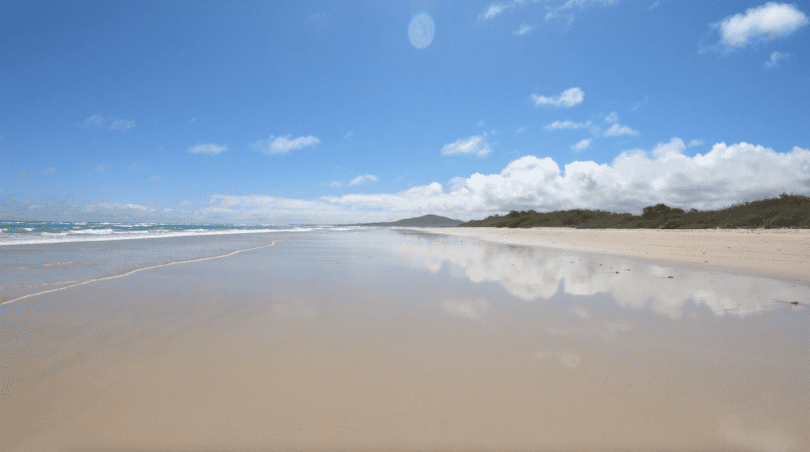
September and October are the lowest-demand months in the Galapagos and consistently produce the best prices and the most operator promotions. May sits in a secondary low-demand window just before the peak northern summer season. Early December, after Thanksgiving and before Christmas week, and mid-January after the New Year holiday are also soft periods where boats run promotions. Avoiding July, August, Christmas week, Easter, and Thanksgiving produces meaningfully better prices without any meaningful reduction in wildlife quality – the Galapagos is excellent year-round.
September and October have lower demand for two connected reasons. They follow the northern summer holiday, when the largest market – North American families – has returned to school and work schedules. They also coincide with the period of strongest Humboldt Current influence, which brings cooler seas and some operators flag them as higher-motion-sickness months in rough conditions. For travelers who aren’t prone to seasickness, this is a non-issue and the lower demand translates directly into better pricing. September and October are also exceptional months for specific wildlife: the waved albatross courtship display on Española runs through these months, penguin numbers at their peak in cooler water, and fewer visitors in the national park.
May is a slightly different dynamic. It sits in the warm season shoulder between the Easter surge and the northern summer rush. Operators know June through August will fill without promotion, so they run their May deals in the six weeks before the boats fill up for the season. Booking a May departure in February or March sometimes captures both the shoulder-season pricing and an early-booking discount simultaneously.
The windows to avoid if price is a priority: July and August are the most expensive months consistently, driven by northern hemisphere school holidays and the highest global demand. Christmas week and New Year’s departures are priced at the absolute top of the range and often sell out 12 to 18 months in advance. Easter varies by year but always spikes. Thanksgiving week (US) has grown into a significant peak over the past decade as more North American travelers combine Ecuador with holiday travel.
Want to know the booking window that consistently delivers the best Galapagos cruise prices without sacrificing cabin choice? Here’s our best time to book a Galapagos cruise for maximum discounts guide so you plan around it.
How Does Booking Timing Affect What You Pay?
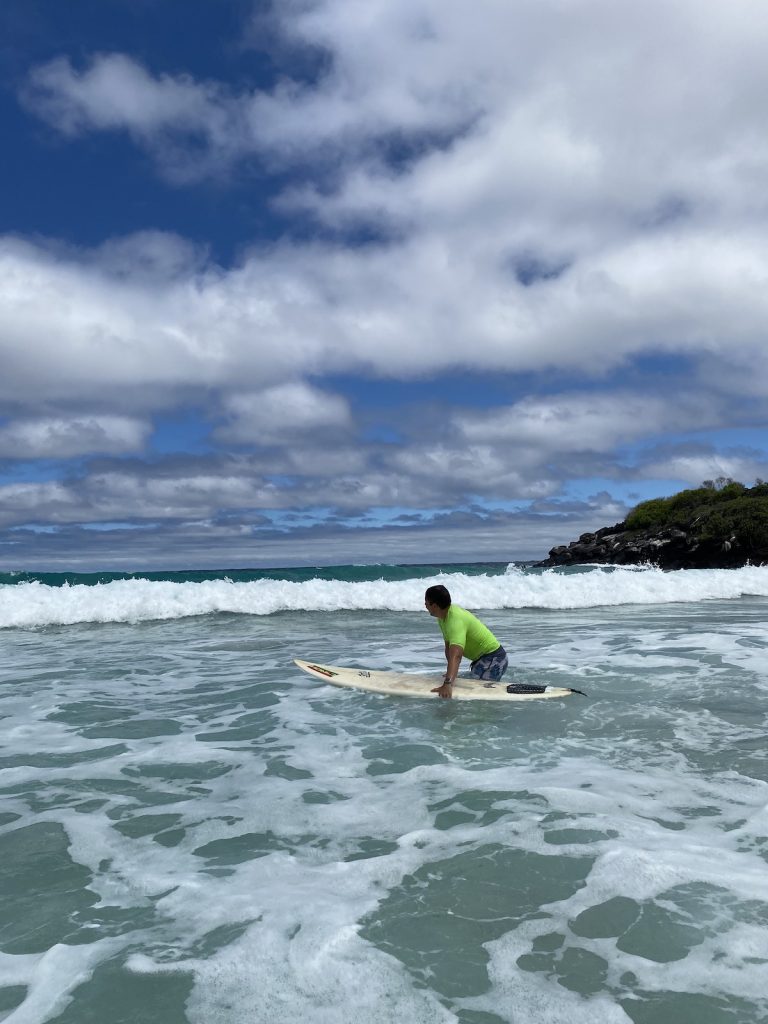
Booking 6 to 12 months in advance is the single most consistent way to pay less for a Galapagos cruise while also getting the best cabin selection and the most itinerary options. Early-booking discounts of $500 to $1,500 per person are common across quality operators. Booking under a year out on the right departure during a promotional period – particularly Black Friday in November or wave season in January – can stack a promotional discount on top of an advance booking rate, producing the largest total savings.
The early booking advantage in the Galapagos is structural rather than just promotional. Because boats carry 8 to 50 passengers and run on fixed 15-day National Park cycles, inventory is genuinely limited. The best cabins on quality boats for peak season dates often sell out 12 to 18 months in advance. A traveler who books 8 months out for a July departure is not just saving money – they’re accessing options that won’t exist closer to departure. The traveler who waits until 4 months before July and then tries to find a quality tourist superior boat with double cabins is often choosing between whatever remains, which is usually less good.
Black Friday in late November is the most reliable promotional window in the Galapagos cruise calendar. Operators including Ecoventura, Quasar Expeditions, Golden Galapagos, and others run annual promotions during this window, typically offering 15 to 25% off select 2026 and 2027 departures for bookings made within a specific window – often 5 to 10 days. These promotions apply to future departures, sometimes 12 to 18 months out, and can be combined with early-booking advantages. An Ecoventura Black Friday promotion in 2024 offered 20% off more than two dozen select 2025 departures, representing roughly $2,100 per person savings on a $10,500 published rate.
Wave season, the January-to-March window when the cruise industry traditionally runs its broadest promotions, applies to the Galapagos as well. Some operators offer free domestic air tickets (Quito or Guayaquil to Baltra or San Cristóbal), complimentary hotel nights in Quito, or reduced deposits during this window. The free domestic air offer alone is worth $300 to $500 per person depending on timing and airline.
First time booking a Galapagos cruise and not sure whether you’re already too late or still have time to plan properly? Here’s our how far in advance should you book a Galapagos cruise guide so you approach the timeline with confidence.
| When You Book | Likely Outcome | Best Strategy |
|---|---|---|
| 12 to 18 months out | Best selection of boats, cabins, and dates; early-bird discounts available; Black Friday and wave season promotions accessible | Book during Black Friday or wave season for stacked discount + early-bird rate |
| 6 to 12 months out | Good selection still available; early-booking discounts on most operators; peak dates filling fast | Book promptly for peak season; shoulder season still has flexibility |
| 3 to 6 months out | Peak season dates limited; shoulder season still open; standard rack rates on most boats | Target shoulder season; check for last-minute windows opening on non-peak departures |
| 30 to 60 days out | Last-minute discounts appear on unsold cabins; 30 to 50% off possible; selection limited | Only viable with full date flexibility; better suited to shoulder season |
| Under 30 days out | Very limited inventory; heavy discounts on whatever remains, but remaining options often not ideal | Works best if already in Ecuador and willing to take what’s available |
Does Booking Directly vs. Through an Agency Save Money?
The honest answer is that booking through a quality Ecuador-based specialist agency almost never costs more than booking direct, and frequently costs less. Operators price their cruises identically across direct and agency channels, and local agencies with volume relationships often access unpublished rates and last-minute inventory that direct booking pages don’t show. The logistics value an experienced agency provides on top of the price question – protecting against the wrong embarkation airport, coordinating mainland connections, knowing which boats are genuinely delivering on their class – is the real reason to use one.
The intuition that cutting out the agency saves money is a reasonable one. It’s true on mainstream flights and hotel bookings, where online direct pricing is often competitive or better. It doesn’t transfer to the Galapagos the same way. Cruise operators in the Galapagos work primarily through the travel trade and often offer agencies rates that aren’t listed on public booking pages. A local Ecuador agency that books 200 cruises a year on a specific vessel has a relationship that produces pricing the operator’s own website won’t offer a single direct booking.
The common advice to “shop around between agencies” is valid. Getting quotes from two or three reputable specialists – ideally Ecuador-based rather than generic international booking platforms – is a straightforward way to verify you’re seeing competitive pricing. The key word is reputable. The Galapagos has a buyer-beware category of mainland agencies in Quito and Guayaquil offering dramatically cheap cruises that turn out to be the worst-condition budget boats with the weakest guides, or in extreme cases, cruises that don’t exist until money has changed hands. Booking through an agency with verifiable TripAdvisor reviews, years of documented operation, and transparent contact information eliminates this risk.
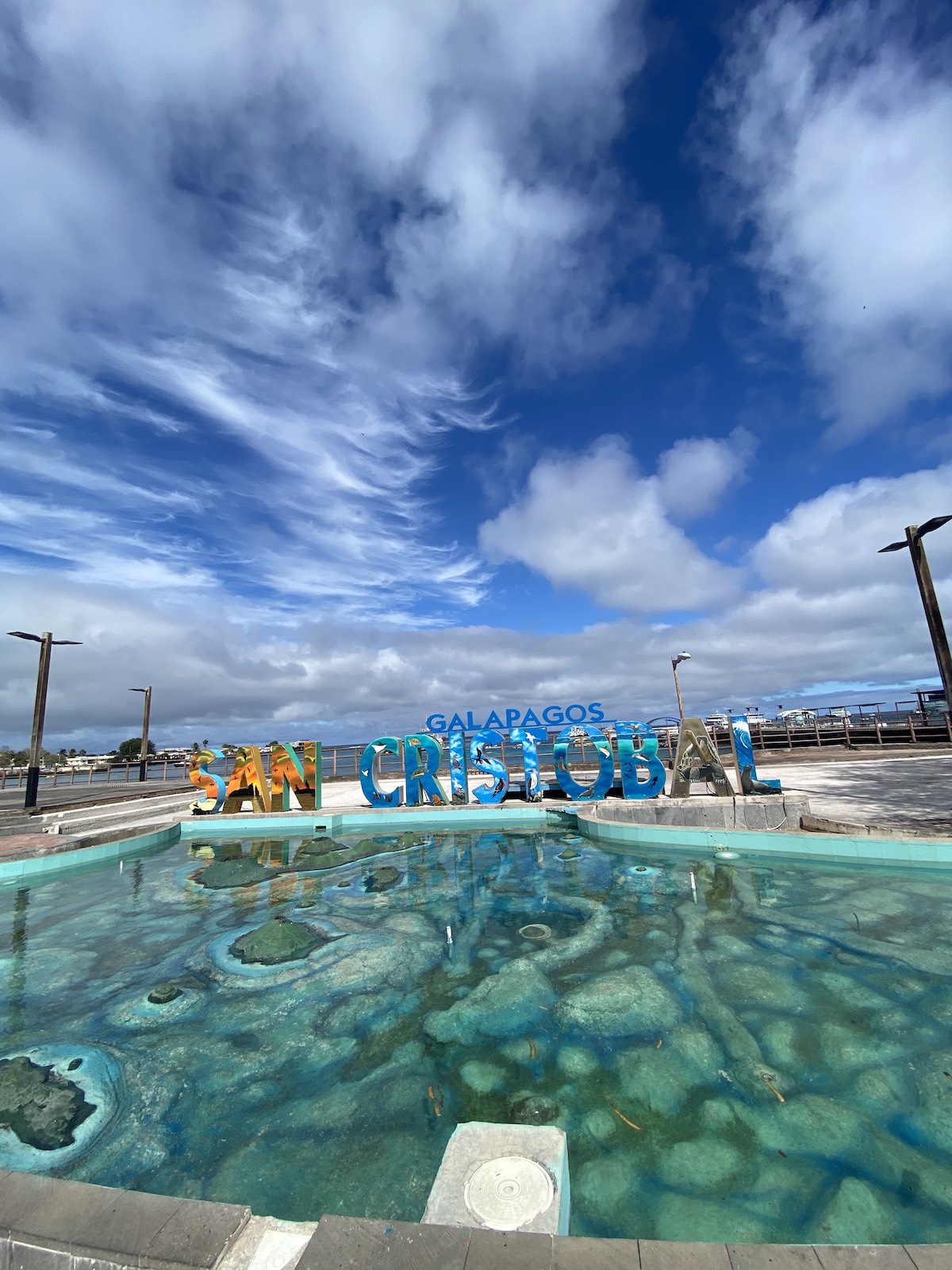
One specific advantage of booking through an established agency is domestic flight coordination. Getting from Quito or Guayaquil to the right Galapagos airport – Baltra for most Santa Cruz-based itineraries, San Cristóbal for eastern itineraries – requires knowing which embarkation port your cruise uses and booking the correct domestic flight accordingly. Travelers who book the cruise and the flights independently sometimes book the wrong airport and miss the boat. It happens every season. An experienced agency handles this as a routine matter.
The direct vs agent debate for Galapagos cruise bookings is more nuanced than most travel forums make it sound – our can you book a Galapagos cruise directly or do you need an agent guide breaks down where each approach wins and where it falls short.
What Are Last-Minute Galapagos Cruise Deals and Do They Actually Work?
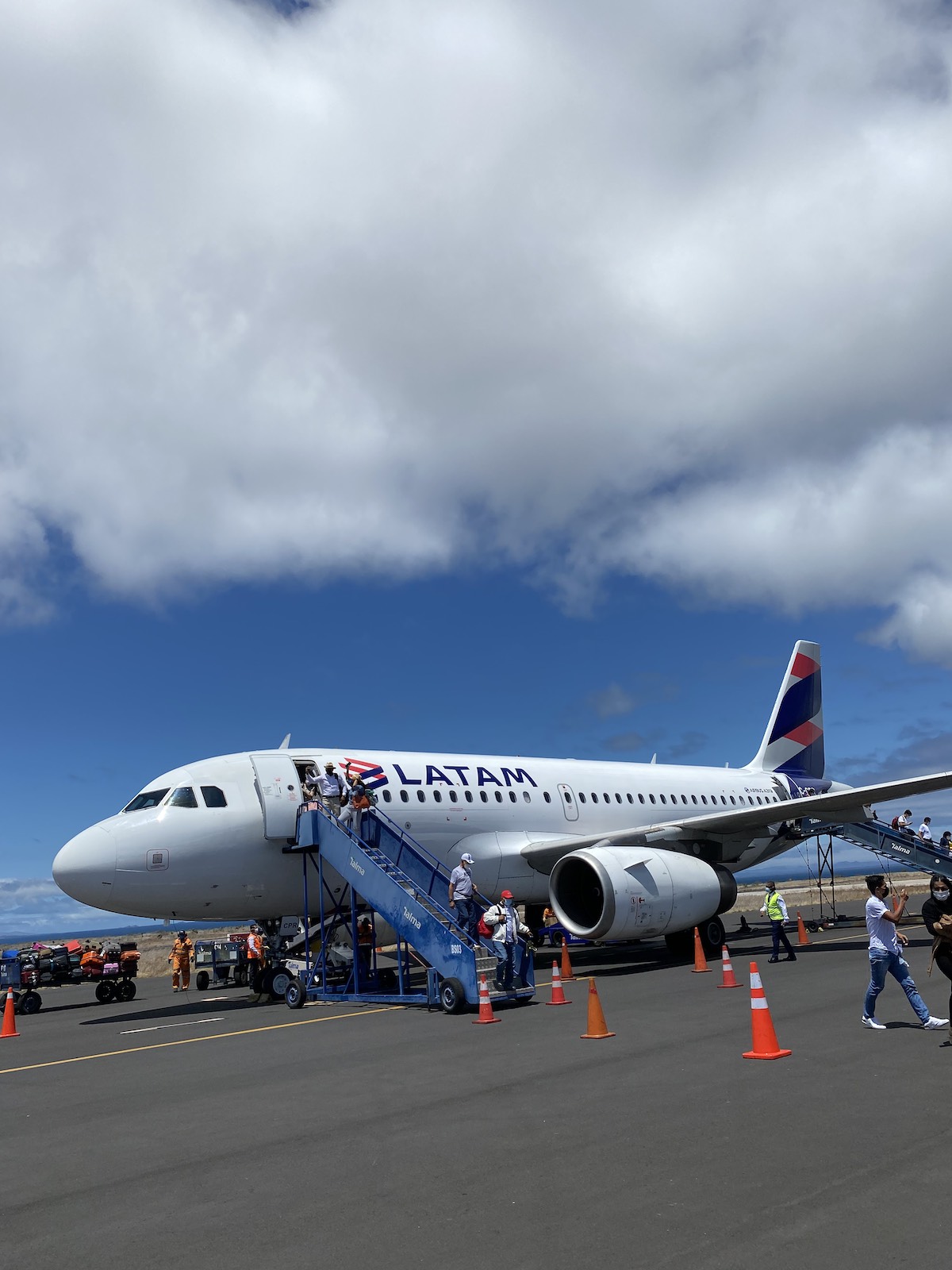
Last-minute Galapagos cruise deals are real and the discounts can be significant – 30 to 50% off rack rate is achievable on unsold cabins in the 30 to 60 days before departure. They work reliably during shoulder season for travelers with complete date flexibility who are ideally already in Ecuador. They don’t work reliably during peak season when boats fill well in advance, and they carry specific risks: limited itinerary choice, potential cabin downgrades, and the logistical challenge of booking international flights to Ecuador on short notice when those flights are themselves expensive at the last minute.
The mechanics are straightforward. A 16-cabin catamaran departing in 45 days with 4 unsold berths faces a simple choice: discount or sail with empty cabins. The food is already purchased. The crew is already paid. The park permit doesn’t refund. An empty cabin costs the operator almost as much as a full one, so discounting to 60% of rack rate and filling it is economically rational. Operators release these cabins through their agency networks and sometimes directly, and the deals are genuine.
What makes last-minute deals complicated is the flight problem. An international flight from North America to Quito or Guayaquil booked 30 days out costs significantly more than one booked 3 months out – sometimes $400 to $700 more per person round-trip. The cruise saving of 35% on a $4,000 cruise is $1,400. The flight premium of $600 erodes that to $800 in net savings. The traveler who was already planning to be in Ecuador – backpacking South America, doing a longer Ecuador trip, or working remotely – captures the full cruise discount without the flight penalty. The traveler flying from Toronto specifically to catch a last-minute deal may save less than they expect once the full accounting is done.
The best last-minute deal scenario: a solo traveler or couple, already in Ecuador during September or October, willing to take any available itinerary on any suitable boat, with no specific island requirements. In that scenario, savings of $800 to $2,000 per person are genuinely achievable on a quality tourist superior vessel. The worst last-minute deal scenario: a family of four during July, needing specific cabin configurations, flying internationally from North America specifically to access a discount. In that case, early booking almost always produces better total economics.
Last-minute availability changes daily and the best options don’t stay listed long. If you’re in Ecuador and looking at a 30 to 60-day window, contact us here and we’ll tell you what’s genuinely available and what the real savings look like once everything is factored in.
Last-minute Galapagos cruise deals are real but they work very differently from what most budget travelers expect – our last-minute Galapagos cruise deals guide breaks down where to find them, when they appear, and what the trade-offs actually look like.
Which Cruise Class Gives You the Best Value Without Sacrificing the Experience?
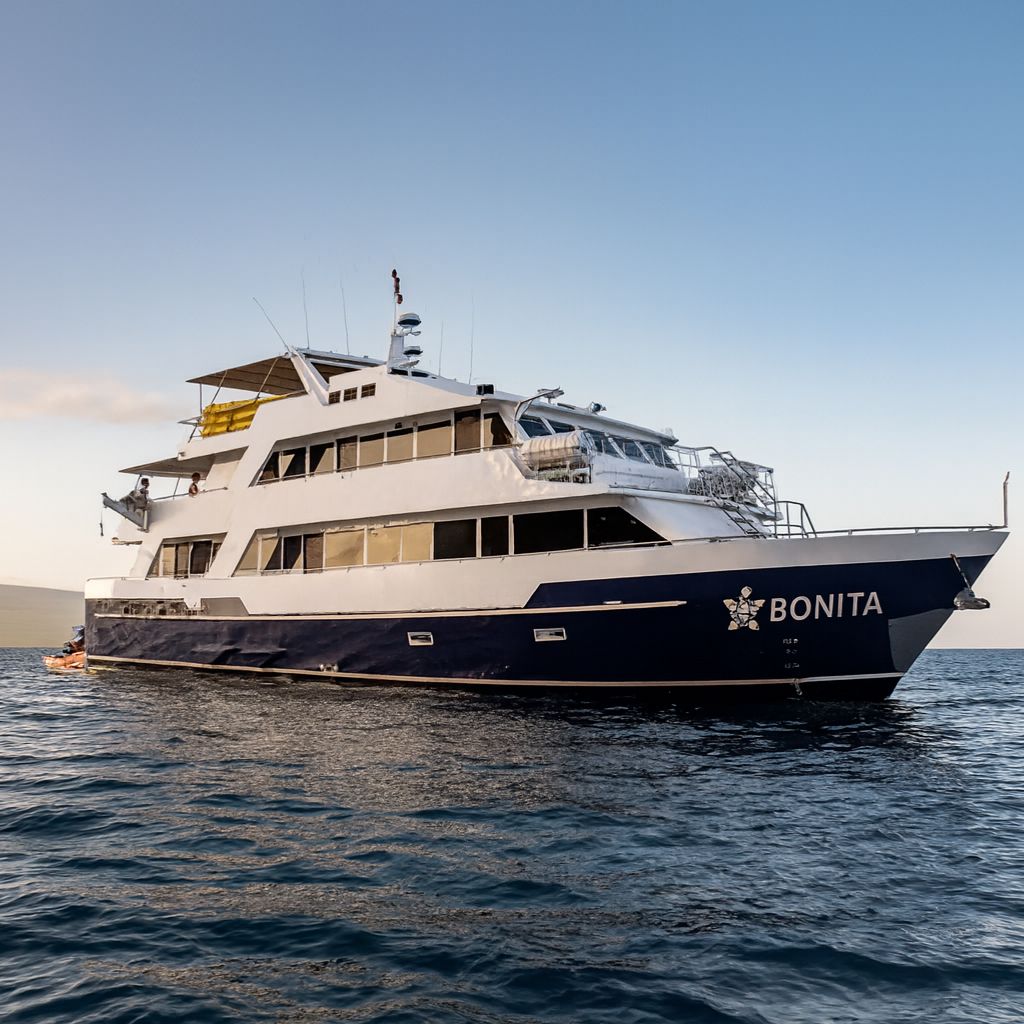
Tourist superior class is where the value equation works most clearly. It’s the tier where guide quality, included equipment, food, and cabin comfort all reach an acceptable floor without the significant premium of first class or luxury. Economy and budget boats cut the things that matter most – guide depth and equipment quality – in order to reach a lower price. First class and luxury boats add significant comfort but not significantly more wildlife. Tourist superior sits at the inflection point where every additional dollar of cruise class below it costs more experience than it saves in money.
The guide quality gap between budget and tourist superior is the critical dimension. Budget class boats may have a Level I or Level II certified naturalist whose English is functional and whose commentary is adequate. Tourist superior and above tends to attract Level III guides – those with university degrees in biology or ecology and years of specialized experience on these specific islands. That guide is the single biggest determinant of whether a Galapagos cruise produces the depth of experience travelers describe for decades afterward, or whether it produces a series of pleasant wildlife sightings without context. The wildlife is the same. The meaning you extract from it is not.
Equipment inclusion is the second meaningful distinction. Budget boats frequently exclude wetsuits and quality snorkel gear from the base price, requiring rental at additional cost. Tourist superior and above typically includes full snorkel equipment, wetsuits, and on better boats, kayaks and paddleboards. For a family of four doing an 8-day cruise, wetsuit rentals not included in a budget boat could add $400 to $800 that wasn’t visible in the quoted price.
Within tourist superior, there is significant variation. The best tourist superior boats compete with first-class vessels on guide quality and food while remaining meaningfully below first-class pricing. Finding these boats is where an experienced specialist earns their relationship value – they know which tourist superior vessels over-deliver for their tier because they’ve been on them, and which ones coast on their class rating. Spending 20 minutes with an experienced Galapagos specialist often saves more money than two hours of self-directed online research.
What Are the Smartest Ways to Reduce Total Trip Cost Without Cutting Quality?
Six cost-reduction moves that don’t touch guide quality, itinerary access, or wildlife experience: buy wine at Quito airport duty-free rather than onboard (roughly $35 saved per bottle); target vessels offering solo supplement waivers in shoulder months if traveling alone; book domestic Galapagos flights through your agency rather than independently to avoid wrong-airport errors and sometimes access lower fares; combine the Galapagos with a Quito and Amazon package for 5 to 10% off stand-alone pricing; fly into Guayaquil rather than Quito when domestic Galapagos flights are cheaper from there; and book travel insurance early to lock a lower rate against the full trip cost rather than buying it last.
The alcohol savings are specific and significant enough to be worth spelling out. Onboard wine on tourist superior and first-class boats averages $50 per bottle. The same Chilean or Argentinian wine at Quito’s Mariscal Sucre airport duty-free runs $12 to $18. Most boats allow passengers to bring wine aboard, though corkage policies vary – some charge a small uncorking fee if you bring the bottle to the dining table, some don’t. Confirming the boat’s BYOB policy before boarding takes one email. A couple who drinks a bottle of wine every two days on an 8-day cruise saves roughly $100 to $140 by buying at Quito duty-free. Not a life-changing sum, but it costs nothing and takes three minutes.
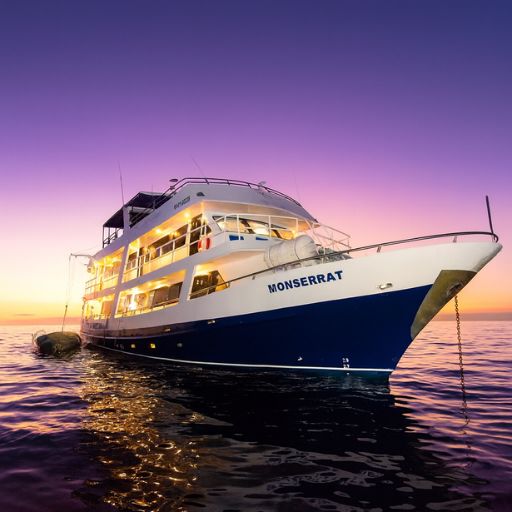
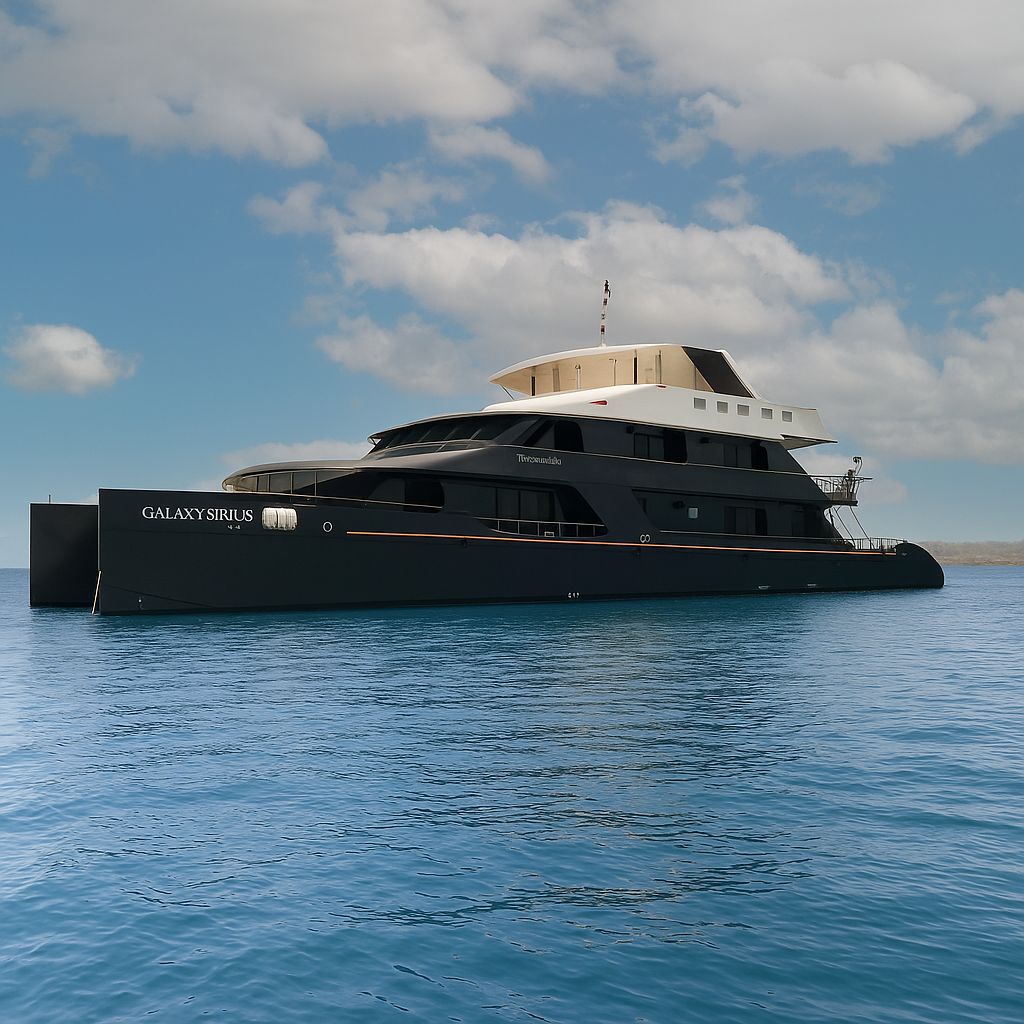
The solo supplement waiver is the biggest single saving available to solo travelers and one of the least talked-about. Galapagos cruise operators normally charge solo travelers 150 to 200% of the per-person double-occupancy rate to fill a double cabin alone. In shoulder months – September, October, May – several vessels including Solaris, Alya, Bonita, Galaxy Sirius, Hermes, and Monserrat periodically waive or reduce this supplement to fill their boats. The saving runs $1,200 to $2,000 per trip. Solo travelers who contact a specialist and ask specifically which boats are offering single-supplement programs in their target window regularly capture this discount. Travelers who don’t ask never know it existed.
The package combination discount is underused. Booking the Galapagos cruise combined with a Quito city stay and an Amazon lodge through a single Ecuador-specialist operator typically produces a 5 to 10% saving on the total package versus booking each component independently. The saving on a $10,000 combined trip ranges from $500 to $1,000. The coordination benefit of having a single operator manage all the logistics, particularly the flight timing between components, is an additional reason beyond the discount.
What Deal-Hunting Mistakes Cost Travelers More Than They Save?
The three deal-hunting mistakes that consistently cost Galapagos travelers more than they save: booking fewer days to reduce upfront cost (which produces the most common regret in Galapagos travel and often leads to a second trip that costs more than the original saving); choosing a cheaper boat class specifically to save money without accounting for guide quality (which reliably reduces the depth of the experience in ways that can’t be recovered); and booking through a cheap online platform without verifying the operator (which occasionally produces non-existent cruises and more often produces boats that don’t match their advertised class).
The days reduction mistake is the most expensive in the long run. A traveler who books 5 days instead of 8 to save roughly $1,500 to $2,000 in cruise cost saves that money and then spends it again – plus the full fixed costs of getting to the Galapagos a second time – when they return because the first trip left them wanting more. The fixed costs of reaching the Galapagos, somewhere between $1,600 and $2,700 per person in flights, park fees, and logistics, are spent whether you cruise for 5 days or 8. Saving $1,500 on the cruise while spending $2,700 again in fixed access costs to go back is not a deal. We see this pattern frequently enough to raise it explicitly with every traveler who asks about booking a short cruise to manage cost.
The budget boat trap works similarly. Choosing the cheapest available boat saves $800 to $1,500 per person on the cruise price. What it often costs is a guide whose commentary is surface-level, snorkel gear that needs to be rented separately, a cabin so small that the bed effectively fills it, and meals that are functional but not enjoyable. None of those are dealbreakers individually. Combined across 8 days, they add up to a trip that felt like it cost exactly what it was worth rather than a trip that felt like the best wildlife experience of a lifetime. The former produces a traveler who says the Galapagos was fine. The latter produces the traveler who tells everyone they know to go.
The false economy of booking flights to the Galapagos before booking the cruise catches a surprising number of travelers. Domestic Galapagos flights – Quito or Guayaquil to Baltra or San Cristóbal – need to match the embarkation port of the specific boat. Booking cheap flights first and then finding the preferred cruise departs from a different airport either forces a flight change with rebooking fees or constrains the cruise choice to boats departing from the already-booked airport. Book the cruise first, then the domestic flights. Always.
| Saving Method Used | % of Travelers Who Used It | Avg. Saving Per Person | Satisfaction With Outcome |
|---|---|---|---|
| Early booking (6+ months) | 47% | $800 to $1,500 | High – got best cabins and locked in promotions |
| Shoulder season travel | 38% | $500 to $1,200 | High – often combined with fewer crowds in park |
| Last-minute deal (already in Ecuador) | 12% | $1,500 to $3,000 | Mixed – great when it worked; stressful logistics |
| Solo supplement waiver | 18% | $2,000 to $4,000 | Very high – largest single saving for solo travelers |
| Booking shorter cruise to save money | 24% | $1,500 | Low – most common source of post-trip regret |
| Choosing budget boat class to save money | 31% | $800 to $1,500 | Low – guide quality gap affected overall satisfaction |
The best deal on a Galapagos cruise isn’t the lowest number on a booking page. It’s the combination of the right boat, the right length, and the right price for your specific travel window – obtained through timing, relationships, and knowing which savings levers are genuine and which produce regret. Every traveler who comes back saying the Galapagos was worth every dollar found one of those combinations. Every traveler who comes back saying it wasn’t quite what they hoped for usually cut one of the things that mattered in order to save on something that didn’t.
Frequently Asked Questions
When is the cheapest time to book a Galapagos cruise?
Two windows reliably produce the lowest prices. The first is booking 6 to 12 months out during a promotional period – Black Friday in November or wave season in January to March – when operators run their deepest advance-booking discounts. The second is traveling in September, October, or May, the lowest-demand months, which reduces rack rates and generates operator promotions regardless of when you book.
How much can you save with a last-minute Galapagos cruise deal?
Discounts of 30 to 50% off rack rate are achievable on unsold cabins in the 30 to 60 days before departure. On a $4,000 tourist superior cruise that’s $1,200 to $2,000 off. The saving is real, but it requires full date flexibility, works best in shoulder season when boats aren’t already full, and is most financially advantageous for travelers already in Ecuador who aren’t absorbing last-minute international flight premiums on top.
Is it cheaper to book a Galapagos cruise directly with the operator?
Not consistently. Quality Ecuador-based specialist agencies typically access the same pricing as direct booking channels, and often access unpublished rates through volume relationships. The value of a specialist goes beyond price: they know which boats over-deliver at their tier, handle domestic flight coordination, and protect against the wrong-airport and wrong-class mistakes that cost travelers more than any agency fee. There is no agency fee on most Galapagos bookings – agents are compensated by the operators, not the traveler.
What is a solo supplement waiver on a Galapagos cruise?
Galapagos cruises normally charge solo travelers 150 to 200% of the double-occupancy rate because they occupy a double cabin alone. A solo supplement waiver means the operator charges the standard per-person rate instead, saving the solo traveler $1,200 to $2,000 on a typical 8-day cruise. Several vessels including Solaris, Alya, Bonita, Galaxy Sirius, Hermes, and Monserrat offer these waivers in shoulder months. Ask your specialist specifically which boats have solo programs available for your target dates.
Does traveling in low season affect the wildlife experience?
No. The Galapagos is one of the rare year-round wildlife destinations where every month has genuinely extraordinary encounters. September and October specifically are excellent for waved albatross courtship on Española, peak penguin sightings in cooler waters, and smaller crowds in the national park. Lower prices in shoulder season don’t come at the expense of wildlife quality. They come because of lower northern hemisphere demand driven by school schedules, not because the Galapagos is somehow less good in those months.
What’s the biggest mistake travelers make when trying to save on a Galapagos cruise?
Booking fewer days to reduce the upfront cost. A traveler who books 5 days instead of 8 to save $1,500 to $2,000 frequently returns wanting to go back, and then pays the full fixed access cost of $1,600 to $2,700 per person a second time to get there, plus the cruise cost. The fixed costs of reaching the Galapagos don’t change with cruise length. Spreading them across more active island days is almost always the better financial decision, even when the total cost is higher.
Want to Know What the Best Available Deal Is Right Now?
Promotions change weekly, last-minute availability appears and disappears daily, and the solo supplement and group discount windows depend on specific boats and departure dates. We monitor all of this in real time and can tell you within 24 hours what the best pricing looks like for your travel window, what’s currently on promotion, and which boats are the best value at their price point.
Rated 4.9 stars on Google and TripAdvisor. We’ve been on these boats personally and we’ll give you a straight answer – not a pitch for the most expensive option. Get in touch here and let’s find the right deal for your trip.
Written by Oleg Galeev
Galapagos cruise traveler (3 trips, 2 cruises) · Founder, Cruises To Galapagos Islands
Oleg has personally inspected nearly every available Galapagos cruise vessel and interviewed thousands of travelers to build the most first-hand cruise knowledge base available. He also runs the Ecuador travel blog mytrip2ecuador.com and the YouTube channel My Trip to Somewhere.
Cruises To Galapagos Islands is rated 4.9 stars on Google and TripAdvisor.
All pricing and deals referenced in this article are verified against operator data as of the publish date. Promotions change; contact us directly for current availability.