
TL;DR
There are no direct international flights to the Galapagos. Every traveler flies to mainland Ecuador first – either Quito or Guayaquil – then takes a domestic flight to one of two Galapagos airports: Baltra (GPS) or San Cristóbal (SCY). Which island airport you use depends entirely on where your cruise departs from. The two mandatory fees are the Transit Control Card ($20, purchased online before your flight as of May 2025) and the National Park entrance fee ($200, paid in cash on arrival). Budget at least one night in Quito or Guayaquil before your Galapagos departure flight – arriving same-day from a long international connection is the most common logistical mistake in Galapagos travel.
| Step | Detail |
|---|---|
| International gateway airports | Quito (UIO) or Guayaquil (GYE) – all travelers transit one of these |
| Galapagos airports | Baltra / Seymour (GPS) for most cruises; San Cristóbal (SCY) for eastern itineraries |
| Airlines serving the Galapagos | LATAM and Avianca only; no other carriers permitted |
| Domestic flight cost | $250 to $550 round-trip; book 3 to 6 months out for best prices |
| Domestic flight duration | ~1.5 hours from Guayaquil; ~2.5 hours from Quito (includes Guayaquil stop) |
| Transit Control Card (TCT) | $20 per person; purchase online before your flight at siig-cgreg.gobiernogalapagos.gob.ec |
| National Park entrance fee | $200 per adult (age 12+); $100 children; cash only, paid on arrival in Galapagos |
| Recommended mainland overnight | At least 1 night in Quito or Guayaquil before Galapagos departure flight |
Where Do Flights to the Galapagos Islands Depart From?
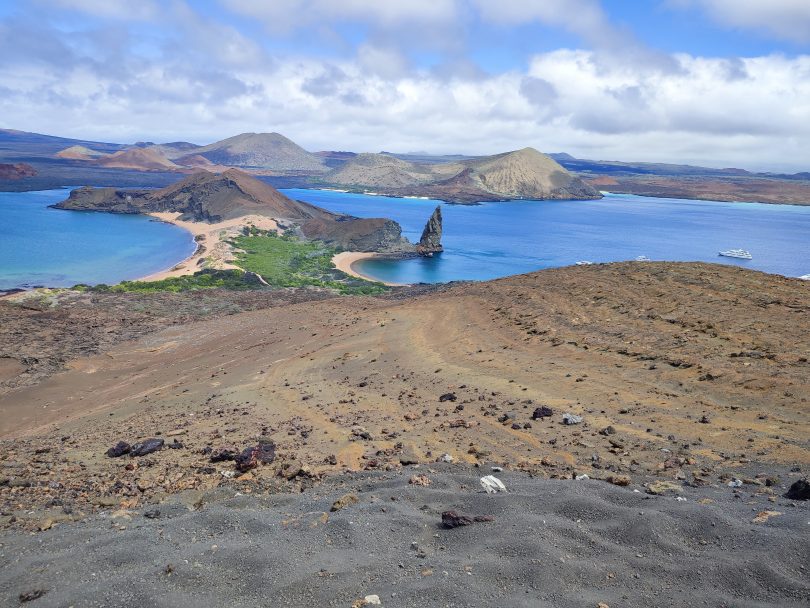
All flights to the Galapagos depart from mainland Ecuador – either Quito’s Mariscal Sucre International Airport (UIO) or Guayaquil’s José Joaquín de Olmedo International Airport (GYE). There are no direct international flights to the Galapagos from any other country. The Galapagos National Park requires all incoming passengers to transit through Ecuador’s biosecurity screening process before boarding, which is why the routing through mainland Ecuador is fixed regardless of where in the world you’re flying from.
Quito’s Mariscal Sucre airport sits at 2,400 meters above sea level in the Andes and receives direct flights from Atlanta, Dallas, Houston, Miami, and New York in the United States, as well as connections from major European hubs via Miami or Bogotá. Guayaquil sits at sea level on the coast and serves as the secondary gateway with connections from the same international hubs. Flights departing from Quito always make a brief stop in Guayaquil to pick up additional passengers before continuing to the Galapagos – travelers don’t need to change planes, but the total flight time from Quito is roughly an hour longer than from Guayaquil.
The choice between Quito and Guayaquil as your mainland entry point has nothing to do with Galapagos logistics and everything to do with what you want to do before or after the cruise. Quito offers the more compelling mainland experience: a UNESCO World Heritage colonial center, day trips to active volcanoes, cloud forest lodges, and convenient access to the Amazon. Guayaquil is a livelier port city with excellent seafood but fewer compelling reasons to linger. For travelers doing Ecuador only for the Galapagos, Guayaquil saves about 40 minutes of domestic flight time and sometimes produces slightly cheaper domestic fares by $30 to $80.
If you’re trying to figure out which mainland routing makes sense for your specific cruise itinerary and travel dates, we coordinate the full logistics including mainland flights, overnight hotels, and domestic Galapagos connections. Get in touch here and we’ll map out the complete routing for you.
Planning a Galapagos cruise involves more moving parts than most trips – our how to plan a Galapagos cruise guide breaks down the booking timeline, itinerary choices, and logistics most first-timers only figure out too late.
Which Airports Serve the Galapagos and Which One Should You Use?
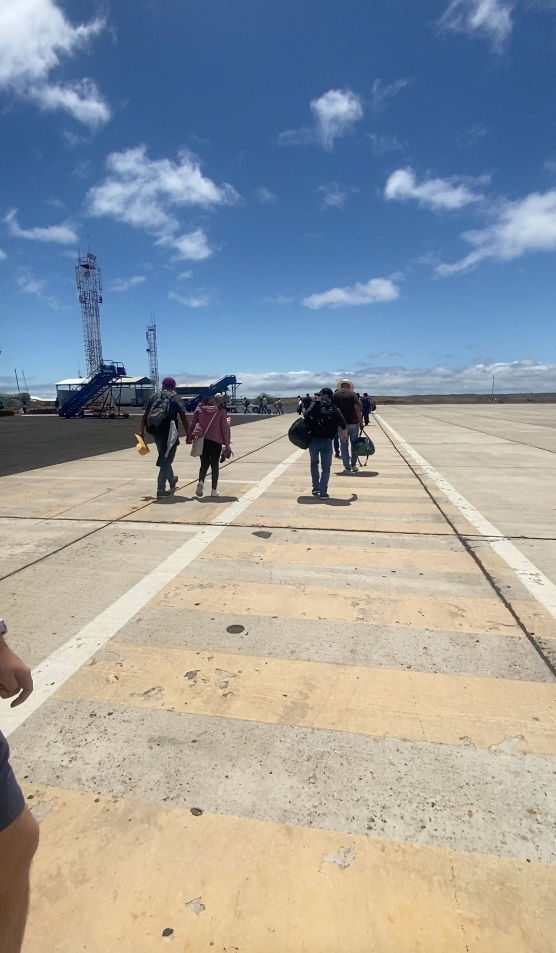
The Galapagos has two airports: Seymour Galapagos Ecological Airport on Baltra Island (GPS), the busiest and most central, used for roughly 75% of all cruise and tour departures; and San Cristóbal Airport (SCY), in Puerto Baquerizo Moreno on the eastern island of San Cristóbal. Which airport you use is determined entirely by which island your cruise embarks from. This is not a preference – it is a hard logistical requirement, and booking the wrong airport is one of the most consequential mistakes a Galapagos traveler can make.
Baltra (GPS) serves almost all cruises that depart from Santa Cruz Island’s Puerto Ayora and from Baltra’s own dock. Getting from Baltra airport to Puerto Ayora on Santa Cruz takes about 90 minutes total: a 10-minute bus ride to the Itabaca Channel ferry terminal, a 5-minute water taxi crossing, and then a 40-minute bus or taxi ride across Santa Cruz to town. Cruise passengers who embark directly from Baltra skip the Santa Cruz crossing entirely – the ship meets them at Baltra’s dock directly, a 5-minute bus ride from the terminal.
San Cristóbal (SCY) serves cruises that begin their itinerary in Puerto Baquerizo Moreno. The airport is a 2-minute drive from town. It’s a significantly smaller and less busy facility than Baltra, with fewer daily flights and sometimes fewer fare options. For travelers whose cruise departs from San Cristóbal, flying into Baltra and then attempting a same-day inter-island speedboat transfer to San Cristóbal is an option, but it adds 2 hours of additional travel time and an extra inter-island boat fare, and introduces the risk of missing the cruise if the speedboat is delayed.
The correct approach: confirm your cruise’s embarkation port before booking any domestic flights. Your operator or agency should specify whether you need Baltra (GPS) or San Cristóbal (SCY). Book that specific airport. Don’t book a cheaper flight to the wrong one and figure out the connection later.
How Do You Get From North America or Europe to the Galapagos?
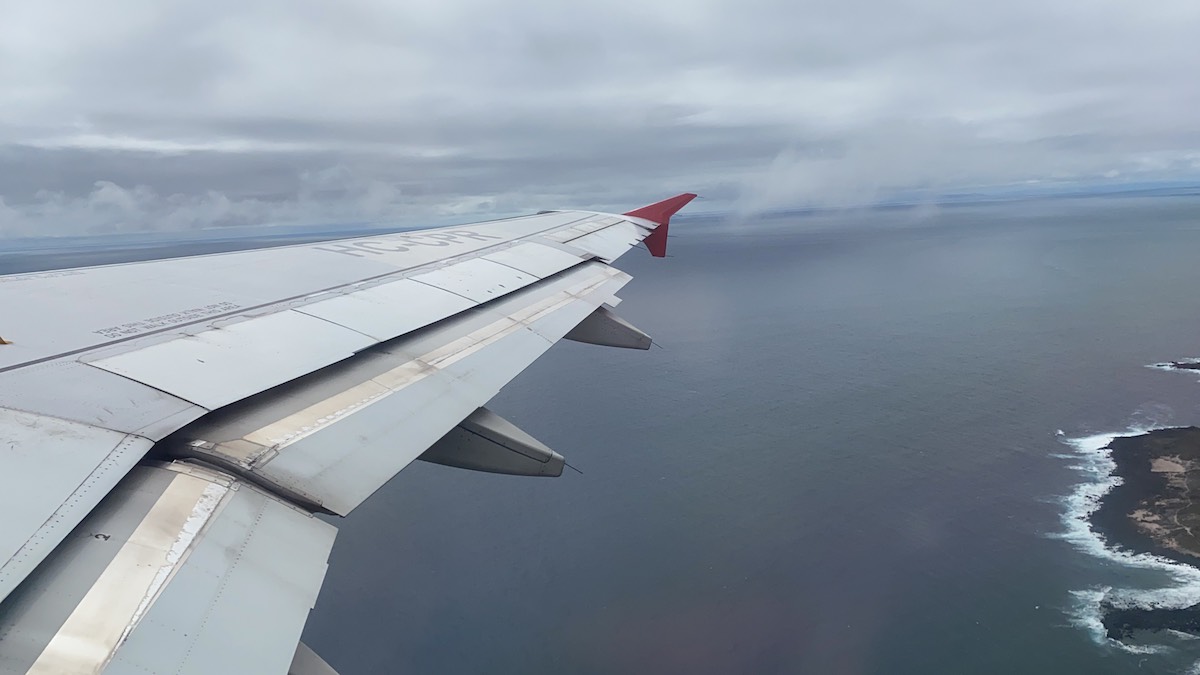
From North America, the most direct routings are through Miami, Houston, Dallas, or Atlanta to Quito or Guayaquil, followed by a domestic connection to the Galapagos. Total travel time from most North American cities runs 14 to 22 hours including the Quito or Guayaquil overnight. From Europe, the common routing is through Madrid, Amsterdam, or a US hub into Quito or Guayaquil, with total travel time of 20 to 28 hours depending on origin city. There is no shortcut – the mainland overnight is strongly recommended regardless of which routing you take.
Airlines serving Quito directly from North America include American (Miami, Dallas), Delta (Atlanta), United (Houston), and Copa (Panama City). From Europe, Iberia flies Madrid to Quito, KLM connects via Amsterdam, and Lufthansa connects via Frankfurt with a code-share. Guayaquil receives fewer direct international routes but connects through the same hubs.
The mainland overnight is not technically required by any regulation, but it is strongly recommended by every experienced Galapagos operator for a straightforward reason: Galapagos domestic flights depart in the morning, typically between 8 and 10am from Quito and Guayaquil. An international flight arriving at Quito at 9pm allows minimal buffer if anything delays the connection. A missed domestic Galapagos flight on cruise departure day often means missing the cruise entirely, since ships sail on schedule regardless of passenger delays. The cost of a Quito hotel night is $60 to $150. The cost of missing the boat is the full cruise price with no refund.
What Are the Domestic Flight Options From Quito and Guayaquil?
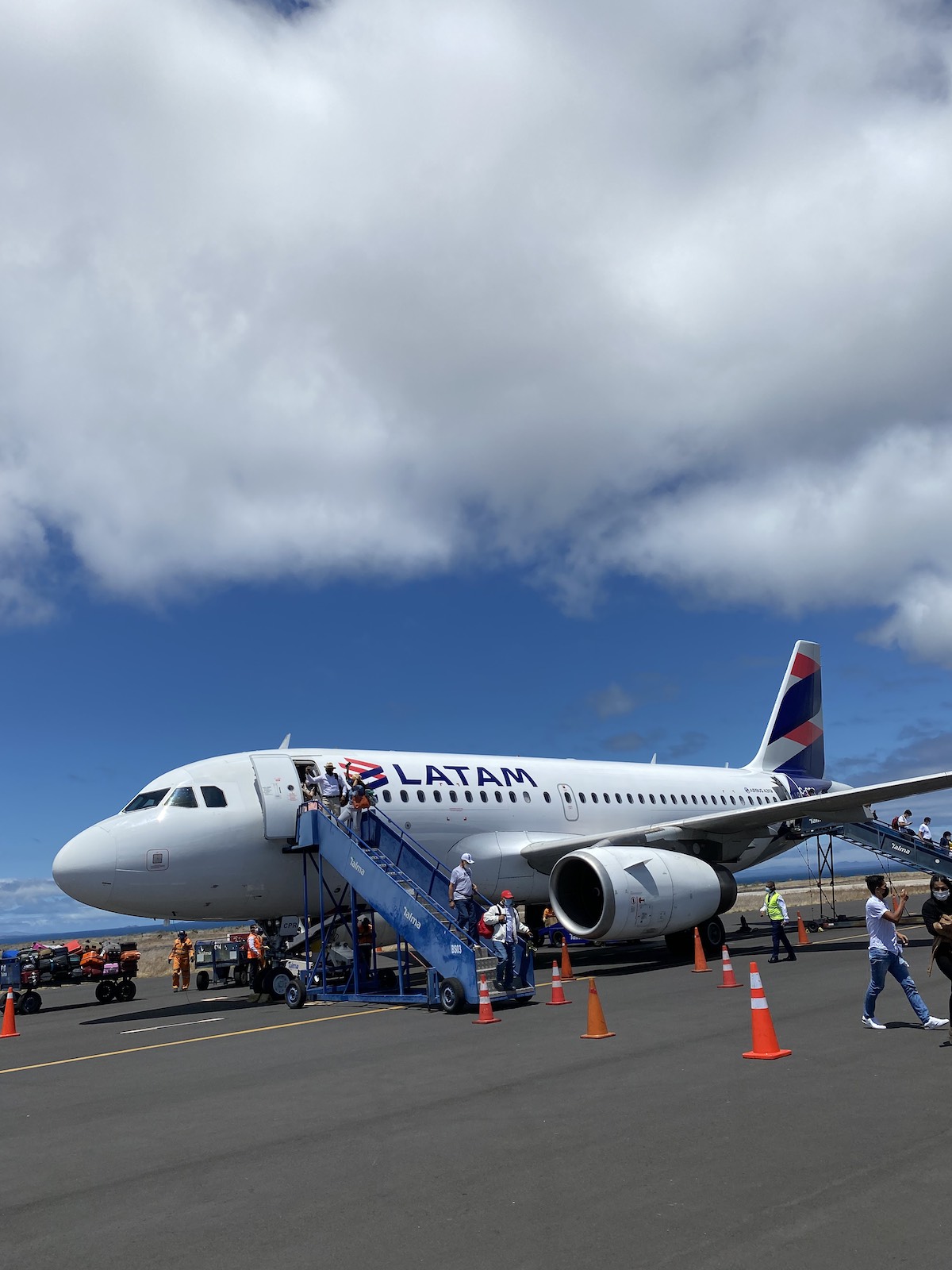
Two airlines operate domestic flights to the Galapagos: LATAM and Avianca. Both fly from Quito and Guayaquil to both Baltra (GPS) and San Cristóbal (SCY), with multiple morning departures daily. Round-trip fares for foreign nationals typically run $250 to $550 when booked 3 to 6 months in advance, rising to $600 to $800 within 4 to 6 weeks of departure and reaching $900 to $1,200 for last-minute bookings under 2 weeks out. Foreigners pay a higher regulated fare than Ecuadorian nationals on these routes.
LATAM and Avianca hold the only operating permits for flights to the Galapagos under the National Park’s biosecurity regulations. No budget carriers, charter operators, or new entrants can fly this route. This creates a duopoly that keeps domestic fares higher than similar-distance domestic routes elsewhere in South America. Booking early matters here just as it does for the cruise – the same fare escalation pattern applies.
Flights from Quito always make a stop in Guayaquil before continuing to the Galapagos. Passengers don’t change planes, but the total Quito-to-Galapagos journey takes approximately 2.5 hours. From Guayaquil directly, the flight takes about 1.5 hours. Departure times cluster in the morning, typically between 8 and 10am from both cities, with the return flights from the Galapagos arriving back on the mainland in the late afternoon, usually between 3 and 6pm.
Many cruise operators offer to book domestic flights as part of the overall cruise package. This has two advantages: the operator knows which specific flight is approved for their cruise’s arrival timing, and the booking is coordinated so that flight changes affecting the cruise schedule are handled together rather than separately. If your operator offers this service, it’s worth using. The cost is typically the same as booking independently, and the coordination benefit is significant.
First time pricing up a Galapagos cruise and not sure whether the numbers you’re seeing are realistic or just starting points? Here’s our how much does a Galapagos cruise cost guide so you plan your budget properly.
| Route | Duration | Round-Trip Fare (Foreign Nationals) | Airlines |
|---|---|---|---|
| Quito (UIO) to Baltra (GPS) | ~2.5 hrs (Guayaquil stop) | $250 to $550 (booked 3 to 6 months out) | LATAM, Avianca |
| Guayaquil (GYE) to Baltra (GPS) | ~1.5 hrs | $220 to $500 (booked 3 to 6 months out) | LATAM, Avianca |
| Quito (UIO) to San Cristóbal (SCY) | ~2.5 hrs (Guayaquil stop) | $250 to $550 (booked 3 to 6 months out) | LATAM, Avianca |
| Guayaquil (GYE) to San Cristóbal (SCY) | ~1.5 hrs | $220 to $500 (booked 3 to 6 months out) | LATAM, Avianca |
How Long Does It Take to Get to the Galapagos?
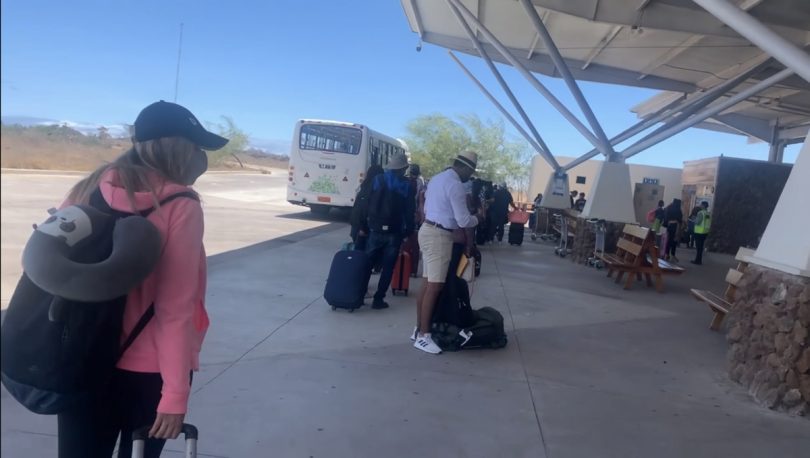
Total travel time from departure city to the Galapagos, including the recommended mainland overnight, runs 2 to 3 days of travel. The flight-only time from most North American cities to the Galapagos, without an overnight, is 14 to 22 hours. From Europe, it’s 20 to 28 hours. Most travelers build their first night in Quito or Guayaquil into the trip deliberately, both to buffer against connection delays and to begin the Ecuador experience with a full day in a mainland city before the cruise.
From Miami to Quito takes about 4 hours direct. Adding the Quito overnight and the morning domestic flight to Baltra, total time from Miami to standing on a Galapagos island is roughly 18 to 20 hours of actual travel across 2 days. From New York, add 2 hours to the international leg. From Los Angeles, expect a connection through Houston, Dallas, or Miami, adding another 2 to 3 hours. From London, the common routing through Madrid or Miami produces around 24 to 26 hours of total travel time across 2 days including the overnight.
The domestic flight to the Galapagos itself takes only 90 minutes to 2.5 hours depending on your mainland departure city. It’s the international leg that consumes most of the total journey time. Travelers who optimize the mainland connection – flying into Guayaquil rather than Quito when the cruise departs from Baltra, for instance – can shave a few hours off the total without changing the fundamental structure of the trip.
What Documents and Fees Do You Need Before You Board?
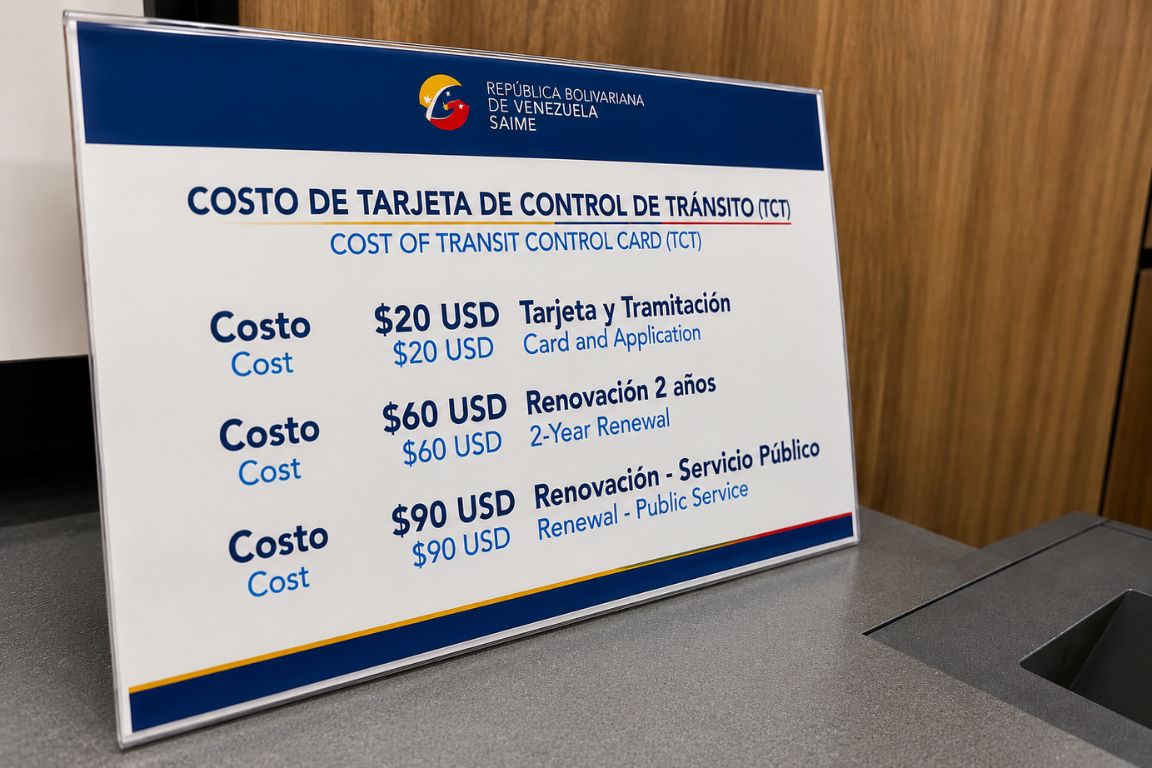
Two fees and one declaration are mandatory for every traveler entering the Galapagos. The Transit Control Card (TCT) costs $20 per person and must be purchased online before your flight through the Galapagos Government Council’s digital platform – as of May 2025, the old system of obtaining the TCT at the airport has been replaced. The National Park entrance fee is $200 per adult (age 12 and over) and $100 for children, paid in cash on arrival in the Galapagos. A biosafety declaration form confirming you’re not carrying seeds, soil, or live organisms must also be completed before boarding.
The TCT change in May 2025 is important for travelers who researched the Galapagos before that date and cached the old process. You can no longer get the TCT at the airport counter on the day of travel as you once could. The current process requires completing registration at siig-cgreg.gobiernogalapagos.gob.ec at least 48 hours before your flight, paying the $20 fee online, and then presenting your digital or printed TCT at the CGREG counter in the departure airport along with your passport and round-trip ticket. Without a valid TCT, you will not be permitted to board your Galapagos flight.
Trying to figure out what the Transit Control Card actually is, how much the national park fee costs, and where you pay it? Check out our Galapagos entry requirements, transit card and national park fees explained guide before you book anything.
The National Park fee of $200 per adult is paid in cash on arrival at either Baltra or San Cristóbal. There are no card payment options at the park fee collection point as of 2026. Bring USD cash specifically for this – don’t expect to withdraw it from the Galapagos airport ATM after landing, as those machines are not always reliable. Prepare the $200 per person before leaving the mainland. For a family of four (two adults, two children age 12 and over), that’s $800 in cash you need to have ready.
The biosafety declaration form asks travelers to confirm they are not carrying agricultural products, seeds, live animals, or soil that could introduce invasive species. This is taken seriously – bags are inspected, and prohibited items are confiscated. Don’t pack fresh fruit, vegetables, or live plants in your luggage traveling to the Galapagos.
Want to know exactly what documents you need to enter the Galapagos without any last-minute surprises at the airport? Here’s our do you need a visa to visit the Galapagos guide so you arrive prepared.
What Are the Most Common Travel Mistakes Getting to the Galapagos?
Four mistakes account for the majority of disrupted Galapagos arrivals: booking the wrong island airport (Baltra vs San Cristóbal) without checking which port the cruise departs from; arriving in Ecuador the same morning as the Galapagos domestic flight, leaving zero buffer for international delays; not purchasing the TCT online before the flight now that the at-airport option no longer exists; and not carrying sufficient USD cash for the $200 National Park fee on arrival. All four are avoidable with straightforward preparation.
The wrong airport mistake happens more often than most travelers expect. It occurs when someone books a cruise through one channel and books domestic flights independently through another, without cross-checking the embarkation port. A cruise departing from San Cristóbal Island requires a flight to SCY. A traveler who books GPS (Baltra) because it’s cheaper or shows up first in a flight search has a significant logistical problem on cruise departure day. Inter-island speedboats run between Baltra and San Cristóbal but take 2 hours and can’t be booked with certainty on short notice. The fix is simple: confirm the embarkation airport with your operator before booking any domestic flights. Book the cruise first, then the flights.
Arriving same-day from an international flight is the second most common disruption. A traveler flying from Toronto to Quito arriving at 10pm, then trying to catch a 9am domestic Galapagos flight the next morning, has a roughly 11-hour buffer. If the Toronto flight is delayed 3 hours, the buffer drops to 8 hours. If Quito customs is slow and the bag takes time, the buffer disappears. Missing the domestic flight on cruise departure day typically means missing the cruise. One hotel night in Quito or Guayaquil purchased in advance eliminates this risk entirely.
The TCT issue catches travelers who researched the process before May 2025 and assume they can still get the card at the airport counter. That option no longer exists. Complete the online registration at least 48 hours before your Galapagos departure flight. The process takes about 15 minutes and needs your passport number, round-trip flight details, and a credit card for the $20 fee.
How Should You Plan Your Arrival Day Around Your Cruise?
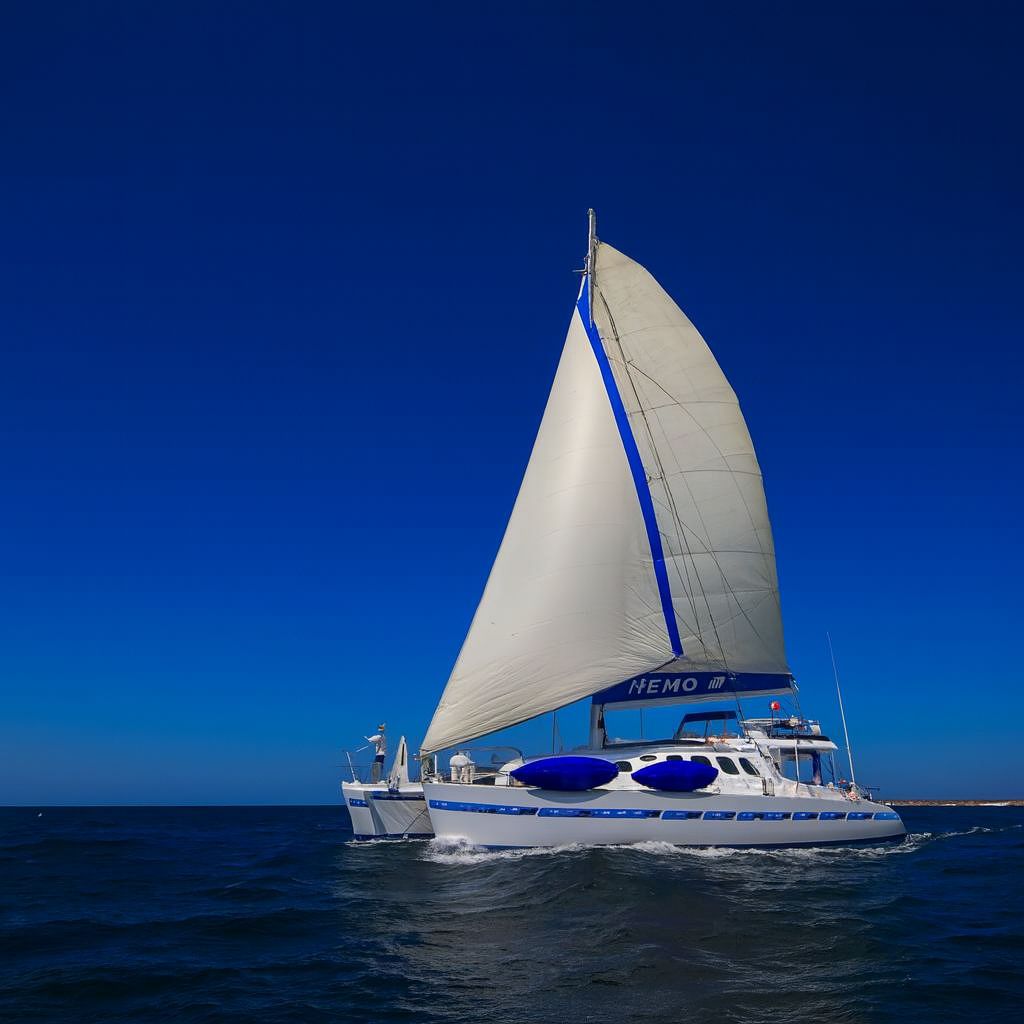
Cruise arrival day logistics follow a standard pattern: domestic flight lands at Baltra or San Cristóbal in the late morning, passengers complete park fee payment and bag inspection, then transfer to the vessel. Most cruises accept boarding from noon to 2pm on arrival day, with the first excursion in the late afternoon. Arriving on the earliest available morning flight gives you the most time before the afternoon excursion and the most buffer against domestic flight delays. Booking the recommended flight through your cruise operator ensures the timing is coordinated.
On arrival at Baltra, the process from plane to vessel runs roughly like this: land, clear biosafety inspection, pay National Park fee in cash, collect luggage, board the transfer bus to the dock (5 minutes), board a zodiac to the anchored vessel. For cruises departing from Puerto Ayora on Santa Cruz rather than from Baltra, add the Itabaca Channel ferry crossing and a 40-minute drive across Santa Cruz. Total time from landing to boarding a Santa Cruz-departure cruise runs about 90 minutes to 2 hours. At San Cristóbal, the airport is 2 minutes from town and the vessel is typically docked at the pier – landing to boarding is under 30 minutes.
One practical note on the arrival day excursion: most 8-day cruises include an afternoon visit to a nearby site on arrival day, even though it’s technically a half-day. This is the first wildlife encounter of the trip and sets the tone for everything that follows. Travelers who arrive on the early morning flight, board by noon, eat lunch, and participate in the afternoon excursion are experiencing the Galapagos from hour one. Travelers who scramble through a tight connection and board just before departure are often tired and distracted during that first excursion. The arrival day experience is worth protecting with simple planning.
We’ve put together a full first-timer breakdown in our what to expect on your first Galapagos cruise guide so you know exactly what each day looks like, what the naturalist guides actually do, and how to get the most out of every excursion.
| Routing Choice | % of Travelers | Reported Problems (%) | Most Common Issue |
|---|---|---|---|
| Overnight in Quito/Guayaquil before Galapagos flight | 78% | <1% | Almost none; buffer absorbed all delays |
| Same-day international to domestic connection | 22% | 43% | Near misses due to international delays; high stress |
| Domestic flights booked through cruise operator | 84% | <1% | Almost none; correct airport, correct timing |
| Domestic flights booked independently | 16% | 27% | Wrong airport bookings; timing mismatches |
Send us a message here and tell us what matters most to you – we’ll match you to the right option honestly.
Frequently Asked Questions
Are there direct flights to the Galapagos Islands?
No. All travelers must transit through mainland Ecuador – either Quito (UIO) or Guayaquil (GYE) – before taking a domestic flight to the Galapagos. The National Park requires biosecurity screening on the mainland before boarding any Galapagos-bound flight. This applies to all travelers regardless of origin country.
Which Galapagos airport should I fly into?
Whichever airport matches your cruise’s embarkation port. Baltra (GPS) serves most cruises departing from Santa Cruz Island or Baltra dock – roughly 75% of all Galapagos cruises. San Cristóbal (SCY) serves cruises beginning in Puerto Baquerizo Moreno. Confirm the embarkation port with your cruise operator before booking any domestic flights.
How much does a domestic flight to the Galapagos cost?
Round-trip fares for foreign nationals typically run $250 to $550 when booked 3 to 6 months in advance. Prices rise to $600 to $800 within 4 to 6 weeks of departure. Only LATAM and Avianca operate these routes. Ecuadorian nationals pay significantly lower regulated fares on the same flights.
What is the TCT and how do I get it?
The Transit Control Card is a mandatory $20 document issued by the Galapagos Government Council that tracks visitor arrivals to protect the islands from over-tourism. As of May 2025, it must be purchased online at siig-cgreg.gobiernogalapagos.gob.ec at least 48 hours before your Galapagos flight. The old system of obtaining it at the airport counter no longer exists. Without a valid TCT, you will not be allowed to board.
How much is the Galapagos National Park entrance fee and can I pay by card?
$200 per adult (age 12 and over) and $100 per child, paid in cash USD on arrival at the Galapagos airport. Card payments are not accepted at the park fee collection point. Bring the exact amount in cash from the mainland – don’t rely on Galapagos airport ATMs, which are not always available or functional.
Want Help Coordinating the Complete Logistics?
Getting the routing right – correct airport, correct timing, mainland overnight, domestic flights that match your cruise departure – is where most Galapagos travel problems originate. We coordinate the full logistics alongside the cruise booking so the two are always synchronized. No wrong-airport bookings, no same-day scrambles.
Rated 4.9 stars on Google and TripAdvisor. Get in touch here and we’ll lay out the complete routing for your specific cruise and departure city.
Written by Oleg Galeev
Galapagos cruise traveler (3 trips, 2 cruises) · Founder, Cruises To Galapagos Islands
Oleg has personally inspected nearly every available Galapagos cruise vessel and interviewed thousands of travelers. He also runs the Ecuador travel blog mytrip2ecuador.com and the YouTube channel My Trip to Somewhere.
Cruises To Galapagos Islands is rated 4.9 stars on Google and TripAdvisor.