
TL;DR
Combining a Galapagos cruise with Peru is the most rewarding two-country trip in South America, covering two of the continent’s most distinctive destinations in a single journey. Do Peru first: the altitude logic is sound, Cusco at 3,400 meters is harder to acclimatize to than the Galapagos at sea level, and finishing on the islands is a gentler ending. Budget 14 to 18 days total: 5 to 7 days for Peru including Lima, Cusco, Sacred Valley, and Machu Picchu, plus 7 to 8 days for the Galapagos cruise. Total all-in cost runs $8,000 to $18,000 per person depending on cruise class. Book Machu Picchu tickets 3 to 4 months in advance through the official government platform.
Quick Facts: Galapagos Cruise and Peru Package
| Detail | What to Know |
|---|---|
| Recommended total trip length | 14 to 18 days |
| Recommended order | Peru first, Galapagos second |
| Cusco altitude | 3,400 meters (11,150 feet) above sea level |
| Lima to Quito flight time | Approximately 3 hours; daily flights via LATAM, Avianca, Copa |
| Galapagos park entrance fee | $200 per adult, USD cash only – Prices verified September 14, 2026 |
| Transit Control Card (TCT) | $20 per person, registered online before domestic flight – Prices verified September 14, 2026 |
| Machu Picchu ticket cost | Approximately $42 to $55 USD depending on circuit; licensed guide also required |
| Machu Picchu booking lead time | 3 to 4 months in advance for peak season (June to August); no walk-up tickets |
| Best season for combined trip | June to August: dry season in Peru, wildlife-rich cool season in Galapagos |
| Total all-in cost per person | $8,000 to $18,000+ depending on cruise class and Peru accommodation tier |
Galapagos entry fees verified against cruisestogalapagosislands.com and official Galapagos National Park sources as of September 14, 2026. Peru costs and entry rules verified against official Peru Ministry of Culture sources.
Why Do Travelers Combine a Galapagos Cruise With a Peru Trip?
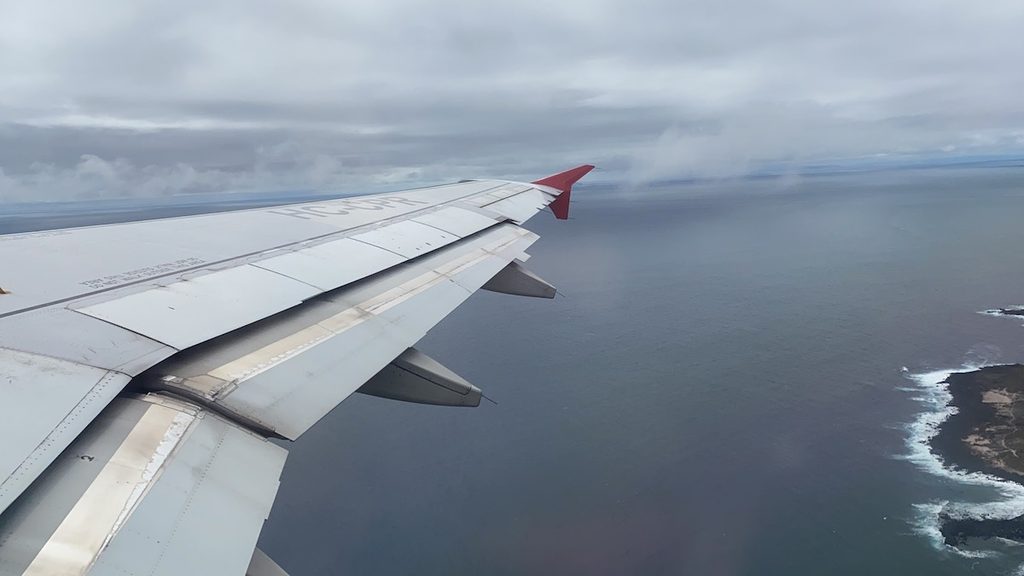
The practical argument is simple: if you are already flying across the Atlantic or Pacific to reach Ecuador, the incremental effort of extending into Peru is modest relative to the additional experience gained. Lima to Quito takes three hours by plane. The two countries share the same flight hub infrastructure. Travelers who combine both consistently describe the combined trip as the most rewarding journey of their lives, specifically because the two destinations contrast so sharply with each other.
The experiential argument is harder to summarize. Machu Picchu is a human achievement: stone terraces, temples, and residences placed at an elevation that should have made construction nearly impossible, designed by a civilization that predated European contact and has left no written language. The Galapagos is the inverse: a place where human intervention has been deliberately minimized, where the animals have never learned fear, and where the most moving experiences come from being completely passive while a sea lion investigates your fins underwater.
The two destinations also suit the same type of traveler. Both attract people who are willing to make logistical effort for something genuinely irreplaceable. Neither is a passive sun-and-beach vacation. Both reward curiosity and deliver experiences that resist reduction to photographs.
There is also a financial efficiency argument. The international flight to South America is the dominant cost of reaching either destination. Booking them as a combined trip uses that flight for twice the return, and often saves significant money compared to making two separate trips in different years.
What Is the Best Order: Galapagos First or Peru First?
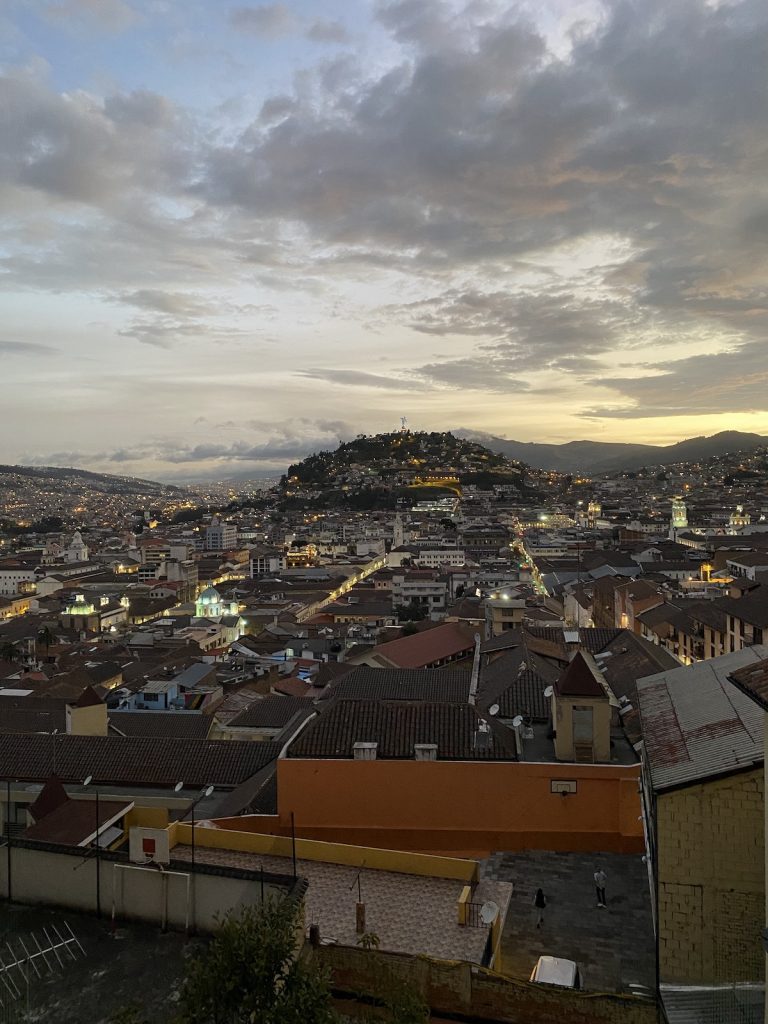
Do Peru first. The altitude sequence is the primary reason: Cusco sits at 3,400 meters, meaningfully higher than Quito at 2,850 meters and vastly higher than the sea-level Galapagos. Acclimatizing upward through Lima (161 meters), Sacred Valley (2,800 meters), and Cusco before descending to the islands creates a physically easier journey than ascending to Cusco after a week at sea level. Finishing the combined trip on the Galapagos also makes experiential sense: the cruise is relaxed, the pace is unhurried, and it functions as a natural wind-down after the more logistically demanding Peru leg.
The altitude argument is worth unpacking. Cusco at 3,400 meters is high enough that most travelers experience real symptoms: headaches, shortness of breath on mild exertion, disrupted sleep, and fatigue in the first 24 to 48 hours. The standard recommendation is to spend at least two nights in Cusco or the Sacred Valley before attempting Machu Picchu, giving the body time to begin producing more red blood cells to compensate for the thinner air.
A traveler who does the Galapagos first spends 7 or 8 days at sea level, then flies to Lima (near sea level), then flies directly to Cusco (3,400 meters). That altitude jump, from near sea level to over 3,400 meters in a few hours, is the harshest possible introduction to high altitude. A traveler who does Peru first ascends gradually through Lima and the Sacred Valley before reaching Cusco, and then descends to sea level for the Galapagos. The body manages this sequence significantly better.
There is also a flight routing argument. Most international flights arrive into Lima, Peru’s primary hub. Starting in Lima, moving inland to Cusco, then flying back to Lima and connecting to Quito and the Galapagos, follows a logical directional path. Reversing this sequence means flying to Ecuador first, returning to Lima, then traveling to Cusco, then returning to Lima for the international departure. The Peru-first sequence is cleaner and involves less backtracking. The Galapagos portion of this itinerary is what we handle directly. If you are planning the Peru leg alongside a Galapagos cruise and want help sequencing the two, send us a message here and we can advise on the cruise component while pointing you to trusted Peru specialists.
Combining a Galapagos cruise with a Quito city tour turns a wildlife trip into a fuller Ecuador experience. Here’s a guide on combining a Galapagos cruise with a Quito city tour so you make the most of both without overcomplicating the logistics.
How Many Days Should You Spend on Each Leg?
A 14 to 18-day combined trip is the standard recommendation. Peru needs a minimum of 5 days to cover Lima, the Sacred Valley, and Machu Picchu without feeling rushed, and ideally 7 days to add proper acclimatization time in Cusco. The Galapagos cruise should be 7 to 8 days, which is the length most travelers describe as ideal. Shorter cruises feel rushed once the travel investment to reach the islands is factored in. Add 2 to 3 travel days for flight connections between countries.
| Leg | Minimum Days | Recommended Days | What You Cover |
|---|---|---|---|
| Lima | 1 night | 1 to 2 nights | Transit arrival; Miraflores coastal district; food scene |
| Sacred Valley and Cusco | 3 nights | 4 to 5 nights | Acclimatization; Ollantaytambo; Pisac market; Cusco city |
| Machu Picchu | 1 day | 1 to 2 days | Citadel visit; Aguas Calientes base |
| Transit (Lima to Quito) | 1 day | 1 to 2 days | Flight connection; overnight in Quito before domestic |
| Quito | 1 night | 2 nights | Altitude buffer; colonial center; documentation completion |
| Galapagos cruise | 5 days | 7 to 8 days | Full eastern or western route; two excursions daily |
Day counts exclude international arrival and departure days.
The Machu Picchu ticket system deserves specific mention in the context of planning this combined trip. As of 2026, there are no walk-up tickets at the citadel entrance. Every visitor must book in advance through the official Ministry of Culture platform (machupicchu.gob.pe) or authorized Cusco travel agencies. Tickets are time-specific: you choose an entry time slot and a circuit, and arriving late can result in denied entry. During peak season (June to August), morning entry slots sell out three to four months in advance. The Galapagos cruise and the Machu Picchu ticket must both be booked well ahead; waiting on one while planning the other is a common source of logistical trouble.
What Are the Best Peru Destinations to Combine With a Galapagos Cruise?
The core Peru itinerary for a Galapagos combination trip runs Lima, Sacred Valley, Machu Picchu, and Cusco. This sequence covers the best of Inca civilization and Andean culture without overextending into a trip that becomes more about transit than experience. Lima is the gateway and a world-class food destination in its own right. The Sacred Valley is the correct first stop after flying to Cusco because it sits lower (around 2,800 meters) and provides gentler acclimatization. Machu Picchu is the reason most travelers come to Peru. Cusco is the Inca capital and the cultural anchor of the whole leg.
Lima rewards one to two nights. The Miraflores district sits on a clifftop above the Pacific and contains some of the best restaurants in South America, including multiple entries on the World’s 50 Best list. The historic center is a UNESCO World Heritage Site with colonial-era churches and palaces. For travelers arriving jet-lagged from a long international flight, Lima at near sea level is a comfortable decompression point before the altitude climb.
The Sacred Valley is the underrated component of the Peru leg. The towns of Ollantaytambo and Pisac sit at around 2,800 meters and offer significant Inca ruins, a famous textile market, and access to local communities. More importantly, the Sacred Valley’s slightly lower elevation than Cusco makes it the medically recommended first stop after flying into the region. Spending a night here before ascending to Cusco reduces the severity of altitude symptoms. The train to Aguas Calientes (the gateway town for Machu Picchu) also departs from Ollantaytambo, making the valley a practical transit point as well as a destination.
Machu Picchu itself sits at 2,430 meters, lower than Cusco, which is why most travelers feel surprisingly good there despite the exertion of the hike or bus ride up. The timed-entry circuit system introduced in recent years means visitors follow one of four designated routes through the site. Circuit 2 is the most comprehensive for first-time visitors and includes the iconic upper-terrace view. The site opens at 6am; the first entry slot delivers clear morning light before the crowds of day-trippers from Cusco arrive later in the morning.
Cusco is the Inca capital, sitting at 3,400 meters in a high valley. The Plaza de Armas, the Qorikancha temple, the San Blas artisan neighborhood, and the massive Sacsayhuamán fortress above the city are all within walking distance or a short taxi ride. Budget two nights in Cusco proper: one to acclimatize and explore gently, one to visit the main sites before heading to Aguas Calientes. If you want help structuring the Peru leg alongside your Galapagos cruise dates to make sure everything aligns logistically, get in touch here and we will advise on the sequencing.
We’ve got a full breakdown on combining a Galapagos cruise with Machu Picchu if you want to know exactly how to sequence the two, which direction to travel, and how many days you actually need to do both justice.
How Much Does a Galapagos Plus Peru Package Cost?
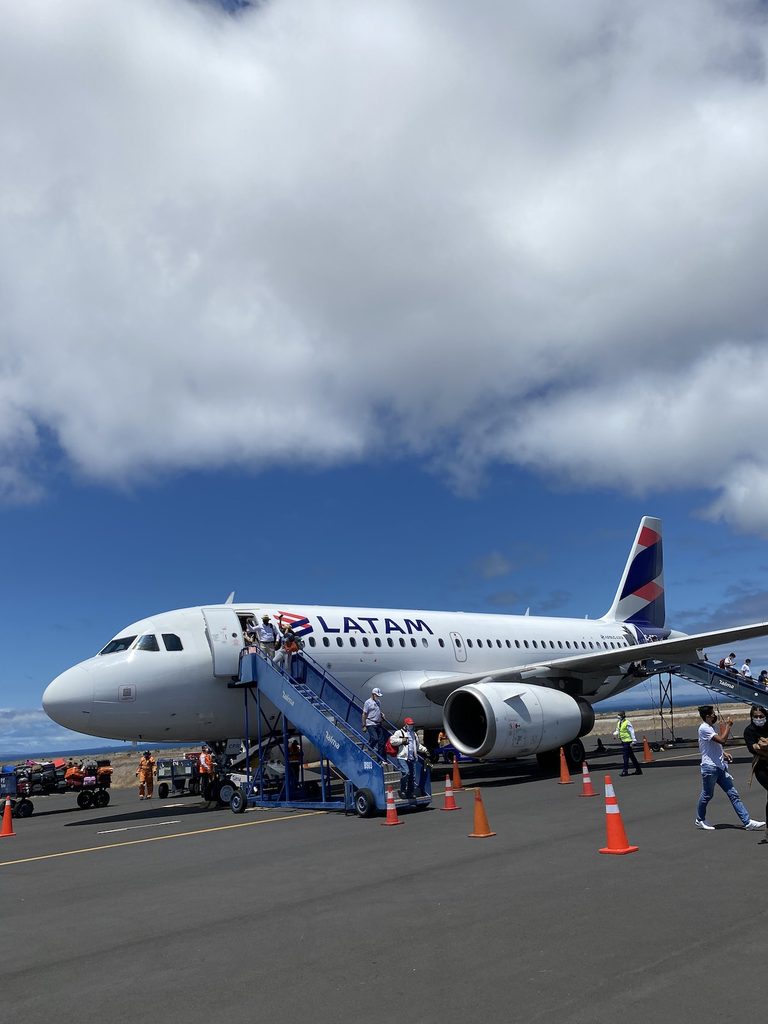
A combined Galapagos cruise and Peru trip costs $8,000 to $18,000 per person all-in for a 14 to 18-day itinerary, depending heavily on cruise class, Peru accommodation tier, and the length of each leg. The Galapagos cruise base rate is the largest single cost, running $4,000 to $9,500 per person for an 8-day first-class or luxury trip. Peru adds $1,500 to $3,500 per person for accommodation, internal flights, tours, and Machu Picchu access. International flights and the Lima to Quito connection add another $600 to $1,500.
| Cost Component | Budget Range (per person) | Notes |
|---|---|---|
| International flights (home to Lima and return from Quito) | $700 to $1,500 | Open-jaw ticket avoids backtracking |
| Lima to Cusco domestic flight | $80 to $200 round trip | Approx. 1 hour flight; book in advance |
| Lima to Quito flight (between countries) | $100 to $300 | Approx. 3 hours; LATAM, Avianca, Copa |
| Galapagos domestic flight (Quito to islands and return) | $250 to $600 round trip | LATAM or Avianca; book early |
| Galapagos cruise (8-day first-class) | $4,000 to $6,500 | Double occupancy; excludes park fees |
| Galapagos cruise (8-day luxury) | $6,500 to $9,500 | Upper suite tier; some inclusions vary |
| Galapagos park entrance fee | $200 (USD cash) | Paid on arrival; not usually included in cruise |
| Galapagos Transit Control Card | $20 | Online registration before domestic flight |
| Peru hotels (Lima, Sacred Valley, Cusco, Aguas Calientes) | $600 to $2,000 | Mid-range to luxury; 6 to 7 nights |
| Peru tours (Sacred Valley, Machu Picchu train and entry) | $400 to $800 | Includes PeruRail or Inca Rail, entry ticket, guide |
| Gratuities (Galapagos guide and crew) | $200 to $400 | Not included on most vessels |
All prices in USD. Prices verified September 14, 2026. Confirm current rates with operators before booking.
One cost note that surprises first-time Peru visitors: Machu Picchu tickets are priced in Peruvian soles but payable in USD equivalent online. As of 2026, standard circuit tickets cost approximately $42 to $55 per person. The train from Ollantaytambo to Aguas Calientes (the access town below Machu Picchu) costs $50 to $120 per person round trip depending on train class. A licensed guide is mandatory at Machu Picchu and typically costs $20 to $30 per person. Together, accessing Machu Picchu from Cusco costs approximately $150 per person before hotels in Aguas Calientes.
How Do You Handle the Logistics of a Galapagos and Peru Combined Trip?
The logistical backbone of a Galapagos and Peru combined trip is the flight sequence. The most efficient routing is: international arrival Lima, domestic Lima to Cusco, Sacred Valley and Machu Picchu, return Cusco to Lima, Lima to Quito, Quito overnight, domestic Quito to Galapagos, Galapagos cruise, return to Quito, international departure Quito. This is an open-jaw itinerary arriving into Lima and departing from Quito, which eliminates backtracking and is usually the most cost-effective structure.
The critical sequencing points to plan around:
Machu Picchu tickets before anything else. During peak season (June to August), morning entry slots on Circuit 2 sell out three to four months ahead. Book your Machu Picchu tickets the moment your Peru dates are confirmed, before booking hotels, trains, or anything else. The ticket date locks your Aguas Calientes hotel date, which locks your train date, which locks everything above it in the chain. Travelers who book hotels and flights in Peru first and then discover their preferred Machu Picchu entry date is unavailable face significant replanning.
The Galapagos cruise locks its own dates. Your cruise departure date determines when you need to be in Quito, which determines when you fly Lima to Quito, which determines your last night in Peru. Work backward from the cruise departure to set the Peru end date, then build the Peru leg forward from your arrival.
The Lima to Quito connection needs a full day. Plan for one full travel day between leaving Peru and arriving in Quito ready to proceed. Lima to Quito takes approximately three hours in the air, but flight timing, airport logistics, and the need to arrive in Quito early enough to complete your TCT registration and rest before the domestic Galapagos flight the next morning means one transit day is the minimum. Two nights in Quito (one transit night, one acclimatization night) is the standard recommendation.
Currency across the two countries. Peru uses the Peruvian sol. Ecuador uses the US dollar. Travelers arriving from Peru need to have USD available for the Galapagos park entrance fee ($200 per adult, cash only on arrival) and the TCT ($20 per person, paid online by credit card before the domestic flight). Pull soles from ATMs in Lima or Cusco for Peru expenses. Bring USD cash for Ecuador and the islands. Cards work in most Ecuadorian cities; cash is more reliable in the archipelago.
The Galapagos documentation sequence. As covered in detail in our Quito city tour article, the TCT must be registered online before the domestic flight. The biosecurity declaration (DJM) must be completed online within 48 hours of the flight. The Ecuador customs form (FRA) must be submitted before entering the country. Complete all three from your Quito hotel the evening before departure, not at the airport on the morning of the flight.
What Galapagos Plus Peru Travelers Tell Us: Patterns from Our Traveler Interviews
From traveler interviews and feedback collected through mytrip2ecuador.com, the YouTube channel My Trip to Somewhere, and combined-trip clients who booked through Cruises To Galapagos Islands:
| Feedback Pattern | Approx. Frequency | Planning Implication |
|---|---|---|
| Described the combined trip as the best travel experience of their lives | ~88% | The two destinations complement rather than compete; doing both together amplifies both |
| Wished they had booked Machu Picchu tickets earlier; had to adjust dates | ~41% | Book Machu Picchu tickets first, before hotels, trains, or flights |
| Found the Peru-first order easier physically than they expected | ~76% | The altitude sequence works; the Galapagos finishes the trip on a gentler physical note |
| Underestimated total cost across both countries | ~53% | Build the full cost table including Peru internal flights and Machu Picchu access costs before committing |
| Said the trip felt like two completely different worlds in one journey | ~94% | The contrast between Inca civilization and Galapagos wildlife is the core appeal; it delivers as promised |
Data from traveler interviews and feedback collected through mytrip2ecuador.com and Oleg’s YouTube audience across multiple years of operation.
What Are the Biggest Mistakes Travelers Make When Planning a Galapagos and Peru Package?
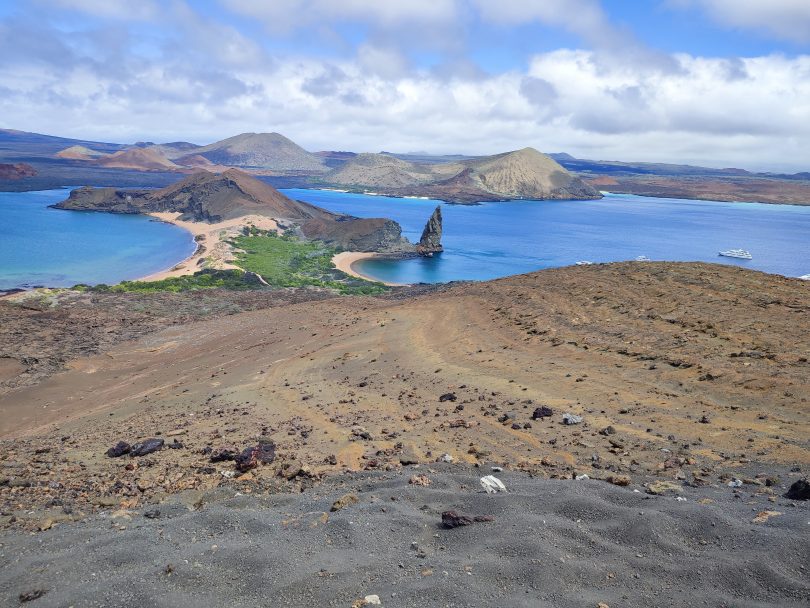
The most consequential mistakes in combined Galapagos and Peru planning are: booking the Galapagos before securing Machu Picchu tickets (the Galapagos cruise date then creates inflexibility that prevents fixing Machu Picchu availability problems), doing Galapagos first and arriving in Cusco from sea level with no acclimatization time, planning the trip in less than 14 days, and underestimating the transit time between the two countries.
Mistake 1: Booking the Galapagos cruise before Machu Picchu tickets. The Galapagos cruise is the trip’s most expensive component and often the first thing travelers want to lock in. This is understandable, but it creates a problem: once the cruise dates are set, your Peru dates are essentially fixed. If Machu Picchu tickets on your required date are unavailable, you cannot adjust the cruise without potentially losing deposits. The correct sequence is to identify your Galapagos cruise dates, block them mentally, then secure Machu Picchu tickets for a Peru window that ends in time for the Lima to Quito connection, then book the cruise.
Mistake 2: Doing Galapagos first. The altitude argument above applies to both directions, but the experience-quality argument is equally strong. Arriving at Cusco directly from sea level after a week at the islands puts the hardest physical part of the trip at the end. Most travelers are exhausted after a transatlantic or transpacific flight plus an 8-day cruise expedition. Facing Cusco altitude sickness in that state is significantly less pleasant than facing it at the start of the trip when the body is fresh. Peru first is not just easier physiologically. It leaves the Galapagos as the trip’s relaxed, awe-inspiring conclusion rather than its demanding final chapter.
Mistake 3: Booking less than 14 days total. A 10-day combined trip sounds plausible on paper: 3 days Peru, 5 days Galapagos, 2 travel days. In practice, 3 days in Peru means choosing between Lima and Cusco, or racing through both without acclimatization time. A 5-day Galapagos cruise is the most frequently cited regret in our traveler interviews: guests describe it as not quite long enough to find the rhythm of the expedition before it ends. The minimum that delivers both destinations properly is 14 days. Eighteen is better.
Mistake 4: Ignoring the currency difference. Peru uses soles. Ecuador uses US dollars. The Galapagos park fee is $200 per adult in USD cash, payable on arrival. Travelers who have been spending soles in Peru for a week often arrive in Quito without adequate USD cash. Pull cash in the right currency before leaving each country.
Frequently Asked Questions
Can I do the Galapagos and Machu Picchu in one trip?
Yes. This is one of the most popular combined South America itineraries. The two destinations are linked by a three-hour flight between Lima and Quito. A realistic minimum is 14 days total: 5 to 7 days for Peru and 7 to 8 days for the Galapagos cruise, plus travel days for flight connections.
Should I do Peru or the Galapagos first?
Peru first is the strongly recommended order. Cusco at 3,400 meters is significantly higher than the sea-level Galapagos, and arriving in Cusco from sea level without prior acclimatization produces the worst altitude symptoms. Doing Peru first allows gradual altitude ascent through Lima and the Sacred Valley before reaching Cusco, then a comfortable descent to the islands for the second leg.
Do I need to book Machu Picchu tickets in advance?
Yes, and well in advance. As of 2026, there are no walk-up tickets at the Machu Picchu entrance. All tickets must be purchased in advance through the official Ministry of Culture platform at machupicchu.gob.pe. During peak season (June to August), morning entry slots sell out three to four months ahead. Tickets are time-specific: missing your entry time can result in denied entry with no refund.
What is the best time of year for a combined Galapagos and Peru trip?
June to August is the best overlap: dry season in Peru, with clear skies over Machu Picchu and cool but wildlife-rich conditions in the Galapagos. December to May is the secondary window: warmer and wetter in Peru, with calmer seas and better snorkeling conditions in the Galapagos. Both windows work well; the June to August overlap is the most popular and books earliest.
How do I get from Peru to the Galapagos?
Fly Lima to Quito or Guayaquil (approximately 3 hours, daily flights via LATAM, Avianca, or Copa), then take the domestic flight from Quito or Guayaquil to Baltra or San Cristobal in the Galapagos (approximately 2 to 2.5 hours). The total transit from Lima to the islands runs 6 to 8 hours on a smooth day. Allow one overnight in Quito between the international and domestic legs.
Planning a Galapagos Cruise and Peru Package?
The Galapagos portion of this combined trip is what we build and book directly. We know the cruise vessels, the itinerary sequences, the documentation requirements, and the Quito logistics inside out. We work with trusted Peru specialists to help travelers sequence both legs correctly. Our agency is rated 4.9 stars on both Google and TripAdvisor. Tell us your travel window, your preferred cruise class, and how many days you have for Peru, and we will help you structure the whole trip honestly.
Plan Your Galapagos and Peru Trip
Written by Oleg Galeev
Galapagos cruise traveler (3 trips, 2 cruises) · Founder, Cruises To Galapagos Islands
Oleg has personally inspected nearly every available Galapagos cruise vessel and interviewed thousands of travelers to build the most first-hand cruise knowledge base available. He also runs the Ecuador travel blog mytrip2ecuador.com and the YouTube channel My Trip to Somewhere.
Cruises To Galapagos Islands is rated 4.9 stars on Google and TripAdvisor.
All pricing and regulations in this article are verified against official sources as of the publish date.