
TL;DR
Solo travel in the Galapagos is genuinely well-suited to the cruise format, more so than almost any other destination. The single supplement is the main cost hurdle, typically adding 50 to 100 percent to the per-person fare, but there are real ways around it: vessels with dedicated single cabins, no-supplement windows in shoulder months, roommate-matching programs, and last-minute deals on unsold cabins. The social setup on a small 16-passenger yacht is one of the best environments for solo travelers anywhere in the world. You share every meal, every landing, and every sea lion encounter with a tight group of 15 strangers who become friends by day three.
Quick Facts: Solo Galapagos Cruises at a Glance
| Detail | What You Need to Know |
|---|---|
| Typical single supplement | 50 to 100% of the per-person shared fare on most vessels |
| Park entry fee | $200 USD cash per adult on arrival – Verified July 30, 2026 |
| Transit Control Card (TCT) | $20 per person, purchased online before your flight |
| Best months for no-supplement deals | May, September, October, November (shoulder season) |
| Vessels with permanent single cabins | Rare; Solaris, Mary Anne, Treasure of Galapagos, Elite among them |
| Last-minute no-supplement window | Within 6 to 8 weeks of departure on many vessels with unsold cabins |
| Roommate matching | Available on select vessels; same-gender pairing, eliminates supplement |
| Recommended cruise length (solo) | 8 days on a 16-passenger yacht; 5 days for first-time small-group travelers |
Can You Do a Galapagos Cruise as a Solo Traveler?
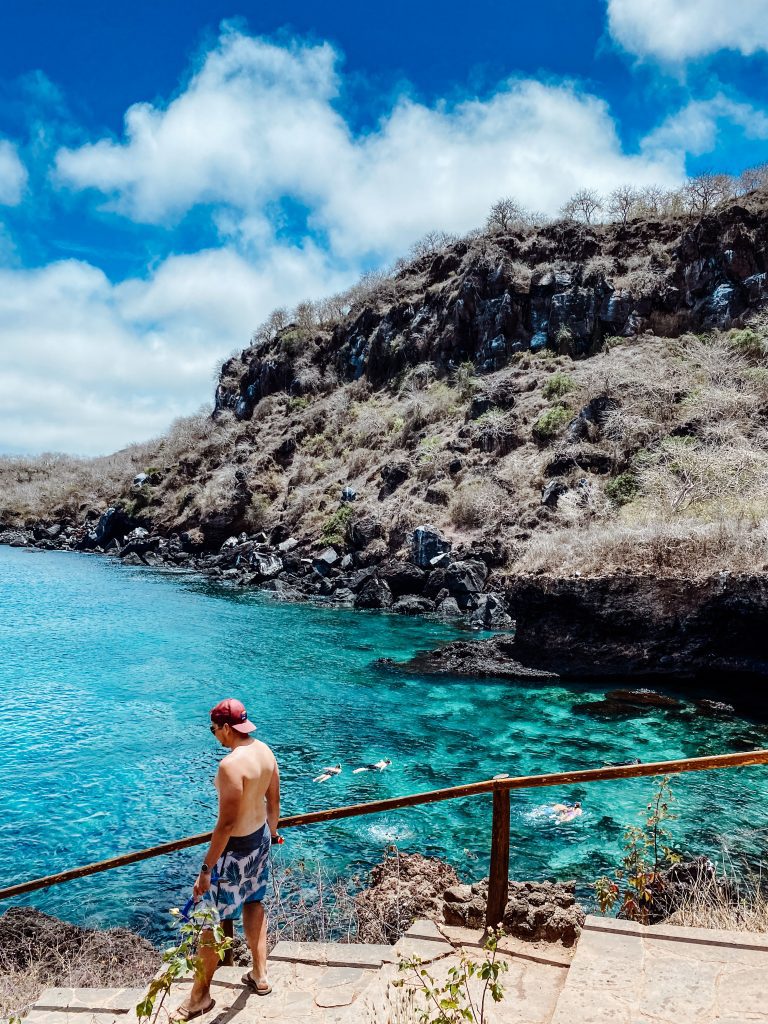
Yes, and the Galapagos cruise format is actually one of the best travel experiences available to solo travelers anywhere. The expedition structure, shared meals, small group landings, and built-in naturalist guide create an environment where solo travelers connect naturally without any awkward mixer events or forced socializing. On a 16-passenger yacht, you’re not a solo traveler in a crowd of strangers. You’re a member of a small expedition group from day one.
Most people imagining a solo cruise picture themselves sitting alone at a table for twelve while couples and families fill the rest of the seats. A Galapagos expedition yacht is nothing like that. The whole group goes ashore together, snorkels together, eats together, and sits through the evening briefing together. By day two, everyone knows everyone’s name. By day four, you’re comparing marine iguana photos with a retired marine biologist from Oregon and a graphic designer from Amsterdam who both booked this trip alone.
The structure does all the social work for you. Nobody has to introduce themselves awkwardly or figure out where to sit. There’s one group, one guide, and one shared experience. The wildlife itself breaks any remaining ice: you can’t watch a blue-footed booby perform its courtship dance three feet from your boots without turning to whoever is standing next to you and laughing.
What trips solo travelers up isn’t the social dynamic or the logistics. It’s the single supplement. That’s the pricing mechanism most cruise vessels use when a double cabin is occupied by one person, and on some Galapagos vessels it can nearly double what you pay. Understanding how it works and how to get around it is the practical core of planning this trip as a solo traveler.
If you’ve been looking at Galapagos cruise prices as a solo traveler and wincing at what the single supplement adds, we can help. We track which vessels have no-supplement windows, single cabin availability, and last-minute deals in real time. Send us a message here and tell us your rough travel dates. We’ll tell you what’s actually available.
What Is a Single Supplement and Why Does It Matter on a Galapagos Cruise?
The single supplement is an additional charge applied when one person occupies a cabin priced for two. Galapagos cruise vessels set their base fares on double occupancy, meaning the revenue model assumes two people sharing each cabin. When a solo traveler books alone, the operator needs to recover the revenue they’d normally get from the second berth. The supplement typically ranges from 50 to 100 percent of the base per-person fare, and on a week-long cruise this adds up to thousands of dollars.
Here’s what that looks like in practice. A mid-range 8-day Galapagos cruise priced at $4,000 per person in shared occupancy might list a single supplement of 75 percent. That means your solo fare becomes $7,000 for the same cabin and the same itinerary. On a luxury vessel at $8,000 per person, a 100 percent supplement pushes solo pricing to $16,000. The wildlife is identical. The guide is the same. You’re just paying for the empty bunk across from you.
The supplement exists because operators need certainty on revenue before departure. They’ve committed to fuel, crew wages, park permits, and food. An unsold half of a cabin is a real cost. As departure approaches and unsold cabins become a sunk cost anyway, that calculation changes, which is exactly why last-minute no-supplement deals appear and why shoulder season openings are more common than peak season ones.
Not every vessel charges the full supplement, and some don’t charge one at all under the right conditions. The three main ways to avoid or reduce it: find a vessel with a permanent dedicated single cabin, catch a no-supplement window in a shoulder month, or agree to share a cabin with another solo traveler of the same gender through a roommate-matching arrangement. Each has trade-offs worth understanding before you book.
| Supplement Level | What It Means | Example (Mid-Range $4,000 Base) |
|---|---|---|
| 0% (waived) | You pay the standard per-person rate. Best case. | $4,000 total |
| 25 to 50% | Reduced supplement; common on select departures and shoulder months | $5,000 to $6,000 total |
| 75 to 100% | Full supplement; standard on most vessels for advance bookings | $7,000 to $8,000 total |
Examples based on 8-day mid-range cruise fare. Supplement percentages vary by vessel and booking window. Verified July 30, 2026.
Which Galapagos Cruises Waive or Reduce the Single Supplement?
There are four realistic paths to avoiding the single supplement on a Galapagos cruise: dedicated single-cabin vessels, shoulder-month no-supplement windows on select boats, last-minute unsold cabin deals within six to eight weeks of departure, and roommate-matching programs. The most consistent path for travelers with flexible dates is the shoulder-month window. May and November have the densest no-supplement availability across the fleet. September and October are the second tier.
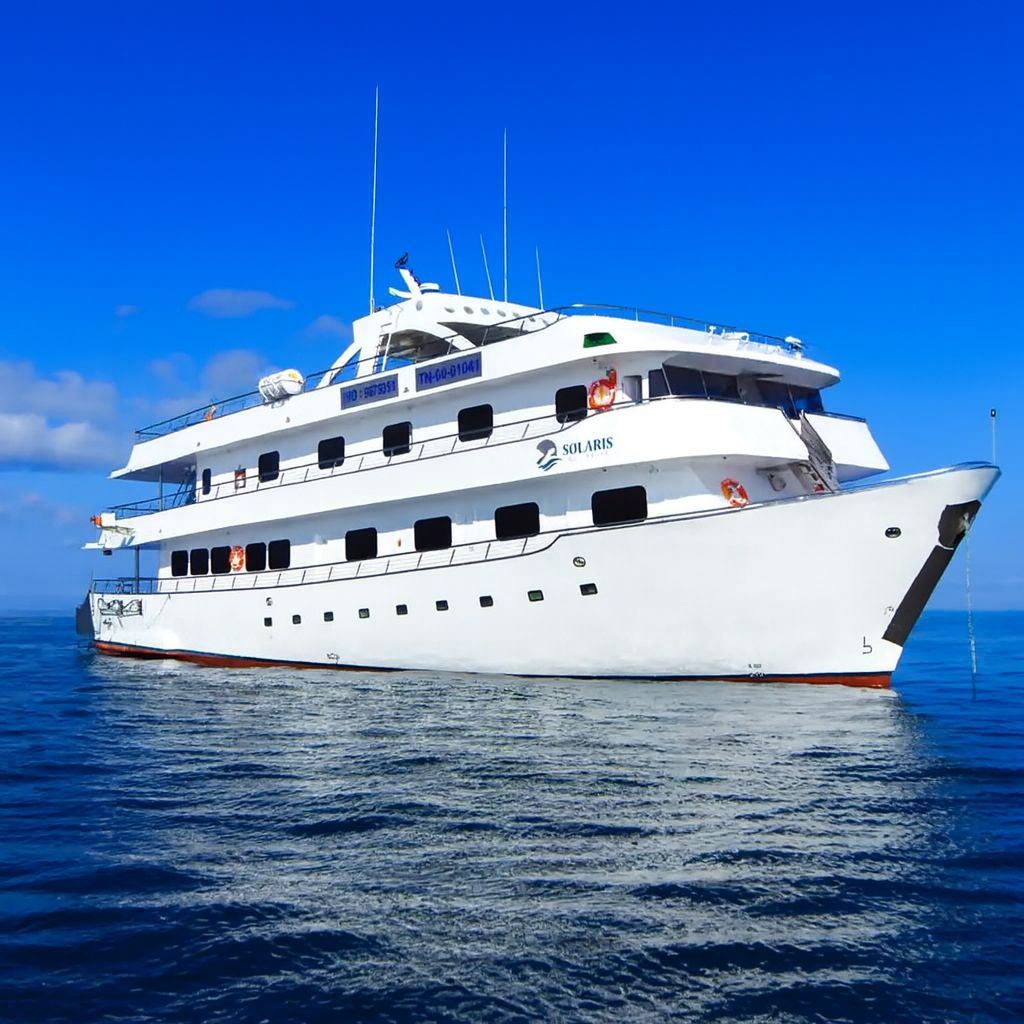
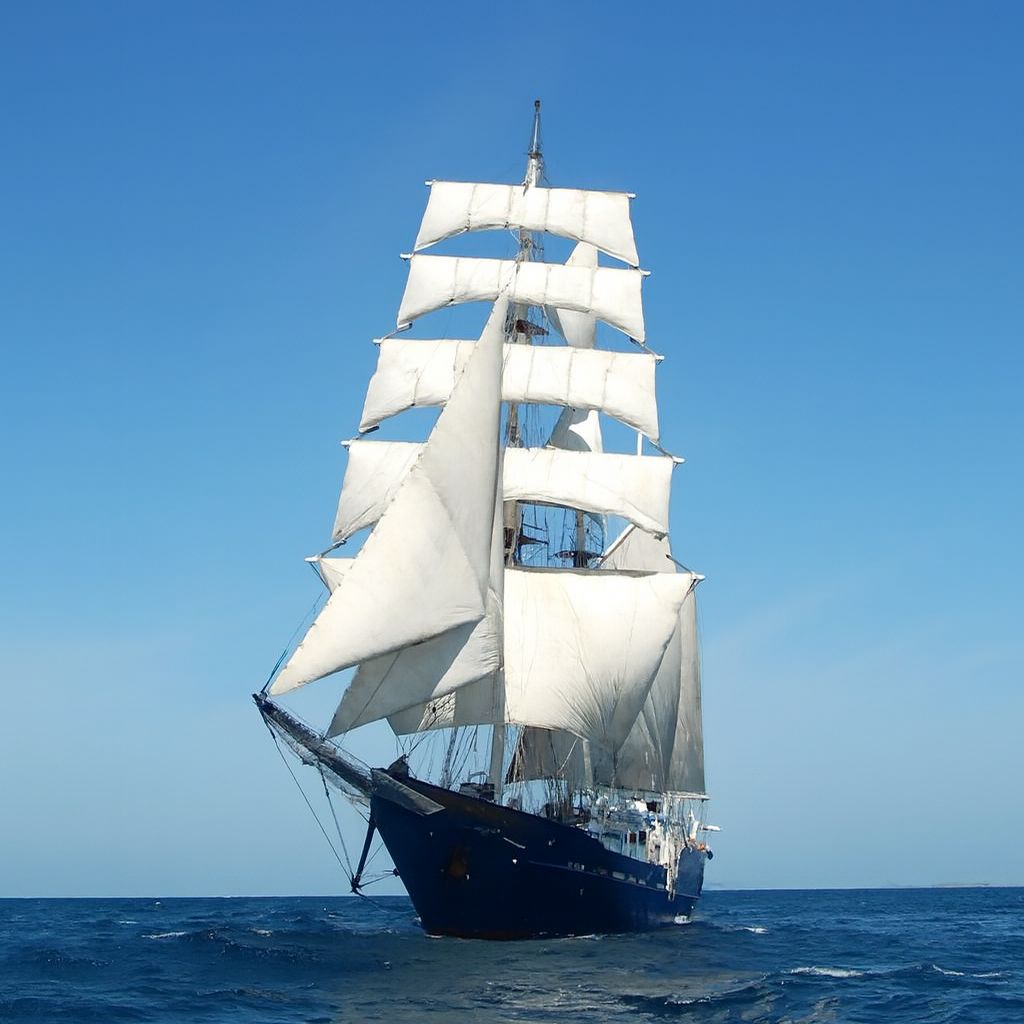
A small number of vessels carry purpose-built single cabins with no supplement attached. The S/S Mary Anne, a 16-passenger sailing vessel, has single cabins specifically designed for solo travelers. The Solaris was built with solo travelers in mind and offers single-occupancy pricing without the standard supplement penalty, though this tends to be factored into a slightly higher base rate. The Treasure of Galapagos and the Elite both carry at least one dedicated single cabin. These vessels fill their single inventory early, so if solo-specific accommodation is your priority, booking 6 to 9 months out is realistic.
The more flexible path is tracking no-supplement windows on vessels that offer them periodically. Several mid-range and first-class boats including the Natural Paradise, Grand Majestic, Infinity, and Calipso routinely open no-supplement pricing within two months of departure when cabins remain unsold. The window is real, but the inventory is limited and goes quickly. Catching it requires either monitoring actively or working with an agency that tracks it week by week.
Roommate matching is the third route. If you’re comfortable sharing a cabin with a same-gender stranger, many operators will place you with another solo traveler and charge neither of you the supplement. This works well for some solo travelers and badly for others. It eliminates the cost premium entirely, but it does introduce a stranger-roommate variable into a week-long trip. If you value your privacy and uninterrupted sleep, a no-supplement solo cabin beats a shared arrangement regardless of the savings.
Tracking no-supplement availability across the fleet is not something most travelers can do efficiently on their own. It changes week to week, vessel by vessel, and shoulder season availability opens and closes without much public announcement. We monitor this and match solo travelers to the right window for their dates. We’re a 4.9-star agency on Google and TripAdvisor. Reach out here with your travel dates and we’ll see what’s available.
Which Cruise Class Is Best for Solo Travelers?
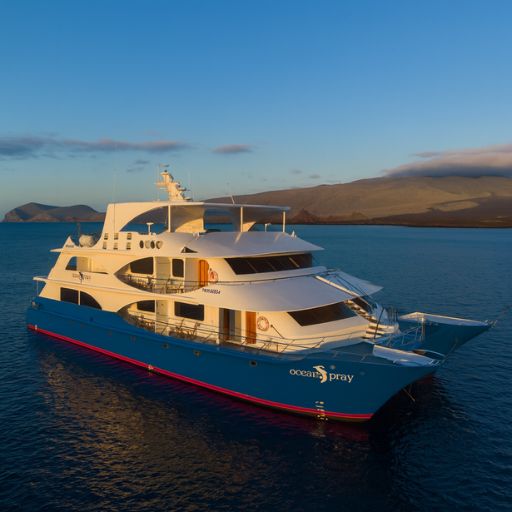
Mid-range and first-class vessels on 16-passenger yachts are the strongest fit for solo travelers, for social reasons more than pricing ones. A small vessel with 16 passengers creates a group intimate enough that everyone connects. A 90-passenger ship puts you in a large dining room where the solo dynamic is much more anonymous. The social payoff of a Galapagos cruise for solo travelers depends almost entirely on vessel size, and small wins every time.
Budget vessels at the 16-passenger level can work for the right solo traveler, particularly if no-supplement pricing is available. The trade-off is older boats, smaller cabins, and guides whose English and naturalist depth may be more limited. If the supplement is waived, the cost-to-experience ratio is hard to argue with. But the quality gap between budget and mid-range is more noticeable when you’re sharing every meal and excursion with the same 15 people for a week. Comfort matters differently when there’s no escape from it.
Mid-range and first-class vessels are where most of the no-supplement windows open up anyway, which makes the choice partly self-selecting. A quality mid-range catamaran with a no-supplement deal in October is genuinely one of the best solo travel value propositions available anywhere. You get a private cabin, a skilled naturalist guide, comfortable shared spaces, and a group small enough that friendships form by day two.
Luxury vessels offer superior cabins and cuisine, and the guide quality at the top of the market is exceptional. But the supplement on a luxury Galapagos yacht can add $5,000 to $8,000 to an already expensive trip. Some luxury operators do offer reduced single supplements on select departures, particularly Ecoventura which has run 25 percent single-supplement promotions on selected dates. If the luxury experience matters to you and budget isn’t the primary constraint, it’s worth asking directly what solo pricing looks like on a specific departure. The brochure rate and the actual bookable rate can differ.
We’ve got a full breakdown on the best Galapagos cruise for budget travelers if you want to know exactly which vessels, itineraries, and booking strategies give you the most Galapagos experience for the least spend.
Which Itinerary Works Best for Solo Travelers?
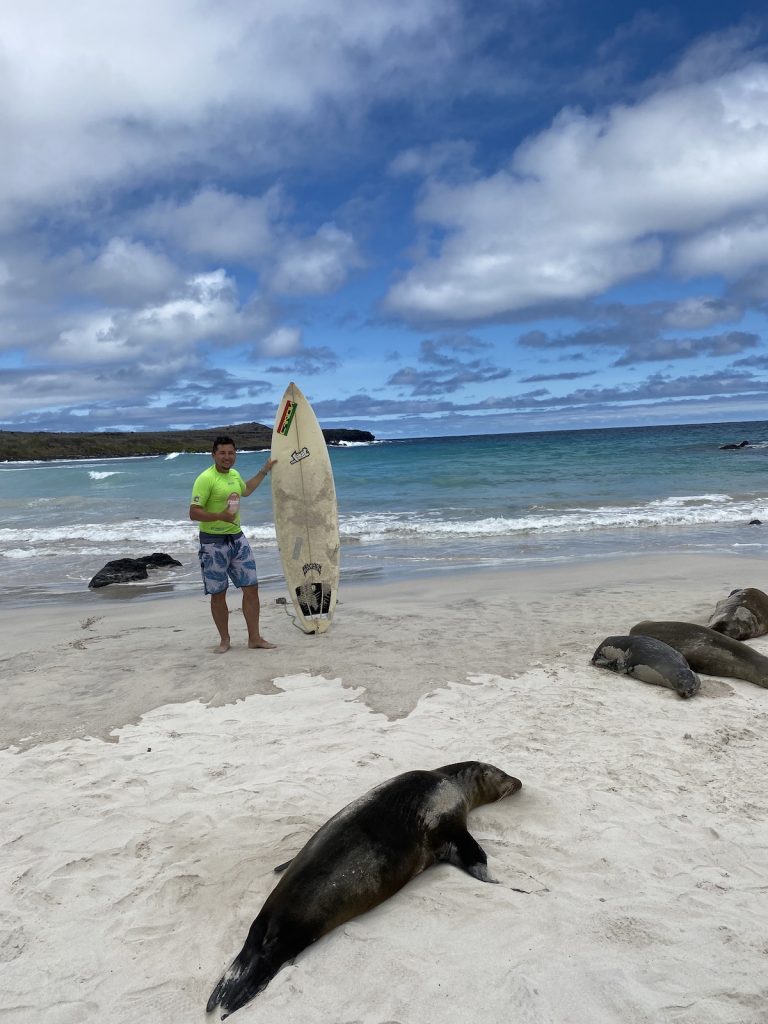
For solo travelers, the itinerary question is secondary to the vessel question, but the eastern and central routes suit most first-time solo cruisers best. They offer the most consistent wildlife density, the calmest crossings, and the most accessible sites. If you’re new to small-group travel and not sure how you’ll handle a week in close quarters with 15 strangers, starting with an eastern 8-day itinerary gives you the best Galapagos experience without adding rough crossings to the adjustment period.
On cruise length, 8 days is the recommendation for solo travelers who’ve done small-group travel before and know they enjoy it. The longer itinerary gives the group time to genuinely bond. Days one and two have the polite-strangers energy. Days three and four, after a few shared snorkel sessions and a dramatic wildlife sighting everyone reacted to together, feel completely different. By day seven, most solo travelers on 8-day cruises describe the group as one of the trip’s highlights. That doesn’t happen on a 5-day cruise in the same way.
For solo travelers who’ve never done small-group travel, or who are genuinely unsure how a week with strangers will feel, a 5-day eastern itinerary is a legitimate starting point. You still see giant tortoises, sea lions, blue-footed boobies, and some of the best snorkeling in the world. The group has less time to gel, but 5 days is long enough to form real connections with people who share your enthusiasm for what you’re seeing.
Seasonally, shoulder months are the sweet spot for solo travelers for reasons beyond just the no-supplement windows. May and September through November tend to attract more independent travelers and fewer family and couple bookings, which shifts the passenger demographic slightly toward the kind of curious, adventurous travelers who tend to make great expedition companions. It’s not a rule, but it’s a pattern we’ve noticed across thousands of interviews.
If you’re trying to figure out whether an 8-day or 5-day itinerary makes more sense given your travel style and budget, that’s a conversation worth having before you book. The wrong length on the wrong vessel can leave a solo traveler wishing they’d done something different. Fill out this short form and we’ll help you think it through, no pressure, no obligation.
Not sure which Galapagos cruise prioritizes snorkeling time over land visits or which ships carry the best gear and guides for in-water experiences? This breakdown on the best Galapagos cruise for snorkelers covers the ships and itineraries worth booking.
What Is the Social Experience Like on a Galapagos Cruise Alone?
Better than most solo travelers expect, and consistently one of the things they highlight when they come back. A 16-passenger Galapagos yacht is one of the most naturally social environments in travel. You eat three meals a day with the same group, go ashore in groups of 16 with one guide, and spend your evenings debriefing around the same table. There are no scheduled mixers or name-tag events. The shared intensity of the wildlife encounters does all the connecting for you.
The thing nobody tells you before the trip: a Galapagos cruise attracts a specific kind of traveler. People booking these trips are curious, outdoorsy, and usually somewhat independent-minded. The passenger pool skews toward people who read before trips, who ask their naturalist guide questions, who actually want to know why the marine iguana can hold its breath for forty-five minutes. That shared intellectual engagement creates a social chemistry that you don’t get on a resort or a large cruise ship. You’re surrounded by people who are excited about the same things you’re excited about.
The no-key policy on most Galapagos yachts is a detail that says something about the atmosphere. Most vessels don’t lock cabin doors. The implicit trust that comes with a small, self-selecting group sailing together in a remote location creates a social openness that’s hard to manufacture but very easy to fall into.
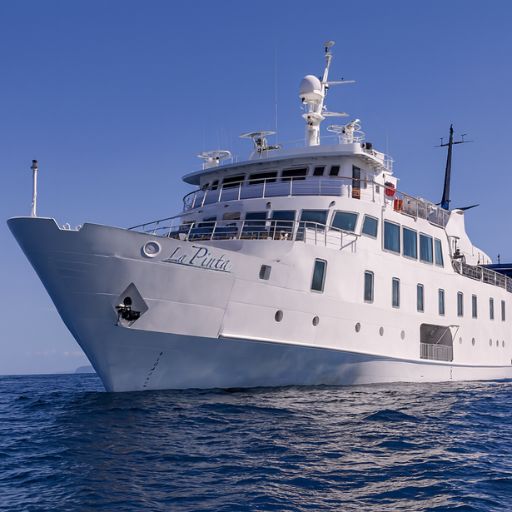
There is one social variable worth being honest about. On a 16-passenger yacht you have no anonymity. If your cabin neighbors snore, you’ll hear it. If two people in the group have a friction dynamic, everyone feels it. Most of the time neither of these things happen. But the intimacy cuts both ways, and solo travelers who need significant time alone to recharge should factor that in when choosing vessel size. A medium-sized boat of 40 to 48 passengers like the La Pinta gives you more social flexibility without losing the small-group excursion structure the national park regulations require.
First time planning a Galapagos cruise with wildlife as your absolute priority? Our guide on the best Galapagos cruise for wildlife enthusiasts walks you through which itineraries and operators are genuinely built around the animals.
What Solo Travelers Tell Us After Their Galapagos Cruise
From the thousands of Galapagos cruise travelers Oleg has interviewed through mytrip2ecuador.com and the YouTube channel, solo travelers are one of the most consistently satisfied groups. The data below reflects aggregate feedback from solo travelers across multiple seasons.
| Finding | Result | Context |
|---|---|---|
| Solo travelers who described the group dynamic as a trip highlight | ~76% | Strongest on 16-passenger vessels; drops on boats over 40 passengers |
| Solo travelers who paid a single supplement and felt it was worth it | ~61% | Privacy and uninterrupted sleep cited as main reasons |
| Solo travelers who successfully booked a no-supplement window | ~38% | Most booked through an agency tracking availability; DIY success rate much lower |
| Solo travelers who regretted booking a roommate-share arrangement | ~29% | Main reasons: incompatible sleep schedules and bathroom timing |
| Solo travelers who kept in contact with their cruise group after returning home | ~68% | WhatsApp groups from the trip still active months later |
| Solo travelers who said they’d do the Galapagos again solo | ~89% | Highest repeat-intent rate of any traveler demographic we track |
What Are the Biggest Mistakes Solo Travelers Make Booking a Galapagos Cruise?
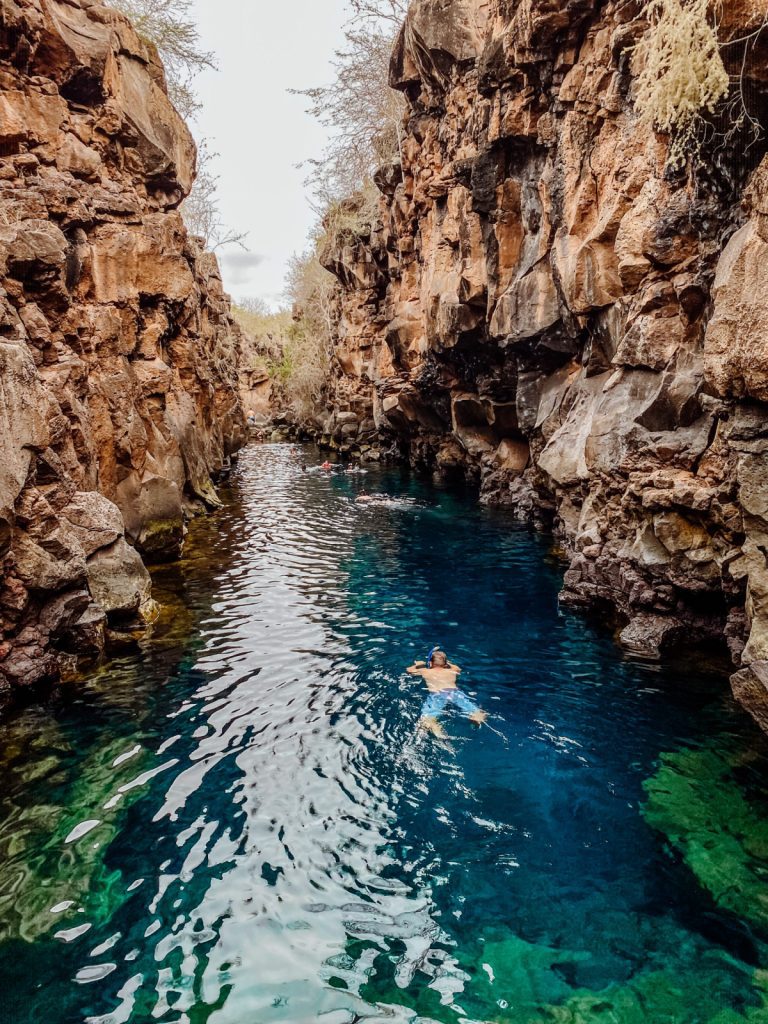
The most consistent mistakes solo travelers make: accepting the full single supplement without asking whether a no-supplement window exists, booking a roommate-share without thinking through the compatibility variables, choosing a large vessel because it seems safer socially when a small vessel is actually better, and booking too late for single-cabin inventory but too early for last-minute deals. Each of these has a straightforward fix.
Accepting the full supplement without asking is the most expensive mistake. Many operators and booking platforms display the supplement as a fixed fact rather than a variable. It isn’t. Vessels open no-supplement windows in shoulder months and close to departure, and they rarely announce it publicly because they’re managing yield. The only way to know is to ask, ideally through an agency that tracks availability across multiple vessels. A 10-minute conversation can save several thousand dollars.
Booking a roommate share without vetting the arrangement carefully is the second common error. The cost saving is real. The trade-off is sharing a small cabin on a moving boat for seven nights with someone you’ve never met. Sleep schedules, bathroom timing, and personal tidiness all matter in a confined space. Some solo travelers have excellent experiences this way and end up as genuine friends with their cabin-mate. Others spend a week quietly exhausted. If privacy matters to you, a no-supplement single cabin is worth paying the reduced supplement for rather than gambling on a stranger share.
Choosing a large vessel because it feels less intimidating is counterintuitive but real. Solo travelers sometimes pick a 90-passenger ship thinking there are more people to meet and they’ll feel less exposed than on a tiny yacht. The opposite tends to be true. On a large vessel you’re anonymous, dinner seating is less structured, and the excursion groups change. On a 16-passenger yacht, the group forms around you and the connections are almost unavoidable. If social connection is any part of why you’re doing this trip solo, a small vessel is the right choice.
Finally, the cash reminder applies to solo travelers the same as everyone else. The $200 Galapagos National Park entry fee is paid in USD cash at the airport on arrival. There’s no ATM at Baltra. Arriving without the right cash is stressful at the best of times. Arriving without it when you’re navigating a new place alone is worse. Sort this out in Quito or Guayaquil before you board the domestic flight.
Frequently Asked Questions
Is the Galapagos safe for solo travelers?
Yes. The cruise format means you’re with a guided group at all times during excursions. Every landing in the national park is accompanied by a licensed naturalist guide. On the inhabited islands, Puerto Ayora and Puerto Villamil are small, calm towns where solo travelers move around freely without meaningful safety concerns. Ecuador and the islands have a long history of welcoming independent travelers.
What is the cheapest way to do a Galapagos cruise as a solo traveler?
The cheapest realistic option is catching a no-supplement window on a budget-to-mid-range vessel in a shoulder month, booked within 6 to 8 weeks of departure. Vessels with unsold cabins close to sailing date regularly offer single-occupancy rates at the standard double-occupancy per-person price. Booking last minute requires flexibility on vessel and exact date, but the savings over paying a full supplement can be substantial. September, October, and November have the most consistent late-availability deals.
How do I find Galapagos cruises with no single supplement?
The most effective way is to work with a specialist agency that tracks fleet availability week by week. Publicly listed no-supplement deals are rare because operators manage them as yield tools, opening and closing windows without announcement. A handful of vessels including the Passion Yacht and the Mary Anne offer permanent single-cabin options at no supplement. Others open windows periodically in shoulder months. Monitoring multiple booking platforms and checking back regularly also works, just less efficiently.
Is it weird to do a Galapagos cruise alone?
Not at all, and the question comes up far less than solo travelers expect once they’re on the boat. Solo travelers are a consistent presence on most Galapagos departures. The expedition format is inherently communal and the shared experience of the wildlife creates an instant common ground. Most solo travelers we’ve worked with describe the social dynamic on a 16-passenger yacht as one of the best group-travel experiences they’ve had.
Can I request to not be matched with a roommate?
Yes. If you book under a roommate-matching arrangement and want to change your mind, communicating that to the operator before departure is usually possible, though it may trigger a supplement charge depending on how far out you are from sailing. Confirm the terms of any roommate-share arrangement in writing before you pay a deposit, including what happens to pricing if a match isn’t found.
What happens if no roommate is found for my cabin-share booking?
This varies by operator and should be confirmed in your booking contract before you sign anything. Some operators guarantee you’ll only pay the shared rate regardless of whether a match is found. Others revert to a solo supplement if no match materializes by departure. This is one of the most important questions to ask before booking any roommate-share arrangement, and the answer should be in writing.
Solo Galapagos cruising is one of the best travel decisions a solo traveler can make, and it doesn’t have to come at the cost of a full single supplement. Knowing which vessels have single cabins, which shoulder months open no-supplement windows, and which last-minute deals are actually worth chasing takes more legwork than most solo travelers have time for. We do this every day, we know the fleet, and we’re rated 4.9 stars on Google and TripAdvisor. If you want someone to match you to the right vessel, the right dates, and the best available pricing for your solo trip, get in touch here and we’ll get back to you with real options.
Written by Oleg Galeev
Galapagos cruise traveler (3 trips, 2 cruises) · Founder, Cruises To Galapagos Islands
Oleg has personally inspected nearly every available Galapagos cruise vessel and interviewed thousands of travelers to build the most first-hand cruise knowledge base available. He also runs the Ecuador travel blog mytrip2ecuador.com and the YouTube channel My Trip to Somewhere.
Cruises To Galapagos Islands is rated 4.9 stars on Google and TripAdvisor.
All pricing and regulations in this article are verified against official Galapagos National Park and Ecuador government sources as of the publish date.