
Quick Summary
Packing for a Galapagos cruise is part logistics, part park compliance. The essentials are reef-safe sunscreen (oxybenzone-free – a GNPD rule, not a suggestion), two types of footwear (water sandals for wet landings, closed-toe hiking shoes for trails), a dry bag for the panga, and a soft-sided duffel rather than a hard suitcase. The domestic flight to the Galapagos limits checked luggage to 20 to 23 kg and carry-on to 7 to 10 kg. Formal wear, plastic bags, fresh food, and drones are either prohibited or entirely unnecessary. Pack light: a 40 to 50 liter soft duffel plus a daypack handles a full week comfortably.
Complete Galapagos Cruise Packing List
| Category | Essential Items | Notes |
|---|---|---|
| Documents | Passport (6+ months validity), transit control card (TCT, pre-paid online), cruise booking confirmation, travel insurance | TCT ($20 USD) must be purchased online before your flight. Sworn Declaration Form required within 48 hours of departure. |
| Cash | $200 USD park entrance fee (cash only), plus $100 to $200 for tips and incidentals | ATMs are unreliable in the Galapagos. Bring USD cash from the mainland. The park fee is paid on arrival at the airport. |
| Sun protection | Reef-safe mineral sunscreen (SPF 50+, zinc oxide or titanium dioxide), UV-blocking sunglasses (polarized), wide-brim hat with chin strap | Oxybenzone and octinoxate sunscreens are prohibited. Non-compliant sunscreen can be confiscated at the airport. |
| Footwear | Closed-toe hiking shoes or trail runners, water sandals with heel strap (Teva-style), deck shoes or lightweight sandals for on-board | Two types minimum. Water sandals for wet landings; hiking shoes for lava-cobble trails. Shoes are stored in a bin near the boarding platform on the vessel. |
| Clothing | Neutral-tone quick-dry shirts (3 to 4), lightweight long-sleeve layer, convertible pants or shorts (2 to 3 pairs), swimwear (2), light rain jacket, rash guard | Bright colors can disturb wildlife. Quick-dry fabrics required: cotton stays wet in humid conditions. No formal wear needed on any vessel. |
| Waterproofing | Dry bag (15 to 20L for panga trips), waterproof phone pouch, ziplock bags for wet gear and small items | A dry bag is not optional. Panga spray and wet landings will reach your camera and phone without one. |
| Camera and tech | Camera body and primary lens, spare batteries (minimum 3), memory cards (generous), GoPro or waterproof camera for snorkeling, charging cables, power bank | Flash photography is prohibited. Drones are prohibited. No need for a full-size tripod. |
| Snorkeling | Personal mask (optional but recommended for fit), anti-fog spray, prescription mask if needed | Mask, snorkel, fins, and wetsuit are provided by all mid-range to luxury vessels. Bringing your own mask improves seal and reduces fogging. |
| Health and toiletries | Seasickness medication (Bonine or Dramamine), insect repellent (DEET-free or eco-friendly), personal prescription medications (extra supply), aloe vera, basic first aid | Seasickness is a real risk on open-ocean crossings. Bring medication even if you do not usually need it. Pharmacies in the Galapagos are limited. |
| Luggage | Soft-sided duffel bag (40 to 50L), small daypack (15 to 20L for excursions), packing cubes for organization | Hard-shell suitcases are impractical and may not fit in cabin storage. Soft bags compress to fit under bunks and in small spaces. |
All regulations verified against GNPD and Ecuador government sources, September 1, 2026.
What Are the Most Important Items to Pack for a Galapagos Cruise?
The five items that make the most difference on a Galapagos cruise are reef-safe sunscreen, two types of footwear, a dry bag, spare camera batteries, and seasickness medication. Everything else on the packing list is standard. These five are the ones travelers consistently wish they had prioritized more carefully, and they are the ones most likely to be unavailable or expensive if you try to source them in the islands.
Reef-safe sunscreen is the item that gets travelers into trouble at the airport and in the water when they do not plan for it. The GNPD prohibits sunscreens containing oxybenzone or octinoxate, the two most common UV-filter chemicals in standard products. Enforcement is real: non-compliant sunscreen can be confiscated at the Galapagos airport on arrival. Compliant sunscreen uses mineral filters: zinc oxide or titanium dioxide. Check your labels before you pack. Many popular brands (Neutrogena, Banana Boat standard lines) are not compliant. Badger, Thinksport, Stream2Sea, and Raw Elements are among the widely available compliant options. Bring enough for daily application across your full cruise.
The dry bag is the item whose value is not obvious until the panga hits a wave. Your camera, phone, wallet, and anything else in your daypack is completely unprotected against panga spray and wet landing splash without one. A 15 to 20 liter dry bag handles a camera body, a lens, a phone, and a water bottle together. It rolls closed at the top and keeps everything dry through the roughest transfer. Do not rely on your daypack’s water resistance. It is not enough.
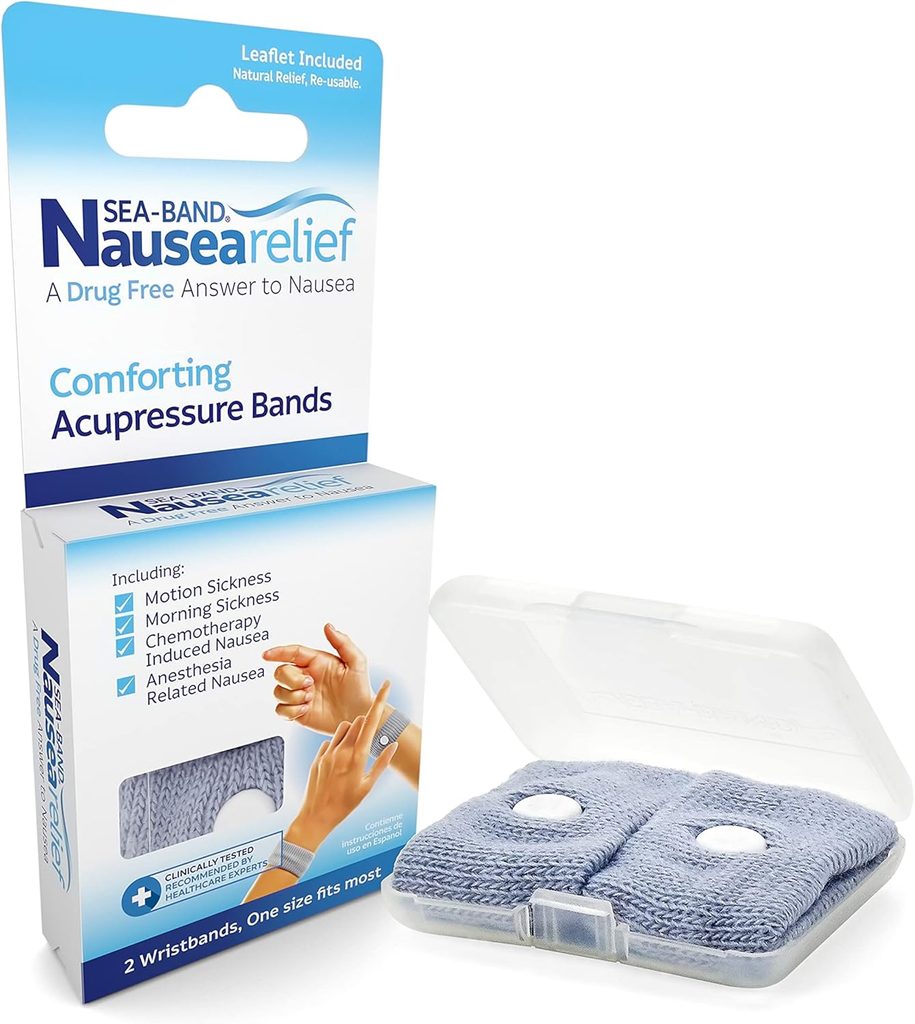
Seasickness medication is the one item where people consistently say “I never get seasick” and then need it. The Galapagos is open Pacific. Inter-island crossings and the overnight sail north to Darwin and Wolf on a liveaboard are real ocean passages. Bring Bonine (meclizine) or Dramamine (dimenhydrinate) regardless of your history. Take it the evening before an overnight crossing, not after you already feel ill. A scopolamine patch behind the ear is the strongest option for travelers who are seriously prone to motion sickness.
What to pack changes slightly depending on which cruise class and itinerary you book. A western itinerary in the cool season requires different exposure protection from an eastern itinerary in February. A dive liveaboard has different gear requirements from a naturalist cruise. If you want a packing list tailored to your specific cruise and dates, we can provide one. Fill out this short form and we will send you a customized list alongside your cruise recommendations.
Still worried seasickness might be the thing that ruins your Galapagos trip? This guide on how to avoid seasickness gives you a straight answer on what works and what doesn’t.
What Clothing Should You Pack for a Galapagos Cruise?
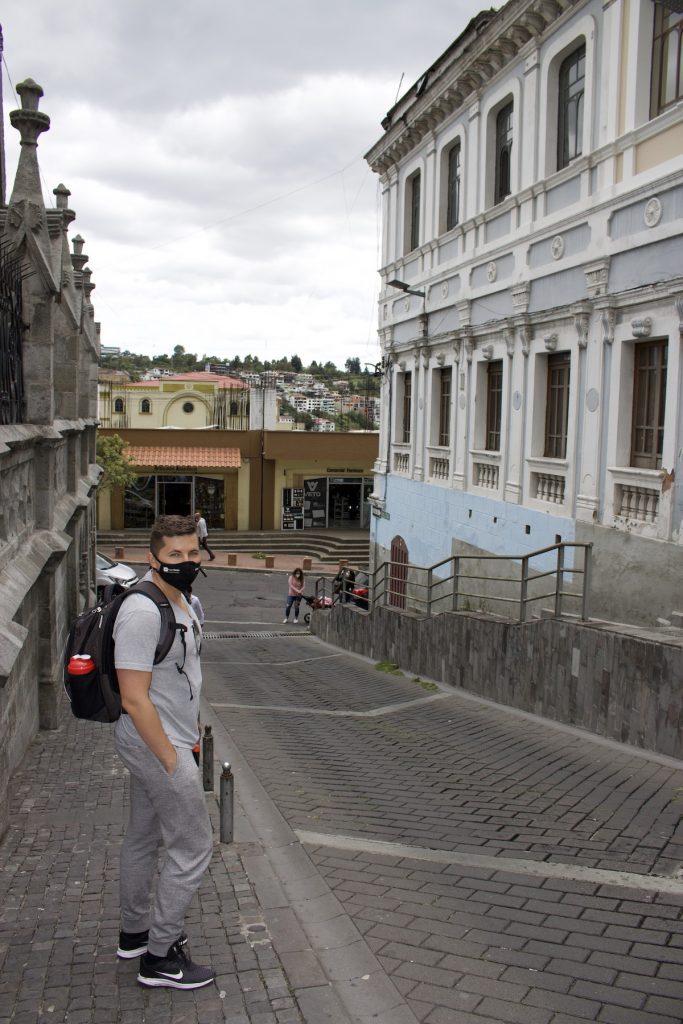
Pack lightweight, quick-dry clothing in neutral tones (khaki, grey, olive, navy). Bright colors can disturb wildlife. Cotton is a poor choice in the humid equatorial conditions: it stays wet when it gets wet, which is daily. Three to four quick-dry shirts, two to three pairs of convertible pants or shorts, two swimsuits, one lightweight long-sleeve layer, one light rain jacket, and a rash guard covers a full week. No formal wear is needed on any Galapagos cruise vessel.
The neutral-color guidance is a GNPD recommendation that Ecoventura and other operators repeat in their pre-trip documentation. Bright colors, particularly red, orange, and yellow, can trigger defensive or stress responses in some bird species during nesting. It is not a hard rule enforced at the gangway, but it is a real consideration for travelers who want to observe wildlife without influencing behavior.
The quick-dry requirement is practical rather than aspirational. On a Galapagos cruise, your clothing gets wet: wet landings soak your feet and calves, snorkeling soaks your swimwear and rash guard, panga spray catches your shirt on a rough crossing. A cotton T-shirt in 80 percent humidity on the equator does not dry before the next excursion. A synthetic quick-dry shirt dries in under an hour hanging in your cabin. The difference matters across an active week.
Layer planning replaces wardrobe planning. The Galapagos temperature range across an 8-day cruise runs from comfortable warm (28°C in the warm season) to genuinely cool and windy (18°C at deck level on a western itinerary in July). A lightweight fleece or merino long-sleeve that goes under your rain jacket covers the whole range. One pair of warmer pants in the bottom of your bag handles cool evenings and higher-altitude sites like the Santa Cruz highlands without adding significant weight.
We’ve got a full breakdown on what to wear on a Galapagos cruise if you want to know exactly which clothing, footwear, and layers make the most sense across different weather conditions and activity types.
What Footwear Do You Need for a Galapagos Cruise?
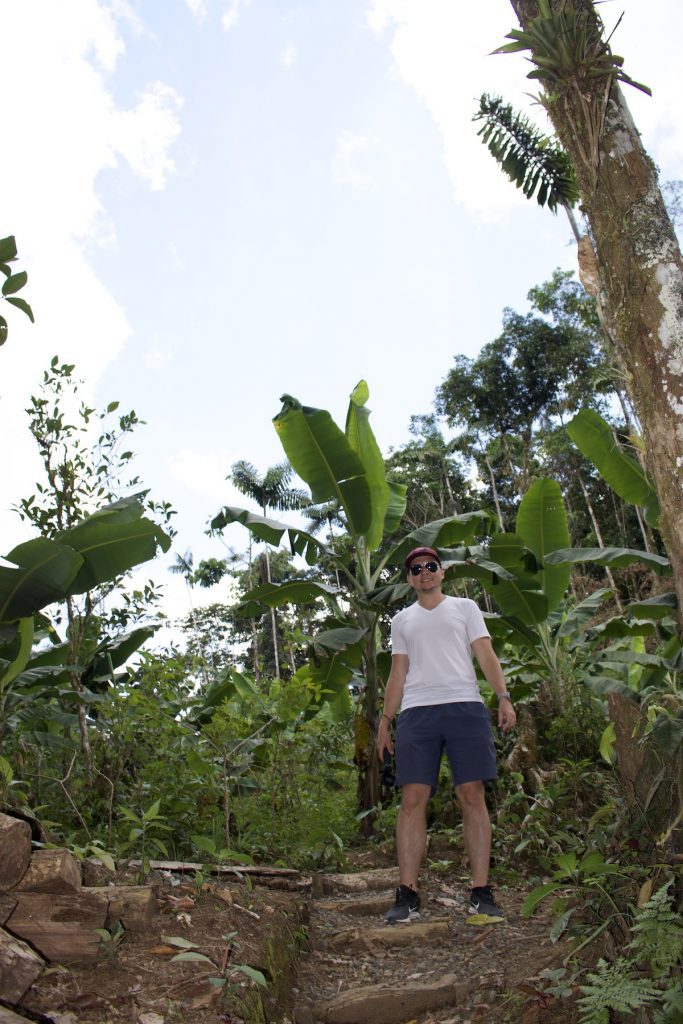
Two types of footwear are essential for a Galapagos cruise: closed-toe hiking shoes or trail runners with real traction for lava-cobble trails, and water sandals with a heel strap (Teva or Keen Newport style) for wet landings. A third pair of light deck shoes or sandals for on-board use completes the set. Flip-flops and smooth-soled sandals are inadequate for Galapagos terrain.
The wet landing footwear question comes up before every single landing. When the guide announces a wet landing, guests wearing hiking boots need to either remove them and wade in socks (a bad idea on slippery volcanic sand) or bring the hiking shoes in their dry bag and change on shore. The practical solution is water sandals: you wade through the surf with the sandals on, dry your feet on the towel the crew provides, then change into hiking shoes from your pack before the walk starts. The sandals go in a stuff sack in your daypack for the rest of the excursion.
Hiking shoes need genuine rubber traction. The lava fields in the Galapagos range from smooth and glassy to jagged and completely unpredictable, and wet volcanic rock near the shore is slick in a way that city walking shoes cannot handle. Trail runners with a Vibram or similar rubber outsole are the most practical choice: lighter than hiking boots, adequate traction, and durable enough for daily use on abrasive lava. Full ankle-support hiking boots are worth packing if you have weak ankles or are not sure-footed on uneven terrain, but they are heavier than most travelers need.
All shoes worn ashore go into a bin near the vessel’s boarding platform on return, kept there between landings. The shoe bin can get damp and fragrant across a week. Quick-dry materials in your water sandals and breathable fabrics in your hiking shoes mitigate this. A small breathable shoe bag inside your main luggage keeps the lava grit contained after the cruise when you are flying home.
What Gear and Equipment Should You Bring?
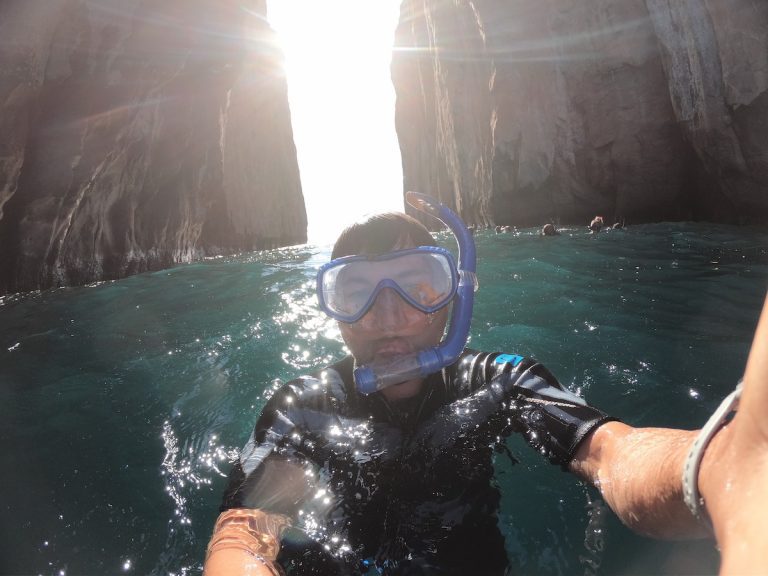
The essential gear for a Galapagos cruise beyond clothing is a dry bag, a 15 to 20 liter daypack, binoculars, a camera with spare batteries and cards, a reusable water bottle, and a personal snorkel mask if fit matters to you. Optional but worthwhile: trekking poles for guests who are not confident on uneven terrain, a GoPro for snorkeling, and paddling gloves if kayaking sessions are on your itinerary.
Binoculars earn their place on every excursion. The GNPD 2-meter rule means you cannot approach wildlife, but wildlife approaching you is not guaranteed at every site. A compact 8×42 or 10×42 pair brings distant birds and marine mammals into focus without the weight of a telephoto lens. Many luxury vessels provide binoculars in the cabin, but confirming this before departure lets you decide whether to bring your own.
The reusable water bottle is both practical and required by context. Galapagos vessels provide fresh water for refilling throughout the day. Buying single-use plastic water bottles is banned across the archipelago: single-use plastics were prohibited in the Galapagos Islands by Ecuadorian government decree. A 750ml to 1L insulated bottle keeps water cool during morning hikes on exposed lava in direct equatorial sun, when staying hydrated is not optional.
A personal snorkel mask is the gear upgrade with the clearest return on investment. Rental masks are shared, often degraded, and frequently do not seal well on every face shape. A fogging mask during a snorkel session at Kicker Rock with hammerheads below you costs you the experience. A well-fitted personal mask costs $25 to $60 and eliminates the problem entirely. If you wear prescription lenses, prescription masks are available online from multiple suppliers for $30 to $80 and transform the snorkeling experience completely.
Want to maximize your photography without overpacking a camera bag you’ll be hauling on wet landings? Our guide to the best camera gear for a Galapagos cruise covers what actually matters on the water.
What Toiletries and Health Items Are Essential?
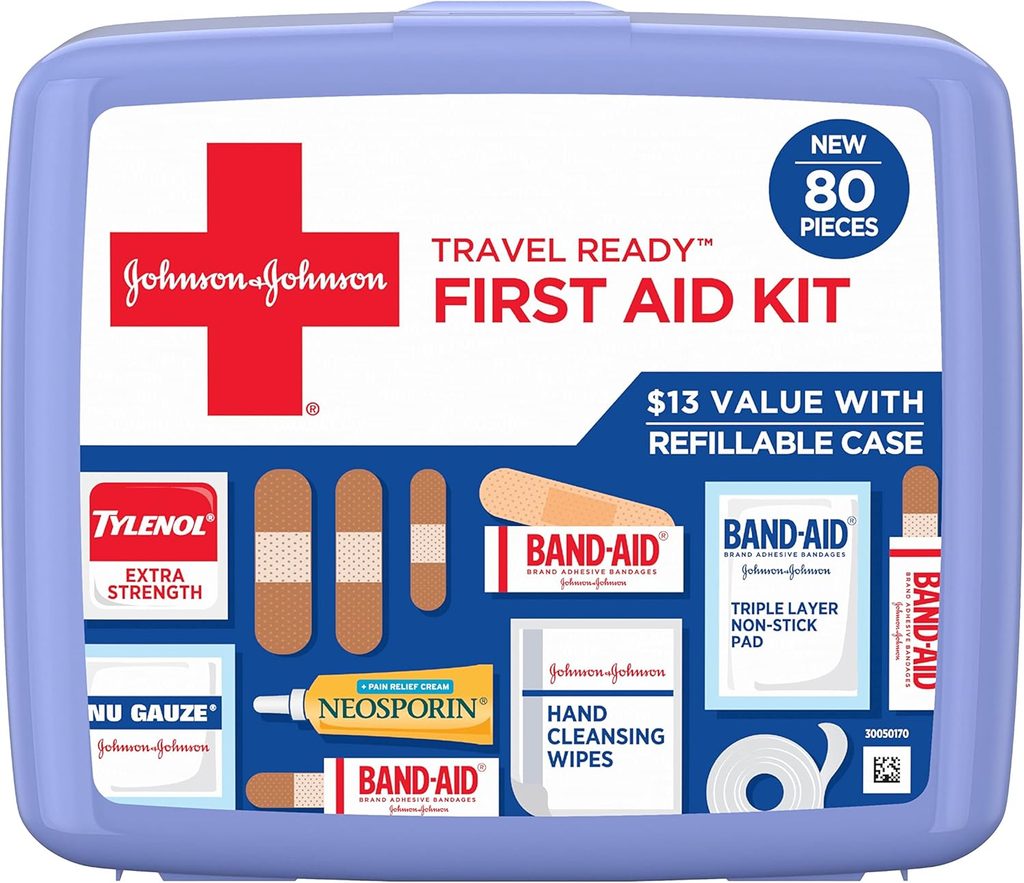
The health and toiletry essentials for a Galapagos cruise are reef-safe mineral sunscreen (SPF 50+), seasickness medication, personal prescription medications with a surplus supply, insect repellent (eco-friendly or DEET-free), aloe vera for sun exposure, and a basic personal first aid kit. The Galapagos islands have limited pharmacies. Bring everything you need from home.
The pharmacy situation is genuinely limited. Puerto Ayora on Santa Cruz has pharmacies, but your cruise schedule may give you limited shore time in town, and specialty items (prescription medications, specific brands of seasickness medication, prescription mask inserts) are often unavailable. Bring personal prescription medications in quantities that exceed your trip length by several days, stored in your carry-on bag rather than checked luggage.
Insect repellent is a situational item rather than a daily necessity for most sites. Mosquitoes are not a major concern across most of the archipelago. Horseflies are more prevalent on certain vegetated trails, particularly in the warm season. A small eco-friendly or DEET-free repellent handles the occasional trail situation without adding significant weight or creating chemical concerns near wildlife.
The Sworn Declaration Form, required by Ecuadorian biosecurity regulations for all travelers to the Galapagos, must be completed online within 48 hours of departure. It asks whether you have visited farms, zoos, or protected areas with domestic or wild animals in the 72 hours before travel, and declares that you are not carrying fresh food, plants, seeds, or other biosecurity-relevant items. This is a legal requirement, not a suggestion, and officers at the Galapagos airport review the form.
First-time Galapagos travelers frequently ask us for a trip-specific packing list, and we are happy to provide one alongside any cruise recommendation we make. The right packing list depends on your itinerary, the season you are traveling, the cruise class, and whether you are combining the Galapagos with mainland Ecuador. Reach out here and we will include a customized list with your cruise options.
What Should You Leave at Home?
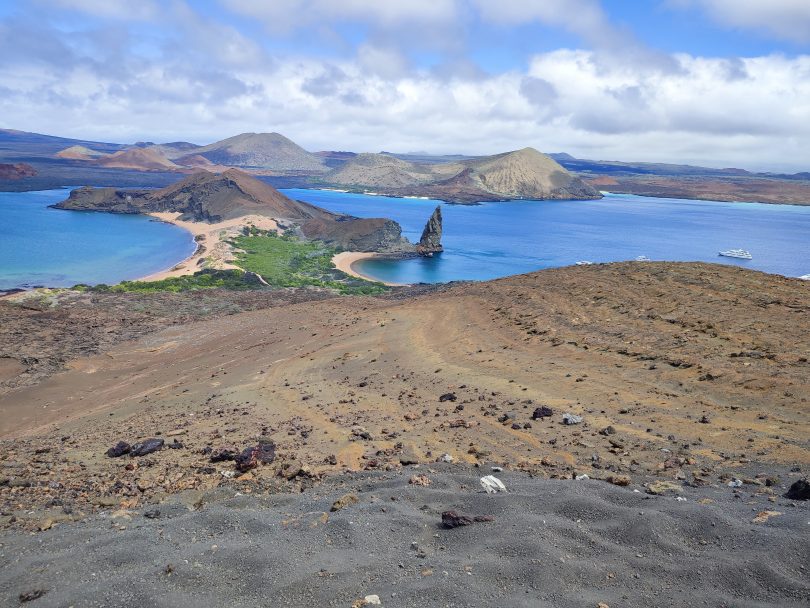
Leave behind drones (prohibited by GNPD), non-reef-safe sunscreen (can be confiscated), hard-shell suitcases (impractical in cabin storage and panga loading), formal wear (not needed on any vessel), single-use plastics (banned in the archipelago), fresh food and fruit (biosecurity prohibition), selfie sticks (discouraged by park guidelines and disruptive to wildlife), and anything you do not need for active outdoor use in a warm, wet, equatorial environment.
The drone prohibition is the one that causes the most expensive surprises. Drones are strictly prohibited in the Galapagos National Park and Marine Reserve. There is no recreational permit. Operators, guides, and cruise crew can all be fined if a guest flies a drone, which means enforcement is vigorous from the vessel side as well as the park side. Leave it at home.
Hard-shell suitcases create practical problems from the moment you arrive. They do not compress to fit under expedition bunks on smaller vessels. They are awkward to load into and out of pangas at uneven dock heights. And the domestic flight to the Galapagos enforces luggage weight limits strictly: any overage is charged at rates that travelers consistently describe as alarming. A 40 to 50 liter soft duffel that compresses when not full, combined with a 15 to 20 liter daypack for excursions, handles a full week on any vessel in any class without surplus.
Fresh food is prohibited by biosecurity regulations, not just discouraged. Fruits, vegetables, and seeds are restricted to prevent introduced species from reaching the archipelago’s fragile ecosystem. Your luggage will be inspected on arrival. Bring snacks that are processed and packaged (energy bars, nuts in factory-sealed bags) if you want to supplement the vessel’s food. Leave fresh produce on the mainland.
Not sure what to leave at home when packing for a Galapagos cruise or which items are banned, pointless, or just dead weight? Here’s a straight breakdown on what not to bring on a Galapagos cruise.
How Much Luggage Can You Bring on a Galapagos Cruise?
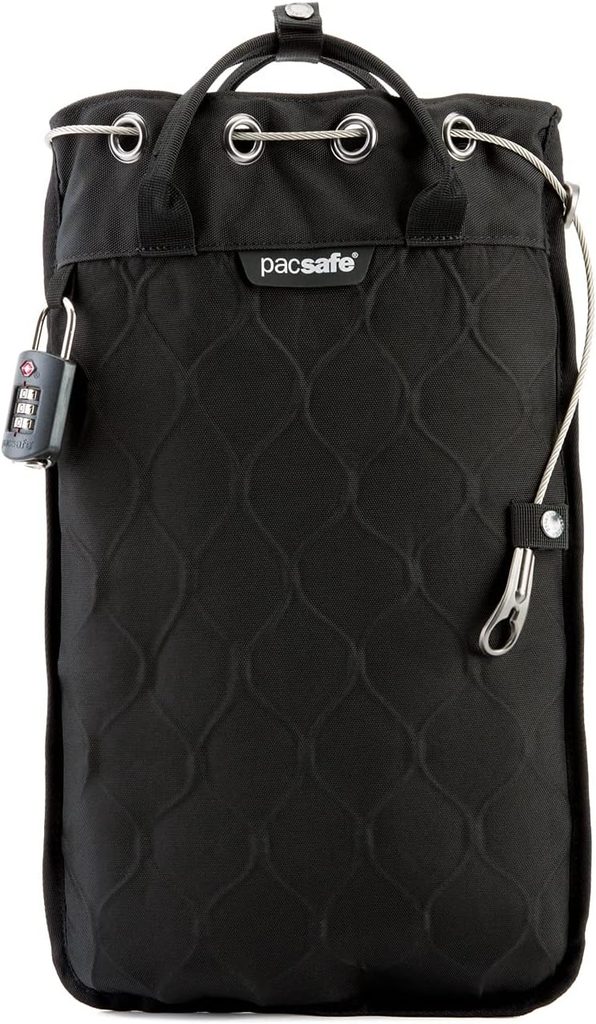
The domestic flight from Quito or Guayaquil to the Galapagos typically allows one checked bag of 20 to 23 kg and a carry-on of 7 to 10 kg. Airlines enforce these limits strictly on this route. Cabin storage on Galapagos cruise vessels is limited, particularly on smaller yachts. A 40 to 50 liter soft-sided duffel plus a 15 to 20 liter daypack is the recommended combination for any cruise class.
| Luggage Type | Typical Limit | Notes |
|---|---|---|
| Checked bag (domestic flight) | 20 to 23 kg (44 to 50 lbs) | Strictly enforced. Overage fees are significant. Weigh before departure. |
| Carry-on bag (domestic flight) | 7 to 10 kg (15 to 22 lbs) | Must fit overhead bin or under seat. Strictly enforced on some carriers. |
| Recommended main bag | 40 to 50 liter soft duffel | Fits under bunks, compresses when empty, no hard frame to create panga loading problems. |
| Daypack for excursions | 15 to 20 liters | Carries dry bag, water, camera, extra layer, sunscreen, and footwear for wet landing changeovers. |
| Hard-shell suitcase | Not recommended | Impractical in cabin storage, difficult in pangas, no advantage over a soft bag for this type of trip. Some vessels cannot accommodate them at all. |
Weight limits vary by airline and booking class. Confirm with your airline before travel. Verified September 2026.
If you are combining the Galapagos cruise with time in Quito or Guayaquil before or after, the standard strategy is to leave a larger suitcase with your mainland hotel while you cruise. Most hotels will store luggage during your time in the islands. You fly to the Galapagos with only what you need for the cruise, which keeps you under the domestic weight limits and eliminates the cabin storage problem entirely.
Trying to decide between Quito and Guayaquil as your entry point before a Galapagos cruise? Here’s the guide on flying into Quito or Guayaquil so you make the right call for your schedule and budget.
What Travelers Wish They Had Packed (Our Data)
From feedback collected through mytrip2ecuador.com and our YouTube audience, here is what travelers most consistently named as packing regrets after returning from a Galapagos cruise:
| Regret | % Who Named It | Pattern Observed |
|---|---|---|
| Non-compliant sunscreen confiscated | 22% | One in five travelers reported having sunscreen confiscated at the Galapagos airport. Buying compliant sunscreen on the islands is possible but expensive and limited in brand selection. |
| Only one type of footwear | 38% | Travelers who brought only hiking shoes had uncomfortable wet landings; those who brought only sandals struggled on lava-cobble trails. Two types eliminates the problem entirely. |
| No dry bag | 31% | Travelers who relied on their daypack’s water resistance alone reported wet camera gear, soaked documents, and damaged phones on rough panga crossings. |
| Not enough camera batteries or cards | 47% | Nearly half of photography-focused travelers ran low on battery or card space before the end of the trip. Day one consistently uses more than travelers expect. |
| No seasickness medication | 19% | Travelers who “never get seasick” and skipped the medication made up a consistent proportion of those who reported difficult inter-island crossings. The western Bolivar Channel and the sail to Darwin are genuine ocean passages. |
Frequently Asked Questions
Is reef-safe sunscreen really required in the Galapagos?
Yes. The GNPD prohibits sunscreens containing oxybenzone and octinoxate, chemicals harmful to marine ecosystems. Enforcement at the airport is real: non-compliant sunscreen can be confiscated. Use mineral-based sunscreens with zinc oxide or titanium dioxide as the active ingredient. SPF 50 or higher is recommended given the equatorial UV index.
Can I bring a hard-shell suitcase on a Galapagos cruise?
Technically yes, but it is strongly inadvisable. Hard-shell suitcases are difficult to store in small vessel cabins, awkward to load into pangas, and impractical when the domestic flight weight limits force you to pack light anyway. A 40 to 50 liter soft duffel plus a daypack handles any Galapagos cruise comfortably.
Do I need to bring my own snorkeling mask?
Not required. Masks, snorkels, and fins are provided on all mid-range to luxury cruise vessels at no extra cost. Bringing your own mask is recommended if fit and seal quality matter to you: rental masks are shared and often do not seal well on every face. A personal mask costs $25 to $60 and eliminates fogging and leaking issues entirely.
What is the luggage weight limit for the flight to the Galapagos?
Typically one checked bag of 20 to 23 kg (44 to 50 lbs) and a carry-on of 7 to 10 kg (15 to 22 lbs) on the domestic flight from Quito or Guayaquil. Airlines enforce these limits strictly on this route. Weigh your bags before departure. Overage fees are significant.
Are drones allowed in the Galapagos?
No. Drones are prohibited in the Galapagos National Park and Marine Reserve without a specific GNPD commercial permit, which is not available for recreational use. The prohibition is enforced by park rangers, airline staff, and cruise operators. Leave your drone at home.
Want a Packing List Built for Your Specific Galapagos Cruise?
The right packing list depends on your itinerary route, the season, the cruise class, and whether you are combining the Galapagos with mainland Ecuador. We put together customized packing lists for every traveler we work with, alongside cruise recommendations tailored to what they are looking for. Cruises To Galapagos Islands is rated 4.9 stars on Google and TripAdvisor. Every quote and conversation is free and comes with no commitment. Fill out the contact form and we will get back to you with the right cruise and the right packing list for your trip.
Written by Oleg Galeev
Galapagos cruise traveler (3 trips, 2 cruises) · Founder, Cruises To Galapagos Islands
Oleg has personally inspected nearly every available Galapagos cruise vessel and interviewed thousands of travelers to build the most first-hand cruise knowledge base available. He also runs the Ecuador travel blog mytrip2ecuador.com and the YouTube channel My Trip to Somewhere.
Cruises To Galapagos Islands is rated 4.9 stars on Google and TripAdvisor.
All regulations and restrictions cited in this article are verified against official Galapagos National Park and Ecuador government sources as of the publish date.