
Medical Disclaimer: This article provides general guidance on seasickness prevention only. It is not medical advice and does not replace a consultation with your doctor. Consult your physician before taking any medication, particularly if you have a pre-existing health condition, are pregnant, or are planning to take medications for a child. Side effects and drug interactions vary by individual.
Quick Summary
Seasickness on a Galapagos cruise is real but manageable, and for most travelers it is mild or absent. The waters are generally calm, the vessel sails overnight between islands while you sleep, and the excursions happen on shore or in sheltered bays. The roughest conditions occur on the Bolivar Channel (western itinerary), the crossings to Genovesa and Espanola, and between July and November when the Humboldt Current increases swell. The most effective prevention is taking medication before you feel ill. Bonine (meclizine) is the best all-day over-the-counter option; prescription Scopolamine patches are the strongest for seriously prone travelers. A lower-deck, central cabin reduces motion by 30 to 40 percent compared to bow or stern cabins on upper decks.
Seasickness Prevention: Quick Reference
| Method | Effectiveness | Key Timing | Notes |
|---|---|---|---|
| Bonine (meclizine) OTC | Good | 1 hour before sailing | Best all-day OTC option. Less sedating than Dramamine. Once-daily dosing. Not for children under 12. |
| Dramamine (dimenhydrinate) OTC | Good | 30 to 60 minutes before sailing | Faster-acting than Bonine. More sedating. Safe for children 2 and older at appropriate doses. Consult your doctor for children. |
| Scopolamine patch (prescription) | Strongest available | Apply behind ear 4 hours before sailing | Lasts 72 hours. Best for seriously prone travelers. Prescription required. Not safe for children. Side effects include dry mouth and blurred vision. Test before the trip. |
| Acupressure wristbands (Sea-Bands) | Mild to moderate | Wear before boarding | No side effects. Useful as a supplement to medication. Evidence is mixed but many travelers report benefit. |
| Ginger (supplements or candies) | Mild | Before and during sailing | No side effects. Best for mild susceptibility or as a supplement to medication. Crystallized ginger is easy to pack. |
| Lower-deck central cabin | Good (non-pharmaceutical) | Request at booking | Significantly reduces motion compared to bow, stern, or upper-deck cabins. Most operators accommodate this request at no extra charge. |
| Eastern itinerary / warm season | Good (planning) | Decide at booking | Eastern routes (December through May) have the calmest conditions. The Bolivar Channel and crossings to Genovesa/Espanola are the roughest passages. |
General guidance only. Consult your doctor before taking any medication. Verified September 2026.
How Bad Is Seasickness on a Galapagos Cruise?
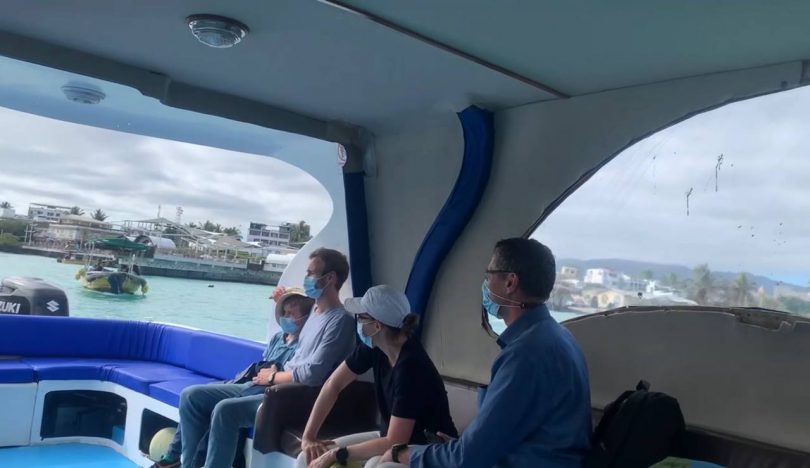
For most travelers, seasickness on a Galapagos cruise is mild or not experienced at all. The waters around the islands are generally calm, the vessel sails overnight between sites while you sleep, and excursions happen in sheltered anchorages. In one operator’s survey of over 500 travelers, only 2.6 percent rated seasickness as a significant trip issue. The risk is real but the severity is frequently overstated, particularly by travelers who have never been on a small vessel in open water before.
The Galapagos is not the Drake Passage. The islands sit in the Pacific, 600 miles off the coast of Ecuador, and the prevailing conditions around most visitor sites are calm, sheltered anchorages in volcanic bays. The overnight passages between islands happen while you sleep. The morning excursion launches from a stable anchorage. The afternoon snorkel is in a protected cove. Most of the time, most of the day, the vessel is not moving in a way that creates motion discomfort.
The exceptions are specific and predictable. The Bolivar Channel between Isabela and Fernandina on the western itinerary is the roughest regular passage in the archipelago, particularly between July and November when the Humboldt Current pushes swell against the prevailing winds. The overnight crossings to Genovesa in the northeast and to Espanola in the south can be rolly depending on the swell direction. The liveaboard sail north to Darwin and Wolf is 18 hours of open Pacific. These are the passages that travelers who are seriously prone to seasickness should plan around, not the typical day-to-day cruise experience.
The psychological component is worth naming. Anticipation of seasickness, particularly in travelers who have been sick on boats before, creates anxiety that genuinely exacerbates symptoms. Anxiety increases the brain’s sensitivity to motion signals. Travelers who board a Galapagos cruise having catastrophized the experience consistently report more difficulty than those who board prepared but not preoccupied. Preparation (medication, cabin choice, ginger) handles the physiological risk. A realistic expectation of what the conditions actually are handles the rest.
The roughness of a specific cruise depends significantly on which route you book and which vessel you choose. If seasickness is a genuine concern for your group, that conversation needs to happen before you select an itinerary rather than after you board. Fill out this short form and we will match you with the route and vessel combination that minimizes your seasickness risk without sacrificing the wildlife experience you came for.
Which Medications Work Best for Seasickness on a Galapagos Cruise?
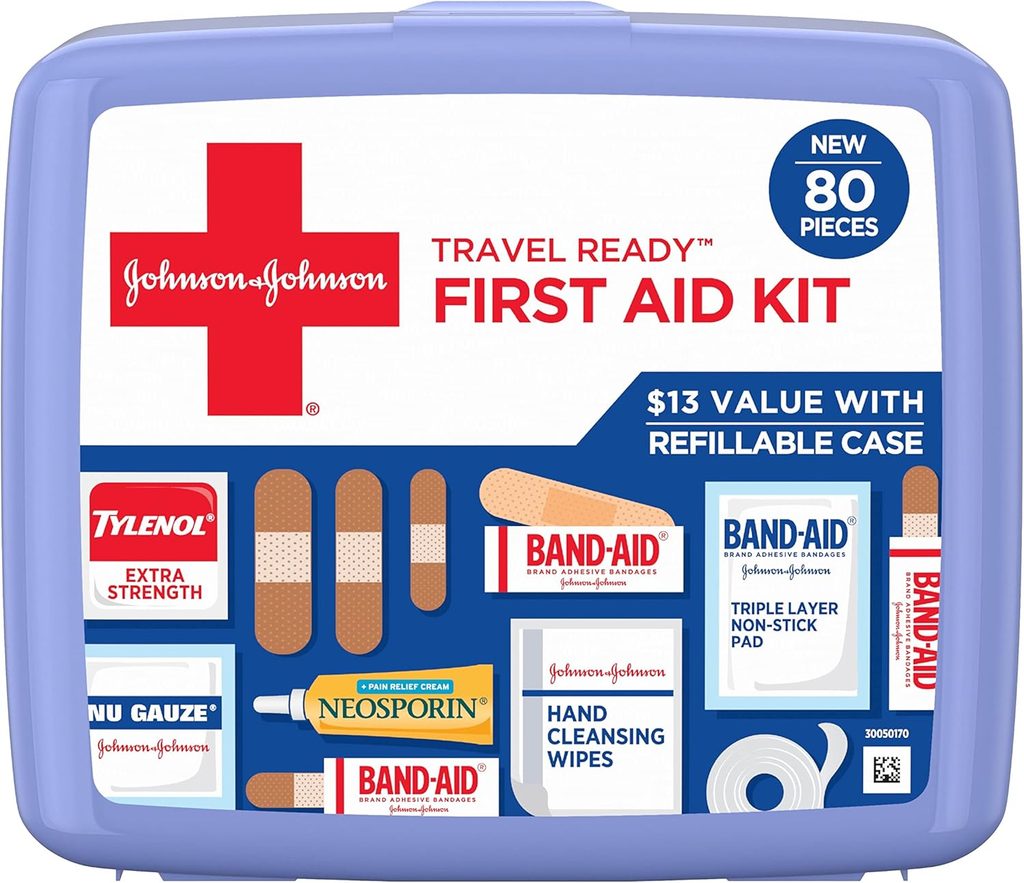
The three medication options for Galapagos cruise seasickness are: Bonine (meclizine, OTC) for all-day prevention with minimal drowsiness; Dramamine (dimenhydrinate, OTC) for faster-acting relief with more sedation; and prescription Scopolamine patches for serious susceptibility and multi-day protection. All three work significantly better when taken before symptoms begin. Taking medication after you feel nauseated is substantially less effective than taking it prophylactically.
Bonine is the go-to recommendation for Galapagos cruise travelers because it combines adequate effectiveness with once-daily dosing and lower sedation than Dramamine. You do not want to miss a morning excursion because your seasickness medication has left you groggy. Bonine’s meclizine base is less sedating than dimenhydrinate, which matters when you have two active excursions in a day that start at 6:30 a.m. One traveler with severe seasickness susceptibility described it: “I took Bonine the evening before every expected rough crossing, and I was functional the next morning. I could not have said the same on Dramamine.”
Scopolamine patches are the right choice for travelers who have been incapacitated by seasickness on other voyages and do not trust over-the-counter options. A single patch applied behind the ear provides up to 72 hours of continuous protection. The patch requires a prescription in most countries. The side effects, most commonly dry mouth and occasionally blurred vision, affect some users significantly: it is strongly recommended to test the patch at home for one day before the trip to understand how your body responds. Scopolamine is not appropriate for children, and the residue on your fingers after handling the patch can cause pupil dilation if it contacts your eyes. Wash hands thoroughly after application.
The timing rule applies to all three options and is the single most important practical detail: take the medication before you feel ill, not after. Bonine and Dramamine should be taken 1 to 2 hours before a crossing. The Scopolamine patch should be applied 4 hours before sailing. Many experienced Galapagos travelers take their evening dose of Bonine before going to bed, which covers the overnight crossing while they sleep and maintains protection into the morning excursion without requiring a morning dose that might still be causing peak drowsiness at 7 a.m.
Not every Galapagos itinerary has the same rough-crossing profile. A traveler who is seriously concerned about seasickness medication and wants to know which specific crossings on a given route are most likely to be rough is asking exactly the kind of pre-trip question we answer regularly. Reach out here and we will give you an honest picture of what to expect on the specific route you are considering.
We’ve got a full breakdown on Galapagos cruise health requirements if you want to know exactly what medical documentation operators ask for and what conditions might affect your ability to participate in certain activities.
Which Galapagos Cruise Routes and Seasons Are Roughest?
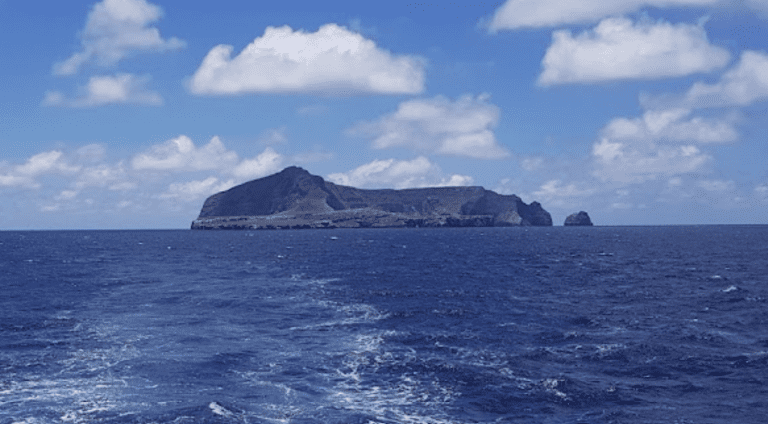
The roughest passages on a Galapagos cruise are the Bolivar Channel (western itinerary, between Isabela and Fernandina), the crossing to Genovesa in the northeast, and the overnight sail to Espanola in the south. The roughest season is July through November, with September and October being the peak. January through June delivers the calmest conditions. Eastern itineraries have significantly less rough-water exposure than western or northern routes.
| Route / Passage | Seasickness Risk | Roughest Season | Notes |
|---|---|---|---|
| Eastern itinerary (Santa Cruz, San Cristobal, Espanola, Floreana) | Low to moderate | Sept to Oct (but manageable) | Calmest overall route. Best choice for seasickness-prone travelers. Crossing to Espanola can be rolly depending on swell direction. |
| Western itinerary (Isabela, Fernandina, Santiago) | Moderate to high | Jul to Nov | Bolivar Channel between Isabela and Fernandina is the roughest regular passage in the archipelago. Wind against Humboldt Current creates significant swell July to November. |
| Northern extension (Genovesa) | Moderate | Jul to Nov | Long overnight crossing northeast from Santa Cruz. Reported by travelers as one of the roughest standard crossings. Experienced travelers take medication the evening before departure. |
| Liveaboard to Darwin and Wolf (northern circuit) | High | Jul to Oct | 18-hour open Pacific sail. The roughest passage in Galapagos cruise options. Scopolamine strongly recommended for susceptible travelers. |
| Central islands (Bartolome, North Seymour, Rabida) | Low | Year-round calm | Short crossings in sheltered waters. Generally the calmest navigation on any standard itinerary. Anchored in protected bays overnight. |
Conditions vary by year and weather. These ratings reflect average seasonal patterns. Verified September 2026.
The season variable interacts with the route variable in ways that matter for planning. A western itinerary in February is a different seasickness experience from a western itinerary in August. The Bolivar Channel in February, in the warm season, can be flat. The Bolivar Channel in August, with the Humboldt Current pushing cold water against southeast trade winds, produces the conditions that make the phrase “the roughest water in the archipelago” accurate. Travelers who specifically want the wildlife of the western islands but are seriously concerned about seasickness should target the warm season window from January through May to minimize the exposure without sacrificing the destination.
Which Vessel Type and Cabin Location Reduces Seasickness?
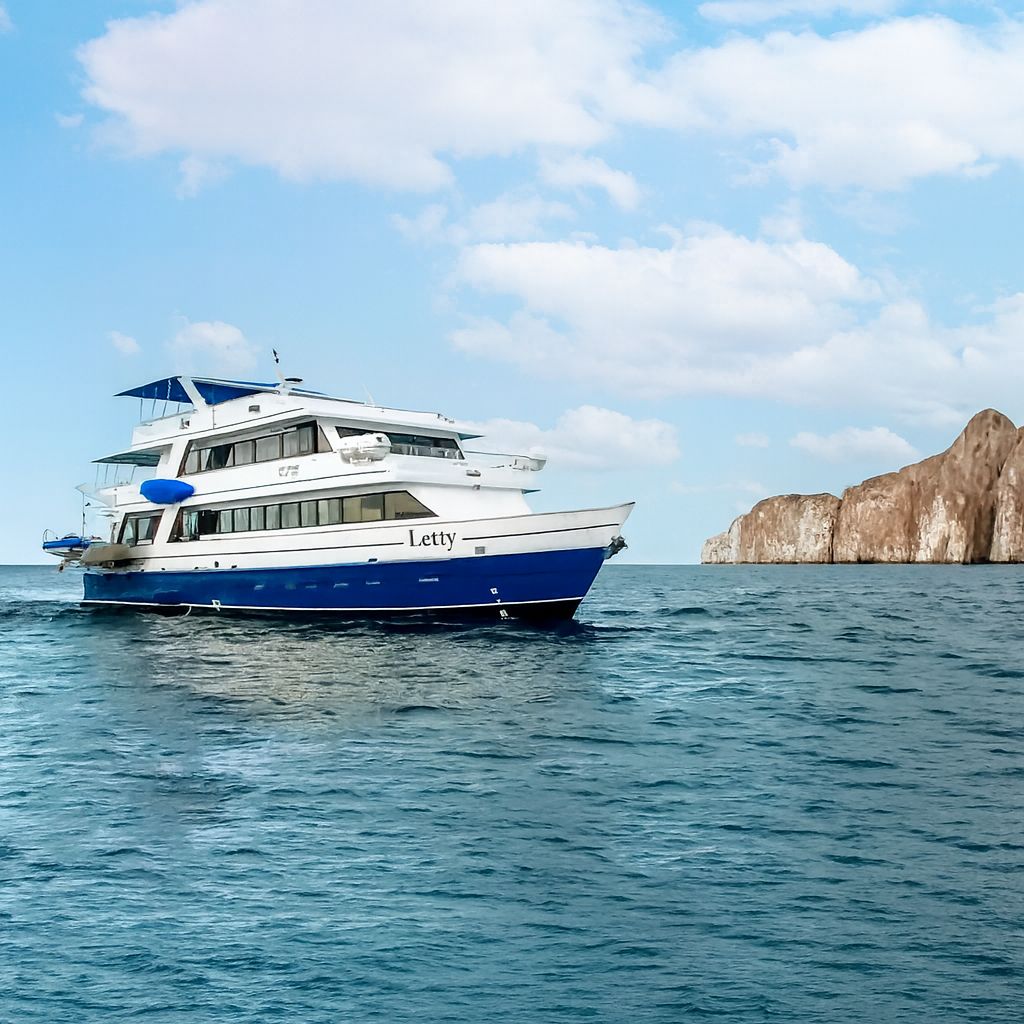
Cabin location is the most controllable non-pharmaceutical variable for seasickness on a Galapagos cruise. Lower-deck, central (amidships) cabins experience significantly less motion than bow, stern, or upper-deck cabins. On hull type: catamarans reduce rolling motion but can produce a pitching slap in head-on swells. Monohulls rock more gently but with more sustained roll. Neither is universally better; what matters more is cabin placement, vessel weight, and modern hull stabilization.
The cabin location principle is consistent and well-supported: the lower and more central a cabin sits on the vessel, the closer it is to the vessel’s center of gravity, and the less it amplifies the wave-driven motion of the hull. A bow cabin on the upper deck of a 16-passenger yacht in the Bolivar Channel moves significantly more than a lower-deck central cabin on the same vessel. Requesting a lower-deck, central cabin when you book is a simple, free, and consistently effective measure that operators accommodate regularly. State your seasickness concern explicitly when requesting, and confirm the cabin placement when the booking is confirmed.
The catamaran vs. monohull question is more nuanced than the marketing suggests. Catamarans are wider and have two hulls, which reduces rolling motion in beam seas. This is where the “catamarans are more stable” reputation comes from. However, in head-on swells, catamarans can pitch and slap the underside of the connecting deck between the two hulls in a way that many passengers find as uncomfortable as rolling, and in some cases more so. Marine architects have noted that in the shorter sea conditions typical of the Galapagos, the distinction between catamaran and monohull is less clear-cut than in open-ocean passages. A well-designed monohull with appropriate ballasting can be as comfortable as or more comfortable than a catamaran in Galapagos conditions, depending on the direction and period of the swell.
The one consistent pattern worth noting: larger vessels are not automatically more stable in the Galapagos. The 100-passenger cap means even the largest permitted vessels are small by cruise standards. Some have bow anchors only, which allows the vessel to swing and bob at anchor in choppy conditions. Smaller vessels with fore and aft anchoring systems stay more stable at anchor. This is a detail worth asking about when evaluating specific vessels for seasickness-prone travelers.
The vessel and itinerary combination that minimizes seasickness risk for a specific traveler profile is a planning conversation we have regularly. If you or someone in your group has a history of motion sickness and wants to know which specific vessels and routes we recommend for the lowest exposure, we can give you a direct and specific answer. Send us a message here and we will build the recommendation around your situation.
What Natural Remedies Help With Seasickness?
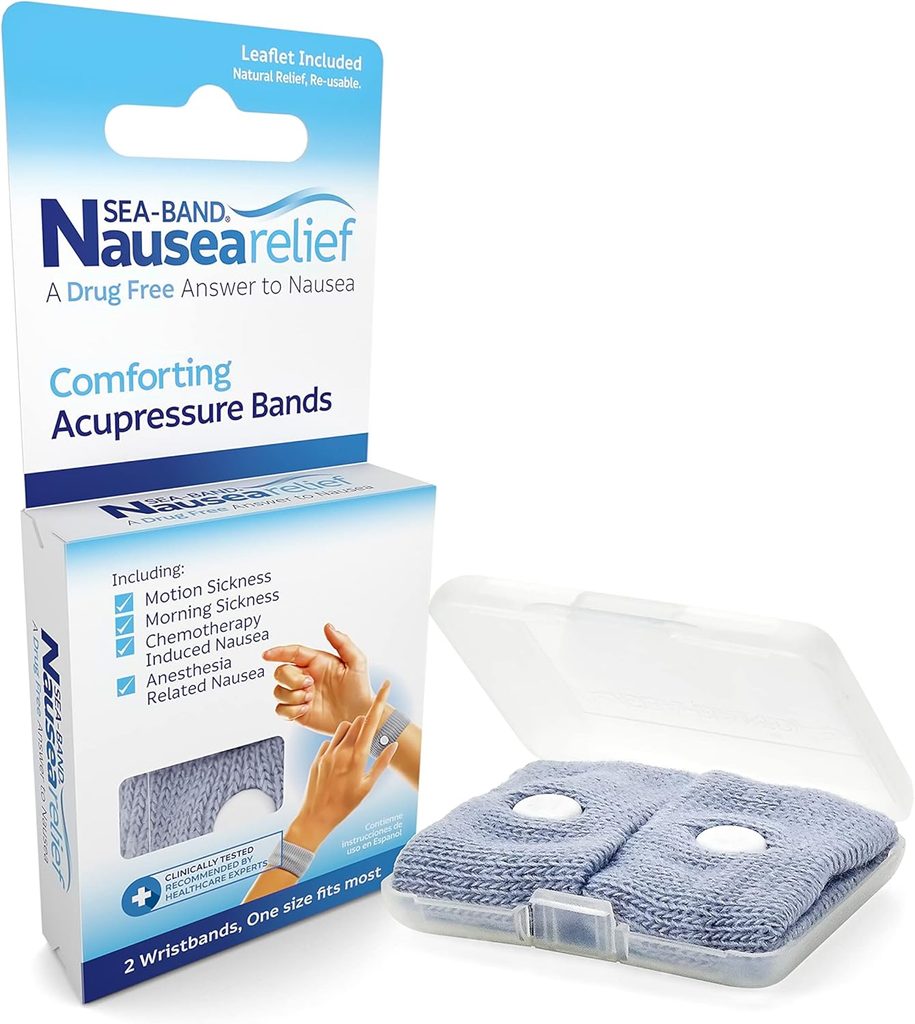
The natural remedies with the most consistent traveler support are ginger (supplements, crystallized ginger, or ginger candies), acupressure wristbands (Sea-Bands), fresh air and a fixed horizon focus, and staying hydrated with light food. None of these replace medication for seriously prone travelers, but they are useful supplements, produce no side effects, and are the right first-line approach for travelers with mild susceptibility.
Ginger has a reasonable evidence base for mild nausea reduction and is the most practical natural option for a Galapagos cruise. Crystallized ginger pieces are lightweight, do not require water, and can be kept in a daypack for use during crossings. Ginger capsules or ginger chews accomplish the same thing in a more standardized dose. The effect is real but mild: ginger is not a substitute for Bonine or Scopolamine in anything beyond moderate sea conditions, but it meaningfully reduces mild queasiness that medication alone might not fully suppress.
Acupressure wristbands (Sea-Bands) apply pressure to the Nei-Kuan point on the inner wrist, which some travelers report reduces nausea. The evidence for this is mixed in clinical studies but the practical cost is zero: no side effects, no drug interactions, simple to pack, and easy to wear throughout a crossing. Many experienced Galapagos travelers combine a wristband with a low dose of Bonine during rough nights as a belt-and-suspenders approach.
The behavioral factors matter as much as any supplement. Looking at the horizon from the vessel’s deck during a crossing gives your visual system a stable reference that helps reconcile the motion signals your inner ear is sending. Staying on deck rather than going below during rough passages is consistently better than lying in a cabin staring at a moving ceiling. Eating small, bland meals rather than a large dinner before an overnight crossing reduces the nausea trigger. Avoiding alcohol before crossings is worth stating plainly: alcohol significantly lowers the vestibular system’s tolerance for motion and is one of the most reliable ways to turn mild seasickness into a serious episode.
Packing for a Galapagos cruise has a few non-obvious requirements that catch first-timers off guard. Here’s a guide on what to pack for a Galapagos cruise so you show up with everything you need and nothing you don’t.
What Should You Do If You Get Seasick During the Cruise?
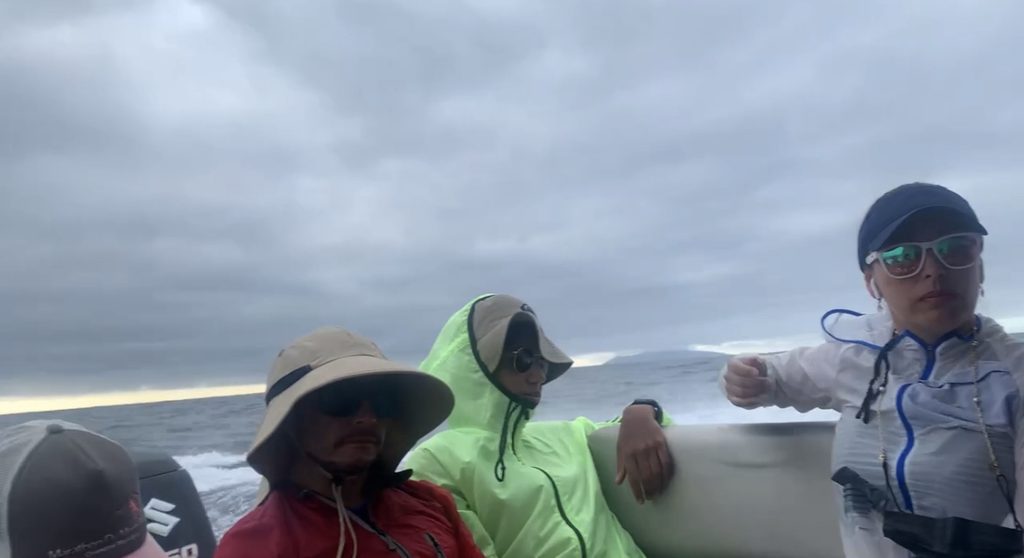
If you get seasick on a Galapagos cruise: get on deck and focus on the horizon, take medication if you have not already (even late medication reduces duration), move to a central lower-deck location, stay hydrated with small sips of water, eat lightly, and let the crew know. The crew manages seasick guests regularly and will help with cabin changes, medication, and positioning. Do not stay alone in a closed cabin: fresh air and a fixed visual horizon are the most reliable non-pharmaceutical relief available.
The instinct when nauseous is to go below and lie down in darkness. On a vessel in motion, this is consistently the wrong response. The cabin environment removes the visual horizon reference that helps your brain reconcile conflicting motion signals. Without a visible horizon, the conflict between what your eyes see (a stationary cabin) and what your inner ear feels (motion) intensifies. On deck, looking at the horizon, the visual and vestibular inputs align. Most travelers who move to the deck during a rough crossing find their symptoms reduce within 15 to 20 minutes.
Telling the crew is not admitting defeat. The crew on every Galapagos cruise vessel manages seasick guests regularly and has a standard response: checking on comfort, offering medication, considering cabin reassignment if a better-positioned cabin is available, and monitoring the guest’s hydration. Some vessels carry prescription-strength antiemetics for guests in serious distress; these are administered by the medical officer on vessels that carry one, or by radio guidance from mainland physicians on smaller vessels.
The one counterintuitive advice that works: if you are going to vomit, do not fight it. Allowing the nausea to resolve naturally rather than suppressing it with effort produces faster relief than sustained resistance. After vomiting, rehydrate with small sips of water, rest on deck with the horizon in view, and take your medication if you have not done so already. The most severe Galapagos crossings are typically 4 to 6 hours overnight. The discomfort, while unpleasant, is time-limited.
Can Seasickness-Prone Travelers Still Enjoy a Galapagos Cruise?
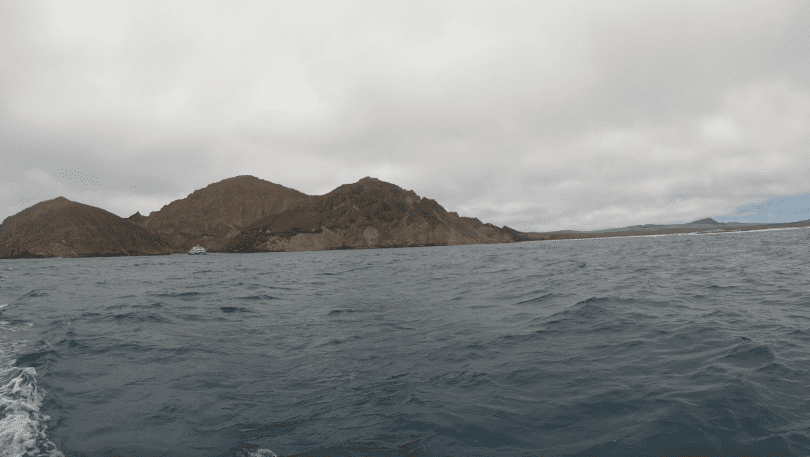
Yes. Travelers with a significant history of seasickness have completed and loved Galapagos cruises with the right preparation. The combination of a calm-season eastern itinerary, a lower-deck central cabin, proactive Scopolamine patch use, and the knowledge that the vessel is stationary in a sheltered anchorage for most of the excursion day produces a manageable experience even for travelers who have been incapacitated by motion sickness on other boats.
The most useful data point comes from one operator who surveyed over 500 Galapagos cruise travelers on seasickness. The results showed that only 2.6 percent rated it as having been a significant issue, with none rating it as severe enough to want to leave the vessel. The survey pool included travelers who had rated themselves as “very susceptible” to seasickness before departure. Preparation works.
The travelers who have the most difficulty are those who either arrive without any medication (relying on natural remedies alone for severe susceptibility), who take medication reactively after nausea has started, or who book a western or northern itinerary in the cool season without understanding the roughness profile. All three of these failures are preventable at the planning stage with the right information.
Land-based alternatives exist for travelers who genuinely cannot tolerate any vessel motion. A land-based stay on Santa Cruz or San Cristobal with day trips to accessible visitor sites gives you much of the Galapagos wildlife experience without the overnight passages. It is a different trip format with real trade-offs in access to remote sites, but it is a genuine option for travelers for whom any form of cruising is simply not viable.
What Travelers Say About Seasickness on Their Galapagos Cruise (Our Data)
From feedback collected through mytrip2ecuador.com and our YouTube audience, here is what travelers reported about seasickness on their Galapagos cruise:
| Finding | % Who Named It | Pattern Observed |
|---|---|---|
| Seasickness was not a significant issue | 77% | More than three quarters of travelers reported either no seasickness or symptoms mild enough to not affect their enjoyment of the cruise. |
| Medication taken proactively was effective | 88% | Of travelers who took medication before symptoms began, 88 percent reported it as effective. Of those who waited until they felt ill, the effectiveness rating dropped to 47 percent. |
| Bolivar Channel or Genovesa crossing was the worst moment | 61% | Of travelers who experienced any seasickness, more than half identified one of these two passages as the worst point. Both happen overnight, which reduces the impact if medication is taken before sleep. |
| Chose eastern itinerary specifically to avoid rough water | 34% | A significant proportion of travelers specifically selected an eastern route after being advised about the route roughness difference. Almost all reported being satisfied with that decision. |
| Cabin reassignment helped | 29% | Travelers who asked to be moved to a lower-deck central cabin after experiencing motion in their original cabin reported a meaningful reduction in symptoms after the move. Most operators accommodate this request when a cabin is available. |
Frequently Asked Questions
How likely am I to get seasick on a Galapagos cruise?
For most travelers, seasickness on a Galapagos cruise is mild or not experienced at all. In one operator’s survey of over 500 travelers, only 2.6 percent rated it as a significant issue. The vessel sails overnight between islands while you sleep, and excursions happen in sheltered anchorages. The risk is higher on western and northern itineraries and during the cool season (July through November).
What is the best medication for seasickness on a Galapagos cruise?
Bonine (meclizine) is the best all-day over-the-counter option: once-daily dosing with less drowsiness than Dramamine. Prescription Scopolamine patches provide 72-hour continuous protection for seriously prone travelers. All medications work significantly better when taken before symptoms begin. Consult your doctor about the right option for your health history before departure.
Which Galapagos cruise route is calmest for seasickness-prone travelers?
Eastern itineraries (Santa Cruz, San Cristobal, Espanola, Floreana) are the calmest overall. The Bolivar Channel on western itineraries and the crossing to Genovesa in the northeast are the roughest passages. The warm season (January through June) delivers calmer conditions than the cool season (July through November). Eastern itinerary in January through May is the lowest-risk combination for seasickness-prone travelers.
Does cabin location affect seasickness on a Galapagos cruise?
Yes, significantly. Lower-deck, central (amidships) cabins experience considerably less motion than bow, stern, or upper-deck cabins. Request a lower-deck central cabin when booking and state your seasickness concern explicitly. Most operators accommodate this at no extra charge when a suitable cabin is available.
What should I do if I feel seasick during a Galapagos cruise crossing?
Get on deck and focus on the horizon. Take medication if you have not done so already. Stay hydrated with small sips of water, eat lightly, and avoid alcohol. Tell the crew: they manage this regularly and can help with cabin changes, positioning, and medication. Do not stay alone in a closed below-decks cabin, as removing the visual horizon reference worsens symptoms.
Worried About Seasickness on a Galapagos Cruise?
The right combination of itinerary route, vessel choice, cabin placement, and medication preparation handles seasickness for the vast majority of travelers, including those with a real history of motion sickness. We have placed many travelers who were genuinely worried about this issue on Galapagos cruises and helped them plan around it effectively. Cruises To Galapagos Islands is rated 4.9 stars on Google and TripAdvisor. Every conversation with us is free and comes with no commitment. Fill out the contact form and we will help you plan the right cruise for your specific situation.
Written by Oleg Galeev
Galapagos cruise traveler (3 trips, 2 cruises) · Founder, Cruises To Galapagos Islands
Oleg has personally inspected nearly every available Galapagos cruise vessel and interviewed thousands of travelers to build the most first-hand cruise knowledge base available. He also runs the Ecuador travel blog mytrip2ecuador.com and the YouTube channel My Trip to Somewhere.
Cruises To Galapagos Islands is rated 4.9 stars on Google and TripAdvisor.
All medication information in this article is general guidance only. Consult your doctor before use.