
TL;DR
A Galapagos cruise puts you on a small ship that moves between protected islands overnight, so you wake up at a new site every morning – something no land-based trip can match. Expect to budget $3,000-$8,000+ per person depending on cruise class and duration, and book at least 6-12 months ahead for peak dates. You’ll fly into Quito or Guayaquil, then take a domestic flight to the islands on LATAM or Avianca. The two mandatory fees every visitor pays are the $200 National Park entrance fee (cash only) and the $20 INGALA Transit Control Card (TCT), which you complete online before flying. Travel insurance with medical evacuation coverage is legally required and genuinely important – the islands are remote and medical facilities are limited.
Quick Facts: Planning a Galapagos Cruise
| Detail | What You Need to Know |
|---|---|
| National Park Fee | $200 USD adults / $100 USD children under 12 (cash only on arrival) – Prices verified June 2026 |
| INGALA TCT Card | $20 USD per person – complete online at siig-registro.gobiernogalapagos.gob.ec before flying |
| Domestic Flights | LATAM or Avianca from Quito (UIO) or Guayaquil (GYE) to Baltra (GPS) or San Cristóbal (SCY) |
| Cruise Length | 4 days (minimum viable) to 15 days; 7-8 days is the sweet spot for first-timers |
| Cruise Prices (per person) | Budget $1,500-$2,500 / Tourist Superior $2,500-$5,000 / First Class $5,000-$8,000 / Luxury $8,000+ – Prices verified June 2026 |
| Best Time to Book | 6-12 months in advance; 12-18 months for peak holiday weeks |
| Two Main Seasons | Warm/wet (Dec-May): calm seas, warm water, best snorkeling; Cool/dry (Jun-Nov): wildlife breeding, marine feeding frenzy |
| Travel Insurance | Required with medical evacuation coverage (minimum $50,000 USD recommended) |
What Exactly Is a Galapagos Cruise and How Is It Different From a Regular Vacation?
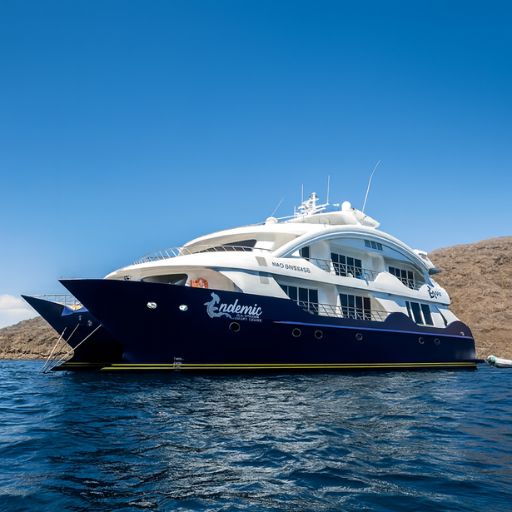
A Galapagos cruise is a live-aboard expedition on a small ship that sails between protected islands each night, giving you access to visitor sites that open only by permit and close before most tourists on land ever wake up. You eat, sleep, and travel on the boat. Every morning, you’re somewhere new. No resort, hotel-based trip, or island-hopping tour can replicate that structure.
Most people picture a cruise as a floating hotel – entertainment, buffets, a pool deck. The Galapagos version is almost nothing like that. The boats are small. Most carry between 16 and 100 passengers. There’s no casino, no cover band, no assigned formal dinner. What there is: a naturalist guide who has likely spent years on these islands, two excursions a day (morning and late afternoon), and wildlife that has genuinely never learned to fear humans.
That last part matters more than any cabin upgrade. When you step off a panga onto a lava field at Fernandina Island, marine iguanas don’t scatter. They don’t even look up. Sea lions sleeping on the trail don’t move – you walk around them. What you’re experiencing is not tameness from captivity or feeding. It’s evolutionary indifference. These animals have no land predators, so thousands of years of evolution never gave them a reason to run from something walking on two legs.
The cruise structure is what lets you access that. The Galapagos National Park strictly limits which boats can visit which sites, and most visitor zones can only be reached by sea. A land-based trip out of Puerto Ayora gives you Santa Cruz and day excursions. A cruise gives you Española, Genovesa, Fernandina, Wolf, Darwin – the islands where the wildlife density and isolation are completely different. That’s the real gap.
How Do You Get to the Galapagos Islands?
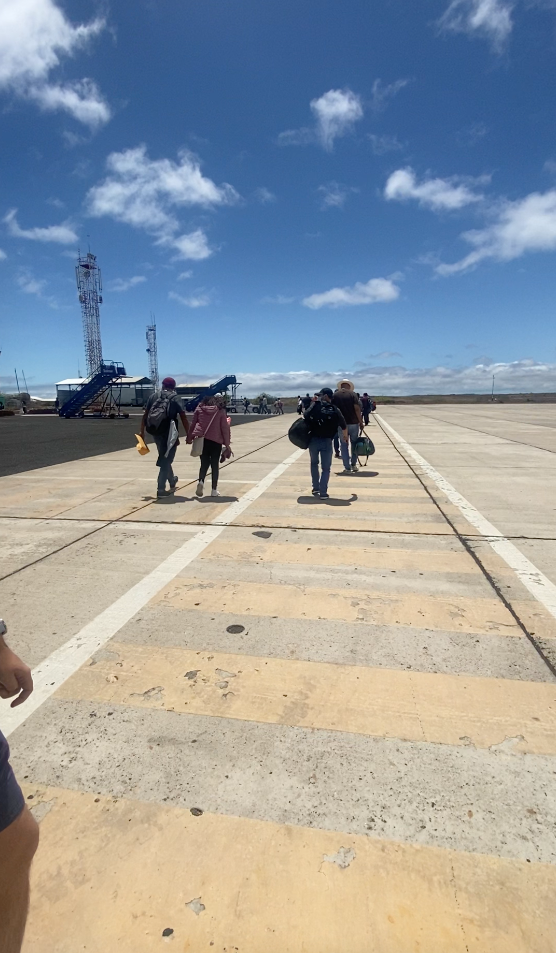
Getting to the Galapagos requires two flights: an international flight into mainland Ecuador (Quito or Guayaquil), followed by a domestic flight to the islands on LATAM or Avianca. There are no direct international flights to the Galapagos – all travelers connect through Ecuador’s mainland airports first, without exception.
The two domestic airports in the Galapagos are Seymour Airport on Baltra Island (code: GPS, which sits near Santa Cruz) and San Cristóbal Airport (code: SCY). Which one you fly into depends entirely on your cruise itinerary – your operator will specify this, and it matters. Showing up to the wrong airport on departure day is a mistake we’ve seen happen.
Flight routing works like this: if you’re coming from Quito, your flight typically stops in Guayaquil to pick up passengers before continuing to the islands. Total flight time from Quito runs around 2.5 hours. From Guayaquil, it’s a direct 1.5-hour flight. Most flights depart in the morning, which is why nearly every cruise operator tells you to arrive in Ecuador the day before your departure to the islands, not the same morning. A delayed international connection that causes you to miss your domestic flight to the Galapagos can mean missing the first day of your cruise, and cruise operators are not obligated to wait.
We tell every traveler the same thing: land in Ecuador at least one night early. Two nights if your international connection has any layover risk. Quito is genuinely worth the extra time anyway – it’s one of the finest capital cities in South America, and the colonial center is a UNESCO World Heritage site.
Before you board your domestic flight to the islands, you’ll go through two mandatory checkpoints. First is the INGALA TCT card verification. Second is the Agrocalidad biosecurity inspection, where all luggage (checked and carry-on) is scanned to prevent any organic materials or invasive species from entering the archipelago. Arrive at the domestic departure airport at least 2.5 hours before your flight to the Galapagos. This is not the usual “get there early” airport advice. The biosecurity process takes time, and lines can be long.
| Route | Flight Time | Airlines | Notes |
|---|---|---|---|
| Quito (UIO) → Baltra (GPS) | ~2.5 hrs (stops GYE) | LATAM, Avianca | Most common route; brief Guayaquil stop |
| Guayaquil (GYE) → Baltra (GPS) | ~1.5 hrs direct | LATAM, Avianca | Shorter flight; good if routing through GYE |
| Quito (UIO) → San Cristóbal (SCY) | ~2.5 hrs | LATAM, Avianca | Depends on cruise itinerary start point |
| Guayaquil (GYE) → San Cristóbal (SCY) | ~1.5 hrs direct | LATAM, Avianca | Depends on cruise itinerary start point |
One practical note that most articles skip: you are required to purchase a round-trip ticket. One-way tickets to the Galapagos are reserved for Ecuadorian residents only. Plan your return flight before booking anything else, because your cruise end date determines when you fly back to the mainland.
The flight and logistics side of a Galapagos trip can feel like a puzzle – getting the mainland connection right, the domestic flights timed correctly, the arrival night sorted. If you’d rather hand that coordination off to someone who has done it hundreds of times, we’re happy to help. Reach out here and tell us your travel dates – we’ll put together a complete plan at no obligation.
Not sure how the logistics of actually reaching the Galapagos work before you start planning the trip itself? Here’s our how to get to the Galapagos Islands guide so you understand what the journey actually involves.
When Is the Best Time to Go on a Galapagos Cruise?
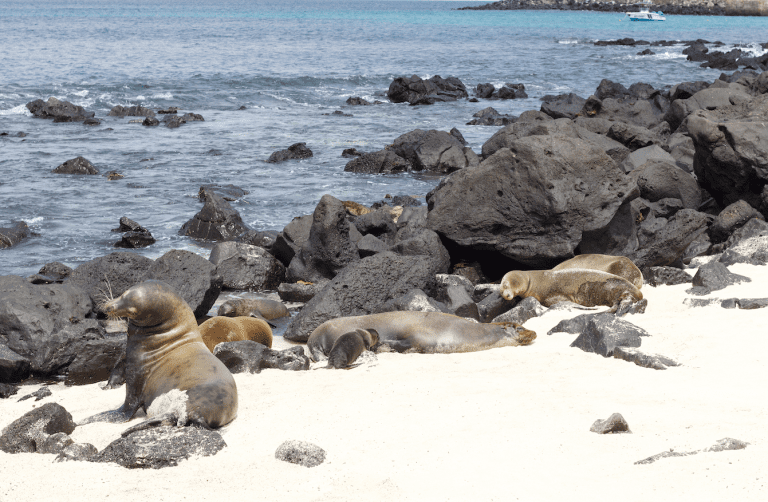
The Galapagos has two seasons: warm and wet (December to May) with calm seas, warm water, and lush green islands – ideal for first-time snorkelers and families; and cool and dry (June to November) with nutrient-rich cold currents that drive intense marine wildlife activity, including whale sharks, hammerheads, and sea lion breeding. Both seasons deliver extraordinary wildlife. The “best” time depends entirely on what you want to see.
Here’s what most planning guides don’t tell you clearly: the cool, dry season feels misty and gray for much of the day, especially August and September. Skies are overcast. The water is noticeably colder, typically 20-23°C (68-73°F), and the Humboldt Current can make seas choppy. If you’re prone to motion sickness, or if this is your first live-aboard cruise, the warm season’s calmer conditions are a real advantage.
That said, the marine wildlife in the cool season is extraordinary in a way the warm season simply isn’t. The nutrient-rich upwellings attract everything: whale sharks circle Darwin and Wolf Islands in numbers that stagger even experienced divers. Sea lions are nursing pups. Penguins are feeding along the surface. If underwater encounters are your entire reason for going, June through October is your window.
The shoulder months, May and November, offer one of the better-kept planning secrets in Galapagos travel. You get the calming of the rough water before it fully settles, wildlife transition activity as species cycle between breeding and feeding behavior, and meaningfully fewer visitors. Prices tend to dip slightly too. We’ve taken clients through both shoulder months and the wildlife density rivals peak season without the crowds.
Want to know which months balance the best wildlife activity with the most comfortable cruising conditions? Here’s our best time of year to take a Galapagos cruise guide so you don’t book the wrong time of year.
| Factor | Warm/Wet (Dec-May) | Cool/Dry (Jun-Nov) |
|---|---|---|
| Sea Conditions | Calm, best for first-timers | Choppier, especially Aug-Sep |
| Water Temperature | 23-27°C (73-81°F) | 20-23°C (68-73°F) |
| Snorkeling Visibility | Excellent, warm water | More marine life, slightly lower visibility |
| Wildlife Highlights | Giant tortoise activity, green land, sea turtles nesting | Whale sharks, sea lion breeding, penguins feeding, waved albatross nesting (Apr-Jun) |
| Sky/Weather | Blue skies, occasional afternoon showers | Overcast “garúa” mist, cooler air |
| Crowds | Higher Dec-Jan, Easter | Peak Jul-Aug (school holidays) |
| Best for | Families, first-timers, snorkelers, photographers | Divers, wildlife enthusiasts, experienced travelers |
How Much Does a Galapagos Cruise Actually Cost?
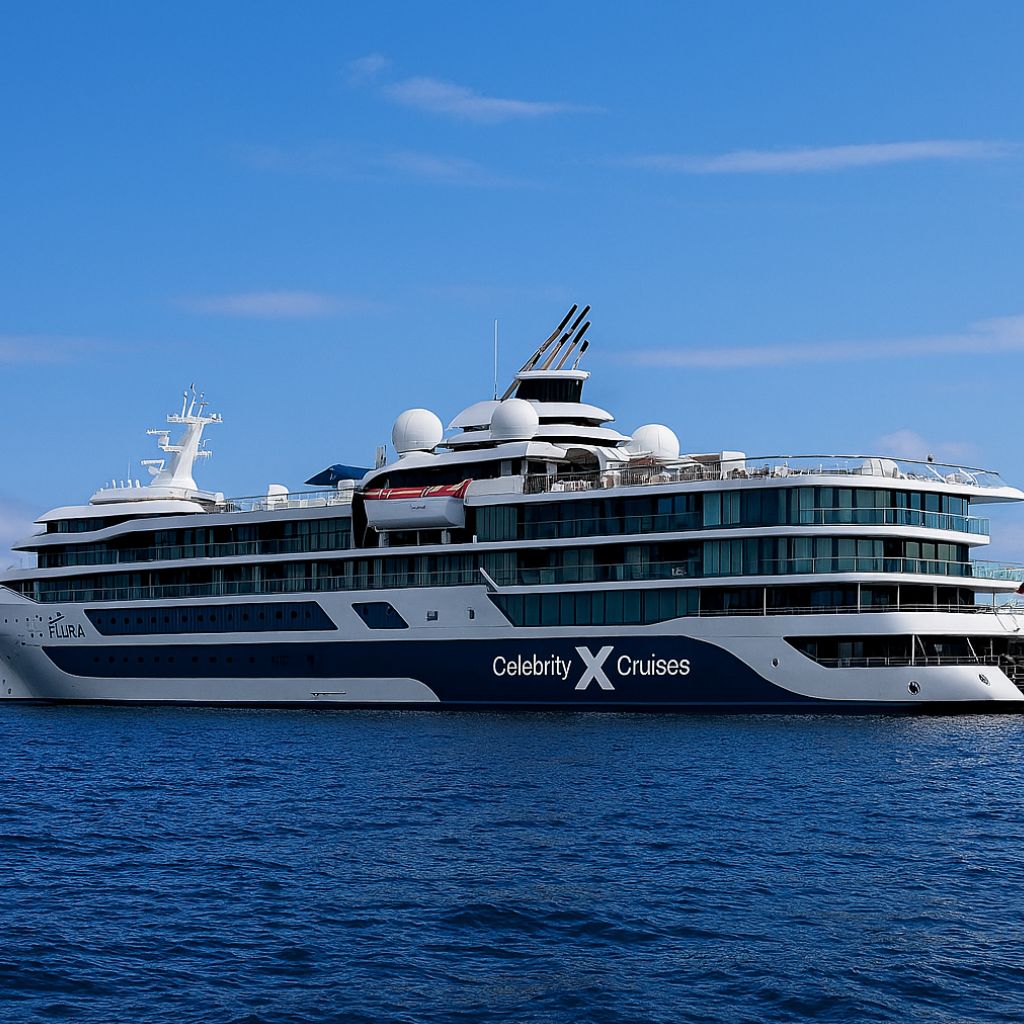
A Galapagos cruise costs anywhere from $1,500 per person for a basic 4-day itinerary to $12,000+ per person for a luxury 8-day experience. The real all-in budget for most first-timers – mid-range cruise, international flights, fees, and travel extras – lands between $5,000 and $9,000 per person. Nothing about this trip is cheap, and trying to cut too many corners in cruise class usually means regretting it on the water.
The price you see on a cruise listing covers the boat, cabin, all meals, guided excursions, and snorkel equipment. What it usually doesn’t cover: the $200 National Park entrance fee, the $20 TCT card, international flights, domestic flights in Ecuador, and gratuities for guides and crew (typically $15-20 per person per day on mid-range and above). Add those up before you set your budget.
Here’s how the cruise classes break down in real terms. Budget vessels run $350-$500 per person per day. You get a private cabin but it will be small, meals are basic, and guide quality varies significantly – some speak limited English, some have limited naturalist training. These boats work if you genuinely have no other option, but the guide is everything on these islands. A knowledgeable naturalist changes what you see. An underprepared one doesn’t.
Tourist superior is where we generally start recommending for first-timers. Private cabins, decent meals, bilingual guides with proper naturalist certification. A 5-day tourist superior cruise runs $2,000-$3,500 per person. First class adds private cabin upgrades, better food, and guides with advanced degrees – expect $600-$800 per person per day. Luxury starts around $800 per day and can exceed $1,500 on the high-end yachts.
If you’re trying to figure out where you actually fall on that spectrum – what your budget realistically gets you, and which boats punch above their price point right now – that’s exactly the kind of conversation we have with travelers every day. There’s no pressure and no obligation when you send us a quick message. We’ll tell you honestly what’s available in your range.
Galapagos cruise pricing is more complicated than most travel sites make it look – our how much does a Galapagos cruise cost guide breaks down what’s included, what’s extra, and where the real cost differences between budget and luxury actually lie.
| Cost Item | Budget Trip | Mid-Range Trip | Luxury Trip |
|---|---|---|---|
| Cruise (7-8 days) | $2,500-$3,500 | $4,500-$6,000 | $9,000-$14,000 |
| Int’l Flights (from North America) | $600-$900 | $700-$1,100 | $1,000-$2,500+ |
| Domestic Flights (Ecuador) | $300-$500 | $300-$500 | $300-$500 |
| National Park Fee (cash) | $200 | $200 | $200 |
| TCT Card | $20 | $20 | $20 |
| Travel Insurance | $150-$300 | $200-$500 | $400-$800 |
| Tips, Extras, Pre/Post Hotels | $300-$500 | $400-$700 | $600-$1,500+ |
| Estimated Total | $4,000-$5,900 | $6,300-$9,000 | $11,500-$19,500+ |
Which Cruise Class Should a First-Timer Choose?
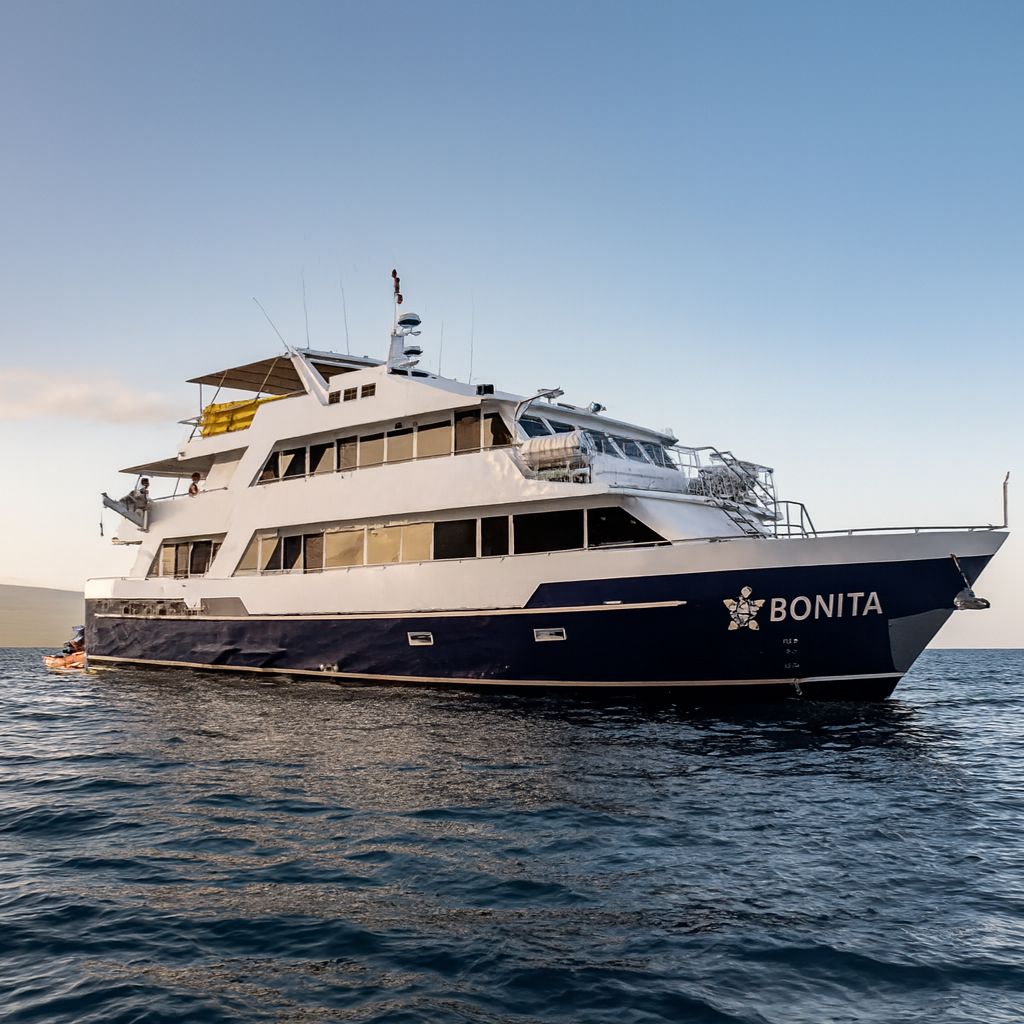
For most first-time visitors, tourist superior is the right starting point – private cabins, solid food, and certified bilingual naturalist guides without the price jump into first class or luxury. If you’re traveling as a couple celebrating something meaningful, first class adds real comfort without requiring a second mortgage. Luxury is worth it for discerning travelers who want expert guides with advanced scientific backgrounds and top-tier cabin space.
The single biggest difference between cruise classes isn’t the cabin size or the menu. It’s the guide. Budget boats are legally required to have a certified naturalist, but certification levels vary – Level 1, Level 2, Level 3 – and the best guides with graduate-level ecology training are almost exclusively on first class and luxury vessels. Those guides don’t just name the species. They tell you why the Galapagos finch you’re looking at has a slightly different beak shape than the one you saw on the last island, and they connect that to a hundred million years of isolated evolution happening 600 miles from the nearest mainland. That context transforms what you’re looking at.
On tourist superior boats, the excursions are identical to luxury – same sites, same snorkeling, same wildlife. The National Park operates all visitor sites under the same rules regardless of what you paid. You will see the same sea lions regardless of your cabin class. What changes with price is the comfort between excursions: the bed you return to, the dinner you sit down to, the amount of space you share with other passengers.
One thing we’ve consistently seen over thousands of traveler conversations: people who regret the upgrade almost never exist. People who saved money to go budget and wish they hadn’t? We hear from them regularly.
Booking your first Galapagos cruise and want to go in with realistic expectations rather than brochure fantasies? Here’s our what to expect on your first Galapagos cruise guide so you enjoy every part of the experience rather than being surprised by it.
How Long Should Your Galapagos Cruise Be?
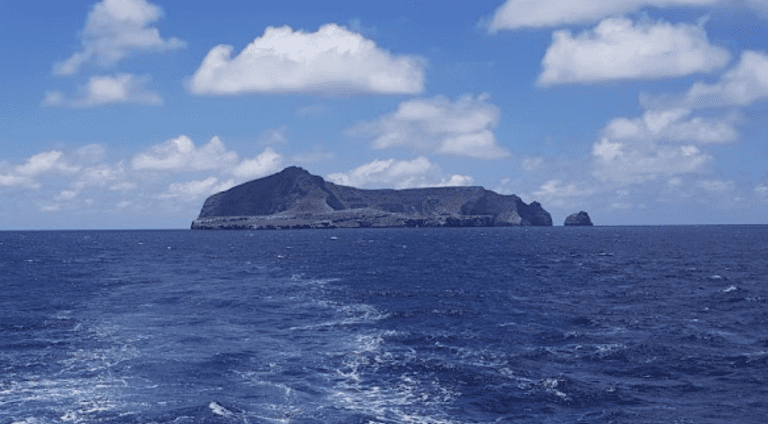
Seven to eight days is the ideal length for a first-time Galapagos cruise. It gives you enough time to reach the more remote islands, settle into the rhythm of life aboard the boat, and see wildlife in multiple ecosystems without the trip feeling rushed. Four-day cruises are viable but genuinely limiting – you won’t get to the best outer islands.
The math works against short itineraries in the Galapagos specifically because of geography. The islands aren’t clustered – they’re spread across roughly 45,000 square kilometers of ocean. The most extraordinary visitor sites (Española, Genovesa, Fernandina, the remote northern islands) require sailing time to reach. A 4-day cruise centered on Santa Cruz barely scratches the surface of what the archipelago offers.
Eight days also gives your body time to adapt to boat life. The first day, most people are finding their sea legs, figuring out the excursion pace, getting used to the zodiac launches. By day three, the rhythm clicks. The most vivid wildlife memories people describe to us – the moments they talk about years later – almost always happen in the second half of the cruise, once the newness has settled and pure presence kicks in.
Fifteen-day itineraries exist and are extraordinary, particularly if you add the northern islands Darwin and Wolf, which require a long sail but deliver hammerhead and whale shark encounters in numbers unlike anywhere else on Earth. For a first trip, though, 7-8 days is the right call. If you come back, and a significant number of our travelers do come back – that’s when the extended itinerary makes sense.
Choosing between a 5-day and an 8-day itinerary often comes down to budget and which islands matter most to you. We can walk you through exactly which sites are on each option and help you figure out the right fit. Fill out this short form and we’ll put together a comparison based on your travel dates and priorities.
Wondering whether an 8-day itinerary covers significantly more than a 5-day cruise or whether the extra days start to feel repetitive? This how long should your Galapagos cruise be guide covers the honest duration trade-offs most operators don’t address directly.
What Do You Need to Book Before You Even Leave Home?
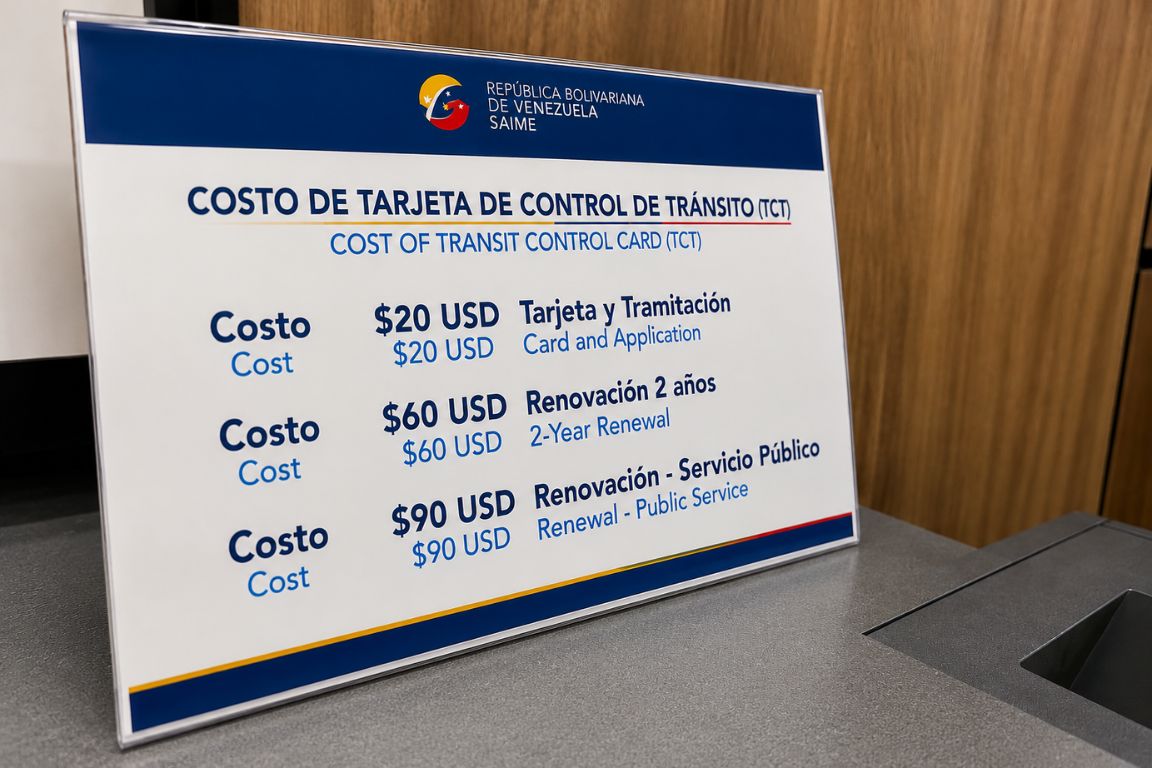
Before you travel, you need: the cruise itself, international flights, domestic Ecuador flights (timed correctly to your cruise departure), the INGALA TCT card ($20, completed online), travel insurance with medical evacuation coverage, and a confirmed night in Ecuador before your Galapagos flight. The National Park entrance fee ($200 cash) is paid on arrival at the islands – bring the cash with you.
The TCT card is the one that catches people off guard. You complete it online at the official Galapagos government portal before your flight – ideally within 48 hours of departure. It’s $20 per person. You receive a QR code by email. You’ll show that QR code to the INGALA inspector at the mainland airport before checking in for your Galapagos flight. Do this in advance. The in-person option at airport counters is being phased out, and travelers who skip the online registration deal with delays and stress they didn’t need.
The $200 National Park fee is different – that’s paid in cash on arrival at the Galapagos airport. Bring U.S. dollars in cash. Some cruise operators collect this fee in advance on your behalf, so check your booking documentation. If they haven’t, you’re paying it yourself at the airport checkpoint. Card readers at that checkpoint are unreliable. Don’t count on them.
For the domestic flight timing: book your Galapagos-bound flight for the morning after your international arrival at the latest. Same-day connections are a risk even experienced travelers avoid. The domestic flights depart early, and if your international flight lands late, you have no buffer.
Arrival day at your mainland Ecuador hotel should also involve checking your cruise documentation one more time – your embarkation point (Baltra or San Cristóbal), your pickup time, and any pre-cruise hotel arrangements your operator may have coordinated. Galapagos logistics have a lot of moving pieces, and the 24 hours before boarding is not when you want surprises.
Want to know exactly what to sort out before you leave home versus what gets handled at the airport? Here’s our Galapagos entry requirements, transit card and national park fees explained guide so nothing catches you off guard.
Do You Need Travel Insurance for a Galapagos Cruise?
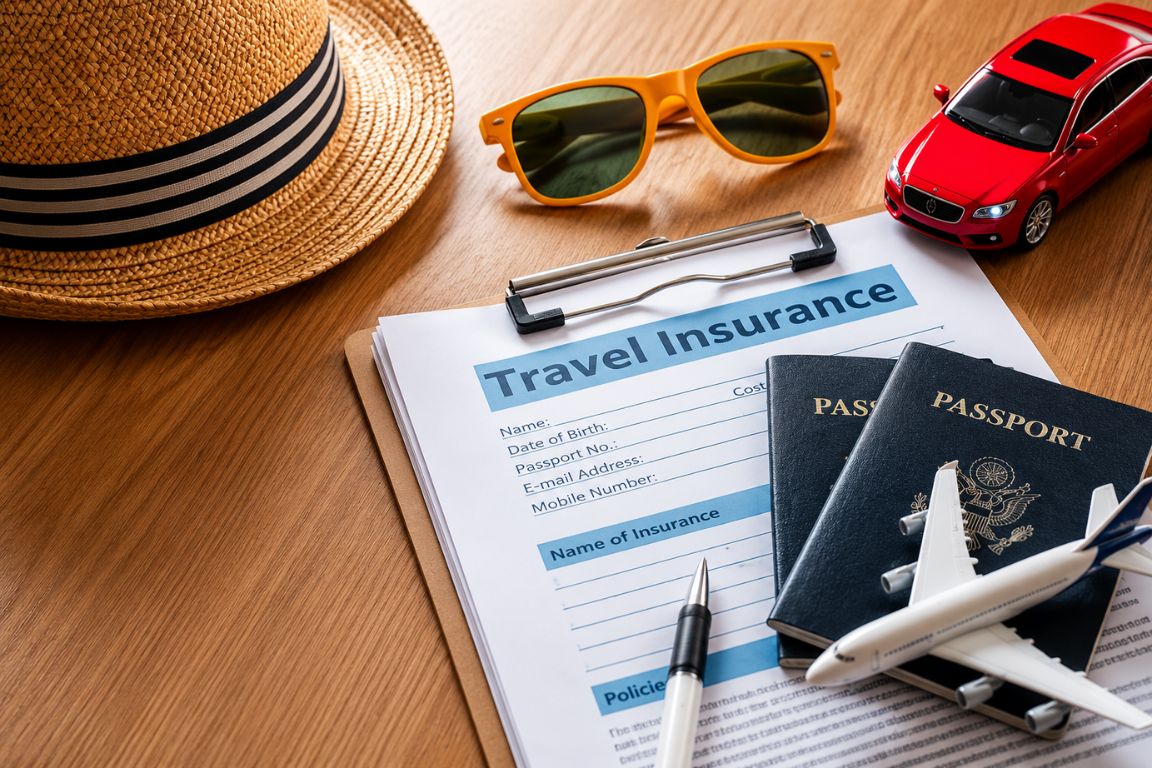
Yes, travel insurance with medical and evacuation coverage is a legal requirement for entry to the Galapagos, and even beyond the legal side, it’s one of the most genuinely important purchases you’ll make for this trip. Medical facilities on the islands are limited. A serious medical situation requires evacuation to the Ecuadorian mainland, which can cost $10,000-$100,000+ out of pocket. No policy means potentially devastating financial exposure in one of the most remote places on Earth.
Here’s the specific coverage you need. Medical evacuation coverage of at least $50,000 is the baseline most operators require, and some ask for more. Quasar Expeditions, one of the more respected operators in the Galapagos, explicitly requires minimum $50,000 evacuation coverage in their booking conditions. Given that a charter evacuation flight from a remote island to Guayaquil can run $10,000-$25,000 before hospital costs even start, the minimum isn’t generous – it’s the floor.
Trip cancellation coverage matters here too for a specific reason: Galapagos cruises typically have 90-day no-refund cancellation policies. If something forces you to cancel three weeks before departure, you lose the full cruise cost unless insurance covers it. For a trip this expensive, trip cancellation coverage isn’t optional – it’s basic financial protection.
A few honest notes from what we’ve seen: enforcement of the insurance requirement at entry is inconsistent. Some travelers arrive without documentation and are waved through. Don’t use that as a reason to skip it. The enforcement gap isn’t the point. The point is that the Galapagos is genuinely remote – one good sprain on a lava field, one case of serious dehydration that turns medical, and you’re dealing with the cost of evacuation to the mainland with no coverage. We’ve seen it happen to travelers who assumed they’d be fine.
Look for a policy that covers: medical treatment, emergency medical evacuation, trip cancellation and interruption, and ideally activity coverage for snorkeling, hiking, and zodiac operations. Check the small print on adventure activity exclusions before you buy.
Not sure whether travel insurance is a genuine requirement for a Galapagos cruise or just something operators recommend to cover themselves? Here’s our is travel insurance required for a Galapagos cruise guide so you know exactly where you stand.
What Should You Pack for a Galapagos Cruise?
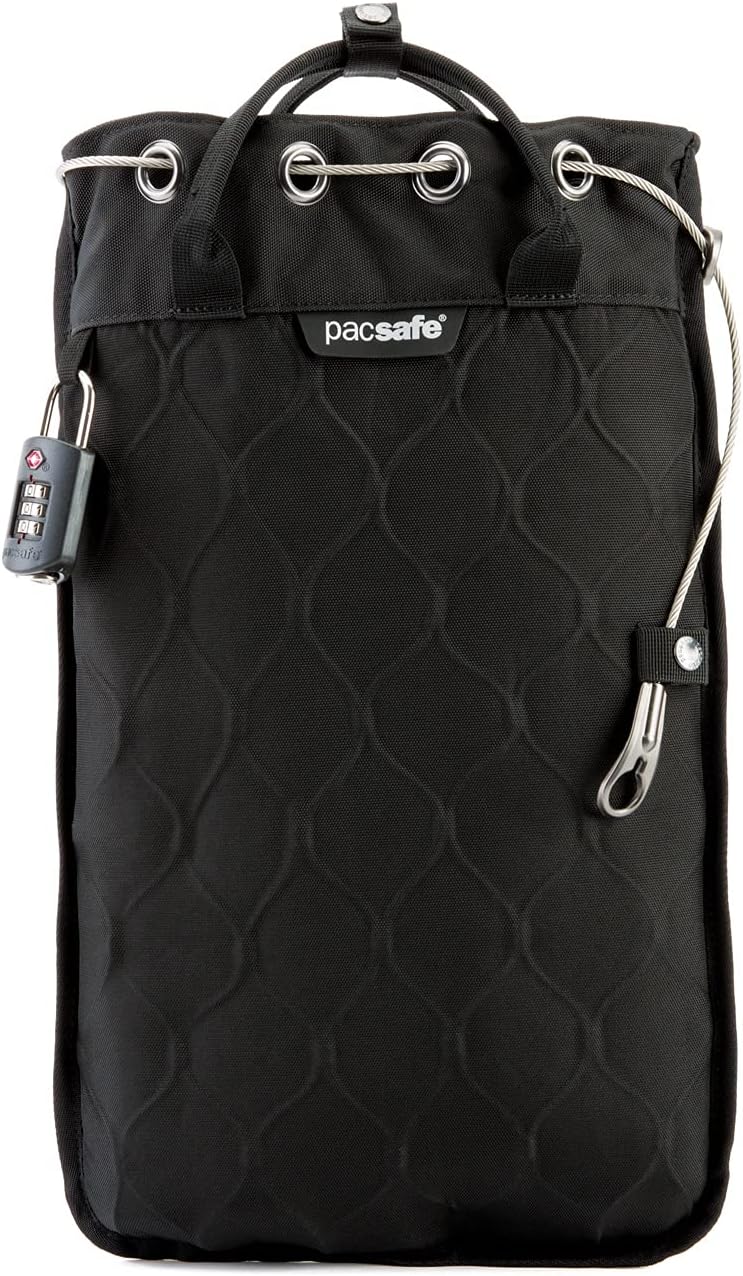
Pack light, quick-dry, and waterproof. The essential items are: reef-safe SPF 50+ sunscreen (required by the park), a soft-sided duffel bag (hard suitcases often don’t fit in small cabins), waterproof sandals for wet landings, solid hiking shoes for lava trails, a dry bag for your camera, and motion sickness medication. Most cruise boats provide snorkel masks, fins, and wetsuits – don’t pack your own unless you have specific fit needs.
The wet landing is something no amount of reading fully prepares you for the first time. Your zodiac pulls up to a beach, stops in knee-deep water, and you step off into the ocean wearing whatever is on your feet. This happens multiple times a day. Tevas, Chacos, or any sport sandal with ankle straps are standard. Flip-flops come off in the surge. Regular sneakers are miserable when soaked through for a three-hour excursion.
Luggage size matters more than most packing guides mention. Small ship cabins – particularly on tourist superior and even some first-class boats – have very limited storage. A hard-shell roller suitcase that fits in an overhead bin at home may not fit under the bunk, inside the closet, or anywhere sensible in a 120-square-foot cabin. A soft duffel that collapses under the bed solves this completely. Bring a day pack separately for excursions.
What to leave home: anything fancy. Galapagos cruise dinners don’t have a dress code. People wear the same hiking clothes they wore all day, changed into something clean. Formal wear wastes suitcase space. Also leave at home: your own wetsuit and snorkel mask, unless you have specific fit requirements or a prescription dive mask. The boat provides these, and bringing your own just adds bulk.
The one item most first-timers underpack: motion sickness medication. The cool season especially, August through October, can bring choppy overnight sailing. You feel it most when the boat is moving between islands at 2am. Scopolamine patches work well and don’t cause the drowsiness that oral medications can. Pack it even if you’ve never had seasickness – conditions here are different from a ferry crossing.
Worried that seasickness might ruin a trip you’ve spent months planning and thousands of dollars booking? Check out our what happens if you get seasick on a Galapagos cruise guide before you let that fear make the decision for you.
What Are the Biggest Mistakes First-Timers Make When Planning a Galapagos Cruise?
The most common and costly planning mistakes are: booking too late and missing your preferred vessel or dates; choosing a cruise class too far below your comfort threshold to save money; not arriving in Ecuador the night before your Galapagos flight; and forgetting that the $200 National Park entrance fee needs to be paid in U.S. cash on arrival at the islands.
Booking timeline is where most first-timers hurt themselves. The assumption is that this is like booking any other holiday – a few months out works fine. The Galapagos doesn’t work that way. The best vessels on the most popular itineraries fill up 6-12 months before departure. During Christmas and Easter weeks, you’re looking at 12-18 months. Show up six weeks before your target date hoping for a spot on a first-class yacht in December and you’ll be choosing between whatever’s left – which is usually whatever nobody else wanted.
We’ve put together a full booking timing breakdown in our best time to book a Galapagos cruise for maximum discounts guide so you know exactly when to start looking, when to commit, and when waiting becomes a risk.
The cash fee issue trips up a surprising number of experienced travelers. The $200 National Park entrance fee is collected at the airport upon arrival in the islands. It must be paid in U.S. dollars, in cash. The card readers at the checkpoint fail regularly, and travelers who assumed they’d just tap their credit card find themselves scrambling. There are no ATMs at the arrival airport itself. Bring at least $220 per adult in U.S. cash (the extra covers the TCT if you haven’t prepaid it).
From the thousands of Galapagos cruise travelers Oleg has interviewed through mytrip2ecuador.com and the YouTube community, here are the patterns that separated people who had transcendent trips from people who came home with regrets:
| Planning Decision | Travelers Who Were Happy (%) | Travelers Who Regretted (%) | Key Insight |
|---|---|---|---|
| Booked Tourist Superior or above | 94% | 6% | Guide quality was the top factor cited by happy travelers |
| Chose 7+ day itinerary | 96% | 4% | Travelers on 4-day trips most frequently said they wished they had more time |
| Arrived in Ecuador 1+ night before Galapagos flight | 99% | 1% | Same-day connection stress was a common early-trip dampener |
| Booked 6+ months in advance | 95% | 5% | Late bookers reported lower satisfaction with vessel choice |
| Brought motion sickness medication | 92% | 8% | Cool season travelers who skipped this reported the biggest impact on experience quality |
| Had travel insurance with evacuation coverage | 98% | 2% | Those without coverage who needed medical help reported significant financial stress |
The fail points that appear most consistently: not packing cash for the National Park fee, flying same-day from international to domestic connections, bringing hard-shell luggage onto small boats, and underestimating how physically active the excursions are. Two excursions per day – morning and late afternoon – over an 8-day cruise is a lot of walking on uneven lava, a lot of zodiac launches, a lot of sun exposure. This isn’t a poolside vacation. Pack and prepare like an expedition, not a resort week.
Frequently Asked Questions
How much cash should I bring to the Galapagos?
Bring at least $250-$300 per adult in U.S. dollars for the mandatory fees: $200 for the National Park entrance fee and $20 for the TCT card (if not prepaid online). The extra covers small on-island purchases, tips at land stops, and any incidentals. Credit cards work at restaurants and shops in Puerto Ayora and Puerto Baquerizo Moreno, but not at park entry checkpoints.
Can I visit the Galapagos without a cruise?
Yes, land-based trips using Puerto Ayora on Santa Cruz as a base are possible and significantly cheaper. You take day excursions by speedboat to nearby sites. The trade-off is access: the most remote and wildlife-rich islands are only reachable by cruise vessel with an overnight sailing. Land-based visitors see a portion of the Galapagos; cruise passengers see a fundamentally different one.
Do I need a visa to enter Ecuador?
Travelers from most countries – including the U.S., Canada, Australia, and most of Europe – do not need a visa to enter Ecuador for stays under 90 days. Your passport must be valid for at least six months beyond your planned departure date. Verify your specific country’s requirements before booking.
Is the Galapagos safe?
The islands are among the safest destinations in South America. Crime rates in the archipelago are very low. The main safety considerations are environmental: strong sun, uneven terrain on lava fields, cold water temperatures in the dry season, and the remote distance from advanced medical facilities. Travel insurance with evacuation coverage addresses the medical risk. Sun protection and proper footwear handle the rest.
What’s the difference between Baltra and San Cristóbal airports?
Baltra (GPS) is near Santa Cruz and is the busiest Galapagos airport – most cruise itineraries that include Santa Cruz, Española, or the central islands start or end here. San Cristóbal (SCY) serves the eastern part of the archipelago. Your cruise operator will tell you which airport to fly into. Some itineraries fly into one island and out the other, which can actually be cheaper and logistically efficient.
What should I do if I get seasick on a Galapagos cruise?
The best prevention is preparation: scopolamine patches (prescribed) or Dramamine (over the counter) taken before sailing, not after symptoms start. The worst motion tends to occur during overnight passages between islands. Staying in the center of the boat, keeping your eyes on the horizon, and getting fresh air helps. Ginger chews are useful for mild nausea. If you have a history of serious motion sickness, discuss this with your doctor before the trip and consider the warm season when seas are calmer.
Ready to Start Planning Your Galapagos Cruise?
Planning this trip is genuinely complicated – the flight connections, the cruise class trade-offs, the right itinerary for your timeline and interests. We’ve been doing this for years, we’ve been on these boats personally, and we’re rated 4.9 stars on Google and TripAdvisor for a reason. Let us take the complexity off your plate.
Tell us your travel window, your rough budget, and what matters most to you – wildlife, diving, photography, comfort. We’ll come back with specific recommendations and a no-obligation quote. Get in touch here and let’s make this happen.
Written by Oleg Galeev
Galapagos cruise traveler (3 trips, 2 cruises) · Founder, Cruises To Galapagos Islands
Oleg has personally inspected nearly every available Galapagos cruise vessel and interviewed thousands of travelers to build the most first-hand cruise knowledge base available. He also runs the Ecuador travel blog mytrip2ecuador.com and the YouTube channel My Trip to Somewhere.
Cruises To Galapagos Islands is rated 4.9 stars on Google and TripAdvisor.
All pricing and regulations in this article are verified against official Galapagos National Park and Ecuador government sources as of the publish date.