
Medical Disclaimer: This article provides general travel health guidance only. It is not medical advice and should not replace a consultation with your doctor or a travel health specialist. Consult your physician or a travel health clinic at least 6 to 8 weeks before departure. Vaccination requirements and health risks can change: always verify current guidance from the CDC, WHO, and Ecuador’s Ministry of Health before travel.
Quick Summary
No vaccinations are required specifically for the Galapagos Islands. Hepatitis A, Typhoid, and routine vaccines (MMR, Tdap, flu) are recommended for Ecuador by the CDC. Yellow Fever is not required for travelers flying directly to the Galapagos who have not transited through high-risk countries. Malaria prevention is not required for the islands (which are a no-risk zone) but is needed if you are visiting the Amazon or coastal Ecuador. The medications that matter most on the cruise itself are seasickness treatment, reef-safe sunscreen, and a surplus supply of any personal prescription medications. Travel insurance with medical evacuation coverage is non-negotiable.
Galapagos Cruise Health: Quick Reference
| Health Item | Required? | Recommended? | Notes |
|---|---|---|---|
| Yellow Fever vaccine | Not required for direct Galapagos travel | Ask your doctor | Required if arriving from certain high-risk countries. As of August 2025, Ecuador removed the requirement for travelers from Colombia, Peru, Bolivia, and Brazil. Verify current rules with your doctor before travel. |
| Hepatitis A vaccine | No | Yes (CDC-recommended for Ecuador) | Food and water-borne illness. Recommended for most travelers to Ecuador. |
| Typhoid vaccine | No | Yes (CDC-recommended for Ecuador) | More relevant for mainland Ecuador than the islands. Recommended by most travel health clinics. |
| Routine vaccines (MMR, Tdap, flu, measles) | No | Yes, confirm they are up to date | CDC advises all international travelers to be current on routine vaccinations. Measles cases are rising globally as of 2025. |
| Malaria prevention | No | Not for Galapagos-only travel | The Galapagos Islands are a malaria-free zone. Malaria prevention is only required if your itinerary includes the Amazon or coastal Ecuador. |
| Seasickness medication | No | Strongly recommended for all travelers | Bring medication regardless of your history. Take it before symptoms appear. Bonine (meclizine) or Dramamine (dimenhydrinate) are standard. Prescription Scopolamine patch for more serious susceptibility. |
| Travel insurance with evacuation coverage | Not legally required | Non-negotiable for any traveler with a health condition | Medical evacuation from the Galapagos to mainland Ecuador can cost thousands of dollars. All travelers should have coverage. Verify that snorkeling and hiking are included activities, as some policies exclude them. |
General guidance only. Verify current requirements with the CDC, WHO, and your doctor before travel. Verified September 2026.
Do You Need Vaccinations to Visit the Galapagos Islands?
No vaccinations are legally required to enter the Galapagos Islands for most travelers. However, the CDC recommends Hepatitis A, Typhoid, and up-to-date routine vaccines (MMR, Tdap, flu, measles) for all travelers to Ecuador. Yellow Fever vaccination requirements depend on which countries you are arriving from and whether your itinerary includes mainland Ecuador beyond Quito. The Galapagos Islands are a malaria-free zone: no antimalarial medication is needed for island-only travel.
The vaccine picture for Galapagos-focused travel is simpler than for many tropical destinations, and it is worth understanding why. The Galapagos Islands are a remote archipelago with no local malaria transmission, no yellow fever risk, and limited exposure to food and water-borne illness risks compared to mainland Ecuador. The cruises provide all meals and drinking water on board under controlled conditions. The health risks on the islands themselves are primarily sun exposure, seasickness, and the physical demands of excursions, not disease transmission.
The situation changes if your itinerary includes mainland Ecuador beyond Quito, particularly the Amazon region or the Pacific lowlands. These areas carry active malaria transmission zones and higher food and water-borne illness risk. Travelers who plan to visit Cuyabeno, Yasuni, or the coastal provinces before or after the Galapagos cruise need a significantly different health preparation conversation with their doctor than travelers who fly directly between their home country and the Galapagos via Quito only.
Yellow Fever is the vaccine that generates the most questions, because the rules around it change with regional disease activity. As of August 2025, Ecuador removed the mandatory Yellow Fever certificate requirement for travelers arriving from Colombia, Peru, Bolivia, and Brazil, a requirement that had been temporarily in place from May to August 2025. The underlying Yellow Fever vaccine remains a CDC recommendation for travel to Ecuador’s Amazon and coastal zones but not for the Galapagos or Quito specifically. Confirm the current entry requirements directly with your travel health clinic and Ecuador’s Ministry of Health before your departure date, as these rules have changed within a single year and may change again.
The health preparation for a Galapagos cruise is simpler than for most tropical destinations, but the specific requirements depend on your itinerary, your travel dates, and your personal health history. If you are combining the Galapagos with mainland Ecuador and want to understand what the health preparation looks like for your full trip, we are happy to outline the itinerary picture before you book. Fill out this short form and we will walk you through what your specific route involves.
Not sure how to connect a Galapagos cruise with an Amazon rainforest experience without the logistics becoming the story of the trip? Here’s a straight breakdown on combining a Galapagos cruise with the Amazon.
What Medications Should You Bring on a Galapagos Cruise?
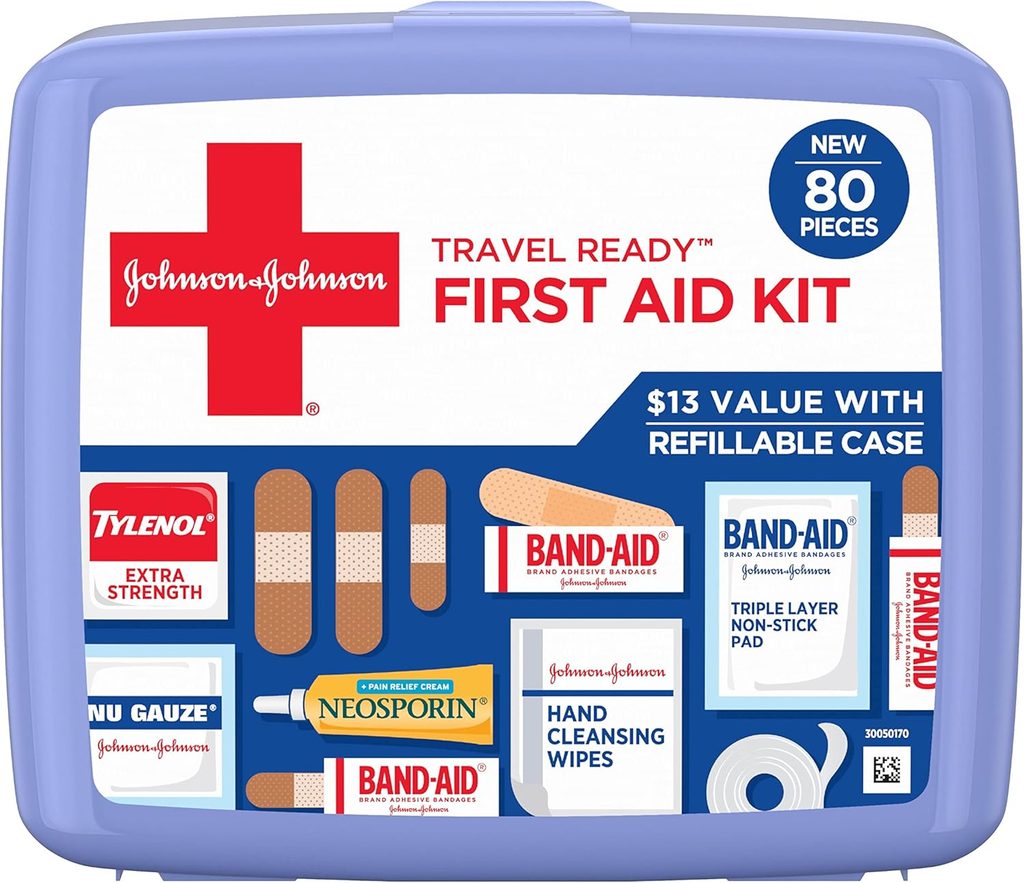
The medications to bring on a Galapagos cruise are: seasickness treatment (Bonine, Dramamine, or prescription Scopolamine), a surplus supply of all personal prescription medications (at least 5 extra days beyond the trip length), a basic personal first aid kit (antidiarrheals, pain reliever, antihistamine for insect reactions, blister treatment), reef-safe mineral sunscreen (SPF 50+), and any altitude medication your doctor recommends for a Quito stopover. Do not rely on purchasing medications in the Galapagos: pharmacies are limited and specific brands may be unavailable.
Personal prescription medications are the category where travelers most consistently underestimate their needs. The Galapagos is remote: the main inhabited islands have basic pharmacies, but specialty medications, specific brands, and controlled substances are often unavailable or available only in different formulations. Bringing your normal medications in the quantities you need for the trip, plus a surplus of at least 5 days, stored in your carry-on luggage rather than checked bags, is the correct approach. If any medication requires refrigeration, confirm with your vessel before boarding that cabin refrigeration is available.
The antidiarrheal medication is worth including even though the risk of traveler’s diarrhea is lower on a cruise (where meals are prepared on board under controlled conditions) than on a land-based itinerary. The transit through Quito’s airport, meals in Quito before the cruise, and any dining in port towns creates some exposure. The CDC estimates that 30 to 50 percent of US visitors to Ecuador experience traveler’s diarrhea on mainland portions of their trip. Having treatment in your kit handles this without a pharmacy run on the first day of the cruise.
Reef-safe sunscreen deserves a separate mention under medications even though it is not a drug, because it is a GNPD rule, not just a preference. Sunscreens containing oxybenzone or octinoxate can be confiscated at the Galapagos airport. The equatorial UV index on reflective water and lava surfaces is intense: SPF 50+ mineral sunscreen applied before each excursion and reapplied after water activities is the correct approach. Bring enough for daily application across your full cruise from home, as compliant options on the islands are limited.
If you are managing a chronic health condition and want to understand which vessels have 24-hour medical officers, which itineraries keep you closer to medical infrastructure, and how medical evacuation works from the archipelago, we can walk you through the full picture before you commit to a cruise. Reach out here and we will match you with the right vessel and the right support level for your situation.
Not sure what to bring for wet landings, cold water snorkeling, and equatorial sun all in the same week? Here’s a straight breakdown on what to pack for a Galapagos cruise.
How Do You Handle Seasickness on a Galapagos Cruise?
Seasickness is the most commonly experienced health issue on a Galapagos cruise, regardless of age or fitness. The reliable management approach is: take medication before you feel ill (not after), request a lower-deck central cabin which experiences less vessel movement, travel during the warm season (December through May) for calmer conditions, and choose a larger vessel if you are seriously prone. The cool season (June through November) brings stronger currents and larger swells.
The timing of medication is the single most important practical detail. Bonine (meclizine) and Dramamine (dimenhydrinate) work best when taken prophylactically, either the evening before an overnight crossing or 30 to 60 minutes before boarding. Taking them after nausea begins is significantly less effective. For travelers with serious susceptibility, prescription Scopolamine patches applied behind the ear before the journey provide longer-acting relief. Consult your doctor about which option is appropriate for your health history before departure.
Cabin selection is the second variable within your control. The lower decks of any vessel experience less movement because they sit closer to the vessel’s center of gravity. The central cabins (amidships) experience less pitching than bow and stern cabins. Requesting a lower-deck, central cabin when you book, specifically mentioning seasickness susceptibility, is a legitimate and commonly accommodated request that operators handle regularly. This does not eliminate the issue but meaningfully reduces it.
Vessel size has a more nuanced relationship with seasickness than most travelers assume. Larger vessels do not automatically mean smoother rides in the Galapagos. The key variable is hull design and ballasting, which varies by vessel independent of size. Some 16-passenger yachts in the Galapagos have excellent hull stability; some 100-passenger ships roll significantly in the Bolivar Channel. The best guidance is to ask your booking agent specifically which vessels in their recommended range are most stable for guests who are prone to motion sickness.
Seasickness can derail a Galapagos cruise faster than anything else and most of it is preventable with the right preparation. Here’s a guide on how to avoid seasickness on a Galapagos cruise so you spend your time on deck not in your cabin.
What Are the Health Risks in the Galapagos?
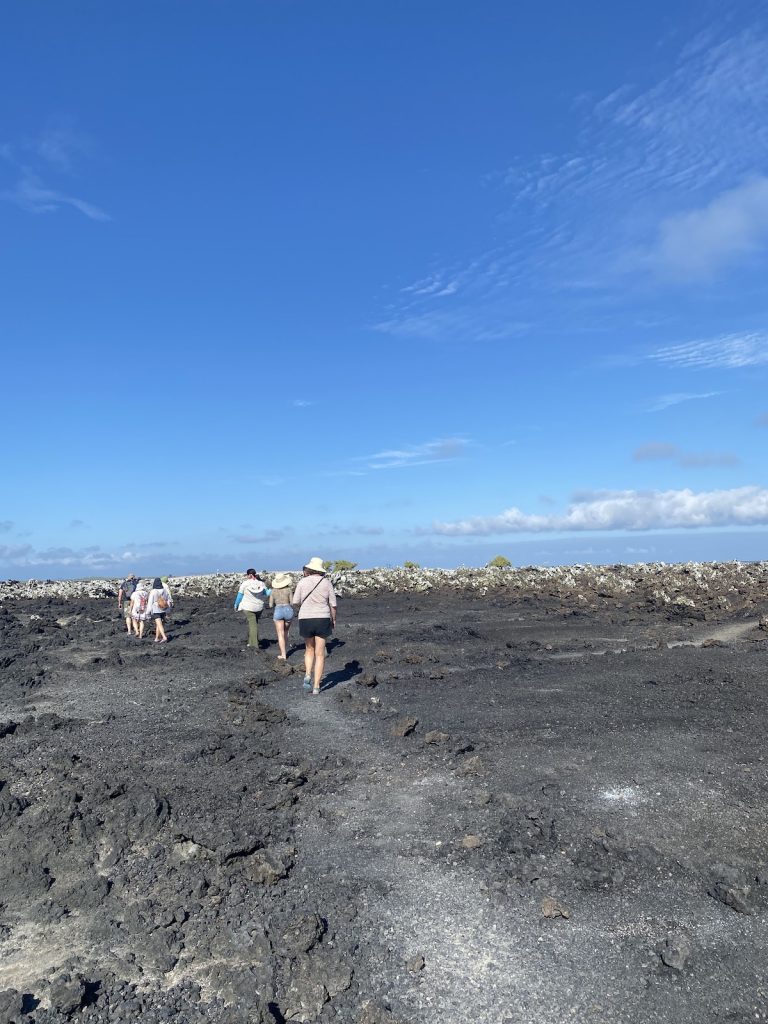
The health risks specific to the Galapagos Islands are sun exposure (the most consistent and underestimated risk), seasickness, dehydration from heat and physical activity, insect bites (horseflies more than mosquitoes at most sites), and minor physical injuries from lava terrain. There is no malaria risk on the islands, very low dengue risk, and no yellow fever risk. The most serious health risk is not disease: it is inadequate travel insurance when a medical evacuation becomes necessary.
Sun exposure is the health risk that generates the most actual harm among Galapagos cruise travelers, and it is also the most preventable. The equatorial UV index on open lava fields and reflective water surfaces is extreme. Travelers who apply sunscreen once in the morning and do not reapply after snorkeling or panga transfers arrive back at the vessel with significant burns on the backs of their calves, forearms, ears, and neck. The reef-safe sunscreen requirement means you cannot rely on any non-mineral product. Apply before every excursion, reapply after water activities, and cover vulnerable areas (the backs of hands, neck, and ears) that most people miss.
Dehydration compounds the effects of sun exposure and physical activity. The equatorial sun and the moderate physical demands of two excursions per day create real hydration needs. Cruise vessels provide drinking water continuously. Carrying a full reusable water bottle on every excursion and drinking throughout the walk, not just when you feel thirsty, prevents the afternoon fatigue and headaches that travelers sometimes attribute to the cruise schedule but that are more accurately traced to inadequate hydration.
Insect risk in the Galapagos is lower than most tropical destinations. Mosquitoes are less prevalent on the islands than in mainland Ecuador. Horseflies are more common on vegetated trails and in highland zones. Dengue risk exists but is low. A small eco-friendly or DEET-free insect repellent in your daypack covers the occasional trail situation without adding significant weight or creating concerns around wildlife contact.
What Health Precautions Should You Take for the Quito Stopover?
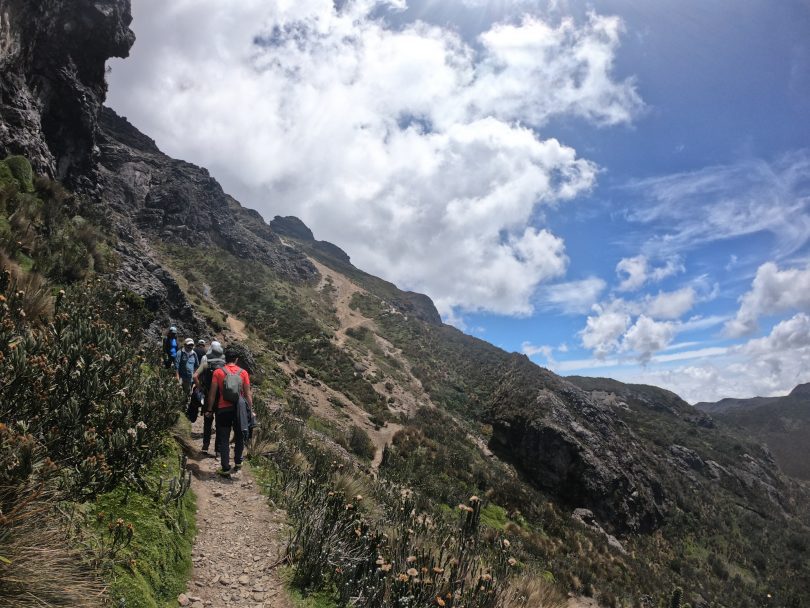
Quito sits at 2,850 meters (9,350 feet) above sea level. Altitude sickness can affect anyone at this elevation, particularly in the first 24 to 48 hours after arrival. The practical precautions are: arrive at least one night before any strenuous activity, rest on the first afternoon, stay hydrated, limit alcohol, and ask your doctor about acetazolamide (Diamox) if you have a history of altitude problems or a cardiac or respiratory condition. Symptoms are usually mild and resolve within 24 hours for most travelers.
The altitude reality for Quito is that most travelers experience some mild symptoms: a slight headache, shortness of breath on stairs, or mild fatigue on the first afternoon. These are normal responses to reduced oxygen at altitude and resolve as the body acclimatizes. The symptoms that require medical attention are persistent severe headache, confusion, difficulty breathing at rest, or loss of coordination. These are rare but signal serious altitude sickness requiring prompt descent and medical care.
The practical Quito protocol that has worked consistently for travelers we have placed on Galapagos cruises: arrive the evening before any planned activity, do not exercise vigorously on day one, eat lightly, stay well-hydrated, and avoid alcohol on the first night. Plan the first morning in Quito around gentle activities (a city tour, a museum visit) rather than any aerobic demand. By the second day, most travelers are comfortable with normal activity levels.
Travelers flying from Guayaquil (sea level) to the Galapagos rather than from Quito bypass the altitude issue entirely. If your routing allows this and altitude is a genuine concern for your health history, building the itinerary around Guayaquil rather than Quito is the cleanest solution. This is worth discussing when you plan the full trip, not only after you have already booked the mainland portion.
Whether your itinerary runs through Quito, Guayaquil, or both affects the health preparation picture meaningfully. We build the mainland routing into every Galapagos trip we plan, and we know which options minimize altitude exposure for travelers who are specifically concerned about that variable. Send us a message here and we will build the right routing into your trip from the start.
We’ve got a full breakdown on the Quito layover guide for Galapagos cruise travelers if you want to know exactly which neighborhoods, day trips, and experiences are worth fitting into a short pre-cruise stop.
What Medical Facilities Are Available on a Galapagos Cruise?
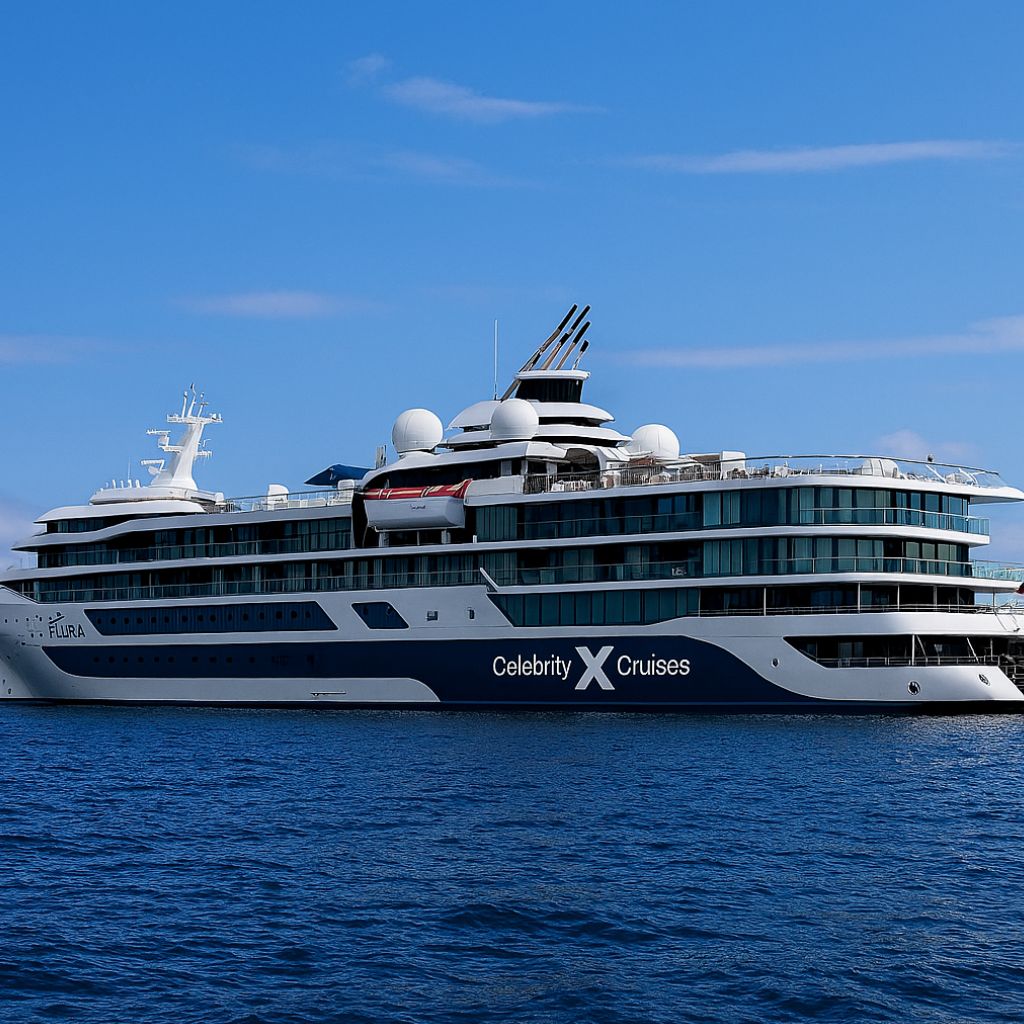
Medical facilities on Galapagos cruise vessels range from a trained crew with basic first aid equipment on small yachts to a 24-hour physician on specific mid-size and large vessels. Basic hospital facilities exist on Santa Cruz (Puerto Ayora) and San Cristobal. Serious medical emergencies require evacuation to Guayaquil or Quito by charter or commercial flight. This process works but takes time and is expensive without travel insurance. Every traveler should be insured before boarding.
The medical staffing picture across the fleet breaks down by vessel size. Small yachts (16 passengers) carry crew trained in basic first aid and CPR, an onboard first aid kit, and radio communication with the coast guard and mainland emergency services. These vessels do not carry a physician. Larger vessels (40 to 100 passengers) that carry a 24-hour medical officer include the Santa Cruz II (HX Expeditions), Celebrity Flora, Silver Origin, and Galapagos Legend. If having a physician on board matters for your specific health situation, confirm the medical staffing of your specific vessel before booking.
The evacuation system from the Galapagos is functional and well-practiced: the captain diverts to the nearest inhabited island, the guest receives initial care at the local facility, and transfer to Guayaquil or Quito is arranged by commercial or charter flight. Daily commercial flights connect Baltra (Santa Cruz) and San Cristobal to the mainland. The system works. The cost without insurance is what creates the genuine problem: a medical charter flight, a mainland hospital admission, and potential repatriation to your home country can cost tens of thousands of dollars. Travel insurance with medical evacuation coverage converts this from a financial catastrophe to a logistical process.
Want to know which Ecuadorian gateway city gives you the best connection to the Galapagos without an unnecessary overnight? Our guide on flying into Quito or Guayaquil walks you through the options.
Do You Need Travel Insurance for a Galapagos Cruise?

Travel insurance with medical evacuation coverage is non-negotiable for any Galapagos cruise traveler. A medical evacuation from the Galapagos to mainland Ecuador costs thousands of dollars if arranged on an emergency basis without coverage. Trip cancellation and interruption coverage protects your cruise investment if illness forces you to cancel or cut the trip short. Verify that your policy covers snorkeling, hiking, and Zodiac transfers, as some policies exclude these as adventure activities.
The specific coverage items to confirm before purchasing a policy are: medical evacuation from a remote destination, coverage for the adventure activities involved in a Galapagos cruise (snorkeling, hiking on uneven terrain, small boat transfers), trip cancellation and interruption for illness or injury, and repatriation coverage if needed to return you to your home country. Policies that exclude adventure sports or have low medical evacuation limits are not adequate for this destination.
The practical evacuation scenario that illustrates why the coverage matters: a guest suffers a suspected fracture during a wet landing on a lava shore. The cruise vessel diverts to Puerto Ayora, the guest receives initial treatment at the local clinic, and is transferred to Guayaquil for specialist care within 24 hours. With insurance, the claim covers the diversion costs, the initial treatment, the charter transfer, the Guayaquil hospital admission, and the flight home. Without insurance, all of those costs fall on the traveler out of pocket at emergency rates. The difference between having coverage and not is not marginal.
What Travelers Say About Health Preparation (Our Data)
From feedback collected through mytrip2ecuador.com and our YouTube audience, here is what travelers most consistently named about health preparation after returning from a Galapagos cruise:
| Health Issue | % Who Named It | Pattern Observed |
|---|---|---|
| Sunburn was the most common health issue | 54% | More than half of travelers reported some degree of sunburn. Most occurred on the second or third day when travelers were confident about their routine and skipped reapplication after snorkeling. |
| Seasickness affected the trip | 23% | Almost one in four travelers experienced meaningful seasickness. Those who used medication proactively reported manageable symptoms. Those who waited until symptoms appeared found the medication less effective. |
| Altitude symptoms in Quito | 41% | More than two in five travelers who stopped in Quito experienced mild altitude symptoms (headache, fatigue, shortness of breath on stairs). Almost all resolved within 24 to 48 hours without medication. |
| Did not bring enough personal medication | 14% | One in seven travelers reported running short of a personal prescription medication. In most cases the specific medication was unavailable on the islands and required workarounds that disrupted the trip. |
| Non-compliant sunscreen confiscated | 22% | More than one in five travelers had sunscreen confiscated at the Galapagos airport. The most common reason: they checked the label for “reef-safe” marketing language rather than the active ingredients list (which must show zinc oxide or titanium dioxide only). |
Frequently Asked Questions
What vaccinations do I need for the Galapagos Islands?
No vaccinations are legally required to enter the Galapagos specifically. The CDC recommends Hepatitis A, Typhoid, and up-to-date routine vaccines (MMR, Tdap, flu, measles) for travel to Ecuador. Yellow Fever requirements depend on your routing and which countries you are arriving from. The Galapagos Islands are a malaria-free zone: no antimalarial is needed for island-only travel. Consult your doctor at least 6 to 8 weeks before departure for personalized guidance.
Do I need malaria medication for a Galapagos cruise?
No. The Galapagos Islands are a malaria-free zone. No antimalarial medication is required or recommended for travel limited to the islands and Quito. Malaria prevention is only needed if your itinerary includes mainland Ecuador’s Amazon basin or low-elevation coastal areas. If your trip extends to those regions, consult your doctor about the appropriate prophylaxis for your health history.
What should I do about seasickness on a Galapagos cruise?
Take medication before you feel ill, not after. Bonine (meclizine) and Dramamine (dimenhydrinate) are standard over-the-counter options. Prescription Scopolamine patches provide longer-acting relief for seriously prone travelers. Request a lower-deck central cabin. Book during the warm season (December through May) for calmer conditions. Bring medication regardless of your history: the Galapagos is open Pacific and crossings can be rough.
Is travel insurance required for a Galapagos cruise?
Not legally required, but practically non-negotiable. Medical evacuation from the Galapagos to mainland Ecuador costs thousands of dollars without coverage. Verify that your policy covers snorkeling, hiking, and small boat transfers, as some policies exclude these as adventure activities. Trip cancellation coverage protects your cruise investment if illness forces you to cancel. All travelers, and especially those with pre-existing conditions, should be fully insured before departure.
What should I know about altitude sickness in Quito?
Quito sits at 2,850 meters (9,350 feet). Mild symptoms (headache, fatigue, breathlessness on stairs) are common on arrival and resolve within 24 to 48 hours for most travelers. Rest, hydrate, limit alcohol, and avoid strenuous activity on the first day. Ask your doctor about acetazolamide (Diamox) if you have a history of altitude problems or a cardiac or respiratory condition. Travelers flying from Guayaquil (sea level) rather than Quito bypass the altitude issue entirely.
Planning Your Galapagos Cruise?
Health preparation for a Galapagos cruise is straightforward compared to most tropical destinations, but the specific requirements for your routing, your health history, and your travel dates are worth getting right before you book. We can walk you through the itinerary picture, help you choose the right vessel for your health needs, and point you toward the right travel health resources before you see your doctor. Cruises To Galapagos Islands is rated 4.9 stars on Google and TripAdvisor. Every conversation is free and comes with no commitment. Fill out the contact form and we will help you plan the trip correctly from the start.
Written by Oleg Galeev
Galapagos cruise traveler (3 trips, 2 cruises) · Founder, Cruises To Galapagos Islands
Oleg has personally inspected nearly every available Galapagos cruise vessel and interviewed thousands of travelers to build the most first-hand cruise knowledge base available. He also runs the Ecuador travel blog mytrip2ecuador.com and the YouTube channel My Trip to Somewhere.
Cruises To Galapagos Islands is rated 4.9 stars on Google and TripAdvisor.
All health information in this article is general guidance only, verified against CDC and Ecuador Ministry of Health sources as of the publish date. Consult your doctor before travel.