
TL;DR
A first Galapagos cruise is different from almost any other trip you’ve taken. The animals don’t move away from you. The itinerary is fixed and the national park controls where you go. For first-timers, an 8-day eastern itinerary on a mid-range vessel hits the sweet spot: calm seas, the most iconic wildlife encounters, sandy beaches, and enough time for the experience to actually land before it’s over. Book 6 to 10 months ahead. Bring cash for the $200 park fee. Don’t book a 4-day cruise. And don’t fly in on the same day the ship departs.
Quick Facts: First-Timer Galapagos Cruise Planning
| Detail | What You Need to Know |
|---|---|
| Park entry fee (adult) | $200 USD cash on arrival at airport – Verified July 30, 2026 |
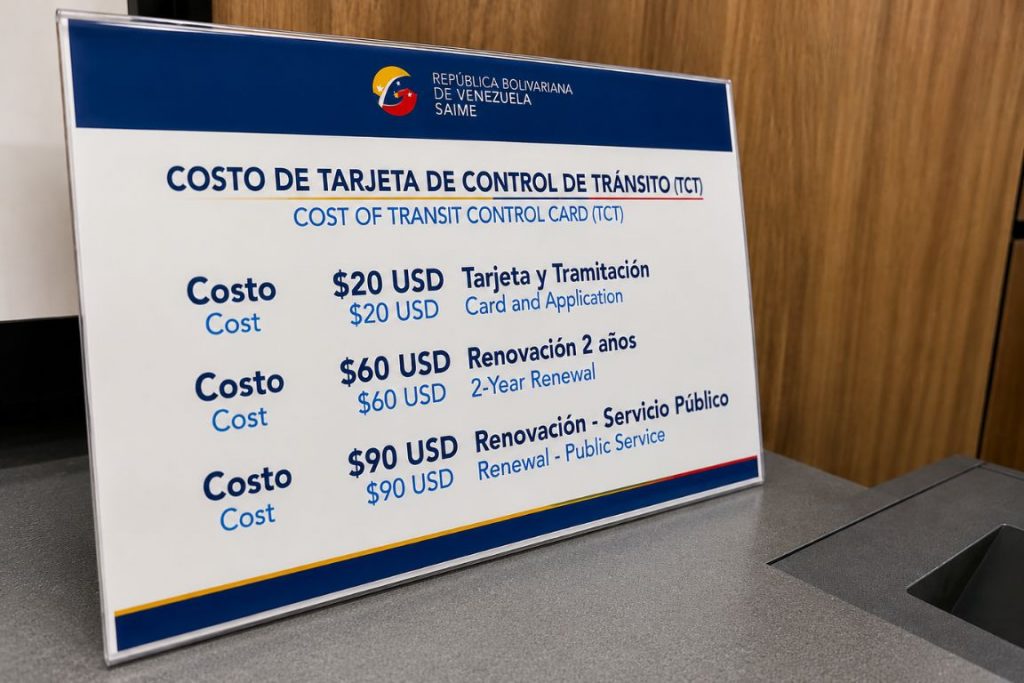
| Transit Control Card (TCT) | $20 per person, purchased online before your flight |
| Recommended cruise length (first-timers) | 8 days / 7 nights; 5 days minimum; never 4 days for a first visit |
| Best itinerary for first-timers | Eastern (Santa Cruz, San Cristobal, Española, Floreana); 70% of first-timers book eastern |
| Best cruise class for first-timers | Mid-range; best balance of comfort, guide quality, and value |
| How far in advance to book | 6 to 10 months for mid-range; 10 to 14 months for peak season departures |
| Domestic flights (Quito/Guayaquil to Galapagos) | $250 to $600 round trip; not included in most cruise fares |
| Best season for first-timers | December through May (warm, calm, clear water); April and May are the sweet spot |
| Arrive in Quito or Guayaquil | One night before your domestic flight to Galapagos; never fly in on embarkation day |
What Should First-Timers Know Before Booking a Galapagos Cruise?
Three things separate the Galapagos from every other destination you’ve visited, and understanding them before you book makes the planning process much simpler. First: the national park controls everything, which means every licensed cruise visits protected sites under strict rules that are actually enforced. Second: the animals don’t flee from you, which changes the entire nature of wildlife photography and observation. Third: the logistics to get here are multi-layered, requiring an international flight to Ecuador, a domestic flight to the islands, biosecurity inspection, and cash for mandatory fees before you board your cruise.
The logistics layer is what catches most first-timers off guard. You don’t just fly to the Galapagos. You fly to Quito or Guayaquil on mainland Ecuador, spend at least one night, clear biosecurity inspection at the airport, board a domestic flight to Baltra or San Cristobal, pay the $200 park fee in USD cash on arrival, present your Transit Control Card, and then transfer to your vessel. Each of those steps is manageable individually. Trying to compress them all into a single travel day while also catching your cruise embarkation is how first-timers miss their ship.
The national park framework is genuinely reassuring once you understand it. Every excursion is guided by a certified naturalist. Every site visit follows a permitted schedule. The wildlife is protected by rules that are enforced. You don’t need to research where to go or what to see each day because the itinerary and the guide handle that. A Galapagos cruise is one of the most structured wildlife experiences available anywhere, which is exactly what makes it so reliably extraordinary for people who’ve never done anything like it.
If you’re planning your first Galapagos cruise and don’t know where to start, the number of options can feel genuinely overwhelming. We cut through it every day and we’re rated 4.9 stars on Google and TripAdvisor. Send us a message here and tell us your rough dates and budget. We’ll give you a short list of realistic options, not a catalogue.
First time planning a Galapagos photography cruise and not sure which ships prioritize early landings and unhurried time at the best sites? Our guide on the best Galapagos cruise for photographers walks you through the top options.
Which Cruise Class Is Best for First-Time Visitors?
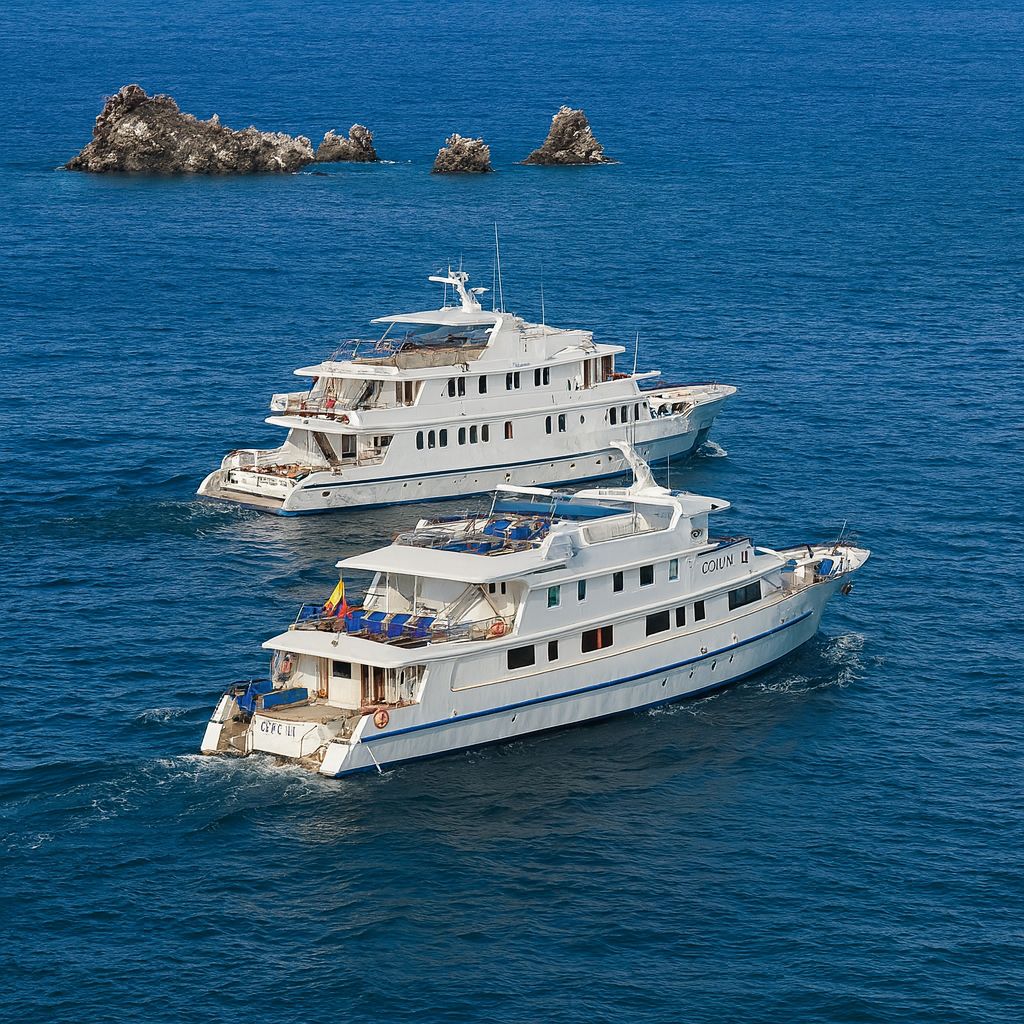
Mid-range is the right class for most first-timers. It delivers comfortable private cabins, good food, included snorkel gear, English-speaking guides with genuine naturalist depth, and a catamaran hull that keeps the ride stable on the overnight passages between islands. It does all of this without the luxury price tag that adds $3,000 to $8,000 per person for amenities that don’t change the wildlife experience. First-timers consistently report that the wildlife is what they’ll remember, not the thread count on the sheets.
Budget vessels work for first-timers who need to minimize cost and understand the trade-offs: smaller cabins, simpler food, guides whose English is functional rather than fluent. The wildlife access is identical. For a first-timer whose primary goal is the experience of the Galapagos rather than the comfort of the boat, budget vessels are worth considering, particularly on shoulder-season departures where early-booking discounts can bring the all-in cost well below $3,500 per person.
Luxury is genuinely wonderful on a first visit, but the premium is harder to justify for someone who doesn’t yet know how much they’ll care about the guide quality or the balcony. Most first-timers who book luxury come back having loved it. Most first-timers who book mid-range also come back having loved it. The people who most consistently say they wish they’d upgraded are those who chose budget and found the onboard environment more difficult than expected over a full week at sea.
First time booking a luxury Galapagos cruise and not sure which ships are genuinely worth it? Our guide on the best Galapagos cruise for luxury travelers walks you through the options that deliver.
| Class | 8-Day Cost Per Person | First-Timer Verdict | Best For |
|---|---|---|---|
| Budget | $2,000-$3,500 | Works if you understand the trade-offs; same wildlife access | Cost-constrained travelers willing to accept basic comfort |
| Mid-range | $3,500-$6,000 | Sweet spot for first-timers; best balance of value and experience | Most first-time visitors; couples; adults who want comfort without luxury prices |
| First-class | $5,000-$8,000 | Excellent for first-timers who want a premium experience; private balconies on better vessels | Honeymooners; milestone trips; travelers who value comfort and guide depth equally |
| Luxury | $8,000-$15,000+ | Exceptional, but premium hard to fully appreciate on a first visit | Travelers for whom the onboard quality matters as much as the wildlife |
Per person double occupancy, cruise fare only. Add $200 park fee, $20 TCT, domestic flights, tips. Verified July 30, 2026.
Mid-range is a wide category and the vessels within it vary significantly in guide quality, snorkel program, and hull stability. Knowing which mid-range boat actually delivers for first-timers takes more research than most people have time for. Fill out this short form and we’ll give you two or three specific vessel recommendations for your dates and budget.
Which Itinerary Is Best for First-Timers?
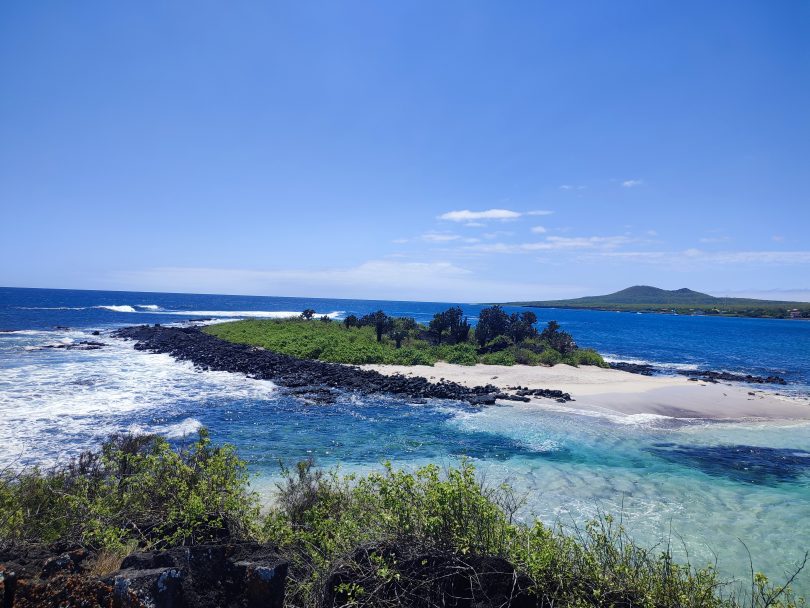
Eastern is the answer for roughly 70 percent of first-time visitors, and for good reason. The eastern itinerary covering Santa Cruz, San Cristobal, Española, and Floreana delivers the most iconic Galapagos wildlife in the most accessible conditions: giant tortoises, blue-footed boobies, sea lions, marine iguanas, waved albatross from April through December, and some of the best snorkeling in the archipelago. The sea conditions are the calmest available. The beaches are sandy and beautiful. The variety across islands is genuinely extraordinary for a first visit.
Española is consistently voted the best single island in the Galapagos by guides and expedition leaders, and it’s on the eastern route. Punta Suarez at the western tip delivers waved albatross, blue-footed and Nazca booby colonies, the famous blowhole, and marine iguanas in breeding season coloration all within a single two-hour morning walk. Gardner Bay on the same island is a two-kilometer white coral sand beach where the only other living things are sea lions and mockingbirds. These two sites in a single day represent what makes the Galapagos incomparable for a first-time visitor.
The western itinerary, covering Isabela and Fernandina, is extraordinary for returning visitors and active travelers who specifically want flightless cormorants, penguin colonies, and the most dramatic volcanic landscapes. The trade-off is rougher sea crossings, colder water, and sites that are harder to reach. For someone experiencing the Galapagos for the first time, the added difficulty isn’t worth it. Go east first. Come back for the west.
On length, 8 days is the honest minimum for a first visit. A 5-day cruise is workable but tight. The common complaint from 5-day cruisers is that they barely found their sea legs before the trip ended. Eight days gives the experience room to unfold at the pace the Galapagos actually demands. The overnight crossings are when the ship moves, which means you’re not losing active excursion time to transit. You wake up at a new island every morning.
First time planning a Galapagos cruise and want to make sure every day on the water involves serious activity rather than just watching from the deck? Our guide on the best Galapagos cruise for active travelers walks you through the right options.
What Will You Actually Experience on Your First Galapagos Cruise?
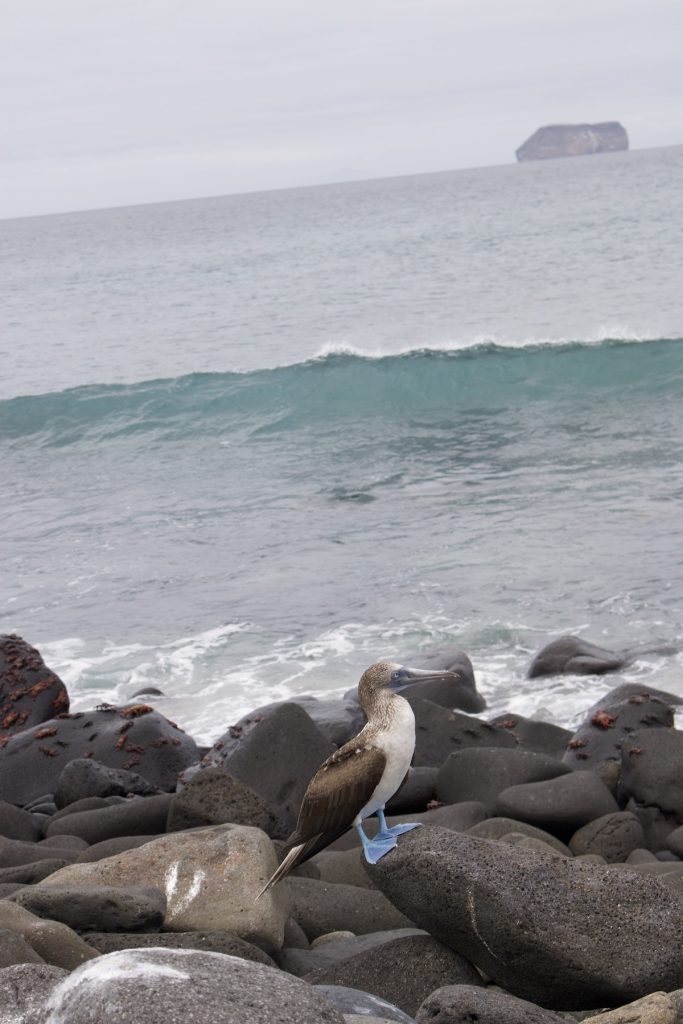
The first thing that surprises almost every first-time visitor is how close the animals are. Not zoo-close, not safari-distance close, but two-feet-from-your-boots close. A blue-footed booby will stop its courtship dance, look directly at you, and resume. A marine iguana will cross the trail in front of you without changing pace. A sea lion pup will investigate your fins. This proximity is the foundation of everything that makes the Galapagos extraordinary, and no photograph or documentary fully prepares you for the reality of it.
The daily schedule runs two excursions: morning and afternoon. The ship moves between islands overnight while you sleep. You wake up anchored somewhere new. The naturalist guide briefs the group each evening on what the next day’s landing involves so you can prepare gear, footwear, and expectations. The pace is active but not exhausting. Most people find the rhythm of the day, excursion, meal, excursion, meal, evening briefing, extremely satisfying by day two.
The snorkeling will surprise you. Even if you’ve snorkeled before, snorkeling in the Galapagos is different. Sea lion pups in the water are genuinely playful in a way that feels impossible until you experience it. A green sea turtle ignoring you while grazing in three meters of water is a sight that people describe with genuine emotion. The water is cooler than tropical destinations and the visibility varies by site and season, but the wildlife density consistently overwhelms any visibility shortcomings.
The meals are included and generally good. The evenings are social, particularly on 16-passenger vessels where the group shares a table. Most first-timers are surprised by how much they enjoy the people they end up sailing with. The destination self-selects for curious, nature-oriented travelers and the conversations tend to be interesting ones.
First time planning a Galapagos cruise with snorkeling as your main priority and not sure which ships are set up to deliver? Our guide on the best Galapagos cruise for snorkelers walks you through the top options by water time, site quality, and gear provided.
What First-Timers Tell Us After Their Galapagos Cruise
From the thousands of Galapagos cruise travelers Oleg has interviewed through mytrip2ecuador.com and the YouTube channel, first-time visitors are the most consistently overwhelmed in a positive sense. The data below reflects aggregate post-trip feedback from travelers on their first Galapagos cruise.
| Finding | Result | Context |
|---|---|---|
| First-timers who said the wildlife exceeded their expectations | ~87% | Animal proximity consistently cited as the single most surprising element |
| First-timers who wished they’d booked a longer cruise | ~64% | Strongest among 5-day bookers; most common post-trip regret overall |
| First-timers who arrived without enough USD cash for the park fee | ~29% | Most common logistical mistake; no ATM at Baltra airport |
| First-timers who said they’d return for a second Galapagos cruise | ~78% | Most citing the western route or longer combined itinerary as their goal |
| First-timers who described the sea lion water encounter as the trip highlight | ~71% | Consistent across all cruise classes from budget to luxury |
What Are the Most Common First-Timer Mistakes?
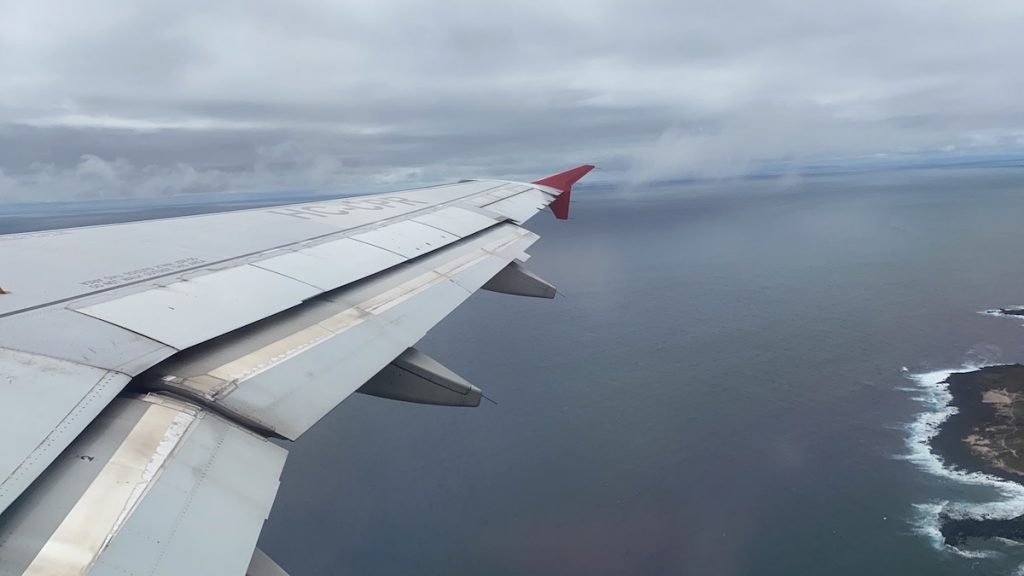
The five mistakes that come up most consistently among first-time Galapagos cruisers: booking a 4-day cruise to save money and feeling like the trip barely started when it ended, arriving in Ecuador on the same day the ship departs and missing embarkation due to flight delays, not bringing enough USD cash for the park fee and TCT at the airport, not bringing reef-safe sunscreen and paying triple the price on the islands, and booking the wrong itinerary without realizing that eastern and western routes cover completely different islands and wildlife.
The flight-on-departure-day mistake is the one with the most catastrophic consequences. A missed domestic connection from Quito means missing your cruise entirely, because vessels depart on park-permitted schedules and cannot wait. The ship leaves. Travel insurance covers the financial loss but not the experience. Book your international flight to arrive in Quito or Guayaquil the night before your domestic departure to the islands. One hotel night is the cheapest insurance you can buy on this trip.
The cash issue is straightforward but consistently overlooked. The $200 park entry fee and $20 TCT must be paid in USD cash, the park fee on arrival at Baltra airport and the TCT at the mainland airport before boarding the domestic flight. There are no ATMs at Baltra. There are ATMs in Puerto Ayora on Santa Cruz, but you won’t reach those before you need the cash. Withdraw sufficient USD before leaving the mainland. Bring slightly more than you need in clean, unworn bills; older or damaged bills are sometimes rejected.
Misunderstanding what the itinerary covers is the third significant mistake. Many first-timers book a cruise without realizing their specific itinerary doesn’t include Española, or includes only a partial day on Santa Cruz, or doesn’t reach Genovesa. Confirming which specific islands your departure visits, in writing, before paying a deposit prevents a week at sea wondering why you’re not seeing the albatross you came for.
First time planning a Galapagos cruise with wildlife as your absolute priority? Our guide on the best Galapagos cruise for wildlife enthusiasts walks you through which itineraries and operators are genuinely built around the animals.
How Much Should First-Timers Budget for a Galapagos Cruise?
A first-time Galapagos cruise all-in for one person, excluding international airfare, runs $3,800 to $7,500 for a mid-range 8-day trip. That covers the cruise fare, the $200 park fee, the $20 TCT, domestic Ecuador flights, tips for guide and crew, and one night of accommodation in Quito or Guayaquil on each end. International airfare from North America or Europe adds $800 to $1,500. A realistic total budget for a first-timer from North America or Europe is $5,000 to $9,000 per person all-in.
First time trying to plan a Galapagos cruise on a tight budget and not sure if it’s even realistic to get a good experience at the lower price points? Our guide on the best Galapagos cruise for budget travelers walks you through what’s actually possible.
| Cost Item | Budget Range | Notes |
|---|---|---|
| Mid-range 8-day cruise fare | $3,500-$6,000 | Per person double occupancy |
| Park entry fee | $200 | Cash USD on arrival at Galapagos airport |
| Transit Control Card (TCT) | $20 | Online before departure |
| Domestic Ecuador flights | $250-$600 | Round trip Quito/Guayaquil to Galapagos |
| Tips (guide and crew) | $150-$250 | Cash USD in envelopes provided on last evening |
| Quito/Guayaquil hotel (2 nights) | $80-$300 | One night each way |
| All-in (excluding international flights) | $4,200-$7,370 | Per person, mid-range 8-day cruise |
| International airfare | $800-$1,500 | From North America or Europe to Quito/Guayaquil |
All amounts per person. Verified July 30, 2026.
When Is the Best Time for a First-Timer to Visit the Galapagos?
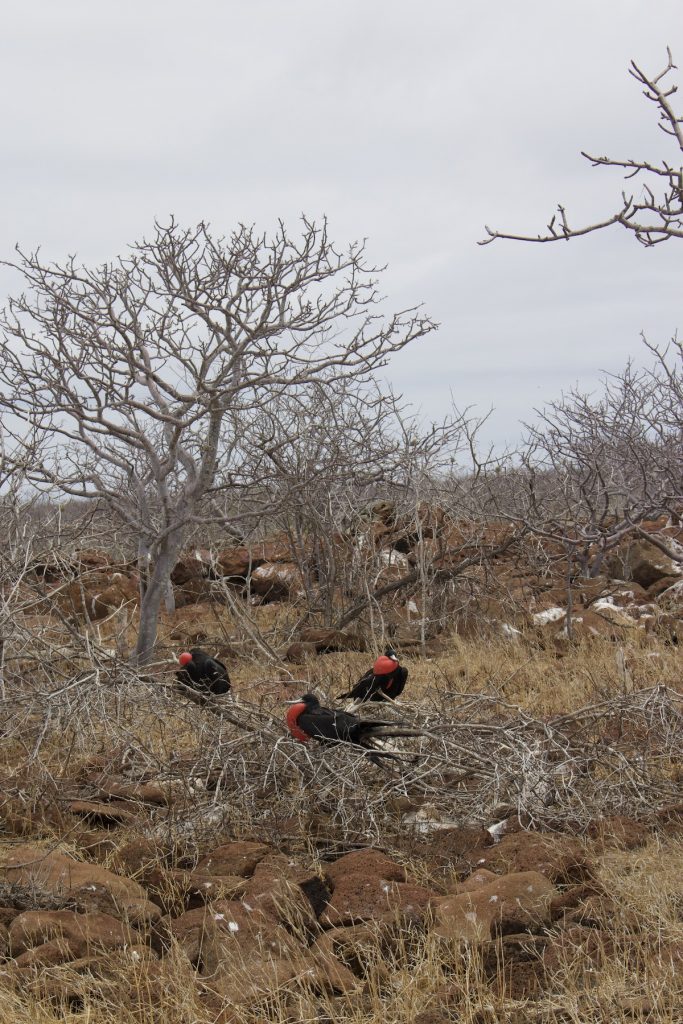
December through May is the warm season and the most comfortable window for a first visit. Seas are calmer, water is warmer for snorkeling, and the equatorial light is softer and more photogenic. April and May specifically combine warm-season comfort with courtship season behavioral displays: waved albatross beginning to return to Española, frigatebird throat-sac inflation on Genovesa and North Seymour, blue-footed booby dancing at peak intensity. For a first-timer who wants the most dramatic wildlife experience in the most comfortable conditions, April through May is the optimal window.
The cool season from June through November is also strong but brings rougher seas on some crossings and cooler water. July and August are peak season with highest demand and highest prices. September through November is the value window for first-timers with flexible dates: 15 to 20 percent lower pricing than peak, excellent wildlife activity, and shoulder-season passenger volumes that make the experience slightly less crowded.
January through March is good for first-timers who prioritize warm water and sea turtle nesting activity. The warmest snorkeling of the year happens February through March. The waved albatross is absent from January through March, which matters if seeing it is a priority: check your specific departure dates against the albatross calendar before booking an eastern itinerary that includes Española.
First time planning a Galapagos cruise and trying to nail the timing without second-guessing every month on the calendar? Our guide on the best time of year to take a Galapagos cruise walks you through what each season actually delivers.
Frequently Asked Questions
Is the Galapagos suitable for first-time cruisers who have never been on a boat?
Yes, with one caveat: the overnight passages between islands can produce seasickness on some crossings, particularly in the cool season and on the rougher western route. Catamarans are significantly more stable than monohull vessels. For first-time boaters, booking a catamaran on an eastern itinerary in the warm season minimizes the motion risk. Bring seasickness medication as a precaution even if you’ve never needed it on a boat before.
Do I need to book my domestic flights to the Galapagos separately?
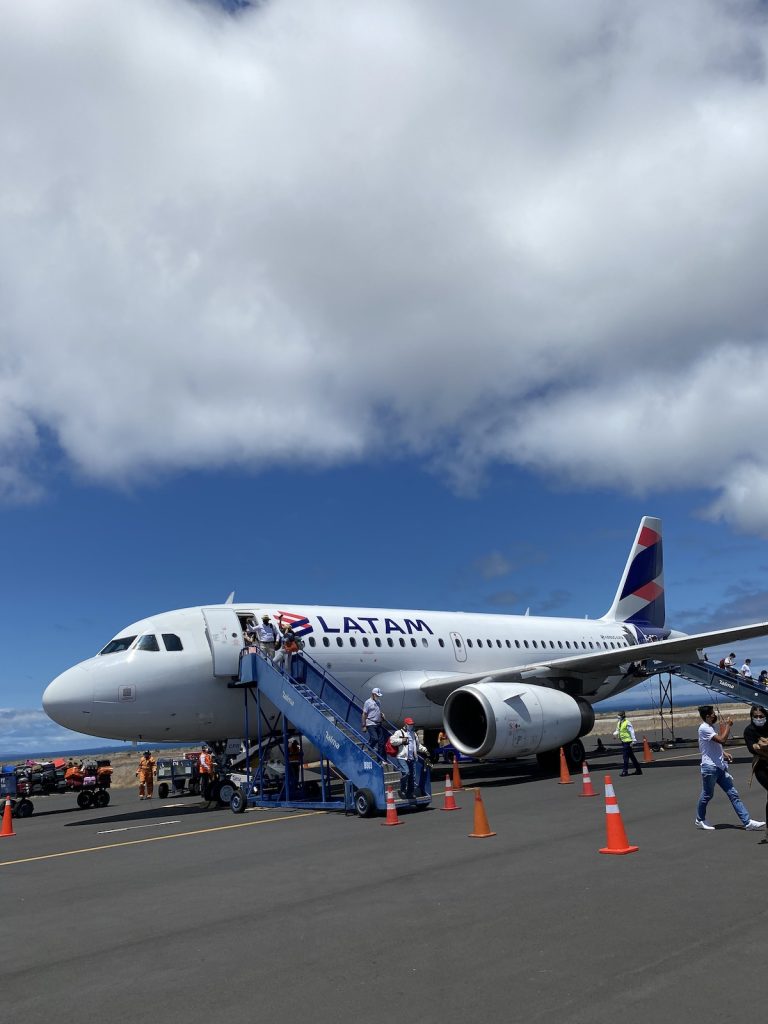
Some cruise operators include domestic flights in their package; many do not. Confirm this before booking. If not included, LATAM and Avianca operate most Galapagos routes from Quito and Guayaquil. Your cruise operator will typically recommend specific flights timed to the embarkation schedule. Follow their recommendation rather than booking the cheapest available option, since vessels cannot wait for late arrivals.
What should I pack for a first Galapagos cruise?
Lightweight hiking shoes for trail excursions, water shoes or sandals for wet landings, swimwear and a rash guard, reef-safe mineral sunscreen (mandatory and hard to buy on the islands), a light waterproof jacket for cool evenings and potential rain, sunglasses and a hat for equatorial sun, and USD cash for the park fee, tips, and any incidentals. Luggage space is limited on smaller vessels; pack lighter than you think you need to.
Can I see giant tortoises on a first Galapagos cruise?
Yes on most eastern and central itineraries. The Charles Darwin Research Station on Santa Cruz has a tortoise breeding program where you can observe giant tortoises at close range, and the Santa Cruz highlands hold wild tortoises that roam freely. Most 8-day eastern cruises include at least one tortoise visit. Confirm it’s on your specific itinerary before booking if seeing giant tortoises is a priority.
Planning a first Galapagos cruise involves more decisions than most trips: vessel class, itinerary route, cruise length, season, domestic flights, and mandatory fees to sort before you even arrive. We help first-timers navigate all of it every day, we know the fleet, and we’re rated 4.9 stars on Google and TripAdvisor. If you want a straightforward recommendation for your first Galapagos cruise based on your dates, group, and budget, get in touch here and we’ll give you something specific and honest.
Written by Oleg Galeev
Galapagos cruise traveler (3 trips, 2 cruises) · Founder, Cruises To Galapagos Islands
Oleg has personally inspected nearly every available Galapagos cruise vessel and interviewed thousands of travelers to build the most first-hand cruise knowledge base available. He also runs the Ecuador travel blog mytrip2ecuador.com and the YouTube channel My Trip to Somewhere.
Cruises To Galapagos Islands is rated 4.9 stars on Google and TripAdvisor.
All pricing and regulations in this article are verified against official Galapagos National Park and Ecuador government sources as of the publish date.