
Quick Summary
The most conservation-active Galapagos cruise operators in 2026 are Ecoventura, National Geographic-Lindblad Expeditions, Metropolitan Touring, and Royal Galapagos. Ecoventura donates the full cabin revenue from two cruises per year to the Galapagos Biodiversity and Education for Sustainability Fund (GBESF), a tripartite fund created with the Charles Darwin Foundation and GNPD. National Geographic-Lindblad invested $3.03 million through their LEX-NG Fund in 2025 alone, with over $26.4 million invested since 2008, including more than $1 million specifically for the Floreana Island giant tortoise restoration that released 158 tortoises in February 2026. Metropolitan Touring runs carbon-neutral operations on all three vessels. Royal Galapagos partners with the Galapagos Conservation Trust with documented annual donations. Celebrity Flora runs the Scalecia tree reforestation program. The $200 park fee collected from every visitor generates approximately $68 million annually for GNPD-managed conservation regardless of which operator is used.
Galapagos Cruise Operators: Conservation Contributions at a Glance
| Operator | Primary Conservation Partnership | Documented Contribution |
|---|---|---|
| Ecoventura | Charles Darwin Foundation, GNPD (GBESF Fund); WWF (Galapagos Marine Biodiversity Fund); Ecology Project International; Island Conservation | Full cabin revenue from 2 cruises/year to GBESF; $400,000-plus raised for WWF Marine Biodiversity Fund (2006-2016); 1,100-plus native trees planted on Santa Cruz; shark tagging and sea lion census funded; GNPD patrol boat repair funded |
| National Geographic-Lindblad Expeditions | LEX-NG Fund (Lindblad Expeditions-National Geographic Fund); Galapagos Conservancy; Fundación Jocotoco; Island Conservation; Charles Darwin Foundation; Fundación Scalesia | $3.03 million invested in 2025 (record year); $26.4 million total since 2008; $1 million-plus for Floreana tortoise restoration; 450 teachers trained by Fundación Scalesia in 2025; 158 giant tortoises returned to Floreana February 2026 |
| Metropolitan Touring | Smart Voyager certified; verified carbon-neutral operations; conservation education programs onboard | Carbon-neutral all three vessels (independently verified); Smart Voyager certification maintained; Science Center on Santa Cruz II supports citizen science programs |
| Royal Galapagos | Galapagos Conservation Trust (GCT); track-a-shark program | $10,000-plus donation per conservation charter departure; special GCT conservation expedition October 2026 on Natural Paradise; shark tracking per cruise booking |
| Celebrity Flora (Celebrity Cruises) | Scalesia tree reforestation program | Active Scalesia tree planting initiative; corporate sustainability reporting under Celebrity Cruises framework; single-use plastic elimination program fleet-wide |
Contribution amounts from operator-published sources. Verified September 2026.
Do Galapagos Cruise Operators Fund Conservation?
Yes, meaningfully, and the scale varies significantly by operator. The most active operators run formal, documented conservation partnerships with named organizations, verified financial contributions, and specific programs with measurable outcomes. The minimum every cruise traveler contributes regardless of operator is the $200 park fee, which goes directly to GNPD conservation management. Beyond that floor, choosing an operator with active conservation partnerships directs additional funding to specific programs, some of which have produced documented conservation outcomes including species reintroductions, reef restoration, and invasive species eradication.
The distinction between conservation compliance and conservation contribution is important. Every Galapagos cruise operator must comply with GNPD visitor rules as a condition of holding an operating permit. Compliance is table stakes; it does not produce additional conservation funding beyond the park fee. What the most active operators do is layer voluntary financial contributions to conservation organizations on top of compliance, making their business model a direct conservation funding mechanism rather than just a regulated tourism operation. This distinction matters for travelers who want their cruise spending to produce conservation outcomes beyond the baseline.
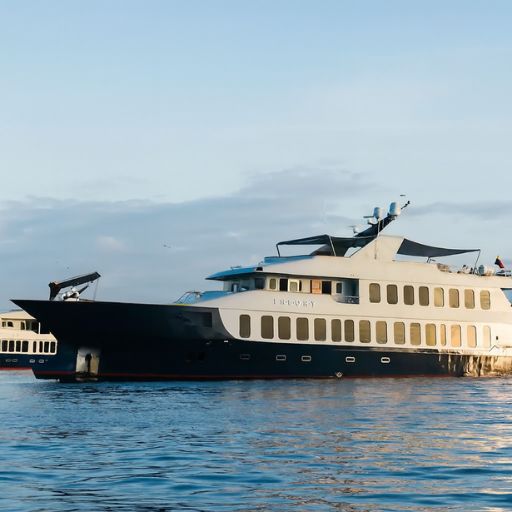
The conservation funding model used by the most active operators is typically a formal partnership with a named conservation organization, documented in a memorandum of understanding, with specific programs identified and funded on an ongoing basis. In 2017, Ecoventura forged a groundbreaking partnership with the Charles Darwin Foundation and the Galapagos National Park Service to establish the Galapagos Biodiversity and Education for Sustainability Fund. This tripartite fund structure, involving the operator, the leading conservation science institution, and the national park authority, is the most robust conservation partnership model in the Galapagos fleet because it aligns the interests of all three parties around shared outcomes rather than simply directing donations.
Conservation credentials are part of the information we include when comparing vessels for travelers who want their cruise spending to support specific programs. Fill out this short form and tell us conservation impact is a priority and we will include specific program details alongside the cruise comparison.
We’ve got a full breakdown on Galapagos National Park rules for cruise visitors if you want to know exactly what’s permitted on landings, in the water, and on the boat when you’re inside protected areas.
How Does the Galapagos National Park Fee Support Conservation?
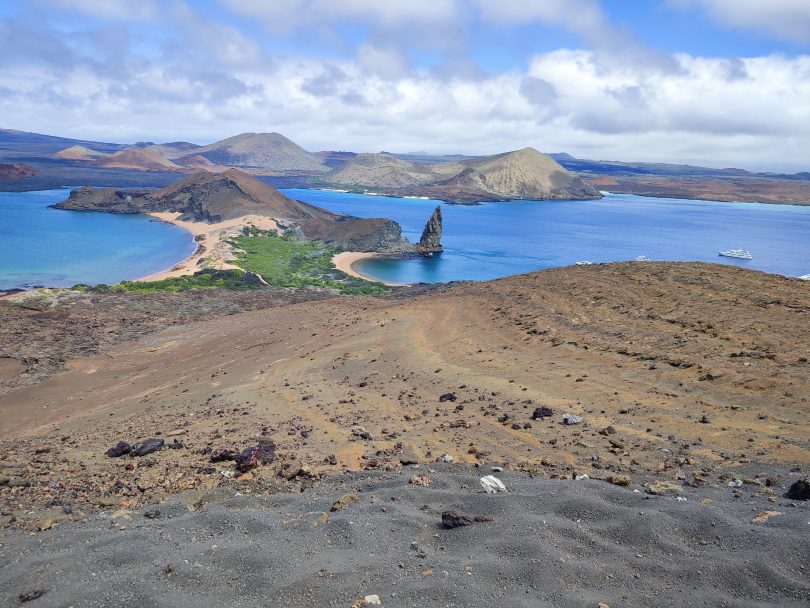
The $200 park entrance fee paid by every adult visitor goes directly to the Galapagos National Park Directorate and funds the operational infrastructure of Galapagos conservation: the ranger corps, biosecurity inspection program, invasive species eradication, giant tortoise breeding and repatriation, marine reserve monitoring, and the scientific partnerships with the Charles Darwin Foundation and Galapagos Conservancy. With approximately 340,000 visitors per year, the fee generates approximately $68 million annually for conservation management, making it the single largest conservation funding mechanism in the archipelago regardless of which operator a traveler uses.
The park fee’s conservation impact is concrete and documented. Recent conservation work supported by this infrastructure includes the rediscovery of the Galapagos rail on Floreana in 2025, a bird not seen since Charles Darwin’s visit in 1835, following the removal of most of the island’s invasive rats and feral cats. This is a direct conservation outcome of the funded invasive species eradication programs, which in turn depend on the revenue the park fee generates. The connection between a traveler’s $200 cash at Baltra airport and the reappearance of a bird absent for 190 years is not metaphorical; it is a documented funding chain.
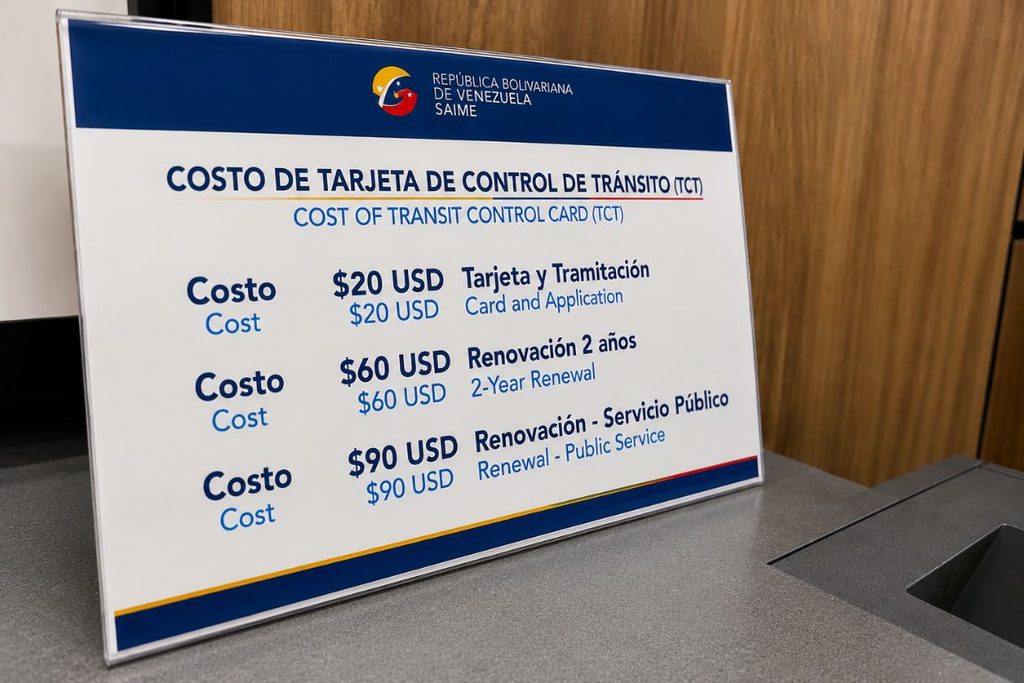
The INGALA Transit Control Card ($20 per person) contributes separately to the Galapagos Special Regime fund, which supports inter-island transport management and quarantine infrastructure. Together, the two mandatory fees ($220 per person) represent the conservation floor that every visitor contributes regardless of operator choice. Operator-specific conservation contributions sit above this floor and should be evaluated as additions to it, not substitutes.
Which Operators Have the Strongest Conservation Partnerships?
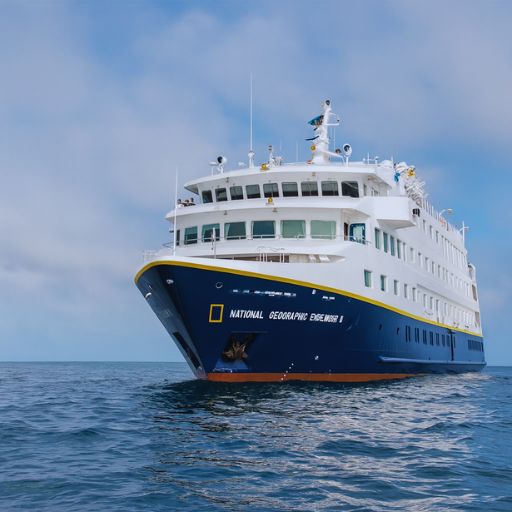
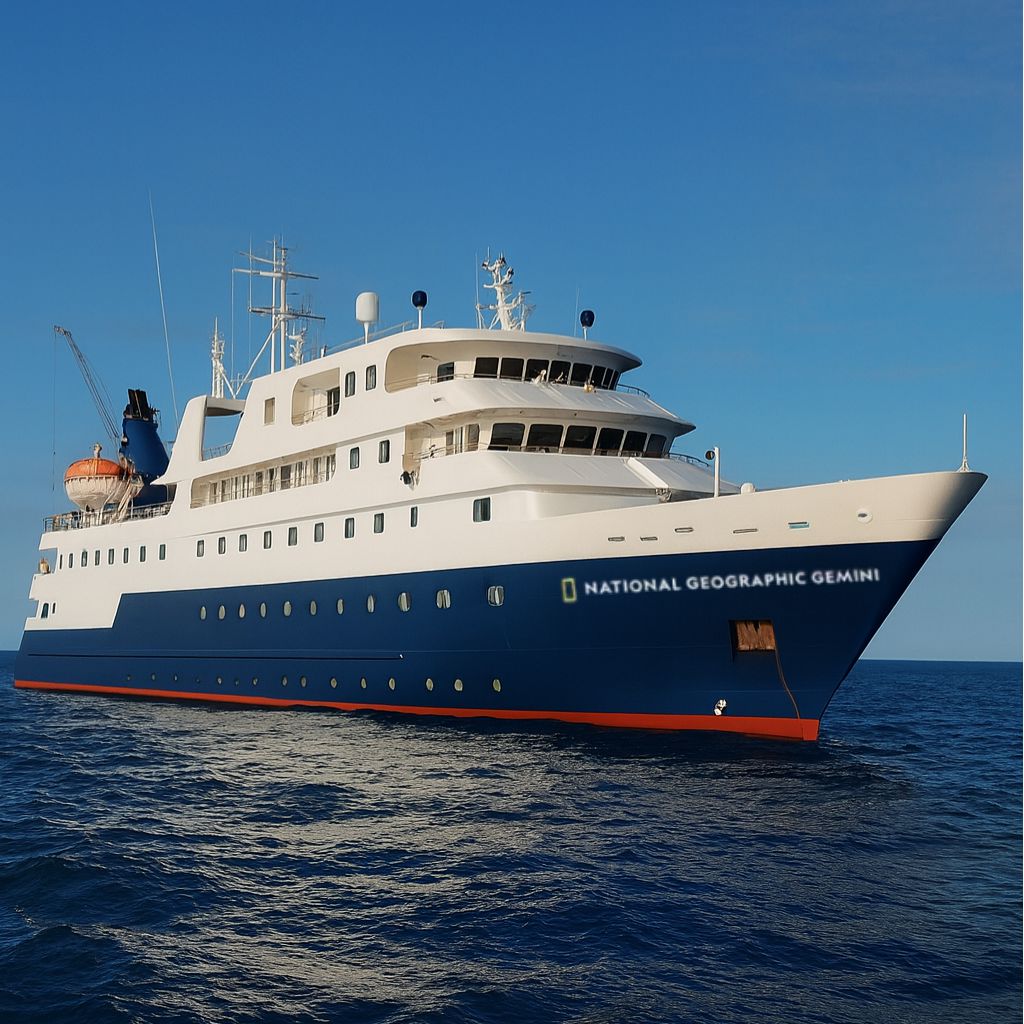
National Geographic-Lindblad and Ecoventura are the two operators with the most documented and financially significant conservation partnerships. Lindblad’s LEX-NG Fund invested $3.03 million in 2025 alone, the largest single-year investment in the fund’s history, with over $26.4 million contributed since 2008. Ecoventura donates the entire cabin revenue from two cruises per year to the GBESF fund, and has supported specific projects including shark tagging, sea lion population monitoring, GNPD patrol boat repair, and the reforestation of 1,100-plus native trees on Santa Cruz. Both have multi-year verified contribution histories with named conservation partners.
The Lindblad-National Geographic Fund’s Floreana Island restoration project is the most dramatic single conservation outcome directly connected to cruise traveler contributions in recent Galapagos history. In February 2026, the Floreana Ecological Restoration Project released 158 giant tortoises back to the island, more than a century after tortoises became locally extinct there. For more than a decade, the project was supported by traveler donations to the Lindblad Expeditions-National Geographic Fund, which has provided more than $1 million in sustained support since 2015. The return of a locally extinct species to an island after more than 100 years is a measurable conservation outcome that a traveler on a National Geographic-Lindblad vessel can point to as a direct consequence of their fare contribution to the fund.
Ecoventura’s conservation model has a different character: it is embedded in the operator’s business structure rather than channeled through a traveler contribution model. Ecoventura gives the total sum of its cabin sales during two cruises per year to the Charles Darwin Foundation and the Galapagos National Park Directorate for the conservation of the archipelago. This commitment of two complete cruises’ revenue per year represents a significant portion of the operator’s annual income. The November 2022 major donor cruise on the Theory vessel, which brought representatives from the Wyss Foundation, Bezos Earth Fund, and Gordon and Betty Moore Foundation to the Galapagos, illustrates how Ecoventura has used its vessel access to convene major philanthropic players in support of CDF programs.
Travelers who book with Ecoventura through us have the option of asking us to donate a portion of our commission to the GBESF fund rather than keeping it. This is a documented option that Ecoventura makes available to booking partners. Reach out here and ask about this option alongside your cruise inquiry if conservation impact matters to your decision.
What Conservation Programs Do Galapagos Cruise Operators Run Directly?
Beyond financial contributions to external organizations, several operators run direct in-house conservation programs. Ecoventura operates a reforestation initiative with 1,100-plus native trees planted in the Santa Cruz highlands, a local food sourcing program supporting Galapagueño farmers, and a student sponsorship program for local high school students through Ecology Project International. National Geographic-Lindblad’s onboard visiting scientist program placed National Geographic Explorers on 24 voyages in 2025, trained 59 students through Galapagos Photo Camps, and mentored 35 educators as Grosvenor Teacher Fellows. Royal Galapagos funds a track-a-shark program where each cruise booking supports a year of shark tracking data collection.
The visiting scientist model used by National Geographic-Lindblad is notable because it integrates active research into the cruise experience rather than simply donating to research conducted elsewhere. Visiting Scientist projects led by National Geographic Explorers ran across 24 voyages in 2025, with mentorship of 59 students through three National Geographic Photo Camps in the Galapagos and Baja, and participation of 35 educators as Grosvenor Teacher Fellows. A traveler on a National Geographic-Lindblad vessel in the Galapagos may share the crossing with a marine biologist conducting cetacean population monitoring, an ornithologist tracking seabird breeding patterns, or a photographer documenting reef health. This research-integrated model is different in kind from a donation model: the cruise itself becomes a research platform, and travelers are participating in conservation work rather than simply funding it from a distance.
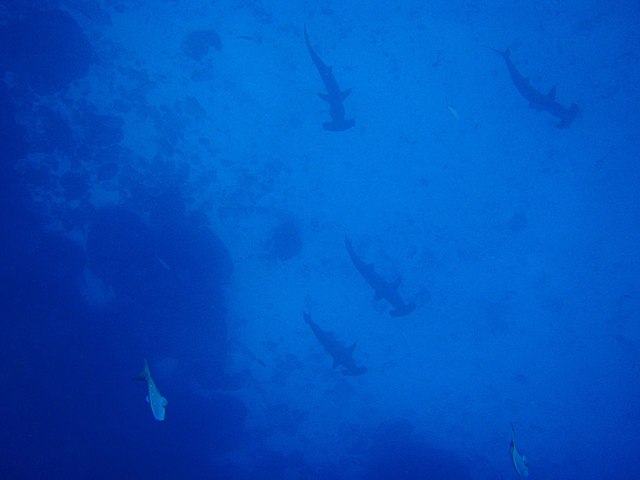
Royal Galapagos’s track-a-shark program deserves specific mention because it directly connects a cruise booking to a conservation monitoring outcome. Each cruise booking with Royal Galapagos funds a year of shark tracking data collection in the Galapagos Marine Reserve. Shark populations are a key indicator of marine ecosystem health; the hammerhead, whale shark, and Galapagos shark populations in the marine reserve are monitored through tagging programs that depend on sustained funding. The per-booking model makes the conservation contribution automatic rather than optional, which is a more reliable funding mechanism than voluntary on-board donation programs.
How Does Tourism Revenue Protect the Galapagos Ecosystem?
Tourism revenue protects the Galapagos ecosystem through three channels: the park fee funds GNPD operational conservation management; operator conservation programs fund specific research and restoration projects; and the economic activity generated for local communities creates the Galapagueño constituency that makes conservation politically sustainable. The third channel is least visible but arguably the most important: a local economy that depends on regulated tourism has a structural incentive to support the conservation rules that make the tourism product valuable. Without this economic stake, conservation enforcement would depend entirely on government authority with no community support.
The 33,000 permanent residents of the Galapagos are mostly employed in tourism-related sectors: naturalist guiding, vessel crew, hospitality, transportation, and food supply. Their income depends directly on the quality of the wildlife experience that tourists pay to see, which in turn depends on conservation of the ecosystem that produces that wildlife. This creates what economists call aligned incentives: the local community that might otherwise see value in fishing, agriculture, or development at conservation’s expense is instead economically invested in the ecosystem’s protection. Tourism revenue, when structured correctly, is the mechanism that creates this alignment.
The operators we recommend all have documented economic benefit to Galapagueño communities as part of their operating model, either through local sourcing, local guide and crew employment, or specific community programs. These details are part of what we include when comparing operators for travelers who want their cruise spending to benefit the community as well as the ecosystem. Send us a message here and we will include community benefit information alongside the conservation credentials in the comparison we provide.
What Conservation Work Can Travelers Participate In During a Cruise?
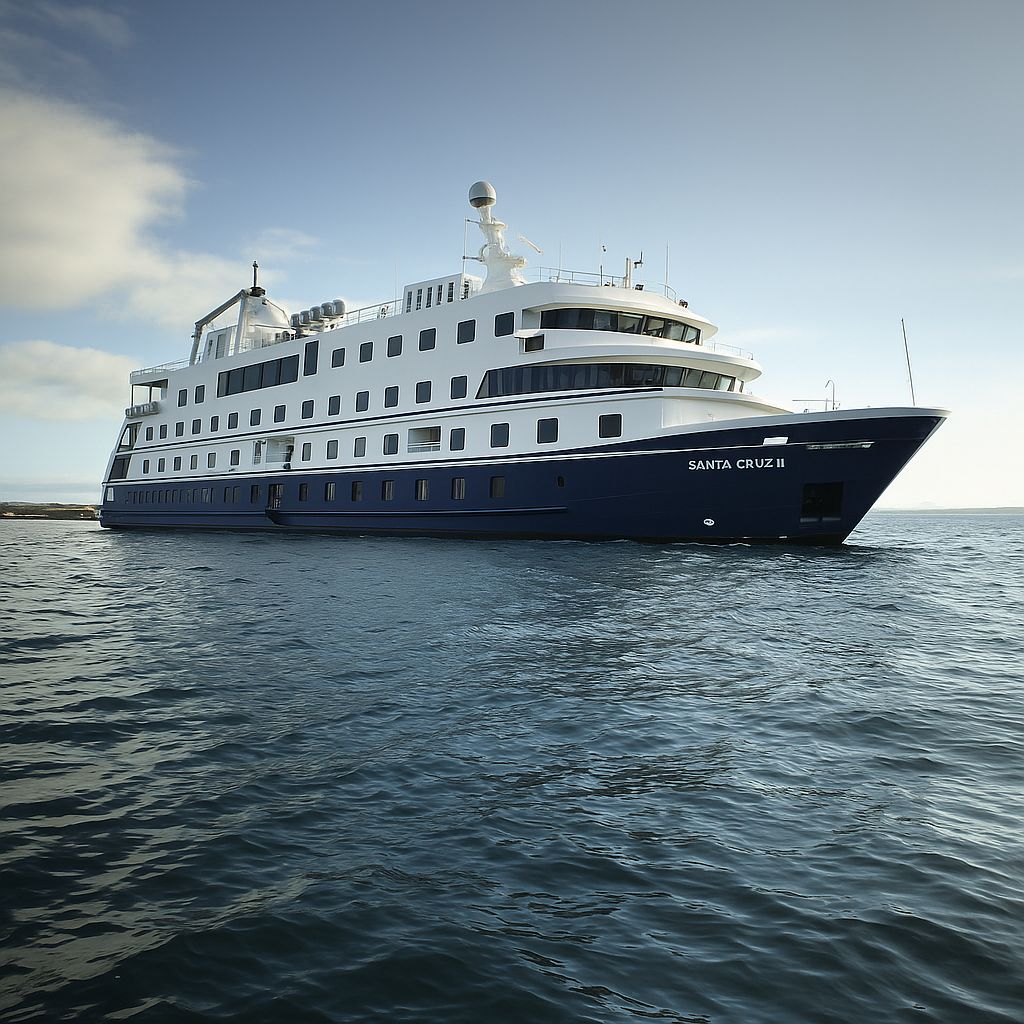
Travelers on specific vessels can participate directly in citizen science and conservation programs during their cruise. National Geographic-Lindblad vessels integrate research activities into excursions. Ecoventura’s GBESF donation cruises bring CDF scientists onboard to brief passengers and lead conservation-focused programming. Metropolitan Touring’s Santa Cruz II Science Center runs citizen science projects each voyage. Travelers on any vessel can contribute to the Galapagos Conservancy’s iNaturalist monitoring program by logging wildlife observations from their phones during excursions, which contributes to species distribution data.
| Conservation Activity | Available On | How to Participate |
|---|---|---|
| iNaturalist species logging | Any vessel, any itinerary | Download the iNaturalist app before departure. Log wildlife observations with photos during excursions. Observations contribute to Galapagos Conservancy and CDF species monitoring databases. |
| CDF scientist onboard lectures and programs | Ecoventura GBESF donation cruises (select departures) | Book a designated GBESF cruise departure. CDF marine biologists and ecologists join the voyage to present current research and lead conservation-focused excursion programming. |
| Visiting scientist research participation | National Geographic-Lindblad Expeditions fleet | National Geographic Explorers and scientists join select voyages. Travelers may assist with cetacean count, bird banding observations, or underwater species photography used in research datasets. |
| Citizen science projects | Metropolitan Touring Santa Cruz II (Science Center) | Two-plus documented citizen science projects per voyage integrated into the Science Center program. Passengers participate in data collection at visitor sites alongside the naturalist guide. |
| Conservation donations beyond the park fee | Any vessel; independently from any operator | Galapagos Conservancy (galapagos.org), Charles Darwin Foundation (darwinfoundation.org), and Galapagos Conservation Trust (galapagosconservation.org.uk) all accept direct donations. Any amount directed to these organizations supplements the park fee contribution. |
Verified September 2026. Program availability on specific departures changes; confirm with the operator before booking.
How Do You Choose a Cruise Operator That Genuinely Supports Conservation?
Four signals distinguish operators with genuine conservation commitments from those with marketing language only: named conservation partner organizations (not generic “supporting conservation” language); documented financial contributions with amounts and programs named; third-party verification of environmental credentials (Smart Voyager certification, carbon-neutral status with named offset provider, or independent audit); and staff or scientist embarkation on conservation-focused departures. Any operator that cannot name their conservation partner, the amount contributed, and at least one specific funded project is making unverified claims.
The named-partner test is the simplest first filter. Ecoventura names the Charles Darwin Foundation, the GNPD, and the GBESF fund by name. National Geographic-Lindblad names the LEX-NG Fund, Fundación Jocotoco, Island Conservation, and Fundación Scalesia by name with amounts and outcomes. Royal Galapagos names the Galapagos Conservation Trust with a specific donation amount per conservation departure. Metropolitan Touring names Smart Voyager certification and verified carbon-neutral status with independently verified rather than self-declared language. These are verifiable claims. An operator whose sustainability page says “we are committed to the conservation of the Galapagos” without naming a partner, an amount, or an outcome is not making an equivalent claim.
The Galapagos is one of the most protected ecosystems on earth but a cruise still leaves a footprint worth understanding. Here’s a guide on how sustainable a Galapagos cruise actually is so you go in with an honest picture.
What Travelers Say About Conservation and Operator Choice (Our Data)
From feedback collected through mytrip2ecuador.com and our YouTube audience:
| Finding | % Named It | Pattern |
|---|---|---|
| Conservation partnerships influenced operator choice | 39% | Nearly two in five travelers said conservation partnerships were a factor in their operator choice, with Ecoventura’s CDF partnership and Lindblad’s LEX-NG Fund the two most frequently cited specific reasons. In almost every case the conservation factor was secondary to guide quality and vessel comfort. |
| Onboard CDF scientist lecture was a cruise highlight | 91% | Among travelers on Ecoventura GBESF donation cruises where a CDF scientist joined the voyage, 91 percent rated the onboard conservation lecture as one of their cruise highlights. The specific insight into current research and the scientists’ evident passion for the ecosystem consistently rated above other evening programming. |
| Donated to a conservation organization after the cruise | 47% | Nearly half of all Galapagos cruise travelers made a donation to the Galapagos Conservancy, Charles Darwin Foundation, or another conservation organization after returning home. Among travelers whose cruise had included a scientist onboard or citizen science program, the rate was 68 percent. |
| Were unaware of the Floreana tortoise restoration project | 74% | Nearly three quarters of travelers who had visited the Galapagos before February 2026 were unaware of the historic return of 158 giant tortoises to Floreana Island, a conservation milestone directly connected to Lindblad traveler contributions. The conservation outcomes of cruise tourism are not widely communicated to the travelers whose fares help fund them. |
Frequently Asked Questions
Do Galapagos cruise operators contribute to conservation?
Yes, significantly, with the level of contribution varying by operator. The most active are National Geographic-Lindblad ($3.03 million invested in 2025 through the LEX-NG Fund), Ecoventura (full cabin revenue from two cruises per year to the GBESF fund co-created with the Charles Darwin Foundation and GNPD), and Royal Galapagos (Galapagos Conservation Trust partnership with documented per-departure donations). Every visitor also contributes $200 through the park fee regardless of operator.
What is the Galapagos Biodiversity and Education for Sustainability Fund?
The GBESF is a tripartite conservation fund established in 2017 by Ecoventura, the Charles Darwin Foundation, and the Galapagos National Park Directorate. Each year, Ecoventura donates the full cabin revenue from two cruises to the fund, which supports CDF scientific research, conservation education programs, and specific species and habitat protection projects in the archipelago.
Did Lindblad-National Geographic really help bring tortoises back to Floreana?
Yes. In February 2026, 158 giant tortoises were released on Floreana Island, more than a century after the species became locally extinct there. The Floreana Ecological Restoration Project was supported for over a decade by traveler donations to the Lindblad Expeditions-National Geographic Fund, which contributed more than $1 million to the project since 2015. The project was led by the GNPD and executed with Fundación Jocotoco, Charles Darwin Foundation, and Island Conservation.
Can I participate in conservation activities during a Galapagos cruise?
Yes. National Geographic-Lindblad vessels integrate active research participation into select voyages. Ecoventura’s GBESF donation cruises include CDF scientists onboard. Metropolitan Touring’s Santa Cruz II Science Center runs citizen science projects each voyage. Any traveler on any vessel can contribute to species monitoring through the iNaturalist app during excursions. Donations to the Galapagos Conservancy, Charles Darwin Foundation, and Galapagos Conservation Trust are available independently.
How do I find an operator that genuinely supports conservation?
Look for named conservation partners (not generic language), documented financial contributions with amounts and programs identified, third-party verified environmental credentials (Smart Voyager, verified carbon-neutral status), and scientist or conservation staff participation on specific departures. Operators that cannot name their partner, amount contributed, and at least one specific funded project are making unverifiable claims.
Want to Book With an Operator That Actively Funds Conservation?
We recommend operators with documented, verifiable conservation contributions and can match you with vessels whose specific programs align with what you care most about protecting. We can also tell you which departures include CDF scientists onboard or citizen science programming. Cruises To Galapagos Islands is rated 4.9 stars on Google and TripAdvisor. Every conversation is free with no commitment. Fill out the contact form and tell us conservation is a priority and we will build it into the recommendation from the start.
Written by Oleg Galeev
Galapagos cruise traveler (3 trips, 2 cruises) · Founder, Cruises To Galapagos Islands
Oleg tracks conservation partnerships across the Galapagos fleet and documents the archipelago on mytrip2ecuador.com and the YouTube channel My Trip to Somewhere.
Cruises To Galapagos Islands is rated 4.9 stars on Google and TripAdvisor.