
TL;DR
March is the hottest and rainiest month in the Galapagos, which sounds like a con until you look at what it actually means on the water. Seas are calm, water temperatures peak at their warmest all year, visibility is exceptional, and the wildlife calendar is one of the busiest of any month. The albatross returns to Española late in March. The real cons are the heat and humidity, occasional heavy showers, and Easter/spring break crowds if your dates fall in that window. For most travelers, the pros win decisively.
March in the Galapagos: Quick Facts
| Factor | March Details |
|---|---|
| Air Temperature | 77-88°F (25-31°C) daytime – hottest month of the year |
| Water Temperature | 76-77°F (24-25°C) – peak warmth of the year |
| Underwater Visibility | Excellent – among the clearest of the year |
| Rainfall | ~3.3 inches (8 cm) – highest monthly rainfall of the year |
| Sea Conditions | Calm – warm season trade winds still minimal |
| Crowd Level | Variable – quiet early March, peak busy around Easter/spring break |
| Cruise Pricing | Shoulder season pricing most of March; Easter week jumps to peak rates |
| Wetsuit Needed? | No, warmest water of the year |
| Wildlife Highlights | Waved albatross return (late March), marine iguanas nesting Fernandina, giant tortoises breeding, frigatebirds displaying, green sea turtles nesting, manta rays active |
| National Park Entry Fee | $200 adults / $100 children under 12 – cash only (Verified May 2026) |
| TCT (INGALA) Card | $20 per person – online completion required before travel (Verified May 2026) |
Is March a Good Month for a Galapagos Cruise?
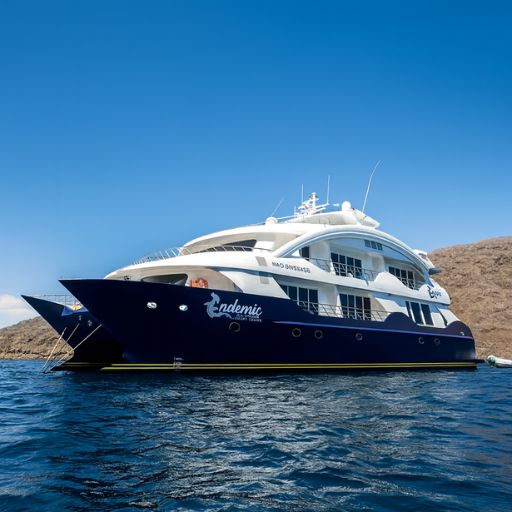
Yes, with one important caveat. March delivers the warmest water of the year, peak-condition snorkeling, remarkable wildlife activity, and lush green islands after weeks of warm-season rain. The caveat is that it is also the hottest and technically the rainiest month. Neither of those things ruins a cruise, but they shape it. Know what you’re signing up for and March will exceed your expectations.
Here’s the thing most guides get wrong about March: they lead with the rain and bury the good stuff. March is technically the peak of the wet season, and some travelers read that as a warning. It isn’t. The rain is real, but it falls in short, tropical bursts that clear within the hour. What doesn’t get mentioned as loudly is that March water is the warmest it gets all year, the islands look extraordinarily alive and green after months of warm-season rainfall, and the wildlife calendar is stacked in ways that few other months can match.
The late-March albatross return is genuinely significant. Most of the year, the waved albatross is absent from the Galapagos. They appear on Española toward the end of March and stay through December, and their reunion and courtship behavior is one of the most remarkable wildlife spectacles anywhere on earth. Getting the tail end of their return as part of a March itinerary is something February simply cannot offer.
We’ve sent travelers to the Galapagos in every month of the year. The ones who cruise in March consistently come back talking about the water, the heat, and the wildlife volume. Almost none of them come back complaining about rain. They come back wishing they had booked a longer trip.
Not sure which season actually delivers the best Galapagos experience on the water? Here’s our best time of year to take a Galapagos cruise guide so you time your trip right.
What Is the Weather Like in the Galapagos in March?
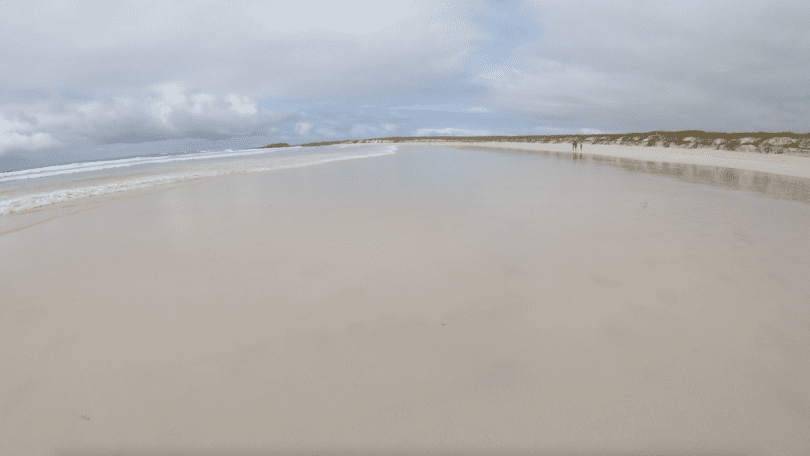
March is the warmest month in the Galapagos calendar, with daytime air temperatures regularly hitting 86-90°F (30-32°C) and water temperatures peaking around 76-77°F (24-25°C). It is also the wettest month, with average rainfall around 3.3 inches (8 cm). Showers are intense but brief, typically lasting under an hour and clearing to blue skies. Humidity is noticeable. Seas are calm throughout.
Two weeks into March, the heat becomes something travelers genuinely feel. It’s not oppressive in the way that, say, Southeast Asia in April can be. The sea breeze on the boat helps. But midday on shore, after two excursions and with humidity pressing down, it is legitimately hot. People who are sensitive to heat should know this before they book. People who enjoy tropical warmth will love it.
The rain pattern is worth understanding precisely. March averages the highest rainfall of any month in the Galapagos, but it doesn’t fall as steady grey drizzle. It falls as concentrated, warm, dramatic downpours. They arrive, usually in the afternoon or evening, and they leave. By the next morning, the sky is clear and the vegetation has that vivid, saturated green you don’t see in drier months. The highlands of Santa Cruz look like a different island after a March rain than they do in August.
One pattern that multiple operators and returning travelers have flagged over recent years: there is sometimes a spell of 10 to 14 days somewhere in March or April when heat and rainfall concentrate together. Most cruise travelers don’t land squarely in this window, but it’s worth knowing about. If you’re particularly sensitive to heavy heat and humidity, and you have date flexibility, early March or late March carries a slightly lower chance of hitting that peak than mid-month.
| Month | Air Temp (°F) | Water Temp (°F) | Rainfall | Sea Conditions | Humidity |
|---|---|---|---|---|---|
| January | 72-84 | 73-75 | 2.0 in | Calm | Moderate |
| February | 75-86 | 76 | 2.6 in | Very Calm | Moderate-High |
| March | 77-90 | 76-77 | 3.3 in (peak) | Calm | High |
| April | 76-86 | 76 | 1.4 in | Calm | Moderate |
| May | 72-82 | 74 | 0.6 in | Transitional | Low-Moderate |
What Are the Pros of a Galapagos Cruise in March?
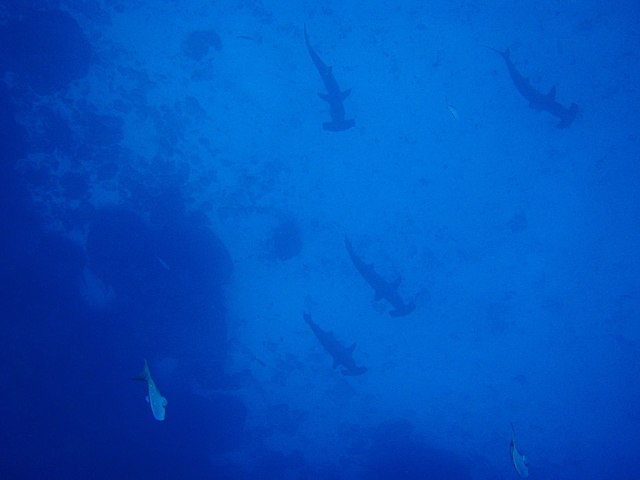
The main pros of a March cruise are: warmest water of the year (ideal for snorkeling without a wetsuit), excellent underwater visibility, lush and green island landscapes, highly active wildlife across both land and sea, the return of the waved albatross at Española late in the month, active manta ray and hammerhead shark presence at snorkeling sites, and calm seas throughout the month. March is genuinely one of the best all-round months in the Galapagos.
Start with the water. March and April share the title for peak water temperature in the Galapagos, sitting around 76-77°F (24-25°C). That’s not just comfortable for snorkeling, it’s the kind of water where you lose track of time and stay in far longer than planned. The warm season brings consistently good visibility, and the calmer sea conditions mean you’re not contending with surge or swell when you’re floating above coral formations watching eagle rays pass underneath.
The hammerhead sharks at Gordon Rocks and Kicker Rock are present year-round, but the warm season from January through May is when encounters there are most comfortable. You won’t get the massive schooling behavior that happens in the cooler months at the remote northern islands, but for a snorkeler or recreational diver seeing hammerheads up close for the first time, the warm March water makes the whole experience dramatically easier. Manta ray sightings also increase through March and April as water temperatures hold at their peak.
On land, the lushness of the islands in March is something that genuinely surprises people who have only seen photos taken in the dry season. The vegetation at lower elevations actually leafs out during the wet season, and the highlands are vivid green rather than the brown, arid landscape of July. Giant tortoises are more visible and active. Frigate birds are displaying on Genovesa and San Cristóbal, inflating their extraordinary red throat pouches. Marine iguanas are nesting on Fernandina. It’s a lot happening at once.
And then, late in the month, the waved albatross begin arriving back at Española Island after their months-long absence at sea. The tail end of a March itinerary that includes Española can yield the first albatross sightings of the season. By April, the courtship displays are in full swing. But for a traveler who wants the waved albatross experience without the Easter and spring break crowds that peak in April, timing a March departure for the last week of the month is a genuinely strategic choice we recommend to the right traveler.
Matching your cruise itinerary to the wildlife timing in March takes a bit of inside knowledge. Some boats spend more time in the central islands and won’t reach Española in time for the albatross return, while others are specifically routed to hit the outer islands late in the month. If you want help identifying which departures are best positioned for the late-March wildlife window, get in touch here and we’ll walk you through the options.
What Are the Cons of a Galapagos Cruise in March?
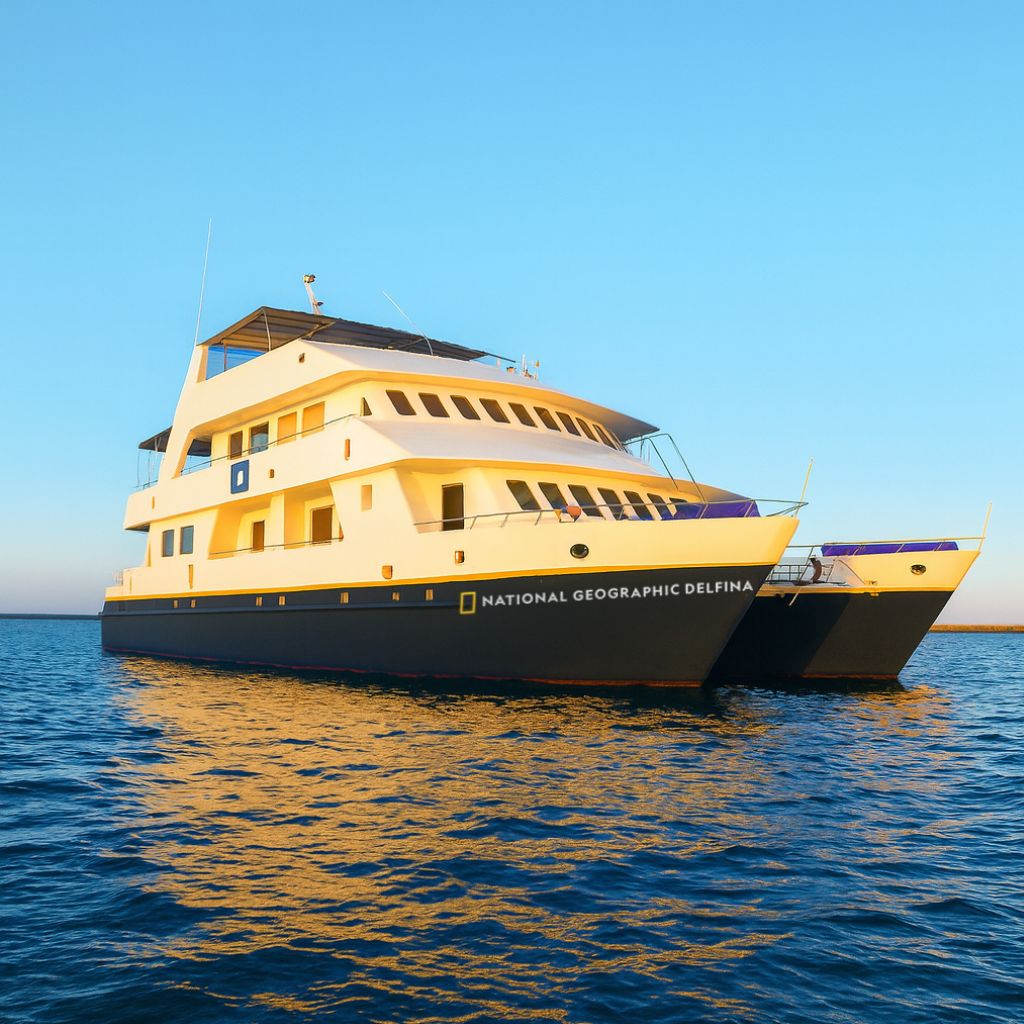
The three main cons of a March cruise are: the heat and humidity (March is the hottest month and the most physically demanding for shore excursions), the heaviest rainfall of the year (showers are brief but can be intense), and the Easter/spring break crowd spike if your dates overlap with those holidays. None of these are deal-breakers, but they are real factors that affect some travelers more than others.
The heat is the honest answer to anyone who asks us about March. It is warm in the Galapagos essentially year-round, but March pushes into territory that some people find genuinely difficult, particularly during the midday shore excursions. You’ll be hiking on exposed lava fields with no shade, in high humidity, under equatorial sun. On some itineraries, excursions go ashore twice a day. By the second outing, even fit travelers feel it. Travelers who are heat-sensitive, older, or traveling with young children should factor this in seriously. The dry season months of July and August, while cooler and windier, can be significantly more comfortable physically for those groups.
The rainfall in March is real too. At 3.3 inches on average, it’s the highest monthly total of the year. The important context is that it doesn’t fall as constant grey drizzle but as concentrated afternoon or evening downpours. Most cruise itineraries front-load morning excursions and the rain cooperates more often than not. But there will be days where a hike gets rained on, where a panga ride back to the boat is wet, or where an afternoon wildlife viewing session gets shortened. Pack the packable rain jacket and treat it as part of the experience rather than a problem. The islands are strikingly beautiful in rain.
The Easter crowd issue is the most variable con, because it doesn’t apply to most of March. Easter moves around the calendar. When it falls in late March (as it does some years), that specific week sees a genuine surge in domestic Ecuadorian travel and a spike in international visitors who plan Galapagos as an Easter holiday. Cruise prices during Easter week reflect that. Boats fill early. Landing sites see more simultaneous visits from multiple vessels. If your travel window is flexible, checking the exact Easter date for your travel year before booking is a few minutes well spent.
What Wildlife Can You See on a Galapagos Cruise in March?
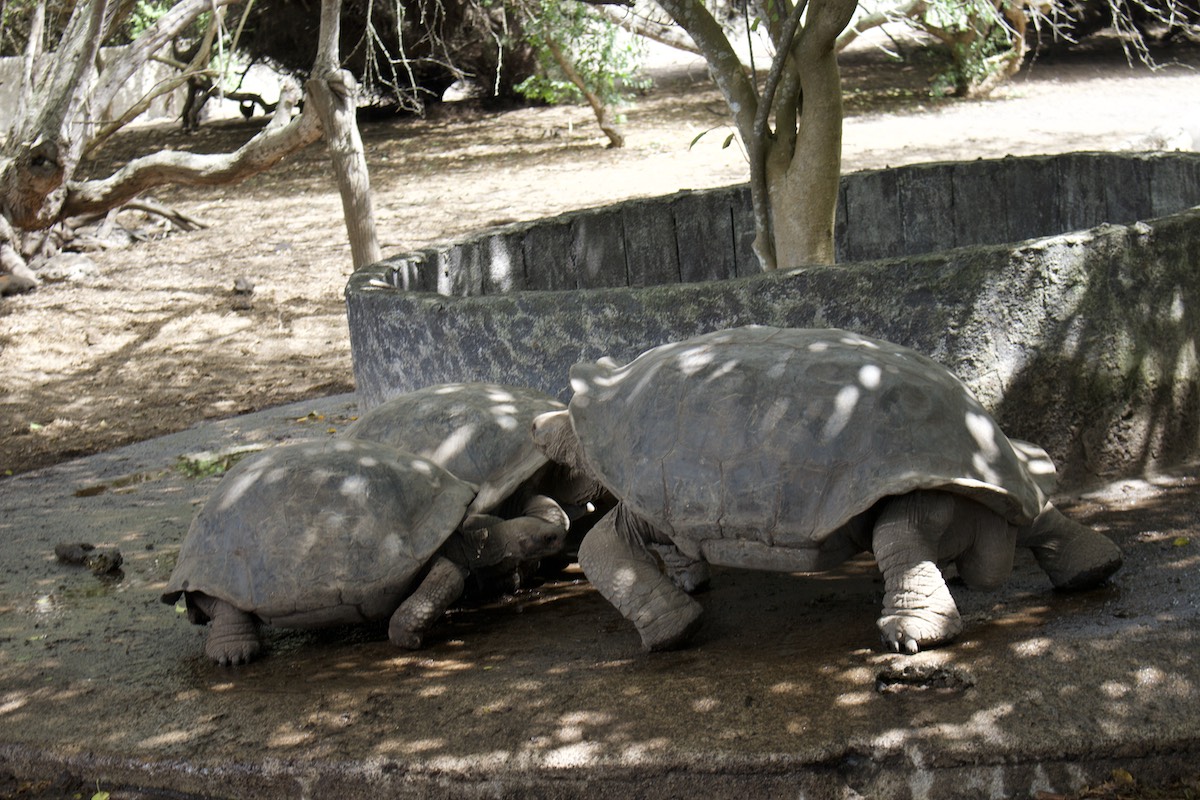
March is one of the strongest wildlife months in the Galapagos calendar. Marine iguanas are nesting on Fernandina, giant tortoises are breeding in the highlands, frigatebirds are in full courtship display on Genovesa and San Cristóbal, green sea turtles are laying eggs on beaches, and the waved albatross begins returning to Española late in the month. Underwater, warm water brings manta rays, hammerhead sharks, sea turtles, and playful sea lions in excellent visibility conditions.
The frigatebird display at Genovesa in March is one of the less-discussed highlights of the season. The great frigatebird males inflate their vivid crimson throat pouches and sit motionless in the vegetation for hours, waiting for females to fly overhead. The visual is absurd and magnificent. These birds have zero fear of humans, so you walk past them on the trail from within a meter. A group of male frigatebirds in full display with their pouches inflated looks like something a special effects team created.
On Fernandina, the marine iguanas are nesting. Fernandina is one of the most pristine islands in the entire archipelago, home to the largest marine iguana colonies anywhere. March puts you there during their most dramatic behavioral period, when territorial competition is intense and the females are digging nesting burrows in the black volcanic soil. The iguanas on Fernandina are larger and darker than elsewhere. Standing in the middle of that colony, surrounded by hundreds of prehistoric-looking animals going about their lives ten feet from the trail, is one of those moments that doesn’t translate in photos.
Late in the month, the waved albatross situation is worth planning around. These birds mate for life and return to Española each year to reunite with their partner. The tail end of March sees the first arrivals back from their months at sea. The reunion displays begin as pairs reacquaint after months apart. If your itinerary includes Española during the last 10 days of March, you are potentially catching both the beginning of something extraordinary and avoiding the full Easter crowds of April.
Below the surface, March diving and snorkeling benefits from peak water temperature and excellent visibility. Hammerhead sharks are present at Gordon Rocks and Kicker Rock year-round, but the warm, clear March water makes those encounters more accessible to casual snorkelers who would struggle in the cooler, choppier conditions of the dry season. Manta ray activity increases through March and April, and sea turtles are consistently present during the warm season nesting window.
The itinerary choice in March matters more than people realize. Not all routes visit Fernandina, Genovesa, or Española, and those are three of the most compelling wildlife sites in the entire month. We’ve reviewed the departure schedule across most operating vessels and can help you find a route that hits the sites you care most about. Fill out this short form with your travel dates and interests and we’ll pull together a comparison for you.
How Crowded Is the Galapagos in March?
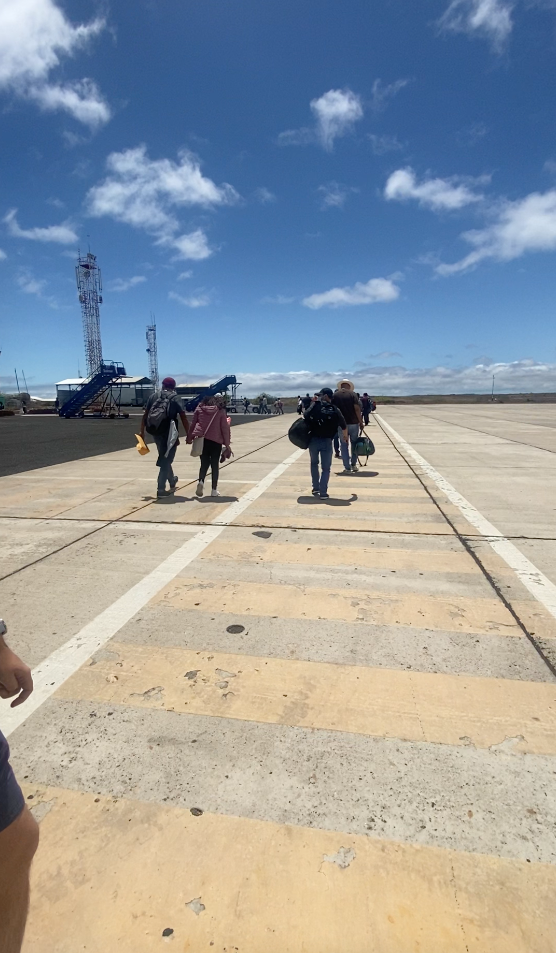
March is a split month for crowds. Early to mid-March is relatively quiet, with shoulder-season visitor volumes and good availability on most cruise classes. The Easter and spring break window (which falls in late March some years, April others) triggers a genuine peak with higher prices, fully booked vessels, and busier landing sites. Check the Easter date for your specific travel year and plan accordingly.
The crowd dynamic in the Galapagos works differently than most destinations. Because the National Park caps visitor groups at 16 people per landing site regardless of ship size, even a crowded month rarely feels crowded on shore. What changes when visitor volume rises is the number of boats anchored at the same sites running parallel excursions on overlapping schedules. On a quiet week in early March, your boat may be the only one at a given anchorage. During Easter week, three or four vessels might be working the same area in rotation.
The busiest months by overall visitor volume in the Galapagos are July, August, December, and the Easter window, wherever it falls. Early to mid-March sits outside all of those. If Easter lands in April rather than March in your travel year, then essentially the entire month of March is shoulder season, with meaningfully lower visitor numbers and softer cruise pricing. That’s worth knowing specifically because many travelers assume March is busy due to spring break associations, and it often isn’t.
One crowd pattern specific to March worth flagging: domestic Ecuadorian travel spikes during Carnaval, which falls in February or early March depending on the year. It’s smaller than the Easter or Christmas peak, but it does push up demand on specific departure dates. Something to verify when you’re narrowing down specific travel windows.
How Much Does a Galapagos Cruise Cost in March?
Outside the Easter window, March sits at shoulder season pricing, roughly 10-20% below the December-January holiday peak and the June-August summer peak. Budget cruise options run $250-$430 per person per day. Mid-range vessels go for $450-$600 per day. First class falls between $610-$780 per day. Luxury yachts start at $800 and climb to $1,700 per day. Easter week commands peak pricing and early booking on all classes.
The entry fees are fixed regardless of when you travel. The Galapagos National Park entrance fee is $200 USD per adult and $100 for children under 12, paid in cash on arrival at the island airport. The Transit Control Card (TCT) costs $20 per person and must now be completed online through the official government portal before your flight, not purchased at the airport. Both are required for every visitor. (Prices verified May 2026)
The practical pricing reality in March is that you have two distinct sub-seasons within the month. Book outside the Easter window and you’re in shoulder season territory with good availability and normal pricing. Book during Easter week without planning ahead, and you’re in peak territory where mid-range boats may be fully committed months earlier and prices reflect high demand. The exact Easter date shifts annually, so always check before finalizing dates.
One thing we see regularly with March bookings: travelers who assume the shoulder season pricing applies uniformly across the entire month without checking the Easter calendar. Some years Easter is early April, and March is entirely relaxed. Other years, Easter is late March, and the last week of the month is essentially peak season in disguise. This specific check takes two minutes and can affect your budget and experience significantly.
| Cruise Class | Per Day (per person) | 7-Day Total (per person) | March Note |
|---|---|---|---|
| Budget | $250-$430 | ~$1,800-$3,000 | Good availability most of March; Easter week fills |
| Tourist Superior (Mid-Range) | $450-$600 | ~$3,100-$4,200 | Shoulder rates outside Easter; peak pricing during |
| First Class | $610-$780 | ~$4,300-$5,500 | Book 4-6 months out; Easter week 8+ months |
| Luxury | $800-$1,700+ | $5,600-$12,000+ | Easter week departures often booked 12 months ahead |
| Fixed entry fees (all visitors): National Park $200/adult, $100/child. TCT card $20/person. Both required regardless of cruise class or season. |
March pricing has more variability than most other months because of the Easter swing, and the difference between booking a week before and a week after Easter can be several hundred dollars per person on the same vessel. We track availability across the March departure calendar and can help you find the window that gets you the best combination of conditions, wildlife timing, and price. Send us a message here with your dates and we’ll take a look.
When Should You Book a March Galapagos Cruise?
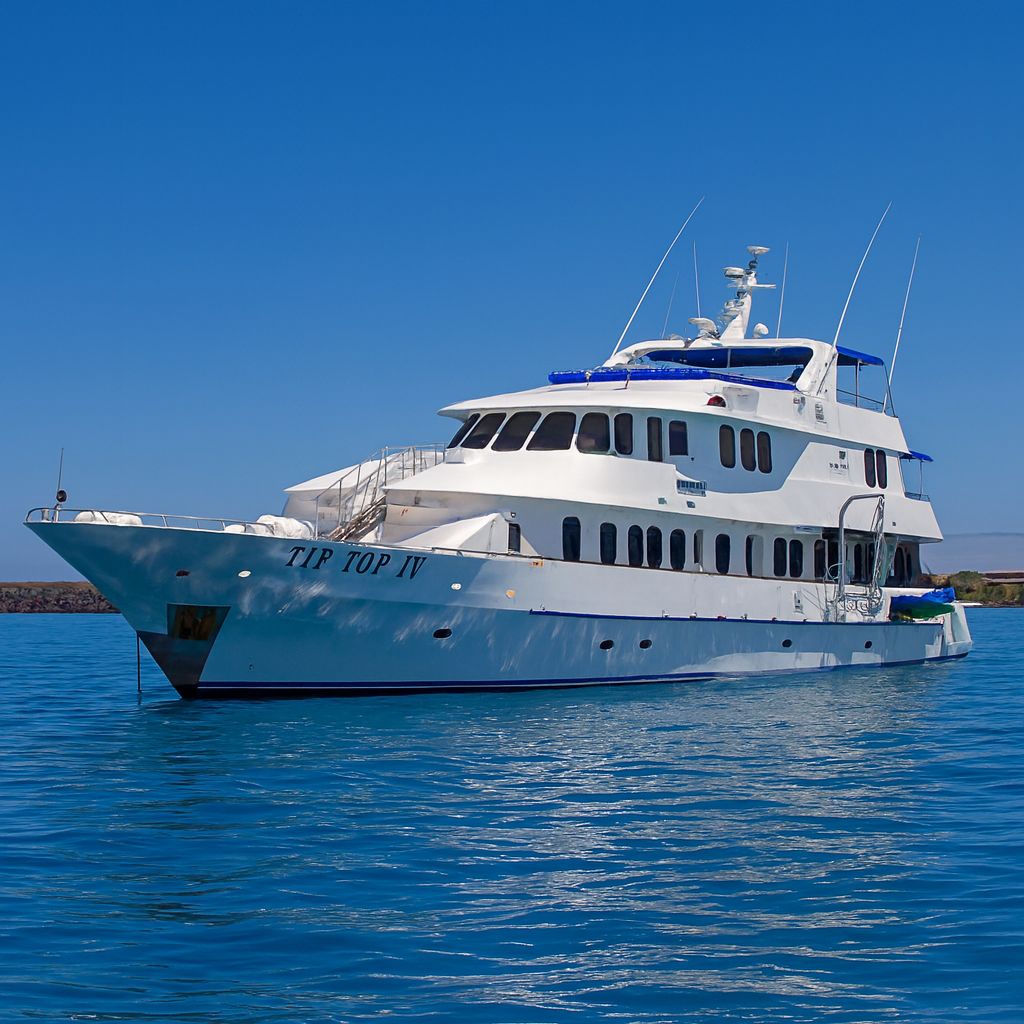
For early-to-mid March departures, book 4-6 months ahead for mid-range and first-class vessels. For Easter week or late March when Easter falls then, book 8-12 months ahead across all classes. Luxury yachts require the longest lead times regardless of exact date. Budget vessels offer more flexibility but the best cabins still go early. Do not assume shoulder season means late booking is fine if Easter falls in your window.
The single most actionable thing any traveler planning a March cruise can do is look up the exact Easter date for their travel year before anything else. Easter Sunday falls on different dates each year, anywhere from late March to mid-April. If it falls in March, the week before through the week after that date is peak season pricing with fully committed boats and busy landing sites. If it falls in April, then all of March is essentially relaxed shoulder season. This one check takes 30 seconds and can meaningfully change your planning timeline and budget.
Early March specifically has some attributes worth noting. The January holiday surge has fully cleared. Carnaval, when it falls in February, has passed. You’re into a genuine lull in the first two weeks of March that sees some of the softest pricing and best availability of the entire warm season. The weather is already at its warmest, the snorkeling is already excellent, and if you have any flexibility to book earlier in March rather than later, that window is worth targeting.
For travelers with Easter week specifically in mind, whether for school holidays or simply because it falls when they can travel, the advice is to commit and book well ahead. Galapagos cruise bookings overall have been trending up year over year. Easter week departures on quality mid-range and first-class vessels get locked up far earlier than many travelers expect. A booking inquiry in January for a late-March Easter cruise will often find the better boats already sold out.
What March Travelers Actually Report: Insights from Our Community
Based on traveler feedback gathered through mytrip2ecuador.com and the YouTube channel My Trip to Somewhere, March trips consistently generate strong responses, with distinct patterns in what travelers love and what catches them off guard:
| Category | Finding | Traveler Notes |
|---|---|---|
| Overall water experience | ~91% rated March snorkeling conditions as excellent or outstanding | “Warmest, clearest water I’ve ever snorkeled in” |
| Heat discomfort | ~38% found the midday heat harder than expected | “Nobody warned me it would be that hot on the lava fields by noon” |
| Rain impact on excursions | ~22% experienced a rain disruption of more than 30 minutes | “One afternoon hike got rained on but cleared within 45 minutes – actually made it more memorable” |
| Wildlife standout | ~71% cited frigate bird displays or marine iguana nesting as their top wildlife moment | “The frigatebirds at Genovesa with their pouches inflated – nothing I’d seen in photos prepared me for it in person” |
| Easter crowd impact | ~29% of Easter-week travelers noticed more boats at anchor simultaneously | “Still not crowded on shore, but you could see 3 other boats at the same anchorage” |
| Would choose March again | ~84% said yes or would recommend March to others | “The heat is real but the islands were so beautiful and green – unlike anything I imagined” |
What Catches March Travelers Off Guard
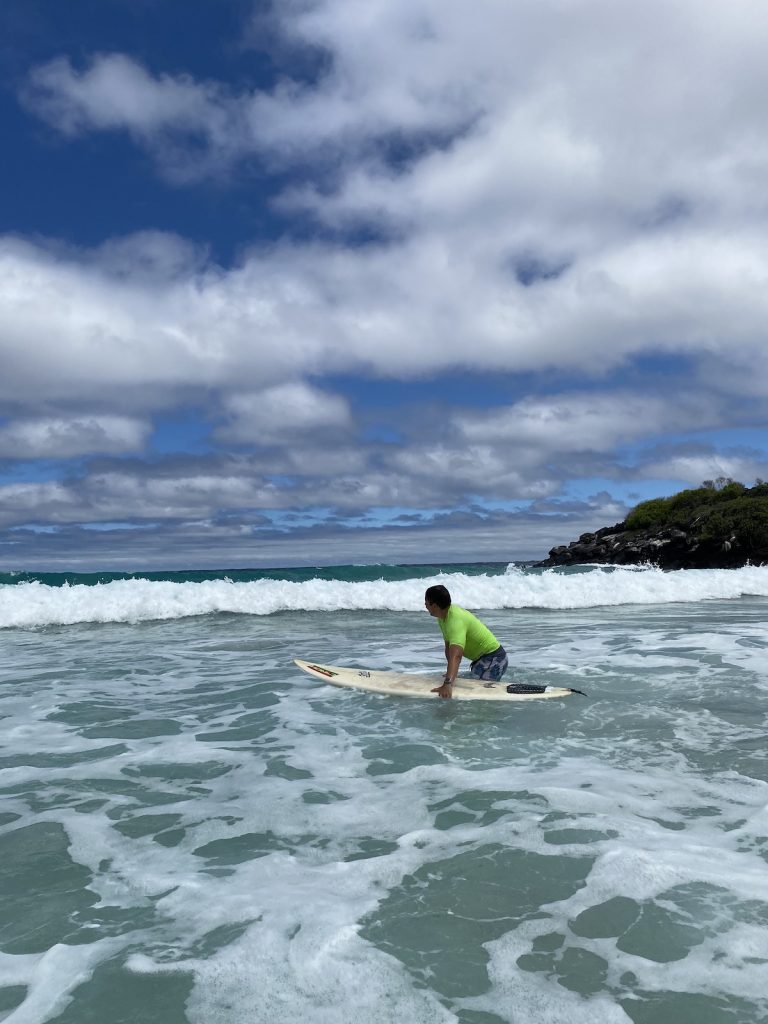
A few patterns come up consistently from March travelers, and most of them aren’t in the standard guides:
The heat on shore during midday excursions is the number one surprise. Travelers who associate “tropical islands” with the Caribbean style of heat are unprepared for the specific combination of high humidity and equatorial sun at 88-90°F (31-32°C). There is almost no shade on most shore excursions. You’re walking on black lava that radiates heat upward. A morning excursion starting at 6:30am is a fundamentally different physical experience than one starting at 11am. Ask your guide or cruise operator to front-load excursions as early as possible in March. The best boats do this automatically.
The Easter calendar issue trips people up every year. We’ve had travelers contact us in January asking about March availability, discover that their specific week falls during Easter, and find that the boats they wanted are already fully committed. The gap between early March pricing and Easter week pricing on the same vessel can run 20-30%. Neither the internet nor most booking platforms makes this distinction obvious. Always check what Easter week means for your specific travel dates.
Mosquitoes are a minor but real March issue that barely gets mentioned. The wet season, particularly in the highlands and near mangroves, brings more insects than the dry months. On a cruise, your exposure is limited because you’re sleeping on the boat. But evening excursions in areas like the Santa Cruz highlands can involve noticeable mosquito activity. A light application of repellent before dusk shore visits in March is worth packing. Reef-safe sunscreen is well documented. The repellent gets forgotten.
Finally: the biosafety declaration. All travelers must complete this form digitally before their flight to the Galapagos using the official government portal. It is not optional and has been fully digital since May 2025. Showing up at the airport without it causes delays. Seeds, plants, and fresh produce are strictly prohibited. The form takes five minutes. Do it the day before your flight and save the QR code.
Frequently Asked Questions
Is March the rainy season in the Galapagos?
Yes. March is technically the peak of the Galapagos wet season, with the highest average monthly rainfall at around 3.3 inches (8 cm). But the rain falls as short, intense tropical showers that typically last under an hour and clear to sunny skies. It does not rain all day. Most excursions are unaffected, and the vegetation is strikingly lush and green as a result of the wet season rainfall.
Does the waved albatross return in March?
Yes, toward the end of March. The waved albatross begins returning to Española Island in the last 10 days of March after months at sea. Early arrivals can be seen starting their reunion displays. By April, the full courtship spectacle is underway. A March itinerary that includes Española in the final week of the month offers a chance to witness the early albatross return before the bigger Easter and April crowds arrive.
Is March a peak season or shoulder season in the Galapagos?
It depends on the year. Most of March is shoulder season with lower crowds and softer pricing. However, Easter week (which falls in late March some years) is a genuine peak period with higher prices and fully booked vessels. Always check the exact Easter date for your travel year before planning a March cruise. Outside that window, early to mid-March is among the most relaxed and affordable warm-season windows available.
What is the water temperature in the Galapagos in March?
March and April share the warmest water temperatures of the year, averaging 76-77°F (24-25°C). No wetsuit is needed for snorkeling in these conditions. The warm water, combined with the excellent visibility typical of the warm season, makes March one of the most comfortable months for water activities in the entire calendar year.
How far in advance should I book a March Galapagos cruise?
For regular March dates, 4-6 months ahead covers mid-range and first-class vessels. For Easter week, book 8-12 months ahead. Luxury yachts require the longest lead times across the board. Budget boats can often be booked closer in, but the best cabins still sell early. Check the Easter calendar for your travel year before setting your booking timeline.
What entry fees do I need to pay for the Galapagos?
All visitors pay the Galapagos National Park entrance fee of $200 USD for adults and $100 for children under 12, paid in cash on arrival at the island airport. A Transit Control Card (TCT) costs $20 per person and must be completed through the official online portal before your flight – the in-person airport process has been phased out as of May 2025. Both fees are required regardless of cruise class or time of year. (Verified May 2026)
Planning a March Galapagos Cruise?
March is one of the most rewarding months to cruise the Galapagos, but getting the itinerary and timing right matters more than in calmer months. Between the Easter calendar variable, the late-month albatross return, and the heat-aware scheduling considerations, there are more moving parts than a typical booking.
We’ve been doing this for years, we’ve personally been on these boats, and we’re rated 4.9 stars on both Google and TripAdvisor. Our cruise planning service is free and there’s no obligation. Tell us your travel window, your group, and what you want to see, and we’ll build you a shortlist of the best March departures available.
Get your free March cruise quote here
Written by Oleg Galeev
Galapagos cruise traveler (3 trips, 2 cruises) · Founder, Cruises To Galapagos Islands
Oleg has personally inspected nearly every available Galapagos cruise vessel and interviewed thousands of travelers to build the most first-hand cruise knowledge base available. He also runs the Ecuador travel blog mytrip2ecuador.com and the YouTube channel My Trip to Somewhere.
Cruises To Galapagos Islands is rated 4.9 stars on Google and TripAdvisor.
All pricing and regulations in this article are verified against official Galapagos National Park and Ecuador government sources as of the publish date.