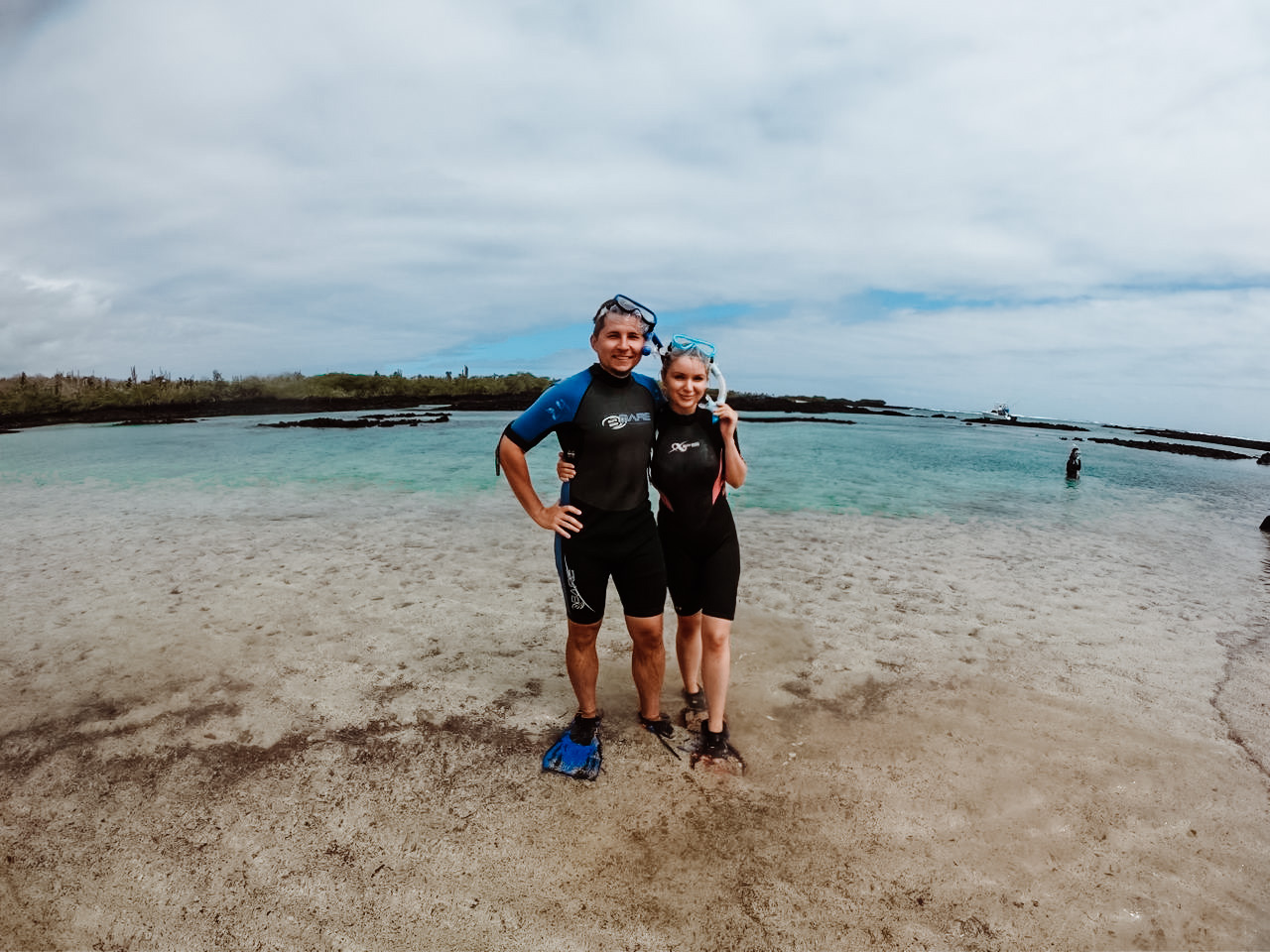
Galapagos Cruise in May: Transition Season Guide
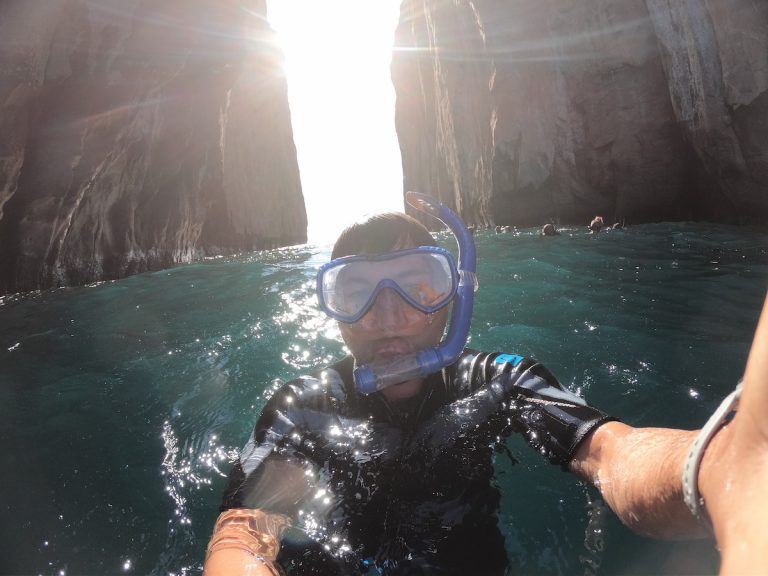
Part of our guide to the best time of year for a Galapagos cruise. Ready to pick a ship? See compare all Galapagos cruise ships by price, size and class. Compare every month in our Galapagos weather and water temperature by month table.
May in the Galapagos: Quick Facts
| Factor | May Details |
|---|---|
| Air Temperature | 72-82°F (22-28°C) – most comfortable of the warm season |
| Water Temperature | ~74°F (23°C) – still warm, cooling begins toward June |
| Underwater Visibility | Good to excellent – transitional currents beginning |
| Rainfall | ~0.6 inches (1.5 cm) – near-dry, lowest of warm season |
| Sea Conditions | Calm to slightly variable – Humboldt Current starting to arrive |
| Crowd Level | Low – one of the quietest months of the year |
| Cruise Pricing | Shoulder season – 15–20% below June-August peak |
| Wetsuit Needed? | Not essential – though useful late in month as water cools slightly |
| Wildlife Highlights | Waved albatross laying eggs on Española, blue-footed booby courtship North Seymour, sea turtle hatchlings, marine iguana hatchlings Santa Cruz, sea lion mating begins, flightless cormorant nesting |
| National Park Entry Fee | $200 adults / $100 children under 12 – cash only (Verified May 2026) |
| TCT (INGALA) Card | $20 per person – complete online before travel (Verified May 2026) |
Is May a Good Month for a Galapagos Cruise?
May is genuinely excellent and consistently overlooked. The wet season rain has nearly stopped, temperatures drop to their most comfortable of the warm season, snorkeling is still warm-water quality without a wetsuit, the islands are still green from months of rainfall, and the wildlife calendar remains very active. Crowds are low. Prices sit at shoulder season rates. Some experienced Galapagos operators call May the single best month to visit. It’s hard to argue with that.
The disconnect between May’s actual quality and its reputation comes down to calendar positioning. It follows April, which carries the albatross buzz, and precedes June, which is when the northern summer rush begins. May gets squeezed between two months that attract more obvious attention, but what travelers who actually go in May find is a Galapagos that’s calmer, cooler, cheaper, and still very much alive.
The heat issue that makes some travelers hesitant about February and March simply isn’t present in May. The worst of the humidity and the hottest midday temperatures belong to March and early April. By May, the air temperature settles into a genuinely comfortable range around 72-82°F (22-28°C). Shore excursions in the middle of the day, which can be genuinely punishing in March, feel easy in May. It’s the kind of warmth that makes you want to be outside rather than pushing through it.
Crowds are low and pricing reflects it. The summer high season doesn’t arrive until June. Easter is behind you. May sits in a quiet window where boats have good availability and operators price accordingly. For travelers with schedule flexibility and no school calendar constraints, it’s one of the smartest booking windows of the year.
We’ve put together a full seasonal breakdown in our best time of year to take a Galapagos cruise guide so you know exactly when to go based on the wildlife you want to see and how you handle rough seas.
What Is the Weather Like in the Galapagos in May?
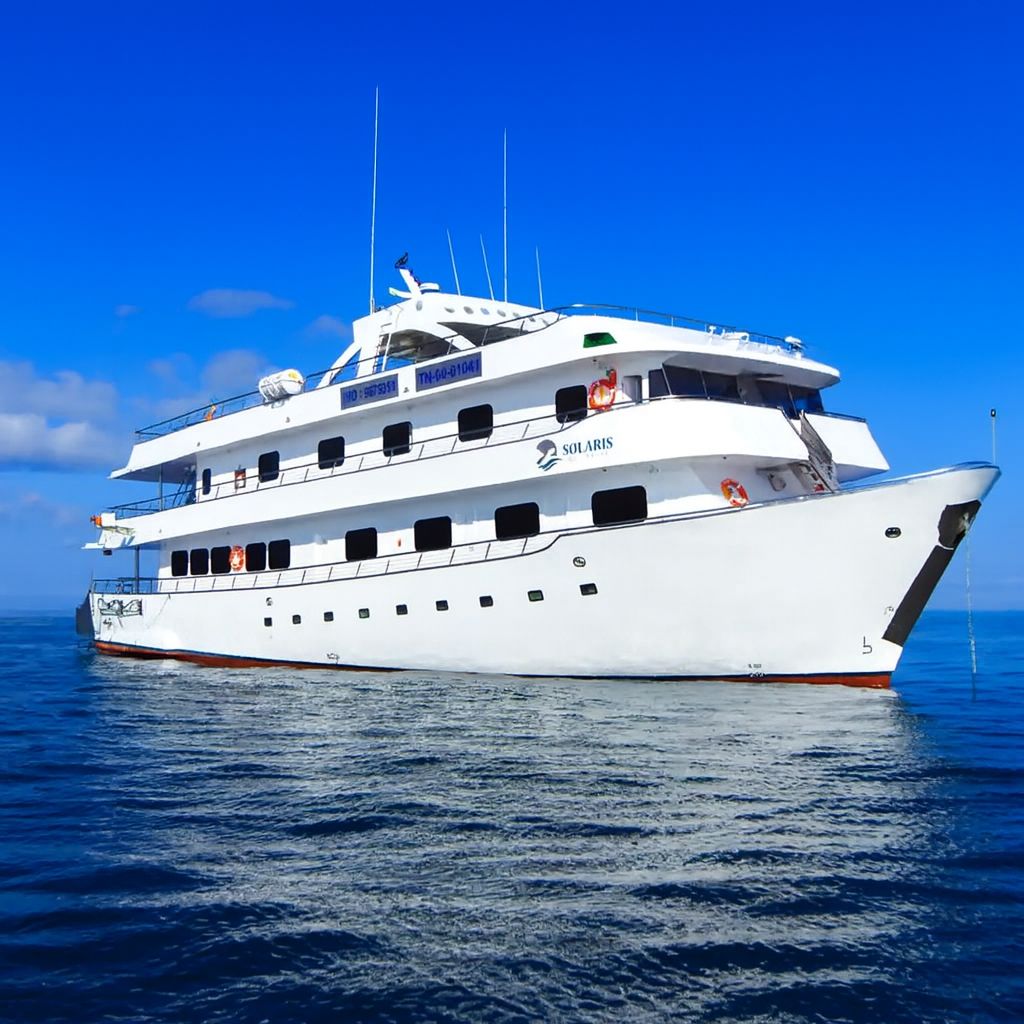
May is the driest month of the warm season, with average rainfall around 0.6 inches for the entire month. Temperatures run 72-82°F (22-28°C), meaningfully cooler and less humid than March and April. Water temperatures sit around 74°F (23°C) – still comfortable for snorkeling without a wetsuit, though the Humboldt Current begins pushing cooler water in as the month progresses. Seas are generally calm early in May, with some variability building toward the end.
The rainfall figure is the one that surprises people most. After three months of progressively heavier and heavier wet season rain peaking in March at 3.3 inches, May’s 0.6 inches is essentially dry. A day or two of light showers across the entire month. Most mornings are clear, and if cloud cover arrives it typically burns off by mid-morning. It’s a very different physical experience from February or March.
The sea conditions in May carry a nuance worth understanding. Early May is still calm warm season water. As the month progresses, the cold Humboldt Current starts pushing northward from the Antarctic, which is what drives the cool, dry garúa season that defines June through November. Late May can have slightly more variable conditions than early May, with the first hints of the cool season arriving at the western islands first. For travelers prone to motion sickness, early to mid-May is the safer booking window within the month.
The landscape in May is still carrying the visual legacy of the warm season. Vegetation at sea level and in the highlands is lush and green. By July, much of the lowland vegetation will have dried back into the brown, arid look that characterizes the dry season. May catches the tail end of that greenness, and paired with clear skies and deep blue water, the islands look as photogenic as they ever do.
What Wildlife Can You See on a Galapagos Cruise in May?
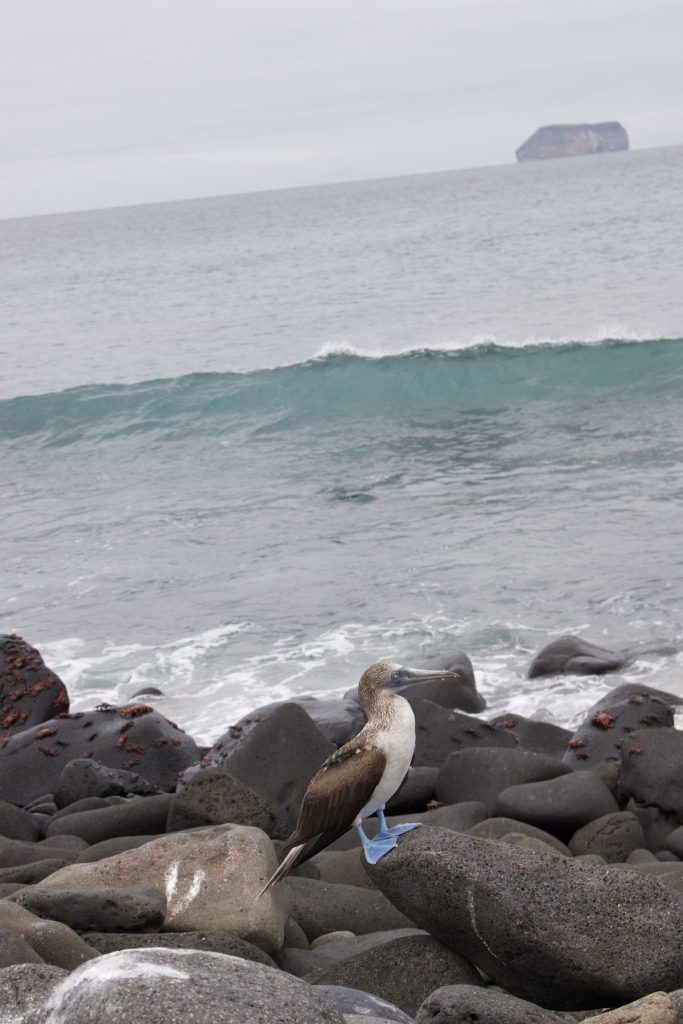
May wildlife is active across multiple species simultaneously. The waved albatross has shifted from courtship to egg-laying on Española (mid-April through July). Blue-footed boobies are beginning their high-stepping courtship dances on North Seymour. Marine iguana hatchlings are emerging from nests on Santa Cruz. Sea turtle hatchlings are still appearing on several beaches. Sea lion mating begins. Flightless cormorants are nesting. The warm-season marine life is still present with good water visibility and comfortable temperatures.
The albatross situation in May is different from April but still compelling. In April, the focus is the courtship dance, the reunion display between mated pairs. By May, those same pairs have completed their ritual and the female is laying eggs. A visit to Punta Suarez on Española in May puts you in the colony during the incubation period, with birds sitting on eggs and displaying the quieter, protective behavior of nesting season. Less theatrical than the April courtship, but in its own way more intimate. The birds are fully settled and present rather than performing.
The blue-footed booby courtship on North Seymour is one of the more underrated May highlights. The famous sky-pointing dance, where males stretch upward with wings slightly spread and shift their weight from foot to foot to show off their electric-blue feet, begins in earnest in May. This is a site accessible on short cruises and as a day trip from Santa Cruz, which means even travelers on tighter itineraries can reach it.
In the water, May is a transitional moment that divers and snorkelers can use to their advantage. The warm-season visibility and water temperature are still holding, while the first signs of the nutrient-rich cool season currents are starting to arrive at western sites. Experienced snorkelers who can handle a thin wetsuit late in the month occasionally find this transitional window productive, with warm-water species and the first cool-current visitors appearing in the same dive.
May has some of the best availability of the whole year on quality mid-range and first-class vessels. If your travel window is flexible and you want strong wildlife conditions without the heat and crowds of the preceding months, we can help you find the right boat and itinerary for May. Reach out here for a free, no-obligation quote.
What Does “Transition Season” Actually Mean for Cruise Travelers?
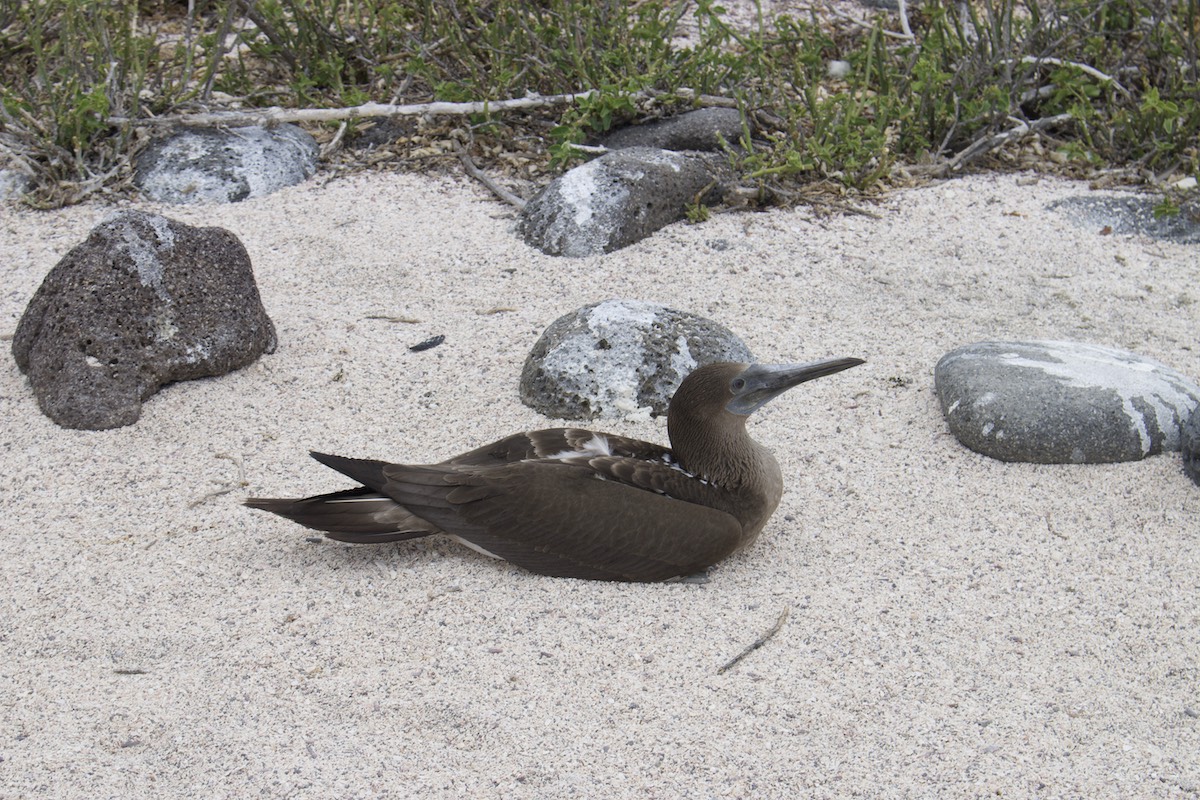
Transition season means the Galapagos is shifting from warm and wet to cool and dry. For a cruise traveler, this translates to: cooler, more comfortable air temperatures than earlier warm-season months; reducing humidity; water that is still warm but beginning to cool toward the western islands; a wildlife calendar that blends late warm-season species behavior with the earliest cool-season arrivals; and variable weather that can shift day to day more than in the stable heart of either season.
The practical effect of transitional conditions on a cruise is mostly positive. The Humboldt Current arriving from the south brings more food into the water, which starts increasing marine life activity, particularly around Fernandina and the western coast of Isabela. Flightless cormorants begin nesting, fueled by the arriving nutrients. Penguins become more active. These are cool-season behaviors starting to appear while the warm-season species are still present. You get overlap you can’t find in any other month.
The variability is the honest trade-off. In the stable heart of the wet season, February and March, you know broadly what to expect each day. In the stable dry season, July and August, the same is true. May can feel more variable: some days feel like the tail end of summer, warm and calm and clear. Other days, particularly late in the month and at the western islands, feel like a preview of winter, with morning cloud, cooler air, and some chop on the water. Neither ruins a trip. But travelers who need rigid predictability may find May slightly less consistent than months deeper in either season.
One thing transition season genuinely delivers that neither peak season does: the sense of the islands in motion. The vegetation is visibly changing, the marine layer is starting to arrive in the mornings, the water at different sites on the same itinerary can vary noticeably in temperature and productivity. For a naturalist-minded traveler, this dynamism is interesting rather than inconvenient. The best guides we’ve encountered treat May as a showcase month precisely because so much is in flux simultaneously.
How Does May Compare to April and June?
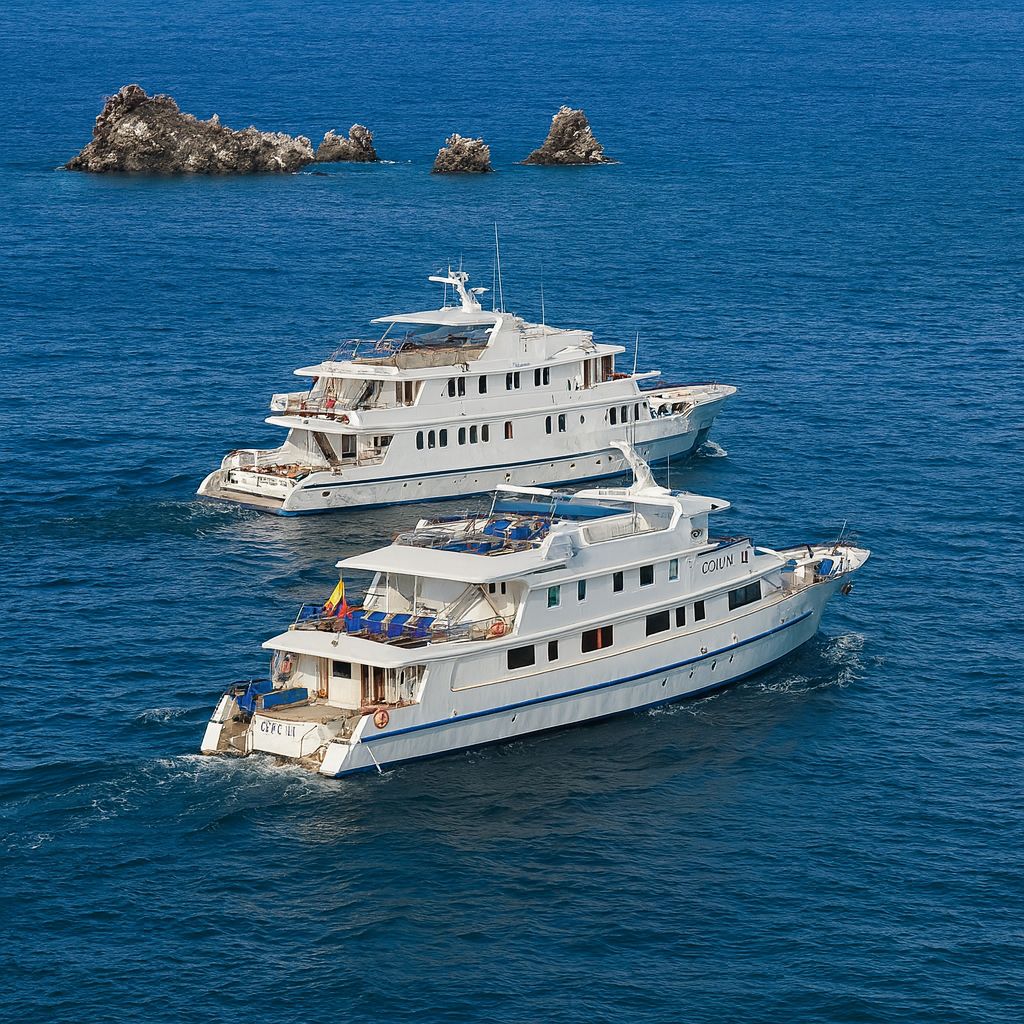
May sits between April’s wildlife peak and June’s cool-season start. Compared to April: cooler temperatures, less rain, lower crowds, softer prices, but no albatross courtship display (replaced by egg-laying). Compared to June: warmer water, less wind, no wetsuit needed, but fewer of the cool-season marine species that begin arriving with the Humboldt Current. May is the better choice for travelers who want warm-water conditions and low crowds. June suits those who want the dry season experience and peak marine productivity.
| Factor | April | May | June |
|---|---|---|---|
| Air Temp | 72-88°F | 72-82°F | 70-77°F |
| Water Temp | 76-77°F (peak) | ~74°F | 6770°F |
| Rainfall | 1.4 in | 0.6 in | Minimal |
| Wetsuit | Not needed | Optional late month | Recommended |
| Albatross | Full courtship | Egg-laying phase | Incubating |
| Crowds | Moderate (Easter risk) | Low | High (summer start) |
| Pricing | Shoulder (Easter peak) | Shoulder | Peak season starts |
| Sea Conditions | Calm | Calm to variable | Choppy (trade winds) |
The comparison makes May’s value proposition clear. It delivers most of April’s appeal at lower prices, lower crowds, and more comfortable temperatures, without the Easter pricing risk. Against June, it offers warmer water and calmer seas, at the cost of the cool-season marine surge. Travelers who don’t need the dramatic albatross courtship specifically, or who are happy with the egg-laying phase, and who want to snorkel comfortably without a wetsuit, will often find May outperforms both its neighbors on a value-adjusted basis.
How Crowded Is the Galapagos in May?
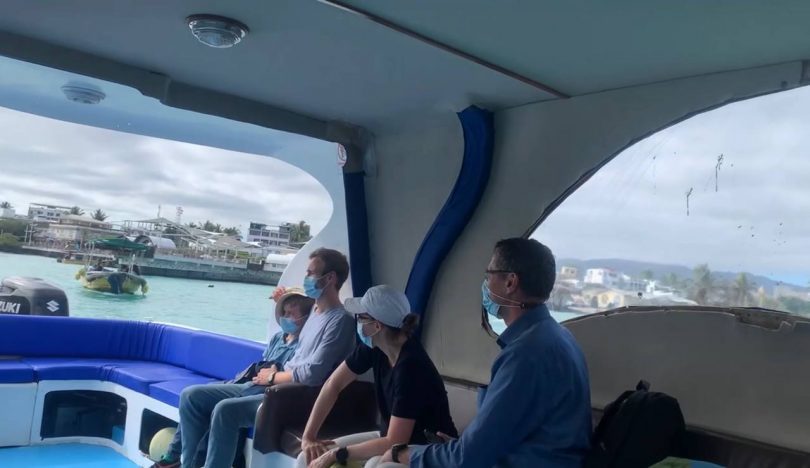
May is one of the least crowded months in the Galapagos. Easter is behind you, the summer rush hasn’t started, and school calendars restrict family travel. Landing sites across most itineraries see noticeably fewer simultaneous vessel visits than in peak months. Availability on quality mid-range and first-class boats is generally good. Last-minute deals occasionally surface in May, which is rare at any other time of year outside October.
The low crowd dynamic in May comes from an absence of holiday triggers. Easter can push crowds into late March or April. The northern hemisphere summer breaks that drive July and August demand don’t apply. Carnaval is well past. There’s no external calendar event pulling large numbers of travelers to the Galapagos in May, which means the people who do go are specifically choosing it for its own merits rather than booking around school schedules or holidays.
That self-selecting crowd tends to produce a noticeably different on-board atmosphere than peak season. May cruises skew toward adults traveling without children, repeat visitors who have already done a peak-season trip, and travelers who’ve done their research. Conversations with naturalist guides go deeper. Excursion pacing is unhurried. It’s a qualitative difference that’s hard to quantify but consistent across the traveler feedback we’ve collected over the years.
How Much Does a Galapagos Cruise Cost in May?
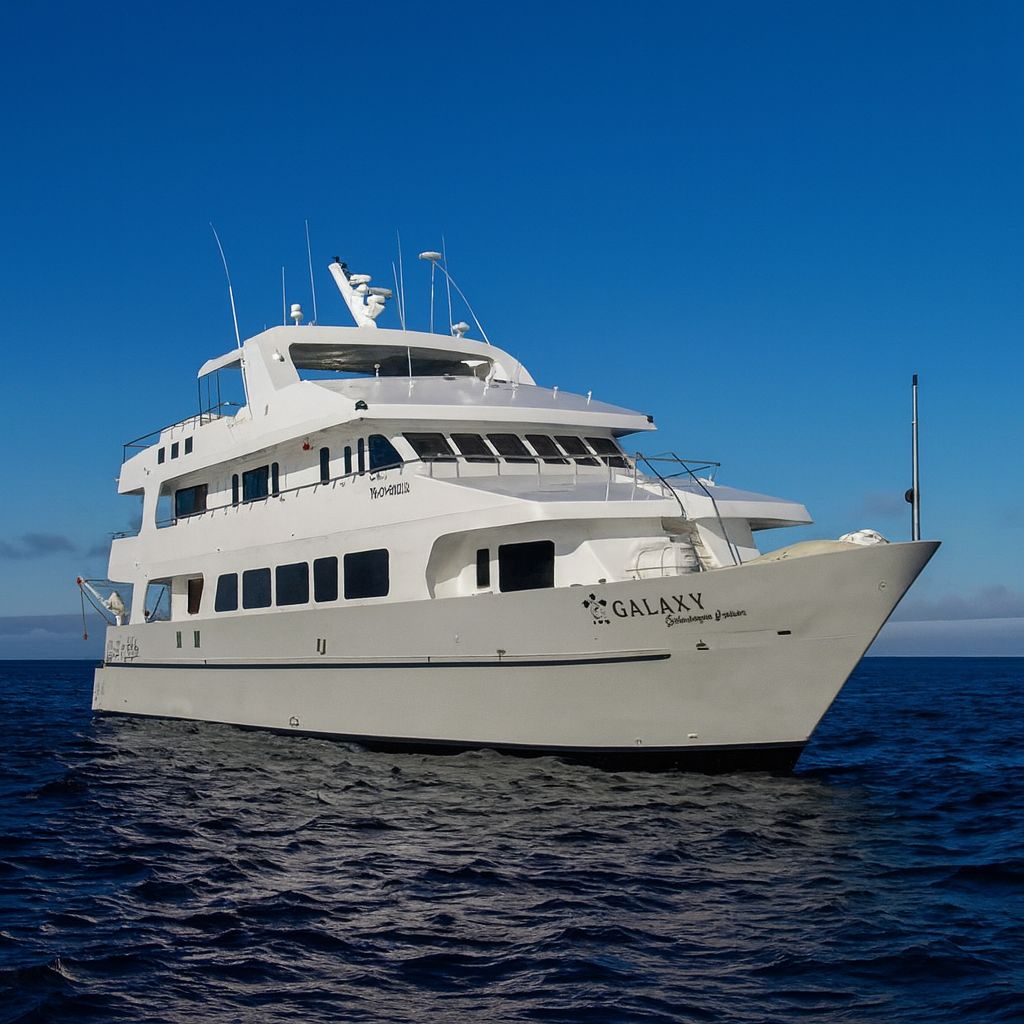
May is genuine shoulder season, with cruise prices running 15-20% below the June-August summer peak. Budget vessels start around $250-$430 per person per day. Mid-range (tourist superior) boats run $450-$600 per day. First-class cruises fall between $610-$780 per day. Luxury yachts start at $800 and go up to $1,700 per day. All visitors still pay the fixed National Park fee of $200 per adult and the $20 TCT card regardless of season.
The practical May pricing advantage is that you’re booking into the gap between two premium periods. April carries the Easter premium some years. June marks the start of the summer peak. May benefits from neither boosting demand. Operators who haven’t filled their May departures by late March sometimes release incentives, early booking discounts, or last-minute reductions on unsold cabins that simply don’t appear in June or July. This is one of the few months where a patient, flexible traveler might find a quality vessel at a genuinely reduced rate. (Prices verified May 2026)
For travelers combining the Galapagos with mainland Ecuador, May has an additional financial advantage. International flights to Quito tend to be cheaper in May than in the summer months, and domestic Quito-to-Galapagos fares are slightly softer. The aggregate saving across flights and cruise pricing can be meaningful for a trip of this cost level.
| Cruise Class | Per Day (per person) | 7-Day Total (per person) | May Note |
|---|---|---|---|
| Budget | $250-$430 | ~$1,800-$3,000 | Good availability; occasional last-minute deals |
| Tourist Superior (Mid-Range) | $450-$600 | ~$3,100-$4,200 | Shoulder rates; 15-20% below summer peak |
| First Class | $610-$780 | ~$4,300-$5,500 | Book 3-5 months ahead; good choice selection |
| Luxury | $800-$1,700+ | $5,600-$12,000+ | Best availability and rates before summer premium begins |
| Fixed entry fees: National Park $200/adult, $100/child. TCT card $20/person. Both required for all visitors. |
May is one of our favorite months to place travelers who want quality conditions and don’t want to pay peak-season prices to get them. We know the vessels that perform best in shoulder season and can help you match your travel style to the right departure. Get in touch here for a free quote with no commitment.
When Should You Book a May Galapagos Cruise?
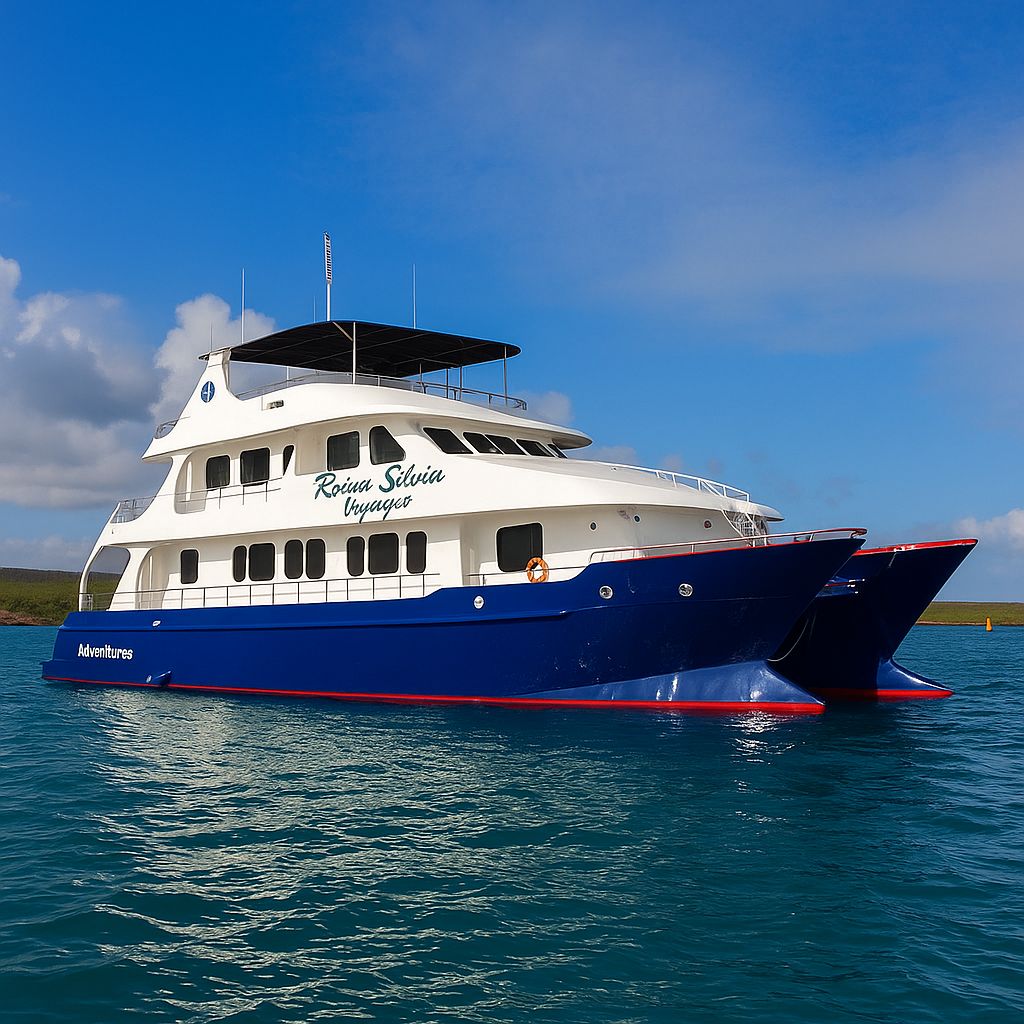
For mid-range and first-class vessels, 3-5 months ahead covers most May departures comfortably. Luxury yachts warrant 6-8 months regardless of month. Budget boats can often be secured 6-8 weeks out, and May is one of the few months where genuine last-minute deals on quality vessels occasionally appear. No holiday pressure means you have more booking flexibility in May than in any other warm-season month.
The shorter booking window in May isn’t a sign of lower quality. It reflects lower demand. The same mid-range vessel that requires six months advance booking in July might have open cabins in May three months out. Travelers who’ve missed their preferred boat for April because they waited too long often find they can still access a nearly equivalent experience in May with a shorter planning timeline.
The one caveat is the best cabins on the best boats. Double cabins with private facilities on the top mid-range and first-class vessels still go to travelers who plan ahead. Even in shoulder season, a quality 16-passenger yacht with strong naturalist guides and a southern itinerary covering Española has appeal beyond casual demand. If you have a specific vessel in mind, don’t test the flexibility of May’s booking window by waiting until April to inquire.
What May Travelers Report: Insights from Our Community
From traveler conversations through mytrip2ecuador.com and the My Trip to Somewhere YouTube channel, May generates consistently strong feedback with a specific character that distinguishes it from peak-month trips:
| Category | Finding | Traveler Notes |
|---|---|---|
| Weather satisfaction | ~91% rated May temperatures as ideal or better than expected | “Finally – the Galapagos without feeling like I was melting” |
| Crowd experience | ~86% said landing sites felt uncrowded or private | “We were the only boat at several anchorages – felt like we had the islands to ourselves” |
| Top wildlife moment | ~54% cited blue-footed booby courtship as their standout sighting | “The booby dance on North Seymour – we watched them for 45 minutes straight” |
| Value for money | ~79% felt May offered better value than they would have paid in July | “Same islands, same wildlife, noticeably less expensive – obvious choice in hindsight” |
| Would choose May again | ~88% said yes or would specifically recommend May to others | “I kept waiting for the catch. There wasn’t one.” |
What Catches May Travelers Off Guard

May is a smooth month to travel in the Galapagos, but a few things consistently surprise travelers who haven’t read carefully:
The water temperature shift late in the month catches snorkelers off guard. Early May water at 74-75°F (23-24°C) feels warm and comfortable. By late May, western sites like Punta Vicente Roca on Isabela can be noticeably cooler as the first Humboldt Current intrusions arrive. Travelers planning to snorkel at both eastern and western sites across a week-long itinerary should pack a thin wetsuit or 3mm shorty for the western legs, even if they don’t expect to need one. Most cruise operators provide them anyway, but knowing why conditions vary between sites helps travelers enjoy rather than be puzzled by the difference.
The albatross expectation gap is real for travelers who read about April and then book May. The waved albatross is still on Española in May, but the courtship dance is over. What you’ll find are nesting pairs, eggs being incubated, and the quieter bonding behavior of settled couples. This is genuinely wonderful, but it’s different from the theatrical April display. If the courtship dance specifically is your reason for traveling, go in April. If the albatross colony in its nesting phase is enough, May delivers it with less competition from other travelers.
The biosafety form is still required and still trips people up. All Galapagos visitors must complete the digital form online through the official government portal before their flight. The in-person airport process was phased out in May 2026. Do it the day before, save the QR code, and arrive at the airport having already handled it.
Frequently Asked Questions
Is May a good time to visit the Galapagos Islands?
Yes. May is arguably the most underrated month in the Galapagos calendar. The rain has nearly stopped, temperatures are the most comfortable of the warm season, the islands are still lush and green, snorkeling is warm enough without a wetsuit, crowds are low, and prices are at shoulder season rates. Wildlife includes the albatross on Española, blue-footed booby courtship dances, sea turtle hatchlings, and the earliest signs of cool-season marine activity.
Is the waved albatross visible in May?
Yes, but in a different phase than April. By May, the albatross courtship display is complete and pairs have moved into egg-laying and incubation on Española. The colony is still present and active, and pairs can be observed at close range on the trail at Punta Suarez. The theatrical beak-clacking courtship dance belongs to April. May shows the quieter, settled behavior of nesting season.
Do I need a wetsuit for snorkeling in May?
Not necessarily, but it depends on where you snorkel. Water temperatures average around 74°F (23°C) in May, which is comfortable for most people without a wetsuit. However, western sites near Fernandina and Isabela can be noticeably cooler late in the month as the Humboldt Current begins arriving. A thin wetsuit or 3mm shorty is useful for western itinerary legs. Most cruise operators provide wetsuits at no extra cost.
How far in advance should I book a May Galapagos cruise?
For mid-range and first-class vessels, 3-5 months ahead is generally sufficient for May. Luxury yachts warrant 6-8 months regardless. May is one of the few months where last-minute deals on quality boats occasionally appear, so flexible travelers can sometimes find good value closer to departure. That said, specific vessels with strong naturalist guides and popular southern itineraries still fill their best cabins early.
What are the entry fees for the Galapagos?
All visitors pay the Galapagos National Park entrance fee of $200 USD per adult and $100 for children under 12, paid in cash on arrival. A Transit Control Card (TCT) costs $20 per person and must be completed online through the official government portal before your flight – not at the airport. Both are required for every visitor. (Verified May 2026)
Planning a May Galapagos Cruise?
May is the month we often recommend to travelers who’ve done their research and realized they don’t need the peak-season premium to get an exceptional experience. The conditions are outstanding, the islands are quiet, and the best boats have availability that simply doesn’t exist in July or August.
We offer free cruise planning and price quotes, with no commitment required. Rated 4.9 stars on Google and TripAdvisor, with direct experience on nearly every vessel operating in the archipelago.
Get your free May cruise quote here
Written by Oleg Galeev
Galapagos cruise traveler (3 trips, 2 cruises) · Founder, Cruises To Galapagos Islands
Oleg has personally inspected nearly every available Galapagos cruise vessel and interviewed thousands of travelers to build the most first-hand cruise knowledge base available. He also runs the Ecuador travel blog mytrip2ecuador.com and the YouTube channel My Trip to Somewhere.
Cruises To Galapagos Islands is rated 4.9 stars on Google and TripAdvisor.
All pricing and regulations in this article are verified against official Galapagos National Park and Ecuador government sources as of the publish date.