Galapagos Cruise High Season vs Low Season: Price and Experience Compared
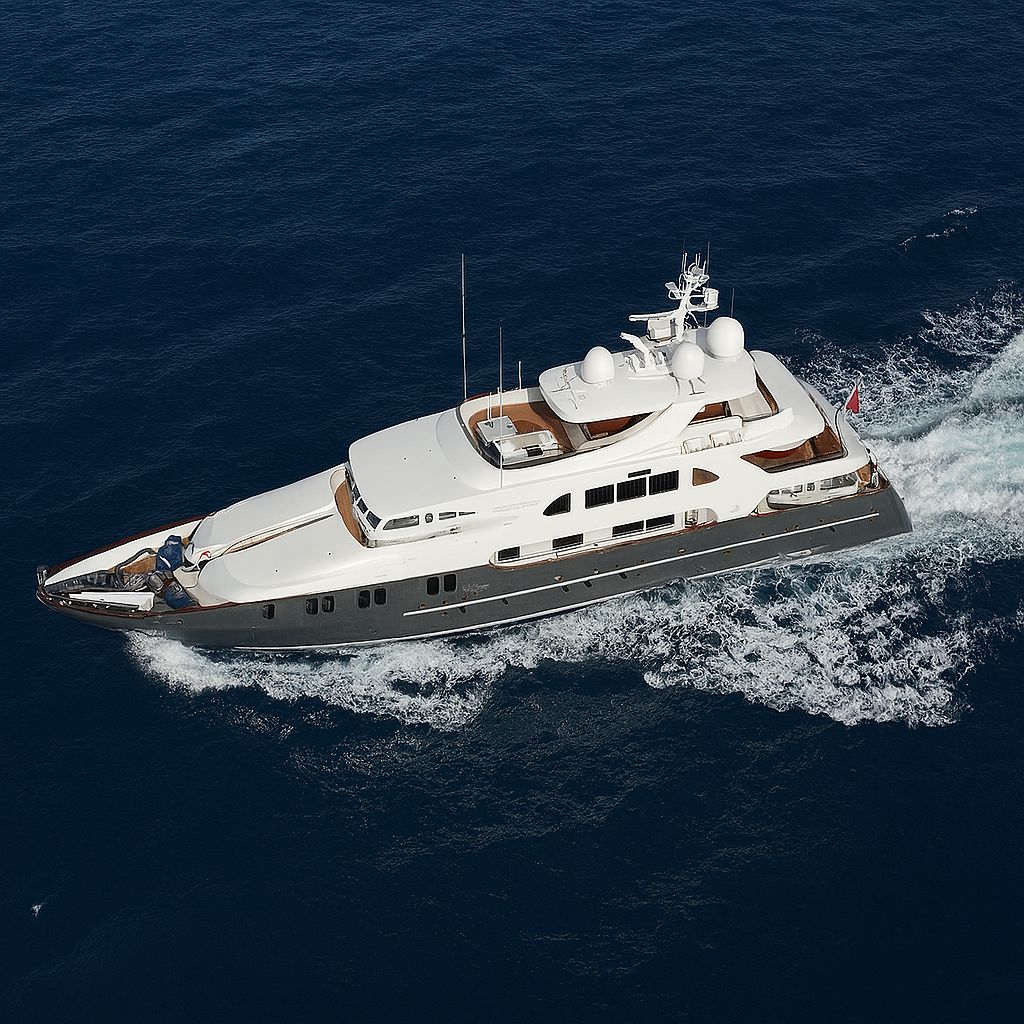
Part of our guide to the best time of year for a Galapagos cruise. Ready to pick a ship? See compare all Galapagos cruise ships by price, size and class. Compare every month in our Galapagos weather and water temperature by month table.
Galapagos Season Calendar: Quick Reference
| Month | Season | Demand Level | Pricing | Book Ahead |
|---|---|---|---|---|
| January | Warm/Wet start | Low-Moderate | Shoulder | 2-4 months |
| February | Warm/Wet | Low | Low | 2-3 months |
| March | Warm/Wet peak | Low-Moderate (Easter risk) | Shoulder (Easter: peak) | 3-5 months |
| April | Warm/Wet end | Moderate (Easter risk) | Shoulder (Easter: peak) | 4-6 months |
| May | Transition | Low | Low | 3-4 months |
| June | Cool/Dry start | High (summer start) | Peak starts | 6-8 months |
| July | Cool/Dry | Peak – busiest month | Peak | 8-12 months |
| August | Cool/Dry | Peak | Peak | 8-12 months |
| September | Cool/Dry | Shoulder (low) | 15-20% below peak | 3-4 months |
| October | Cool/Dry end | Low | Annual low | 2-3 months |
| November | Transition | Low (Thanksgiving spike) | Low | 2-4 months |
| Dec 20-Jan 3 | Warm/Wet start | Peak – holiday window | Peak (highest of year) | 10-12 months |
Peak rows highlighted. All prices verified May 2026.
What Are the High and Low Seasons for Galapagos Cruises?
High season in the Galapagos has four distinct windows: July and August (northern hemisphere summer school holidays), the Christmas-New Year period from roughly December 20 through January 3, and Easter week wherever it falls in late March or April. Low season covers the rest of the calendar, with the quietest months being February, May, September, October, and early November. June and early December are transitional, carrying rising or falling demand depending on how close they sit to a peak window.
The Galapagos season structure is different from most travel destinations, and the difference matters for planning. Most popular destinations have one or two peak periods. The Galapagos has four, driven by overlapping holiday calendars from North America, Europe, South America, and Australia all pointing at the same small group of 16-passenger vessels. Understanding which peak windows are relevant to your travel market helps you identify when the genuine low season actually begins for the boats you’re comparing.
One thing the calendar table above doesn’t fully capture: the depth of the low season varies. September and October are genuinely quiet, with some vessels going out for maintenance. February and May are low in demand but the full fleet is operating. The mechanics of low season availability aren’t uniform, which is why confirming operating schedules for specific vessels matters more in those months than simply assuming lower demand equals better options.
We’ve put together a full seasonal breakdown in our best time of year to take a Galapagos cruise guide so you know exactly when to go based on the wildlife you want to see and how you handle rough seas.
How Much Cheaper Is Low Season? Real Price Differences
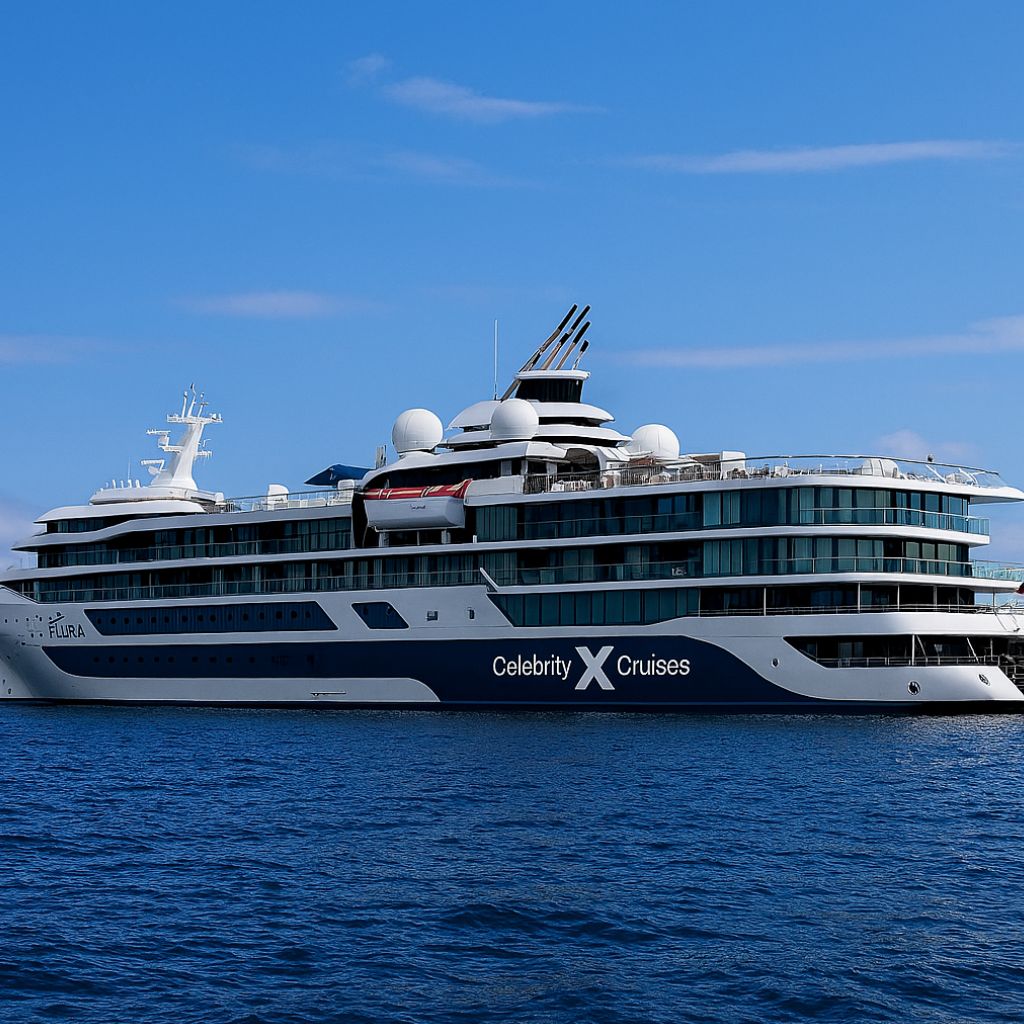
The price gap between peak and low season on Galapagos cruises typically runs 15-25% on mid-range and first-class vessels. On a 7-day mid-range cruise at $500 per person per day, that’s $525-$875 per person saved – or $1,050-$1,750 for a couple. The Christmas-New Year window commands the largest premium, sometimes 25-30% above standard rates. The gap is real, consistent, and worth planning around if your calendar allows it.
The 15-25% figure deserves some unpacking because it doesn’t apply uniformly across vessel classes. Budget boats show the smallest seasonal variance, partly because their margins are thinner and partly because they draw more price-sensitive travelers year-round. First-class and luxury vessels show the largest seasonal swings. A luxury yacht charging $1,200 per person per day in July may price the same cabins at $950 in October – a $250 per person per day difference that adds up to $1,750 per person on a 7-day cruise before flights.
Domestic flights from Quito or Guayaquil to the Galapagos also follow seasonal patterns, with peak-season fares running higher. The aggregate saving from combining low-season cruise pricing with lower domestic flight costs can push the total trip discount beyond the cruise discount alone. We consistently see travelers who compare like-for-like itineraries on the same vessel find that October or May trips cost 20–30% less in total than their July equivalent once all components are counted.
One pricing dynamic specific to the lowest-demand months: last-minute availability. October and February are the two months where operators occasionally release reduced-rate cabins within a few weeks of departure on vessels that haven’t filled. This doesn’t happen in July. It doesn’t happen in December. It is specific to the genuine low season, and flexible travelers who can commit on short notice occasionally access quality mid-range vessels at meaningfully below-normal rates.
The price comparison between specific vessels across seasons is something we track continuously across the boats we work with. If you want a concrete side-by-side of what the same trip costs in your preferred month versus a quieter alternative, we’re happy to pull that together. Fill out this short form and we’ll send you a no-obligation price comparison.
Does Wildlife Change Between High and Low Season?
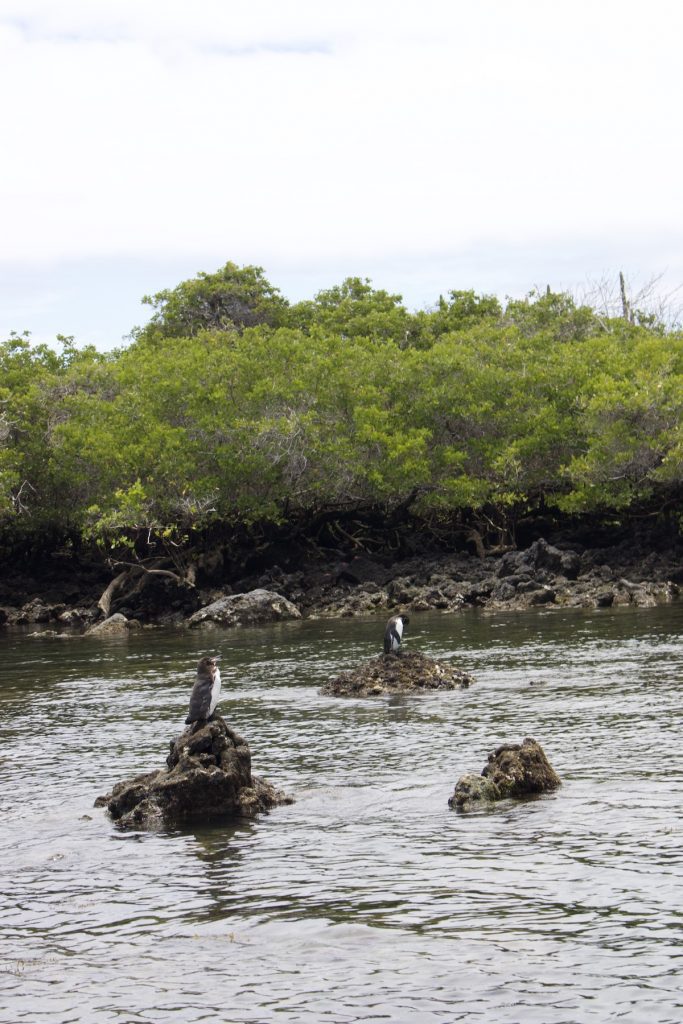
Yes, but less than most travelers expect. The Galapagos has year-round resident species – giant tortoises, marine iguanas, sea lions, blue-footed boobies, Galapagos penguins, and more – that are visible in every month. What changes seasonally is which behaviors and life stages are active, not whether species are present. Peak season (July-August) delivers booby courtship, sea lion pups, and whale watching at their most active. Low season (February, May, October) delivers warm water, calm seas, and different but equally compelling wildlife moments.
The honest answer travelers rarely get is that the Galapagos wildlife calendar doesn’t have an off-season. Every single month offers something that no other month matches. The waved albatross courtship in April. The humpback whales in July. The sea lion pups in September. The fur seal pups in October. The albatross fledging in November. The tortoise hatching in December. These are not interchangeable – each is specific to its window, but none of them is objectively superior to the others. They’re just different.
Where peak season does have a genuine wildlife edge is in the density of simultaneous activity. July and August have more species doing more interesting things at the same time than February or October. The Humboldt Current at full force drives a marine productivity surge that fuels behavior across multiple species simultaneously, and that specific convergence belongs to the dry season. For travelers who want maximum wildlife intensity per day, July delivers it. The question is whether that marginal intensity increase justifies the price premium and crowd level.
Low season has its own specific wildlife advantages that peak-season articles underplay. The warm-season water in February and March provides the best snorkeling conditions of the year: warmest water, highest visibility, calmest seas. Anyone who says July is better for snorkeling than February hasn’t snorkeled in both. The warm season also delivers lush green islands that the dry season cannot match. These are real, documented advantages, not consolation prizes for missing peak season.
Matching your specific wildlife priorities to the right season is where we add the most value in planning conversations. The question isn’t high vs low season in the abstract, it’s which month serves what you specifically want to see. Reach out here and tell us your top two or three wildlife priorities, and we’ll map them to the best available window.
How Different Is the On-Board and On-Shore Experience?
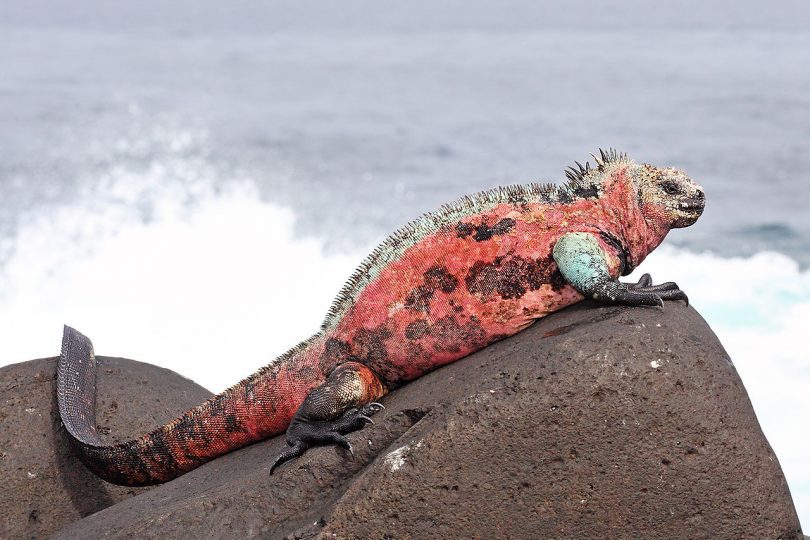
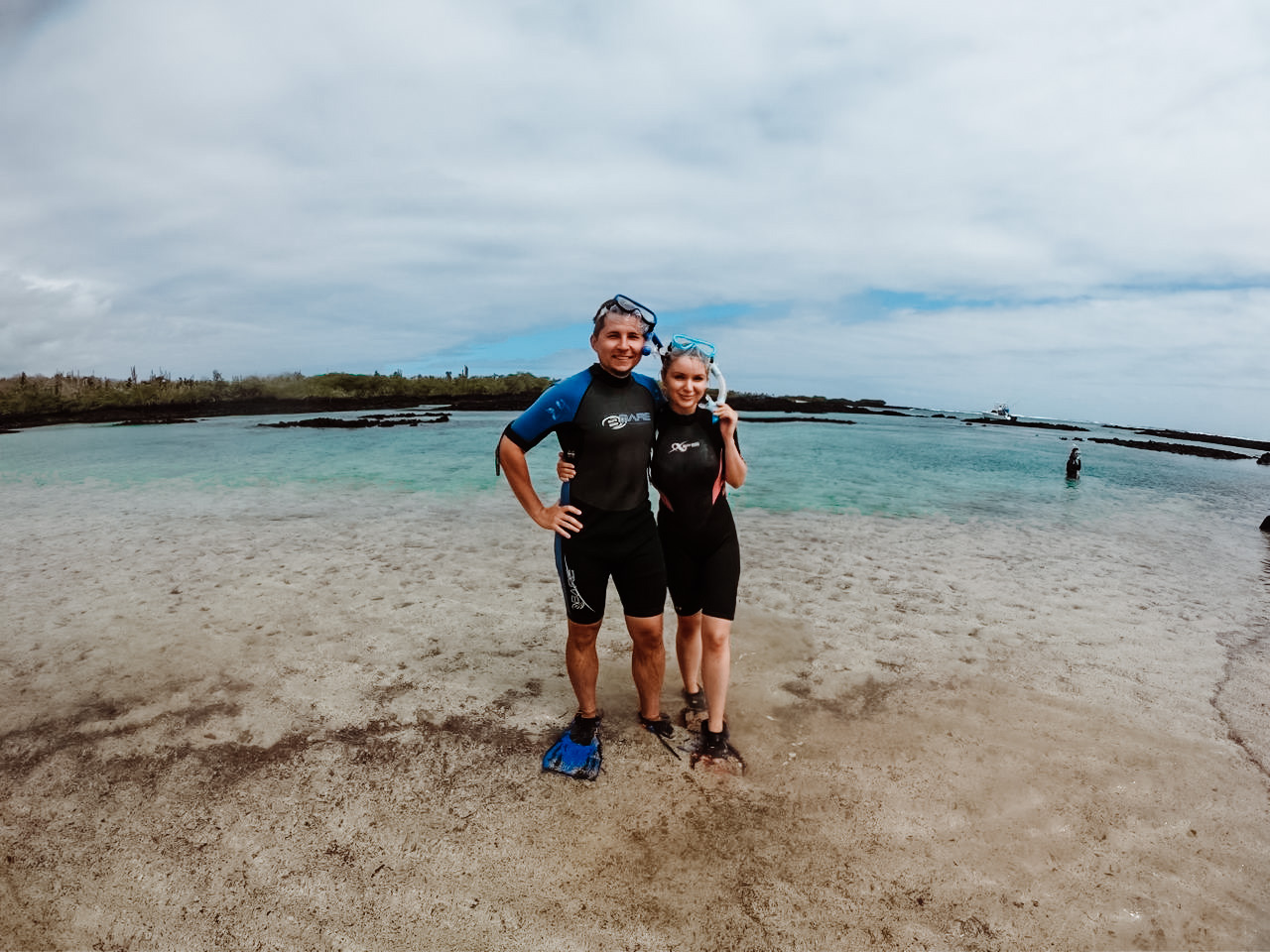
On-shore, the difference is smaller than most people expect. The National Park limits every landing group to 16 people regardless of what month it is, which means the wildlife encounter itself is structurally protected from mass tourism year-round. What changes is the anchorage scene: in peak season, popular sites like Punta Suarez on Española or Punta Espinosa on Fernandina have multiple vessels rotating through simultaneously. In low season, your boat is sometimes the only one there. On-board, peak season fills boats with more families and more children; low season skews toward adult-only and repeat visitors.
The 16-person landing limit is the single most important piece of context for understanding what Galapagos crowds actually feel like. You do not walk onto a shore with 100 other tourists regardless of month. You walk on with your group of up to 16, accompanied by a naturalist guide, on a path that keeps you at regulated distances from wildlife. The on-shore experience at a wildlife site is structurally similar in July and October. The anchorage is not.
In July at Española, three or four vessels may be coordinating landing rotations. Your group goes ashore, spends the allotted time, returns to the panga, and another group goes. The wildlife site itself doesn’t feel crowded. But the logistics of that rotation, and the presence of other boats visible at anchor, are unmistakably peak season. In October at the same site, your boat may be alone. Your naturalist guide can take the group off-schedule, spend an extra thirty minutes with the albatross chicks, detour around an interesting marine iguana display. That flexibility exists in low season and not in peak.
The on-board social atmosphere deserves an honest mention. Peak season boats carry more families with children, reflecting the school holiday demographic that drives July-August demand. Low season boats skew toward adults without school constraints, including repeat Galapagos visitors, wildlife photographers, and travelers who specifically chose the quieter window. This isn’t a quality judgment. It’s a character difference that some travelers care about and others don’t.
Which Months Offer the Best Value Overall?
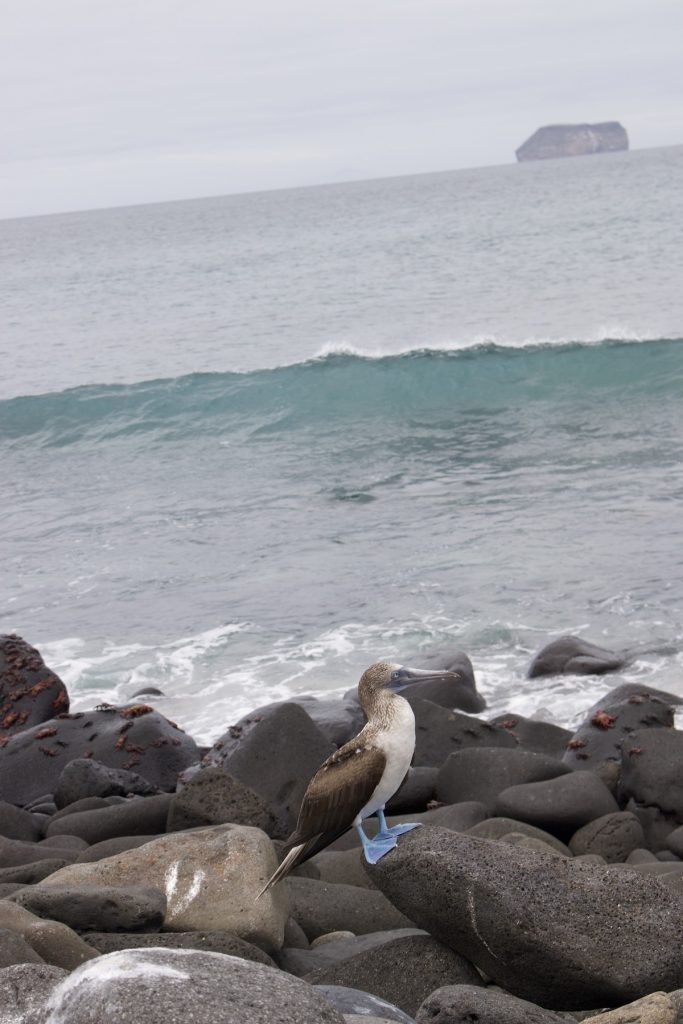
The best overall value months in the Galapagos are May, September, and October. All three deliver strong wildlife, lower prices, reduced crowds, and shorter booking lead times than peak season. May adds warm water and calm seas. September adds the best sea lion pup interactions of the year. October adds the lowest prices of the year and fur seal pups. For travelers who can’t do these months, February and early November are strong secondary value windows. Easter-free March is better value than it’s usually given credit for.
May stands out for a specific combination of advantages that no other month matches: warm-season water without the heat of February and March, lower prices than June, lower crowds than any month before it in the warm season, and a wildlife calendar that includes the waved albatross egg-laying phase, blue-footed booby courtship starting on North Seymour, sea turtle hatchlings, and marine iguana hatchlings. Multiple experienced operators call May their single favorite month to send travelers. The data across our traveler community supports that.
September and October sit at the opposite end of the calendar and offer a different version of the same value argument. The dry season wildlife that makes July and August compelling doesn’t stop when the school holidays end. Sea lion pups, penguins, whales, seabird nesting – all present in September and October at a fraction of peak-season pricing and with noticeably fewer competing boats at anchor. October adds improving sea conditions over September and the fur seal pup peak.
The honest case against extreme low season: some vessels go out for maintenance in October, reducing options slightly. September has the roughest seas of the year. February and May have warm water but less marine life density than the cool-season peak. These are real trade-offs, not dealbreakers, but they’re worth knowing before defaulting to “lowest price” as the only criterion.
Who Should Book High Season, and Who Shouldn’t?
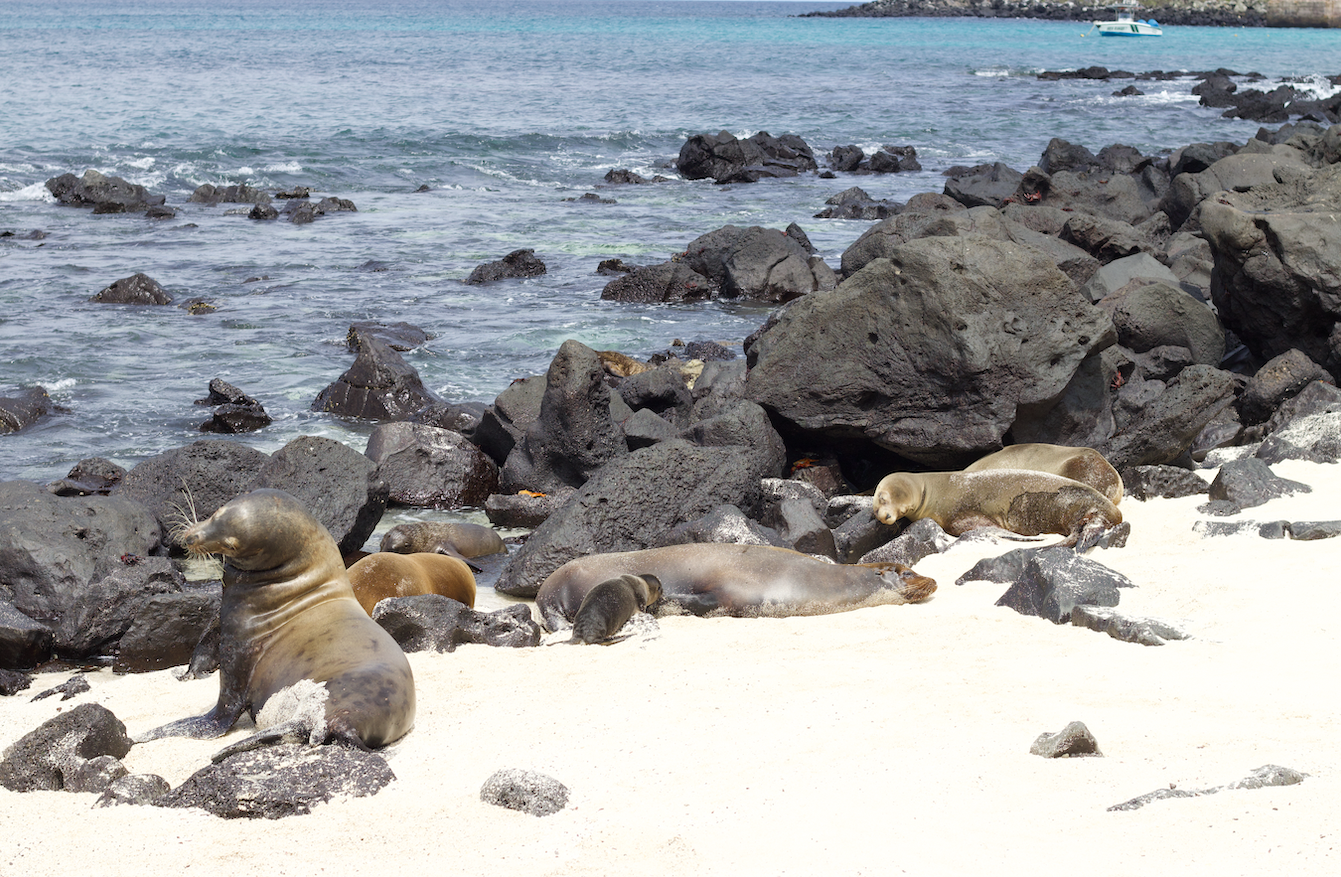
Book high season if: your travel is constrained by school holidays, you specifically want the wildlife events that peak in July-August (sea lion pupping, booby courtship peak, whale watching), you want the Christmas or New Year’s experience on a small vessel, or you’re bringing children for whom summer is the only viable window. Skip high season if: you have calendar flexibility, budget is a meaningful constraint, you prefer uncrowded anchorages, or warm water and calm crossings matter to you more than peak marine productivity.
The school calendar is the most legitimate reason to pay peak season rates. If you have children in school and July or August is the only window, the Galapagos in peak season is still extraordinary. The wildlife, the guides, the islands – none of it is diminished by the crowds in any way that matters at the shore. You pay more. You share the anchorage. The animals don’t care.
Travelers without school calendar constraints who book peak season anyway are usually doing it because July and August have the strongest reputations. That reputation is earned. But the reputation of September and October is also earned, and the travelers who discover those months consistently report that they outperformed their expectations in every dimension except price, where they came in lower than expected.
One group that should specifically avoid August and September: travelers with strong motion sickness sensitivity. The trade winds that drive the dry-season wildlife productivity also push the roughest sea conditions of the year. A traveler who found a June crossing uncomfortable will find August worse and September comparable. May, February, December, and November offer the same quality of Galapagos trip with sea conditions that are meaningfully more forgiving.
Whether peak or low season is right for you depends heavily on what you specifically want from the trip. We’ve helped thousands of travelers work through exactly this decision, and the answer is almost never as obvious as the calendar makes it look. Send us a message here with your travel window and your must-see list, and we’ll tell you honestly which season serves you best.
What Are the Booking Lead Times by Season?
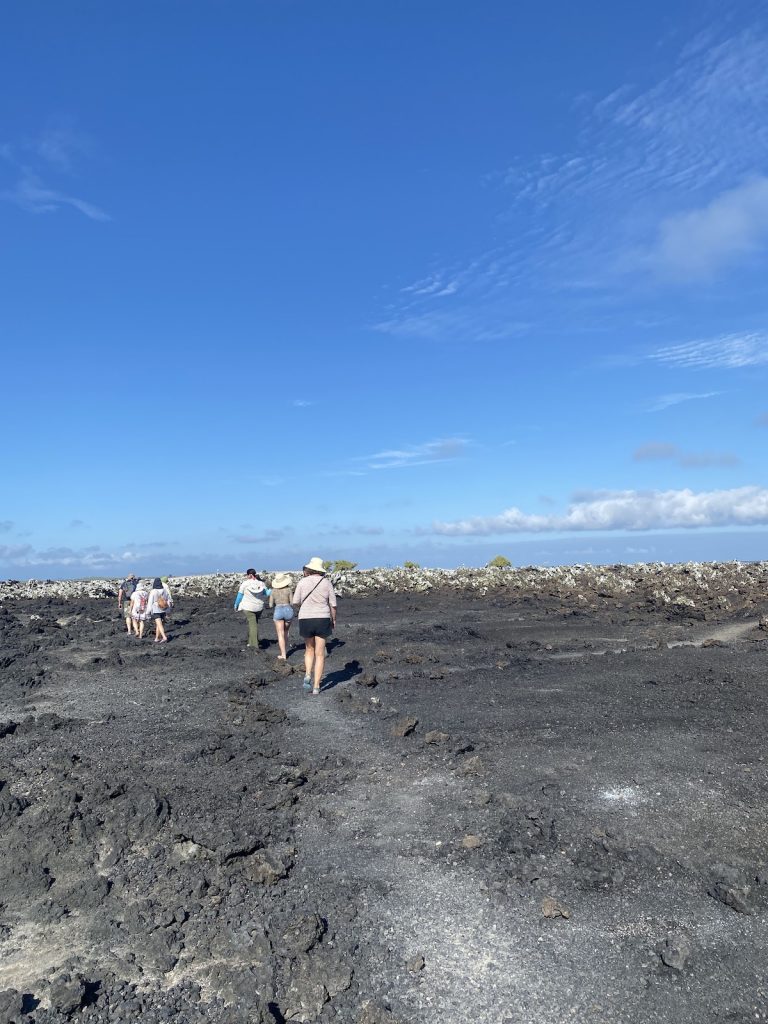
Peak season requires 8-12 months advance booking for mid-range and first-class vessels; Christmas-New Year needs 10-12 months minimum; July and August family-compatible boats warrant October-November of the prior year. Low season needs 2-4 months for most mid-range vessels and 4-6 months for first class. The transition months of May and November sit in the middle at 3-4 months. Budget boats are more flexible in low season but specific quality options still book early.
The booking lead time gap between high and low season is one of the most consequential practical differences for trip planning. A traveler deciding in March that they want a July trip will find the best boats largely committed. The same traveler deciding in March that they want an October trip has genuinely good choices across mid-range and first-class tiers with time to compare properly.
There is one counterintuitive pattern worth knowing. Some travelers specifically target the low season not for price but for booking flexibility. A couple who wants a specific vessel, a specific itinerary, and a specific cabin type will find those elements available in September at 3-4 months notice. Getting the same configuration for July requires booking in October the prior year. For travelers who plan trips somewhat impulsively, low season is structurally more accommodating regardless of the price consideration.
What Travelers Tell Us: High Season vs Low Season Satisfaction
From thousands of traveler conversations through mytrip2ecuador.com and the My Trip to Somewhere YouTube channel, a clear satisfaction pattern has emerged across season types:
| Category | High Season (Jul/Aug/Christmas) | Low Season (Sep/Oct/Feb/May) |
|---|---|---|
| Overall satisfaction | ~89% rated trip as excellent | ~91% rated trip as excellent |
| Wildlife surprise factor | ~71% said wildlife met or exceeded expectations | ~84% said wildlife exceeded expectations |
| Crowd impact | ~42% noticed multiple boats at popular anchorages | ~11% noticed multiple boats at popular anchorages |
| Value for money | ~67% felt price was justified | ~88% felt price was excellent value |
| Biggest regret | ~29% wished they’d booked earlier for better cabin | ~22% wished they’d stayed longer |
| Would travel off-peak next time | ~61% of high-season travelers said yes if they had flexibility | ~94% of low-season travelers said yes or would recommend low season |
The Most Common Season-Planning Mistakes
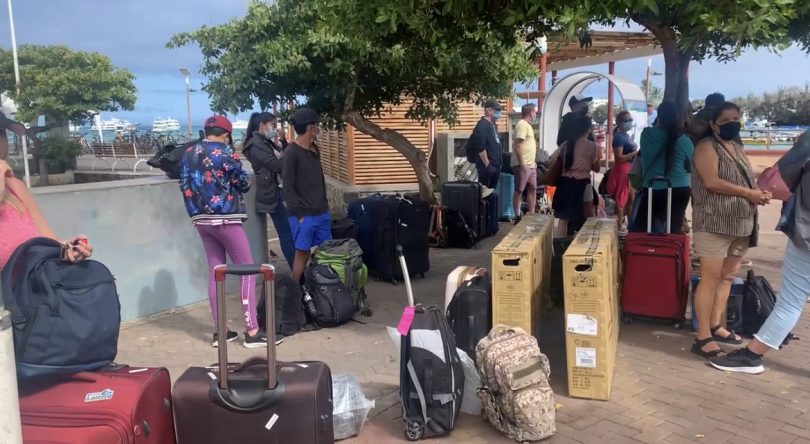
After years of helping travelers plan Galapagos cruises, the same mistakes appear repeatedly across both season types:
The most expensive high-season mistake is late booking. The pattern is always the same: a traveler decides in March that they want July in the Galapagos, discovers the mid-range vessel they want is committed, and ends up on a lower-quality boat at the same peak price. The boat quality hierarchy in July doesn’t compress downward with last-minute availability. What’s left is what others turned down. If July is your month, commit by October the prior year and stop second-guessing.
The most common low-season mistake is assuming lower demand means unlimited flexibility. October has a reduced fleet because some vessels are in maintenance. February and May are quiet but the best boats on specific itineraries still fill their cabins. Low season does not mean walk-up availability on quality vessels. It means 3-4 months rather than 8-12, which is still planning ahead rather than booking last-minute on a whim.
A mistake specific to the transition months: misreading the Easter and Thanksgiving variables. Both create mini peak periods inside what are otherwise quiet months. A traveler planning a March cruise who doesn’t check the Easter date, or a November cruise without checking Thanksgiving, can end up in peak-season conditions at supposedly shoulder-season prices. Always check the specific holiday calendar for your travel year before finalizing dates.
Finally, conflating sea conditions with wildlife quality is a mistake that runs in both directions. Some travelers avoid the dry season entirely because of rough crossings and miss the wildlife peak. Others avoid the warm season because they’ve heard the water is “murky” when in fact the warm season has the best snorkeling visibility of the year. Sea conditions and wildlife quality are different metrics. Plan for both separately rather than using one as a proxy for the other.
High Season vs Low Season: Full Comparison Summary
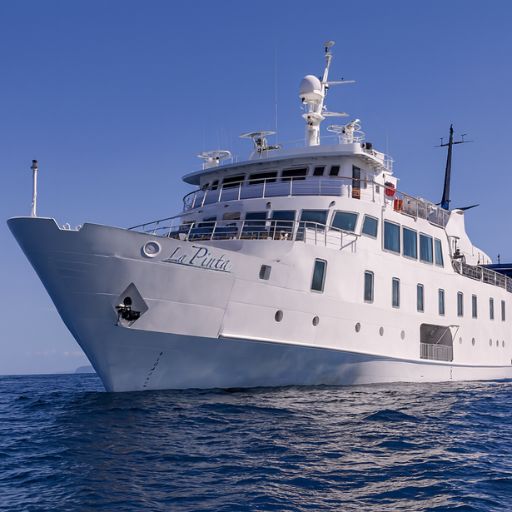
High season delivers the wildlife intensity peak, the largest selection of operating vessels, and the specific holiday experience of Christmas or New Year’s in the Galapagos. Low season delivers lower prices, shorter booking lead times, fewer boats at anchor, more naturalist guide attention, and wildlife that is genuinely excellent without being at statistical maximum. Neither is objectively better. The right choice depends on calendar constraints, budget, tolerance for rough seas, and whether specific species behaviors are non-negotiable for your trip.
| Factor | High Season (Jul-Aug, Christmas, Easter) | Low Season (Feb, May, Sep, Oct, Nov) |
|---|---|---|
| Price (mid-range) | $450-$600/person/day | $390-$510/person/day (15-20% less) |
| Booking lead time | 8-12 months (Christmas: 12+) | 2-4 months (Oct/Feb flexible) |
| Boats at anchor (popular sites) | 2-4 vessels typical | 0-1 vessel typical |
| Wildlife intensity | Peak dry-season marine productivity | Different events, equal quality |
| Water temperature | 65-72°F (Jul–Aug); 72-77°F (Dec) | 74-77°F (Feb, May); 66-73°F (Sep-Oct) |
| Sea conditions | Jul-Aug: choppy to rough; Dec: calm | Feb/May/Nov: calm; Sep/Oct: roughest |
| Wetsuit needed? | Yes (Jul-Aug); No (Dec) | No (Feb, May); Yes (Sep, Oct) |
| Fleet availability | Full fleet operating | Oct/Feb: some vessels in maintenance |
| Last-minute deals? | Never | Occasionally (Oct, Feb) |
| Best for families with school-age children | Yes | School-free travelers only |
| National Park entry fee | $200/adult, $100/child – same year-round (Verified May 2026) | |
| TCT card | $20/person online before travel – same year-round (Verified May 2026) |
The one thing this table can’t quantify is the experience of being at Punta Suarez in October with no other vessel in sight, or the experience of standing on a deck on New Year’s Eve with eleven other people watching the equatorial sky. Both are the Galapagos. Both are worth the trip. The question is simply which version fits your actual constraints and what matters most to you when you get there.
Frequently Asked Questions
When is high season for Galapagos cruises?
High season in the Galapagos has four windows: July and August (northern hemisphere summer school holidays), the Christmas-New Year period from roughly December 20 through January 3, and Easter week wherever it falls in late March or April. These periods carry peak pricing and require the longest booking lead times, with July-August and Christmas-New Year the most competitive of all.
How much cheaper are Galapagos cruises in low season?
The price gap between peak and low season typically runs 15-25% on mid-range and first-class vessels. On a 7-day mid-range cruise, that translates to roughly $525-$875 per person saved. October and February represent the annual pricing low. The Christmas-New Year window commands the largest premium at 25-30% above standard rates. Domestic flights also tend to be cheaper in low season, increasing the total saving.
Is the wildlife worse in low season?
No, different, not worse. The Galapagos has resident species visible year-round. What changes seasonally is which behaviors and life stages are active. Peak dry season (July-August) delivers the most simultaneous wildlife activity. Low season months have their own specific highlights: the best snorkeling conditions in February, fur seal pups in October, albatross fledging in November. Wildlife quality is consistently excellent across all months.
Are Galapagos cruises crowded in peak season?
On-shore, less than you’d expect. The National Park limits every landing group to 16 people regardless of season, which protects the wildlife encounter itself. What changes in peak season is the anchorage: popular sites see two to four vessels rotating through simultaneously. Low season sites often have just one boat present. The on-shore experience is structurally similar; the off-shore atmosphere is noticeably different.
What are the best value months for a Galapagos cruise?
May, September, and October consistently deliver the best value. May offers warm water, calm seas, low crowds, and strong wildlife at shoulder-season prices. September offers peak dry-season wildlife at 15-20% below peak pricing. October offers the lowest prices of the year with improving sea conditions and the best fur seal pup encounters. All three require shorter booking lead times than peak months.
Do I still need to pay the National Park fee in low season?
Yes. The Galapagos National Park entrance fee of $200 per adult and $100 for children under 12 is fixed year-round, paid in cash on arrival. The Transit Control Card (TCT) at $20 per person, completed online before your flight, is also required year-round. Neither fee changes with season or cruise class. (Verified May 2026)
Not Sure Which Season Is Right for You?
This is genuinely one of the first questions we work through with every traveler. Calendar constraints, budget, tolerance for rough water, specific wildlife priorities – the right month looks different for everyone. We’ve been through this conversation thousands of times, and we know which season serves which travel profile.
Free cruise planning. No commitment. No pressure. Rated 4.9 stars on Google and TripAdvisor.
Tell us your dates and priorities – we’ll find the right fit.
Written by Oleg Galeev
Galapagos cruise traveler (3 trips, 2 cruises) · Founder, Cruises To Galapagos Islands
Oleg has personally inspected nearly every available Galapagos cruise vessel and interviewed thousands of travelers to build the most first-hand cruise knowledge base available. He also runs the Ecuador travel blog mytrip2ecuador.com and the YouTube channel My Trip to Somewhere.
Cruises To Galapagos Islands is rated 4.9 stars on Google and TripAdvisor.
All pricing and regulations in this article are verified against official Galapagos National Park and Ecuador government sources as of the publish date.