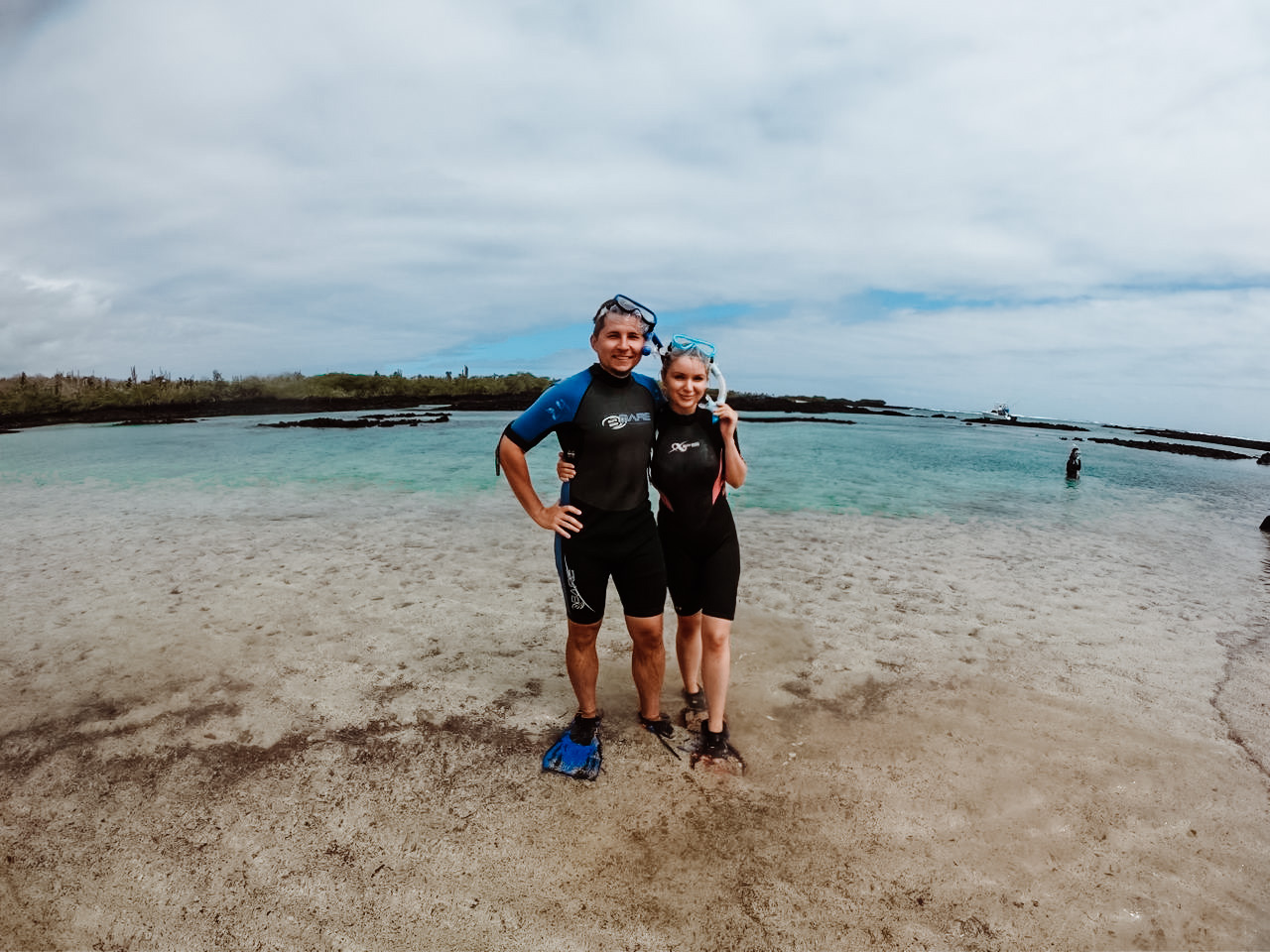
Galapagos Cruise in August: Crowds, Wildlife & Tips
Part of our guide to the best time of year for a Galapagos cruise. Ready to pick a ship? See compare all Galapagos cruise ships by price, size and class. Compare every month in our Galapagos weather and water temperature by month table.
August in the Galapagos: Quick Facts
| Factor | August Details |
|---|---|
| Air Temperature | 64-74°F (18-23°C) – coolest of the dry season |
| Water Temperature | ~64-68°F (18-20°C) – coldest of the year; wetsuit essential |
| Underwater Visibility | Good – rich with marine activity despite reduced clarity vs warm season |
| Rainfall | ~0.2 inches – essentially zero |
| Garúa | Peak – overcast mornings frequent; afternoon clearing typical |
| Sea Conditions | Rough to very rough on open crossings – strongest trade winds of year |
| Crowd Level | Peak – tied with July as busiest of the year |
| Cruise Pricing | Peak – highest rates of the year |
| Wetsuit Needed? | Yes, 5mm recommended at western sites; 3mm minimum everywhere |
| Wildlife Highlights | Sea lion pupping begins (late August), Galapagos penguins at peak, whale watching prime, blue-footed booby chick rearing, Galapagos hawk courtship, waved albatross incubating Española, manta rays and whale sharks active near Wolf and Darwin, fur seal breeding begins |
| National Park Entry Fee | $200 adults / $100 children under 12 – cash only (Verified May 2026) |
| TCT (INGALA) Card | $20 per person – complete online before travel (Verified May 2026) |
Is August a Good Month for a Galapagos Cruise?
August is excellent for wildlife and genuinely challenging in practical terms. It shares peak-season status with July – same crowds, same prices, same booking difficulty, but pushes the physical conditions to their annual extremes. The water is coldest, the seas are roughest, and the garúa mist is at peak intensity. The wildlife payoff is real: sea lion pupping begins, penguins are at their most active, whale watching is prime, and seabird activity across the archipelago runs at maximum. Come prepared for what August actually is, and it delivers.
August sits at the deep heart of the dry season. The Humboldt Current is running at full force, which means the water is cold, the marine ecosystem is operating at peak productivity, and the animals that depend on that food supply are in overdrive. This is not a subtle thing. The difference between a warm-season snorkel and an August snorkel is the difference between a well-stocked fish tank and an aquarium that’s been turbocharged. There’s simply more happening, more densely, in more places.
The challenges are equally real. Water at 64-68°F (18-20°C) is cold by any standard except serious dry-suit diving. The trade winds driving all this oceanic productivity also push swells across the open crossings between islands. August and September hold the title for roughest sea conditions of the year. Travelers who went through a rough July crossing and found it manageable will find August similar or slightly worse. Travelers who found July’s crossings genuinely unpleasant should either prepare more aggressively for August or consider September and October, which offer the same wildlife benefits with seas that are starting to calm.
Wondering whether January or August gives you better snorkeling conditions and more active wildlife on a Galapagos cruise? This best time of year to take a Galapagos cruise guide covers the seasonal details most Ecuador travel blogs oversimplify.
What Is the Weather Like in the Galapagos in August?
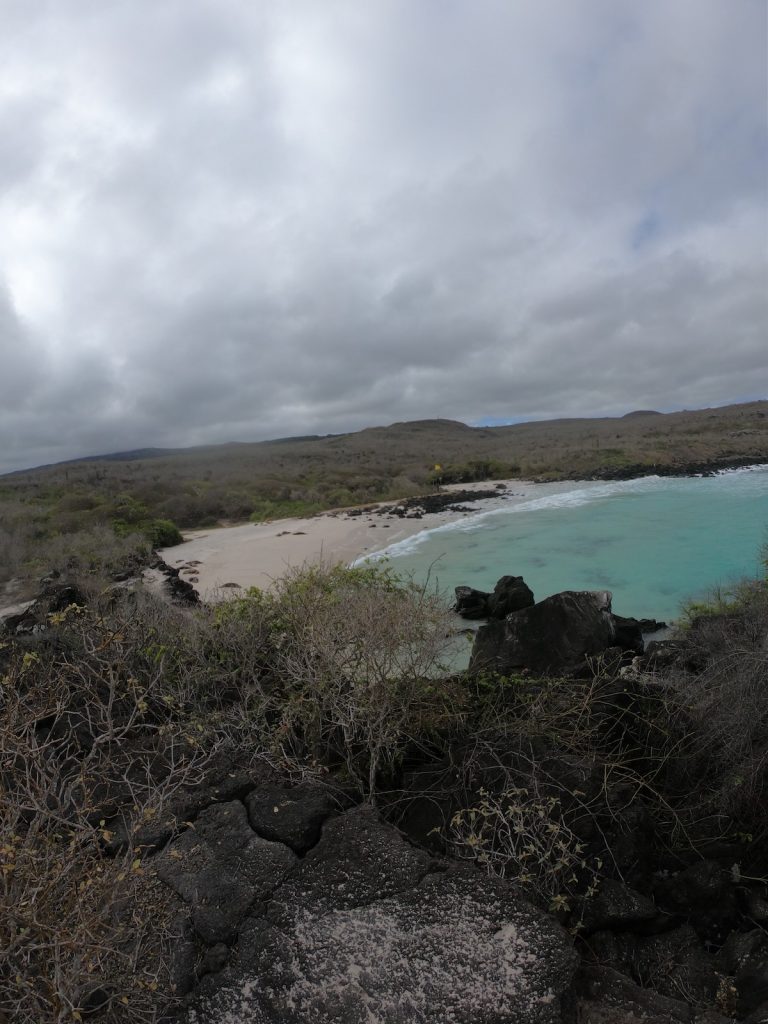
August is the coolest month of the Galapagos year on land and in the water simultaneously. Air temperatures run 64-74°F (18-23°C) – comfortable for hiking and shore excursions, genuinely cool in the evenings. Water temperatures drop to their annual minimum around 64-68°F (18-20°C), requiring at minimum a 3mm full wetsuit and ideally a 5mm at colder western sites. Rainfall is essentially zero. Garúa mist is at its most pronounced, though it still typically clears to sunny afternoons. Trade winds are strongest, producing the choppiest seas of the year on open crossings.
The garúa in August is something travelers who’ve only read about it in passing should understand before they arrive. It’s not rain. It’s a cool, damp overcast that settles in overnight and sits over the highland zones in the morning. On deck before an early excursion, August mornings have a distinct mood – low light, cool air, the sound of the current, a hint of mist. By 10 or 11am, the cloud typically burns off and you’re into a clear, dry afternoon with remarkable visibility across the water. It’s atmospheric in the best sense, but it looks nothing like the warm-season Galapagos imagery that dominates most promotional photos.
For land excursions, August weather is actually the most pleasant of the year for physically active travelers. At 68-72°F (20-22°C) with low humidity, a morning hike across a lava field or up to a highland tortoise reserve is comfortable rather than grueling. The tropical heat that makes March shore excursions a survival exercise simply isn’t there in August. Serious walkers and hikers who find the warm season too hot to enjoy the land excursions fully should consider this specifically.
| Factor | July | August | September |
|---|---|---|---|
| Air Temp (°F) | 66-76 | 64-74 | 64-75 |
| Water Temp (°F) | 65-72 | 64-68 | 64-68 |
| Sea Conditions | Choppy | Rough | Roughest |
| Crowds | Peak | Peak | Dropping |
| Pricing | Peak | Peak | Shoulder starts |
| Sea Lion Pups | Mating active | Pups arriving | Pups abundant |
What Wildlife Can You See on a Galapagos Cruise in August?
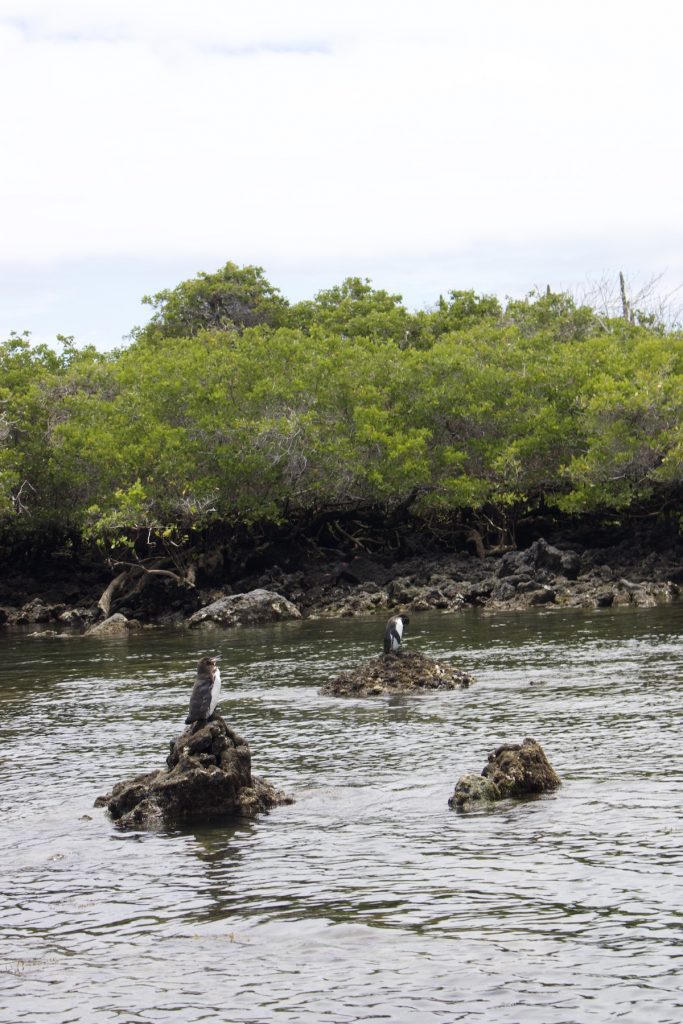
August wildlife is defined by two new headline events that neither June nor July fully delivers: sea lion pupping begins in late August, and Galapagos penguin activity peaks in the cold, food-rich water. Combined with ongoing whale watching, blue-footed booby chick rearing, Galapagos hawk courtship, manta rays near Wolf and Darwin Islands, and the waved albatross incubating on Española, August has the most simultaneous species activity of any dry-season month.
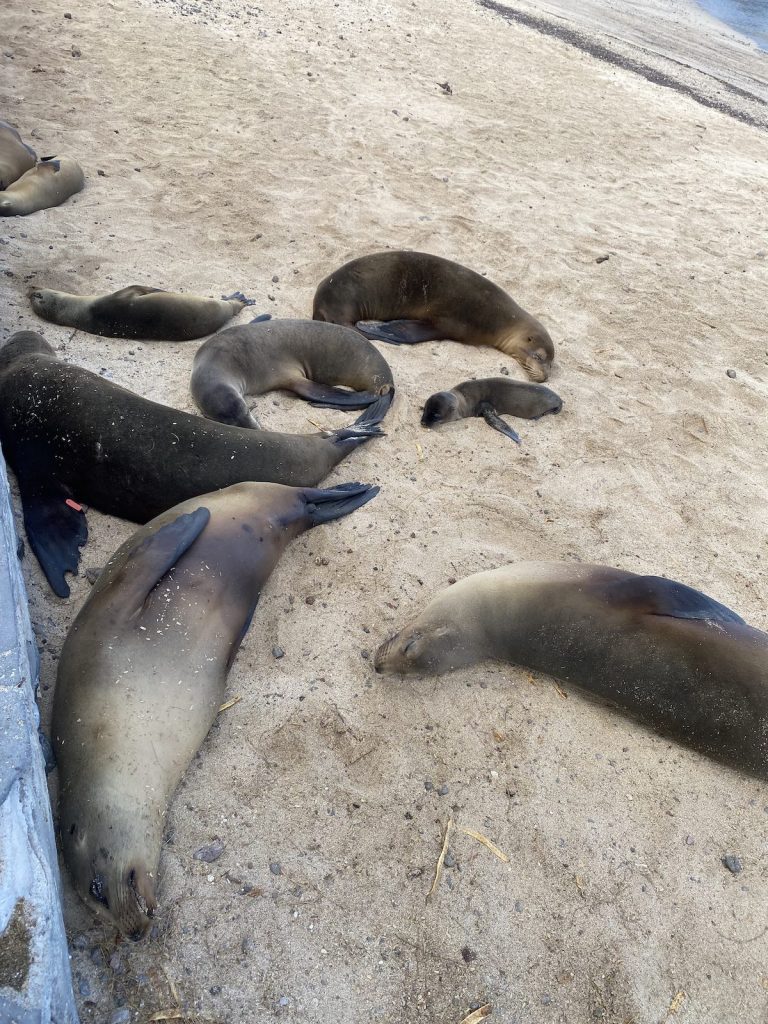
The sea lion pupping is August’s signature moment. Pups begin arriving on beaches in late August through October, and the effect on the beach experience is immediate and complete. Before pupping, a sea lion beach is a colony of sleepy adults and territorial males. After pupping, it’s chaos in the best possible way. Mothers call for their pups in sharp, insistent barks. Pups respond with their own distinctive cry. Males patrol the perimeter, exhausted and aggressive. Tiny pups, still fuzzy and barely coordinated, wobble toward the water for their first swims while their mothers watch from a meter away. It is the most emotionally engaging wildlife tableau the dry season delivers, and it belongs specifically to August and the months that follow.
The Galapagos penguin situation in August is equally compelling. These birds are the only penguin species that lives and breeds north of the Antarctic, and their activity is directly tied to cold-water productivity. In August, with the Humboldt Current at full force, the food supply that drives their activity is at its annual peak. At Bartolomé and the western coast of Fernandina and Isabela, penguins are hunting in the water with the intensity of birds that have been waiting months for this exact moment. From a panga at dusk, watching them torpedo through the cold blue water after anchovy schools while blue-footed boobies crash-dive from above is something you don’t forget easily.
For serious divers, August marks the beginning of the most productive liveaboard window at the remote northern islands of Wolf and Darwin. Whale sharks, hammerhead schools, and manta rays concentrate around these sites from roughly August through October, driven by the cold, plankton-rich upwellings. These sites require specialist dive vessels and are not part of standard cruise itineraries, but for experienced divers planning a dedicated trip, August is the opening of the prime window.
August fills as fast as July, and family-compatible vessels go first. If you’re planning an August trip and haven’t started looking, the booking conversation needs to happen soon. Get in touch here for a free check of current availability and pricing.
What Are the Biggest Practical Challenges of an August Cruise?
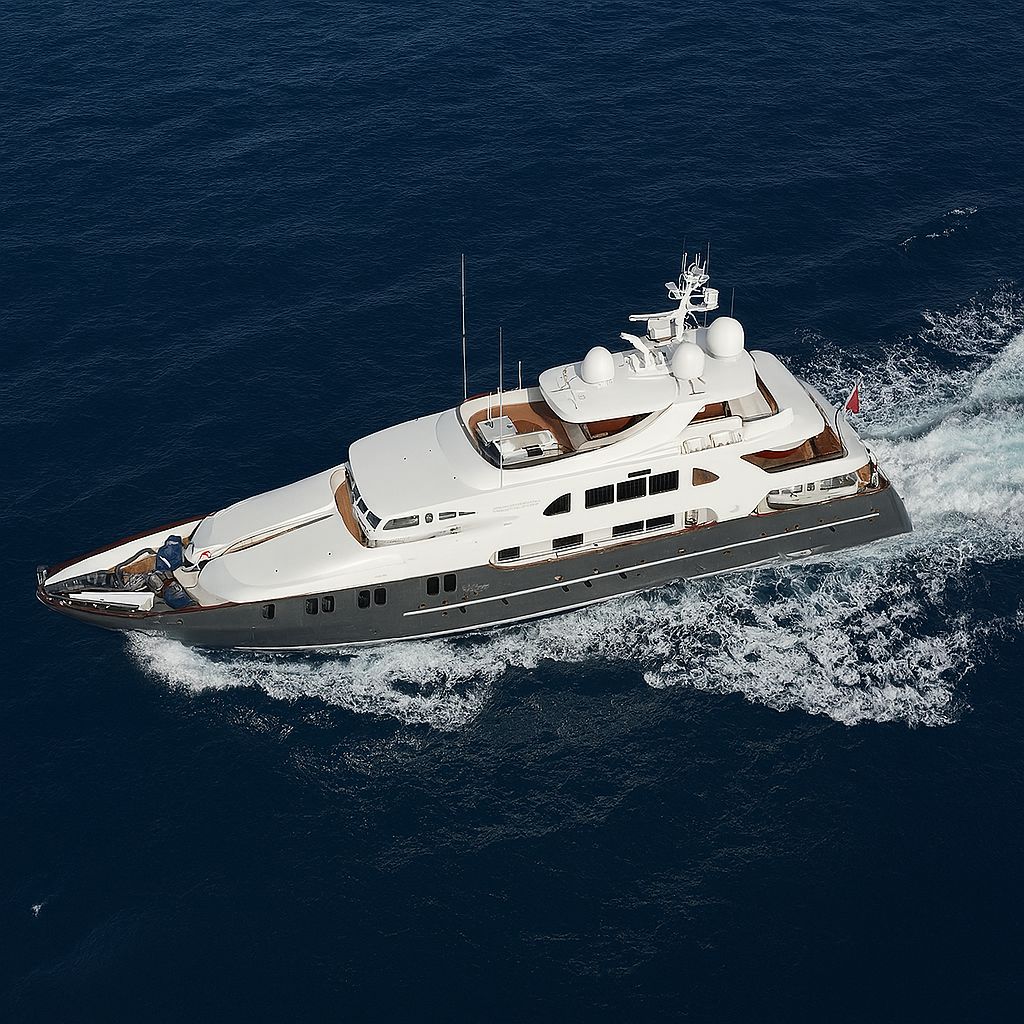
August presents three specific practical challenges that don’t apply with the same intensity to other months: the roughest sea crossings of the year, water cold enough to make snorkeling genuinely uncomfortable without proper gear, and peak crowds that require the longest booking lead times. Each is manageable with preparation. None should be a surprise.
The sea conditions are the most consequential practical challenge and the one most travelers underestimate. August and September together represent the roughest sustained period in the Galapagos year. The southeast trade winds are at their strongest, and open-water crossings between islands can produce significant swells. On a typical eight-day itinerary, you’ll have between two and four open-water segments. Two or three hours of 2-meter swells on a 16-passenger catamaran is uncomfortable for anyone and debilitating for travelers without adequate preparation.
The solution is straightforward and doesn’t require stoicism. Meclizine (Bonine) or dimenhydrinate (Dramamine) taken one to two hours before an open crossing, with a light meal, prevents the vast majority of seasickness episodes. The key word is preventively. These medications don’t work well as reactive treatments once symptoms have started. Take them the morning of every crossing in August as a matter of routine, not just when the sea looks rough. It costs nothing and protects the trip.
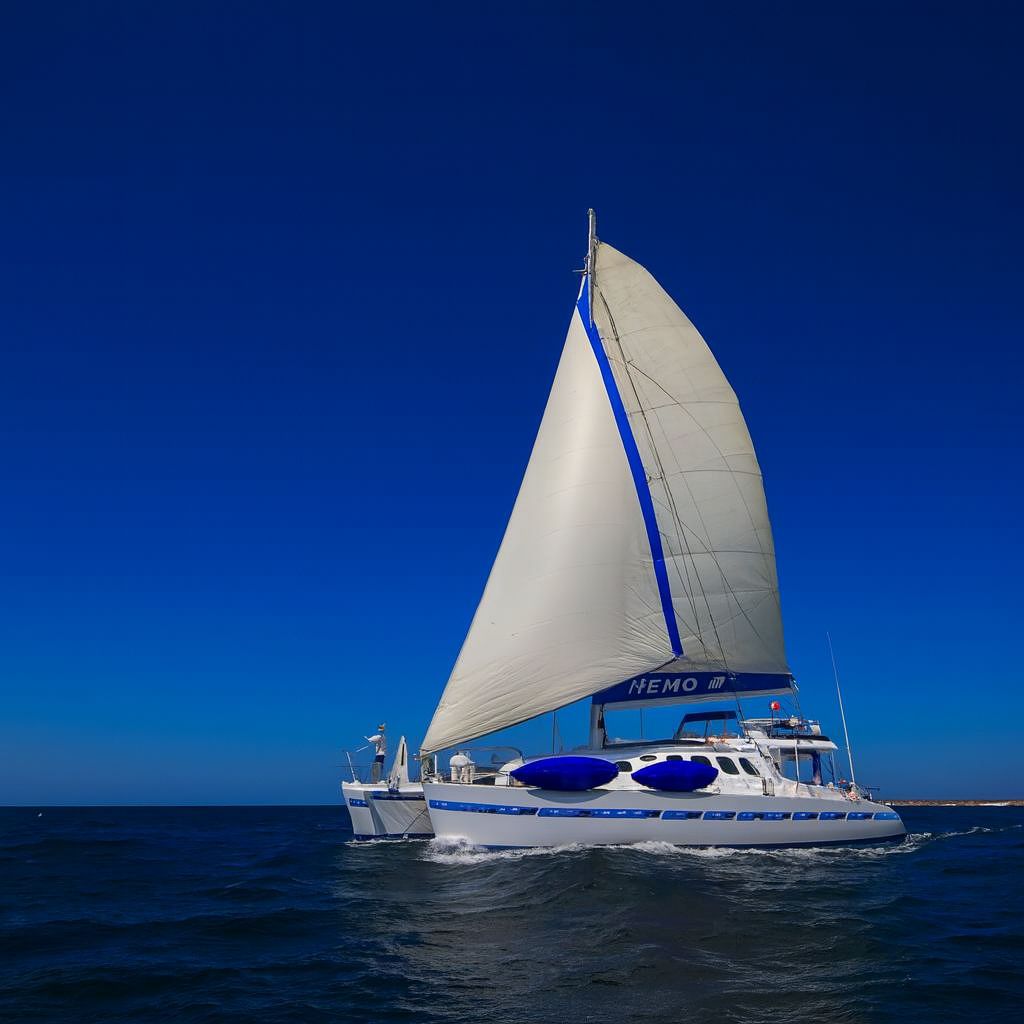
Vessel choice matters more in August than in any warm-season month. Catamarans are significantly more stable than monohull sailboats in rough conditions. A 16-passenger catamaran on an August crossing provides a meaningfully different experience than a traditional sailboat of the same passenger capacity. If seasickness is a concern at all, ask your booking contact specifically about hull type before committing. Monohull vessels can be spectacular and we love them, but not for a group with motion sensitivity in August.
The wetsuit gap is the other consistent August surprise. Water at 64-68°F (18-20°C) is not hypothermia territory, but thirty minutes in it without insulation leaves most people cold and miserable. A 3mm full wetsuit is the minimum for August snorkeling. A 5mm is meaningfully more comfortable at western sites where cold upwellings push surface temperatures even lower. Most quality cruise operators provide wetsuits, but the fit matters for warmth, and boats with a limited range of sizes may not have an ideal fit for every body type. If you have your own 3-5mm wetsuit, August is the month to bring it.
What Are the Best Islands to Visit in August?
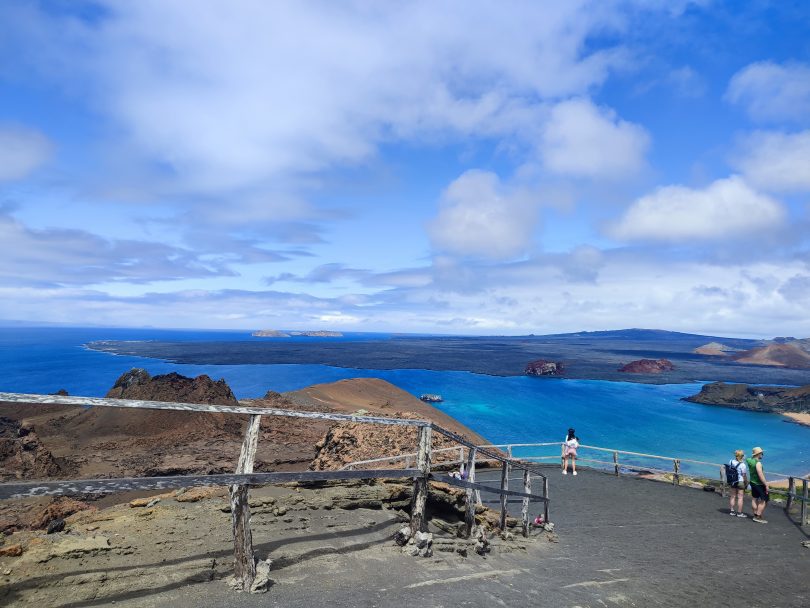
August’s top five islands are Bartolomé (penguin activity at peak, Pinnacle Rock snorkeling), Fernandina (sea lion pupping on western beaches, penguins in Bolívar Channel, flightless cormorant chicks), Isabela (whale watching, penguin sightings, marine iguanas at Punta Vicente Roca), Española (sea lion pupping beaches, waved albatross incubating, blue-footed booby chick rearing, outstanding Gardner Bay snorkeling), and North Seymour (blue-footed booby chick rearing, magnificent frigatebirds). August is particularly strong for western itineraries.
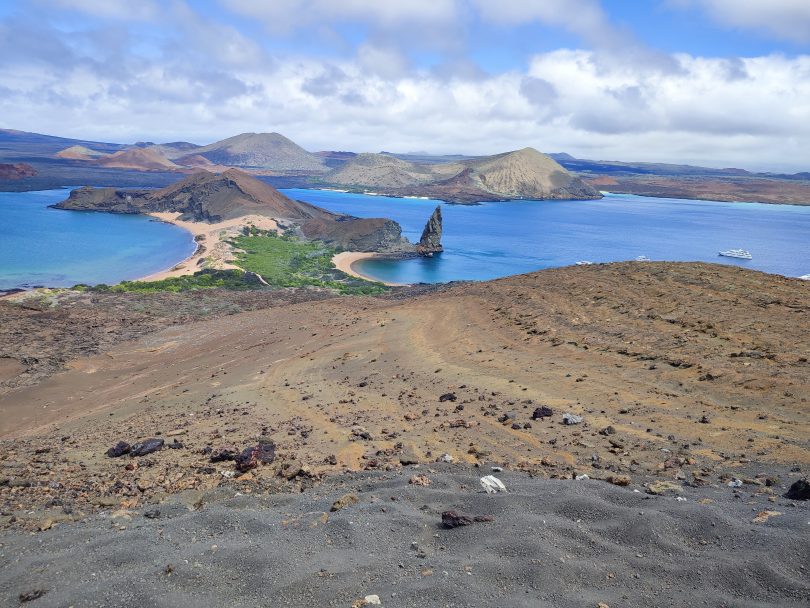
Bartolomé earns a special mention in August that it doesn’t always receive in other months. The combination of Galapagos penguins at full activity, the dramatic Pinnacle Rock backdrop, and sea lion pups at the adjacent beaches creates a single stop that hits multiple wildlife moments at once. The snorkeling around Pinnacle Rock in August also puts you in cold, food-rich water that has more fish life and more penguin encounters than the warm season version of the same site. The cold water is uncomfortable without a wetsuit. With one, it’s extraordinary.
Fernandina is the anchor of any serious August western itinerary. Sea lion pups begin appearing on its beaches in late August. Flightless cormorant chicks hatched in July and early August are still in their nest areas along the Punta Espinosa shore, at the stage where they’re experimenting with their vestigial wings and barely resembling the adults swimming nearby. The Bolívar Channel produces whale sightings, penguin hunting, and some of the most intense marine life in the archipelago in August’s cold, productive water.
One honest note on Española in August versus April: in April, the albatross courtship is the reason to go. In August, the albatross is incubating quietly, and the star attractions are the blue-footed booby chick rearing at various stages and the sea lion pupping on Gardner Beach. Different reasons for the same destination, and both justify the visit.
How Crowded Is the Galapagos in August?
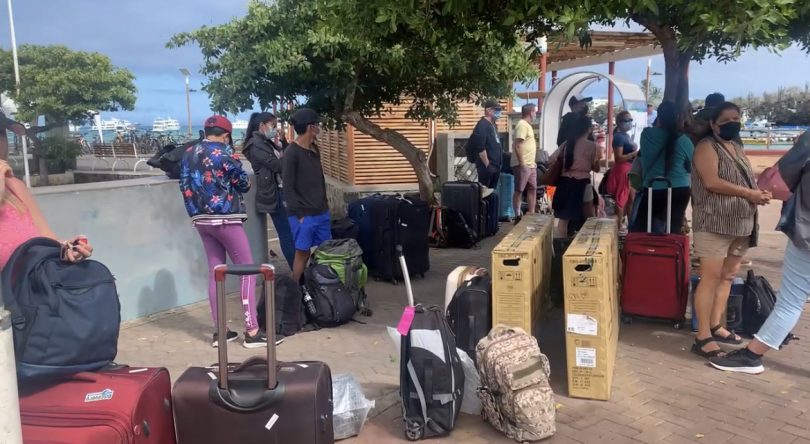
August is tied with July as the busiest month of the Galapagos year. European summer holidays, which dominate August travel in ways that US schedules don’t always predict, push significant demand on top of the already-busy July crowd patterns. Multiple nationalities are on school holiday simultaneously. Popular vessels across all classes are fully committed. Landing sites see coordinated multi-vessel scheduling. The on-shore experience remains controlled by the National Park’s 16-person group limits, but the off-shore anchorage scene is unmistakably at its annual maximum.
One nuance of August crowds worth knowing: the demographic composition shifts slightly from July. US and Canadian family travel peaks in July and starts tapering in late August as school calendars return. European school holidays, particularly UK, German, French, and Dutch families, run firmly through August. The result is that August on board can feel more internationally diverse than July, which skews more North American. For some travelers that’s appealing. The point is simply that August doesn’t thin out compared to July, it stays full through a different population of summer travelers.
For travelers whose primary concern is crowds and who have any flexibility, late August starts showing the first signs of relief in the weeks after European schools return. A departure dated around the last few days of August may find slightly more availability than mid-August on the same vessels, and early September sees a meaningful step down. If the wildlife you’re targeting is compatible with September (it largely is), the post-summer-holiday window offers the same species activity with a noticeable improvement in crowd pressure and price.
How Much Does a Galapagos Cruise Cost in August?
August is full peak pricing, matching July as the most expensive window of the year. Budget vessels start around $250-$430 per person per day. Mid-range (tourist superior) boats run $450-$600 per day. First-class cruises fall between $610-$780 per day. Luxury yachts start at $800 and go to $1,700 per day. There are no last-minute deals. Operators have no incentive to discount a month with this level of demand, and quality boats are fully committed long before departure.
The fixed entry costs apply regardless of season. The Galapagos National Park entrance fee is $200 USD per adult and $100 for children under 12, paid in cash on arrival. The TCT card is $20 per person, completed online before your flight. Both are required. (Prices verified May 2026)
One August-specific pricing consideration: the catamaran vs. monohull premium is worth paying in August more than in any other month. The comfort difference in rough conditions is real, and the price gap between a comparable catamaran and monohull cabin on the same class of vessel often comes to $100-$200 per person. That buys a meaningfully better August experience for travelers with any motion sensitivity. When comparing boats for August, ask specifically about hull type before being swayed by photos alone.
| Cruise Class | Per Day (per person) | 7-Day Total (per person) | August Note |
|---|---|---|---|
| Budget | $250-$430 | ~$1,800-$3,000 | Often sold out by April; catamaran options limited at this tier |
| Tourist Superior (Mid-Range) | $450-$600 | ~$3,100-$4,200 | Catamaran premium worth paying; book 8-10 months ahead |
| First Class | $610-$780 | ~$4,300-$5,500 | Peak pricing; European family demand fills these fast |
| Luxury | $800-$1,700+ | $5,600-$12,000+ | 12 months ahead minimum; no discounts at this season |
| Fixed entry fees: National Park $200/adult, $100/child. TCT card $20/person. Both required for all visitors. |
August vessel selection is one of the most consequential decisions in this series because hull type matters for comfort and family-compatible cabin configurations fill earliest. We can run through the August options that match your group and flag what’s still available. Reach out here for a free comparison with no commitment.
When Should You Book an August Galapagos Cruise?
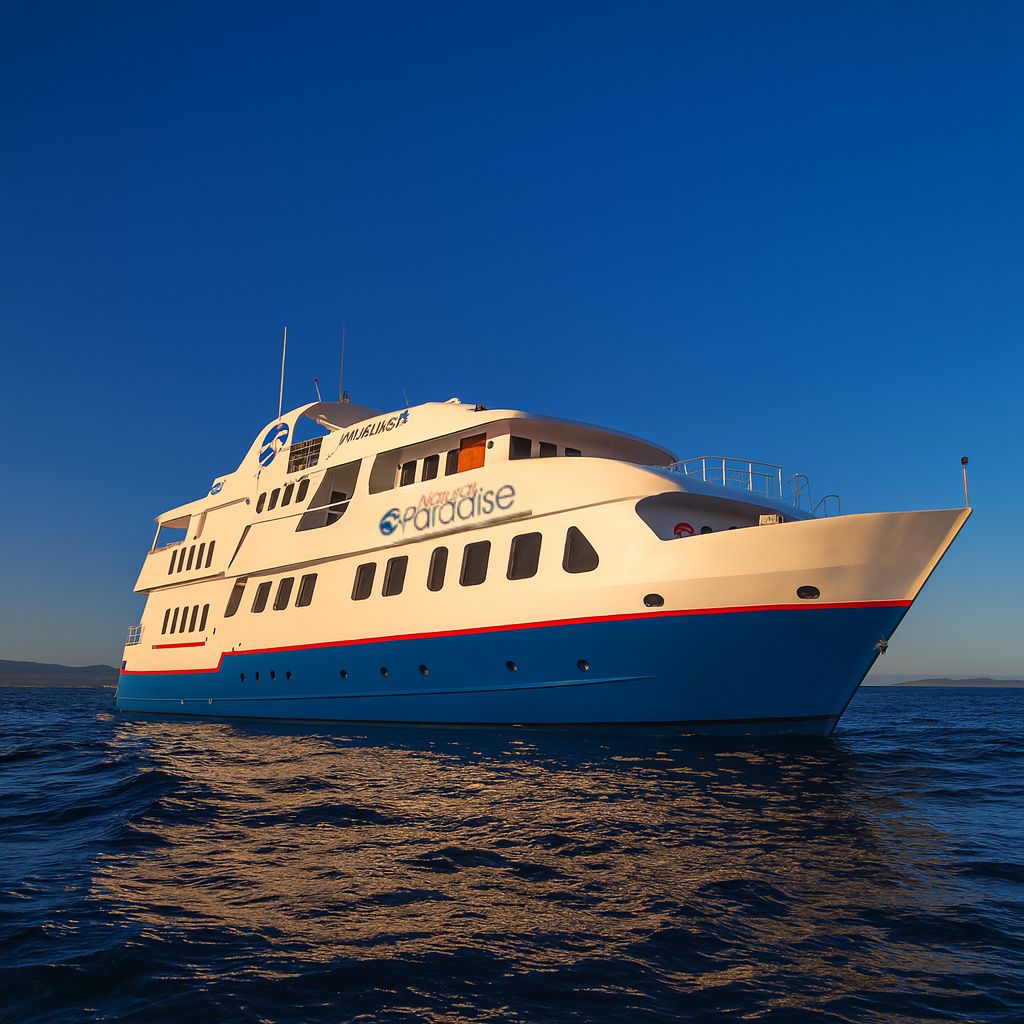
Book 8-12 months ahead for mid-range and first-class vessels, and lean toward 12 months for any vessel where hull type, family cabin configuration, or specific itinerary matters to you. Luxury yachts and catamarans at mid-range and above fill fastest. Budget vessels need at least six months. There are no last-minute options. August is the one month where waiting carries a near-certainty of losing your preferred choice.
The practical booking advice for August is the same as for July but with less tolerance for delay. European booking patterns for August consolidate later than North American patterns for July – many European families book their August holidays in late winter, January through March. This means that a vessel with good availability in November may find its August departures rapidly filling in February and March as UK, German, and French family travelers lock in summer plans. An inquiry in October is well positioned. The same inquiry in April may find only second or third-choice boats available.
The one timing advantage August has over July: late August departures, particularly those starting around August 20 or later, carry slightly softer demand than mid-August as some European school systems return before others. If your travel window is flexible within August, a late-month departure date is worth checking before committing to the busiest mid-month window.
What August Travelers Report: Insights from Our Community
From traveler conversations gathered through mytrip2ecuador.com and the My Trip to Somewhere YouTube channel, August generates the most distinctive profile of any month in terms of what travelers love and what they didn’t anticipate:
| Category | Finding | Traveler Notes |
|---|---|---|
| Top wildlife moment | ~61% cited sea lion pupping or penguin encounters as standout | “The pup was two days old. It walked right past my feet on the trail” |
| Seasickness incidents | ~39% had significant motion sickness on at least one crossing | “The Genovesa crossing was three hours of misery. I had medication but took it too late” |
| Vessel choice satisfaction | ~88% of catamaran travelers rated sea comfort as good or excellent | “We specifically chose a catamaran based on advice. Best decision we made for this trip” |
| Wetsuit preparedness | ~33% arrived without their own wetsuit and needed the boat’s | “The boat’s wetsuit was a poor fit – I was cold the whole snorkel. Bring your own if you can” |
| Hiking satisfaction | ~93% rated land excursion comfort as excellent | “The cool air made every hike enjoyable. Could never have done this in March” |
| Would choose August again | ~79% yes or would recommend | “The wildlife is unbelievable. Just pack for it properly” |
What Catches August Travelers Off Guard
August is the most preparation-dependent month in the Galapagos series. The travelers who struggle are almost always the ones who didn’t read carefully:
Taking seasickness medication reactively rather than preventively is the most consistent and most preventable August problem. Nearly four in ten August travelers in our community experienced significant motion sickness on at least one crossing. Almost all of them either skipped medication entirely or took it after they started feeling unwell. Meclizine and dimenhydrinate are most effective when they’re already in your system before conditions deteriorate. Take them an hour before any open-water crossing, regardless of how calm the sea looks at the dock. August seas can build quickly once you’re past the island shelter.
Wetsuit fit matters more in August than in any other month. A poorly fitting wetsuit in 65°F (18°C) water leaves gaps at the neck, wrists, and ankles that allow cold water to flush through. The boat’s wetsuits cover most sizes but may not fit well at the extremes. If you have a 3-5mm full wetsuit that fits you properly, bring it to August. It isn’t extra baggage, it’s the difference between a snorkel session you love and one you cut short after ten minutes.
The catamaran decision should happen before booking, not as an afterthought. Travelers who booked a monohull vessel for August because it looked beautiful in photos and then discovered the hull difference on their first rough crossing have a week to endure rather than enjoy. Ask explicitly about hull type when comparing August boats. A 16-passenger catamaran in the mid-range class and a 16-passenger monohull at the same price point are not the same product in August.
Finally, the biosafety declaration – complete it online before your flight through the official government portal. It’s been fully digital since May 2025. No in-person airport option. Five minutes, save the QR code.
Frequently Asked Questions
Is August a good month to visit the Galapagos?
Yes, with preparation. August delivers sea lion pupping, peak Galapagos penguin activity, prime whale watching, blue-footed booby chick rearing, and productive snorkeling in cold, nutrient-rich water. The trade-offs are the roughest seas and coldest water of the year, peak crowds, and the highest prices. Travelers who prepare properly consistently rate August as outstanding. Those who don’t often describe a harder trip than they expected.
How cold is the water in the Galapagos in August?
Around 64-68°F (18-20°C) on average – the coldest of the year. At western sites near Fernandina and Isabela, cold upwellings can push temperatures even lower. A 3mm full wetsuit is the minimum for comfortable snorkeling; a 5mm is significantly better at western sites. Most quality cruise operators provide wetsuits, but fit varies. Bringing your own correctly-fitting 3-5mm wetsuit is worth the luggage space in August.
Are sea lion pups visible in the Galapagos in August?
Yes. Sea lion pupping begins in late August and continues through October. Early August visits may catch the very first pups; late August visits see growing numbers of newborns on the beaches. Beaches on Santa Cruz, Española, Fernandina, and other central and western islands are the most active pupping sites. The pupping season transforms beach landings – mothers calling for pups, males defending territories, and tiny newborns making their first unsteady attempts at swimming.
How far in advance should I book an August Galapagos cruise?
Book 8-12 months ahead for mid-range and first-class vessels. Luxury yachts and catamarans fill fastest given the August rough-seas premium for stable hulls. Budget boats need at least six months. There are no last-minute deals in August. European family demand consolidates in January-March, meaning vessels that appear available in late autumn can fill rapidly in the new year.
Should I choose a catamaran for an August Galapagos cruise?
If you or anyone in your group has any sensitivity to motion sickness, yes. Catamarans are meaningfully more stable than monohull vessels in rough conditions, and August has the roughest seas of the year. The price premium for a catamaran over a comparable monohull at the same class is typically $100-$200 per person. For an August trip, that premium is worth paying for most travelers.
What entry fees are required for the Galapagos?
National Park fee: $200 adults, $100 children under 12, paid in cash on arrival. TCT card: $20 per person, completed online through the official government portal before your flight. Both required for all visitors. (Verified May 2026)
Planning an August Galapagos Cruise?
August requires more preparation than any other month in the Galapagos calendar – the right vessel, the right gear, the right medication timing, and the right booking lead time. When those pieces are in place, the month delivers wildlife experiences that are hard to match anywhere in the world.
We offer free cruise planning and no-commitment quotes, with direct experience on nearly every vessel operating in the archipelago. Rated 4.9 stars on Google and TripAdvisor. Tell us your group, your dates, and whether seasickness is a concern, and we’ll work from there.
Get your free August cruise quote here
Written by Oleg Galeev
Galapagos cruise traveler (3 trips, 2 cruises) · Founder, Cruises To Galapagos Islands
Oleg has personally inspected nearly every available Galapagos cruise vessel and interviewed thousands of travelers to build the most first-hand cruise knowledge base available. He also runs the Ecuador travel blog mytrip2ecuador.com and the YouTube channel My Trip to Somewhere.
Cruises To Galapagos Islands is rated 4.9 stars on Google and TripAdvisor.
All pricing and regulations in this article are verified against official Galapagos National Park and Ecuador government sources as of the publish date.