Galapagos Cruise in July: Peak Season What to Know
Part of our guide to the best time of year for a Galapagos cruise. Ready to pick a ship? See Galapagos cruises by price, size and class. Compare every month in our Galapagos weather and water temperature by month table.
July in the Galapagos: Quick Facts
| Factor | July Details |
|---|---|
| Air Temperature | 66-76°F (19–24°C) – cool and comfortable for hiking |
| Water Temperature | ~65-72°F (18-22°C) – wetsuit essential |
| Underwater Visibility | Good – reduced vs. warm season but rich with marine life |
| Rainfall | Virtually none – driest period of the year |
| Garúa | Established – overcast mornings, typically clearing by midday |
| Sea Conditions | Choppy to rough on open crossings – seasickness preparation essential |
| Crowd Level | Peak – busiest month of the year |
| Cruise Pricing | Peak – highest rates of the year |
| Wetsuit Needed? | Yes, non-negotiable for comfortable snorkeling |
| Wildlife Highlights | Blue-footed booby courtship peak, humpback and other whale species, Galapagos penguins active, waved albatross incubating on Española, flightless cormorant chicks hatching Fernandina, sea lion mating season, lava lizard mating begins |
| National Park Entry Fee | $200 adults / $100 children under 12 – cash only (Verified May 2026) |
| TCT (INGALA) Card | $20 per person – complete online before travel (Verified May 2026) |
Is July a Good Month for a Galapagos Cruise?
July is the single most popular month in the Galapagos calendar, and the wildlife justifies it. Blue-footed booby courtship is at its annual peak. Humpback, blue, and minke whales are active in Galapagos waters. Galapagos penguins hunt vigorously in cold, food-rich water. Seabird colonies are running at full activity across the archipelago. The honest trade-offs are cold water requiring a wetsuit, rougher inter-island crossings, peak-season crowds, and the highest prices of the year. Come prepared and July delivers an intensity of wildlife encounters that no other month matches.
July’s dominance in visitor numbers comes from a simple calendar fact: it aligns with summer school holidays across North America, the UK, most of Europe, and Australia simultaneously. The Galapagos has been a popular family destination for decades, and July is when the largest segment of the travel market can go. The result is the busiest, most expensive, highest-demand month in the calendar.
What those visitors come for is real. The Humboldt Current at full strength in July means the ocean is running at peak productivity. The nutrient surge that began in June is now in full effect, feeding everything from phytoplankton to whale-scale predators. Blue-footed boobies, fueled by that food supply, are in the most concentrated and theatrically active phase of their courtship and nesting season. Standing in the middle of a North Seymour booby colony in July, surrounded by males sky-pointing and waddling in front of uninterested females, is pure spectacle.
The cold water and rough crossings are real too, and they matter for certain travelers. Anyone prone to motion sickness should take this seriously rather than hoping for the best. Anyone expecting warm-season snorkeling conditions will be disappointed. The two populations most consistently unhappy with July cruises in our traveler feedback are people who didn’t pack a wetsuit and people who didn’t take seasickness medication on rough crossings.
The Galapagos looks different in every season and the wildlife calendar changes more than most cruise brochures let on – our best time of year to take a Galapagos cruise guide breaks down what each month actually delivers on the islands.
What Is the Weather Like in the Galapagos in July?
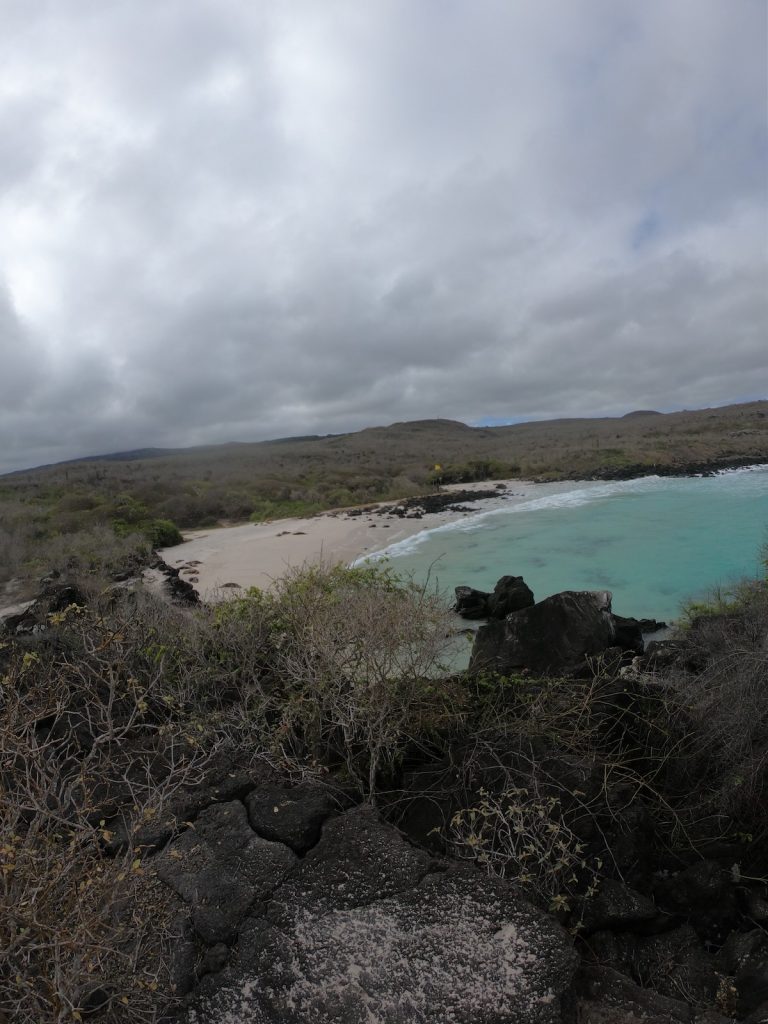
July is cool, dry, and increasingly windy. Air temperatures run 66-76°F (19-24°C) – genuinely comfortable for land excursions and hiking. Rainfall is essentially zero. The garúa mist is established, producing overcast mornings that typically clear by midday. Water temperatures sit around 65-72°F (18-22°C), making a wetsuit non-negotiable for extended snorkeling. Trade winds strengthen through the month, producing choppy conditions on open crossings, particularly between islands in the southern and western parts of the archipelago.
The garúa in July is more pronounced than in June. Highland areas on Santa Cruz and Isabela are frequently misted. The low vegetation that characterizes the dry season lowlands creates a stark contrast between arid brown coastlines and lush green interiors. This visual drama – volcanic black rock, arid scrub, vivid green highland zone, and cold blue water – is specifically a dry-season Galapagos look and one that photographs differently from the warm, green warm-season islands.
The sea conditions deserve a direct, honest conversation. The southeast trade winds that define the dry season are at meaningful strength in July. Inter-island crossings, particularly to the outer islands of Genovesa in the north or Española in the south, involve several hours of open water where swells can be significant. On an eight-day itinerary, you’ll likely have two to four such crossings. For travelers who have never been motion sick in their lives, this is background information. For anyone who has experienced seasickness at sea, pre-emptive medication is not optional, it’s the difference between a miserable crossing and an unremarkable one.
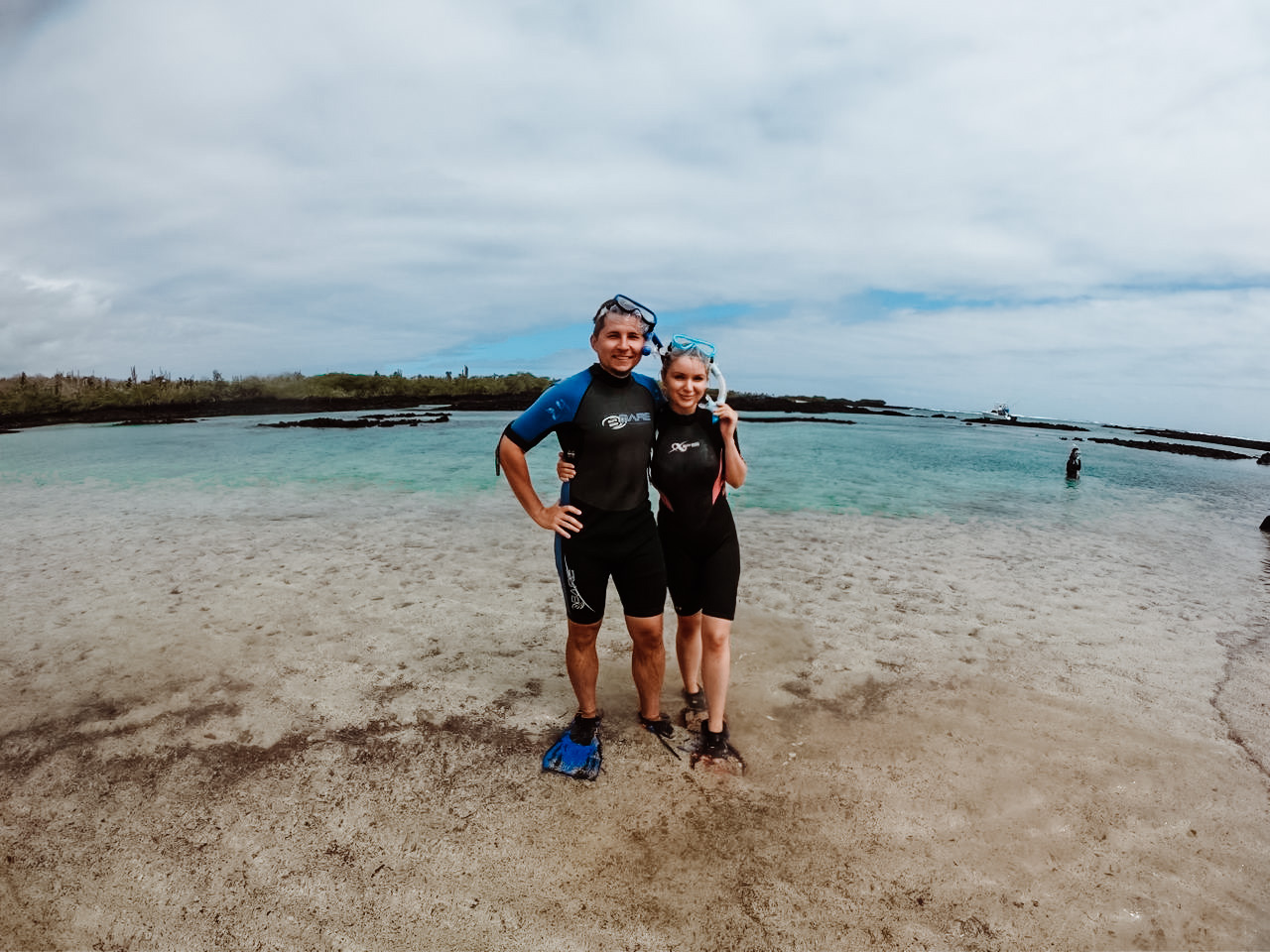
The cold water, by contrast, is manageable with the right gear. A 3mm wetsuit handles most July snorkeling sessions. At western sites near Fernandina and Isabela, where cold upwellings from the Bolívar Channel are strongest, a 5mm is more comfortable. Virtually all quality cruise operators provide wetsuits. Confirm before booking and take the full-length option rather than a shorty.
| Factor | June | July | August |
|---|---|---|---|
| Air Temp (°F) | 70-77 | 66-76 | 64-74 |
| Water Temp (°F) | 67-72 | 65-72 | 64-68 |
| Sea Conditions | Moderate | Choppy | Roughest |
| Garúa | Starting | Established | Peak |
| Crowds | High | Peak | Peak |
| Pricing | Peak starts | Peak | Peak |
What Wildlife Can You See on a Galapagos Cruise in July?
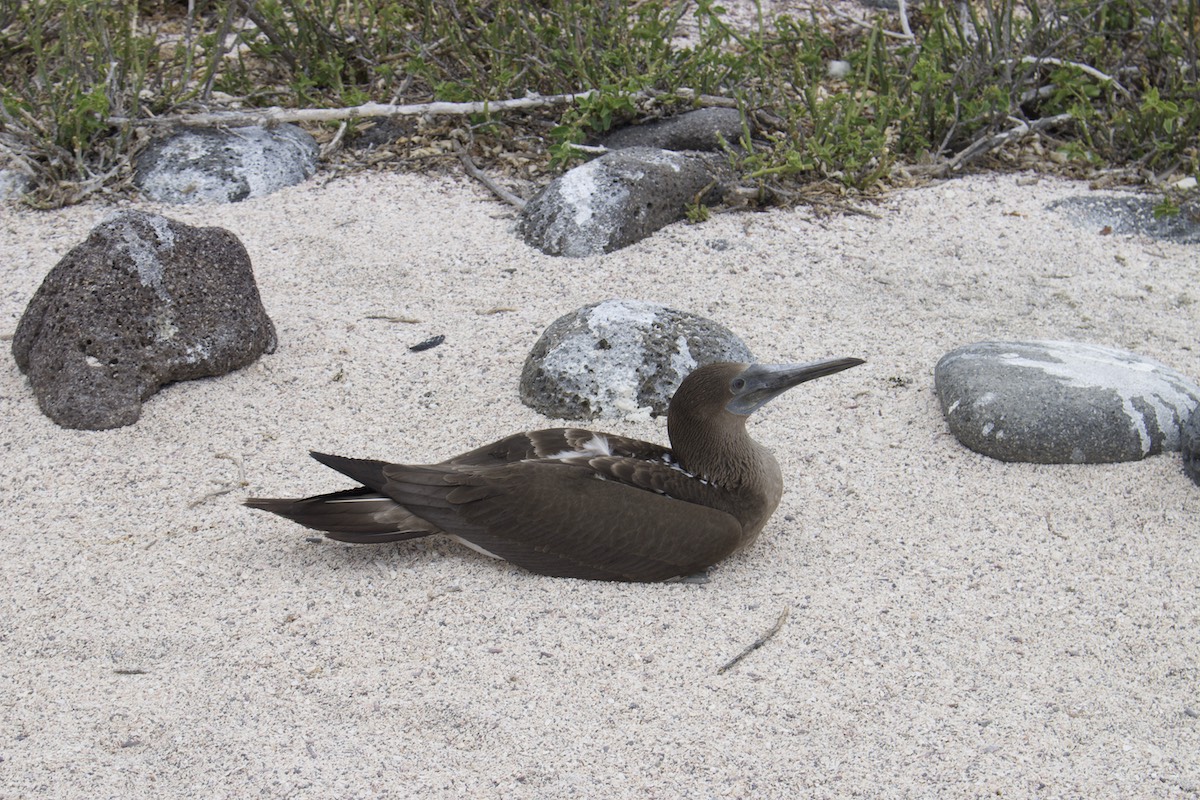
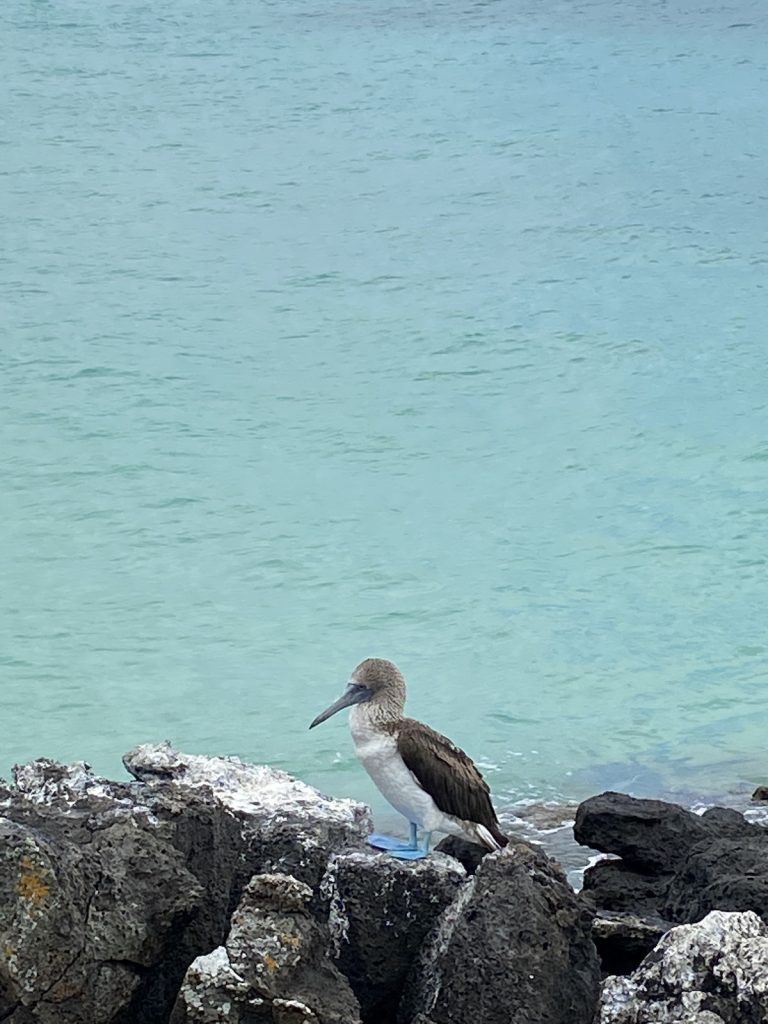
July wildlife is driven by the Humboldt Current at full strength, producing a marine food chain that sustains some of the most dramatic activity in the archipelago. Blue-footed booby courtship peaks on Española and other islands. Multiple whale species are present, including humpbacks, blue whales, and minkes. Penguins hunt actively in cold, productive water. Flightless cormorant chicks are hatching on Fernandina. The waved albatross incubates eggs on Española. Sea lion mating season is active. Lava lizards begin their mating rituals. All four stages of blue-footed booby nesting – eggs, small chicks, larger chicks, and juveniles – can be seen simultaneously.
The blue-footed booby situation in July is genuinely exceptional. Unlike April, when the albatross is the headline, July places the booby center stage. The famous sky-pointing courtship dance is at its most concentrated. But the more remarkable thing about July specifically is that you can see all four phases of the nesting cycle on a single island visit – fresh eggs being incubated by parents in turn, small chicks huddled under parent wings, larger chicks testing their wings near the nest, and juvenile birds from the previous season still present. A July visit to Española or North Seymour puts you inside an entire generational story unfolding simultaneously in front of you.
The whale diversity in July is broader than any other month in this series. Humpbacks are well established in Galapagos waters from June. By July, blue whales are actively feeding and breeding in the area, orcas make occasional appearances, and minke and sei whales add to the cetacean presence. Western itineraries with crossings through the Bolívar Channel between Isabela and Fernandina give the best sighting opportunities. None of this is guaranteed – whale watching never is. But July and August represent the peak window.
The Galapagos penguins respond directly to the cold, nutrient-rich water. At Bartolomé Island and around the western coast of Fernandina and Isabela, they are extremely active, diving and hunting in ways that make them genuinely entertaining to watch from a panga. From the surface during a snorkel, watching a penguin dive beneath you at full speed is one of the more surreal Galapagos moments. They move through the water nothing like the waddling birds they appear to be on land.
July books faster than any other month, and the itinerary decision between western and eastern routes affects which wildlife moments you prioritize. We can check current availability across the July departure schedule and help you match the right vessel to your specific interests. Get in touch here for a free, no-commitment quote.
What Makes July Peak Season, and Does It Matter?
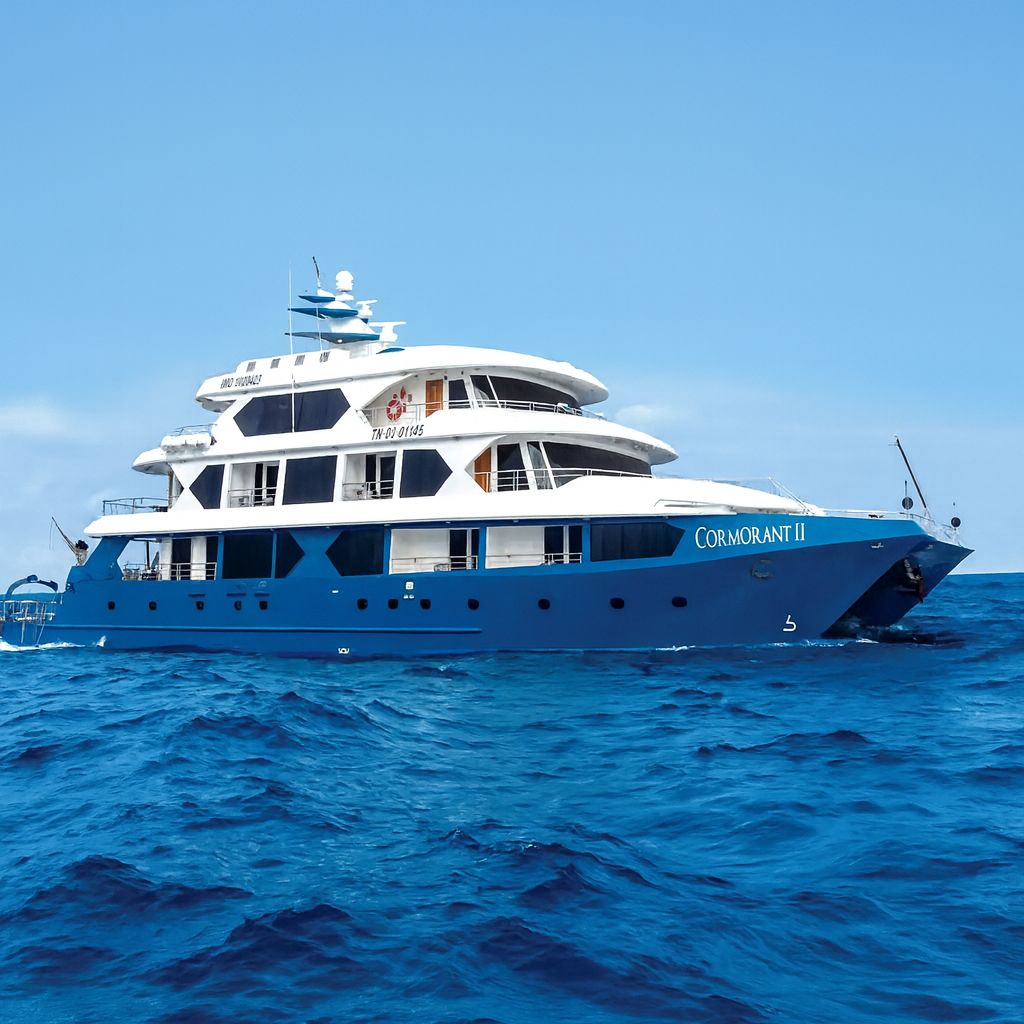
July is peak season because northern hemisphere summer school holidays push the largest annual wave of family and leisure travelers toward the Galapagos simultaneously. This means the busiest landing sites, the most vessels at anchor, the highest prices, and the tightest booking availability of the year. Whether it matters to your experience depends on your priorities. The wildlife is not diminished by the crowds. The on-shore experience within National Park limits is still controlled. What changes is the off-shore atmosphere, the booking timeline, and the budget required.
The National Park’s 16-person landing group cap is the single most important context for understanding July crowds. Regardless of how many people are visiting the Galapagos in July, you walk ashore in a group of 16 maximum, accompanied by a naturalist guide, on a trail that keeps you at regulated distances from wildlife. The visitor experience at the wildlife site itself is structurally protected from mass tourism in a way that almost no other popular natural destination is.
What peak season actually changes is the anchorage scene. Multiple vessels working the same popular site – Punta Suarez on Española, Darwin Bay on Genovesa, Punta Espinosa on Fernandina – will stagger their group landings to avoid overlap. It works smoothly and professionally. But the feeling of having the islands to yourself, which a May or September traveler might experience at certain sites, is largely absent in July. You’ll be aware of other boats nearby. Your guide will be coordinating schedules. The machine is visible.
For travelers who have wanted to visit the Galapagos for years and July is the only window that works, this context should be reassuring rather than discouraging. The Galapagos at peak season is still one of the most controlled and intimate wildlife experiences available anywhere. July’s reputation is earned. People come back from July trips consistently stunned. The crowds are real and they’re also manageable.
What Are the Best Islands to Visit in July?
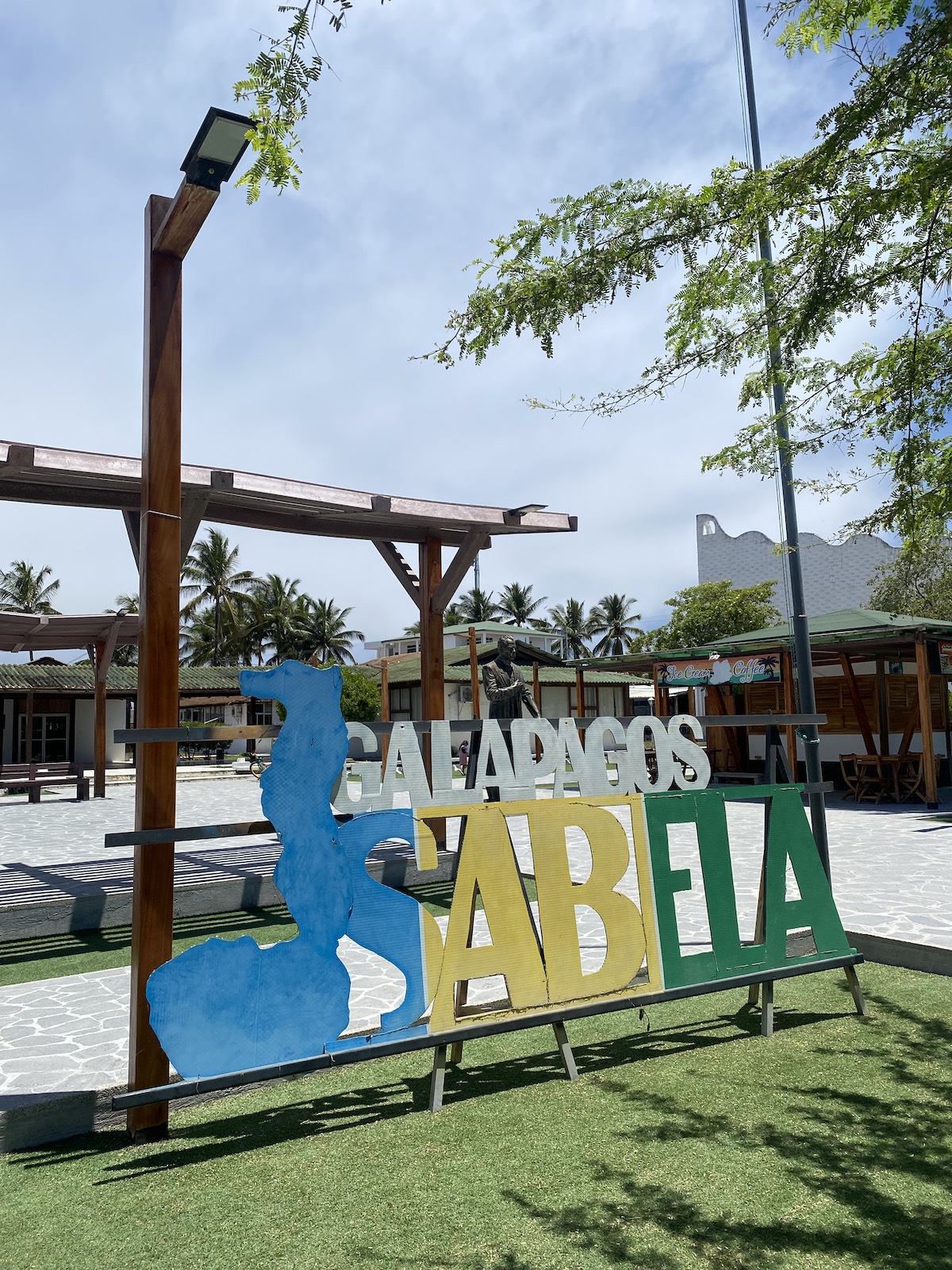
For July specifically, the five islands with the highest wildlife return are Española (blue-footed booby full nesting cycle, waved albatross incubating, Nazca boobies, Gardner Bay snorkeling), Fernandina (flightless cormorant chicks, penguins, whale sightings in Bolívar Channel), North Seymour (booby courtship dances, frigatebirds), Isabela (whale sightings, penguins, marine iguanas at Punta Vicente Roca), and Genovesa (red-footed boobies, great frigatebirds, Darwin Bay snorkeling). A full eight-day itinerary can reach four of these five.
Española earns its reputation in July for a different reason than in April. In April, the spectacle is the albatross courtship. In July, the albatross is incubating – quieter, but still present – while the blue-footed booby nesting cycle dominates. The nesting colony at Punta Suarez in July shows you every stage of booby parenthood in one walk. Gardner Bay‘s snorkeling, with sea lions and reef fish in clear water, completes a stop that delivers both bird and marine encounters in a single day.
Fernandina in July benefits from the cold, productive Bolívar Channel water. Flightless cormorant chicks are hatching along the Punta Espinosa shore, small bundles of black fluff that look barely related to the adult birds swimming nearby. Penguins are feeding in the channel water with the urgency that cold, food-rich conditions bring out in them. The Bolívar Channel itself is the best whale corridor in the Galapagos, and a zodiac crossing in July with an alert guide and calm conditions can produce cetacean encounters that belong on anyone’s life list.
One practical itinerary note: Genovesa requires the longest open-water crossing in the standard cruise circuit, north of the main island cluster. In July, that crossing can be rough. Travelers with significant motion sickness concerns should flag this to their booking contact. Some excellent July itineraries skip Genovesa entirely in favor of more protected routes – not a loss if the tradeoff is a more comfortable crossing and equivalent wildlife at alternate sites.
How Crowded Is the Galapagos in July?
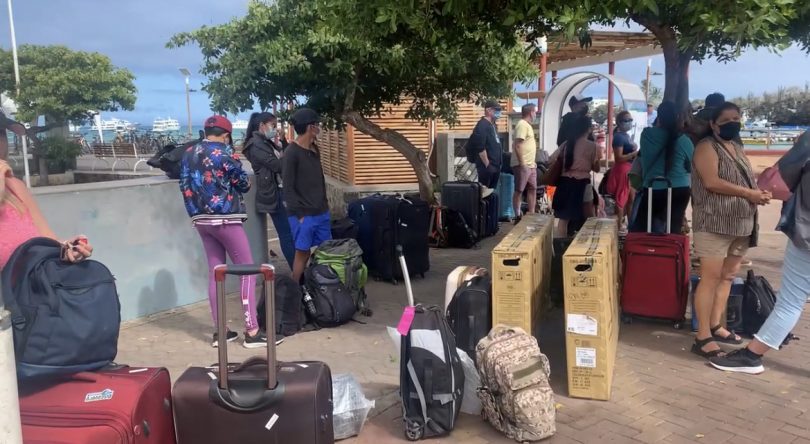
July is the busiest month of the Galapagos year. Northern hemisphere summer school holidays from multiple countries converge, producing the highest annual visitor demand and the fewest available cabins on quality vessels. Popular anchorages have multiple boats running staggered excursion schedules. Families with children make up the largest demographic of any month. The on-shore experience remains controlled by the National Park’s group limits, but the off-shore atmosphere is unmistakably high season.
The family-travel concentration in July changes the social dynamic on board in ways worth knowing before you book. A 16-passenger mid-range vessel in July may well have four or five children aboard, which is a very different atmosphere from the same vessel in October. This isn’t inherently worse – family groups can be great company and the children’s wonder at Galapagos wildlife is genuinely infectious. But adult-only travelers or couples seeking a quieter experience should know that July is the least likely month to deliver that, and should either accept the tradeoff or target September or October instead.
One tactical consideration: early July sometimes offers a brief window of slightly lower demand than mid to late July, as some school systems don’t break until mid-month. The gap is small and shrinks annually as operators price the whole month at peak rates. But if you’re comparing specific departure dates within July and have any flexibility, the first two weeks carry marginally less competition for specific cabins.
How Much Does a Galapagos Cruise Cost in July?
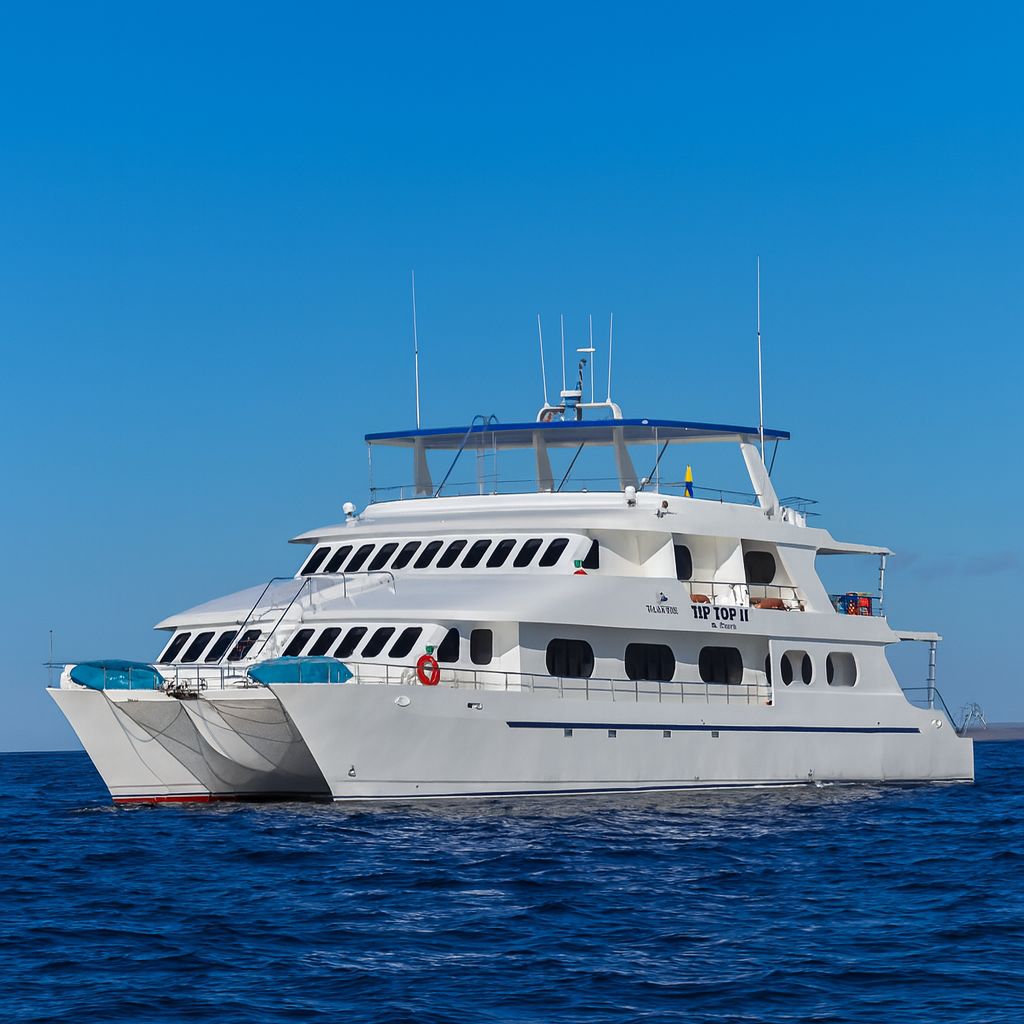
July is peak pricing – the highest rates of the year alongside August and the Christmas holiday period. Budget vessels start around $250-$430 per person per day but fill fastest. Mid-range (tourist superior) boats run $450-$600 per day. First-class cruises fall between $610-$780 per day. Luxury yachts start at $800 and go to $1,700 per day. No last-minute deals exist in July. Operators know their boats will fill and price accordingly from the moment calendars open.
The pricing reality in July is simple: everything costs more and nothing discounts. The shoulder season flexibility that makes May or September attractive is entirely absent. An operator sitting with unsold July cabins in late May will get normal price inquiries within days without discounting. The demand is too consistent. Travelers who’ve read about shoulder season deals and try to apply that logic to July will be disappointed.
The fixed entry fees remain unchanged regardless of season. The Galapagos National Park entrance fee is $200 USD per adult and $100 for children under 12, paid in cash on arrival. The TCT card is $20 per person, completed online before your flight. Budget for both on top of cruise costs. (Prices verified May 2026)
For families considering July specifically, the per-cabin economics deserve attention. A family of four needing two cabins on a quality 16-passenger vessel in July can easily spend $15,000-$20,000 total for a week before flights and fees. The same itinerary on the same vessel in September costs meaningfully less. If the July constraint is genuinely school calendar-driven, that difference is the real cost of peak-season travel and worth acknowledging upfront rather than discovering at checkout.
| Cruise Class | Per Day (per person) | 7-Day Total (per person) | July Note |
|---|---|---|---|
| Budget | $250-$430 | ~$1,800-$3,000 | Books fastest; often sold out by March for July |
| Tourist Superior (Mid-Range) | $450-$600 | ~$3,100-$4,200 | Peak pricing; book 8-10 months ahead |
| First Class | $610-$780 | ~$4,300-$5,500 | Family-compatible boats fill first; book 10–12 months out |
| Luxury | $800-$1,700+ | $5,600-$12,000+ | 12 months ahead minimum for specific vessels |
| Fixed entry fees: National Park $200/adult, $100/child. TCT card $20/person. Both required for all visitors. |
July is the month where waiting costs you real choices. If you’re planning a July trip and haven’t started, the best cabin configurations on family-compatible vessels may already be limited. Send us a message here with your group size and we’ll tell you what’s still available and on what terms.
When Should You Book a July Galapagos Cruise?
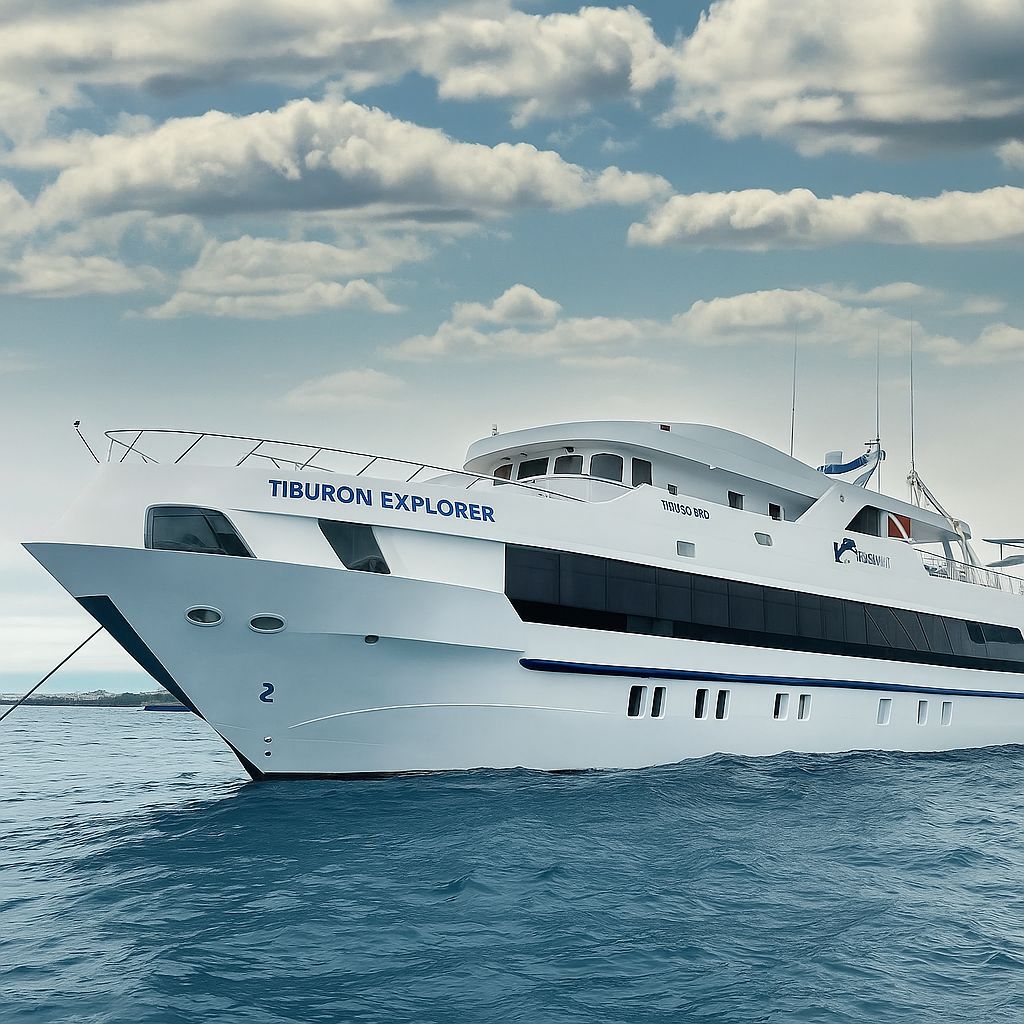
Book 8-12 months ahead for mid-range and first-class vessels. Budget boats need at least 6 months. Luxury yachts and family-compatible vessels with specific cabin configurations warrant booking in the prior October or November. There are no last-minute deals. There is no flexibility window at the end. July Galapagos cruises operate as a fully sold market from roughly March onward on quality vessels, and the best cabins go long before that.
The single most common mistake we see with July bookings is the assumption that “booking early” means three or four months ahead. In any other month, that’s often fine. In July, it frequently isn’t. A family of four who decides in April that they want a July cruise will find that the vessels with proper family cabin configurations – two adjoining or connecting cabins on a small expedition yacht – have often been committed since the previous autumn. What remains at four months is usually the least desirable cabins on the less popular boats.
The practical booking timeline for July: if you know you’re going in July next year, begin the conversation with a booking specialist in September or October of this year. That sounds far ahead. It isn’t for July. First-class and luxury boats with strong naturalist teams and popular itineraries covering Española and Fernandina are the most competitive. Budget boats have more flexibility but the quality variance at that tier is significant, and the best budget options go early too.
What July Travelers Report: Insights from Our Community
From traveler conversations gathered through mytrip2ecuador.com and the My Trip to Somewhere YouTube channel, July generates some of the most enthusiastic feedback of any month – alongside the most specific and preventable complaints:
| Category | Finding | Traveler Notes |
|---|---|---|
| Wildlife satisfaction | ~92% rated July wildlife as excellent or beyond expectations | “The boobies, the whales, the penguins – everything was happening at once” |
| Seasickness incidents | ~34% experienced significant motion sickness on at least one crossing | “Nobody told me to take medication before the Genovesa crossing. Lost half a day to it” |
| Wetsuit surprise | ~29% hadn’t expected water to be that cold | “I thought Galapagos = tropical = warm water. The wetsuit from the boat was the best thing I wore all week” |
| Crowd experience | ~44% noticed other boats at anchor more than expected | “Great on shore – the park controls it well. Less private at sea than I’d imagined” |
| Top wildlife moment | ~58% cited blue-footed booby nesting or a cetacean encounter as the standout | “Saw an orca 40 meters off the panga. That was not in any brochure” |
| Would choose July again | ~81% yes or would recommend it | “Worth every dollar and every planning headache” |
What Catches July Travelers Off Guard
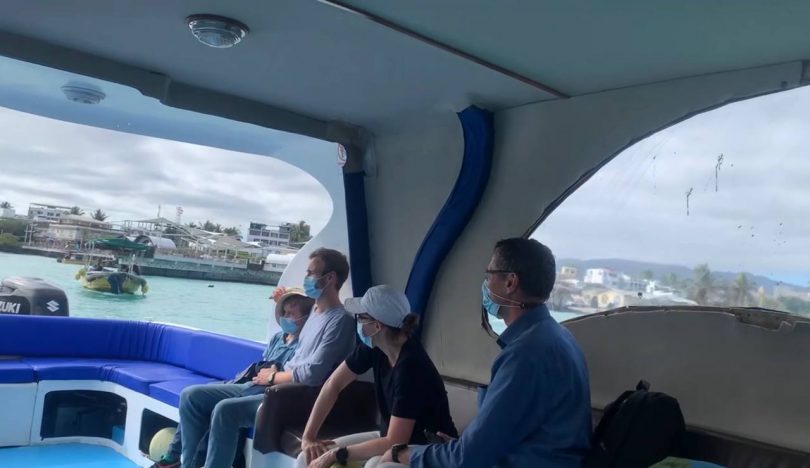
July has more preventable disappointments than almost any other month, and most of them come from under-preparation rather than bad luck:
Seasickness medication is the single most impactful preparation for July that travelers skip. Over a third of July travelers in our feedback have experienced significant motion sickness on at least one crossing. The Genovesa crossing is the longest and often the roughest. The western island route through the Bolívar Channel is exposed. Over-the-counter options like meclizine (Bonine) or dimenhydrinate (Dramamine) work reliably when taken before the crossing rather than after symptoms start. Taking it the morning of a crossing and having a light breakfast is standard practice for experienced Galapagos travelers. Doing it reactively, once you feel unwell, is much less effective. Pack it. Take it preventively.
The booking timeline mistake costs people their first choice of vessel every year. July is the one month where the advice “book as soon as you know you’re going” is literal, not cautious. If you’re reading this in January thinking about a July trip, the inquiry conversation should happen this week, not in April. The difference between a January inquiry and an April inquiry for July can be the difference between your preferred mid-range boat and whatever’s left.
Camera batteries in cold, moist garúa conditions drain faster than travelers expect. July mornings on deck, waiting for wildlife during a zodiac excursion in overcast, damp air, eat battery life noticeably faster than warm-season conditions. Bring a spare battery for your camera and a power bank for your phone. This sounds trivial. It isn’t when you’re watching a booby dive and your camera dies.
And again: the biosafety form. Complete it online through the official government portal before your flight. In-person airport processing ended in May 2025. Five minutes, save the QR code.
Frequently Asked Questions
Is July a good month to visit the Galapagos?
Yes. July delivers the most concentrated wildlife activity of the year. Blue-footed booby courtship and nesting peaks, multiple whale species are active, Galapagos penguins hunt in cold productive water, and seabird colonies are at maximum activity. The trade-offs are cold water requiring a wetsuit, rough inter-island crossings, peak crowds, and the highest prices of the year. Come prepared and July is outstanding.
How rough are the seas in the Galapagos in July?
Choppy to rough on open-water crossings between islands. The southeast trade winds strengthen through July and August, producing swells that can cause motion sickness on longer crossings. Crossings to Genovesa (north) and to the western islands are the most exposed. Bring motion sickness medication and take it preventively before crossings, not reactively after symptoms start.
Do I need a wetsuit for snorkeling in July?
Yes, without question. Water temperatures in July average 65-72°F (18-22°C). Extended snorkeling without insulation is uncomfortable. A 3mm full wetsuit handles most conditions; a 5mm is better at western sites near Fernandina and Isabela where cold upwellings can push temperatures lower. Most quality cruise operators provide wetsuits – confirm this before booking.
How far in advance should I book a July Galapagos cruise?
Book 8-12 months ahead for mid-range and first-class vessels. Luxury yachts and family-compatible boats warrant booking the previous October or November. There are no last-minute deals in July. Quality vessels are fully committed well before departure, often by March or April of the same year. Families needing multiple connected cabins should book even earlier.
Can you see whales in the Galapagos in July?
Yes. July is one of the peak months for cetacean activity in the Galapagos. Humpback whales are well established, blue whales are actively feeding, orcas make occasional appearances, and minke and sei whales add to the diversity. Sightings concentrate around the Bolívar Channel between Isabela and Fernandina on western itineraries. No sighting is guaranteed, but July is among the most reliable months for whale encounters.
What entry fees are required for the Galapagos?
National Park fee: $200 adults, $100 children under 12, paid in cash on arrival. TCT card: $20 per person, completed online through the official government portal before your flight. Both are required for all visitors regardless of cruise class or nationality. (Verified May 2026)
Planning a July Galapagos Cruise?
July delivers the Galapagos at full intensity – the most active wildlife month, the coolest hiking conditions, and the peak of whale season. It also requires the most planning of any month in the year. The boats that make July exceptional fill earliest.
We offer free cruise planning and no-commitment price quotes based on direct experience with nearly every vessel operating in the archipelago. Rated 4.9 stars on Google and TripAdvisor.
Get your free July cruise quote here
Written by Oleg Galeev
Galapagos cruise traveler (3 trips, 2 cruises) · Founder, Cruises To Galapagos Islands
Oleg has personally inspected nearly every available Galapagos cruise vessel and interviewed thousands of travelers to build the most first-hand cruise knowledge base available. He also runs the Ecuador travel blog mytrip2ecuador.com and the YouTube channel My Trip to Somewhere.
Cruises To Galapagos Islands is rated 4.9 stars on Google and TripAdvisor.
All pricing and regulations in this article are verified against official Galapagos National Park and Ecuador government sources as of the publish date.