Galapagos Cruise in February: Is It a Good Month?
Part of our guide to the best time of year for a Galapagos cruise. Ready to pick a ship? See Galapagos cruises by price, size and class. Compare every month in our Galapagos weather and water temperature by month table.
February at a Glance: Quick Facts
| Factor | February Details |
|---|---|
| Air Temperature | 75-86°F (24-30°C) daytime; 70°F (21°C) nights |
| Water Temperature | 76°F (24°C) average – warmest of the year |
| Underwater Visibility | Excellent – peak visibility season |
| Rainfall | ~2.6 inches total; ~8-10 rainy days (short showers) |
| Sea Conditions | Calm – trade winds at their weakest |
| Crowd Level | Low to moderate – one of the quietest months |
| Cruise Pricing | Shoulder season rates – 10-20% below peak |
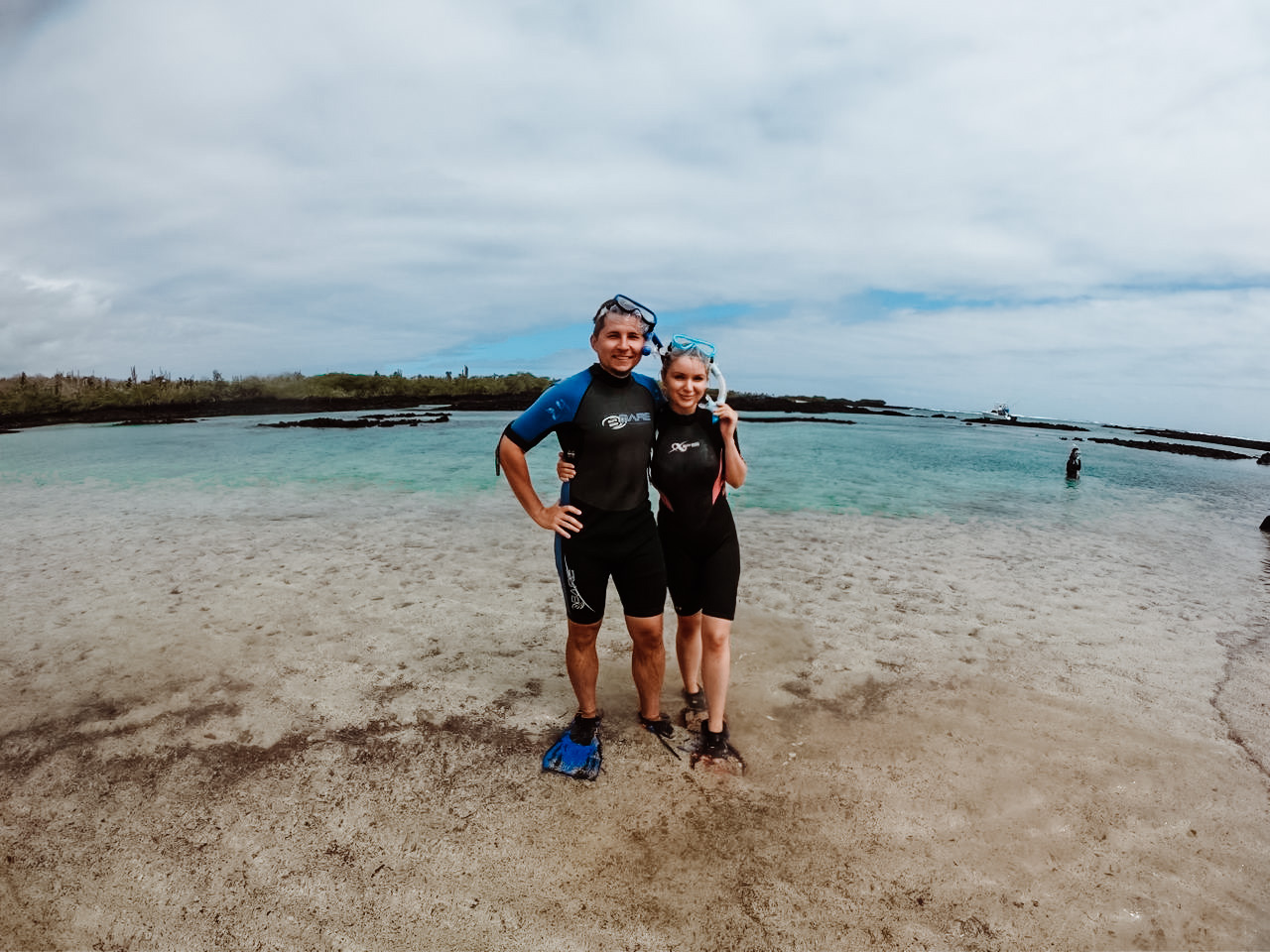
| Wetsuit Needed? | No, water is warm enough to snorkel without one |
| Wildlife Star of Month | Marine iguanas nesting, flamingos building nests, sea turtle hatching season, sea lions playful |
| Who WILL Miss Out | Waved albatross watchers – they don’t arrive until April |
| National Park Entry Fee | $200 USD adults / $100 children under 12 – cash only (Verified May 2026) |
| TCT (INGALA) Card | $20 USD per person – now completed online before travel (Verified May 2026) |
Is February a Good Month for a Galapagos Cruise?
February is genuinely one of the strongest months to cruise the Galapagos. The water is at its warmest and clearest, the seas are calm, you avoid the holiday rush of December and January, and the wildlife calendar is loaded. The only notable absence is the waved albatross, which returns to Española in April. For most travelers, that trade is easy to make.
The honest answer is that there’s no bad month in the Galapagos. But February has a specific combination of conditions that makes it stand out in ways other months can’t quite match.
The warm season is well underway. The cold, choppy Humboldt Current hasn’t arrived yet. That means clear water, warm water, and seas that won’t test your stomach on inter-island crossings. If snorkeling and diving are anywhere near the top of your list, you have arguably picked the best window of the year. February is widely considered the peak of visibility season in the Galapagos, and the water temperature around 76°F (24°C) means you can stay in without a wetsuit and actually enjoy it.
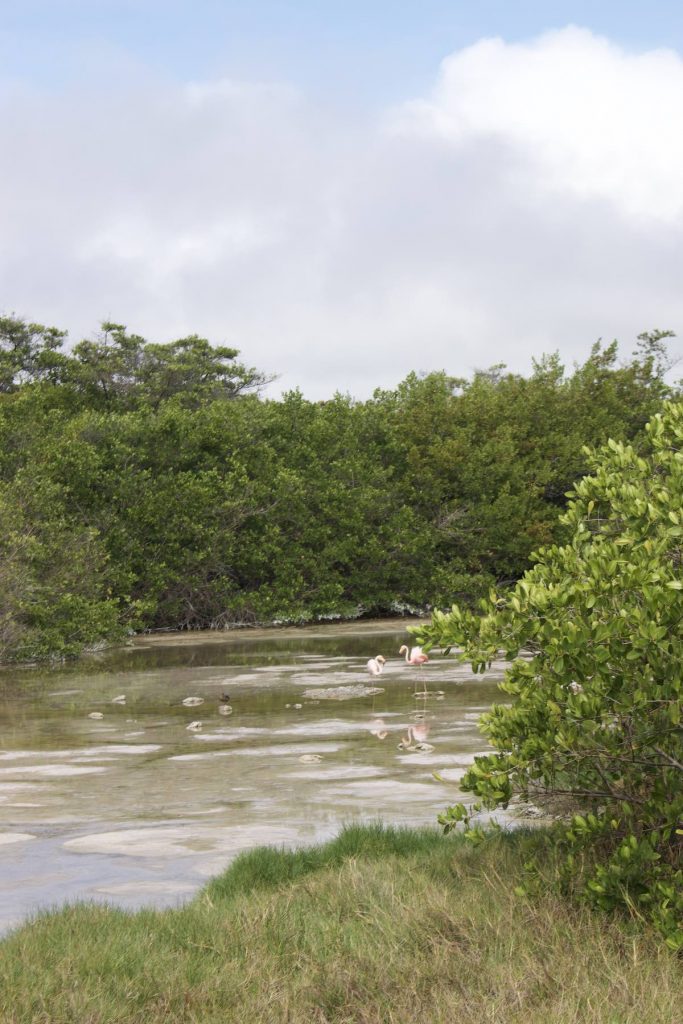
On land, things are active in their own right. Marine iguana nesting puts them closer to visitor trails than any other time of year. Males get territorial. You’ll see displays you won’t see in June. Flamingos are building their conical nests at Floreana. Giant tortoises are moving. Sea turtle eggs are hatching on certain beaches.
We’ve spoken with hundreds of travelers who specifically timed February trips around the snorkeling and water conditions, and almost none of them came back wishing they’d gone a different month. The ones who did usually wanted albatross, which is fair. Know what you’re booking for, and February will deliver.
Trying to figure out whether the warm season or the cool season gives you better wildlife encounters and calmer seas? Check out our best time of year to take a Galapagos cruise guide before you lock in your dates.
What Is the Weather Like in the Galapagos in February?
February sits in the heart of the warm, wet season. Daytime temperatures run between 75-86°F (24-30°C), with water temperatures averaging 76°F (24°C). Expect about 8-10 rainy days, but these are typically short afternoon showers that clear quickly. Humidity is noticeable, trade winds are minimal, and the seas are consistently calm.
Here’s what actually matters about February weather: the rain is not the problem most people expect it to be. On our trips during this period, a “rainy day” in the Galapagos looks like about 20 minutes of warm tropical downpour, often in the afternoon, followed by full sun and a rainbow. You are not looking at long grey days.
The bigger thing to prepare for is the sun. February is one of the most intense UV months in the Galapagos. The equatorial sun at this time of year hits differently. We’ve seen people badly burned on overcast February days because they underestimated the UV penetrating through cloud cover. Pack high-SPF reef-safe sunscreen and plan to reapply constantly.
The calm seas are probably February’s single biggest practical advantage for cruise travelers. Inter-island crossings that can be rough in July and August are generally smooth in February. If you or anyone in your group tends toward seasickness, this is the time of year where it’s least likely to be a factor. The weakening of the southeast trade winds in this period keeps conditions mellow between islands.
Nights cool pleasantly to around 70°F (21°C), making evenings on deck genuinely enjoyable. You’re not fighting heat all day and night. The temperature curve is about as close to ideal as the Galapagos gets.
| Month | Air Temp (°F) | Water Temp (°F) | Sea Conditions | Visibility | Rain |
|---|---|---|---|---|---|
| February | 75-86 | 76 | Very Calm | Excellent | Short showers |
| June | 70-77 | 67-70 | Choppy | Good | Garúa mist |
| July | 68-75 | 65-68 | Rough | Very Good | Minimal |
| December | 72-82 | 72-74 | Moderate | Good | Starting |
| April | 76-86 | 76-78 | Calm | Excellent | Tapering |
What Wildlife Can You See on a Galapagos Cruise in February?
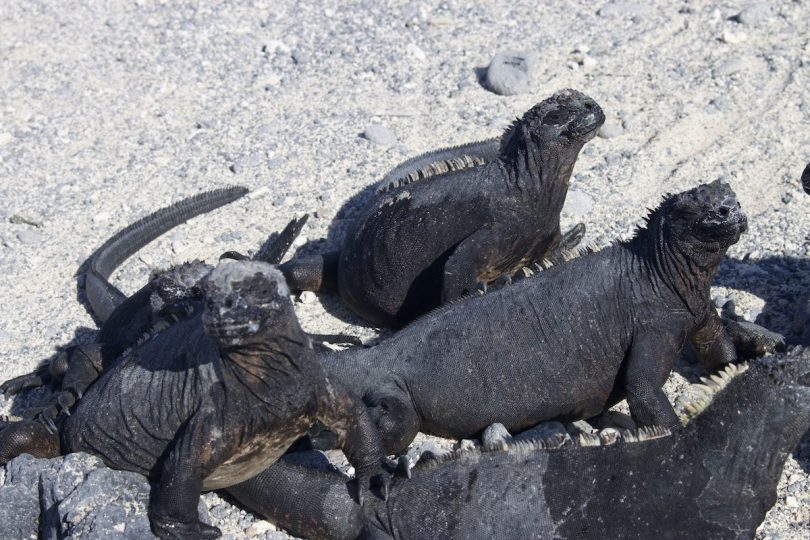
February delivers a strong wildlife lineup with some uniquely active behaviors: marine iguanas digging nesting burrows close to visitor trails, flamingos building nests on Floreana, sea lions playing in warm water, green sea turtle hatching season, and giant tortoises active in the highlands. In the water, visibility is exceptional and sharks, rays, sea turtles, and playful sea lions are common encounters. The one notable absence is the waved albatross, which won’t return until April.
The marine iguana situation in February is genuinely unusual. Females dig burrows to lay eggs, often within a few meters of visitor paths. This brings them closer to eye level with travelers than at any other time of year. The males get aggressive protecting territory, and you’ll watch posturing and displays that simply don’t happen outside breeding season. We’ve seen iguanas so absorbed in territory disputes that they barely noticed a group of eight people watching from three feet away.
Below the surface, February snorkeling is hard to beat. The water is warm enough that you’re not fighting to stay in, and the visibility lets you actually see what you’re looking at. Sea lions are playful rather than sleepy. They’ll spiral around you, exhale bubbles in your face, and swim close enough that you understand why people call them the puppies of the ocean. Sharks, rays, and sea turtles cruise through common snorkeling sites, and the warm current water holds everything in sharp focus.
One thing most February articles won’t tell you: the absence of the waved albatross actually works in your favor in a specific way. Because many dedicated bird watchers target April and May for the albatross courtship dances on Española, February draws fewer specialist wildlife tour groups. That translates to a slightly different crowd composition on the boats, generally more mixed travelers rather than highly niche itinerary-locked tour groups.
February fills up faster than you might expect on certain vessels, especially the mid-range and first-class boats where cabin counts are small. If you’re thinking about a February cruise and want to know which boats still have availability and what the current pricing looks like, we’re happy to check for you. Fill out this short form and we’ll pull together a no-pressure quote based on your travel dates and budget.
How Crowded Is the Galapagos in February?
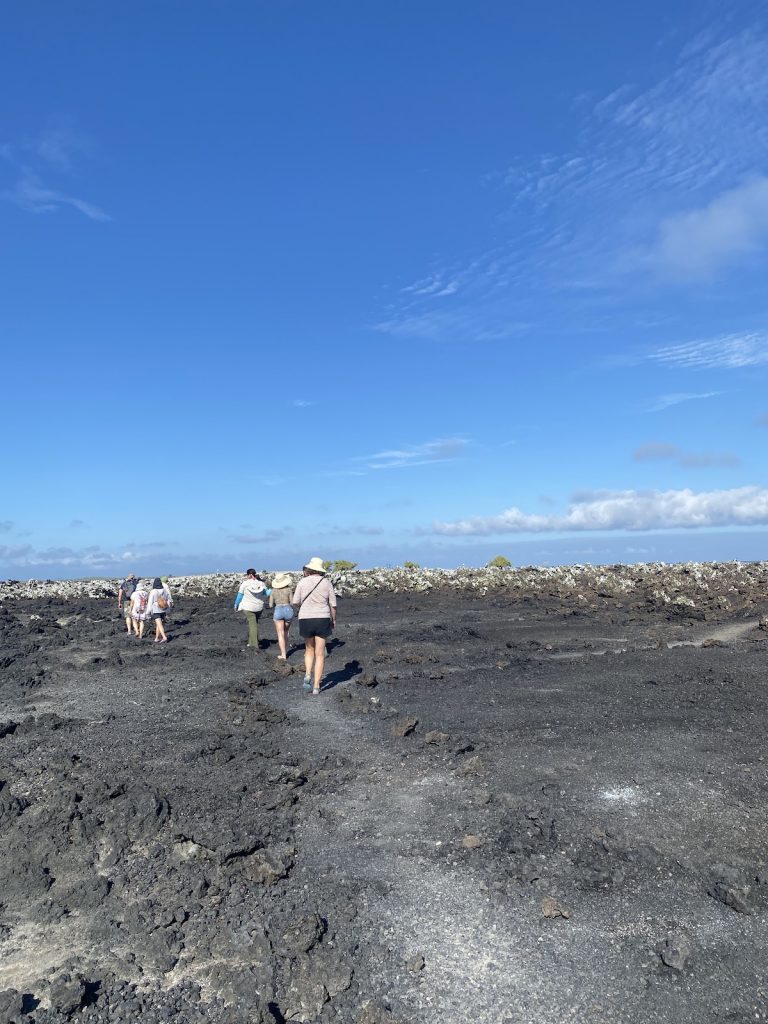
February is one of the least crowded months in the Galapagos calendar. The holiday rush from December and early January has cleared, and the Easter/spring break surge doesn’t arrive until March or April. Landing sites are noticeably quieter, and you’ll find better cabin availability and softer pricing than in peak periods. Last-minute deals occasionally surface for February sailings, which is rare during high season.
Here’s the crowd dynamic most guides don’t explain clearly: the Galapagos National Park caps each visitor group at 16 people per landing site regardless of ship size. So the “crowd” problem isn’t about your group feeling large. It’s about how many other boats are at the same anchorage running parallel excursions to the same site. February has fewer of those overlaps.
The busiest months by visitor volume are July, August, December, and the Easter window. February sits outside all of those. You’re not in the absolute quietest window (October and November hold that title), but you get the low-crowd benefit with the added bonus of warm-season conditions. That combination is harder to find at other times of year.
A practical note from our experience: popular islands like Santa Cruz and San Cristóbal still see solid traffic year-round because they’re the main departure points. The difference in February shows up more on the outer, more remote islands and on multi-day itineraries where your boat isn’t anchored near six others doing the same loop.
How Much Does a Galapagos Cruise Cost in February?
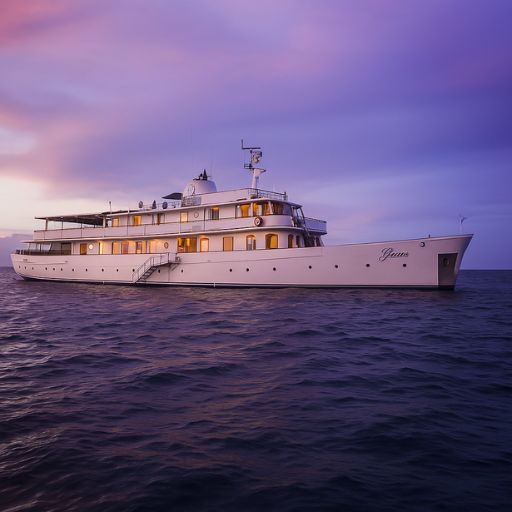
February sits in shoulder season pricing, meaning you’ll generally pay 10-20% less than the December/January holiday peak or the June-August summer window. Budget cruises start around $250-$430 per person per day. Mid-range (tourist superior) vessels run $450-$600 per day. First-class cruises fall between $610-$780 per day. Luxury yachts start at $800 and climb to $1,700 per person per day. All prices exclude flights and park fees.
The entry costs are fixed no matter when you travel. Every visitor must pay the Galapagos National Park entrance fee of $200 USD per adult ($100 for children under 12), paid in cash on arrival. You’ll also need a TCT (Transit Control Card) at $20 per person, which now must be completed through the official online portal before your flight. Budget for both when calculating your total trip cost. (Prices verified May 2026)
What actually changes with February timing is the cruise rate itself and domestic flight pricing. Flights from Quito or Guayaquil to Baltra or San Cristóbal tend to run cheaper in February than during the holiday or summer peaks. Combine that with shoulder season cruise pricing and a February trip can be meaningfully cheaper than the same itinerary in July, often by several hundred dollars per person on a week-long cruise.
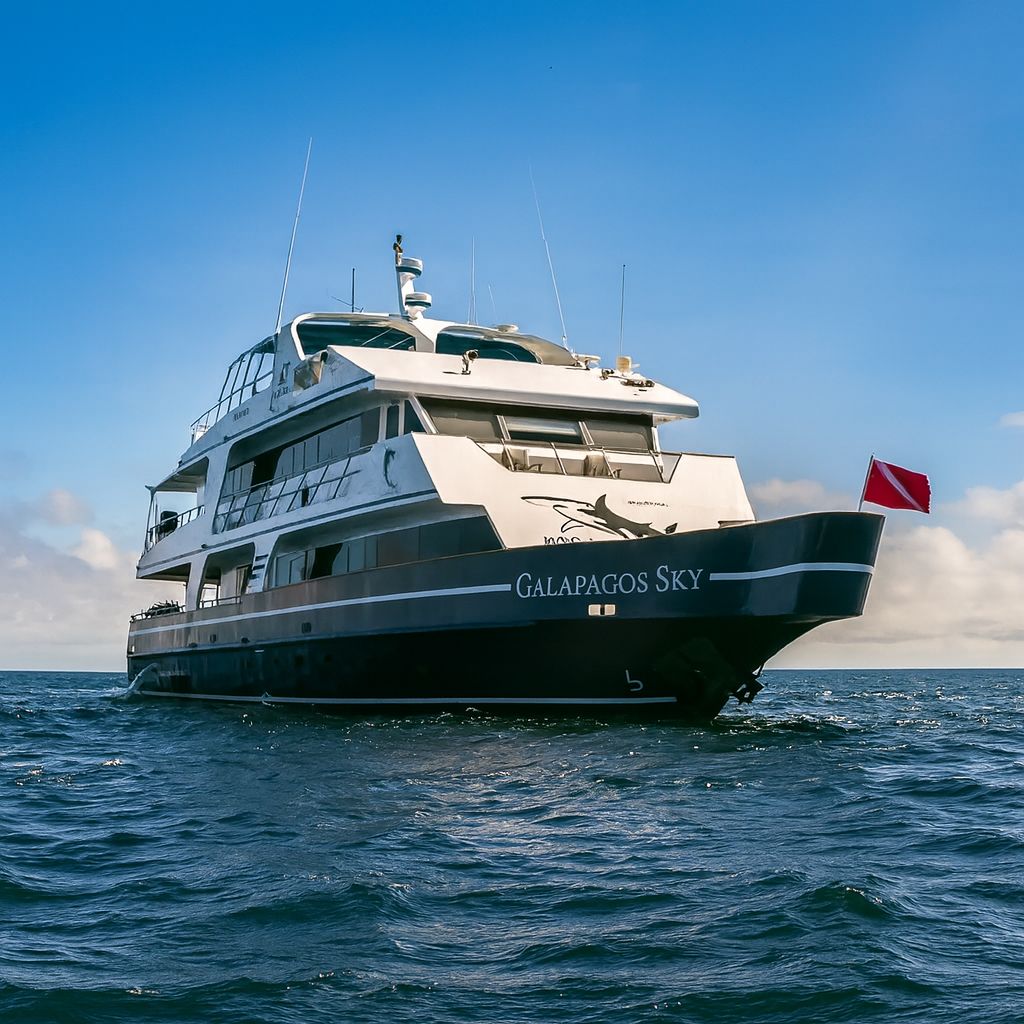
One thing we tell travelers regularly: the gap between mid-range and first-class in terms of on-the-water experience is often less than the price difference suggests. The naturalist guide quality is the single biggest variable in how good your cruise feels, and a strong guide on a mid-range vessel beats a weak guide on a luxury yacht every time. The islands themselves are the show.
| Cruise Class | Per Day (per person) | 7-Day Total (per person) | What You Get |
|---|---|---|---|
| Budget | $250-$430 | ~$1,800-$3,000 | Basic cabins, older vessels, excursions included, limited English guides |
| Tourist Superior (Mid-Range) | $450-$600 | ~$3,100-$4,200 | Comfortable cabins, better food, certified naturalist guides |
| First Class | $610-$780 | ~$4,300-$5,500 | Larger cabins, gourmet meals, guides with advanced degrees |
| Luxury | $800-$1,700 | $5,600-$12,000+ | 5-star amenities, private decks, top naturalists, few guests |
| Fixed entry fees (all visitors): National Park $200/adult, $100/child. TCT card $20/person. Both required regardless of cruise class. |
Cruise pricing in February has some real variability depending on the vessel, cabin type, and how far out you’re booking. We work with boats across all categories and often know about availability and pricing that isn’t visible on general booking sites. If you want a personalized comparison based on your group size and dates, reach out here and we’ll sort through the options for you.
What Should You Pack for a Galapagos Cruise in February?
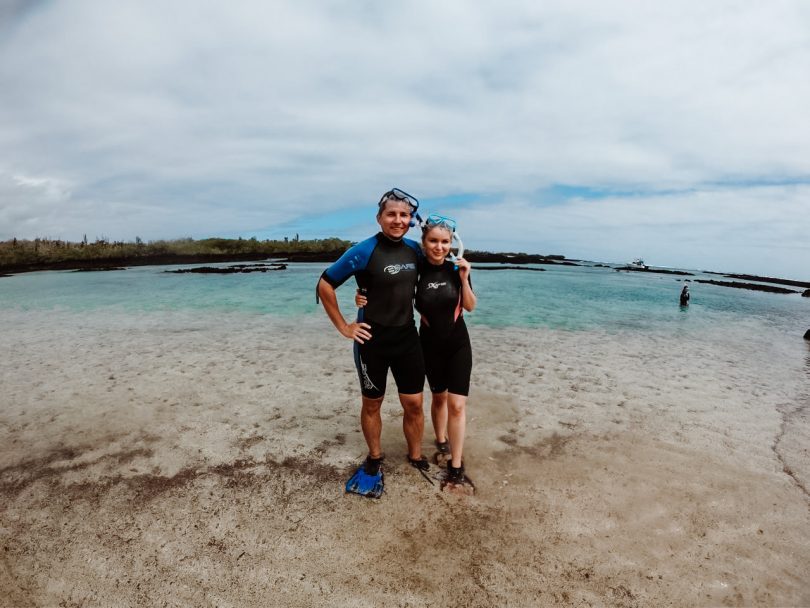
February packing is mostly about sun protection and swimwear. You’ll need reef-safe SPF 50+ sunscreen (bring more than you think), 3-4 swimsuits, a light rain jacket, neutral-toned quick-dry clothing, and a wide-brimmed hat. Leave the wetsuit at home – water temperatures in February mean you won’t need one. Pack light; cruise cabin storage is limited.
The sun issue deserves more emphasis than it usually gets. February is one of the hottest, most UV-intense months on the equator. The combination of direct equatorial sun, reflection off the water, and high humidity makes sunburn happen faster than people expect. Overcast February days are not safe days. The UV comes through regardless. We’ve seen travelers badly burned after an afternoon snorkel session because they thought clouds meant protection.
A few February-specific packing notes from experience: skip the wetsuit. In summer or fall you’d want one, but February water at 76°F (24°C) is genuinely comfortable to snorkel without one. Most reputable cruise operators provide them anyway, but you won’t be reaching for it in February. The single item people most regret not bringing is polarized sunglasses. In clear February water, polarized lenses let you see marine life below the surface from the panga. Regular sunglasses just see glare. It’s a meaningful difference.
On clothing, neutral tones matter on the islands. Bright colors can disturb wildlife behavior, and the park guidelines encourage it. Quick-dry synthetics are the practical choice given you’ll be going from hiking to snorkeling to the boat deck multiple times a day. Leave the nice clothes at home. Nobody dresses up for dinner on a Galapagos cruise, and space in your cabin is genuinely limited on most vessels.
What Are the Biggest Mistakes Travelers Make Booking a February Cruise?
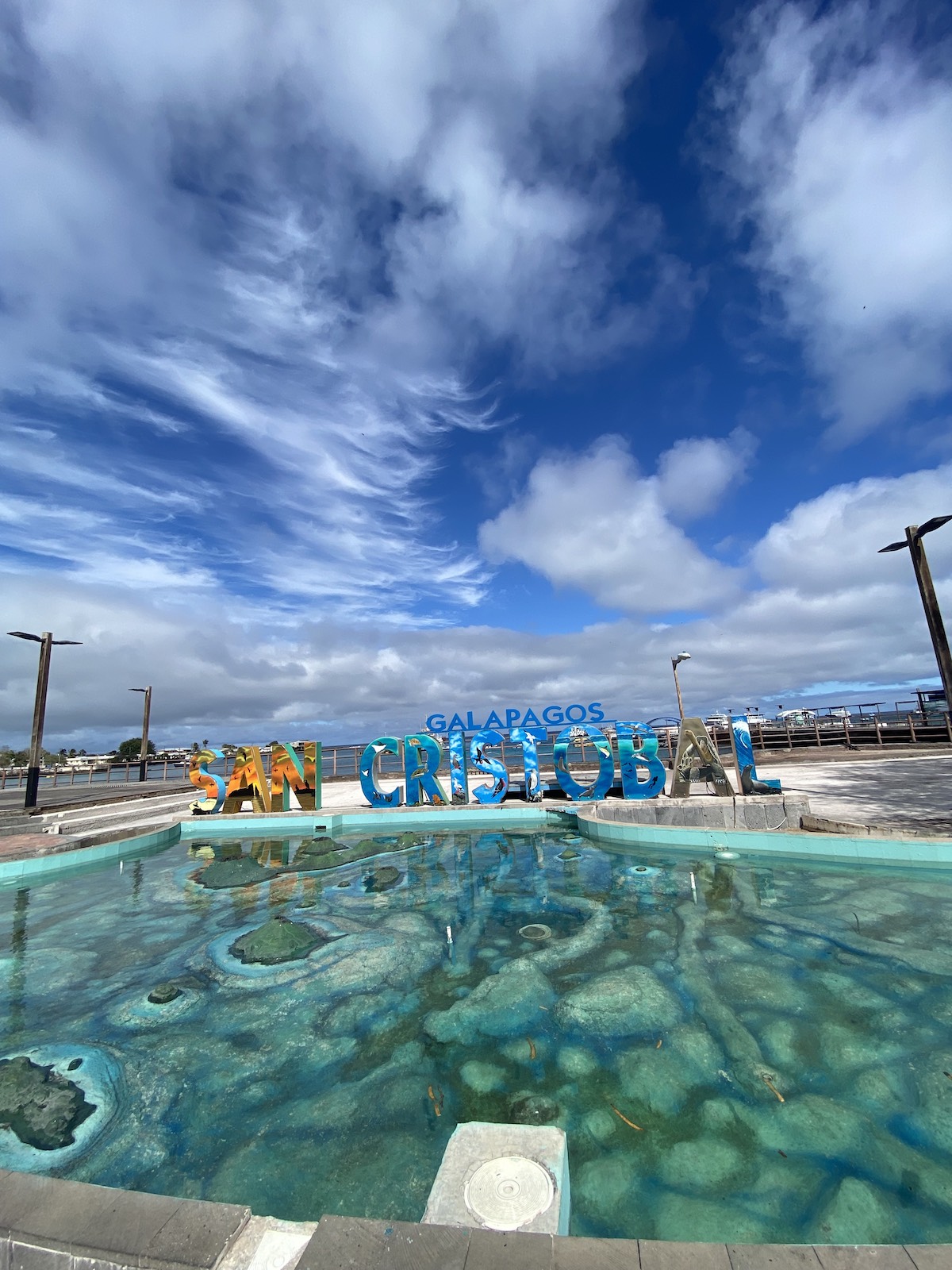
The most common February mistakes are: underestimating UV exposure and packing insufficient sun protection, assuming “shoulder season” means abundant availability on good boats (mid-range and first-class vessels still fill up), choosing cruise length that’s too short to reach the outer islands, and booking without confirming the naturalist guide’s language and qualification level. These are all preventable.
The availability assumption is one we see constantly. February is quieter than July, but that doesn’t mean quality boats have open cabins on short notice. Small Galapagos vessels carry 16 passengers at most. One family group or a single sold-out charter removes a large portion of the boat’s revenue capacity, and operators don’t hold cabins speculatively. Popular first-class boats in February can be fully booked 4–6 months ahead. The shoulder season advantage on price is real, but it doesn’t mean you can decide in November to sail in February and expect everything to be available.
The cruise length problem runs deeper than most people think. Four-day cruises are heavily marketed as accessible entry points, and they’re fine for what they are. But four days cannot cover the outer islands, Genovesa, Española, or Fernandina. These are the places where the experiences that define the Galapagos actually happen. If February brought you here for the water conditions, a four-day itinerary centered on the main islands doesn’t use the season to its full potential. Seven to eight days is the minimum to feel like you’ve actually seen the archipelago.
One less-discussed mistake: not checking whether the cruise departs from Baltra or San Cristóbal. The departure island affects your first and last day’s itinerary. Some itineraries loop back to their departure point; others are one-way. This affects whether you need to arrange a return transfer and whether your first or last day’s islands are actually the ones you care most about visiting. It sounds like a logistical detail. It isn’t.
Getting the itinerary right for February conditions is honestly one of the trickier parts of planning this trip, especially if you want to hit the outer islands and make the most of the snorkeling season. We’ve reviewed nearly every itinerary available and can tell you which routes use February to maximum advantage. Send us a quick message with your travel window and what you’re hoping to see, and we’ll steer you toward the boats that fit.
When Should You Book a February Galapagos Cruise?
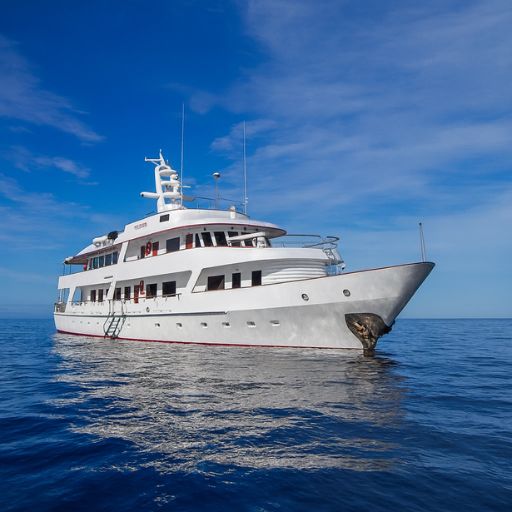
Book 4-6 months ahead for mid-range and first-class boats. Budget vessels have more availability and can sometimes be secured 2-3 months out. Luxury yachts with limited cabins often fill 8-12 months ahead. Last-minute deals for February occasionally exist on larger or newer vessels trying to fill remaining cabins, but counting on them is a gamble not worth taking for a once-in-a-lifetime trip.
February occupies a specific spot in the booking calendar that works against procrastinators. It follows the holiday high season, which means operators know the Christmas and New Year crowds are coming first, and they don’t panic-discount February until relatively late. By the time last-minute prices appear, the best cabins are gone and what’s left is often the worst berths on the worst boats.
The school holiday calendar matters here too. In Ecuador and much of South America, February falls between school terms, which pushes domestic travel. European winter half-terms add another booking wave in early to mid-February. The week around Valentine’s Day in particular tends to see a mini-surge of couples booking more romantic or luxury-tier vessels. If Valentine’s week is your target, add another month to your booking timeline.
The practical advice: if you’re reading this in September or October with a February trip in mind, you have a solid window to book well. If you’re reading this in December or January, act quickly. The mid-range sweet spot boats are the first to go, not the last.
What February Travelers Actually Say: Insights from Our Cruise Community
From the thousands of Galapagos cruise travelers Oleg has interviewed through mytrip2ecuador.com and the YouTube channel My Trip to Somewhere, February trips generate some of the most consistently positive feedback of any month. The patterns below emerged from traveler conversations across multiple seasons:
| Category | Finding | Traveler Notes |
|---|---|---|
| Overall satisfaction | ~89% rated February “excellent” for snorkeling and water conditions | “Best visibility I’ve ever experienced anywhere” |
| Biggest regret | ~41% wished they’d booked a longer cruise | “Four days was not enough – didn’t reach the outer islands” |
| Sunburn incidents | ~34% reported unexpected sun-related issues | “Burned on a cloudy day – didn’t realize the UV was still intense” |
| Seasickness | Only ~8% reported significant seasickness | Lowest rate of any month – calm seas make a real difference |
| Wildlife highlight | Marine iguana nesting mentioned by ~67% as a standout moment | “Nobody warned me I’d be that close to them at this time of year” |
| Would return in February | ~82% said they’d choose February again or recommend it | “Perfect combination of conditions and fewer crowds” |
What Catches February Travelers Off Guard
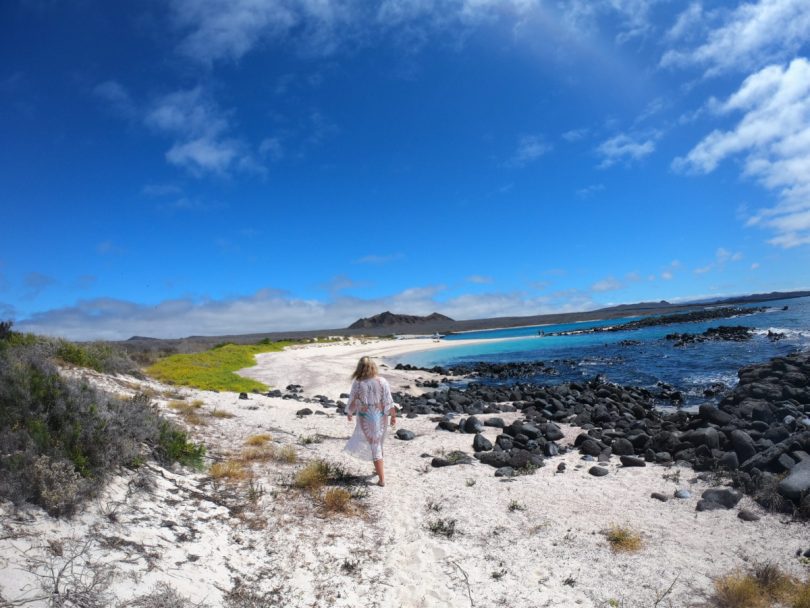
A few consistent fail points show up across the travelers we’ve talked to, and they rarely appear in the standard travel guides:
The humidity surprises people who associate “tropical” with dry beach heat. February’s warm, wet season air is genuinely sticky. By mid-afternoon after two excursions you will be comprehensively sweaty. Clothes that don’t dry quickly become a real problem in a small cabin with limited storage. Cotton is not your friend here. Pack synthetics, pack enough swimsuits to rotate, and check whether your boat has a laundry option for longer cruises.
The afternoon showers are predictable enough that they shouldn’t catch anyone off guard, but they do. Not because they’re severe (they aren’t) but because travelers who didn’t bring a packable rain jacket end up soaked and then cold once they’re back on the boat in the wind. A light poncho or packable jacket takes up almost no space and solves this completely.
The plastic bottle ban catches some travelers completely unprepared. Single-use plastic bottles are prohibited throughout the Galapagos Islands. Your cruise vessel will provide drinking water, but you need a refillable bottle to carry on excursions. Not a reminder – a requirement. Bring one from home.
Finally: the biosafety form. As of May 2026, all travelers must complete a digital biosafety declaration before their flight to the Galapagos. Seeds, fruits, nuts, and certain organic materials are prohibited. People who show up at the airport without having filed the form online cause delays for themselves and their group. Do it in advance, save the QR code, and save yourself the stress.
Frequently Asked Questions
Is February in the Galapagos rainy season?
Yes, February falls in the warm and wet season, which runs from December through May. But rainy season in the Galapagos doesn’t mean constant rain. Expect about 8-10 days with rainfall, mostly short afternoon showers of 20-30 minutes. The rest of the day is typically sunny. Visibility underwater is at its best during this period precisely because the calmer warm-season currents keep sediment low.
Do I need a wetsuit for snorkeling in February?
No. February water temperatures average 76°F (24°C), which is genuinely comfortable for extended snorkeling without a wetsuit. Some travelers with low cold tolerance may want a thin rash guard for sun protection, but a wetsuit is not needed the way it would be in July or August when water temperatures can drop to 65°F or lower.
How far in advance should I book a February Galapagos cruise?
For mid-range and first-class vessels, book 4-6 months ahead. Luxury yachts often require 8-12 months notice. Budget boats can sometimes be secured 2-3 months out but the best cabins go early on any class of vessel. Valentine’s week and school holiday windows within February fill faster than the rest of the month.
What wildlife is active in the Galapagos in February?
Marine iguanas are nesting and unusually territorial, bringing them close to visitor paths. Flamingos are building nests on Floreana. Green sea turtles are in hatching season. Giant tortoises are active in the highlands. Sea lions are playful in warm water. In the water, visibility is at peak annual levels with regular sightings of sharks, rays, and sea turtles. The one notable absence is the waved albatross, which returns to Española in April.
Is February cheaper than other months for a Galapagos cruise?
Generally yes. February falls in shoulder season, meaning cruise prices are typically 10-20% lower than the July-August summer peak or the December-January holiday period. Domestic flights to the islands also tend to be cheaper. That said, prices on specific boats vary, and quality mid-range vessels can still be expensive compared to budget options regardless of season.
What fees do I need to pay to enter the Galapagos?
All visitors must pay the Galapagos National Park entrance fee of $200 USD for adults and $100 for children under 12, paid in cash on arrival. You also need a Transit Control Card (TCT/INGALA card) at $20 per person, which as of May 2025 must be completed online before your flight at the official government portal. Both fees apply regardless of cruise class or travel season. (Verified May 2026)
Ready to Plan Your February Galapagos Cruise?
February is one of our favorite months to send travelers to the Galapagos. The conditions are exceptional, the crowds are manageable, and there are still good cabins available on quality boats if you move soon. We’ve personally inspected nearly every vessel operating in the islands and have years of traveler feedback on how each one performs in warm-season conditions.
We offer free, no-commitment cruise planning and price quotes. Tell us your dates, your budget, and what matters most to you, and we’ll match you with the right boat for a February cruise you’ll be talking about for years. Rated 4.9 stars on Google and TripAdvisor.
Get your free February cruise quote here
Written by Oleg Galeev
Galapagos cruise traveler (3 trips, 2 cruises) · Founder, Cruises To Galapagos Islands
Oleg has personally inspected nearly every available Galapagos cruise vessel and interviewed thousands of travelers to build the most first-hand cruise knowledge base available. He also runs the Ecuador travel blog mytrip2ecuador.com and the YouTube channel My Trip to Somewhere.
Cruises To Galapagos Islands is rated 4.9 stars on Google and TripAdvisor.
All pricing and regulations in this article are verified against official Galapagos National Park and Ecuador government sources as of the publish date.