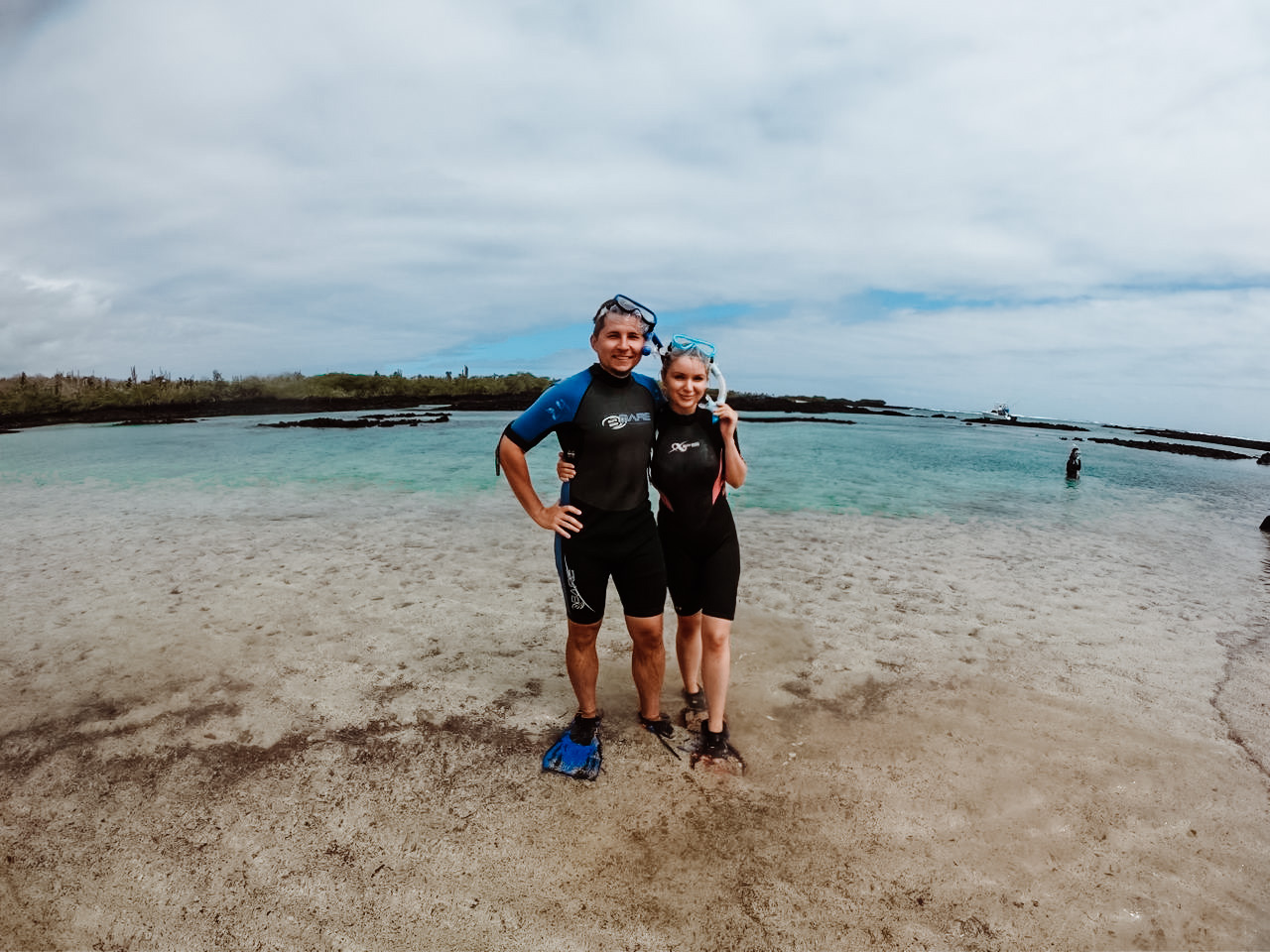
Galapagos Cruise in June: Start of Dry Season
Part of our guide to the best time of year for a Galapagos cruise. Ready to pick a ship? See the best Galapagos cruises by price, size and class. Compare every month in our Galapagos weather and water temperature by month table.
June in the Galapagos: Quick Facts
| Factor | June Details |
|---|---|
| Air Temperature | 70-77°F (21-25°C) – noticeably cooler than warm season |
| Water Temperature | ~67-72°F (19-22°C) – wetsuit recommended |
| Underwater Visibility | Good, though transitional currents can reduce it vs. warm season |
| Rainfall | ~0.2 inches – essentially dry |
| Garúa | Starting – misty mornings, especially in highlands; clears by midday |
| Sea Conditions | Moderate – trade winds building; choppier than warm season |
| Crowd Level | High – northern hemisphere summer holiday season begins |
| Cruise Pricing | Peak season – 20-25% above shoulder season rates |
| Wetsuit Needed? | Yes, water is too cool for comfortable extended snorkeling without one |
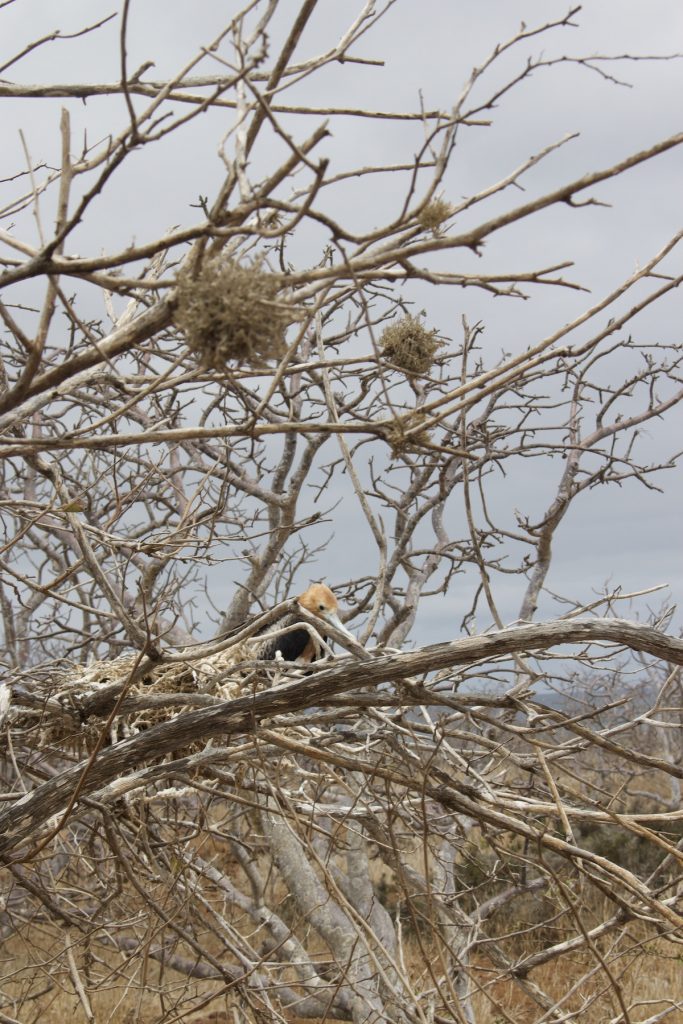
| Wildlife Highlights | Humpback whales arriving, blue-footed booby courtship, waved albatross nesting Española, flightless cormorant nesting Fernandina, Galapagos penguins more active, giant tortoise nesting lowlands |
| National Park Entry Fee | $200 adults / $100 children under 12 – cash only (Verified May 2026) |
| TCT (INGALA) Card | $20 per person – complete online before travel (Verified May 2026) |
Is June a Good Month for a Galapagos Cruise?
June is excellent for wildlife, comfortable for hiking, and a genuine turning point in the Galapagos calendar. The dry season arrives, the oppressive heat and humidity of the warm season disappears, and the Humboldt Current’s arrival triggers a surge in marine productivity that runs through November. Humpback whales begin appearing. Seabird nesting enters full swing. The trade-offs are cooler water that requires a wetsuit, some morning garúa mist, and the arrival of peak season crowds and prices driven by summer school holidays.
The shift from May to June is one of the most perceptible seasonal transitions in the Galapagos. In May you’re in warm-season conditions: humid, green, calm seas, warm water. June feels different from the first day. The air is cooler. The morning sky carries a thin marine layer. The wind picks up on inter-island crossings. The water hits differently when you drop in for your first snorkel.
None of that is bad. In fact, for a lot of travelers, June is exactly what they want. The cooler air makes land excursions genuinely pleasant rather than heat management exercises. The marine life surge driven by the arriving cold, nutrient-rich Humboldt Current means the water is alive in a way the warm season can’t match. And the dry-season skies, once the morning garúa burns off, deliver some of the most dramatic light in the archipelago.
The crowds and prices are the honest constraint. June marks the start of the period when families with school-age children from North America, Europe, and beyond flood into the Galapagos. Quality boats fill early. Prices reflect the demand. For travelers with school calendar constraints, that’s simply when you go. For those with flexibility, June offers all the dry-season benefits with slightly lower demand than July or August – particularly in the first two weeks before the US summer break fully kicks in.
Want to know which months balance the best wildlife activity with the most comfortable cruising conditions? Here’s our best time of year to take a Galapagos cruise guide so you don’t book the wrong time of year.
What Is the Weather Like in the Galapagos in June?
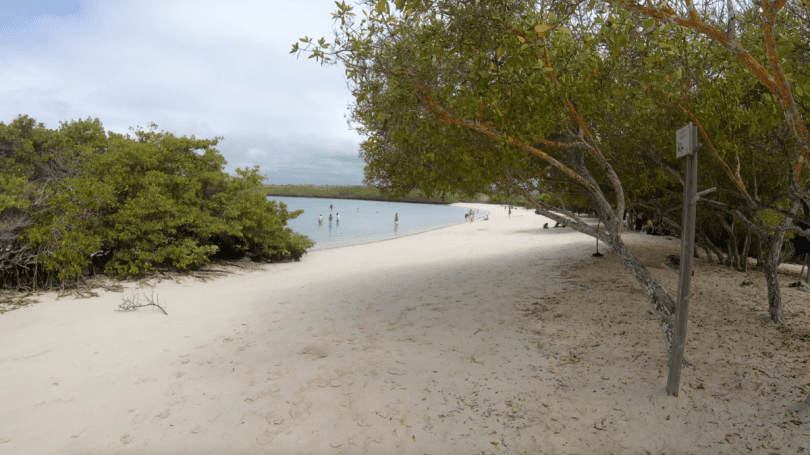
June is cool, dry, and increasingly overcast. Air temperatures settle around 70-77°F (21-25°C). Rainfall drops to roughly 0.2 inches for the month – practically nothing. The garúa, the fine mist that defines the dry season, arrives in June, producing overcast mornings that typically clear by late morning or midday. Skies are often brilliantly clear in the afternoons. Water temperatures drop to roughly 67-72°F (19-22°C), making a wetsuit essential for comfortable snorkeling.
The garúa is worth understanding properly because it surprises travelers who haven’t read about it. It’s not rain and it’s not fog in the classic sense. It’s a fine, damp mist that settles over the highland areas of the larger islands, driven by the cold Humboldt Current cooling the air above. At sea level and on the lowland visitor sites, you may not encounter it at all. On a morning hike in the Santa Cruz highlands, you walk through it. It’s atmospheric and the vegetation loves it – the highland areas stay remarkably green through the dry season precisely because the garúa keeps them misted. But for travelers who booked June expecting wall-to-wall sunny skies, the overcast mornings can be a mild surprise.
The sea conditions change meaningfully in June. The southeast trade winds strengthen as the dry season establishes itself, which means inter-island crossings have more swell than the flat-calm warm-season passages. June is still manageable compared to the peak trade wind months of August and September. But travelers prone to motion sickness should factor this in, particularly for itineraries covering the longer crossings to Genovesa or the western islands.
One June-specific weather note: the transition is not instant or uniform. Early June can still feel like the tail end of May, relatively mild and calm. By late June, the dry season is fully established with noticeably cooler conditions and stronger winds. If sea-condition comfort matters to your group, early June has an edge over late June within the month.
| Factor | May | June | July |
|---|---|---|---|
| Air Temp (°F) | 72-82 | 70-77 | 68-75 |
| Water Temp (°F) | ~74 | 67-72 | 65-68 |
| Wetsuit | Optional | Yes | Essential |
| Rainfall | 0.6 in | 0.2 in | Minimal |
| Garúa | No | Starting | Established |
| Sea Conditions | Calm–variable | Moderate | Choppy |
| Season | Shoulder | Peak starts | Full peak |
What Wildlife Can You See on a Galapagos Cruise in June?
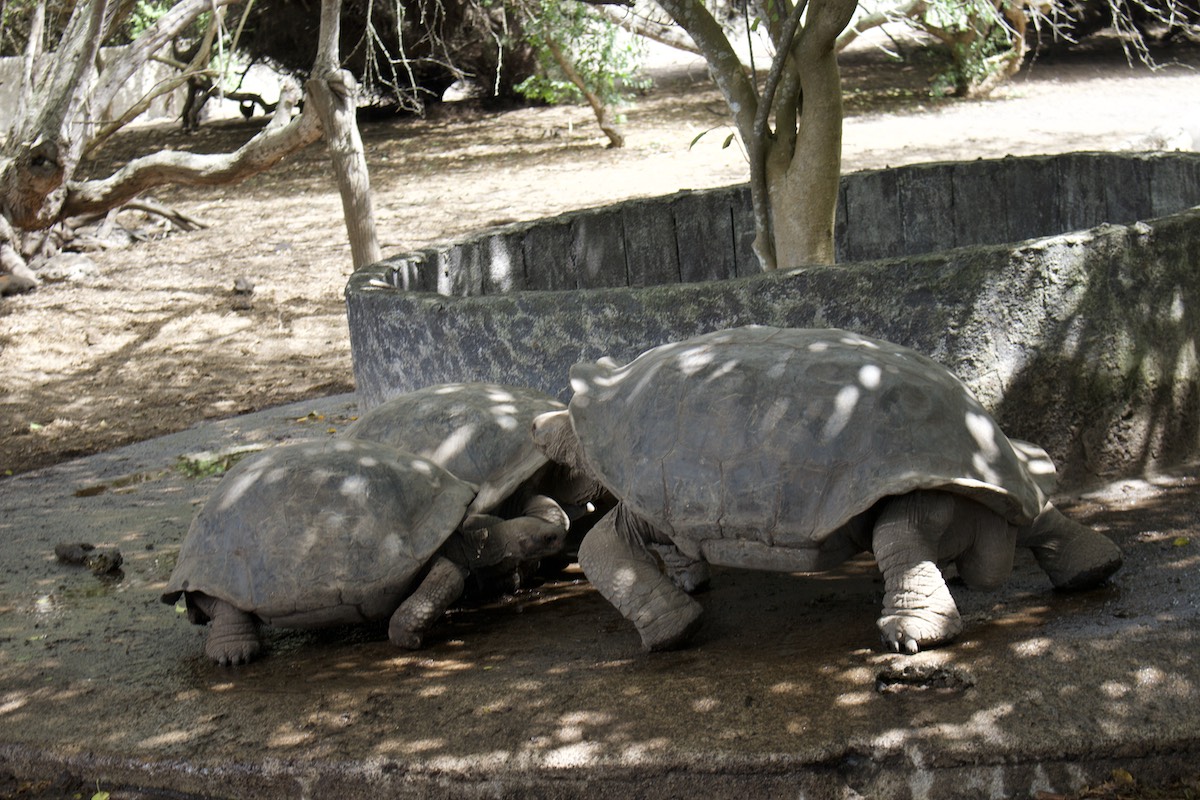
June wildlife is driven by the arriving Humboldt Current, which floods the water with nutrients and triggers a cascade of activity across species. Humpback whales begin appearing in Galapagos waters, particularly off Isabela and Fernandina. Blue-footed booby courtship is active on multiple islands. The waved albatross continues nesting on Española. Flightless cormorants are nesting on Fernandina. Galapagos penguins become more active as cooler water arrives. Giant tortoises are nesting in lowland areas before migrating back to the highlands.
The humpback whale appearance is one of June’s signature moments and one that no other month in the series so far can claim. As the cold Humboldt Current pushes north from Antarctica, it carries with it a bloom of krill, plankton, and fish that draws humpbacks migrating toward equatorial waters. Sightings are not guaranteed – whale watching in the Galapagos never is – but June through September is the reliable window, and western itineraries covering the Bolívar Channel between Isabela and Fernandina offer the most consistent opportunities. A humpback breaching off the volcanic coastline of Fernandina is one of those images that people carry home for a long time.
The blue-footed booby courtship is building toward its July peak but already very active in June. North Seymour, Española, and other island sites put you in close contact with the sky-pointing dance, where males spread their wings slightly and lift their electric-blue feet alternately to display to passing females. The Galapagos penguins become noticeably more energetic as the cold water arrives, diving repeatedly for the fish the nutrient surge attracts. At Bartolomé and the western islands, you can watch them hunt in the clear water from the surface.
On Fernandina, the flightless cormorant nesting in June produces one of the more unusual wildlife tableaux in the archipelago. These birds have lost the ability to fly but are extraordinary swimmers, and their courtship involves elaborate displays of seaweed gifts between partners. Watching them along the Punta Espinosa shore, surrounded by the most pristine lava landscape in the Galapagos, is a highlight that any itinerary covering the western islands should include.
June itineraries fill faster than almost any other month, especially departures covering western islands with whale and penguin opportunities. If you want to secure a specific vessel and cabin type for June, the booking window is tighter than most travelers expect. Get in touch here and we’ll check availability and build you a no-obligation quote.
What Changes When the Dry Season Starts?
The dry season brings a fundamental shift in how the Galapagos works. The Humboldt Current arrives from the south, cooling air and water temperatures, suppressing the garúa mist in highland areas, killing off lowland vegetation, and flooding the marine ecosystem with cold, nutrient-rich water. Marine life explodes. Seabirds respond to the food surge with intensified nesting activity. Land animals shift their behavior. The islands look different, feel different, and smell different compared to the warm season.
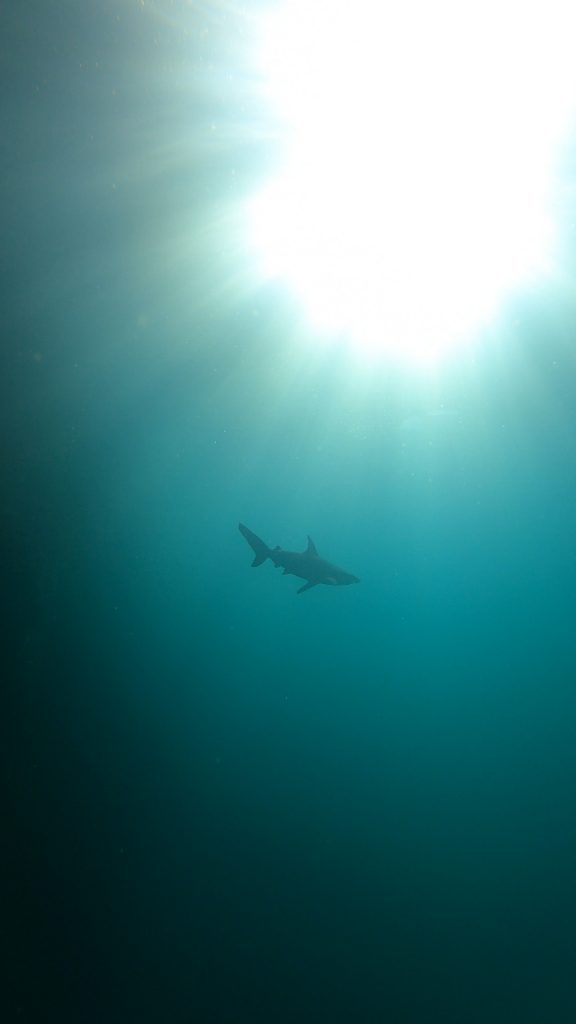
The most dramatic change is below the surface. Warm-season water is clear and comfortable but nutrient-poor relative to the cool season. When the Humboldt Current arrives, it upwells cold, mineral-rich water from depth, triggering phytoplankton blooms that feed zooplankton, which feed fish, which feed everything above them. The density of marine life visible from a snorkel mask in June is higher than anything the warm season delivers. Schools of fish large enough to darken the water. Sea lions abandoning their languid warm-season pace and actively herding prey. Sharks patrolling with more purpose.
On land, the vegetation transition is visible. The lush green lowland landscapes of the warm season begin to dry out. By late June and into July, the lowland zones return to their characteristically arid look, with sparse, drought-tolerant vegetation and cracked volcanic soil. The highland areas, moistened by the arriving garúa, stay green. This contrast between arid coastlines and lush misty highlands is specifically a dry-season experience and one that gives the larger islands, Santa Cruz and Isabela particularly, a visual complexity the warm season doesn’t offer.
The cooler air is a meaningful quality-of-life improvement for many travelers. Midday shore excursions in March, brutal under equatorial humidity and 88°F heat, are comfortable walks in June at 73°F. Longer hikes become genuinely enjoyable. The dry-season Galapagos is a more physically accessible version of the islands for travelers who aren’t heat-adapted.
What Are the Best Islands to Visit in June?
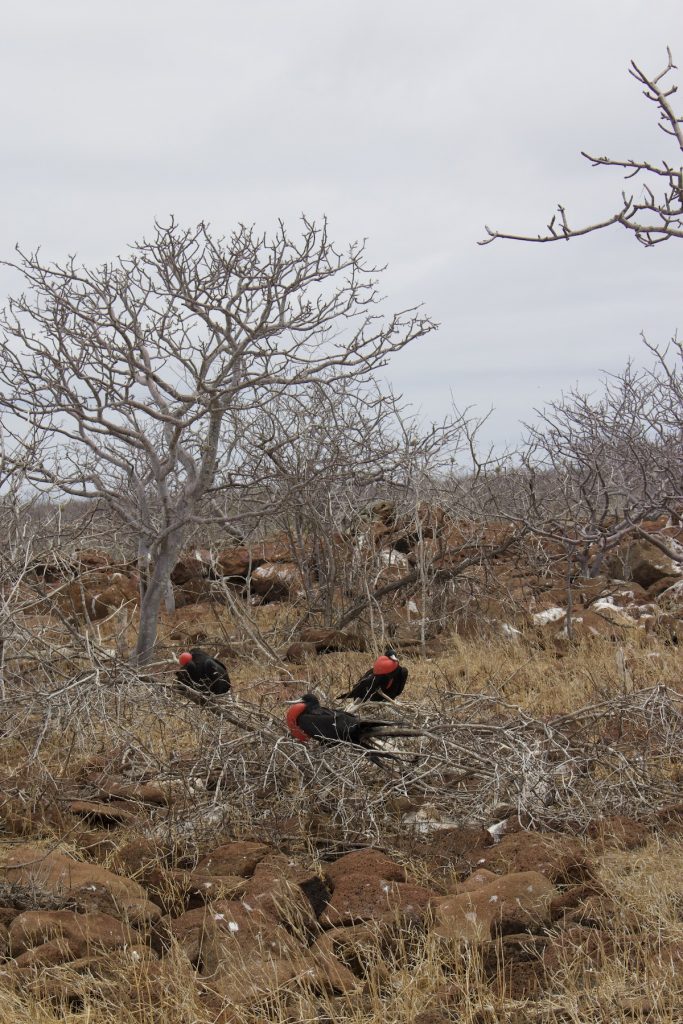
For June specifically, the islands with the highest payoff are Fernandina (flightless cormorant nesting, penguins, humpback whale sightings in the Bolívar Channel), Española (waved albatross nesting, Nazca boobies, the best snorkeling at Gardner Bay), North Seymour (blue-footed booby courtship, frigatebirds), Genovesa (red-footed boobies, great frigatebirds at Darwin Bay), and Isabela (whale sightings off the western coast, penguins, marine iguanas). A seven to eight-day itinerary covering southern and western routes can reach most of these.
Fernandina earns special mention in June specifically. This is the most volcanically active and ecologically pristine island in the archipelago. It’s accessible only by cruise. The combination of flightless cormorant nesting behavior, which involves elaborate seaweed-gift courtship on the Punta Espinosa shore, active Galapagos penguins hunting in cool, food-rich water, and the proximity to the Bolívar Channel whale corridor makes it one of the highest-value single stops in the entire Galapagos system during the dry season.
Española in June offers the albatross colony in incubation mode, Nazca booby nesting sites, and what is frequently cited as one of the best snorkeling experiences in the archipelago at Gardner Bay – clear water, sea lions, rays, and reef fish, with enough current to keep things interesting without being unmanageable. Unlike Fernandina, Española sits in the calmer southeastern part of the archipelago, so the crossing conditions for June are less variable.
One itinerary consideration unique to June: not all cruise routes cover both the western islands (Fernandina, western Isabela) and the southern outer islands (Española) in the same trip. These require opposite-direction itineraries from the central hub. Travelers specifically targeting humpback whales and flightless cormorants should confirm their cruise is routed westward. Those prioritizing the albatross and Gardner Bay snorkeling need a southeastern or southern itinerary. A full eight-day loop is the only way to reach both.
Choosing between western and southern routes in June is one of the most consequential itinerary decisions for this month. We know which vessels run which routes and can match your specific wildlife priorities to the right departure. Fill out this short form and we’ll sort it out for you.
How Crowded Is the Galapagos in June?
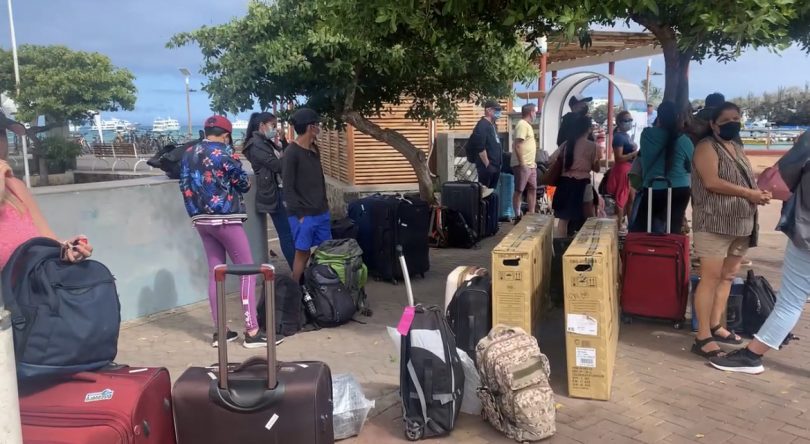
June is peak season. The combination of excellent dry-season wildlife conditions and the start of northern hemisphere summer school holidays drives the highest visitor demand of the first half of the year. Quality boats fill their June departures 6-8 months ahead. Landing sites see more simultaneous vessel visits than at any time since the Christmas holiday period. Early June carries slightly lighter demand than late June as US school calendars vary, but the whole month should be treated as peak season for booking purposes.
The crowd dynamic in June is driven primarily by family travel. The months of June, July, and August are when parents with school-age children in North America, the UK, Germany, France, and Australia can travel freely. The Galapagos is an extremely popular family destination. The result is that boats in June carry a higher proportion of families with children than at almost any other time of year, which changes the social atmosphere on board compared to the quieter shoulder months.
The National Park’s 16-person per group landing limit still applies, so the on-shore experience isn’t dramatically more crowded than a quiet month. The difference shows at the anchorage level. During a busy June week, a popular site like Punta Suarez on Española or Punta Espinosa on Fernandina can have two, three, or four vessels anchored simultaneously, running staggered excursion schedules. You won’t be shoulder-to-shoulder on the trail, but the sense of solitude that comes with a May or October visit is largely absent.
How Much Does a Galapagos Cruise Cost in June?
June is full peak season pricing, running 20-25% above the shoulder season rates of April, May, or September. Budget cruises start around $250-$430 per person per day. Mid-range (tourist superior) vessels run $450-$600 per day. First-class type of Galapagos cruises fall between $610-$780 per day. Luxury yachts start at $800 and climb to $1,700 per day. All visitors still pay the fixed National Park fee of $200 per adult and the $20 TCT card. Last-minute deals in June are essentially nonexistent.
The price premium in June is real and consistent. Operators know their boats will fill, so they price accordingly from the start of the year. Travelers comparing May rates to June rates on the same vessel often find a 20% gap that translates to several hundred dollars per person on a week-long cruise. For families booking multiple cabins, the total difference between a May and June trip on equivalent vessels can be significant. (Prices verified May 2026)
One pricing nuance specific to June: early June occasionally carries slightly softer pricing than mid or late June, as some operators treat it as a transition month rather than full peak season. If your school calendar allows any flexibility in June, the first two weeks have a marginally better chance of finding competitive rates than the second two. This advantage shrinks every year as operators recognize the consistent demand, but it’s worth checking if you have flexibility.
| Cruise Class | Per Day (per person) | 7-Day Total (per person) | June Note |
|---|---|---|---|
| Budget | $250-$430 | ~$1,800-$3,000 | Good option for families; books faster than shoulder months |
| Tourist Superior (Mid-Range) | $450-$600 | ~$3,100-$4,200 | Peak pricing; book 6-8 months ahead |
| First Class | $610-$780 | ~$4,300-$5,500 | Popular family boats fill earliest; book 8+ months out |
| Luxury | $800-$1,700+ | $5,600-$12,000+ | 12 months ahead for best vessels and cabins |
| Fixed entry fees: National Park $200/adult, $100/child. TCT card $20/person. Both required for all visitors. |
June availability on quality vessels disappears faster than most travelers expect. If you’re planning a June trip and haven’t started looking yet, the best cabins on mid-range and first-class boats may already be limited. Send us a message here with your group size and travel dates and we’ll tell you honestly what’s still available.
When Should You Book a June Galapagos Cruise?
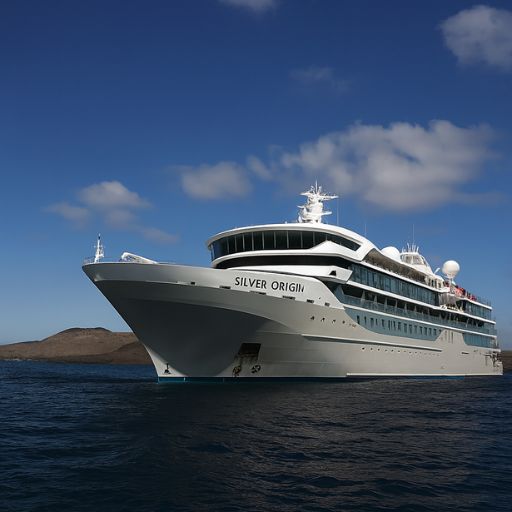
Book June 6-8 months ahead for mid-range and first-class vessels. Luxury yachts and popular family-friendly boats warrant 10-12 months. Budget boats offer more flexibility but top cabins still go early. Early June departures have slightly more availability than late June due to US school calendar variability. Do not count on last-minute deals in June – operators rarely discount a month this reliably in demand.
The family travel dynamic makes June particularly unforgiving for late bookers. A couple planning a June trip with flexibility on cabin type can sometimes find options with 4-5 months notice. A family of four requiring two connecting cabins on a 16-passenger yacht has a dramatically smaller window of availability. The boats that work well for families, those with appropriate cabin configurations and family-friendly naturalists, are known quantities and book fast once the northern summer approaches.
One tactical consideration: if July or August better fits your school calendar, June is sometimes worth booking instead for slightly lower demand and prices while delivering essentially the same dry-season wildlife conditions. June offers all the core dry-season appeal – humpbacks beginning, booby courtship active, cool comfortable air, nutrient-rich water – without the absolute peak crowd density of July. It’s a trade-off worth evaluating before defaulting to the most popular month.
What June Travelers Report: Insights from Our Community
From traveler conversations collected through mytrip2ecuador.com and the My Trip to Somewhere YouTube channel, June generates enthusiastic responses with a distinct profile compared to warm-season months:
| Category | Finding | Traveler Notes |
|---|---|---|
| Hiking comfort | ~94% preferred cool-season temperatures for shore excursions | “Finally a Galapagos where I could actually enjoy the hikes instead of surviving them” |
| Marine life volume | ~81% said underwater wildlife density exceeded warm-season expectations | “More fish, more sharks, more action below the surface than I’d expected in June” |
| Wetsuit surprise | ~47% hadn’t packed a wetsuit and had to borrow from the boat | “Nobody told me the water would be that cold – the boat’s wetsuits saved the trip” |
| Crowd experience | ~38% noticed other boats at anchorage more than expected | “Shore landings were fine, but evenings at anchor with 3 other boats nearby felt different from what I imagined” |
| Top wildlife moment | ~62% cited a humpback sighting or blue-footed booby courtship as their standout | “The whale came up about 50 meters from the panga. Nothing I’d experienced before” |
| Would choose June again | ~83% yes or would recommend it | “The weather is so much better for actually being active. Worth the higher price” |
What Catches June Travelers Off Guard
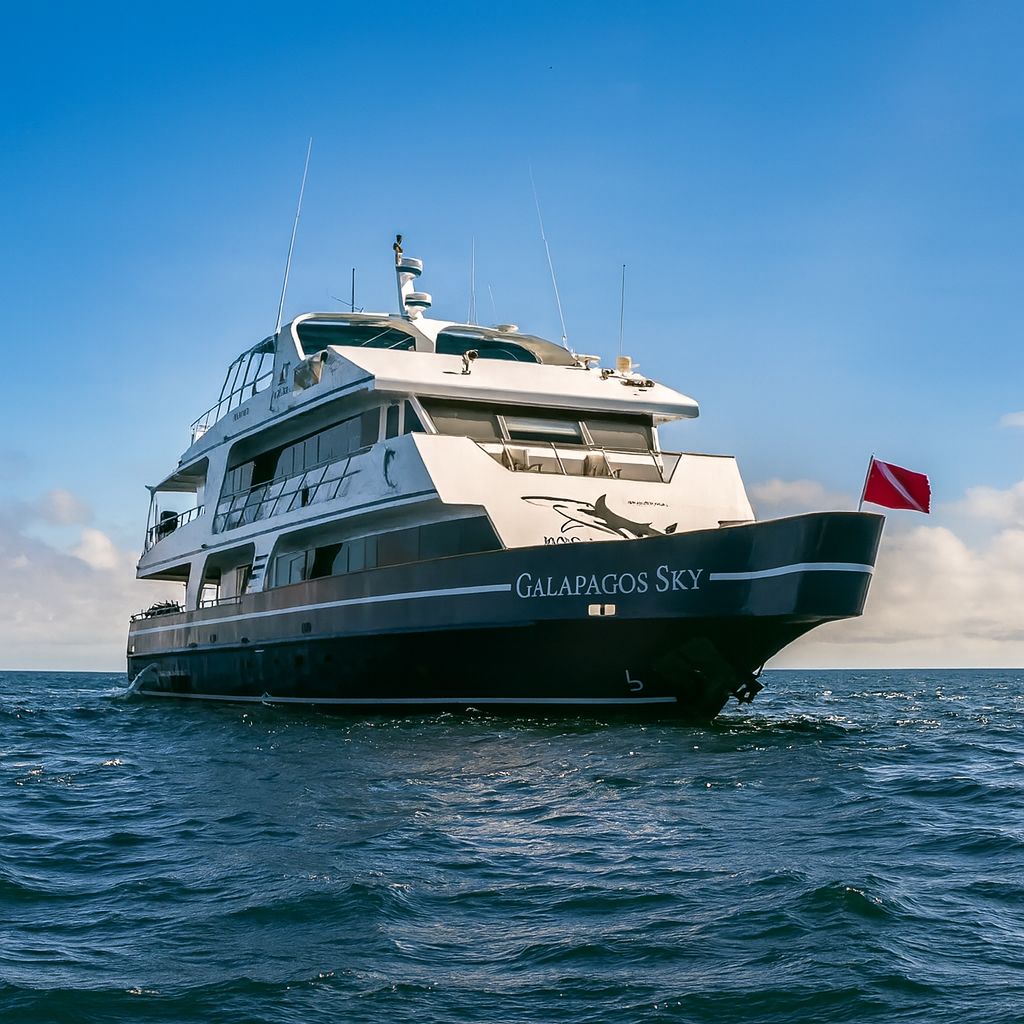
June is a well-documented month and still manages to surprise people in specific ways:
The wetsuit gap is the most consistent. Almost half the June travelers in our community who hadn’t specifically researched the month arrived without a wetsuit, expecting warm-season conditions. Water at 67-72°F (19-22°C) is not dangerously cold, but it makes extended snorkeling sessions genuinely uncomfortable without insulation. Most quality cruise operators provide wetsuits at no extra cost. Confirm this before you book and pack a thin rash guard at minimum as a backup. Never assume.
The garúa expectation gap catches warm-season veterans returning for a second trip. Travelers who cruised in February expecting the same clear blue mornings they remember from their warm-season trip are sometimes caught off guard by June’s overcast starts. The mist is real, it affects the highland areas noticeably, and it does burn off. But the Galapagos in June does not look like the Galapagos in March. Both are beautiful. They’re just different, and knowing which one you’re getting matters.
Booking timing is the most expensive mistake June travelers make. People who decide in March to do a June cruise for the summer holiday and then discover their preferred mid-range vessel is already fully committed are left choosing between inferior boats or inferior months. The 6-8 month window is not a comfortable suggestion. For June specifically, it’s a real constraint. Families especially, needing multiple cabins and family-compatible vessels, should be planning June cruises in October or November of the preceding year.
Finally: the biosafety declaration. Complete it online through the official government portal before your flight. It’s been fully digital since May 2025 and the in-person airport option is gone. Five minutes, save the QR code, arrive stress-free.
Frequently Asked Questions
Is June a good time to visit the Galapagos?
Yes. June marks the start of the dry season, bringing cooler, more comfortable conditions for hiking and land excursions, a major surge in marine life driven by the arriving Humboldt Current, active seabird nesting, humpback whales beginning to appear, and blue-footed booby courtship building toward its peak. The trade-offs are cooler water requiring a wetsuit, some garúa mist in mornings, and peak season crowds and prices.
What is the garúa in the Galapagos?
Garúa is the fine, cool mist that settles over the Galapagos highlands during the dry season, from roughly June through November. The word translates to “drizzle” in Spanish. It’s driven by the cold Humboldt Current cooling the air, and it concentrates in the highland zones of larger islands like Santa Cruz and Isabela. Lowland visitor sites are largely unaffected. Mornings can feel overcast and misty; afternoons typically clear to blue skies.
Do I need a wetsuit in the Galapagos in June?
Yes. Water temperatures in June average 67-72°F (19-22°C), which is too cold for comfortable extended snorkeling without insulation. Most quality cruise operators provide wetsuits at no extra cost – confirm this before booking. A 3mm full suit is sufficient for most June conditions, though a 5mm is better at western sites near Fernandina and Isabela where upwellings can be colder.
Can you see humpback whales in the Galapagos in June?
Yes, June marks the beginning of humpback whale season in the Galapagos. Sightings are concentrated around the Bolívar Channel between Isabela and Fernandina on the western side of the archipelago. Sightings are not guaranteed, but June through September is the most reliable window. Western itineraries specifically covering Fernandina and western Isabela offer the best chance of an encounter.
How far in advance should I book a June Galapagos cruise?
Book 6-8 months ahead for mid-range and first-class vessels. Luxury yachts and popular family-compatible boats warrant 10-12 months. Do not count on last-minute availability in June. Operators rarely discount peak-season departures and good cabins fill early. If your party needs multiple connected cabins, extend your booking timeline further.
What entry fees are required for the Galapagos?
All visitors pay the Galapagos National Park entrance fee of $200 USD for adults and $100 for children under 12, in cash on arrival. A Transit Control Card (TCT) costs $20 per person, completed online through the official government portal before your flight. Both are required for every visitor regardless of cruise class or nationality. (Verified May 2026)
Planning a June Galapagos Cruise?
June is the month where the dry-season magic begins – cooler air, richer marine life, whale season opening, and seabirds nesting across the archipelago. It’s also the month where booking decisions matter most, because the boats that deliver the best experience fill earliest.
We offer free cruise planning and no-commitment price quotes based on genuine first-hand knowledge of nearly every vessel in the islands. Rated 4.9 stars on Google and TripAdvisor.
Get your free June cruise quote here
Written by Oleg Galeev
Galapagos cruise traveler (3 trips, 2 cruises) · Founder, Cruises To Galapagos Islands
Oleg has personally inspected nearly every available Galapagos cruise vessel and interviewed thousands of travelers to build the most first-hand cruise knowledge base available. He also runs the Ecuador travel blog mytrip2ecuador.com and the YouTube channel My Trip to Somewhere.
Cruises To Galapagos Islands is rated 4.9 stars on Google and TripAdvisor.
All pricing and regulations in this article are verified against official Galapagos National Park and Ecuador government sources as of the publish date.