
TL;DR
People come back to the Galapagos because the first trip answers a question and raises three more. If you did the eastern route, the western route is a completely different Galapagos: flightless cormorants, dense penguin colonies, the youngest volcanic landscape on earth at Fernandina, and marine iguana mega-colonies that make the first trip’s encounters look like a preview. If you did both routes separately, an 11 to 15-day full-archipelago cruise stitches them together. The right move for most repeat visitors is switching routes, switching seasons, or going longer. The biggest mistake is booking the same trip twice.
Quick Facts: Repeat Visitor Route Options
| Route / Format | Duration | Who It’s For | What You Add |
|---|---|---|---|
| Western (after Eastern first trip) | 6 or 8 days | Most common repeat visitor choice; 70% of first-timers did Eastern | Flightless cormorant, penguin colonies, Fernandina lava, western marine iguanas |
| Eastern + Genovesa extension | 10 days | Eastern first-timers who missed Genovesa; birdwatchers | Red-footed booby colony; daytime short-eared owl; frigatebird density |
| Full-archipelago (11-15 days) | 11 to 15 days | Returning visitors who want the complete picture in one voyage | All major islands; full species inventory; no repeated sites |
| Different season, same route | Same as first trip | Visitors who want to see the same islands in different behavioral context | Cool-season marine density vs. warm-season courtship; garúa landscape vs. green |
| Private charter | Flexible (4-15 days) | Returning visitors with specific goals; families; groups | Custom itinerary; complete privacy; flexible schedule |
| Dive liveaboard to Darwin and Wolf | 7 to 10 nights | Certified divers (Advanced OW, 50+ dives) who did a naturalist cruise first | Hammerhead schools; whale sharks (June-November); open-ocean pelagics |
Why Do People Keep Coming Back to the Galapagos?
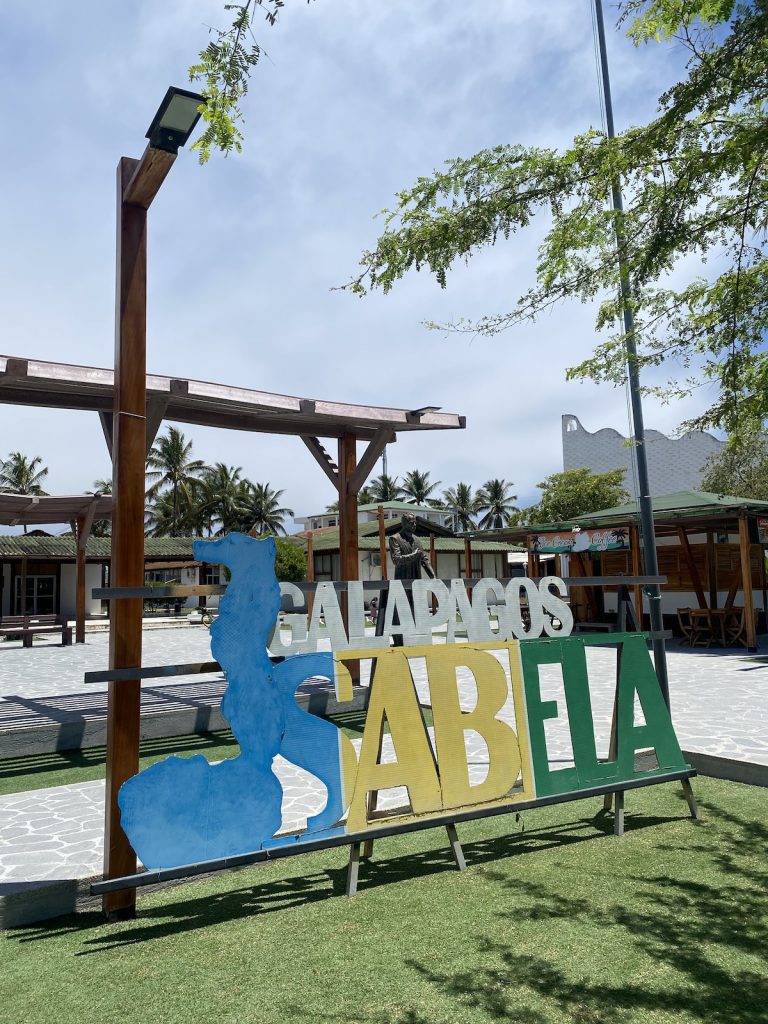
Because the first trip covers one region in one season, and the Galapagos has at least four genuinely distinct versions of itself depending on where you go and when. The eastern islands are different from the western. The warm season is different from the cool. The Galapagos of a first-timer doing an 8-day eastern in December is not the same destination as the Galapagos of a returning visitor doing an 8-day western in August. The island diversity, the seasonal behavioral shifts, and the sheer number of species that are route-specific or season-specific mean that even three or four visits leave meaningful discoveries unmade.
There’s also something more specific that most returning visitors describe: the first trip is experienced in a state of constant surprise. Everything is unexpected because nothing prepares you adequately for the Galapagos. The second trip is experienced with context, and context changes what you see. Knowing what a marine iguana dive feeding sequence looks like before you enter the water means you actually watch it properly instead of trying to process that it’s happening at all. The behavioral depth of the second trip is often greater than the first even when the sites are the same.
The practical answer is also straightforward. About 70 percent of first-time visitors do the eastern route. The western route, which accesses Isabela, Fernandina, and Santiago, covers the youngest and most volcanically active islands in the archipelago along with species, flightless cormorant and dense penguin colonies, that simply don’t exist on the eastern circuit. It’s not a better trip. It’s a different one. And once you’ve done both, the full-archipelago combined itinerary becomes the only logical next step.
If you’re planning a return trip and want a specific recommendation on which route, season, or format makes the most sense given where you went the first time, we’ve helped hundreds of returning visitors make exactly this decision. We’re rated 4.9 stars on Google and TripAdvisor. Send us a message here with what you did on your first trip and we’ll tell you what makes sense next.
Not sure which Galapagos cruise is the right starting point when you have no frame of reference for comparing ships and itineraries? Here’s the best Galapagos cruise for first-timers broken down so you choose with confidence.
What’s Different About the Galapagos the Second Time Around?
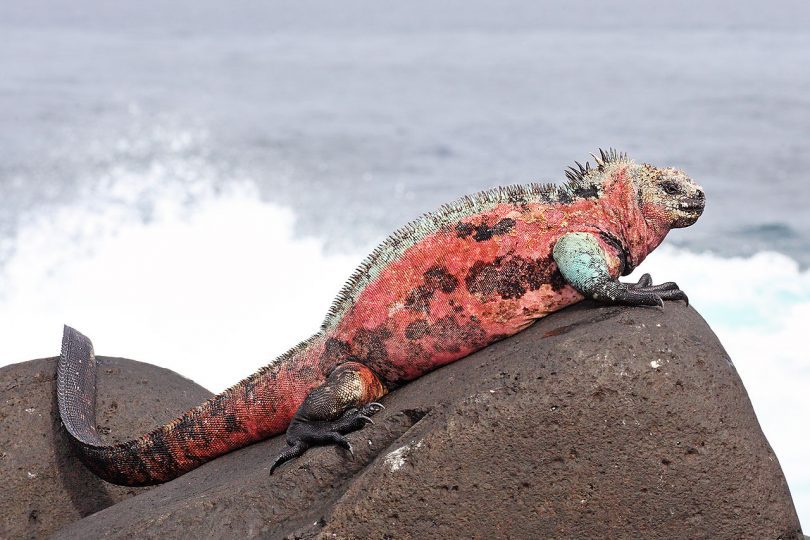
Two things change on a second visit that first-timers can’t replicate: depth of observation and deliberate choice. First-timers are reacting to an entirely new sensory environment. Returning visitors can actually watch. They know the species, they recognize the behaviors, and they can direct their attention to details that got lost the first time in the general overwhelm of the experience. A returning visitor at Punta Espinoza on Fernandina can spend twenty minutes watching a marine iguana enter and exit a feeding dive rather than just registering that iguanas swim at all.
The deliberate choice dimension is equally significant. First-timers rely almost entirely on the naturalist guide to interpret what they’re seeing. Returning visitors come with questions formed by their first trip: why do the marine iguanas on Española have that vivid red coloring? Where do the flightless cormorants actually go when they’re not nesting? What determines the route of a frigatebird when it’s harassing a booby? These are questions that only make sense once you’ve already been. The second trip answers them in real time.
The season difference is the third major variable. A visitor who did their first trip in February, when the warm season is at its peak with calm seas and warm water, returns in August to a completely different character of destination: garúa mist hanging over the highland vegetation, colder and more nutrient-rich water, dense seabird feeding activity driven by the Humboldt Current, and behavioral cycles that don’t overlap with warm-season visits at all. The two seasons are genuinely distinct experiences in the same geography.
Which Islands and Sites Should Repeat Visitors Prioritize?
If your first trip was eastern, the western route answers your most important outstanding question: what does the youngest, most volcanic, most ecologically pristine part of the archipelago look like? Fernandina is the answer. No introduced mammals, ever. No rats, no goats, no cats brought by humans. The largest marine iguana colony in the Galapagos, piled on black lava rock in numbers that make any eastern site look sparse by comparison. Flightless cormorants nesting within touching distance of the trail. Galapagos penguins hunting alongside you in the snorkel.
Genovesa is the other site that most eastern first-timers missed. The flooded volcanic caldera in the northeast requires a boat that can slip through the narrow gap in the crater wall into Darwin Bay. Once inside, you’re in one of the most extraordinary seabird colonies in the world. The red-footed booby nests in the acacia trees in vast numbers. The magnificent frigatebird inflates its red throat sac above you. The short-eared owl hunts storm petrels in daylight on Prince Philip’s Steps. Genovesa appears on some 8-day eastern itineraries and on most 10-day combined routes. If it wasn’t on your first trip, it should anchor your second.
For visitors who did the western route first, the eastern islands offer Española’s waved albatross colony from April through December, Gardner Bay’s white sand and sea lion colonies, Devil’s Crown off Floreana for snorkeling, and the Charles Darwin Research Station’s tortoise breeding program on Santa Cruz. The eastern route also tends toward calmer seas and warmer water, which creates a physically different experience from the western’s rougher crossings.
Santiago’s Egas Port and Sullivan Bay are underrated sites that appear on some itineraries and not others. Egas Port’s volcanic coastline holds Galapagos fur seals in numbers that eastern sites rarely match, alongside marine iguanas in dense colonies and a lava heron working the tide pools. Sullivan Bay’s lava field, barely 130 years old, is one of the most visually alien landscapes in the archipelago: black pahoehoe lava stretching to the horizon with pioneer plants just beginning to colonize the cracks. Worth specifically requesting if your vessel’s itinerary includes a Santiago stop.
Trying to find a Galapagos cruise that balances land excursions with serious snorkeling time at the right sites? Here’s the best Galapagos cruise for snorkelers broken down so you find a ship and itinerary that treats the water as the main attraction.
Which Cruise Class and Vessel Type Is Best for Returning Visitors?
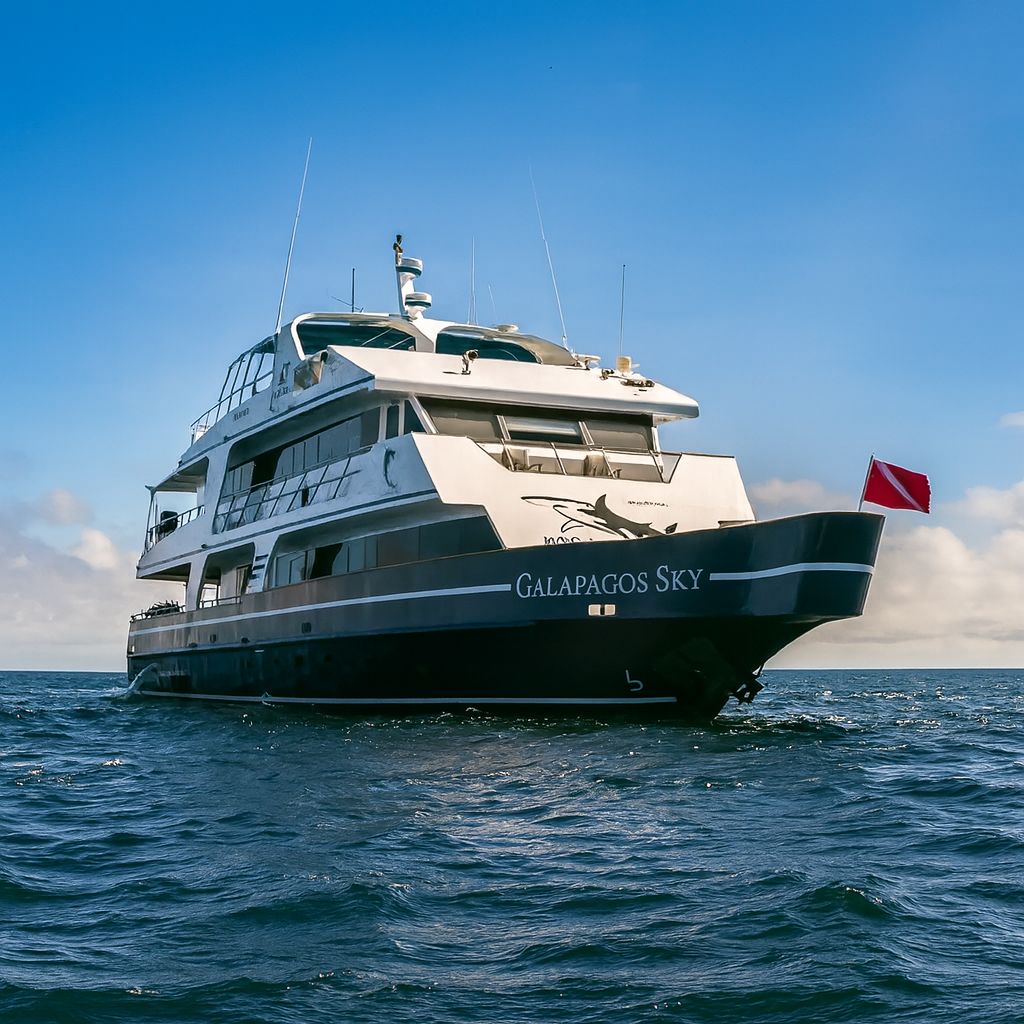
Returning visitors typically have a clearer sense of what they want from the boat than first-timers. Most move up a tier on the second trip. Someone who did mid-range the first time often books first-class or luxury the second, because they now know how much of the experience happens between excursions and how much the guide quality matters. The repeat visitor who most benefits from a vessel upgrade is the one who came back specifically for behavioral depth: a Level III naturalist with species-specific expertise delivers a fundamentally different second visit than the same itinerary with a generalist guide.
Private charter is the most compelling format for returning visitors with specific goals or groups. A private charter on a 16-passenger vessel lets you shape the schedule around your priorities rather than the park’s standard rotation sequence. If the flightless cormorant courtship is happening at a site not on the standard itinerary for that week, a private charter can sometimes negotiate access. If the marine iguana feeding dive at Punta Espinoza has the whole group captivated, you can stay longer. This flexibility is unavailable on standard departures and it’s exactly what distinguishes a return trip from a repeat of the first one.
The dive liveaboard is the right second-trip format for certified divers. Wolf and Darwin Islands are inaccessible on a naturalist cruise and their underwater world, schooling hammerheads, seasonal whale sharks, the highest shark biomass of any dive site on earth, is completely distinct from anything available during a surface snorkel. Returning visitors who are Advanced Open Water certified with 50 or more logged dives and experience in strong currents should seriously consider a dive liveaboard as their second Galapagos trip rather than another naturalist cruise.
The question of whether to upgrade cruise class, switch to a private charter, or try a dive liveaboard on a return trip depends on what you did the first time and what you most want to add. We’ve matched hundreds of returning visitors to the right format. Fill out this short form with your first-trip details and we’ll tell you what the right next step looks like.
We’ve got a full breakdown on the best Galapagos cruise for small groups and private charters if you want to know exactly which vessels and operators are worth booking when you want the boat to yourselves.
Which Itinerary Is Best for Repeat Visitors?
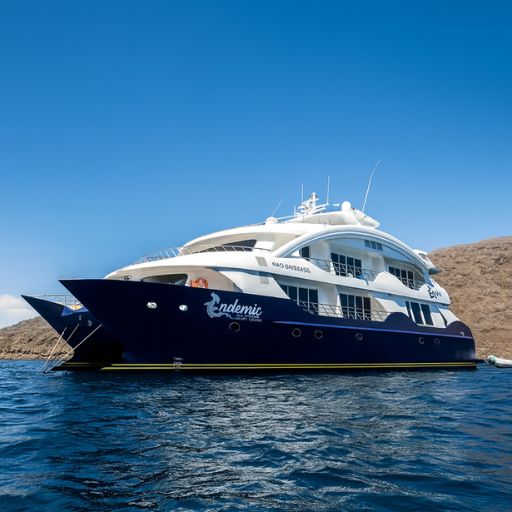
The western 8-day itinerary is the right second trip for most visitors who did the eastern route first. It covers everything the eastern route doesn’t: flightless cormorant, the dense penguin colonies of Isabela’s western coast, Fernandina’s pristine lava ecosystem, whale watching from the Bolívar Channel between June and September, and the garúa landscape character that makes the western islands feel like a different planet from the sandy eastern beaches. A 6-day western is also viable for returning visitors who want to focus specifically on Isabela and Fernandina without adding the Santiago extension.
The 11 to 15-day full-archipelago itinerary is the option for returning visitors who have done both routes separately and want the complete picture in one continuous voyage. A 15-day itinerary has no repeated landing sites across the entire archipelago, which means every day covers ground that hasn’t been covered before. These longer trips are available on selected vessels including the Endemic, Natural Paradise, and Ocean Spray, and on back-to-back bookings with itinerary transfers. They attract photographers, naturalists, and returning visitors who have calculated that the incremental cost of the extra days is the most efficient way to see what they haven’t yet seen.
For returning visitors whose primary goal is Genovesa specifically, a 10-day eastern itinerary with a Genovesa add-on covers the island without requiring the full combined itinerary. Most 10-day vessels that include Genovesa approach it from the north after the standard eastern backbone, spending one or two days at Darwin Bay and Prince Philip’s Steps before returning south. This is the most targeted option for birdwatchers who did the eastern route and specifically missed the northern seabird colonies.
The Galapagos has some of the most extraordinary bird species on earth but the islands you visit determine what you actually see. Here’s a full guide to the best Galapagos cruise for birdwatchers so you book the itinerary that delivers.
What Returning Visitors Tell Us After Their Second Galapagos Cruise
From the thousands of Galapagos travelers Oleg has interviewed through mytrip2ecuador.com and the YouTube channel, repeat visitors are one of the most enthusiastic and specific groups. The data below reflects aggregate feedback from travelers on their second or subsequent Galapagos cruise.
| Finding | Result | Context |
|---|---|---|
| Repeat visitors who said the second trip was as good as or better than the first | ~84% | Highest among those who switched routes; lowest among those who repeated the same route |
| Repeat visitors who upgraded vessel class on their second trip | ~61% | Most common upgrade: mid-range to first-class; guide quality cited as primary reason |
| Repeat visitors who visited in a different season from their first trip | ~47% | Of those who did, 91% said the seasonal difference was more significant than they expected |
| Repeat visitors who described Fernandina as the standout site of their return trip | ~69% | Consistent across all vessel classes; marine iguana mega-colonies cited most often |
| Repeat visitors who said they’d return for a third trip | ~73% | Highest repeat-intent rate of any traveler demographic we track after first-timers |
What Is the Best Time of Year to Return to the Galapagos?
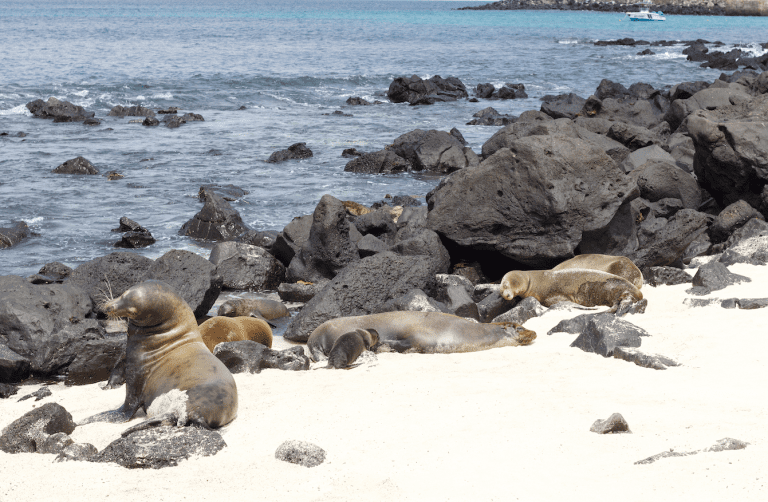
The most powerful reason to return in a different season is not the weather. It’s the wildlife behavior. The cool season from June through November, locally called the garúa season after the fine mist that settles over the highland vegetation, produces a completely different character of experience from the warm season. The Humboldt Current brings cold, nutrient-rich water that drives dense feeding activity, whale sightings from July through September, peak shark density at the major dive sites, and behavioral cycles in nesting and courtship that don’t exist in the warm season window most first-timers visit.
A repeat visitor who did a warm-season eastern trip in December through April returns to a Galapagos of misty mornings, moody volcanic light, sea lions with pups at their most playful, seabirds on eggs, and marine life activity that photographers consistently describe as more intense than the photogenic-but-calm warm season. The garúa mist that settles over Santa Cruz and Isabela’s highlands creates a genuinely different landscape than the sun-bright warm season images. Both versions are extraordinary. They’re just not the same.
Specific seasonal targets for repeat visitors: August and September for whale watching in the Bolívar Channel between Isabela and Fernandina; June through October for the strongest shark and ray activity at western snorkel sites; April through June for courtship behavior at its most intense across multiple species simultaneously; July and August for peak penguin density on the western route. None of these windows are available in the same intensity during a standard December through March warm-season visit.
The Galapagos is worth visiting year-round but the timing of your cruise changes what you’ll see and how you’ll experience it. Here’s a full guide on the best time of year to take a Galapagos cruise so you book the right window for your priorities.
What Are the Biggest Mistakes Repeat Visitors Make When Booking Again?
The most consistent repeat visitor mistakes: booking the same route as the first trip out of comfort or familiarity, not upgrading vessel or guide quality when the first trip’s limitations were clearly about the onboard experience rather than the destination, assuming the western route’s rougher conditions will be manageable without specifically choosing a catamaran hull, and not planning far enough ahead for the longer combined itineraries that have far fewer annual departures than standard 8-day trips.
Booking the same eastern route twice is the most consequential mistake because it’s the one that forecloses the most discovery. The eastern and western routes cover almost entirely non-overlapping islands. A repeat visit to Española and Floreana is still wonderful, but it’s not adding to what you know. A first visit to Fernandina is genuinely irreplaceable. The pull of familiarity is real, particularly when the first trip was life-changing. But the Galapagos rewards the visitor who goes somewhere different rather than the one who returns to confirm what they already know.
Not choosing a catamaran for the western route in the rougher cool season is the practical mistake that most affects day-to-day enjoyment. The Bolívar Channel between Isabela and Fernandina is the roughest open water in the archipelago, particularly from August through October. A monohull yacht in a swell on that crossing is uncomfortable. A catamaran in the same conditions is manageable. Repeat visitors who know they responded poorly to motion on their first trip should specifically request a catamaran hull for any western or combined itinerary in the second half of the year.
Finally, the 11 to 15-day full-archipelago itineraries have limited annual departures and sell out significantly earlier than standard 8-day trips. A repeat visitor planning a combined voyage for the following year should be looking at options 12 to 18 months ahead, not 6. The vessels that run these longer itineraries are among the most sought-after in the fleet and their departure calendar is not restocked the way shorter itineraries are.
Frequently Asked Questions
Is the Galapagos worth visiting twice if I did the eastern route the first time?
Unequivocally yes. The western route, covering Isabela, Fernandina, and Santiago, shares almost no landing sites with the standard eastern circuit and delivers species that are completely absent from the eastern route: flightless cormorant, dense Galapagos penguin colonies, and the pristine volcanic ecosystem of Fernandina. The western Galapagos is not a repeat visit. It’s a new destination with the same name.
Can I combine eastern and western islands in one trip?
Not on a standard 8-day itinerary. Eastern and western are separate park-permitted route structures. Combining them requires an 11 to 15-day full-archipelago cruise, which exists on selected vessels and has limited annual departures. Back-to-back cruise bookings on the same vessel, where the first 8-day eastern and second 8-day western depart consecutively, are another option that some operators accommodate. Confirm availability well in advance.
What if I want to do exactly the same islands but with a better guide?
This is a legitimate reason to return and more common than most people admit. A Level III naturalist guide on a first-class or luxury vessel visiting the same eastern itinerary delivers a genuinely deeper experience than a Level I guide on a budget vessel at the same sites. If your first trip’s primary limitation was guide quality or vessel comfort rather than which islands you visited, upgrading the vessel class while keeping the eastern route is a completely valid second-trip strategy.
Planning a return trip to the Galapagos means making more specific decisions than a first visit: which route adds the most to what you’ve already seen, whether upgrading vessel class makes sense, which season gives you the behavioral encounters you missed, and how far ahead you need to book for a longer combined itinerary. We’ve helped hundreds of returning visitors make these decisions and we’re rated 4.9 stars on Google and TripAdvisor. If you want a specific recommendation based on your first trip and what you want from your second, get in touch here and we’ll give you something concrete and honest.
Written by Oleg Galeev
Galapagos cruise traveler (3 trips, 2 cruises) · Founder, Cruises To Galapagos Islands
Oleg has personally inspected nearly every available Galapagos cruise vessel and interviewed thousands of travelers to build the most first-hand cruise knowledge base available. He also runs the Ecuador travel blog mytrip2ecuador.com and the YouTube channel My Trip to Somewhere.
Cruises To Galapagos Islands is rated 4.9 stars on Google and TripAdvisor.
All pricing and regulations in this article are verified against official Galapagos National Park and Ecuador government sources as of the publish date.