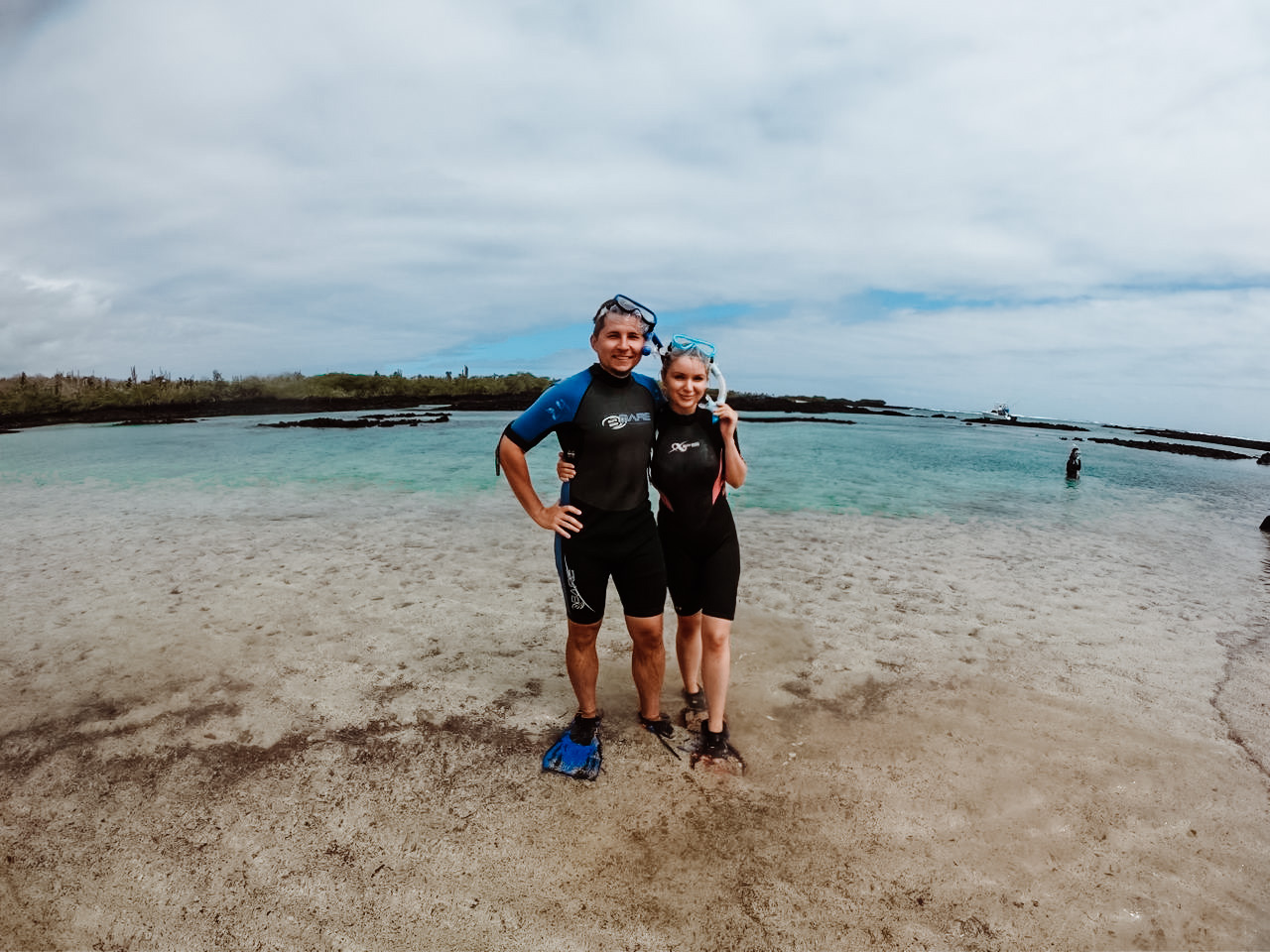
Best Galapagos Cruise for Families with Kids
Part of our guide to the types of Galapagos cruises. Ready to pick a ship? See compare all Galapagos cruise ships by price, size and class.
Quick Facts: Galapagos Family Cruises at a Glance
| Detail | What You Need to Know |
|---|---|
| Minimum recommended age | 6 years old (most vessels); under 4 requires a liability waiver |
| Park entry fee (kids) | $100 USD per child under 12 (cash only) – Verified July 30, 2026 |
| Park entry fee (adults) | $200 USD per adult 12+ (cash only) – Verified July 30, 2026 |
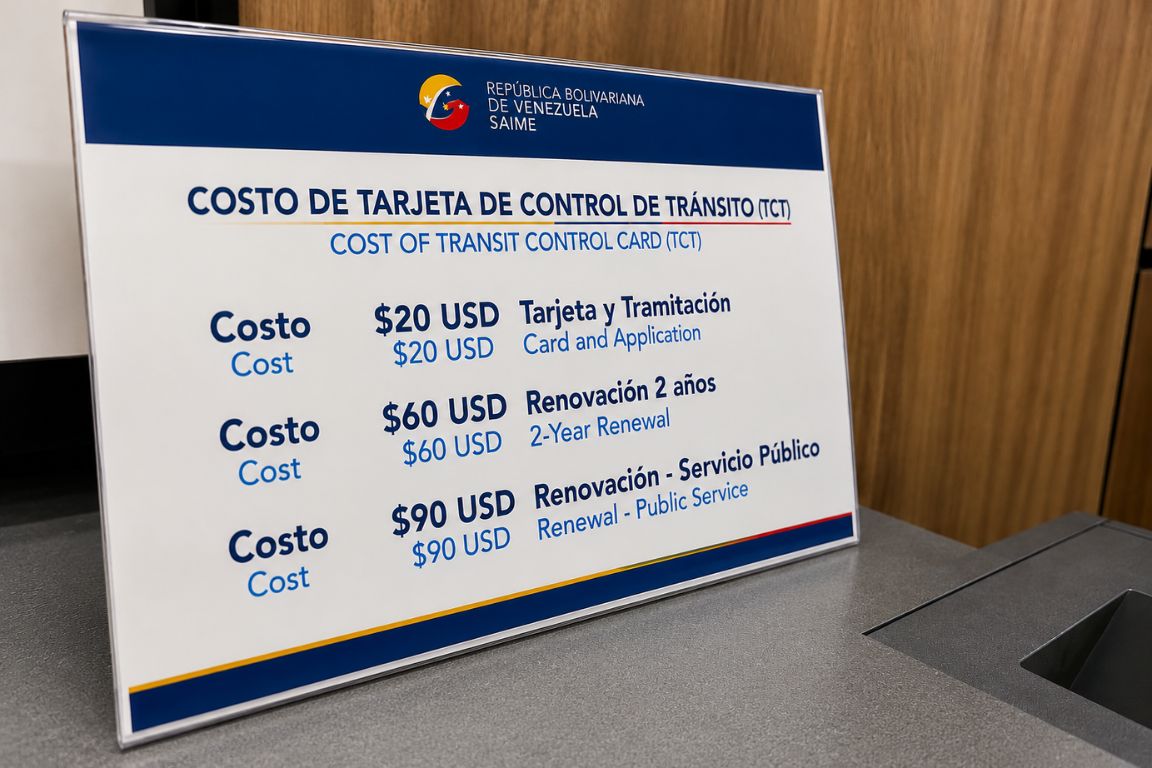
| Transit Control Card (TCT) | $20 per person, purchased online before your flight |
| Recommended cruise length | 8 days / 7 nights for families |
| Best itinerary for families | Eastern/central (calmer seas, sandy beaches) |
| Cost range per person (8-day) | $2,500 budget / $3,500–6,000 mid-range / $6,000-12,000+ luxury – Verified July 30, 2026 |
| How far in advance to book | 8 to 12 months for July/August departures |
| Sunscreen rules | Reef-safe only – standard chemical sunscreens are banned |
Are Galapagos Cruises Actually Good for Kids, or Is That a Marketing Line?
Galapagos cruises are genuinely great for kids, and it’s not marketing spin. The wildlife encounters here are structured, predictable, and close enough that even young children are immediately engaged. There are no long bus rides, no standing in queues at theme parks, no passive sightseeing. Every morning and afternoon on the islands, something real is happening right in front of you.
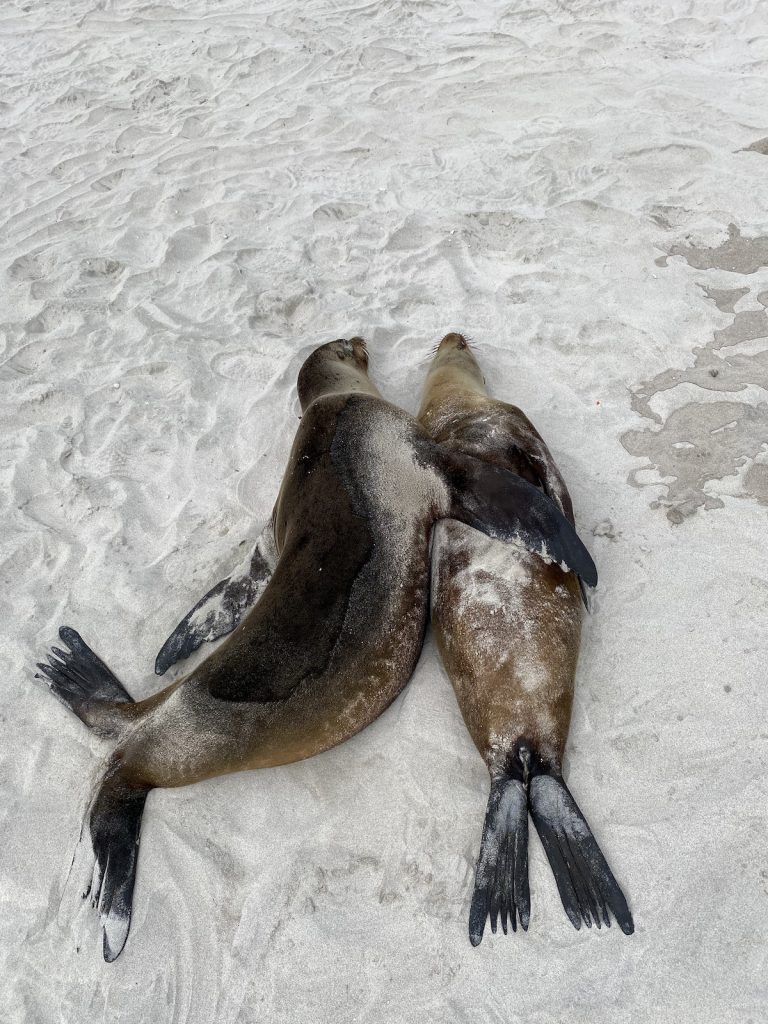
The first time a sea lion approaches a kid in the shallows, all the tablet time and screen fatigue in the world evaporates instantly. These animals have no fear of humans. They’ll drift past your child’s fins and surface two feet away, curious and unbothered. That kind of encounter isn’t replicated anywhere else on the planet, at any price.
The structure of a Galapagos cruise also helps families more than most people expect going in. You’re not coordinating taxis, choosing restaurants, figuring out what island to visit and how to get there. The ship handles all of that. Meals are on board. The guide meets you at the panga. Kids know what comes next. That predictability matters enormously when you’re managing young energy levels in a remote location.
The honest caveat is this: the Galapagos is an expedition destination, not a resort. There are no kids clubs, no waterslides, no daycare staff on board. If you have a child under four, there’s no getting around the fact that you’ll need to bring them on every landing or leave one parent behind on the boat. There are no bathrooms at most visitor sites on uninhabited islands. The terrain is volcanic and uneven. A lot of what makes this place extraordinary is also what makes it a bit demanding. But for families with kids who can hike a bit, tolerate sun, and get in the water, this is one of the best family trips on the planet. That’s not hype.
If you’re trying to figure out whether a Galapagos cruise actually makes sense for your family’s specific ages and energy levels, we’ve helped a lot of families think it through. Send us a quick message here and we’ll give you an honest read on whether a cruise is the right call or whether a land-based alternative makes more sense for your group.
We’ve got a full breakdown on the best Galapagos cruise for wildlife enthusiasts if you want to know exactly which vessels, routes, and naturalist guides give you the deepest wildlife experience in the archipelago.
What Age Is Right for a Galapagos Cruise with Children?
Most Galapagos cruise vessels set a minimum age of 6 to 7 years old, and that threshold exists for practical reasons: the daily activities involve open-water snorkeling, rocky terrain hikes, and zodiac transfers. Kids under 4 require a liability waiver on most ships, and the youngest children will need a parent with them at all times since there’s no childcare anywhere on the islands. The sweet spot for a truly memorable trip is ages 8 and up.
Six-year-olds can do this trip and have a wonderful time, especially on calmer itineraries with gentler landings. We’ve seen families with kids that age come back genuinely transformed by the experience. But at six, a child won’t retain as much, and the physical demands of daily excursions are real. Some days run from 7am through 5pm with two landings and snorkel sessions in between.
Ages 8 to 12 is where the Galapagos really clicks. Kids that age are curious enough to engage with the naturalist guide’s explanations of evolution and conservation, physically capable of keeping up on most hikes, and old enough to snorkel independently. The questions they ask the guides are often the best ones on the boat.
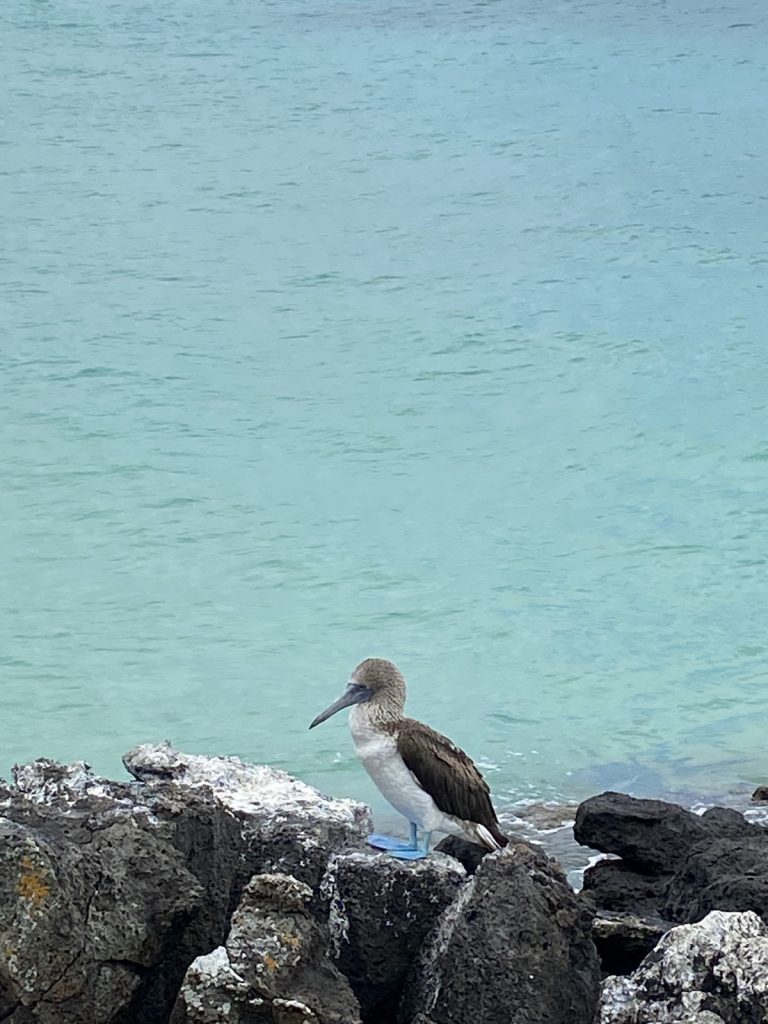
Teenagers? They tend to arrive with mild skepticism and leave having had one of the best trips of their lives. The Galapagos is extreme enough to hold the attention of even the most travel-weary 15-year-old. Seeing a marine iguana three inches from your foot or watching a blue-footed booby courtship dance in person does something to a teenager that no Instagram reel captures.
Which Cruise Class Works Best for Families: Budget, Mid-Range, or Luxury?
For most families, a mid-range vessel is the right choice. It offers comfortable interconnecting or family-friendly cabins, English-speaking naturalist guides, and included snorkel gear, without the price tag of luxury that adds several thousand dollars per person for amenities that don’t change the wildlife experience one bit. The wildlife is identical no matter which vessel class you board.
Here’s what the class difference actually means in practice. Budget vessels, priced around $250 to $430 per person per day, deliver the same islands and the same national park sites. But cabins can be small, guide English may be limited, and bunk-style beds make them impractical for families traveling with younger kids. Worth it for adults who want to stretch their money. Less ideal when you’re managing children for a week at sea.
Mid-range cruises run roughly $450 to $700 per person per night, and that extra spend buys you actual family infrastructure: larger cabins, interconnecting room options on select vessels, included snorkel equipment, guides with stronger credentials, and better food. For families, those aren’t luxuries. They’re what makes the trip workable.
Luxury sits at $800 per person per night and up, reaching $1,000 or more on the top-end yachts. The quality of the cabins, the cuisine, and the crew-to-guest ratio is noticeably better. The best naturalist guides in the islands tend to work on luxury vessels. If your budget allows it, the experience is worth the premium. But the sea lions don’t swim differently next to a luxury yacht. The tortoises are the same size.
| Class | Per Person / Day | 8-Day Per Person | Family Verdict |
|---|---|---|---|
| Budget | $250-$430 | $2,500-$3,500 | Tight for families; better suited to solo/couple travelers |
| Mid-range | $450-$700 | $3,500-$6,000 | Sweet spot for families – best balance of comfort and value |
| Luxury | $800-$1,500+ | $6,000-$12,000+ | Premium comfort; worth it if budget allows, not necessary |
Prices per person, double occupancy, cruise fare only. Add $200 park fee (adult) / $100 (child under 12), $20 TCT, domestic flights, and tips. Verified July 30, 2026.
Cruise class is where most families either overspend or underspend relative to what they actually need. If you want someone to match you to the right vessel based on your family size, kids’ ages, and what matters most, that’s exactly what we do. We’re a 4.9-star rated agency on Google and TripAdvisor. Fill out this short form and we’ll put together a no-obligation quote for your family.
Trying to find a Galapagos cruise that matches a high-end travel standard without compromising on wildlife access? Here’s the best Galapagos cruise for luxury travelers so you spend on the right ship.
Which Itinerary Is Best for Families with Kids?
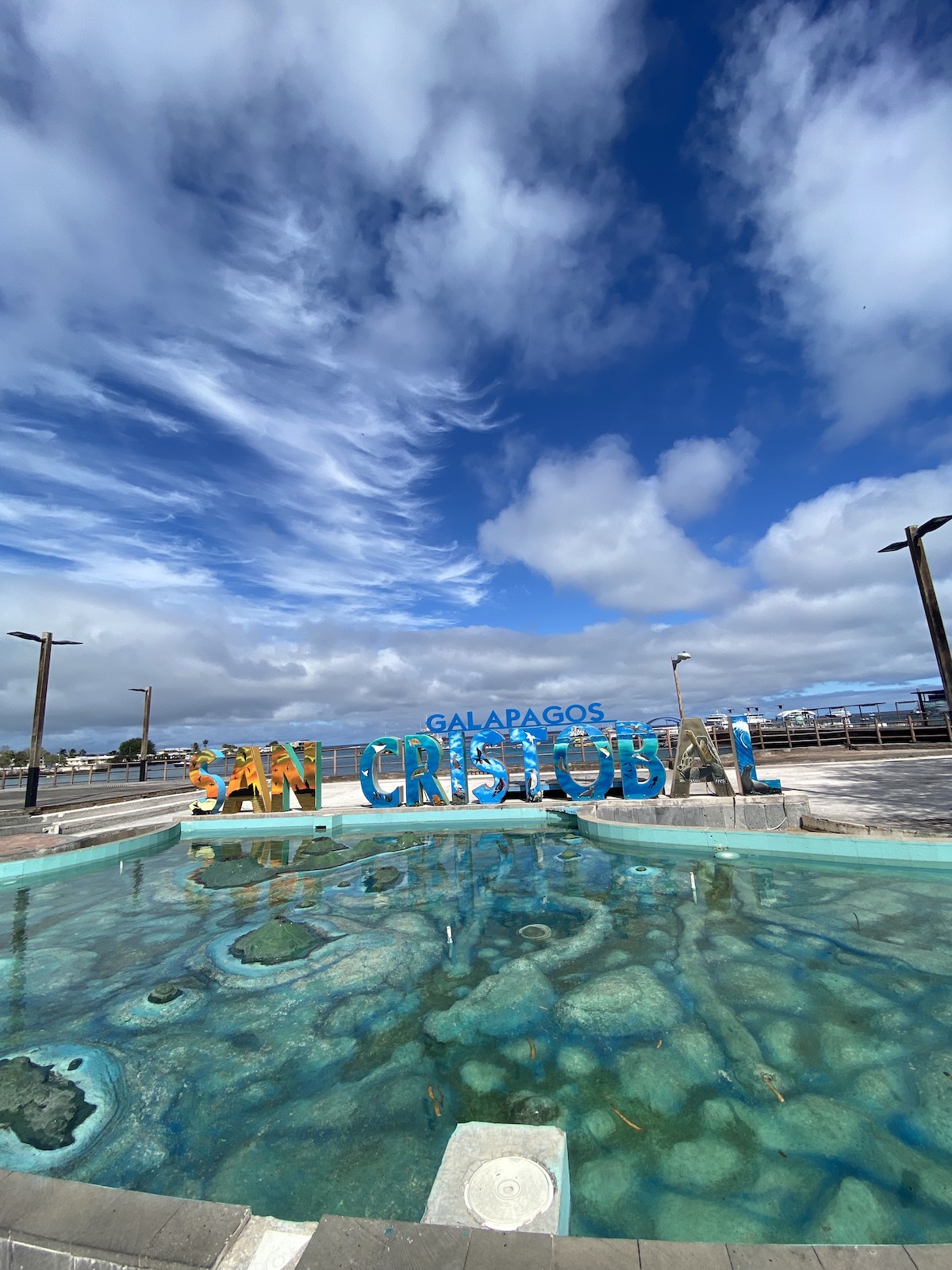
Eastern and central itineraries are the best fit for most families. They cover the calmer waters of the archipelago, feature the sandiest and most accessible beaches, and include the sites most kids connect with most: giant tortoises on Santa Cruz, sea lion colonies on San Cristobal, and world-class snorkeling on Bartolome. For families with older teens who can handle rougher crossings, the western loop adds dramatic volcanic landscapes and penguin sightings around Isabela and Fernandina.
The western route is beautiful. Nobody’s arguing that. But the Cromwell upwelling that makes the western islands so ecologically rich also makes the water cold, the crossings longer, and the terrain more rugged. We’ve had families come back from the west absolutely thrilled. We’ve also had a few wish they’d chosen something calmer for their first trip with young kids. The eastern and central islands give you the Galapagos greatest hits without the rougher passage.
On itinerary length, 8 days is the honest recommendation for families. It sounds like a long commitment, but the longer pace actually suits families better than shorter sailings. Four or five-day cruises are possible and can be wonderful, but by the time kids find their sea legs and the whole family settles into the rhythm of the ship, it’s time to disembark. Eight days gives everyone room to breathe. And it’s the only realistic way to reach the more remote sites that make the Galapagos feel truly otherworldly.
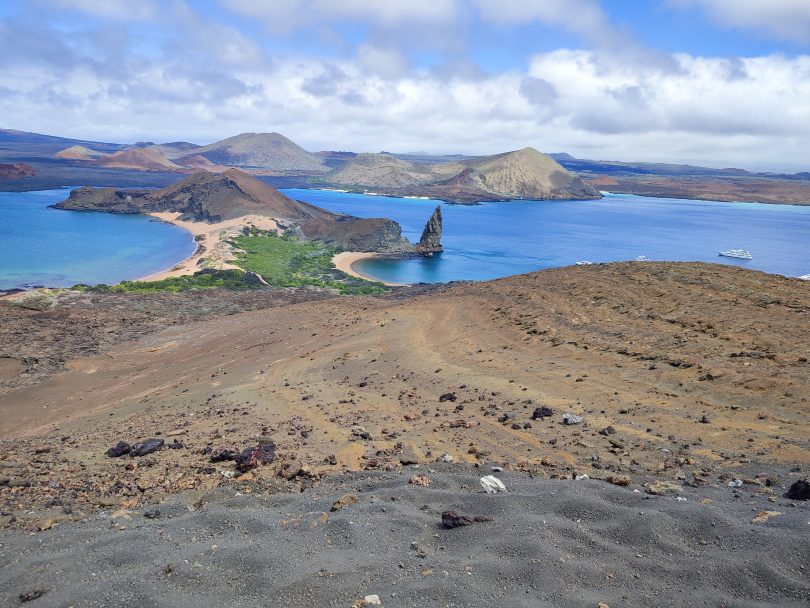
Gardner Bay on Española Island. Punta Cormorant on Floreana with its green sand and flamingo lagoon. Bartolome, where you get penguins, reef fish, sea lions, and one of the most photographed views in the entire Pacific Ocean from the summit. These aren’t checkbox sites. They’re the places families talk about for years afterward. An 8-day eastern itinerary gets you there.
Still comparing Galapagos cruise options as a photographer and not sure which ship and itinerary gives you the best conditions for the shots you came for? This guide on the best Galapagos cruise for photographers gives you a straight answer.
What Should Families Look for in a Galapagos Cruise Vessel?
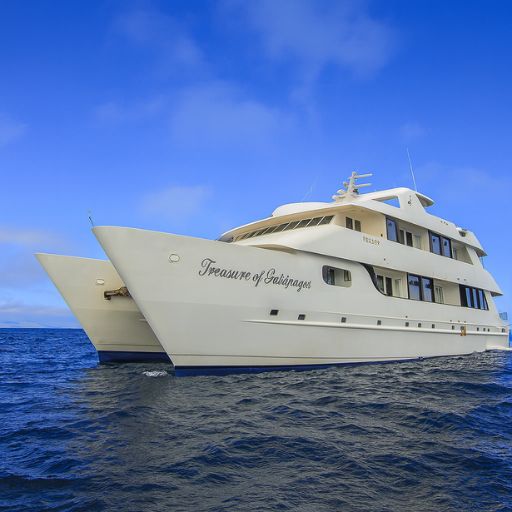
For families, the vessel checklist goes beyond star rating. Look for interconnecting or triple-bed cabins, included snorkel gear (not rental), naturalist guides who engage with children specifically, a catamaran or larger hull for stability in choppier crossings, and a crew-to-guest ratio that doesn’t leave you feeling anonymous. Smaller vessels of 16 to 20 guests tend to deliver more personalized attention, but medium-sized boats of 40 to 50 passengers often have the cabin configurations families need.
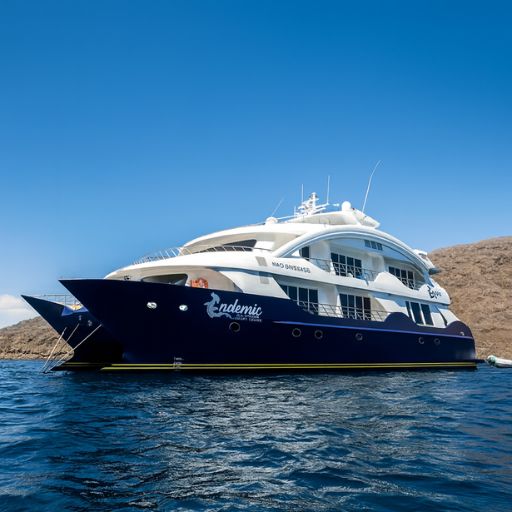
Cabin configuration matters more than most families realize before they book. Not all boats have interconnecting rooms. If you need your kids in an adjacent cabin you can access at night, that’s something to confirm before you put down a deposit. A handful of vessels including Sea Star Journey, Endemic, and Treasure of Galapagos are specifically noted for interconnecting cabin availability. Your agency should be verifying this at the time of booking, not guessing.
On guide quality: the best naturalist guides in the Galapagos are genuinely exceptional with children. They’re trained to read the group and shift their explanation level on the fly. We’ve watched guides who were mid-sentence explaining Darwinian finch adaptation suddenly pivot to a four-year-old’s level when a curious kid wandered up. That flexibility is a skill, and it varies widely. Guide caliber on mid-range and luxury vessels is generally higher, which matters when your kids are asking twenty questions per landing.
Seasickness is worth thinking about honestly. The Galapagos isn’t a glassy lake. Some crossings, especially on the western route, can be uncomfortable even on large vessels. Catamarans are significantly more stable than monohull motorized yachts, and that stability makes a difference when you have a child who’s never been on a boat. Scopolamine patches work very well for adults. For kids, consult your pediatrician before the trip and have a plan.
Narrowing down which specific vessel works for your family is genuinely the hardest part of planning this trip. There are dozens of boats and the specs change year to year. We track all of this so you don’t have to. Reach out here and tell us your family’s size, ages, and rough budget, and we’ll match you to two or three real options.
Not sure which Galapagos cruise handles rough channel crossings the best or which vessel types are genuinely easier on sensitive stomachs? Here’s the best Galapagos cruise for people who get seasick broken down by hull type and route.
What Do Kids Actually Do on a Galapagos Cruise?
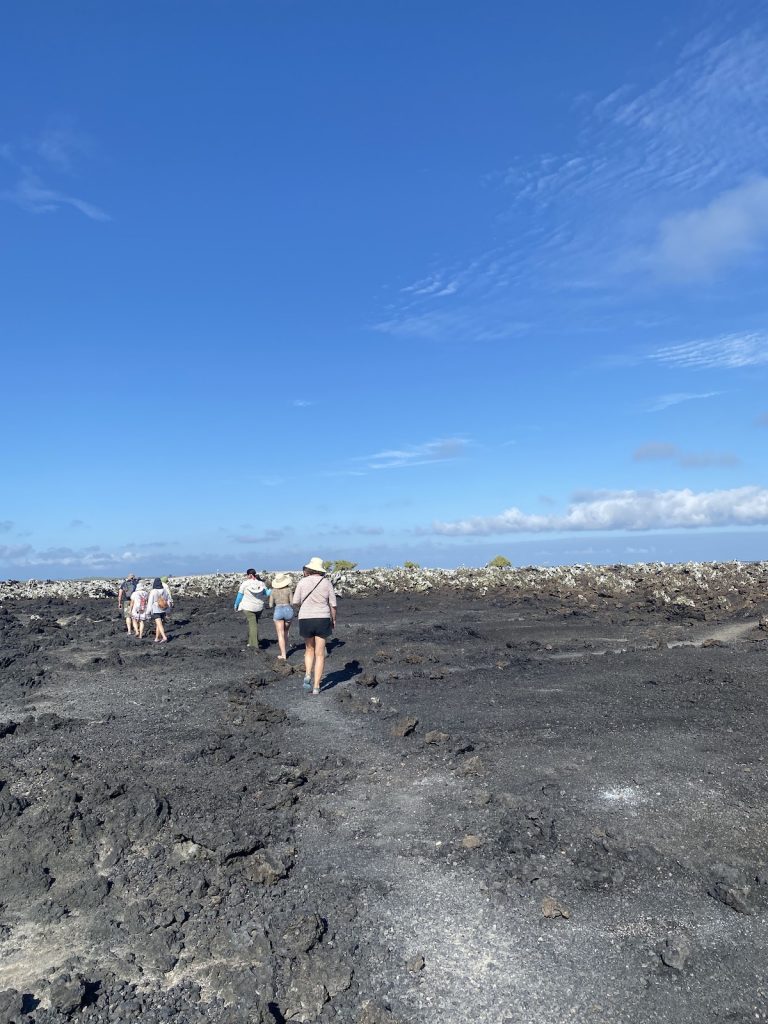
A typical Galapagos cruise day includes two guided excursions ashore, one or two snorkel sessions, and free time on the boat between landing sites. The morning landing usually runs two to three hours, the afternoon slightly shorter. Evenings include a guide briefing for the next day, dinner, and time on deck. It’s a structured, active schedule that happens to be perfect for kids who need to burn energy.
On land, kids are hiking volcanic trails alongside marine iguanas, watching blue-footed boobies perform their mating dance from three feet away, and photographing giant tortoises that weigh more than most cars. The two-meter rule from wildlife technically applies everywhere. The animals simply ignore it, which is the whole point.
In the water, snorkeling with sea lion pups is consistently what families describe as the defining moment of the trip. The pups are playful and curious and they will come to your kids. They blow bubbles. They spin. They surface right next to a child’s mask and stare. We’ve had parents tell us their kids came up crying the first time, not from fear but from something closer to overwhelm. Nothing prepares you for how present it feels.
On board between excursions, most vessels have lounge areas, board games, books, and some have tablets or small TV setups in cabins. But honestly? After two landings, most kids are tired enough to rest, talk about what they saw, and genuinely look forward to the next day’s briefing. The Galapagos has a way of making screens feel boring by comparison.
Snorkeling in the Galapagos is unlike anywhere else on the planet but the cruise you pick determines how much time you actually spend in the water. Here’s a full guide to the best Galapagos cruise for snorkelers so you book the right one.
What Are the Biggest Mistakes Families Make Booking a Galapagos Cruise?
The most common mistakes we see families make: booking too short a cruise, not verifying cabin configurations before paying a deposit, underestimating the physical demands on younger children, and showing up at the airport without enough USD cash for the park fee. Each of these is avoidable with ten minutes of planning.
The cash issue trips up more families than you’d expect. The Galapagos National Park fee is $200 per adult and $100 per child under 12, paid in USD cash at the airport on arrival. There are no ATMs at Baltra airport. A family of four with two kids under 12 needs $600 in cash, minimum, just for park entry. Bring more than you think you need. Banks in Quito are your last realistic opportunity.
Booking a 4-day cruise to “try it out” with kids almost always leaves families wishing they’d booked longer. By day two, the kids know the crew’s names. By day three, they’re asking to stay. A short cruise ends right as the magic kicks in. If budget is the constraint, a 5-day cruise beats a 4-day. An 8-day beats a 5-day.
Not verifying cabin type is the other big one. Families often book based on price and vessel class, then find out at boarding that their cabins aren’t adjacent, or that the twin configuration they assumed turns out to be two single bunks in one small room. Confirm in writing before you pay the deposit.
The last thing families get wrong: underestimating their youngest child’s stamina. Two guided excursions a day in equatorial heat is legitimately tiring for adults. For a seven-year-old who didn’t sleep well the night before because the boat was rolling, it can be a lot. Build in one or two lighter days on your itinerary expectation if you’re bringing kids under eight.
First time trying to plan a Galapagos cruise on a tight budget and not sure if it’s even realistic to get a good experience at the lower price points? Our guide on the best Galapagos cruise for budget travelers walks you through what’s actually possible.
How Much Does a Family Galapagos Cruise Cost?
A family of four (two adults, two kids under 12) on an 8-day mid-range Galapagos cruise should budget between $18,000 and $30,000 all-in for the cruise alone, before flights from home. That includes cruise fares, park entry fees, Transit Control Cards, domestic Ecuador flights, and gratuities. It’s a significant investment. It’s also, consistently, one of the trips families say they’d do again without hesitation.
Breaking it down: cruise fares on a mid-range vessel run roughly $3,500 to $6,000 per person for 8 days. Kids under 12 sometimes qualify for a 10 to 15 percent discount on certain vessels and departure dates, which is worth asking about explicitly. Park entry adds $200 per adult and $100 per child. Domestic flights from Quito or Guayaquil add $250 to $600 per person round-trip. Tips for guides and crew typically run $150 to $200 per cabin. A realistic all-in estimate for a family of four on a mid-range 8-day cruise sits between $22,000 and $28,000, excluding international airfare.
| Cost Item | Per Adult | Per Child (under 12) | Family of 4 Total |
|---|---|---|---|
| 8-day mid-range cruise fare | $3,500-6,000 | $3,000-5,500 (discounts vary) | $13,000-$23,000 |
| Park entry fee | $200 (cash) | $100 (cash, under 12) | $600 |
| Transit Control Card (TCT) | $20 | $20 | $80 |
| Domestic Ecuador flights | $250-600 | $250-600 | $1,000-2,400 |
| Gratuities (guide + crew) | ~$150-200 | ~$75-100 | ~$450-600 |
| All-in estimate (mid-range) | ~$15,000-$26,500 |
Cruise fares per person double occupancy. Park fees cash only at Galapagos airport. Excludes international flights and pre/post Ecuador accommodation. Verified July 30, 2026.
One thing worth knowing: some operators offer meaningful discounts for children up to age 17 on selected family departure dates. Ecoventura, for example, has offered 15 percent off for travelers 17 and under on specific sailings, with additional adult discounts stacked on top for family bookings. These deals aren’t always listed publicly. Asking specifically about family pricing before booking is worth five minutes of your time and can save hundreds per child.
The atmosphere on a Galapagos cruise changes significantly depending on who else is on the boat. Here’s the best Galapagos cruise for adults only so you end up on a ship with the right energy for the trip you actually want.
What We’ve Learned from Thousands of Family Cruise Travelers
From the thousands of Galapagos cruise travelers Oleg has interviewed through mytrip2ecuador.com and the YouTube channel, some consistent patterns emerge among families specifically. The data below reflects aggregate feedback from family groups collected over multiple seasons.
| Insight | Result | Notes |
|---|---|---|
| Families who wish they’d booked longer | ~72% | Strongest among families who booked 4 or 5-day cruises |
| Kids who said snorkeling with sea lions was the highlight | ~81% | Consistent across all age groups from 7 to 17 |
| Families who were surprised by kids’ engagement | ~65% | Parents expected more resistance, especially in teens |
| Families who had a child experience significant seasickness | ~28% | Higher on western itineraries and monohull vessels |
| Families who would recommend a cruise over land-based | ~87% | Primary reason: structure and remote island access |
| Families who wished they’d brought more USD cash | ~44% | Most commonly due to underestimating park fees for the group |
The Things That Trip Families Up (That Nobody Mentions)
The reef-safe sunscreen rule catches families completely off guard. Standard sunscreens containing oxybenzone or octinoxate are explicitly banned in the Galapagos. You won’t be turned away at the gate, but guides will ask you not to use them before snorkeling. Bring reef-safe products from home. The limited supply available on Santa Cruz runs out and costs two to three times the North American price.
Nobody tells families about the biosafety inspection before boarding the Galapagos flight. All bags go through a physical biosecurity check at the Quito or Guayaquil airport. This adds time. With kids in tow, underestimating this step and arriving two hours before the flight is how families miss departures. Arrive 2.5 hours early, minimum.
The FRA customs form is newer. As of July 2025, every traveler entering Ecuador needs to complete the FRA form online before arrival. With kids on the trip, this means completing one form per person, including minors. Do this before you leave home, not in the departure lounge while managing luggage and children simultaneously.
And then there’s the question of what to do with kids who can’t snorkel yet. Most families don’t think about this until they’re in the water and realize their eight-year-old can’t keep a mask on. The answer is: bring snorkel gear for the kids from home, spend thirty minutes in the hotel pool in Quito practicing before the cruise, and get comfortable with using a life vest in the water. A kid who’s comfortable floating with a vest can have most of the snorkel experience even without refined technique. Don’t leave this to chance.
Frequently Asked Questions
Can babies or toddlers go on a Galapagos cruise?
Technically yes, but it requires extra planning and a liability waiver on most vessels. The Galapagos is an expedition destination with no daycare, no bathrooms at most visitor sites, and rugged terrain. If your child is under four, one parent will need to stay on board during some excursions. We generally recommend waiting until the youngest child is at least six before booking a cruise itinerary.
Do kids get discounts on Galapagos cruises?
Some operators offer discounts of 10 to 15 percent for children, and some family-specific departure dates include stacked discounts for adults as well. The national park entry fee is already discounted at $100 for kids under 12 versus $200 for adults. Always ask your agency about family pricing specifically before you finalize a booking.
Is seasickness a problem for kids on Galapagos cruises?
It can be, depending on the route and vessel type. The western itinerary has the roughest crossings. Catamarans are significantly more stable than monohull yachts. For kids prone to motion sickness, choose a catamaran hull, book an eastern or central itinerary, consult your pediatrician about medication, and bring Bonine or a scopolamine patch option for adults in the group.
What’s the best time of year for a Galapagos family cruise?
The warm season from December through May offers calmer seas, warmer water, and better beach conditions, making it ideal for families with younger children. The cool season from June through November brings choppier seas on some routes but better visibility for snorkeling and more marine life activity. July and August are peak family travel months and the hardest to book.
How far in advance should families book a Galapagos cruise?
For July and August departures, book 10 to 12 months out. Family-friendly vessels with interconnecting cabins and kid-friendly guides have the most limited inventory of any vessel type. Mid-range vessels in other months can sometimes be booked 4 to 6 months out, but the cabin configurations families need go first.
Is a Galapagos cruise or land-based trip better for families?
A cruise wins for most families, for one straightforward reason: access. The most extraordinary wildlife sites in the archipelago are only reachable by liveaboard vessel. Land-based tours are more flexible and easier with very young children, but they cover a fraction of the islands. If your kids are 6 and up, a cruise delivers the kind of experience that a land-based trip simply cannot match.
Planning a Galapagos cruise with kids takes more coordination than a standard adult trip. Cabin configurations, minimum age policies, family pricing, seasickness considerations, itinerary calmer versus more active, the list of things to confirm before booking is genuinely long. We do this every day and we’re rated 4.9 stars on both Google and TripAdvisor because we get it right for families. If you’re ready to start planning, or even just trying to figure out whether this trip makes sense for your family’s ages and budget, tell us a bit about your group. Get in touch here and we’ll get back to you with an honest, no-pressure recommendation.
Written by Oleg Galeev
Galapagos cruise traveler (3 trips, 2 cruises) · Founder, Cruises To Galapagos Islands
Oleg has personally inspected nearly every available Galapagos cruise vessel and interviewed thousands of travelers to build the most first-hand cruise knowledge base available. He also runs the Ecuador travel blog mytrip2ecuador.com and the YouTube channel My Trip to Somewhere.
Cruises To Galapagos Islands is rated 4.9 stars on Google and TripAdvisor.
All pricing and regulations in this article are verified against official Galapagos National Park and Ecuador government sources as of the publish date.