Galapagos Liveaboard Dive Boats: Complete Guide
Ready to pick a ship? See compare all Galapagos cruise ships by price, size and class.
Quick Facts: Galapagos Liveaboard Dive Boats
| Category | Details |
|---|---|
| Typical trip length | 7 to 10 nights; most common is 8 days / 7 nights |
| Price range | $6,000-$8,000+ per person for 8 days (cruise only) |
| Dives per day | 3 to 5 dives daily; some night dives included |
| Total dives per trip | Up to 20+ dives on a 7-night itinerary |
| Minimum certification | Advanced Open Water (equivalent); minimum 50 logged dives; Nitrox strongly recommended |
| Recommended experience | 50-100 logged dives; drift diving experience; comfort in strong currents |
| Exclusive access | Darwin and Wolf Islands (inaccessible to nature cruise vessels) |
| Water temperature | 60-82°F (15-28°C) depending on season and site |
| Typical passenger count | 16 divers maximum |
| Park entrance fee | $200/adult (USD cash; often paid in advance by operator) |
| Hyperbaric chamber fee | ~$35 per person (mandatory; paid on arrival or in advance) |
| TCT card | $20/person (online before flight via CGREG portal) |
| Land excursions | Limited; focus is diving, not wildlife walks |
Prices verified July 20, 2026. Park fees verified against official Galapagos National Park records.
What Is a Galapagos Liveaboard and How Is It Different from a Regular Cruise?
A Galapagos liveaboard is a dedicated scuba diving vessel where the entire itinerary, schedule, and on-board infrastructure centers on diving. Passengers are divers. The vessel carries dive equipment, fills tanks with air and Nitrox, deploys dedicated dive skiffs to sites, and runs 3 to 5 dives daily. Nature cruise vessels carry snorkelers and wildlife walkers to the same main islands but cannot access the remote northern dive sites of Darwin and Wolf. That geographic exclusivity is the defining difference.
On a regular Galapagos wildlife cruise, you spend mornings and afternoons on shore trails and in the water snorkeling. The boat repositions between islands overnight. The experience is built around observing the Galapagos from above and just below the surface. A liveaboard flips that entirely. The days are structured around dive windows, surface intervals, and equipment management. Shore walks are either minimal or absent. The wildlife you’re there to see is underwater, not on lava paths.
Only six dedicated liveaboard dive boats currently operate in the Galapagos. This is an intentionally small and regulated fleet. The National Park controls permits tightly, which means booking windows, dive site management, and vessel numbers are all constrained in ways that protect the marine environment and limit visitor pressure at the most sensitive sites. A spot on a Galapagos liveaboard isn’t something you pick up last minute on peak dates. The best departures book out 6 to 12 months in advance.
Where Do Liveaboards Go That Regular Cruises Can’t?
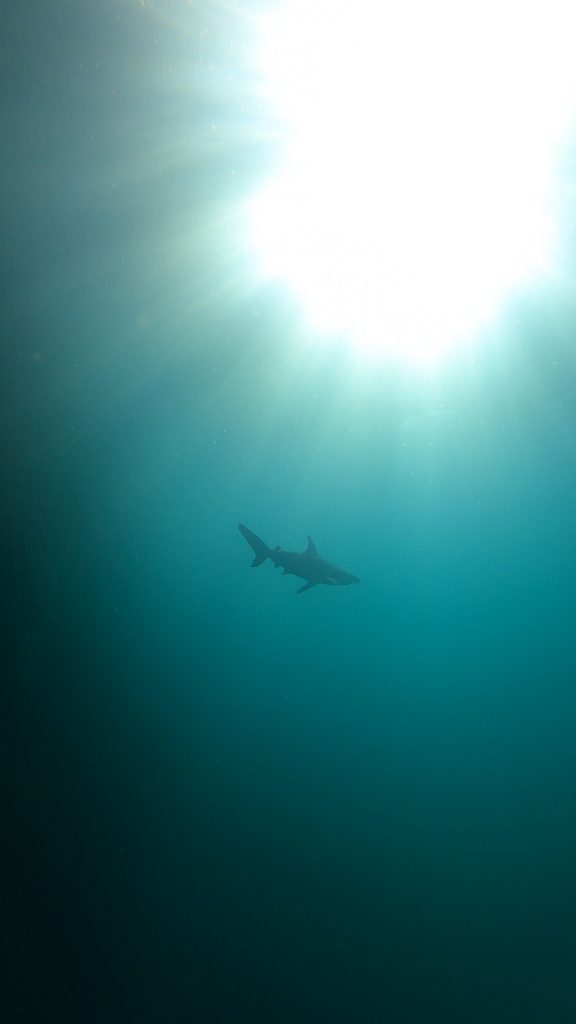
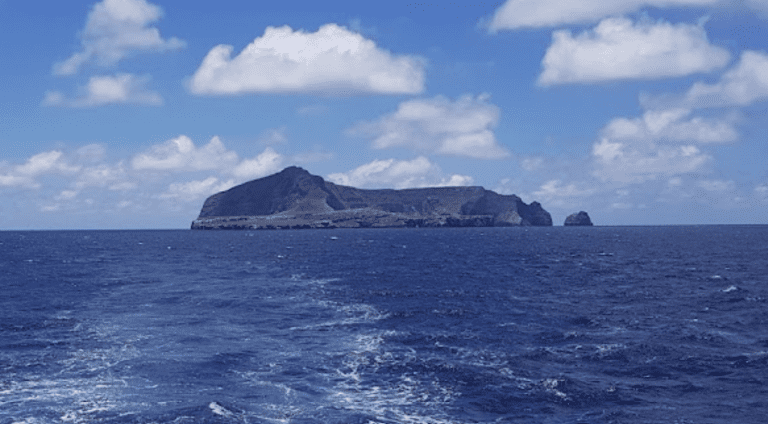
Darwin and Wolf Islands are the answer. Located in the far north of the Galapagos archipelago, Wolf Island sits 26 hours of navigation from Santa Cruz, and Darwin Island is another 4 hours beyond that. No nature cruise vessel can access them. They are liveaboard-only sites. These two islands contain the world’s highest shark biomass per area, including year-round schools of scalloped hammerheads, Galapagos sharks, and seasonal aggregations of whale sharks between June and November. Nothing in Galapagos diving compares.
Darwin’s Arch, or more accurately since its 2021 collapse, Darwin’s Columns, is the signature site. Before the arch collapsed, it was one of the most photographed underwater formations on earth. The columns that remain still frame the same extraordinary marine action: hammerheads in disciplined formations, whale sharks cruising through like slow-moving freight, manta rays stacking in the thermocline. The collapse changed the geometry of the site but not what lives there.
Wolf Island’s Shark Bay (Bahia de Tiburones) operates at a different register. Where Darwin feels cinematic and vertical, Wolf is kinetic and reef-close. Galapagos sharks and whitetip reefs work the bottom structure while silky sharks patrol the water column above. The combination of reef diversity and pelagic action in one dive is what makes Wolf a separate destination in its own right rather than just a stopover between Darwin and the central islands.
Central island sites accessible on liveaboard itineraries also include locations restricted to liveaboards that nature cruise snorkelers can’t reach. Cousins Rock, for example, is now exclusively liveaboard-access. The combination of Darwin, Wolf, and central island sites unavailable to day-trip or nature cruise vessels gives a liveaboard itinerary a scope that no other format in the Galapagos can match.
Liveaboard vs Nature Cruise: What Each Can Access
| Site / Feature | Liveaboard | Nature Cruise | Land-Based Day Dive |
|---|---|---|---|
| Darwin Island | Yes | No | No |
| Wolf Island | Yes | No | No |
| Cousins Rock | Yes | No | No |
| Kicker Rock (snorkel) | Some vessels | Yes | Yes |
| Central island shore walks | Limited / brief | Yes, daily | Yes |
| Night dives | Yes (conditions permitting) | No | Some operators |
| Hammerhead schools (consistent) | Yes (Darwin/Wolf) | Rare, surface level | Some central sites |
| Whale shark season encounters | Yes (Jun-Nov, Darwin) | No | No |
Based on current National Park permit structure. Verified July 2026.
If you’re trying to decide between a liveaboard and a nature cruise, or wondering whether the diving alone justifies the trip cost, we can give you an honest comparison based on your specific diving background and what you want to see. Send us a message here and we’ll give you a straight answer.
What to Expect On Board: Cabins, Food, and Dive Facilities
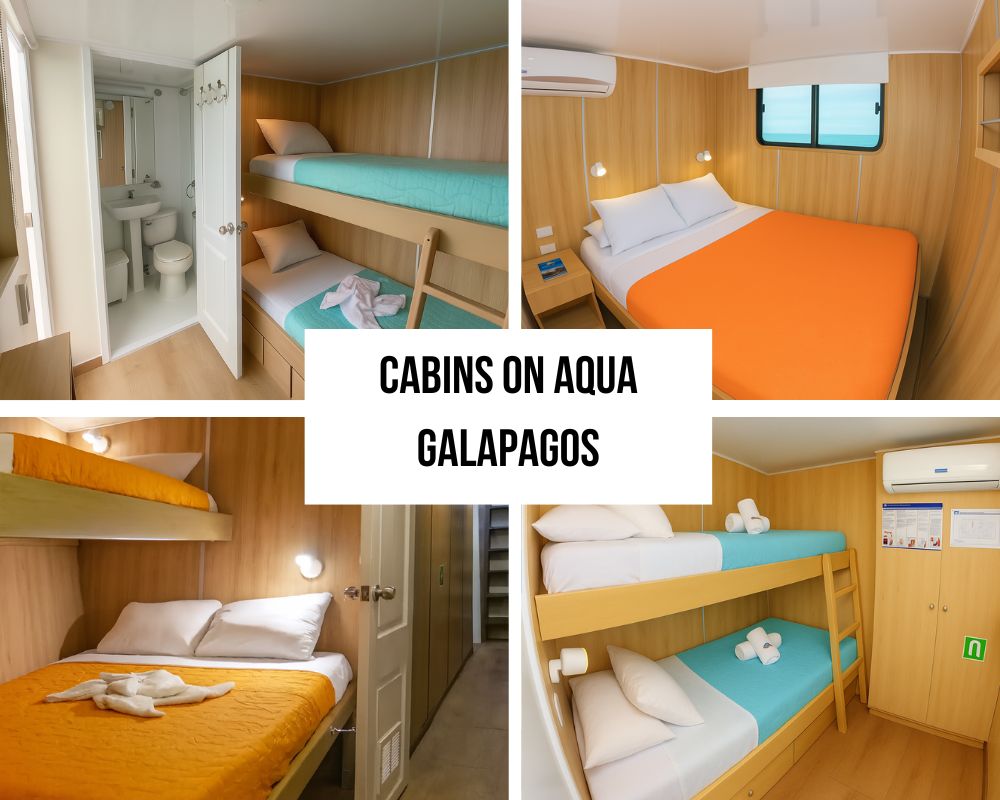
Galapagos liveaboards carry 16 divers in 8 to 9 cabins with private bathrooms, air conditioning, and either twin or queen beds depending on the vessel. Common areas include a salon/dining room, sun deck, and dedicated dive deck with individual gear stations, tank filling systems for air and Nitrox, camera rinse tanks, and wetsuit drying areas. Food is chef-prepared and plentiful but not gourmet. The focus is fueling divers between sessions, not fine dining. Most vessels include local beer and soft drinks; imported alcohol is usually extra.
The dive deck is the heart of the boat. On a well-equipped liveaboard like the Galapagos Sky or Tiburon Explorer, each diver has a dedicated gear bin, personal equipment hanging space, air and Nitrox fill stations at the bin, and freshwater rinse tanks for cameras and equipment nearby. The skiffs that take divers to sites are separate from the main vessel and purpose-built for quick entry and exit in current-challenged conditions. The quality of this infrastructure matters more than cabin size on a liveaboard. A diver spending 5 hours a day underwater cares more about a functional gear station than a luxury mattress.
Cabins are functional rather than luxurious on most vessels. Twin or queen beds, private bathrooms, air conditioning, and enough storage for a week of dive gear. The Tiburon Explorer sits at the upper end with queen or twin beds and ocean-view portholes. The Galapagos Aqua provides adequate accommodation at a more accessible price point. Regardless of vessel, plan to spend most of your waking hours on the dive deck or in the water.
The location of your cabin on the vessel matters more than most first-time cruisers expect. Here’s a guide to Galapagos cruise cabin types so you understand what you’re choosing between and which upgrades are actually worth the extra cost.
Dive Conditions, Experience Requirements, and Best Season
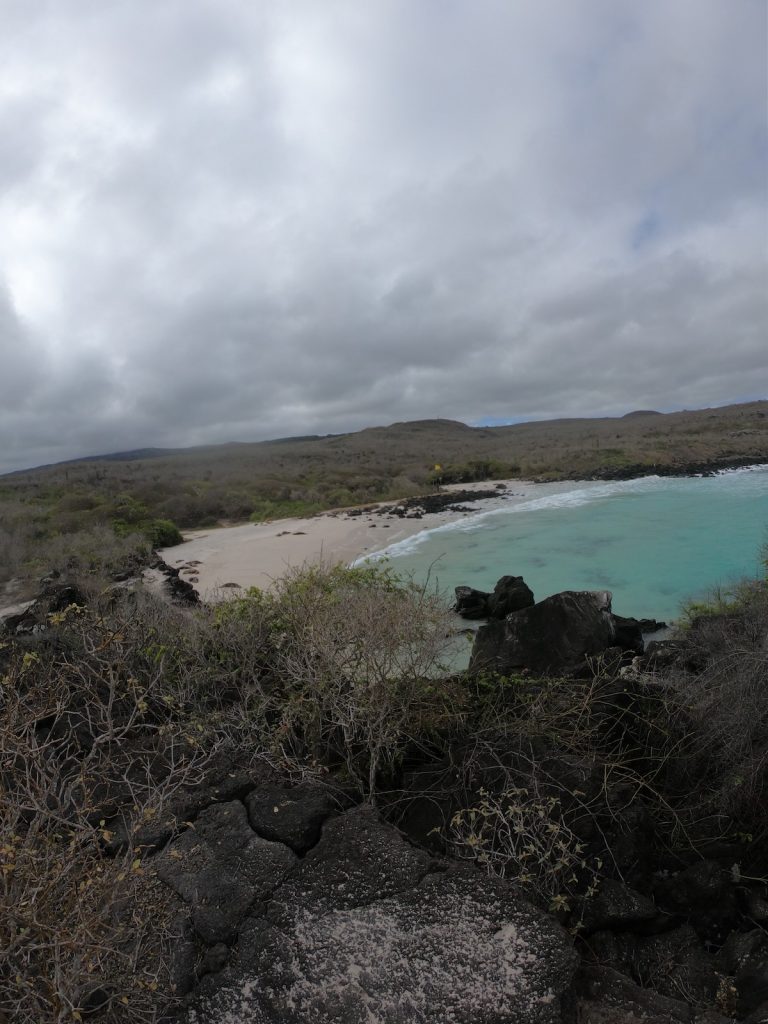
Galapagos diving is cold, current-driven, and deep by recreational standards. Water temperatures range from 60°F (15°C) at depth in the cold season to 82°F (28°C) at the surface in the warm season. Currents at Darwin and Wolf can be strong and unpredictable. Minimum requirements across most liveaboards are Advanced Open Water certification, 50 to 100 logged dives, drift diving experience, and Nitrox certification (which can be obtained on board for around $250 if needed). This is not beginner diving.
The cold water is what makes the Galapagos so biologically productive and so demanding for divers simultaneously. The Humboldt Current brings nutrient-rich cold water from the south that feeds the extraordinary marine food chain, including the planktonic blooms that attract whale sharks. That same current drops visibility and requires a 7mm wetsuit or dry suit at Darwin and Wolf, particularly from June through November. Divers who came from the Red Sea or Caribbean expecting warm, calm, clear water get a significant adjustment.
Negative entries from inflatable skiffs in current are standard. These aren’t skills you acquire on the day. They require practice and comfort with controlled descents in moving water. Any operator worth booking with will ask specifically about your experience with these techniques during the booking process. If they don’t ask, that’s a signal worth paying attention to.
Dive Conditions by Season at Galapagos Liveaboard Sites
| Season | Water Temp | Visibility | Currents | Highlights |
|---|---|---|---|---|
| Jun-Nov (Cold/Dry) | 60-72°F (15-22°C) | 10-20m; can be reduced by plankton | Strong; Humboldt Current active | Whale sharks, massive hammerhead schools, manta rays; peak pelagic season |
| Dec-May (Warm/Wet) | 72-82°F (22-28°C) | 15-30m; cleaner water | Moderate; more variable | Better visibility; hammerheads year-round; manta rays Dec-May; warmer water |
| Best overall season | Jun-Nov for pelagic density; Dec-May for visibility and comfort |
Conditions at Darwin and Wolf Islands. Verified July 2026.
Best Galapagos Liveaboard Vessels Worth Booking
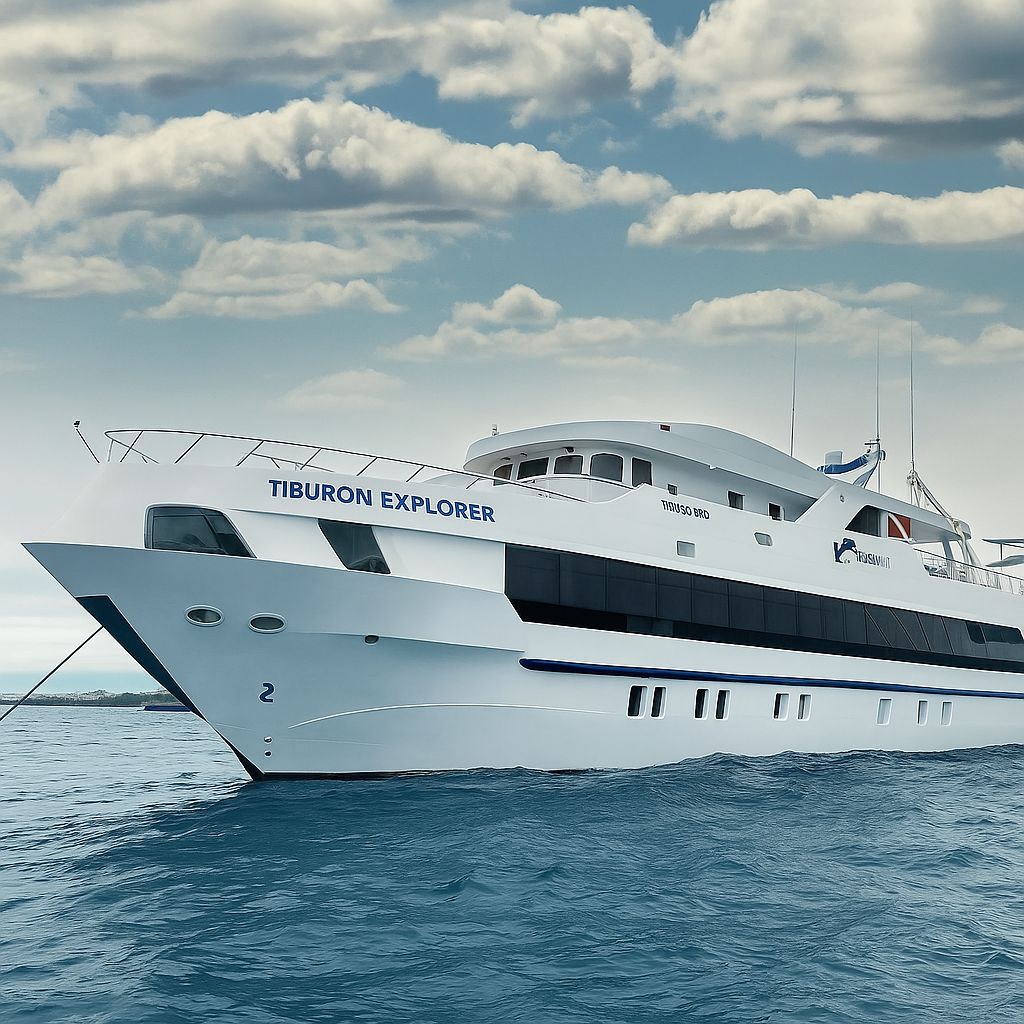
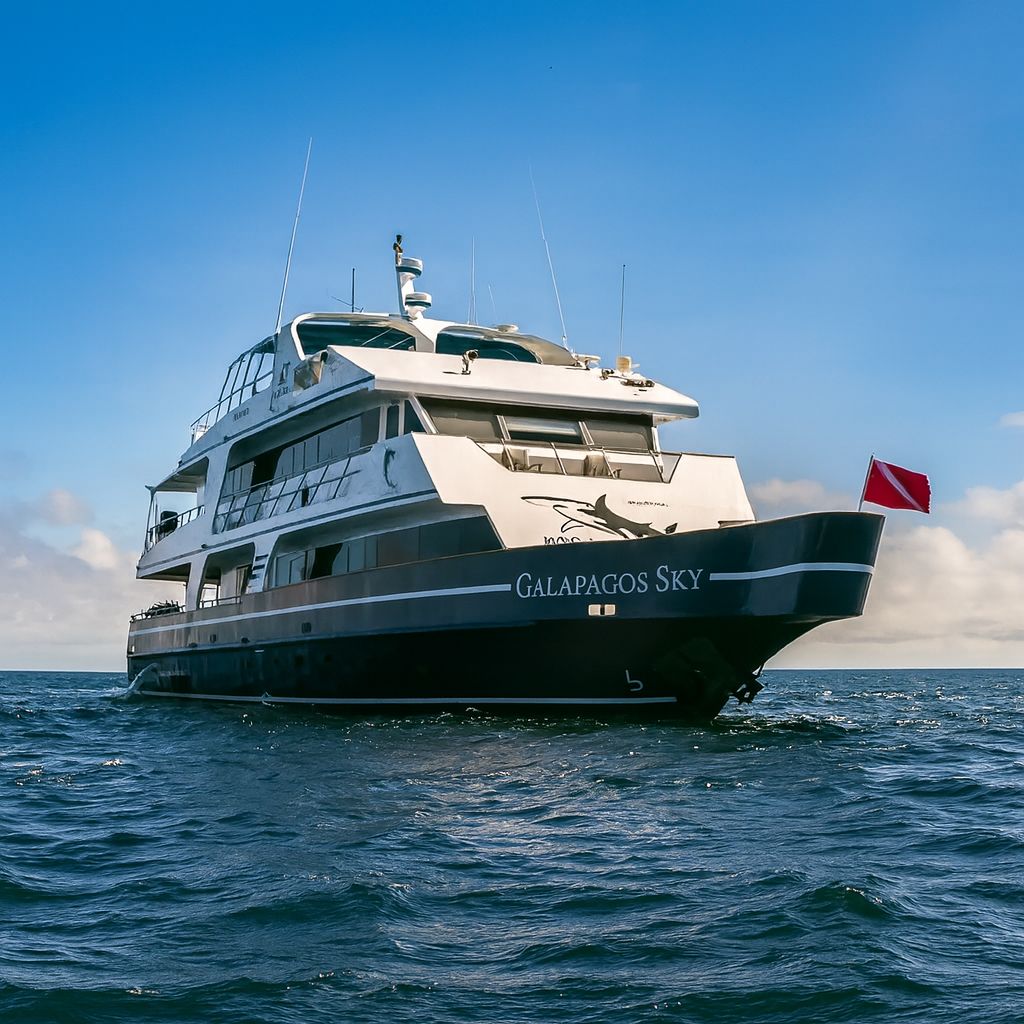
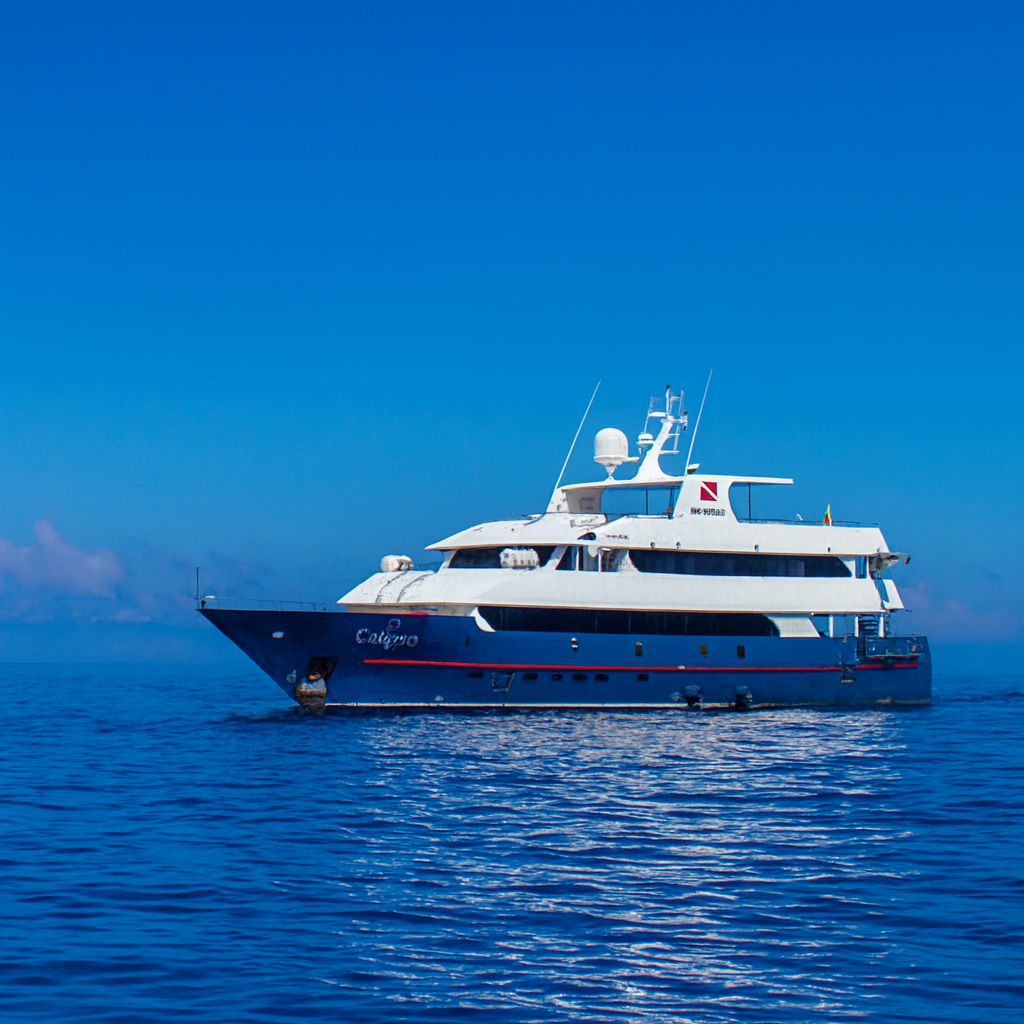
Around six dedicated liveaboards currently operate in the Galapagos. The Galapagos Sky is the most experienced, launched in 2010 under Peter Hughes operations, consistently including Darwin and Wolf on every 7-night itinerary. The Tiburon Explorer is built by divers for divers with the best dedicated dive infrastructure in the fleet. The Humboldt Explorer offers reliable operations with a jacuzzi for post-dive recovery. The Galapagos Master and Galapagos Aggressor III round out the core fleet. The Calipso adds dive capabilities to a naturalist vessel profile.
The Galapagos Sky’s 100-foot steel hull and experienced crew make it the most straightforward recommendation for first-time Galapagos liveaboard divers. Three days at Darwin and Wolf on every 7-night departure, experienced English-speaking divemasters at a ratio of 1:8, Nitrox included from 2026, and a track record spanning fifteen years of operations in these waters. For divers who don’t want to research the fleet extensively, the Sky is the safe default.
The Tiburon Explorer attracts divers who care about dive infrastructure specifically. Individual gear bins with integrated fill stations, a built-out camera system, and purpose-designed skiffs give it an operational smoothness that vessels converted from other uses don’t always match. Queen or twin beds and private en-suite bathrooms sit at the comfortable end of liveaboard accommodation. It runs at the upper price tier but delivers clear value for the money spent.
First time booking a Galapagos cruise and not sure what the naturalist guide role actually involves? Our guide walks you through what they do on landings, on the boat, and in the water and why it’s worth asking about before you book.
Galapagos Liveaboard Vessels Compared
| Galapagos Sky | 16 | from $7,495 | Yes; 3 days | Most experienced; reliable default |
| Tiburon Explorer | 16 | from $7,295 | Yes | Best dive infrastructure; camera-ready |
| Humboldt Explorer | 16 | from $6,295 | Yes | Jacuzzi; solid value; good reviews |
| Galapagos Master | 16 | from $6,426-$7,140 | Yes | 105-foot vessel; larger social areas |
| Galapagos Aggressor III | 16 | from $5,474-$7,300 | Yes | Brand recognition; 4 dives/day + 2 night dives |
| Calipso | 16 | from $6,375-$6,555 | Yes | Also runs naturalist itineraries; confirm dive-specific booking |
Prices from 2026 departure listings. Prices verified July 2026. Contact operators for current availability.
Liveaboard spots at Darwin and Wolf fill fast, particularly for the June through November whale shark season. If you’re planning a Galapagos dive trip, the earlier you start comparing options the better your vessel and cabin choice will be. Reach out here and we’ll help you compare current availability.
We’ve got a full breakdown on the 16-passenger Galapagos yacht if you want to know exactly why the smaller format consistently outperforms larger ships on the experiences that actually matter out there.
Cost Breakdown: What a Liveaboard Actually Costs All-In
The cruise rate covers the cabin, all meals, air and Nitrox tank fills, divemasters, and transfers from the Galapagos airport to the vessel. It does not cover international or domestic flights, the $200 National Park entrance fee, the mandatory hyperbaric chamber fee (around $35), the $20 Transit Control Card, dive equipment rental if needed (around $250 per week), dive insurance, or tips. A realistic all-in budget for a 7-night Galapagos liveaboard from the continental US runs $10,000 to $14,000 per person.
Realistic All-In Cost: 8-Day Galapagos Liveaboard (2026)
| Cost Item | Typical Range | Notes |
|---|---|---|
| Cruise rate (8 days) | $5,474-$7,495 | Includes cabin, meals, tanks, dives, divemasters |
| International flights (US/Europe to Ecuador) | $800-$1,500 | Quito or Guayaquil hub |
| Domestic flights (mainland to Galapagos) | $250-$400 return | Book early; fills fast in peak season |
| National Park entrance fee | $200 (USD cash) | Often paid in advance by operator; confirm |
| Hyperbaric chamber fee | ~$35 | Mandatory for all divers; paid on arrival or in advance |
| Transit Control Card (TCT) | $20 | Complete online before flight via CGREG portal |
| Equipment rental (if needed) | ~$250 | BCD, reg, wetsuit, computer; bring own to save |
| Dive insurance | $50-$150 | DAN or equivalent; strongly recommended |
| Nitrox (if not certified or not included) | $200-$250 | Included on some vessels from 2026 |
| Tips (divemaster and crew) | $200-$400 | $10-$15 per person per day is standard |
| Realistic all-in total | $9,500-$13,000+ | Per person; before pre/post-trip mainland accommodation |
All costs verified July 2026. Individual operator inclusions vary; confirm before booking.
Who Should Book a Liveaboard (and Who Shouldn’t)
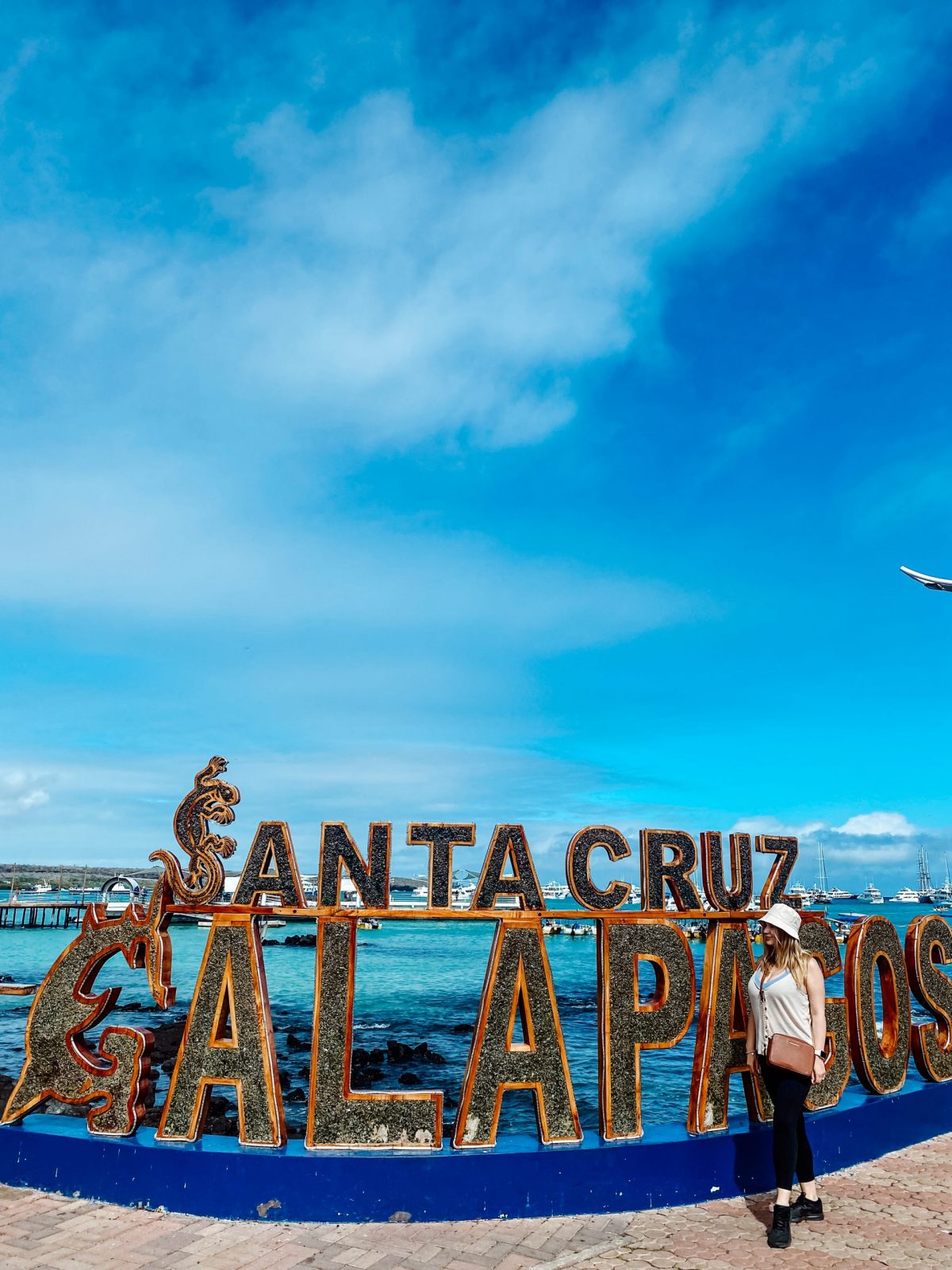
Book a liveaboard if scuba diving is your primary reason for visiting the Galapagos, if you hold Advanced Open Water certification with 50 or more logged dives, if you are comfortable in strong currents and cold water, and if Darwin and Wolf Islands are specifically on your dive bucket list. Do not book a liveaboard if you are an Open Water diver with fewer than 50 dives, if you have never drift dived, if you want the classic wildlife walk and snorkeling experience, or if non-diving companions are traveling with you.
The liveaboard experience strips away the terrestrial dimension of the Galapagos almost completely. You will not walk the trail on Española where waved albatross perform their courtship ritual. You will not stand in a lava field while a hawk considers you from two feet away. The land-based wildlife that draws most visitors to the Galapagos is largely absent from a diving-only itinerary. What replaces it is the marine dimension taken to its absolute extreme: hammerhead schools that number in the hundreds, whale sharks the length of a city bus, manta rays stacking in the thermocline. These are not interchangeable experiences. They are different worlds.
Some divers solve this by combining a liveaboard with a short nature cruise or land extension before or after. This adds cost and complexity but delivers both worlds. A pre-liveaboard land extension through Puerto Ayora on Santa Cruz lets you visit the tortoise breeding center and do a day’s wildlife walk before boarding. A post-liveaboard nature cruise, if budget and time allow, completes the Galapagos picture in a way neither format can achieve alone.
A final note on gear. Bringing your own BCD, regulator, wetsuit, and computer saves the rental fee, ensures familiar equipment in challenging conditions, and removes one logistical variable from an already complex dive environment. If you do rent, confirm the specific equipment available on your vessel before arriving. Not all liveaboards carry the same gear inventory.
What Our Travelers Say: Liveaboard vs Nature Cruise Satisfaction
Based on traveler interviews and survey data collected through mytrip2ecuador.com and the My Trip to Somewhere YouTube channel:
| Described trip as a top-5 diving experience ever | 88% | N/A |
| Would return specifically for Darwin/Wolf | 74% | N/A |
| Wished they had also done a nature cruise | 61% | 12% |
| Satisfied with on-board food and comfort | 79% | 84% |
| Would recommend liveaboard to qualified divers | 96% | N/A |
| Said the dive experience exceeded expectations | 83% | N/A |
Based on traveler interviews and survey data collected through mytrip2ecuador.com and the My Trip to Somewhere YouTube channel.
Common Mistakes When Booking a Galapagos Liveaboard
- Booking without meeting the experience requirements. Advanced Open Water plus 50 to 100 logged dives is not a suggestion. Darwin and Wolf have currents that can exceed 3 knots. Divers who overstate their experience create safety issues for themselves and their divemasters.
- Not getting Nitrox certified before departure. Most sites are deeper than 18 meters, putting Open Water depth limits at risk. Nitrox extends bottom time and reduces fatigue across multiple daily dives. Certify before you go rather than paying the onboard rate and learning in unfamiliar conditions.
- Forgetting the hyperbaric chamber fee. Roughly $35 per person, mandatory, paid on arrival or in advance depending on the operator. This fee contributes to the recompression facility on Santa Cruz that treats dive accidents in the archipelago. Non-negotiable.
- Expecting wildlife walk access. Most liveaboard itineraries include minimal or no shore walks on uninhabited islands. If walking among iguanas and watching albatross is important to you, a liveaboard alone will not deliver it. Add a land extension.
- Booking peak season dates without planning 6 to 12 months ahead. The June through November whale shark season at Darwin fills the best vessels almost a year in advance. If that window is on your calendar, start the process immediately.
- Not completing the TCT online before the flight. The Transit Control Card is $20 per person and must be completed at the official CGREG portal before boarding the flight to the Galapagos. Airport counters are being phased out. Do it online in advance.
Frequently Asked Questions
Can you visit Darwin and Wolf Islands without a liveaboard?
No. Darwin Island is 26 hours of navigation from Santa Cruz and Wolf Island is 4 hours beyond that. No day trip, nature cruise, or land-based operation can reach them. A dedicated liveaboard diving vessel is the only way to dive these sites.
What certification do I need for a Galapagos liveaboard?
Advanced Open Water certification or equivalent is the standard minimum. Most operators also require 50 to 100 logged dives, drift diving experience, comfort with negative entries from skiffs in current, and Nitrox certification (obtainable on board if needed for around $250). Open Water-only divers are generally not accepted on Darwin and Wolf itineraries.
When is the best time for a Galapagos liveaboard?
June through November is the peak pelagic season: whale sharks aggregate around Darwin Island, hammerhead schools are largest, and manta rays are most concentrated. Water is colder (60 to 72°F) and visibility can be reduced by plankton. December through May offers warmer, clearer water with fewer whale sharks but still excellent hammerhead and manta encounters. Both seasons deliver extraordinary diving.
Is a Galapagos liveaboard worth the cost?
For qualified divers with Darwin and Wolf on their bucket list, yes. Nearly 88% of liveaboard travelers in our feedback describe the trip as one of their top-5 diving experiences ever. The combination of hammerhead schools, whale sharks, Galapagos sharks, and manta rays in a protected marine environment is not replicated anywhere else on earth. The all-in cost of $10,000 to $13,000 per person is significant. What it buys is genuinely irreplaceable.
A Galapagos liveaboard is the most demanding and the most rewarding format the islands offer. If you have the certification and the experience, Darwin and Wolf Islands will deliver something that no reef in the Caribbean, no wreck in the Red Sea, and no wall in Southeast Asia can match. We help divers compare current vessels, confirm availability for specific date windows, and navigate the logistics of getting from wherever you are to a dive skiff at Darwin’s Columns.
Rated 4.9 stars on Google and TripAdvisor. Get your free consultation here and we’ll come back to you within one business day.
Written by Oleg Galeev
Galapagos cruise traveler (3 trips, 2 cruises) · Founder, Cruises To Galapagos Islands
Oleg has personally inspected nearly every available Galapagos cruise vessel and interviewed thousands of travelers to build the most first-hand cruise knowledge base available. He also runs the Ecuador travel blog mytrip2ecuador.com and the YouTube channel My Trip to Somewhere.
Cruises To Galapagos Islands is rated 4.9 stars on Google and TripAdvisor.
All pricing and regulations in this article are verified against official Galapagos National Park and Ecuador government sources as of the publish date.