Galapagos Cruise in October: Whale Sharks & Dive Season
Part of our guide to the best time of year for a Galapagos cruise. Ready to pick a ship? See the best Galapagos cruises by price, size and class. Compare every month in our Galapagos weather and water temperature by month table.
October in the Galapagos: Quick Facts
| Factor | October Details |
|---|---|
| Air Temperature | 64-77°F (18-25°C) – cool and comfortable, easing warmer |
| Water Temperature | ~68-73°F (20-23°C) – still cool, beginning seasonal rise |
| Underwater Visibility | Good to very good – improving as season transitions |
| Rainfall | ~0.3 inches – one of the driest months |
| Garúa | Easing – overcast mornings less frequent, afternoon sun reliable |
| Sea Conditions | Improving – noticeably calmer than September |
| Crowd Level | Low – one of the quietest months of the year |
| Cruise Pricing | Lowest of the year – genuine low season rates |
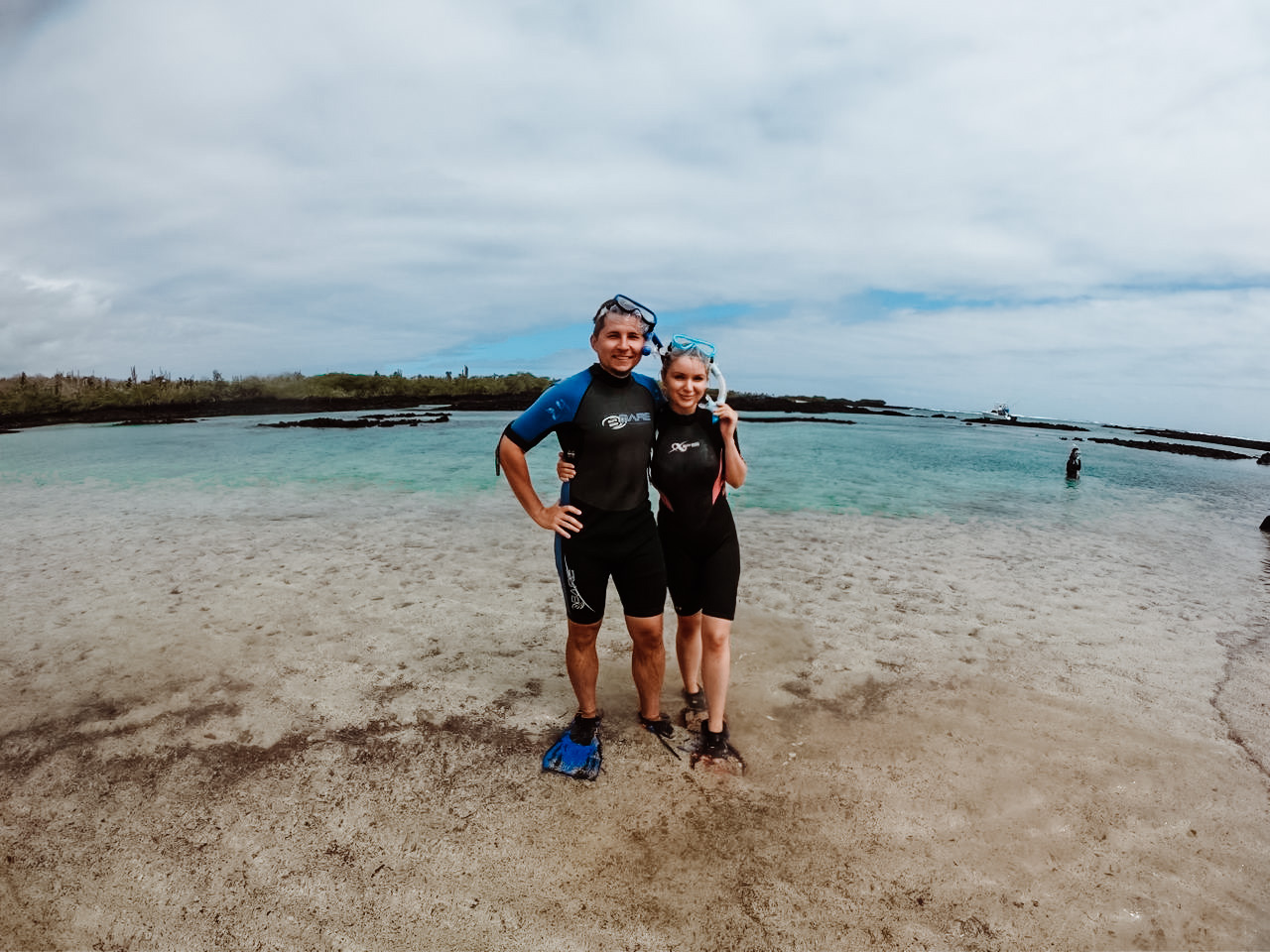
| Wetsuit Needed? | Yes, 3mm adequate at most sites; 5mm for western sites |
| Wildlife Highlights | Whale shark season closing window Darwin/Wolf, fur seal pups best month, sea lion pups playful in water, waved albatross chicks Española, blue-footed booby chick rearing, giant tortoise egg laying, golden stingrays active, photography conditions exceptional |
| National Park Entry Fee | $200 adults / $100 children under 12 – cash only (Verified May 2026) |
| TCT (INGALA) Card | $20 per person – complete online before travel (Verified May 2026) |
Is October a Good Month for a Galapagos Cruise?
October is exceptional and genuinely underbooked. It carries the lowest prices of the year, some of the smallest crowds, and a wildlife calendar that combines the tail end of the whale shark season with the best fur seal pup encounters of the year, playful sea lion pups in the water, and waved albatross chicks growing on Española. The seas are noticeably calmer than September. Water temperatures are beginning their seasonal rise. October is the month that rewards travelers who’ve looked beyond the obvious peak months.
The October case is almost unfair to make in comparison to the months around it. September offers the same dry-season wildlife at lower prices than August – that’s the September value story. October goes further. It takes September’s wildlife, adds improving sea conditions, adds the fur seal pup peak, and drops prices to their annual low. The only wildlife October loses compared to September is the statistical peak of whale watching; humpback whales begin to depart and sightings thin out slightly. What it gains is a more comfortable crossing experience and a price point that represents genuine low season.
The travelers who book October tend to be experienced Galapagos visitors coming back for a second or third trip, wildlife photographers who’ve done their research on light conditions and crowd levels, and couples or adults without school calendar constraints who’ve specifically looked for the best value window. The feedback from October travelers in our community is among the most consistently positive of any month, and the phrase “I can’t believe how few people were there” appears with striking regularity.
One honest note on October: some vessels go out of service for annual maintenance during this low-demand window. The fleet available in October is slightly smaller than in July. This doesn’t affect experience quality. The boats that do operate in October are fully functional, but it means fewer options to compare. Book with this in mind.
We’ve put together a full seasonal breakdown in our best time of year to take a Galapagos cruise guide so you know exactly when to go based on the wildlife you want to see and how you handle rough seas.
What Is the Weather Like in the Galapagos in October?
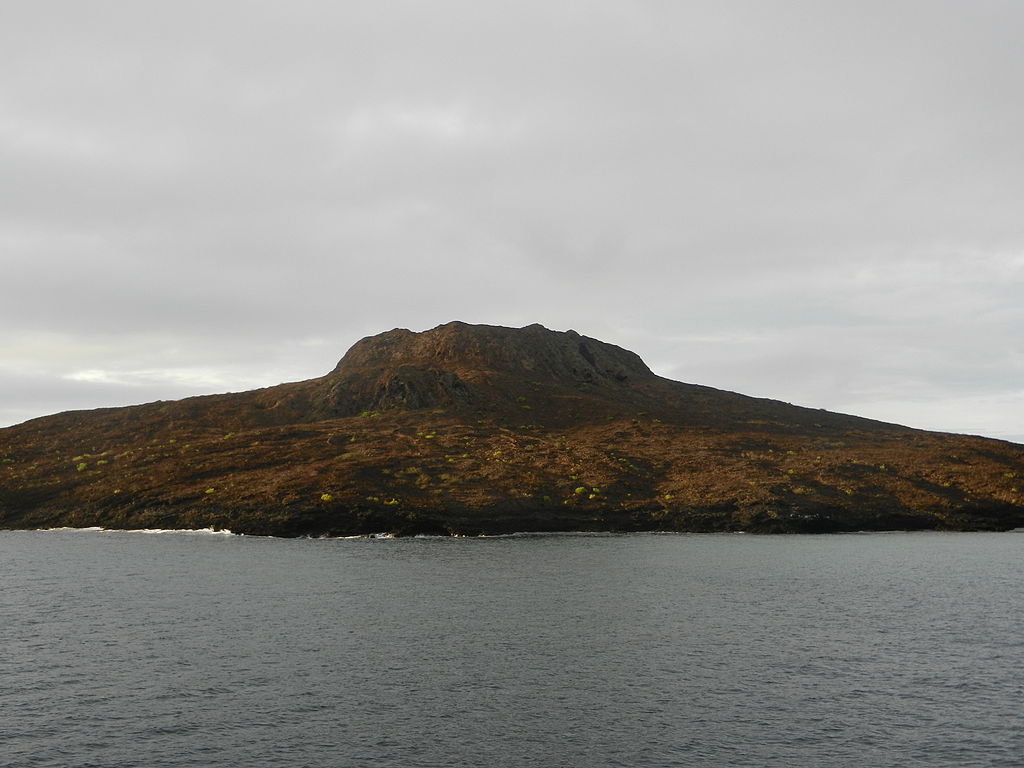
October is dry, cool, and increasingly pleasant as the month progresses. Air temperatures run 64-77°F (18-25°C). Water is around 68-73°F (20-23°C). It still requiring a wetsuit for comfortable snorkeling but warming from September’s minimum. Rainfall is near zero. Garúa mist is easing, with fewer overcast mornings and more reliable afternoon sunshine than in August or September. Sea conditions are meaningfully calmer than the September peak. Trade winds are weakening as the Humboldt Current begins its seasonal retreat.
The sea condition improvement from September to October is one of the most concrete practical advantages the month offers. The southeast trade winds that drive the roughest crossings of the dry season are weakening through October. Inter-island passages that produced significant swells in September are generally more manageable in October. This doesn’t mean October seas are calm. A wetsuit is still needed in the water and seasickness medication is still wise on longer crossings, but the intensity differential between a September and October crossing on the same route is noticeable.
The photography light in October draws specific mention from the travelers who notice it. The garúa season’s overcast mornings, which are at their most persistent in August and September, are easing in October. The softened, diffused morning light combined with dramatic volcanic landscapes and active wildlife produces photographic conditions that are harder to achieve in the flat midday brightness of the warm season or the harshest garúa overcast of peak dry season. Landscape photographers who’ve done their research consistently target October for this reason.
Water temperature at 68-73°F (20-23°C) sits in a usable range with a 3mm wetsuit for most snorkelers. At western sites near Fernandina where upwelling persists, a 5mm remains more comfortable. As October progresses toward November, temperatures begin their seasonal rise toward warm-season conditions, and the very end of October can feel noticeably warmer in the water than early October.
| Factor | September | October | November |
|---|---|---|---|
| Air Temp (°F) | 62-76 | 64-77 | 66-79 |
| Water Temp (°F) | 66-70 | 68-73 | 70-75 |
| Sea Conditions | Roughest | Improving | Calmer |
| Crowds | Shoulder | Low | Low-Shoulder |
| Pricing | Shoulder | Annual low | Low-rising |
| Whale Sharks | Active | Late season | Tailing off |
What Wildlife Can You See on a Galapagos Cruise in October?
October wildlife spans the final weeks of the dry-season marine surge and several species-specific peaks. Galapagos fur seal pups are at their best viewing window for the year. Sea lion pups born in August and September are now bold, curious, and actively approaching snorkelers. Waved albatross chicks are growing rapidly on Española. Giant tortoises are laying eggs in lowland areas. Blue-footed booby chick rearing continues. Golden stingrays are active and visible in the water. The whale shark season at Darwin and Wolf Islands runs into October, giving divers a final window before it closes.
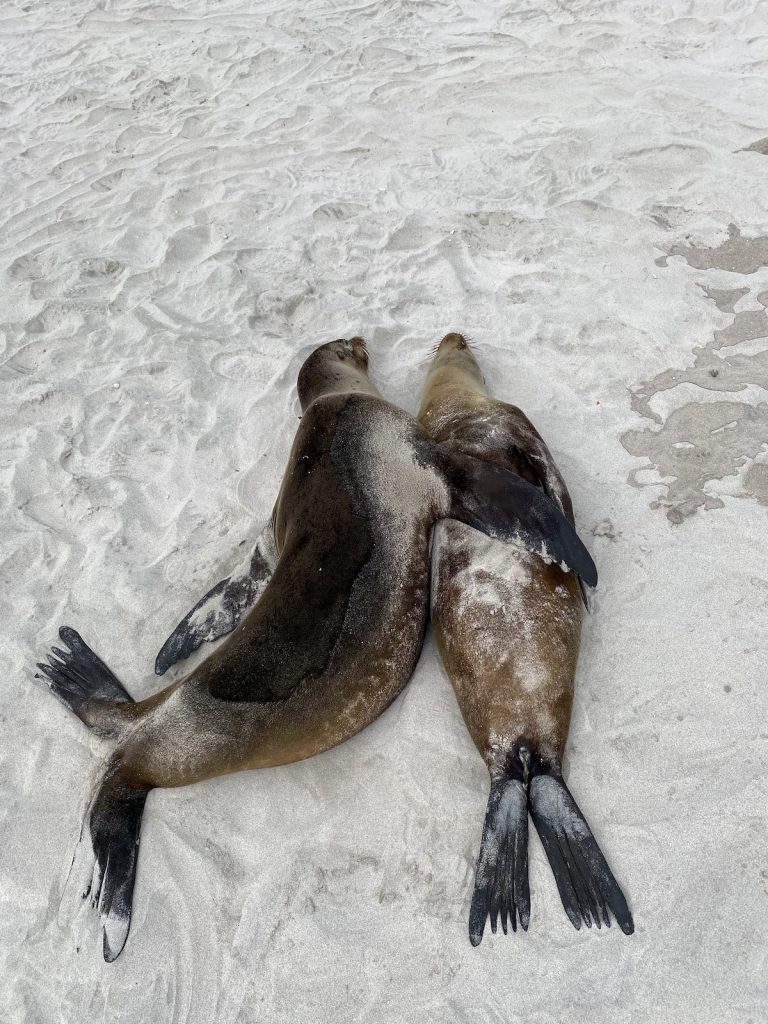
The Galapagos fur seal pup situation in October is genuinely the best of any month and worth specifically targeting. Fur seal pups are born in late September and October, and October represents the peak of their newborn presence across the archipelago. Unlike the more visible sea lions that colonize open beaches, fur seals prefer rocky shorelines with shade and caves. But at sites like North Seymour, Santiago, and Genovesa, October visitors find fur seal pups at their most accessible and photogenic. A small, round, wide-eyed, and barely aware of the humans watching from the trail.
The sea lion pups born in late August are now six to eight weeks old in October. This is when their in-water behavior shifts from tentative paddling to active play. A six-week-old sea lion pup in clear October water at Gardner Bay or Santa Fe doesn’t avoid you. It investigates you. It grabs a fin, exhales bubbles, circles back. The interaction has a quality of genuine mutual curiosity that the word “encounter” doesn’t fully capture. Wildlife photographers who target October specifically for this reason consistently describe sea lion pup interactions as their best underwater images of any trip they’ve taken.
The albatross chick situation on Española in October sits in an interesting phase.
The chicks, hatched in August from eggs laid in June, are now two to three months old and growing fast. They’re covered in dense dark down, practicing the wing-stretching exercises that will eventually turn into flight, and occasionally being fed by returning parents after days-long fishing trips. This is a different spectacle from the April courtship and the June egg-laying, but it’s one the Galapagos calendar only offers in this window.
October has excellent availability across all cruise classes, including boats that were fully committed through July and August. If you’ve been thinking about the Galapagos but have been put off by peak-season prices, October is the window worth looking at closely. Get in touch here for a free no-obligation quote.
Whale Sharks and Diving: What October Delivers Underwater
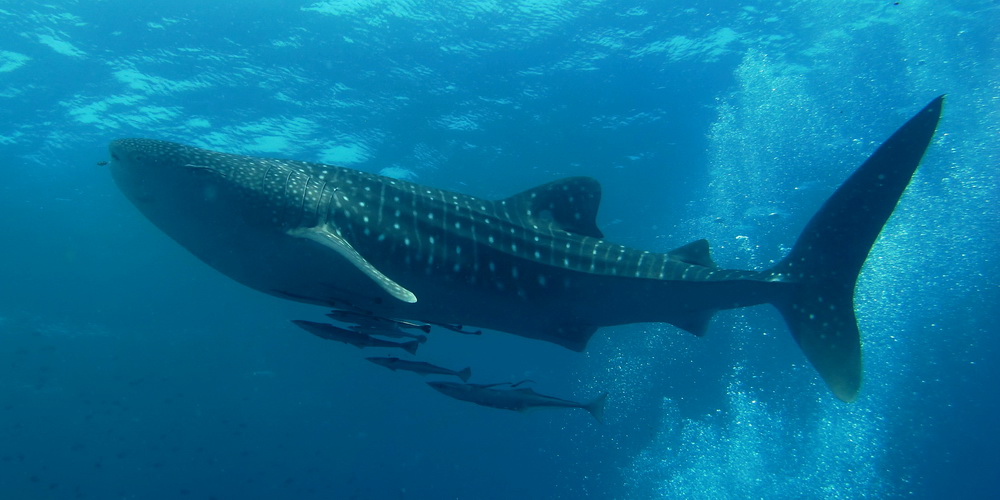
October sits at the closing end of the Galapagos whale shark season, which runs from June through November with the statistical peak in August and September. Whale sharks at Darwin and Wolf Islands are still present in October but in declining numbers toward the month’s end. For serious divers, October remains a viable window with the added advantage of improving conditions compared to peak season. Hammerhead shark aggregations at Darwin and Wolf remain strong through October. For standard cruise snorkelers, the water at central island sites has improving visibility and active marine life.
The whale shark context is important to state clearly for travelers specifically targeting these animals. Darwin Island and Wolf Island, the two remote northern sites where whale sharks concentrate, are accessible exclusively by specialist liveaboard dive vessels, not standard cruise itineraries. A traveler booking a regular 8-day cruise to the main islands will not visit Darwin or Wolf regardless of season. The whale shark dives require a dedicated liveaboard trip of 8-10 days, typically departing from San Cristóbal or Baltra, specifically routed to the north. This is a different product from the cruise market this series primarily addresses.
For serious divers who understand this and are planning a liveaboard trip to Darwin and Wolf, October is the final reliable month of the whale shark window. The female whale sharks that migrate past Darwin’s waters are large – up to 12 meters – and the encounters, when they happen, are among the most profound underwater experiences in the world. Whale shark sightings in October are less consistent than August or September, but the advantage of October is that the combination of improving surface conditions, fewer competing divers, and lower liveaboard pricing makes the trade-off reasonable for many serious divers.
For standard cruise snorkelers on central and southern island itineraries, October’s underwater experience is defined by active sea lion pups, golden stingrays, improving visibility as water temperatures begin to rise, and the dense marine life that the Humboldt Current has sustained through the dry season. Hammerhead sharks are visible at Gordon Rocks and Kicker Rock on day dives from standard cruise vessels through October. The cool, nutrient-rich water that drove peak dry-season marine productivity is still present, just beginning its slow seasonal retreat.
The liveaboard dive market for Darwin and Wolf in October operates on a completely different booking model from standard cruise itineraries. We work with both and can connect you to the right option for your specific diving goals. Send us a message here and we’ll point you in the right direction.
What Are the Best Islands to Visit in October?
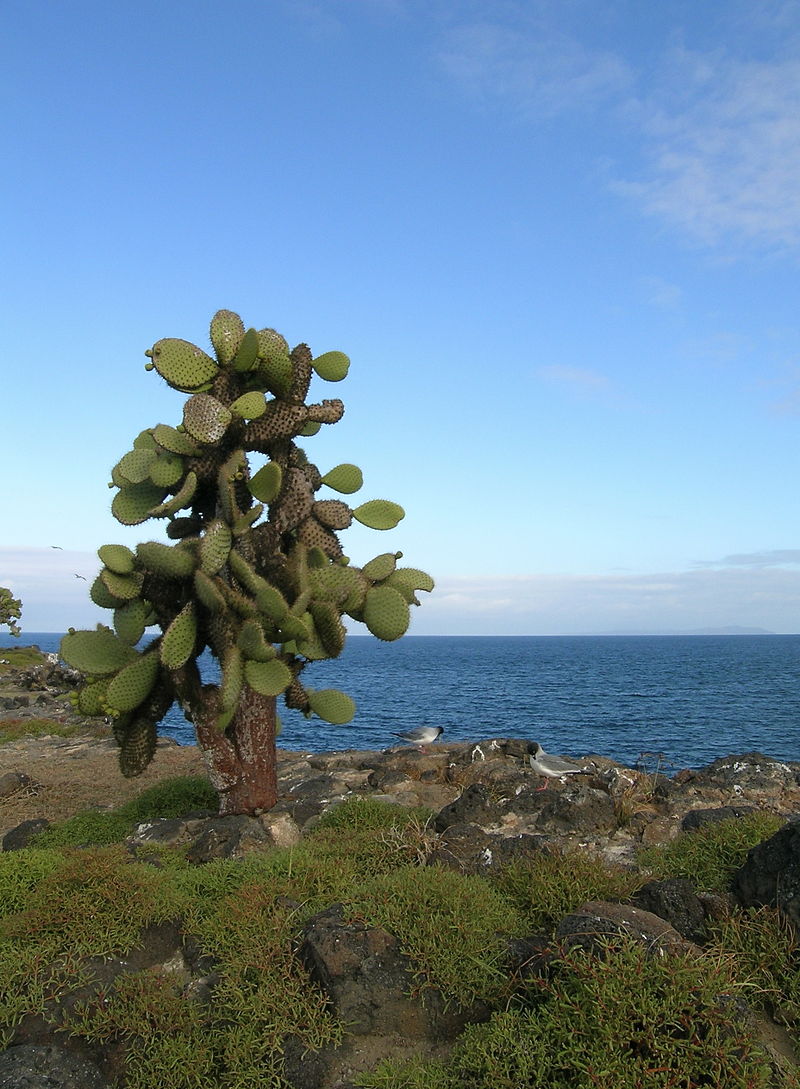
October’s highest-return islands are Española (fur seal pup rocky coast access, albatross chicks at Punta Suarez, sea lion pups at Gardner Bay, outstanding snorkeling), North Seymour (fur seal pups, blue-footed booby chick rearing, frigatebirds), Fernandina (sea lion pups, penguins, flightless cormorant colony, marine iguana density), Isabela (giant tortoise egg-laying lowlands, penguins at Punta Vicente Roca), and Santa Fe (sea lion pup snorkeling, land iguanas, distinctive landscape). October is one of the best months for a standard eight-day southern and central itinerary.
Española in October carries a wildlife combination that no single month before or after quite replicates. Gardner Bay has sea lion pups that are old enough to be genuinely playful in the water, a snorkeling session worth planning the trip around. The Punta Suarez trail puts you near both albatross chicks in their growing phase and Nazca boobies with chicks at various developmental stages. The marine iguanas on Española are among the most colorful in the archipelago, and in October their pigmentation is still vivid from the breeding season that ended months ago. Few competing groups at the site means time at each subject.
Santa Fe is a site that doesn’t often lead the highlights list in any month, but in October it performs well above its usual billing. The combination of a large sea lion colony on the beach with pups at prime playfulness, an excellent snorkeling site, and a distinctive yellow land iguana population that’s endemic to the island makes it a strong stop in October itineraries. The Santa Fe land iguanas, larger and yellower than those found elsewhere in the Galapagos, are easier to observe in October’s sparser dry-season vegetation than at any time of year.
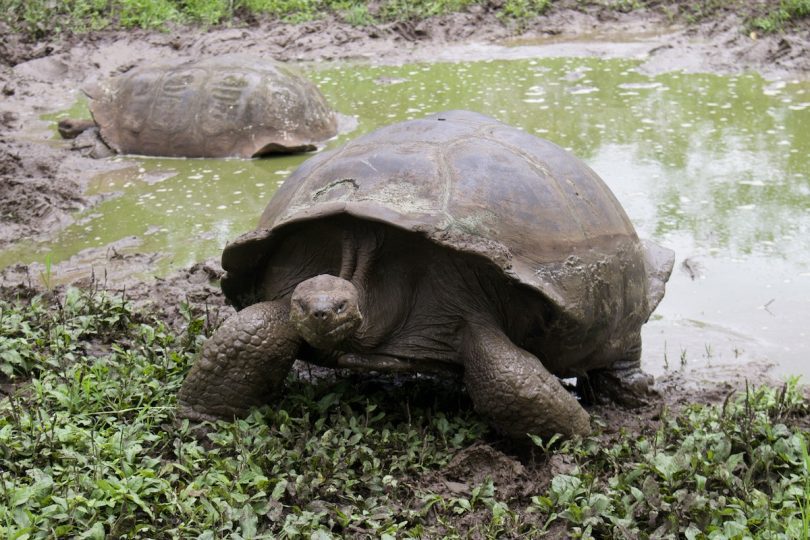
For tortoise activity, the Santa Cruz highlands and Isabela’s Alcedo Volcano area are productive in October as females lay eggs in lowland areas before beginning their migration back to higher ground. Giant tortoises, which are often reduced to background scenery at the highland reserve, take on a completely different character when observed actively nesting in the lowland dry zone in October. The egg-laying behavior, with a female methodically digging a hole in the hard volcanic soil using only her rear feet, is one of the more remarkable spectacles of patience and determination in the natural world.
How Crowded Is the Galapagos in October?
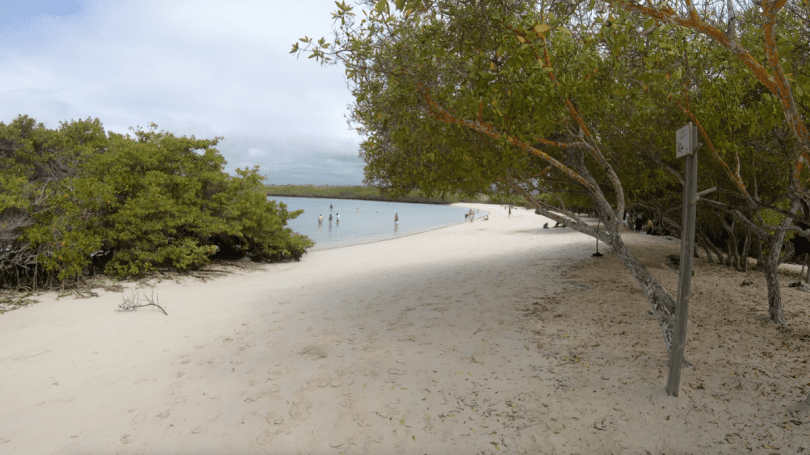
October is among the quietest months in the Galapagos. Summer crowds from North America and Europe have been gone since early September. No major holiday period falls in October. School calendars are in full session across all primary markets. Some vessels are out for maintenance. Landing sites that saw multiple boats in July might see one in October. The on-shore experience has a spaciousness that makes it one of the most recommended months among experienced repeat visitors and naturalist guides alike.
The quiet of October is specific and almost complete. There is no segment of the international travel market that creates sustained October demand in the Galapagos. No summer holidays, no Easter, no Christmas buildup. Even the Ecuadorian domestic travel market, which can push local demand during Carnaval and other national holidays, doesn’t have a major October trigger. The result is that October has historically been the month operators themselves describe as their slowest, which is why maintenance schedules fall here.
The photography advantage of October crowds is worth treating as a standalone argument for the month. A wildlife photographer at Punta Suarez in July shares the trail with 16-person groups from multiple boats rotating through. The same photographer at Punta Suarez in October may have the trail nearly to themselves for an extended period, with a naturalist guide who has time to stop and explain the fur seal behavior they’re watching rather than herding the group along. This translates directly into better photographs and a more deeply absorbed experience.
How Much Does a Galapagos Cruise Cost in October?
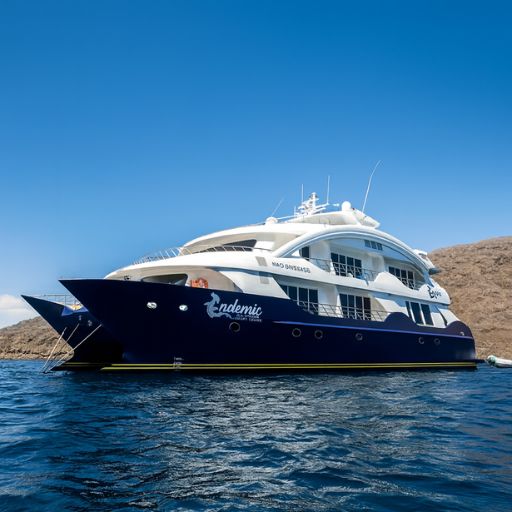
October sits at the annual pricing low – generally the cheapest month to cruise the Galapagos alongside February. Budget vessels start around $250-$430 per person per day. Mid-range (tourist superior) boats run $450-$600 per day. First-class cruises fall between $610-$780 per day. Luxury yachts start at $800 per day. Last-minute deals are more likely in October than in any other month. Some operators actively discount October departures to incentivize bookings in what is otherwise a quiet calendar window.
The fixed entry fees are unchanged: the Galapagos National Park entrance fee is $200 USD per adult and $100 for children under 12, paid in cash on arrival. The TCT card is $20 per person, completed online before your flight. Both required for all visitors. (Prices verified May 2026)
The last-minute deal landscape in October is genuinely different from peak months. Operators who haven’t filled October departures by late August will sometimes actively reach out to booking agents with discounted rates or cabin upgrades on unsold inventory. This is the opposite of the July market, where operators have no incentive to discount at any point. For flexible travelers who can commit on short notice, October is the one month where monitoring for late-availability deals has a realistic chance of delivering meaningful savings on quality vessels.
One caveat: the reduced fleet during maintenance season means fewer options to compare in October. The vessels that are operating are maintaining their standard pricing and quality, but the total range of choices is narrower than peak season. If your heart is set on a very specific vessel, check its October operating schedule before assuming it’s available.
| Cruise Class | Per Day (per person) | 7-Day Total (per person) | October Note |
|---|---|---|---|
| Budget | $250-$430 | ~$1,800-$3,000 | Good availability; occasional last-minute discounts |
| Tourist Superior (Mid-Range) | $450-$600 | ~$3,100-$4,200 | Annual low pricing; 2–3 months ahead often sufficient |
| First Class | $610-$780 | ~$4,300-$5,500 | Best pricing of the year; good itinerary selection |
| Luxury | $800-$1,700+ | $5,600-$12,000+ | Some vessels out for maintenance; check operating schedule |
| Fixed entry fees: National Park $200/adult, $100/child. TCT card $20/person. Both required for all visitors. |
When Should You Book an October Galapagos Cruise?
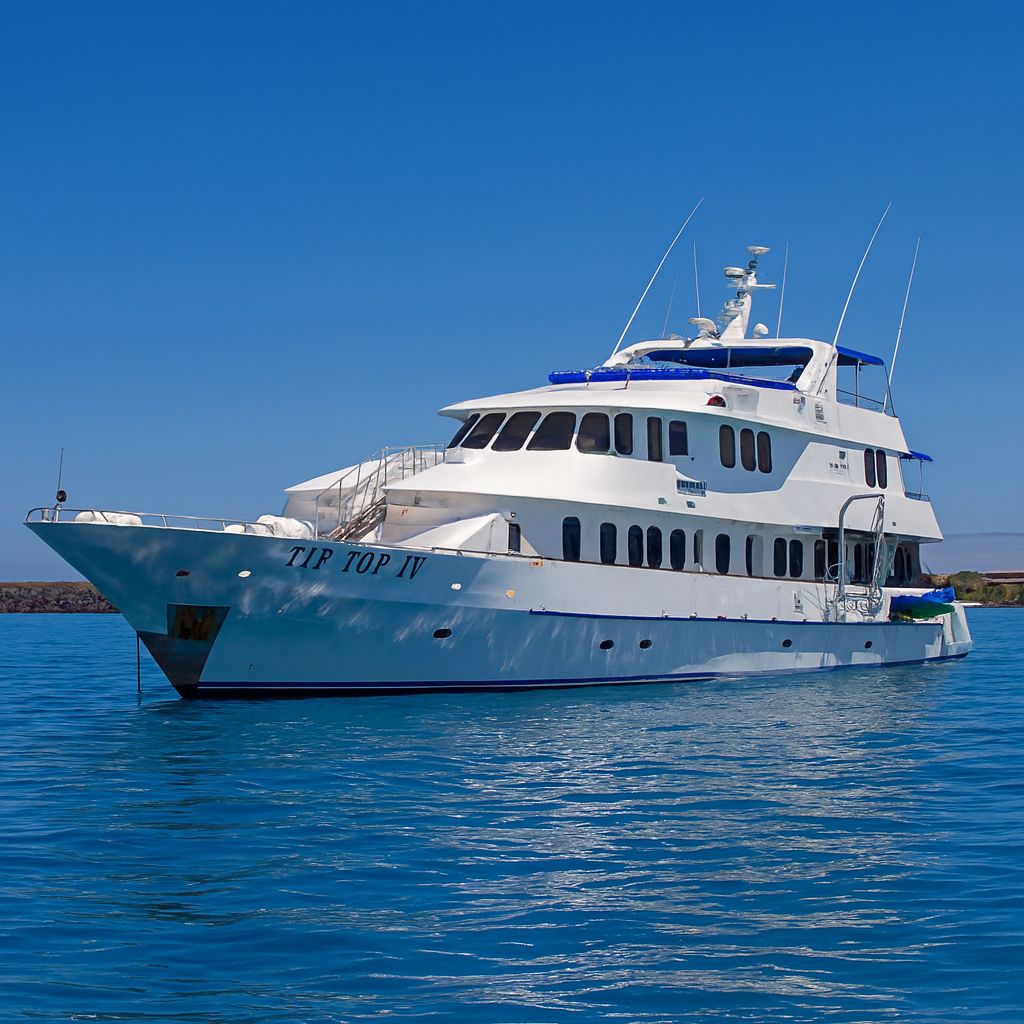
Two to three months ahead is adequate for mid-range and first-class vessels in October. Luxury yachts still warrant 4-6 months for specific vessels. Budget boats can often be secured 4-6 weeks out. October is one of the only months where last-minute deals occasionally appear on quality vessels, and the booking window is genuinely flexible compared to any peak-season month. The main constraint is confirming your preferred vessel is actually operating in October and not in dry dock.
The October booking experience is the most relaxed of any month in this series. A traveler who decides in August that they want an October trip is in a very good position. Most mid-range and first-class vessels will have availability, the quality of options is good, and there’s time to compare itineraries properly rather than accepting whatever’s left. This is the inverse of the July booking experience, where a June decision is already late for the best options.
The confirmation step that matters specifically in October: before committing to any vessel, ask whether it has a confirmed October operating schedule. Some operators announce their maintenance windows in advance; others are less predictable. A vessel that ran in July with glowing reviews may have a completely blank October calendar. Verifying this takes one email and prevents booking disappointment.
What October Travelers Report: Insights from Our Community
From traveler conversations through mytrip2ecuador.com and the My Trip to Somewhere YouTube channel, October generates the strongest “hidden gem” response of any month in the calendar:
| Category | Finding | Traveler Notes |
|---|---|---|
| Value perception | ~94% felt October offered the best value of any Galapagos trip they had taken | “We paid less than friends who went in July and saw more. I don’t understand why anyone goes in summer” |
| Photography satisfaction | ~89% of photographer-travelers rated October light conditions as exceptional | “The morning softness when garúa was clearing – my best wildlife photos ever” |
| Crowd impact | ~82% reported feeling they “had the islands to themselves” at multiple sites | “We were the only boat at Española for an entire afternoon” |
| Top wildlife moment | ~66% cited fur seal pups or sea lion pup water interactions as standout | “The fur seal pup looked directly at me from two feet away. Never seen anything like it” |
| Seasickness incidents | ~21% experienced motion sickness – lowest rate in the dry season series | “I was worried after reading about September. October crossings were fine” |
| Would choose October again | ~93% yes or would specifically recommend October | “Tell everyone about October. Actually, don’t – I want it to stay this quiet” |
What Catches October Travelers Off Guard
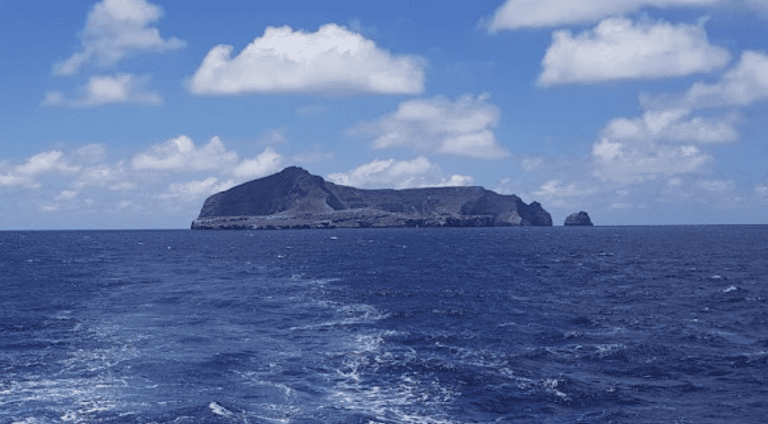
October is the smoothest month in the dry-season series to travel in, but a handful of things still catch unprepared visitors:
The vessel availability gap is October’s most specific practical issue. A traveler who researches cruise options in July, identifies three vessels they’d like to compare, and then comes back to book in October may find one or two of those boats are out for maintenance. The October fleet is smaller than any peak-season month. This doesn’t affect the quality of what’s available – vessels out for maintenance are simply unavailable, not inferior – but it means the comparison set is narrower. Verify operating schedules early in your October research, not after you’ve fallen for a specific boat.
The wetsuit requirement continues. Water at 68-73°F (20-23°C) in October still demands insulation for extended snorkeling sessions. October travelers who read “improving conditions” and interpreted that as warm water arrive surprised by the cold. The improvement is in sea surface conditions and crossing comfort, not in water temperature. A 3mm wetsuit handles most October snorkeling comfortably. Most quality operators provide them; confirm before booking.
The whale shark context needs to be clear for divers. Whale sharks at Darwin and Wolf Islands are accessible only by specialist liveaboard, not standard cruise. October is a viable but declining window for these encounters. Divers who specifically want to maximize their whale shark probability should target August or September and book a liveaboard, not a standard island cruise in October while hoping to see them from a panga.
And for every month: the digital biosafety declaration. Complete it through the official government portal before your flight. In-person airport options no longer exist as of May 2025. Five minutes, save the QR code.
Frequently Asked Questions
Is October a good month to visit the Galapagos?
Yes. October is one of the most underrated months in the Galapagos calendar. It combines the lowest prices of the year, some of the fewest crowds, improving sea conditions compared to September, the best fur seal pup viewing of the year, playful sea lion pups in the water, growing albatross chicks on Española, and the final weeks of the whale shark season at Darwin and Wolf Islands. Travelers who’ve done their research consistently choose October and rarely regret it.
Can you see whale sharks in the Galapagos in October?
Yes, in October, but this is the closing window of the season (June-November), with sightings less consistent than August or September. Whale sharks at Darwin and Wolf Islands are only accessible via specialist liveaboard dive vessels, not standard cruise itineraries. If whale sharks are your primary goal, August or September on a dedicated liveaboard gives the highest probability. October remains viable for serious divers who understand this context.
Why is October so cheap for Galapagos cruises?
October is low season because no major holiday or school break drives international demand during this window. Summer crowds have been gone since September. No Easter, no Christmas buildup. Some operators schedule annual maintenance in October, reducing the fleet. The result is lower demand, lower prices, and better availability – despite wildlife conditions that match or exceed many higher-priced months.
Are fur seal pups visible in October?
Yes. October is the best month of the year to see Galapagos fur seal pups. Pups are born in late September and October, making this the peak of their newborn presence. Sites on North Seymour, Santiago, and Genovesa offer the best access to fur seal colonies. Unlike sea lions, fur seals prefer rocky, shaded terrain, so sightings require looking in the right habitat – your naturalist guide will know exactly where.
How far in advance should I book an October Galapagos cruise?
Two to three months ahead is adequate for mid-range and first-class vessels. Luxury yachts warrant 4-6 months for specific boats. Budget vessels can often be secured 4-6 weeks out. Confirm your preferred vessel has a confirmed October operating schedule before booking – some boats go into maintenance this month. October is one of the only months where last-minute deals occasionally appear on quality vessels.
What entry fees are required for the Galapagos?
National Park fee: $200 adults, $100 children under 12, paid in cash on arrival. TCT card: $20 per person, completed online through the official government portal before your flight. Both required for all visitors regardless of cruise class or season. (Verified May 2026)
Planning an October Galapagos Cruise?
October is the month where travelers who’ve done their research end up. The wildlife is exceptional, the prices are the lowest of the year, the seas are calmer than September, and the experience has a spaciousness that peak season simply can’t offer. The catch is that the fleet is smaller and you need to verify operating schedules which is where we come in.
We offer free cruise planning and no-commitment quotes, with direct experience across nearly every vessel in the archipelago. Rated 4.9 stars on Google and TripAdvisor.
Get your free October cruise quote here
Written by Oleg Galeev
Galapagos cruise traveler (3 trips, 2 cruises) · Founder, Cruises To Galapagos Islands
Oleg has personally inspected nearly every available Galapagos cruise vessel and interviewed thousands of travelers to build the most first-hand cruise knowledge base available. He also runs the Ecuador travel blog mytrip2ecuador.com and the YouTube channel My Trip to Somewhere.
Cruises To Galapagos Islands is rated 4.9 stars on Google and TripAdvisor.
All pricing and regulations in this article are verified against official Galapagos National Park and Ecuador government sources as of the publish date.