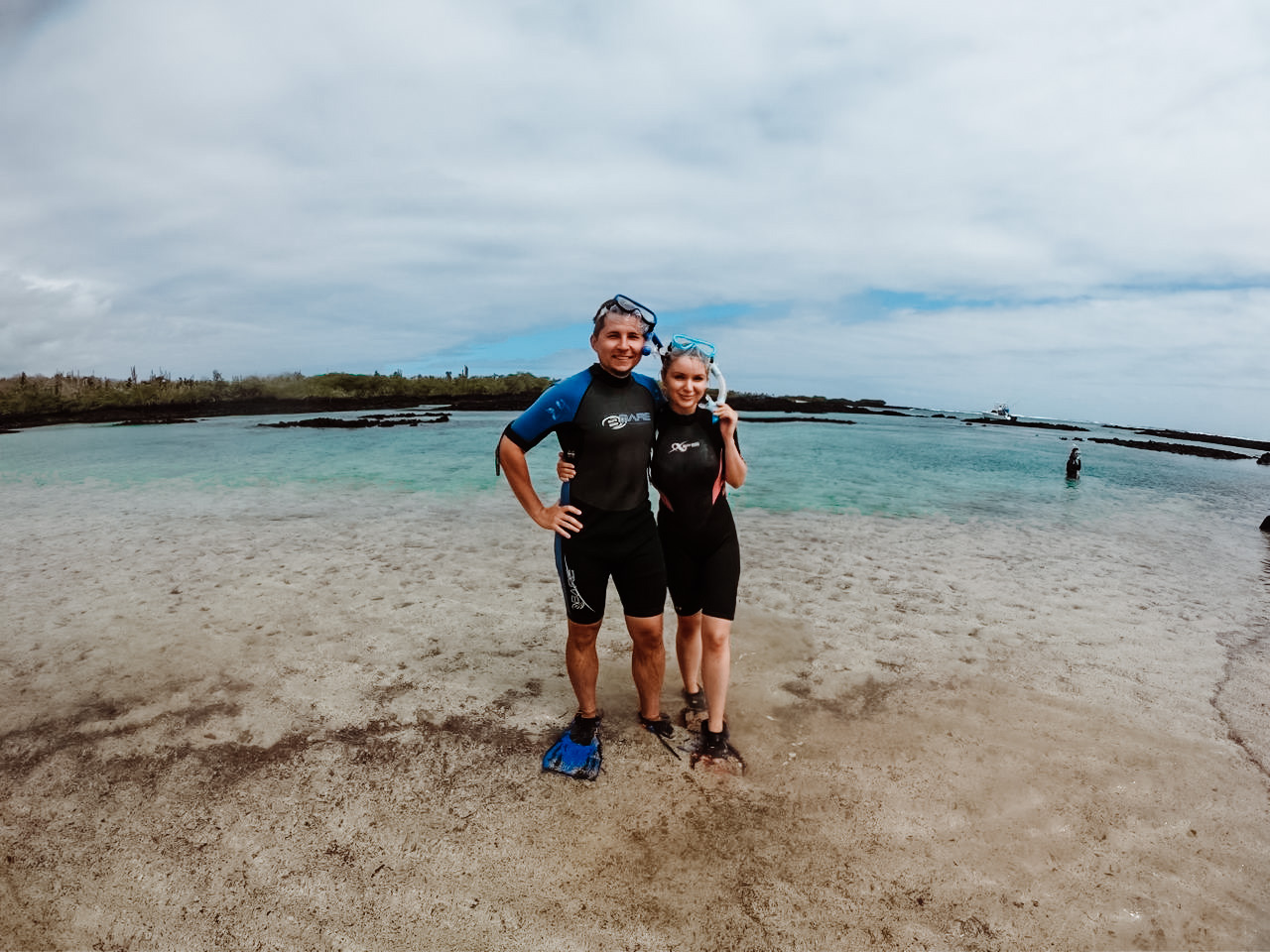
Galapagos Cruise in November: Late Dry Season Guide
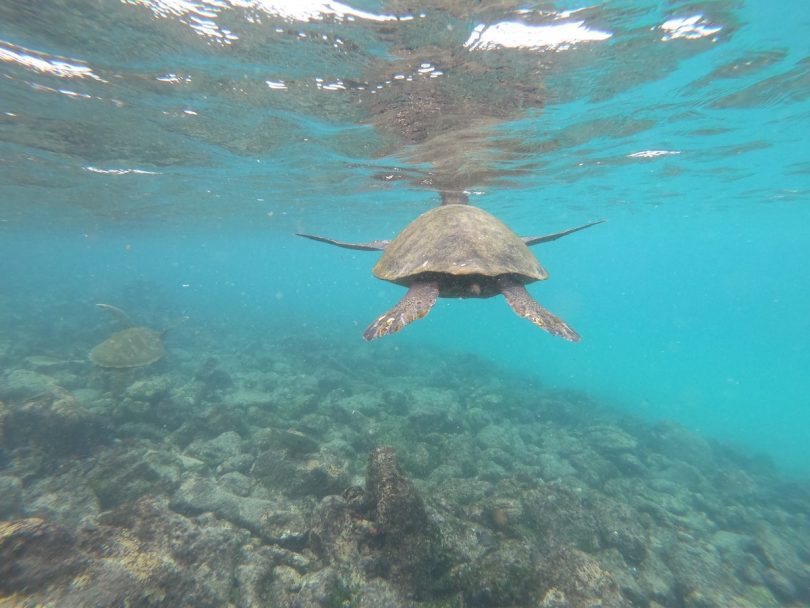
Part of our guide to the best time of year for a Galapagos cruise. Ready to pick a ship? See Galapagos cruises by price, size and class. Compare every month in our Galapagos weather and water temperature by month table.
November in the Galapagos: Quick Facts
| Factor | November Details |
|---|---|
| Air Temperature | 66-79°F (19-26°C) – warming through month, pleasant throughout |
| Water Temperature | ~70-75°F (21-24°C) – rising toward warm season; wetsuit optional late month |
| Underwater Visibility | Good to excellent – improving as Humboldt Current retreats |
| Rainfall | ~0.2 inches – still essentially dry |
| Garúa | Fading – occasional overcast mornings, more frequent afternoon sunshine |
| Sea Conditions | Calm to moderate – noticeably settled compared to dry season peak |
| Crowd Level | Low, except Thanksgiving week which spikes demand |
| Cruise Pricing | Low to shoulder – Thanksgiving week sees a price bump |
| Wetsuit Needed? | Recommended early November; optional by late November |
| Wildlife Highlights | Waved albatross chicks fledging Española (final window before departure), sea lion pups very playful in water, green sea turtles mating in coastal shallows, brown noddies nesting, storm petrels nesting Genovesa, sea lion pupping continues, marine iguana hatchlings Santa Cruz, giant tortoise eggs beginning to hatch |
| National Park Entry Fee | $200 adults / $100 children under 12 – cash only (Verified May 2026) |
| TCT (INGALA) Card | $20 per person – complete online before travel (Verified May 2026) |
Is November a Good Month for a Galapagos Cruise?
November is outstanding, and genuinely underappreciated. Calm seas, improving water temperatures, low crowds, low prices, and a wildlife calendar that delivers one of the most unique time-sensitive spectacles in the Galapagos: waved albatross chicks making their first flights from the cliffs of Española before the entire species departs until April. Sea lion pups are at their most boldly playful in the water. Green sea turtles are beginning to mate. Several experienced operators name November as one of their two favorite months to send travelers – May being the other.
The albatross fledging is November’s headline event and the one that no adjacent month offers. In April, the courtship is the spectacle. In October, the chicks are growing. In November, those same chicks – now nearly adult-sized but still covered in patches of juvenile down – are preparing to launch from the cliffs of Española for their first ocean flight. They won’t return to land for several years. Watching a juvenile albatross stand at a cliff edge, spreading its nearly two-and-a-half meter wingspan into the wind and working up the nerve for its first launch, is one of the most charged wildlife moments the Galapagos calendar produces.
Below that headline, November has a stack of supporting wildlife that most travelers find overwhelming in the best sense. Sea lion pups born in August are now three months old, strong swimmers, and engaging with snorkelers with a boldness that the very first weeks of their swimming life didn’t allow. Green sea turtles are appearing in coastal shallows at sites like Black Turtle Cove on Santa Cruz to begin mating. The calm seas make every crossing noticeably more comfortable than October. The water is warming.
The Thanksgiving variable is worth knowing upfront. US Thanksgiving, which falls in the final week of November, drives a specific and concentrated demand spike from American families and travelers. Boats that have good availability in early November can be significantly tighter in the Thanksgiving week. This is the one planning consideration that makes November more nuanced than October, and it’s entirely manageable with a single date check before booking.
First time planning a Galapagos cruise and not sure how dramatically the seasons affect the overall experience? Here’s our best time of year to take a Galapagos cruise guide so you pack right and set realistic expectations.
What Is the Weather Like in the Galapagos in November?
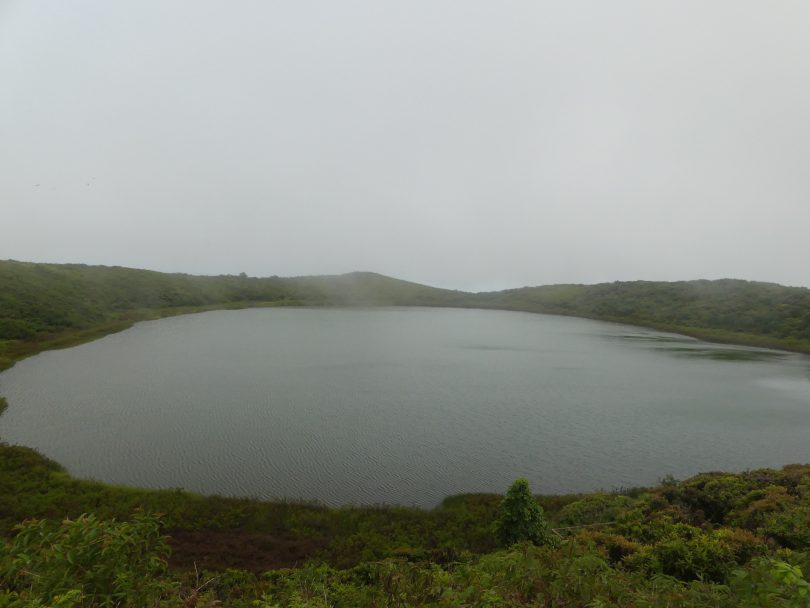
November is the final month of the dry season and one of the most pleasant in the calendar for physical activity. Air temperatures run 66-79°F (19-26°C), warming progressively through the month. Water temperatures rise from around 70°F (21°C) in early November to 74-75°F (23-24°C) by late month. Rainfall is near zero. The garúa mist is fading, producing more reliable afternoon sunshine and increasingly clear mornings. Seas are noticeably calmer than September or October – the trade winds have eased substantially.
The water temperature trajectory in November is one of its most practically useful characteristics. Early November snorkeling at around 70°F (21°C) still benefits from a 3mm wetsuit for extended sessions. By the last week of November, water temperatures at eastern and central island sites have risen enough that a thin rash guard or no insulation at all becomes viable for many people. The difference between a November water experience and a July water experience is significant – warmer, calmer, and with improving visibility as the Humboldt Current retreats. Travelers who found September or October cold will find late November much more comfortable in the water.
The sea conditions in November represent a return to the more settled waters that characterize the warm season. The southeast trade winds that produced rough crossings in July, August, and September are diminishing. Inter-island passages that required seasickness medication in September are generally manageable without it in November. The month still has some variability, particularly in the first two weeks, but the overall trend is steadily toward the calm, flat conditions of the warm season that begin properly in December.
The light conditions in November draw consistent praise from photographers. As the garúa clears with increasing regularity, the quality of morning light improves noticeably over October. The combination of soft morning light, dramatic volcanic landscapes, and active wildlife concentrated near visitor trails produces photographic conditions that rival any month in the calendar.
| Factor | October | November | December |
|---|---|---|---|
| Air Temp (°F) | 64-77 | 66-79 | 70-82 |
| Water Temp (°F) | 68-73 | 70-75 | 72-76 |
| Sea Conditions | Improving | Calm-Moderate | Calm |
| Garúa | Easing | Fading | Gone |
| Wetsuit | 3mm recommended | Optional late month | Not needed |
| Albatross | Chicks growing | Chicks fledging | Departed |
What Wildlife Can You See on a Galapagos Cruise in November?
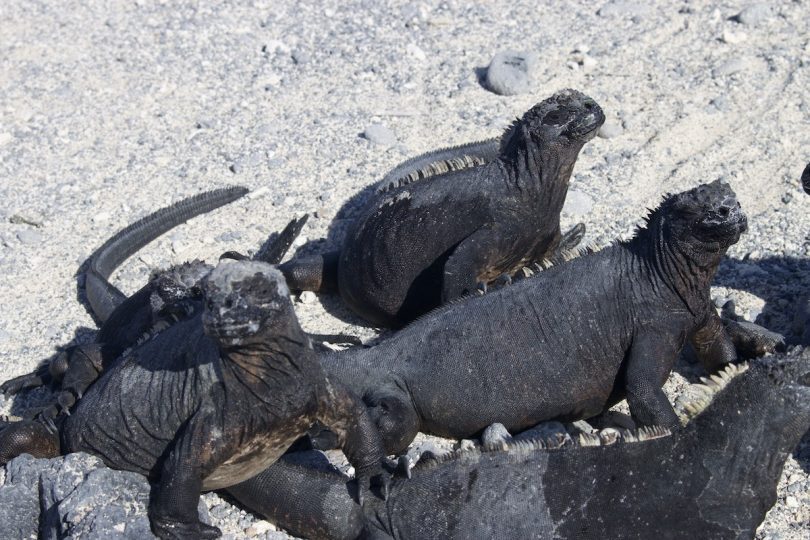
November’s wildlife calendar bridges the dry and warm seasons in a way that generates unusual overlap. Waved albatross chicks are fledging on Española – the final opportunity to see the species before it departs until April. Sea lion pups are confidently interactive in the water. Green sea turtles are beginning to mate in coastal shallows. Marine iguana hatchlings are emerging on Santa Cruz. Giant tortoise eggs are beginning to hatch in the lowlands. Brown noddies begin nesting. Storm petrels nest on Genovesa. Snorkeling visibility is improving as temperatures rise.
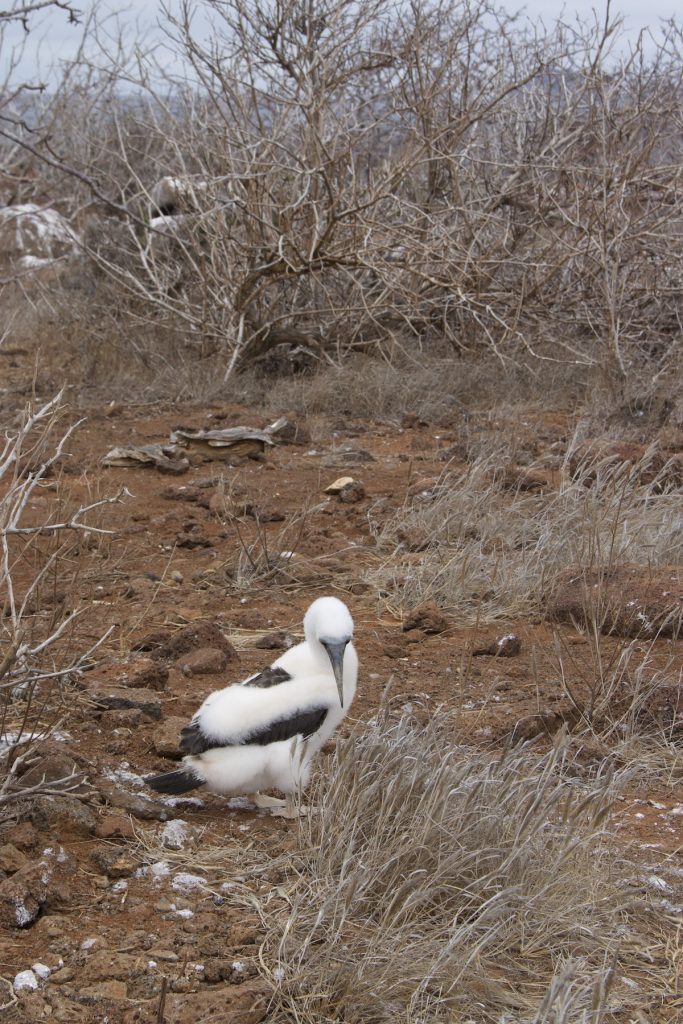
The albatross fledging window is November’s most time-specific wildlife event and the one that carries the highest emotional charge in traveler feedback we’ve collected. These are chicks that hatched in August from eggs laid in June by pairs that performed the April courtship this series has documented. By November, they’ve grown to near-adult size over three months of being fed by parents alternating days-long fishing trips. The juvenile birds spend their final weeks on land at Punta Suarez on Española working through increasingly ambitious wing-stretching and running launches down the slope, until one day the wind is right and they go. They won’t return to land for three to five years. The adults depart from Española in December. November is the last month the entire family unit – adults and juvenile – is present at the colony together.
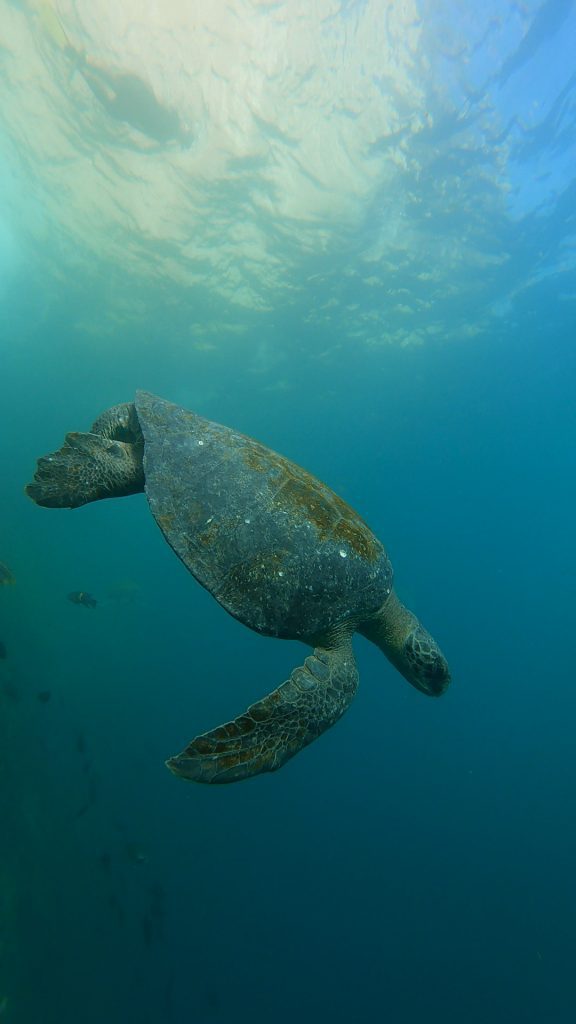
Green sea turtle mating in November is visible at specific sites in a way that few travelers expect. At Black Turtle Cove on Santa Cruz, a sheltered mangrove inlet accessible by panga, mating pairs can often be observed in the shallows from the boat without entering the water. The mating behavior involves multiple males pursuing a single female, a chaotic and surprisingly energetic spectacle for animals that spend most of their time moving slowly across the sea floor. This site in November can be one of the most unusual and memorable stops on a central island itinerary.
The marine iguana hatchlings on Santa Cruz emerge in October and November from nests in sandy areas. Tiny, perfect miniatures of the adults, they scatter from the nest site and make for the coast. November visitors catch the later portion of this emergence, and the hatchling behavior – intensely purposeful small animals navigating a landscape that dwarfs them – draws the same quality of sustained attention from travelers that the sea turtle hatchlings of the warm season do.
November itineraries that combine Española for the albatross fledging with Black Turtle Cove for turtle mating and the central islands for sea lion pup encounters are specific routes not all vessels cover in the same sequence. We can identify which November departures are best positioned for all three. Get in touch here for a free no-obligation quote.
What Makes November Different from October and December?
November sits between two distinct months in a way that gives it a character neither October nor December shares. Compared to October: calmer seas, warmer water, the albatross chick fledging event, and green sea turtle mating beginning. Compared to December: still dry, no warm-season rain, lower crowds outside Thanksgiving week, and lower prices. November is the only month that catches the albatross colony on Española before the species departs while also offering the first signs of warm-season conditions in the water and on the crossing routes.
The October comparison is the cleaner one. October is defined by fur seal pups and the final whale shark window. November loses both of those but gains the fledging albatross and the turtle mating, with calmer seas and warmer water added. The wildlife transition between October and November is visible and meaningful. A traveler doing back-to-back months would experience genuinely different Galapagos in each.
The December comparison is more nuanced. December is when the Christmas holiday booking surge begins and prices step up significantly to holiday rates. Boats that have empty cabins in early November fill fast from late November onward as December holiday travelers book up the entire pre-Christmas window. November catches the quality of December’s improving conditions and returning warm-season wildlife without the December holiday pricing and crowd dynamics. For travelers who want the best of the transition season without paying holiday rates, November is the cleaner choice – provided they book before the Thanksgiving and Christmas demand arrives.
One November characteristic that distinguishes it from both adjacent months: it carries the lowest overall seasickness risk of any month from June through November. The trade winds are down, the sea surface is settling, and the specific crossings that produced rough passages in September and October are noticeably tamer. Travelers who were nervous about the dry-season series because of the sea conditions should find November the most forgiving of the lot.
What Are the Best Islands to Visit in November?
For November, the highest-return islands are Española (albatross chick fledging at Punta Suarez, sea lion pups at Gardner Bay, Nazca boobies with growing chicks), Santa Cruz (marine iguana hatchlings, Black Turtle Cove for turtle mating, highland tortoise viewing), Fernandina (sea lion pups, penguins still active, flightless cormorant colony), Genovesa (storm petrel nesting, red-footed boobies, Darwin Bay snorkeling in improving visibility), and North Seymour (sea lion pups, blue-footed booby activity). A southern and central itinerary captures the most November highlights.
Española is the non-negotiable anchor of a November itinerary for anyone who wants the albatross. But the island in November isn’t only about the fledging chicks. The Nazca booby chicks hatched in August are now three months old and visually striking – white-headed, dark-winged, and still dependent on parents that are feeding them at the nest. Marine iguanas on Española display some of the most dramatic seasonal coloration in the archipelago, and Gardner Bay remains one of the finest snorkeling sites in the islands with sea lion pups that are actively engaging in the water at this age.
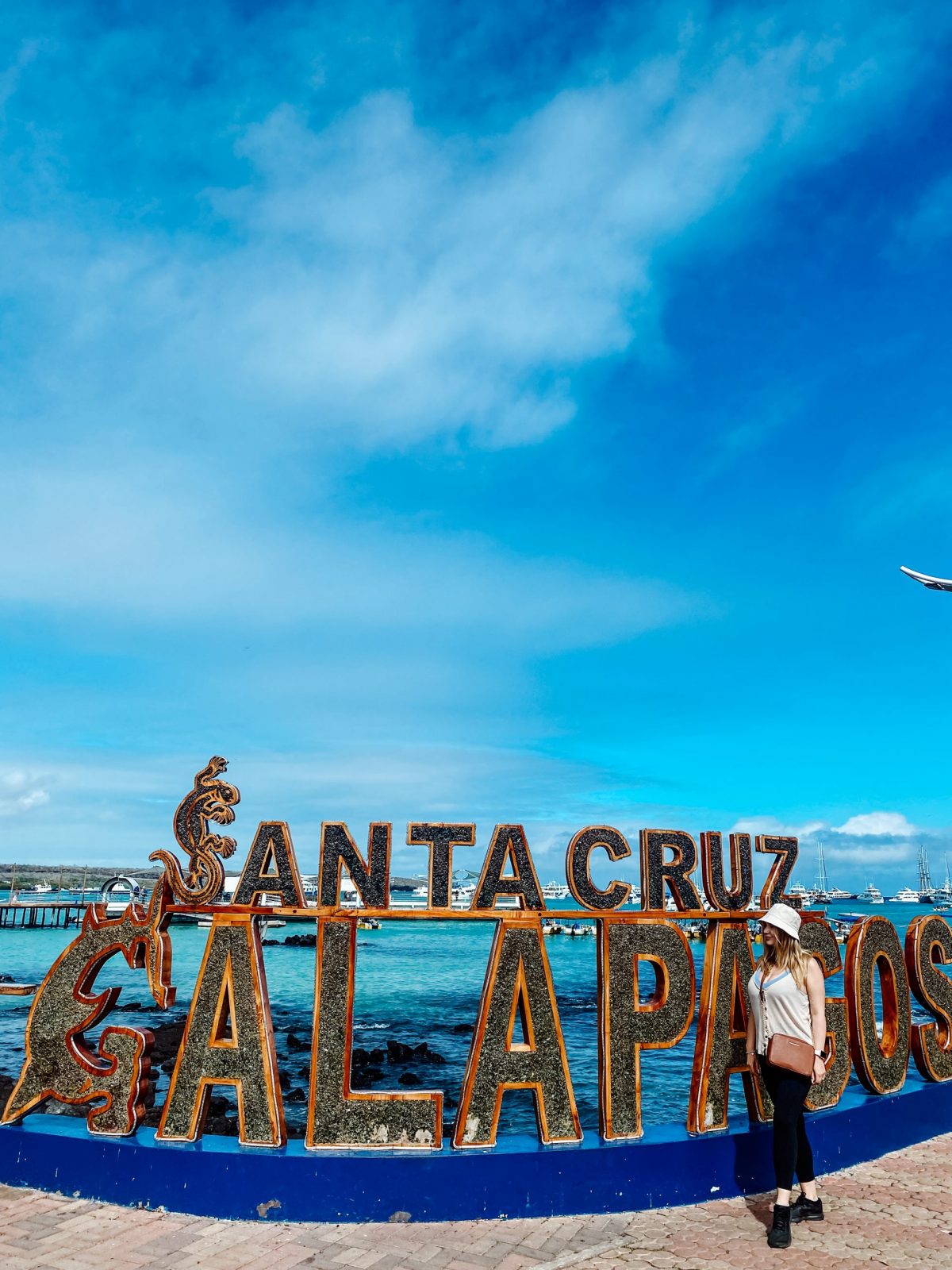
Santa Cruz in November earns more attention than it typically gets in this series. Black Turtle Cove, accessible only by panga, is a sheltered mangrove inlet where green sea turtles and white-tipped reef sharks concentrate in November. The turtle mating activity beginning this month is visible from the panga without disturbing the animals. The Santa Cruz highlands still hold good numbers of giant tortoises, with the tortoise egg-hatching season just beginning. And the marine iguana colony at Playa Las Bachas or the Puerto Ayora coast is producing hatchlings through November.
For travelers whose primary goal is calm-water snorkeling with sea lion pups, the central islands in November offer some of the best conditions in the entire calendar. The improving water temperature and visibility, combined with sea lion pups at three months old and genuinely confident in the water, creates snorkel sessions that travelers in our community consistently describe as better than anything they experienced in summer.
How Crowded Is the Galapagos in November?
November is quiet for most of the month and then gets noticeably busier around US Thanksgiving. Outside that window, November carries shoulder-season to low-season crowd levels similar to October. Vessels that were in maintenance in October have largely returned to service. The fleet is back to near-full capacity. Landing sites are uncrowded. The naturalist guide experience has space. The Thanksgiving week exception – typically the four to five days around the US holiday – triggers a specific and concentrated demand spike worth planning around.
The Thanksgiving pattern is consistent and predictable enough to treat as a mini peak season within the month. American families and travelers using the long Thanksgiving weekend for international travel find the Galapagos an attractive option, particularly for families who want a dramatic experience in a limited window. The boats that fill first are the family-compatible mid-range and first-class vessels with appropriate cabin configurations. If your travel dates fall in this window, apply the same early-booking logic you’d use for Easter. If your dates are outside this window, November’s booking flexibility is excellent.
The return of boats from October maintenance is a meaningful practical improvement over October. The November fleet is larger, meaning more itinerary options to compare and better chance of finding your preferred vessel available. Travelers who found the October fleet too limited will discover better choices in November, at comparable or only slightly higher pricing outside the Thanksgiving window.
How Much Does a Galapagos Cruise Cost in November?
November pricing is low to shoulder season for most of the month – similar to October and meaningfully below June through August peak rates. Budget vessels start around $250-$430 per person per day. Mid-range (tourist superior) boats run $450-$600 per day. First-class cruises fall between $610-$780 per day. Luxury yachts start at $800 per day. Thanksgiving week commands a noticeable premium and earlier booking. Outside that window, November offers genuine low-season value with the added benefit of a full fleet back in service after October maintenance.
The fixed entry costs remain the same regardless of season. The Galapagos National Park entrance fee is $200 USD per adult and $100 for children under 12, paid in cash on arrival. The TCT card is $20 per person, completed online before your flight. Both required. (Prices verified May 2026)
One November pricing dynamic worth understanding: the month sits adjacent to December, which carries Christmas holiday rates on its second half. Some operators begin pushing December-level pricing into late November as bookings build for the holiday season. A November 25 departure might be priced significantly differently from a November 10 departure on the same vessel simply because of how far it bleeds into the holiday booking window. When comparing November prices, check specific departure dates rather than assuming a uniform monthly rate.
For travelers comparing November to May – the other transition month this series has identified as exceptional value – November has slightly lower pricing overall because the fleet is still operating at lower utilization from the October quiet period. Both months represent strong value in different seasonal contexts. May is better if warm water and lush landscapes are priorities. November is better if calm seas, fledging albatross, and turtle mating are the draw.
| Cruise Class | Per Day (per person) | 7-Day Total (per person) | November Note |
|---|---|---|---|
| Budget | $250-$430 | ~$1,800-$3,000 | Good availability; Thanksgiving week fills faster |
| Tourist Superior (Mid-Range) | $450-$600 | ~$3,100-$4,200 | Low-season rates outside Thanksgiving; full fleet back in service |
| First Class | $610-$780 | ~$4,300-$5,500 | Strong selection; book 2-3 months ahead for non-Thanksgiving dates |
| Luxury | $800-$1,700+ | $5,600-$12,000+ | Late-month pricing may approach December holiday rates |
| Fixed entry fees: National Park $200/adult, $100/child. TCT card $20/person. Both required for all visitors. |
November pricing varies more by specific departure date than almost any other month, because of the Thanksgiving and late-month December-bleed effects. We can run a side-by-side comparison for your specific dates and flag exactly where the pricing shifts. Send us a message here for a free comparison with no commitment.
When Should You Book a November Galapagos Cruise?
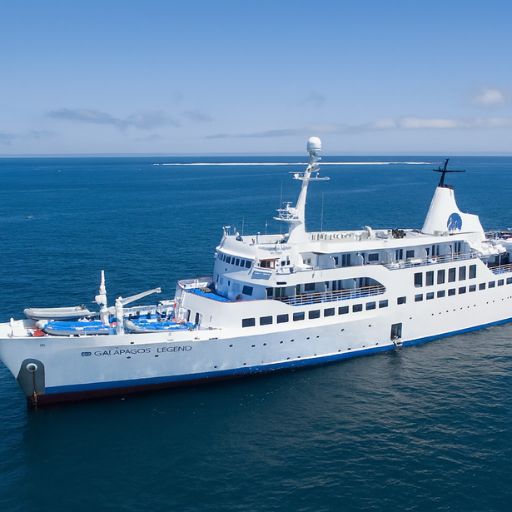
For early-to-mid November departures outside Thanksgiving week, 2-4 months ahead covers most mid-range and first-class vessels. Thanksgiving week requires 4-6 months ahead, particularly for family-compatible boats. Luxury yachts warrant 4-6 months regardless of exact date. Budget boats can be secured 6-8 weeks out for non-Thanksgiving dates. November is genuinely flexible to book for most of the month, with Thanksgiving as the specific exception that requires the same planning discipline as Easter or summer.
The booking advice for November breaks cleanly into two tracks. Track one is early-to-mid November, before Thanksgiving: relax, book 2-3 months ahead, and take the time to compare itineraries properly. Track two is Thanksgiving week: treat it like Easter, book early, confirm cabin configurations if traveling with family, and don’t assume flexibility exists. The difference between these two windows on the same vessel can be both availability and price, and the dividing line is a single date on the US holiday calendar.
One forward-looking consideration for November bookers: December books fast. The Christmas and New Year’s period in the Galapagos is one of the most heavily demanded windows of the year. Operators open their December calendars well in advance, and boats that have November availability may flip to fully committed for December with very little notice. If you’re considering both November and December and want flexibility on the decision, November gives more room to maneuver. Decide and book before the holiday booking wave locks up December inventory around you.
What November Travelers Report: Insights from Our Community
From traveler conversations through mytrip2ecuador.com and the My Trip to Somewhere YouTube channel, November travelers consistently use the word “perfect” more than any other month in their feedback:
| Category | Finding | Traveler Notes |
|---|---|---|
| Top wildlife moment | ~71% cited the fledging albatross or sea lion pup snorkeling as standout | “Watching a juvenile albatross launch for the first time – everyone on our group went silent” |
| Sea conditions | ~91% rated November crossings as comfortable or very comfortable | “After reading about September seas I almost didn’t book November. Complete non-issue” |
| Water experience | ~84% said water temperature by late November was the most comfortable of any dry-season month | “Late November water felt almost warm – left my wetsuit on the boat for the last two snorkels” |
| Crowd experience | ~78% said landing sites felt uncrowded or nearly private | “We sat with an albatross chick on the Española trail for twenty minutes. No one else around” |
| Turtle mating surprise | ~43% called the Black Turtle Cove turtle mating the most unexpected highlight of the trip | “Nobody told us about the turtles. Our guide took us there and it was one of the strangest, best things I’ve ever seen” |
| Would choose November again | ~92% yes or would specifically recommend it | “Perfect weather, perfect water, not a crowd in sight. This is the month” |
What Catches November Travelers Off Guard
November is one of the smoothest months in the series, but a few things consistently catch travelers unprepared:
The Thanksgiving timing catch is the most consistent November-specific planning mistake. Travelers who book a November cruise without checking the US Thanksgiving calendar sometimes discover their departure falls in the busiest week of the month on the most expensive boats, which were already committed. This applies specifically to families traveling from the US and other travelers whose schedules align with the American holiday. A two-second check of the Thanksgiving date for your travel year before locking in November dates is the most efficient planning step this month requires.
The albatross departure is time-sensitive in a way most travelers don’t realize going in. The waved albatross leaves Española in December. A November cruise that visits Española in the first two weeks of the month has high confidence of finding fledging chicks and adults present. A cruise that reaches Española very late in November or that delays the visit is cutting closer to the December departure window. If the albatross is your primary reason for traveling in November, confirm that your specific itinerary visits Española early in the week-long cruise rather than at the end.
The water temperature trajectory catches snorkelers in both directions. Early November at 70°F (21°C) still benefits from a 3mm wetsuit. Late November at 74-75°F (23-24°C) is comfortable without one for many people. Travelers who pack only a rash guard for a late-November cruise and then discover their departure falls in early November find the water colder than expected. Bring the wetsuit, and treat it as optional by day five rather than leaving it at home entirely.
The biosafety declaration, as with every month in this series: complete it online through the official government portal before your flight. It’s been fully digital since May 2025. Five minutes, save the QR code.
Frequently Asked Questions
Is November a good month to visit the Galapagos?
Yes. November is one of the most rewarding months in the Galapagos calendar and consistently underbooked relative to its quality. Calm seas, rising water temperatures, low crowds, low prices, fledging albatross chicks on Española, boldly playful sea lion pups in the water, and the start of green sea turtle mating. Experienced operators rank it alongside May as one of their two favorite months to send travelers.
Can you see the waved albatross in November?
Yes. November is the final month to see the waved albatross on Española before the species departs until April. Juvenile chicks hatched in August are nearly adult-sized and in the process of fledging, making their first tentative flights from the island’s cliffs. Adults are still present alongside them. This is the only window in the year to see both juvenile and adult birds together at the colony before December’s departure.
How are the sea conditions in the Galapagos in November?
Notably calmer than the dry-season peak months of August and September. The southeast trade winds have largely eased by November, making inter-island crossings comfortable for the majority of travelers. November carries the lowest seasickness risk of any month from June through November. Travelers who were concerned about dry-season sea conditions will find November the most forgiving of the group.
Is November cheaper than December for a Galapagos cruise?
Yes, for most of the month. Early-to-mid November sits at low to shoulder season pricing. Late November, particularly around Thanksgiving week, carries a premium similar to a mini peak period. December quickly builds toward holiday rates in its second half. Travelers who can avoid Thanksgiving week and late-November departure dates will find the most value, with conditions that approach December’s warm-season quality at meaningfully lower prices.
Do I need a wetsuit in November?
Recommended for early November when water temperatures average around 70-72°F (21-22°C). By late November, water temperatures rise to 74-75°F (23-24°C) and a wetsuit becomes optional for most people, especially at sheltered eastern and central island sites. Most quality cruise operators provide wetsuits. Bring one and treat it as optional rather than leaving it at home entirely.
What entry fees are required for the Galapagos?
National Park fee: $200 adults, $100 children under 12, paid in cash on arrival. TCT card: $20 per person, completed online through the official government portal before your flight. Both required for all visitors. (Verified May 2026)
Planning a November Galapagos Cruise?
November is the month where the Galapagos calendar closes out the dry season with a final flourish – fledging albatross, sea lion pups in full play mode, turtle mating starting in sheltered coves, and seas that have finally calmed after months of trade winds. It delivers this at some of the best prices of the year.
We offer free cruise planning and no-commitment quotes, with direct experience across nearly every vessel operating in the archipelago. Rated 4.9 stars on Google and TripAdvisor.
Get your free November cruise quote here
Written by Oleg Galeev
Galapagos cruise traveler (3 trips, 2 cruises) · Founder, Cruises To Galapagos Islands
Oleg has personally inspected nearly every available Galapagos cruise vessel and interviewed thousands of travelers to build the most first-hand cruise knowledge base available. He also runs the Ecuador travel blog mytrip2ecuador.com and the YouTube channel My Trip to Somewhere.
Cruises To Galapagos Islands is rated 4.9 stars on Google and TripAdvisor.
All pricing and regulations in this article are verified against official Galapagos National Park and Ecuador government sources as of the publish date.