Galapagos Cruise in September: Shoulder Season Value
Part of our guide to the best time of year for a Galapagos cruise. Ready to pick a ship? See compare all Galapagos cruise ships by price, size and class. Compare every month in our Galapagos weather and water temperature by month table.
September in the Galapagos: Quick Facts
| Factor | September Details |
|---|---|
| Air Temperature | 62-76°F (17-24°C) – coolest month of the year |
| Water Temperature | ~66-70°F (19-21°C) – cold; wetsuit essential |
| Underwater Visibility | Good – nutrient-rich water with high marine activity |
| Rainfall | ~0.2 inches – essentially zero |
| Garúa | Peak – overcast mornings, clearing to afternoon sun typical |
| Sea Conditions | Roughest of the year – seasickness preparation essential |
| Crowd Level | Low to moderate – summer families have left, schools back in session |
| Cruise Pricing | Shoulder season – 15-20% below July-August peak |
| Wetsuit Needed? | Yes, 5mm strongly recommended; 3mm minimum |
| Wildlife Highlights | Sea lion pups abundant and playful in water, Galapagos penguins at peak, whale watching excellent, waved albatross chick rearing Española, Galapagos hawk courtship, Nazca booby chicks hatching, blue-footed booby chick rearing, fur seal mating, blue whales possible |
| National Park Entry Fee | $200 adults / $100 children under 12 – cash only (Verified May 2026) |
| TCT (INGALA) Card | $20 per person – complete online before travel (Verified May 2026) |
Is September a Good Month for a Galapagos Cruise?
September is outstanding for wildlife and one of the most cost-effective months of the year. Summer crowds have cleared as northern hemisphere schools return, pushing prices down 15-20% from the July-August peak while wildlife activity stays essentially identical. Sea lion pups are playful and abundant. Penguins are as active as any month. Whale watching is excellent. The catch is that September has the roughest seas and the coldest water of the year – two conditions that make preparation non-negotiable but don’t diminish the experience for travelers who come ready for them.
September exists in a useful position on the Galapagos calendar. The wildlife it offers – sea lion pups, peak penguins, active whale season, seabird nesting continuing across the archipelago – is functionally the same as what July and August deliver. The prices are lower. The boats are less crowded. The booking lead time is shorter. What doesn’t improve is the sea conditions, which are roughest in August and September, or the water temperature, which is at its annual minimum.
The value story of September is straightforward. A traveler who books July or August because of the wildlife and then discovers September offers the same wildlife at lower prices and fewer crowds is making a discovery that experienced Galapagos travelers have known for years. The only reason to choose July over September is the school calendar. If you have a school-age child who requires July travel, that’s a real constraint. If you don’t, September is a genuinely better deal for the same experience.
One seasoned Lindblad naturalist put it plainly in feedback we’ve collected: “Three out of the five blue whales I’ve seen were spotted in September.” The wildlife productivity that the Humboldt Current drives doesn’t know the school calendar. It just knows the season.
Not sure which season actually delivers the best Galapagos experience on the water? Here’s our best time of year to take a Galapagos cruise guide so you time your trip right.
What Is the Weather Like in the Galapagos in September?
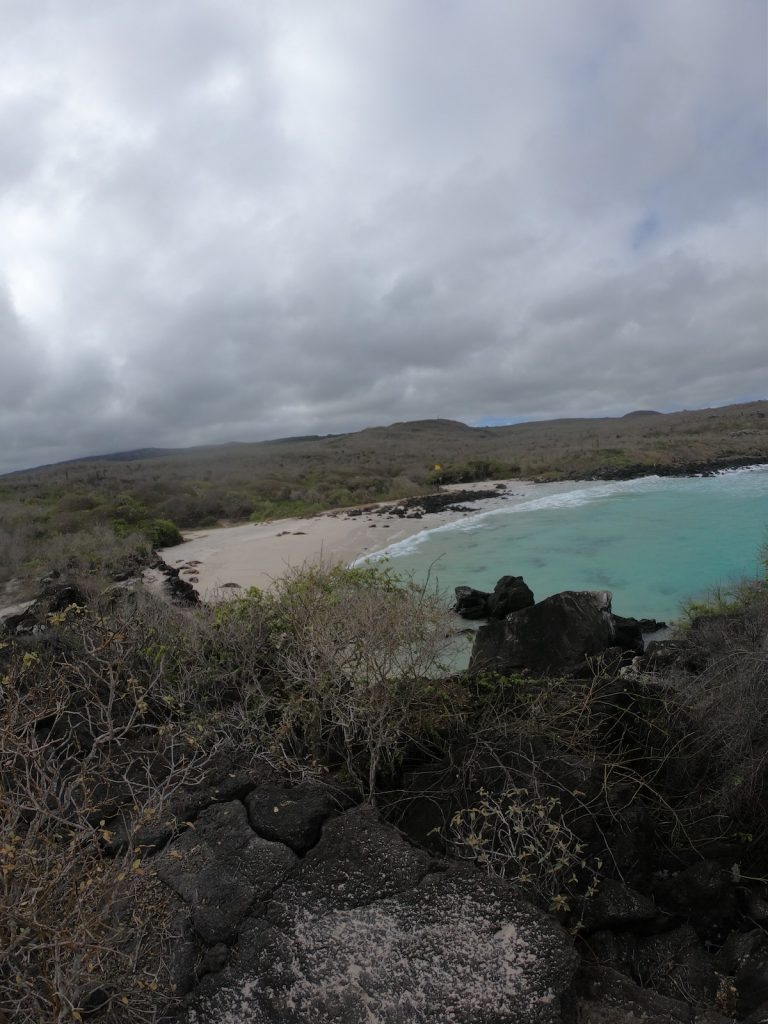
September is the coolest month of the Galapagos year, with air temperatures ranging from 62-76°F (17-24°C). Water temperatures run around 66-70°F (19-21°C) – the coldest of the year alongside August. Rainfall is effectively zero. Garúa mist is at peak intensity in highland areas, clearing to clear afternoon skies on most days. Trade winds are strongest in September, producing the choppiest seas of the entire calendar – rougher even than August on most inter-island crossings.
The temperature numbers are worth contextualizing for travelers comparing September to warm-season months. The 62°F (17°C) low is a cool evening temperature at sea – you’ll want a light jacket on deck after dark. Daytime air temperatures in the mid-70s are genuinely comfortable for hiking and shore excursions. September is the month where experienced Galapagos naturalist guides consistently say the hiking conditions are their personal favorite. No humidity, no brutal midday sun, pleasant air throughout the day.
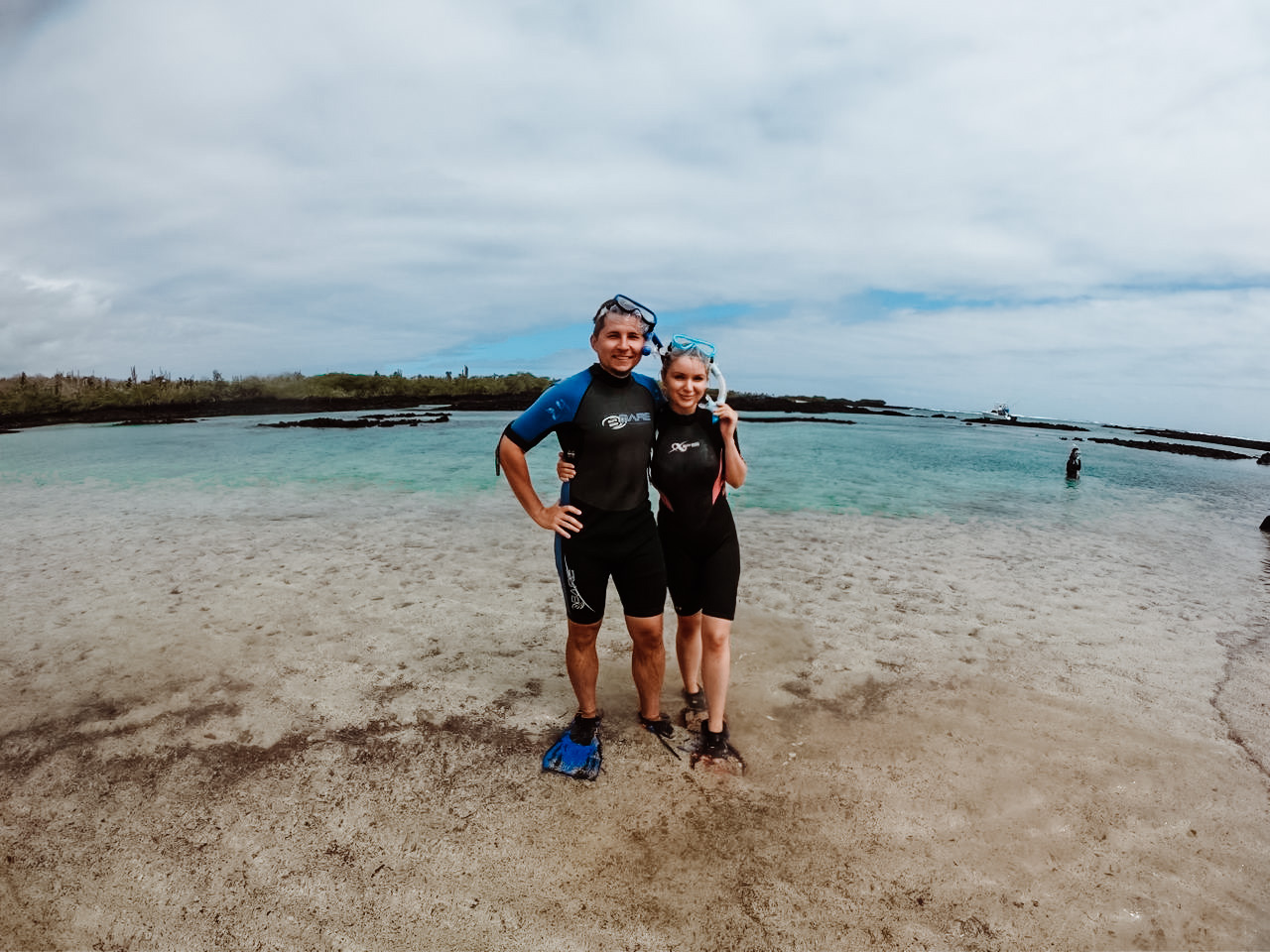
The water is a different story. At 66-70°F (19-21°C), extended snorkeling without insulation is genuinely uncomfortable rather than mildly cool. A 3mm wetsuit is the minimum; a 5mm is meaningfully warmer at western sites where cold Humboldt upwellings push temperatures lower. The cold water isn’t a reason to skip snorkeling in September, it’s a reason to bring the right gear. Properly insulated, the snorkeling in September’s cold, food-rich water is extraordinary.
The sea conditions are the most significant weather factor for trip planning. September and August share the title for roughest open-water conditions in the year. The southeast trade winds are strongest now, and inter-island crossings – particularly to the outer islands of Genovesa in the north or across the open water to the western islands – can produce significant swells. This is not the Galapagos for travelers who found June crossings difficult. It is absolutely manageable with the right preparation, but it requires acknowledging the conditions rather than hoping for the best.
| Factor | August | September | October |
|---|---|---|---|
| Air Temp (°F) | 64-74 | 62-76 | 64-77 |
| Water Temp (°F) | 64-68 | 66-70 | 68-72 |
| Sea Conditions | Rough | Roughest | Easing |
| Crowds | Peak | Shoulder | Shoulder |
| Pricing | Peak | 15–20% below peak | Shoulder |
| Sea Lion Pups | Arriving | Abundant | Very playful |
What Wildlife Can You See on a Galapagos Cruise in September?
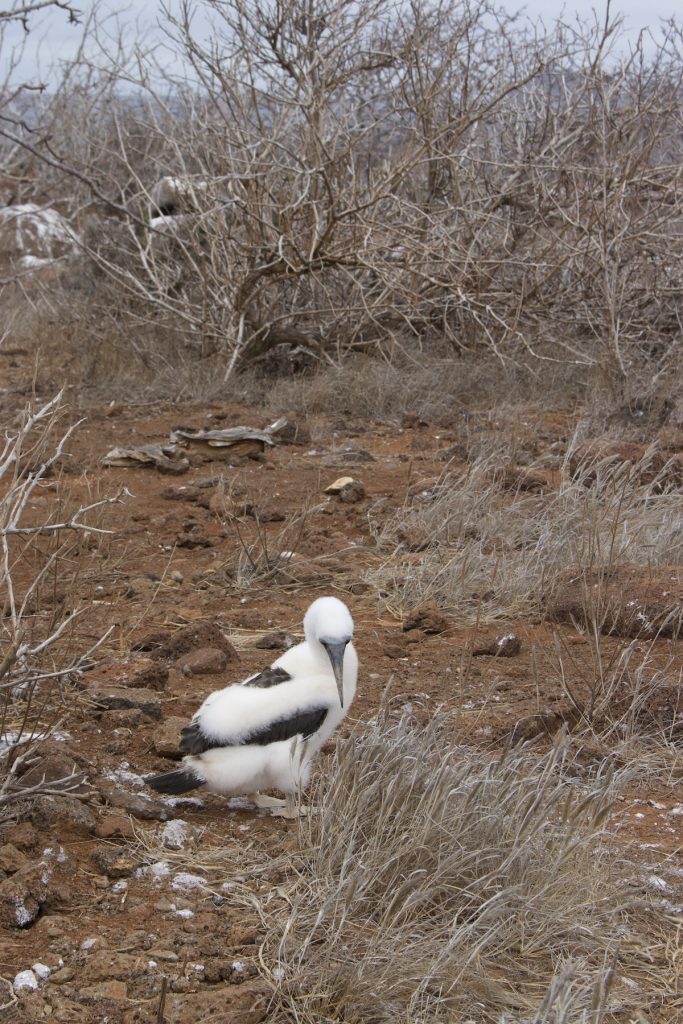
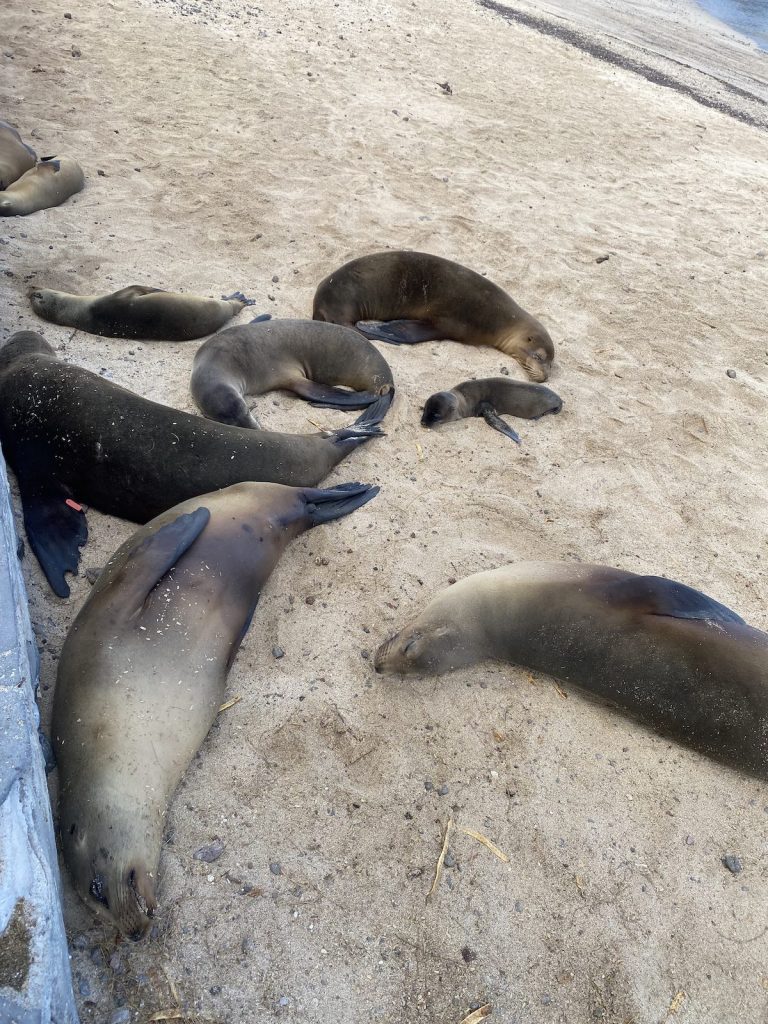
September wildlife is defined by the full maturity of the cool-season food surge. Sea lion pups born in late August are now abundant across central and western island beaches, old enough to venture into the water and interact with snorkelers. Galapagos penguins are at their most active. Whale watching reaches its best window of the year. Waved albatross chicks are growing on Española. Galapagos hawks are in full courtship. Nazca booby chicks are hatching on Genovesa. Blue-footed booby chicks continue to develop on Española and Isabela. Golden stingrays and more vibrant marine life are visible in the cold, clear water.
The sea lion pup experience in September is qualitatively different from August’s first arrivals. By September, pups born in late August are a few weeks old. They’ve learned to swim. They’re curious, bold, and increasingly detached from their mothers’ direct supervision for short periods. At snorkel sites near active pupping beaches – Gardner Bay on Española, Punta Espinosa on Fernandina, the beaches of Santa Fe – you will share the water with young sea lions that have not yet learned to avoid humans. They circle you. They exhale bubbles in your mask. They grab at fins. They watch you watching them. The warm-season sea lion experience is pleasant. The September pup experience is genuinely memorable in a way that’s hard to replicate elsewhere or at other times of year.
The penguin situation in September warrants its own emphasis. Galapagos penguins are identified as being at their annual peak of activity in September by multiple independent sources and operators. The Humboldt Current at full strength means the food supply supporting them is at maximum, and their hunting behavior in the water – darting, diving, herding fish – is something to watch both from the surface and underwater. At Bartolomé, at Punta Espinosa on Fernandina, and along the western coast of Isabela, September penguin encounters in the water rank among the most memorable in our traveler feedback of any month and any species.
The whale watching case for September deserves specific mention because it’s undersold. Humpback, blue, and minke whales are all present in Galapagos waters through September. Blue whale sightings are more frequently reported in September than in any other month by several experienced naturalists we’ve worked with over the years. These are among the largest animals ever to have lived, and encountering one from a zodiac in the Bolívar Channel is an experience with no equivalent anywhere.
September availability is genuinely better than July or August, but quality vessels with strong naturalist guides and good itinerary coverage still benefit from advance planning. We can check what’s available and match your travel window to the right departure. Get in touch here for a free, no-commitment quote.
Why September Offers Better Value Than July or August
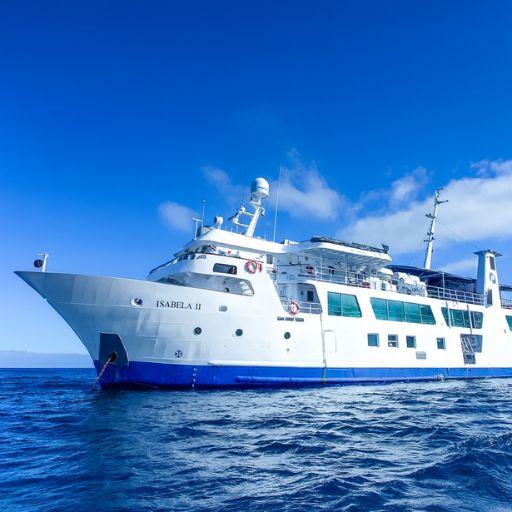
September delivers essentially the same wildlife as July and August – sea lion pups, penguins, whales, seabird nesting – at prices 15-20% below the summer peak. School calendars have returned across North America and most of Europe, which removes the primary demand driver of peak season. Cruise availability is meaningfully better. Booking lead times are shorter. The wildlife that makes July and August compelling doesn’t know the school year has started. September visitors access the same ecosystem with less competition for boats, cabins, and landing sites.
The value equation for September is unusually clean compared to most travel destinations. At most popular spots, shoulder season pricing comes with a genuine reduction in the experience – fewer shows, shorter hours, some attractions closed. That doesn’t apply in the Galapagos. The wildlife operates on the Humboldt Current’s schedule, not the school calendar. The sea lion pups don’t leave when August ends. The penguins don’t slow down because European schools have restarted. A traveler in September is getting the same animals doing the same things in the same places, but paying less for the boat and sharing the anchorage with fewer vessels.
The pricing difference over a week-long cruise is real. On a mid-range vessel, a 15-20% discount compared to peak July pricing can translate to $400-$700 per person saved. For a family of four booking two cabins, the September vs. July gap can approach $2,000-$3,000 total. That’s before factoring in the fact that domestic flights from Quito or Guayaquil to the islands also tend to be cheaper in September.
One caveat worth stating directly: the pricing advantage of September is the direct result of the sea conditions deterring some travelers. September’s roughest-of-the-year crossings keep certain segments of the travel market away. The discount exists because the month has a genuine challenge. Travelers who come prepared for cold water and rough crossings access those savings fully. Travelers who book September hoping the seas will be calmer than advertised are making a mistake.
What Are the Best Islands to Visit in September?
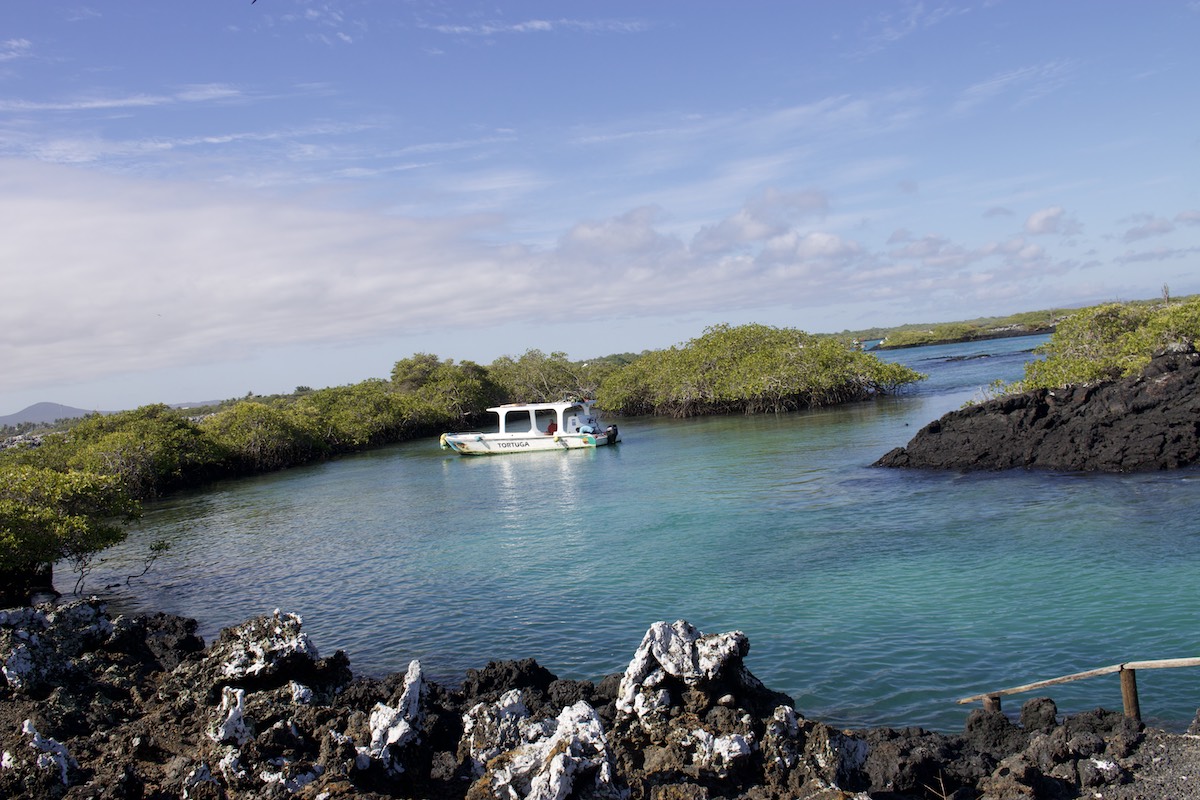
For September, the highest-return islands are Española (sea lion pups at Gardner Bay, albatross chick rearing, Nazca booby activity), Fernandina (penguins, sea lion pups, flightless cormorants, whale sightings in Bolívar Channel), Bartolomé (penguin encounters at Pinnacle Rock, spectacular scenery), Isabela (whale watching, penguins at Punta Vicente Roca, marine iguanas), and Genovesa (Nazca booby chicks, red-footed boobies, Darwin Bay snorkeling). A well-routed eight-day itinerary covers four of these five.
Española in September earns its place for a specific reason: the combination of sea lion pups at Gardner Bay and waved albatross chicks at Punta Suarez is only available in the August-October window. In September, the albatross chicks born from eggs laid in June are growing rapidly, covered in dark fuzzy down, and practicing the wing exercises they’ll need for their first flight. The parents are still providing food. Watching a chick nearly half the size of an adult demand feeding from a bird that just returned from days at sea is a completely different spectacle from the April courtship ritual, but equally compelling in its way.
Fernandina is the anchor of any serious September western itinerary for the same reasons it anchors August: penguins, sea lion pups, flightless cormorants, and the Bolívar Channel whale corridor. The ecological productivity that makes September’s water cold also makes Fernandina one of the most wildlife-dense single stops in the Galapagos system. A morning on the Punta Espinosa shore in September, surrounded by marine iguanas basking on lava, penguins preening in rock crevices, and flightless cormorant chicks in their nest sites, is a field day for photographers specifically because there are fewer other visitors present than in July.
The September photography advantage is something we hear consistently from traveler feedback. Less competition at landing sites means more time at each location, less jostling around individual animals, and naturalist guides who have time to actually explain what’s happening rather than managing a dense group. This translates to better photographs and a more immersive experience. For wildlife photographers specifically, September is arguably the best month in the entire dry season.
How Crowded Is the Galapagos in September?
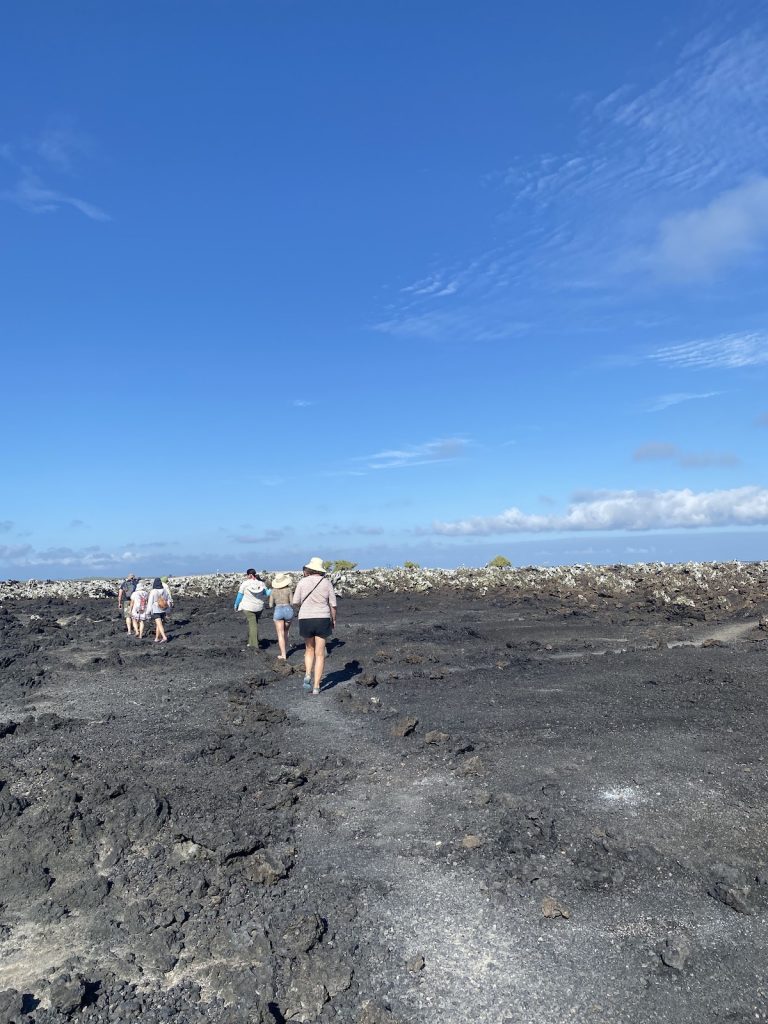
September is meaningfully less crowded than July or August. Northern hemisphere school calendars return in early September, removing the family travel segment that dominates the summer peak. Visitor numbers drop to shoulder-season levels within the first two weeks. Landing sites see fewer simultaneous vessel visits. Naturalist guides have more time with each group. Some operators report this as one of their favorite months to run trips – the wildlife is at its most productive and the experience has space to breathe.
The de-crowding of September doesn’t happen on a single date, it happens gradually through the month. The very first week of September still carries some late-summer family travelers, particularly from countries whose schools return after the first full week. By mid-September, the shift is clear. Boats that were full through August start appearing with available cabins. Anchorages that hosted four vessels in late July might see one or two in late September.
One notable exception: the US Thanksgiving holiday occasionally pushes a late November/early December crowd, but that’s weeks away from September’s quiet window. Within September itself, the main crowd variable is whether Ecuadorian school holidays create any domestic demand spike in specific weeks. These are smaller and more predictable than international holiday patterns and rarely affect the overall quietness of the month significantly.
For wildlife photographers and travelers who specifically value unhurried access to sites, September’s crowd profile is a genuine asset. Fewer groups competing for the same view of the same sea lion pup means you get the shot. Naturalist guides who aren’t managing logistics for multiple boats at the same site can spend the time pointing out the iguana color variations, the hawk hunting behavior, the subtle things that a rushed peak-season visit can miss entirely.
How Much Does a Galapagos Cruise Cost in September?
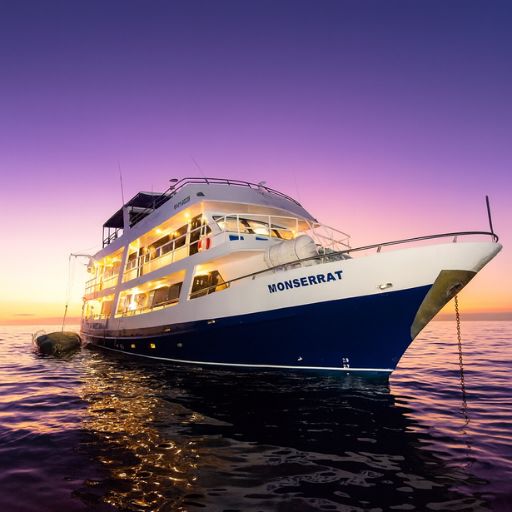
September sits at genuine shoulder season pricing – 15-20% below the July-August summer peak. Budget vessels start around $250-$430 per person per day. Mid-range (tourist superior) boats run $450-$600 per day. First-class cruises fall between $610-$780 per day. Luxury yachts start at $800 per day. Some operators report September as one of the months where last-minute deals occasionally surface on quality vessels, something essentially impossible in July. All fixed entry fees remain the same regardless of season.
The fixed entry costs: Galapagos National Park entrance fee is $200 USD per adult and $100 for children under 12, paid in cash on arrival. The TCT card is $20 per person, completed online through the official government portal before travel. Both required for all visitors. (Prices verified May 2026)
The last-minute deal window in September is real but narrow. Some operators, anticipating lower September demand, occasionally release discounted late-availability cabins two to four weeks before departure on vessels that haven’t filled. This is the opposite of what happens in July. It doesn’t mean September is last-minute-safe – a traveler hoping to plan a September trip in late August will find many of the better boats already committed. But compared to any summer month, the possibility of finding a quality vessel at a reduced rate with shorter notice is genuinely higher in September.
One pricing nuance: early September, the first two weeks, tends to carry slightly higher pricing than late September as it still catches the tail end of summer demand from certain markets. If your travel window allows any flexibility within September, departures in the second half of the month offer the clearest shoulder-season pricing benefit.
| Cruise Class | Per Day (per person) | 7-Day Total (per person) | September Note |
|---|---|---|---|
| Budget | $250-$430 | ~$1,800-$3,000 | Good availability; occasional late deals |
| Tourist Superior (Mid-Range) | $450-$600 | ~$3,100-$4,200 | 15-20% below summer peak; book 3-4 months ahead |
| First Class | $610-$780 | ~$4,300-$5,500 | Good choice selection; best boats still benefit from early inquiry |
| Luxury | $800-$1,700+ | $5,600-$12,000+ | Shoulder rates vs summer; 6-8 months ahead for specific vessels |
| Fixed entry fees: National Park $200/adult, $100/child. TCT card $20/person. Both required for all visitors. |
September is the month where we most often recommend travelers look when they ask us about the best value in the dry season. The boats available in September are the same vessels as July, at lower prices, with better availability. We can run through what’s open for your specific dates. Fill out this short form and we’ll put together a comparison at no obligation.
When Should You Book a September Galapagos Cruise?
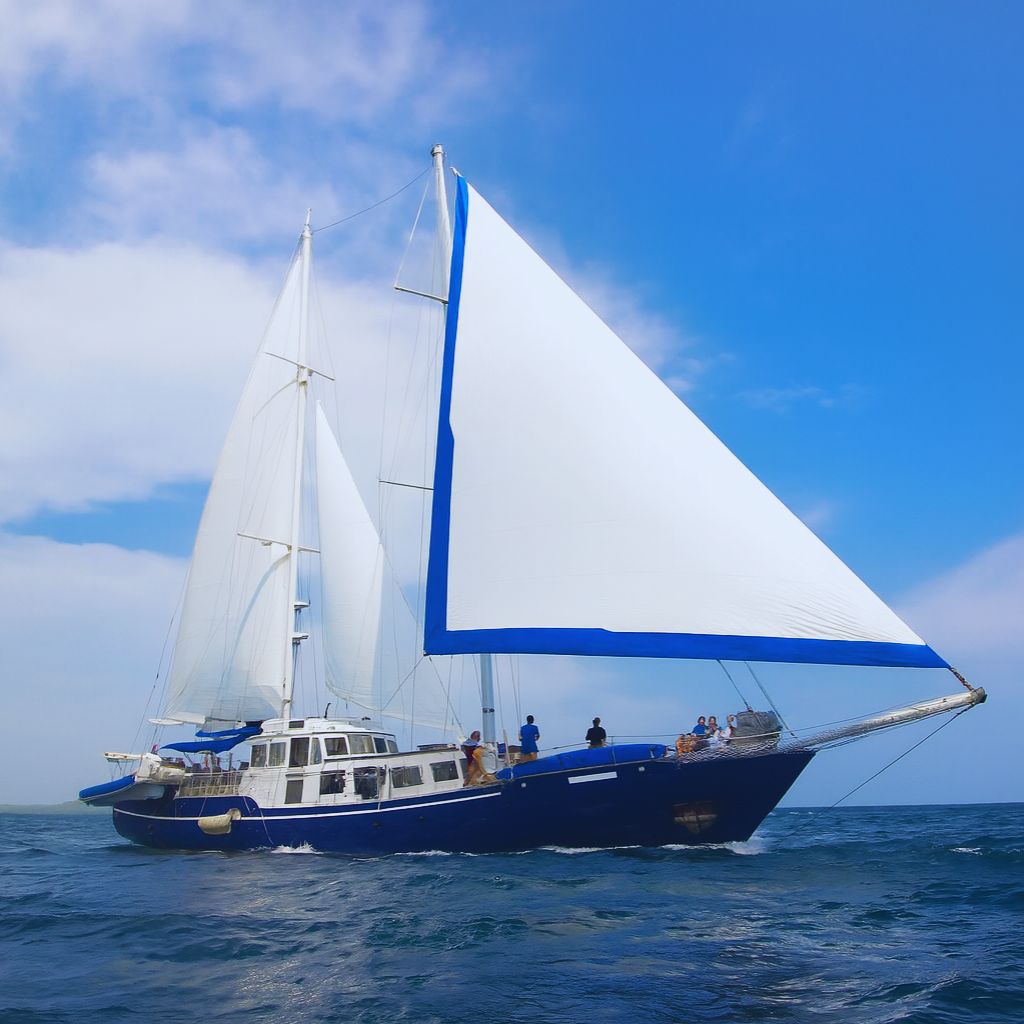
For mid-range and first-class vessels, 3-4 months ahead covers most September departures. Luxury yachts still warrant 6-8 months. Budget boats can sometimes be secured 6-8 weeks out. September is the one dry-season month where last-minute deals occasionally appear on quality vessels, but the best cabins still go early. Unlike July or August, September has genuine booking flexibility – you don’t need to plan a year ahead to secure a good trip.
The shortened booking window in September is one of its clearest advantages over July or August. A couple who decides in June that they want a September cruise is in a very different position than the same couple deciding in June that they want a July cruise. For July, the best boats at that stage are likely already committed for the prime dates. For September, a June inquiry will find good options across most vessel classes, with time to compare itineraries and cabins rather than just accepting whatever’s left.
Some caution applies at the quality end. First-class and luxury vessels with the most experienced naturalist guides, the best itinerary coverage of outer islands, and the most passenger-friendly facilities are known quantities. Even in September, these boats generate consistent demand from experienced repeat visitors and knowledgeable first-timers who’ve done their research. The four-month window works for most September bookings; the six-month window is still better for specific, highly-sought vessels.
A practical note on vessel type: the catamaran vs. monohull consideration from August applies with equal force to September, given the roughest seas of the year. If you or anyone in your group has motion sensitivity, a catamaran in the mid-range or first-class tier is worth the premium. Ask specifically about hull type when comparing September boats, it’s the single most impactful vessel choice for comfort in this month.
What September Travelers Report: Insights from Our Community
From traveler conversations through mytrip2ecuador.com and the My Trip to Somewhere YouTube channel, September generates some of the most consistent “hidden gem” framing of any month:
| Category | Finding | Traveler Notes |
|---|---|---|
| Value satisfaction | ~91% felt September offered better value than they expected | “Same wildlife as July. My neighbor paid 20% more last August and saw the same things” |
| Sea lion pup encounters | ~88% rated pup interactions in the water as a top-three highlight | “A pup spent ten minutes playing with my fins. I couldn’t leave the water” |
| Seasickness incidents | ~37% had significant motion sickness on at least one crossing | “The Genovesa overnight crossing was brutal. Take medication prophylactically, not reactively” |
| Photography satisfaction | ~86% said fewer crowds improved their wildlife photography significantly | “We had fifteen minutes alone with an albatross chick on the trail. Impossible in July” |
| Guide quality experience | ~79% felt their naturalist guide had more time with the group than in their previous peak-season trip | “Our guide could actually stop and explain things. Not just move the group along” |
| Would choose September again | ~89% yes or would specifically recommend September to others | “I keep telling people: skip July, go in September” |
What Catches September Travelers Off Guard
September is straightforward to prepare for, but a few things consistently catch travelers who haven’t read carefully:
The sea conditions are not “like August but slightly worse.” They are roughest in September. Travelers who had a rough August crossing and found it just manageable should know September can exceed it on certain routes. The Genovesa overnight crossing is the most commonly cited problem – a several-hour open-water passage to the far north that in September can involve significant sustained swells. If your itinerary includes Genovesa, take motion sickness medication the afternoon before the overnight crossing, not the morning after. Ask your booking contact specifically whether the planned crossing to Genovesa happens overnight or during daylight hours, since overnight crossings in rough conditions are considerably harder to manage.
The cold water without proper gear continues to surprise travelers who’ve read “wetsuit recommended” and interpreted it as optional. A 3mm wetsuit in 66-70°F (19-21°C) water keeps you functional. A 5mm keeps you comfortable. Without any wetsuit, September snorkeling sessions typically end early because people get cold. Most quality cruise operators provide wetsuits, but fit varies. If you own a properly fitting 3-5mm suit, September is the month to bring it.
Some boats go out of service in September for annual maintenance, as the quieter shoulder season makes this practical for operators. A very small number of vessels you might have seen on a search in July may simply not be operating in September. When comparing September options, confirm each vessel’s operating schedule for your specific dates rather than assuming the full year-round fleet is available.
Finally: the online biosafety declaration. Complete it before your flight through the official government portal. It’s been fully digital since May 2025. Five minutes, save the QR code, skip the airport stress.
Frequently Asked Questions
Is September a good month to visit the Galapagos?
Yes. September is one of the best value months in the Galapagos calendar. Summer crowds have cleared, prices are 15-20% below peak, and wildlife is essentially identical to July and August: sea lion pups, peak penguins, excellent whale watching, seabird nesting. The trade-offs are the roughest seas and coldest water of the year. Travelers who prepare for both consistently rate September as outstanding.
How rough are the seas in the Galapagos in September?
September has the roughest sea conditions of the Galapagos year, alongside August. Southeast trade winds are at their strongest. Open-water crossings, particularly to Genovesa or the western islands, can produce significant swells for several hours. Take motion sickness medication preventively – one to two hours before any open-water crossing – not reactively once symptoms start. Catamarans are significantly more stable than monohull vessels in these conditions.
Is September cheaper than July for a Galapagos cruise?
Yes, typically 15-20% cheaper than the July-August peak. School calendars returning in September remove the primary demand driver for summer pricing. On a week-long mid-range cruise, the September saving per person can run $400-$700 compared to July on the same vessel. Domestic flights within Ecuador also tend to be cheaper in September.
Are sea lion pups visible in September?
Yes. September is one of the best months for sea lion pup interactions. Pups born in late August are now a few weeks old, old enough to swim independently and curious enough to interact with snorkelers. They’ll circle you, grab at fins, and exhale bubbles in your face. The September pup experience in the water is one of the most consistently memorable wildlife encounters our travelers report.
How far in advance should I book a September Galapagos cruise?
For mid-range and first-class vessels, 3-4 months ahead is generally sufficient for September. Luxury yachts still warrant 6-8 months for specific vessels. Budget boats can sometimes be secured 6-8 weeks out. September is one of the few months where late-availability deals occasionally appear on quality vessels – though counting on them is risky. The booking window is genuinely more flexible than July or August.
What entry fees are required for the Galapagos?
National Park fee: $200 adults, $100 children under 12, paid in cash on arrival. TCT card: $20 per person, completed online through the official government portal before your flight. Both required for all visitors regardless of season or cruise class. (Verified May 2026)
Planning a September Galapagos Cruise?
September is the month we recommend most often to travelers who want dry-season wildlife without paying dry-season peak prices. The sea lion pups are there. The penguins are at peak. The whales are there. The crowds are not. The price reflects the calmer demand, not a reduced experience.
We offer free cruise planning and no-commitment price quotes, with direct experience across nearly every vessel operating in the archipelago. Rated 4.9 stars on Google and TripAdvisor.
Get your free September cruise quote here
Written by Oleg Galeev
Galapagos cruise traveler (3 trips, 2 cruises) · Founder, Cruises To Galapagos Islands
Oleg has personally inspected nearly every available Galapagos cruise vessel and interviewed thousands of travelers to build the most first-hand cruise knowledge base available. He also runs the Ecuador travel blog mytrip2ecuador.com and the YouTube channel My Trip to Somewhere.
Cruises To Galapagos Islands is rated 4.9 stars on Google and TripAdvisor.
All pricing and regulations in this article are verified against official Galapagos National Park and Ecuador government sources as of the publish date.