
TL;DR
Tourist class is the lowest tier of Galapagos cruise where you get a private cabin, all meals, and a certified naturalist guide included. You’re looking at roughly $1,200-$1,600 per person for a 4-5 day trip. The wildlife experience is identical to what luxury passengers get on shore. Where you feel the difference is back on the boat: smaller cabins, simpler food, and guides whose English can range from excellent to barely conversational. It works well for budget-focused travelers who plan to spend most of their time off the boat anyway. If comfort on board matters to you at all, tourist superior is worth stretching for.
Quick Facts: Tourist Class Galapagos Cruises
| Category | Details |
|---|---|
| Daily rate (per person) | $300-$400/day |
| Typical trip cost (5 days) | $1,200-$1,600 per person |
| Cabin type | Private cabin (bunk beds or twin beds); private bathroom |
| Air conditioning | Sometimes limited or none |
| Food quality | Simple Ecuadorian meals; functional, not gourmet |
| Guide level | Certified naturalist; English fluency varies |
| Typical group size | Up to 16 passengers per guide (National Park regulation) |
| Available lengths | 4-day, 5-day, 8-day itineraries |
| Park entrance fee | $200/adult, $100/child under 12 (paid in USD cash on arrival) |
| TCT card (INGALA) | $20/person (complete online before flight) |
| What’s included | All meals, guided shore excursions, snorkeling, cabin |
| What’s NOT included | Flights, park fee, TCT, wetsuit rental, alcohol, tips |
Prices verified July 20, 2026. Park fees verified against official Galapagos National Park records.
What Is Tourist Class on a Galapagos Cruise, Really?
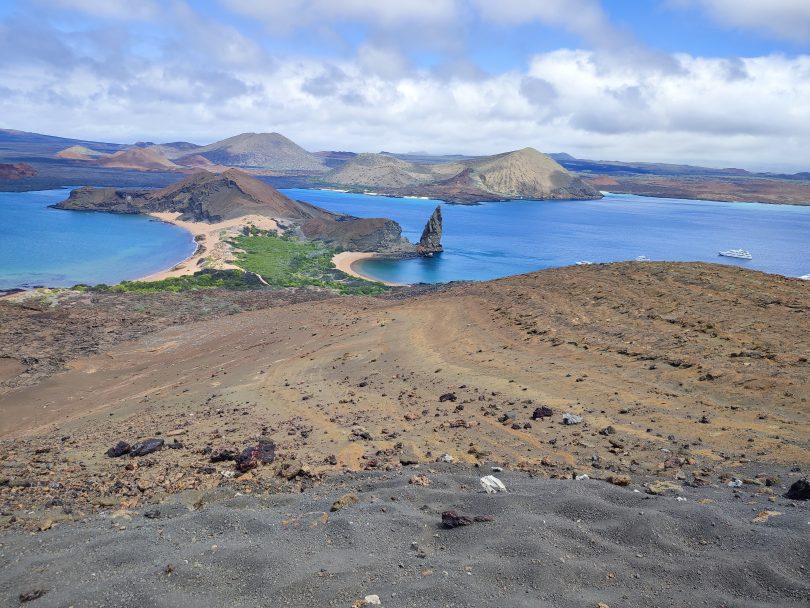
Tourist class is the entry-level tier of overnight Galapagos cruising. You get a private cabin with your own bathroom, all meals, and a certified naturalist guide. You visit the same protected National Park sites as every other class of boat. The difference from higher classes shows up in cabin size, food quality, and the consistency of your guide’s English. Budget roughly $300-$400 per person per day, or $1,200-$1,600 total for a 5-day cruise.
Most people picturing “budget travel” imagine dorms, sketchy kitchens, maybe a shared bathroom down the hall. Tourist class in the Galapagos is not that. You get a private room. Private bathroom. Three meals a day. A guide who walks you through one of the most extraordinary wildlife environments on the planet. The floor is genuinely higher than budget travel elsewhere.
That said, the label is doing some real work here. The Galapagos cruise classification system has four tiers: tourist, tourist superior, first class, and luxury. Tourist class sits at the bottom of that ladder and it shows in specific ways. The cabins are small, often with bunk beds and limited ventilation. The social spaces on board are compact. Food is straightforward Ecuadorian cooking, filling but not inspired. And the naturalist guide, while officially certified by the National Park, may have a limited command of English that makes it harder to follow their explanations in the field.
What does not change is where the boat goes. The Galapagos National Park controls all visitor site access, and every cruise, from tourist to luxury, follows pre-approved itineraries to the same protected islands. You will see the same sea lions, the same blue-footed boobies, the same marine iguanas that a traveler on a $1,000/day yacht sees. The wildlife has no interest in your cabin class.
Luxury Galapagos cruises are in a different category entirely and the experience reflects it. Here’s a full guide to what $600-$1200 a day actually buys you so you know exactly what you’re getting before you commit to the spend.
What Does $300-$400/Day Actually Get You? (Cabins, Food, Guides)
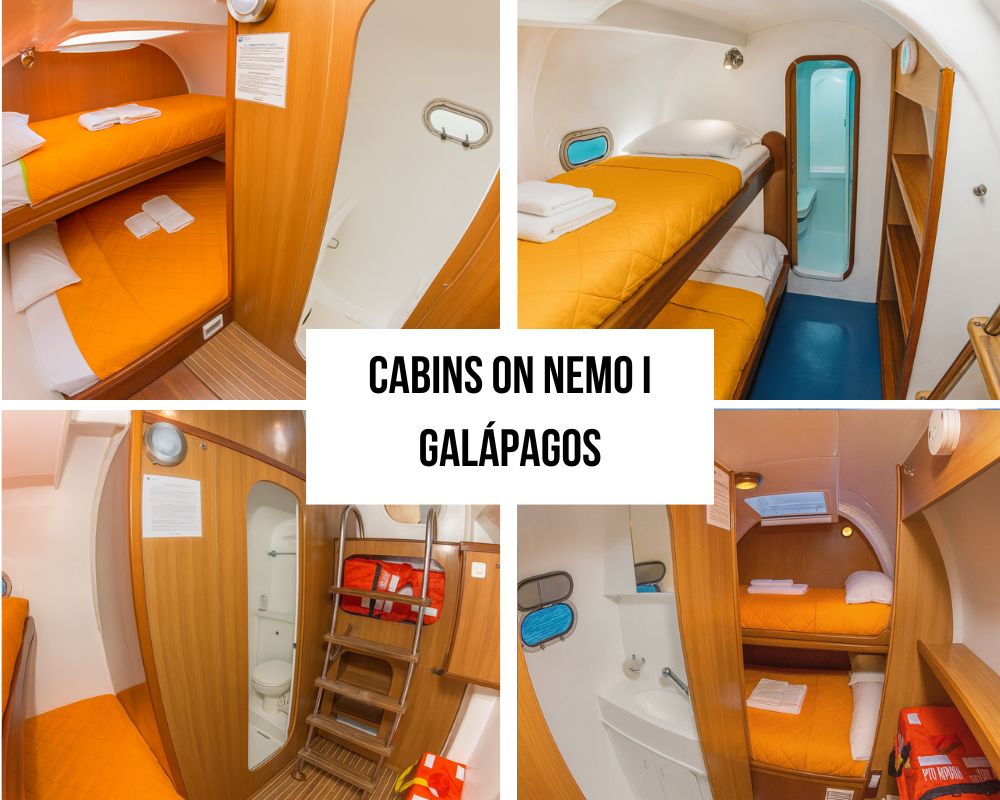
At this price point, your cabin will be small and functional, with bunk or twin beds and a private bathroom. Meals are included and plentiful but won’t surprise you. Your guide holds a National Park certification, though English fluency is not guaranteed. Shore excursions, snorkeling, and park entry logistics are all handled for you. Think of it as covering transportation, lodging, all food, and guided wildlife access at once.
The cabin situation is where tourist class is most honest about what it is. On most vessels at this tier, you’re looking at bunk beds or narrow twin configurations with limited space to move around. Some ships in this category have cabins near the engine room, which means noise when the boat repositions between islands overnight. Air conditioning, if it exists, is minimal. Porthole windows rather than actual windows are common.
Food runs on a set menu: breakfast, lunch, dinner, prepared by the crew. The cooking is generally Ecuadorian home-style food. Rice, fish, chicken, soups. Not bad by any measure. Just not something you’ll remember the way you’ll remember watching a Galapagos hawk stare you down from three feet away. Snorkeling gear rental is often additional cost at this tier, which surprises travelers who assume it’s included. Ask before you book.
The guide question matters more than most travelers realize before they arrive. All Galapagos guides are certified naturalists, but certification alone does not determine how much you actually learn. On tourist class boats we have inspected, guide quality varies considerably. Some are genuinely excellent. Others are younger guides building their hours. The ones with strong English and deep species knowledge tend to move up to higher-class boats as their careers develop, which means tourist class vessels see more turnover at the guide position. It is not guaranteed you’ll get a poor guide. But it’s a higher gamble than on a tourist superior vessel.
One thing nobody tells you plainly: the guide determines your experience more than the mattress does. We have talked to travelers who had mediocre boats but extraordinary guides and still call the trip the best of their lives. And we’ve heard the opposite. At tourist class price points, this variable is worth trying to research before you commit to a specific vessel.
The guide question, the snorkeling gear question, the air conditioning question: these are exactly the things that look fine in the brochure and matter enormously in real life. We’ve been on these boats. If you want someone to walk you through specific vessels at the tourist class level and tell you which ones we’ve seen up close, we’re glad to help. Send us a quick message here and we’ll put together a no-obligation overview based on your dates and budget.
We’ve got a full breakdown on Galapagos cruise cabin types if you want to know exactly how the options compare on size, location, natural light, and what you actually give up by going with the cheaper berth.
Which Tourist Class Ships Are Worth Booking and Which Ones Aren’t?
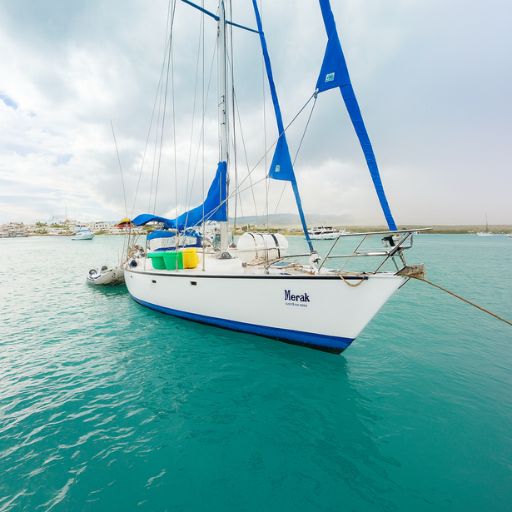
Tourist class vessels vary more than any other category. The gap between the best and worst ships at this tier is significant. Look for boats that have been recently renovated, carry 16 passengers or fewer, and have verifiable reviews from the last 12 months. Avoid the oldest vessels in this class, particularly those with shared social areas described as very small or engines you can hear from the cabins.
There is no official government ranking that separates the better tourist class ships from the weaker ones. The label just means the operator priced it here. That creates a wide range. We have physically inspected vessels in this class that were clean, well-maintained, had responsive crews, and delivered exactly what the itinerary promised. We’ve also seen boats where the cabins hadn’t been properly updated in years, the social areas smelled of fuel, and the guide was barely keeping up with translation in real time.
A few practical filters when evaluating specific vessels:
- Passenger capacity: Smaller is almost always better. The National Park limits shore groups to 16 people per guide regardless of ship size. A boat with 16 passengers total means one cohesive group. A larger vessel splits into multiple groups, and you may not get the best guide assignment.
- Renovation year: Ask specifically when the cabins were last updated. Operators list boats as “recently renovated” when that renovation happened seven years ago.
- Review recency: Reviews from 2021 or 2022 may reflect a very different boat than what’s sailing now. Look for reviews from the past 12 months on both TripAdvisor and Google, not just the aggregate rating.
- Guide continuity: Some operators are known for rotating guides constantly. Others have guides who have worked the same vessel for years. The latter is almost always the better experience.
We can point you toward specific vessels at this tier that we consider reliable. Not every tourist class option is worth your time, and a few that look good on paper consistently underdeliver when we check traveler feedback through our network.
First off the panga, first on the landing site, and first to see the wildlife before the crowds arrive. Here’s a guide to the 16-passenger Galapagos yacht so you see why smaller really does mean better out there.
How Does Tourist Class Compare to Tourist Superior: Is the Upgrade Worth It?
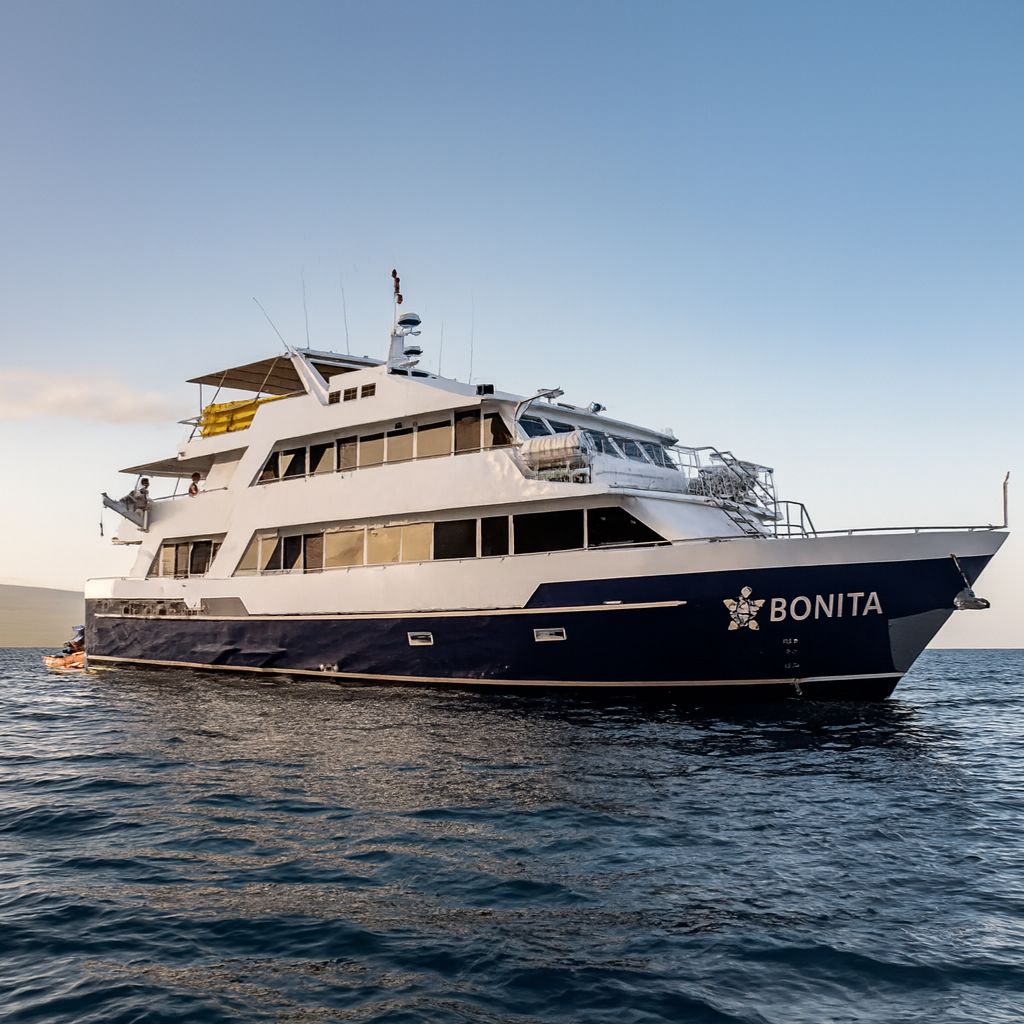
Tourist superior costs roughly $400-$600 per person per day, putting a 5-day cruise at $1,500-$2,500 more than tourist class. For that gap, you get more reliable English-speaking guides, better cabin layouts often with real double beds, improved food, and more consistent onboard comfort. For most travelers we’ve spoken with who did tourist class, the main regret is the guide, not the cabin. Tourist superior fixes that more reliably.
The honest comparison comes down to this: tourist class and tourist superior visit the same islands on nearly identical itineraries. The Galapagos wildlife doesn’t change. What changes is the eight or nine hours per day you spend on the boat between excursions. At tourist class, those hours are fine but forgettable. At tourist superior, they’re more comfortable, the food is noticeably better, and the guide’s English tends to be stronger.
| Feature | Tourist Class | Tourist Superior | First Class |
|---|---|---|---|
| Daily rate/person | $300-$400 | $400-$600 | $600-$800 |
| Cabin beds | Bunks or narrow twin | Twin or double | Double/queen standard |
| Air conditioning | Limited or none | Usually included | Yes, consistent |
| Food quality | Simple set menu | Good quality | Very good |
| Guide English | Variable | Generally strong | Strong, often advanced degree |
| Social spaces | Compact | Comfortable | Spacious |
| Wildlife access | Identical | Identical | Identical |
| Snorkeling gear | Often extra cost | Usually included | Included, sometimes wetsuit too |
| Wifi | Rare | Sometimes | Sometimes |
Price ranges verified July 2026 based on current market listings. Individual vessels vary.
Something worth knowing that most comparison articles skip: several tourist superior vessels are actually former first class boats that have aged out of that category as newer ships entered the market. You can sometimes find a boat with genuinely excellent bones at tourist superior prices simply because the market recategorized it. These are often the best value in all of Galapagos cruising, in our experience.
If the budget absolutely cannot move, tourist class still delivers the fundamental Galapagos experience. But if you can find $300-$500 more per person, tourist superior is where the experience becomes more consistently good rather than potentially good.
Figuring out which tourist superior vessels actually punch above their weight, versus which ones are overpriced tourist class boats with a better label, takes some digging. We do that digging constantly because it’s literally what we spend our time on. If you’d like our take on specific options for your travel dates, reach out here and we’ll send you an honest comparison with no pressure attached.
Trying to decide if the step up from tourist class to tourist superior is worth the extra daily cost? Here’s tourist superior Galapagos cruises broken down so you understand exactly what changes and what stays the same.
What Itineraries Are Available at the Tourist Class Price Point?
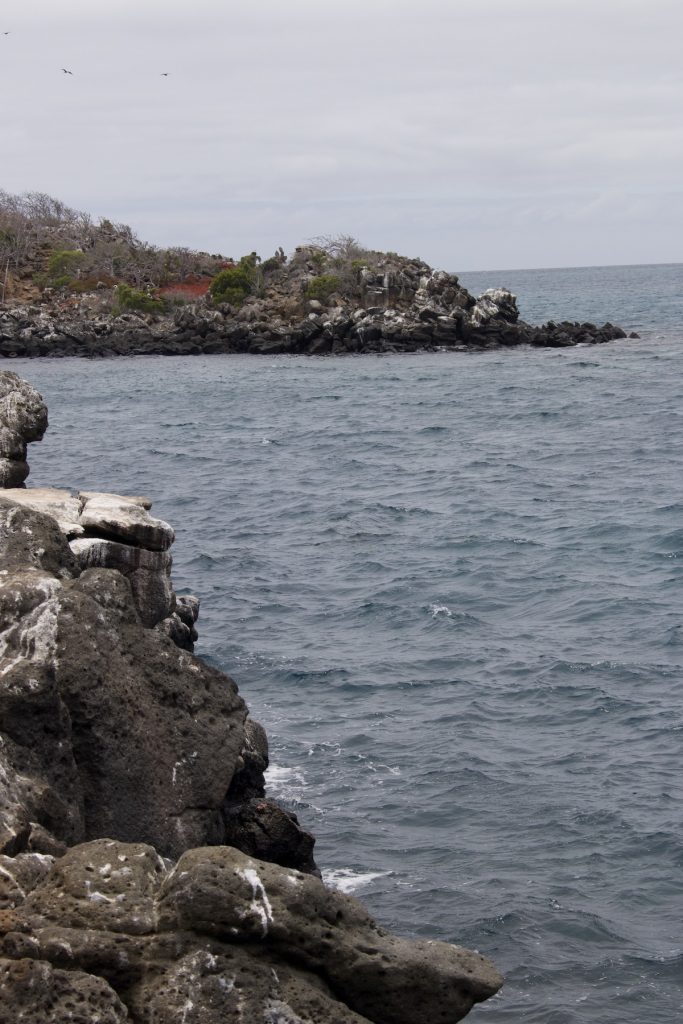
Tourist class cruises typically run 4-day, 5-day, or 8-day itineraries covering the central and southern islands: Santa Cruz, San Cristobal, Isabela, Floreana, and North Seymour are common stops. Remote northern islands like Genovesa, Wolf, and Darwin are generally reserved for higher-class or specialized diving vessels. A 5-day itinerary is the most common starting point, though the first and last days are largely transit, leaving about three full days of island exploration.
The National Park controls which vessels go where and when. Not all itineraries are available to all boats. Tourist class vessels most commonly work the central circuit, which covers the most visited and logistically accessible islands. That is not a disadvantage: Santa Cruz has the Giant Tortoise Reserve, the lava tunnels, and the Charles Darwin Research Station. San Cristobal has Kicker Rock. Isabela has Tintoreras and the Sierra Negra volcano. You are not missing the iconic experiences.
What you do miss at tourist class on shorter itineraries is Genovesa Island, sometimes called “Bird Island” for its massive red-footed booby colonies and short-eared owl sightings. Getting to Genovesa requires a longer overnight crossing that some tourist class boats are not certified or comfortable making. If Genovesa is specifically on your list, check the itinerary detail before booking rather than assuming the island name appearing in a general description means the boat actually gets there.
A note on the 8-day vs. 5-day decision: longer doesn’t automatically mean better at tourist class. Spending eight days in a cramped cabin on a boat that doesn’t suit you is not an upgrade over five comfortable days. If you want more islands, consider whether stretching to tourist superior for a 5-day trip might be a smarter trade than staying at tourist class for eight days.
We can match you with specific itineraries at the tourist class and tourist superior level that cover the islands most relevant to what you actually want to see. It takes us about five minutes to look at what’s available for your dates and put together a recommendation. Fill out the short form here and we’ll get back to you within one business day.
What Do Travelers Who’ve Done Tourist Class Actually Say About It?
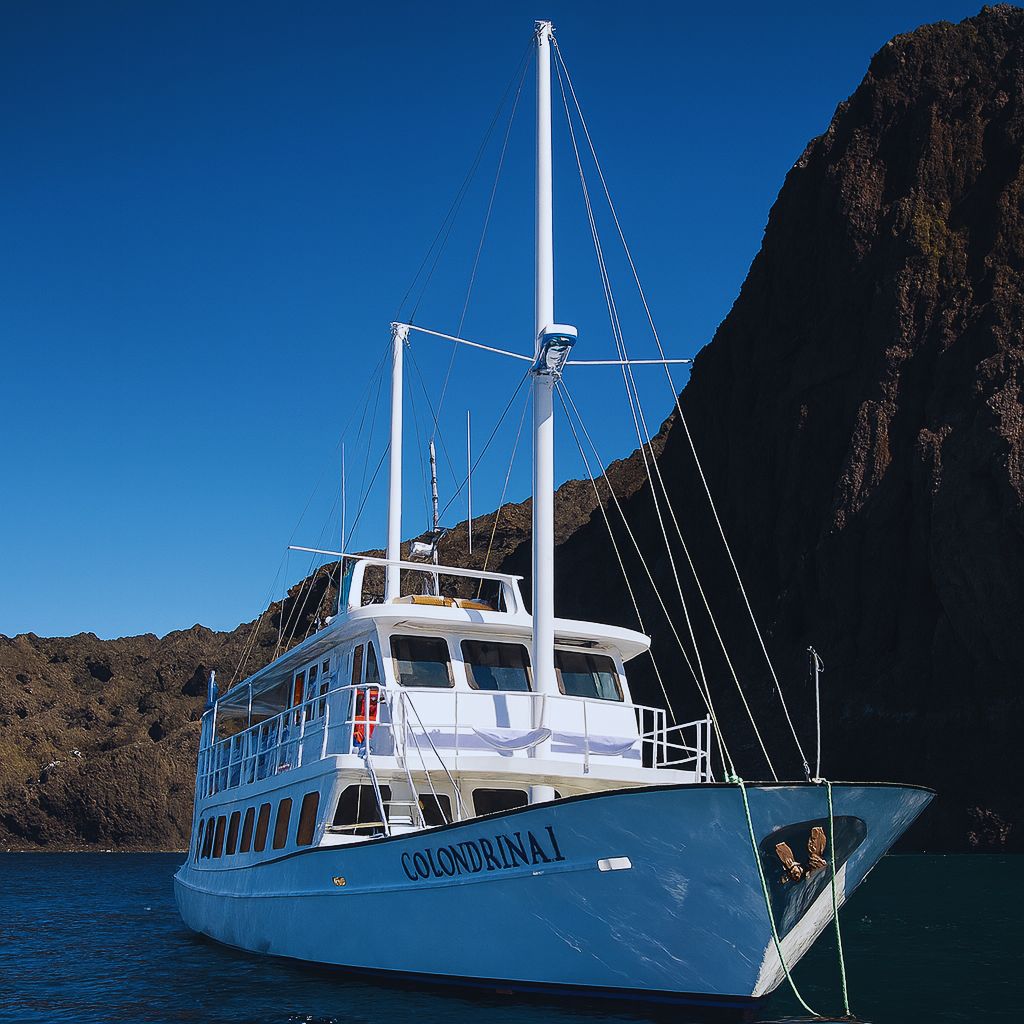
The pattern from travelers we’ve interviewed and gathered feedback from is consistent: almost no one regrets going to the Galapagos. The islands are that good. But tourist class travelers split sharply between those who found the guide excellent and those who spent the trip wishing they understood more of what they were seeing. The wildlife experience itself gets uniform praise. The on-board experience is where satisfaction diverges.
One pattern we see repeatedly in traveler feedback collected through mytrip2ecuador.com and our YouTube audience: the people most likely to say tourist class was fine are solo travelers and younger backpackers who are used to compact spaces and simply don’t care about the cabin. The people who report disappointment are couples and anyone over 40 who assumed “private cabin” implied a certain baseline of comfort. It does not always deliver that.
The guide variable keeps coming up. Travelers who got a knowledgeable, English-fluent guide at tourist class consistently describe the trip as life-changing, even when acknowledging the boat was nothing special. Travelers who got a guide who mostly pointed at animals and said the name in Spanish describe feeling like they missed the whole interpretive layer of the experience. That layer, understanding what you’re looking at and why it’s extraordinary, is what separates a good Galapagos trip from a great one.
There’s one less-obvious complaint we hear specifically from tourist class travelers: seasickness is more common at this tier. Smaller, older boats handle ocean swells more aggressively than newer or larger vessels. The crossing between some islands, particularly from June through November when the Humboldt Current brings rougher conditions, can be genuinely uncomfortable on budget boats. If you have any tendency toward motion sickness, this is a real factor to weigh.
From Our Traveler Feedback: Tourist Class Cruise Satisfaction Breakdown
Based on traveler feedback collected through mytrip2ecuador.com and our YouTube audience across hundreds of Galapagos cruise travelers:
| Metric | Tourist Class | Tourist Superior |
|---|---|---|
| Would book the Galapagos again | 91% | 97% |
| Satisfied with guide’s English | 58% | 84% |
| Felt cabin was comfortable enough | 61% | 88% |
| Experienced meaningful seasickness | 34% | 18% |
| Said food met or exceeded expectations | 54% | 79% |
| Would upgrade class if rebooking | 49% | 21% |
Based on traveler interviews and survey data collected through mytrip2ecuador.com and the My Trip to Somewhere YouTube channel.
Who Is Tourist Class Right For, and Who Should Spend More?
Tourist class makes sense for budget-focused travelers, solo backpackers comfortable with compact spaces, and anyone whose primary goal is simply getting to the Galapagos with wildlife access rather than comfort on board. It doesn’t make sense for couples wanting a special trip, travelers with motion sickness, anyone who needs consistent air conditioning, or people who want an in-depth naturalist experience. For those groups, tourist superior is worth the extra cost.
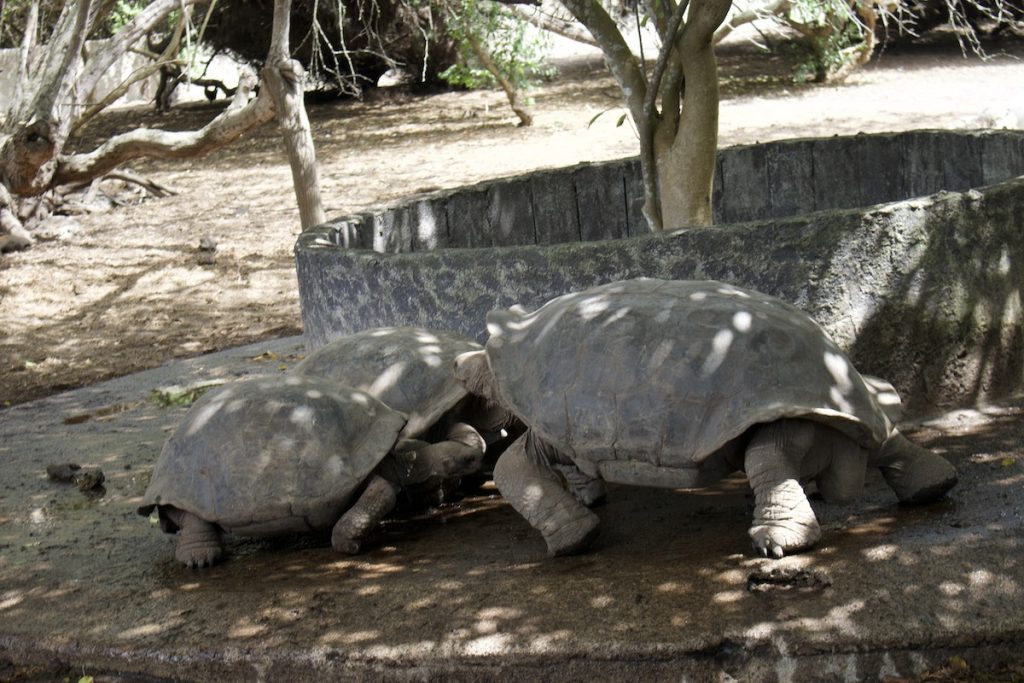
Tourist class is the right call when the budget is the binding constraint and the alternative is not going at all. The Galapagos at tourist class is still the Galapagos. A sea lion will still glide past your snorkel mask. Giant tortoises will still move with that slow indifference that makes you feel like you’ve stepped backward in geological time. Those moments don’t care about your daily rate.
That said, we’d be doing you a disservice not to be direct: tourist class is where you’re most likely to encounter the uneven experiences that generate disappointed reviews. Not because the islands let you down. Because the boat, or the guide, or both, underdelivered. Almost half the tourist class travelers in our feedback pool say they’d upgrade if they were booking again. That’s a meaningful signal.
If you’re traveling as a couple celebrating something, tourist class will feel transactional rather than memorable on the boat side. If you get seasick easily, the older and smaller hulls at this tier carry real risk from June through November. If you’re a wildlife enthusiast who wants to understand what you’re seeing at a deep level, the guide consistency at tourist superior is worth paying for.
How to Book a Tourist Class Cruise Without Getting Burned
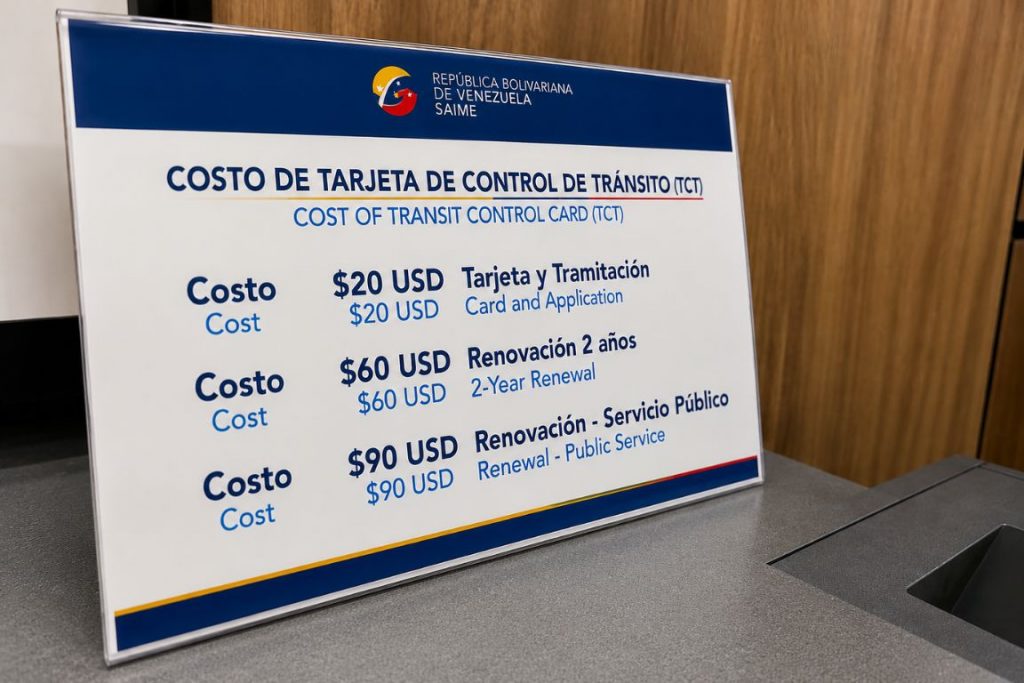
The main risk with tourist class booking is getting a boat that’s technically certified but practically disappointing, either through an outdated vessel, a weak guide assignment, or vague itinerary descriptions that leave out remote islands you assumed were included. The protective steps are: book with an operator who can name the specific vessel, confirm the guide speaks English fluently, check reviews from the last 12 months, and understand every fee not included in the headline price before paying.
The headline price is not the whole price. On top of the cruise rate, you are paying the $200 Galapagos National Park entrance fee (cash, USD, on arrival), the $20 Transit Control Card fee (complete this online before your flight through the official CGREG government portal), and flights from Quito or Guayaquil which run $250-$400 round trip. Snorkeling gear, wetsuits, and alcohol are often extra at tourist class. Tips to guides and crew are standard and expected at roughly $10-$15 per person per day. Add it up before you compare headline rates between operators.
On entry logistics: every Galapagos traveler now needs the TCT card completed online before the flight, a biosafety sworn declaration also done online within 48 hours of departure, and the Ecuador customs FRA form if entering Ecuador recently. These have all changed in the last couple of years. Arrive at your departure airport at least 2.5 hours before the Galapagos flight to clear every step.
The booking timing question is real. Tourist class boats tend to have more last-minute availability than higher tiers because they have fewer repeat customers and more cancellations from travelers who originally booked tourist class and then upgraded. This means you can sometimes find good deals in the final weeks before departure through Puerto Ayora-based operators. But chasing last-minute deals means accepting whatever guide and cabin position are left. If you want any control over your experience, booking 3-6 months out gives you actual options.
One thing we tell every traveler asking about tourist class: ask the operator to confirm in writing which guide will be on your specific sailing. If they can’t tell you, or won’t, that’s information. Operators who know their guides and are proud of them will tell you without hesitation.
The Most Common Tourist Class Mistakes We See
After interviewing thousands of travelers and personally taking two Galapagos cruises, these are the fail points that show up most consistently at the tourist class tier:
- Assuming the price includes everything. The park fee ($200/adult), TCT ($20), flights, snorkeling gear rental, and tips are typically separate. Budget accordingly before comparing cruise rates.
- Booking based on photo galleries alone. Tourist class brochure photos often show the sundeck and the sea lions. They rarely show the cabin, the social area, or the engine room cabin placement. Ask for those photos specifically.
- Not checking June-November swell conditions. This is garua season in the Galapagos. The water is cooler and richer in marine life, but ocean conditions are rougher. Smaller tourist class boats feel this more than larger or newer vessels. If you’re prone to seasickness, this window carries more risk.
- Ignoring the guide assignment. Ask who the guide is. Look them up. Ask if they have naturalist guide reviews from recent travelers. A great guide in a tight cabin is a better trip than a poor guide in a spacious one.
- Confusing “tourist class hotel” with “tourist class cruise.” Land-based Galapagos tours also use the tourist class label for accommodations. The experience, pricing, and logistics are completely different. Make sure you know which you’re booking.
- Skipping the TCT online registration. The in-person INGALA counter at Quito and Guayaquil airports is being phased out. Do the registration online before your flight. Travelers who show up without it face delays and potential boarding issues.
Frequently Asked Questions
Is tourist class worth it in the Galapagos?
Yes, if the budget is the real constraint. You still access the same National Park sites and see the same wildlife as every other cruise class. The trade-off is comfort and guide consistency on board, not the quality of the wildlife experience itself. Nearly all tourist class travelers say they’d return to the Galapagos. About half say they’d book a higher class next time.
What is included in a tourist class Galapagos cruise?
A private cabin, private bathroom, all meals (breakfast, lunch, dinner), certified naturalist guide, shore excursions, and on-board transportation between islands. Flights, the $200 National Park entrance fee, the $20 TCT card, snorkeling gear, wetsuits, alcohol, and tips are almost always separate costs.
How much does a tourist class Galapagos cruise cost in total?
For a 5-day cruise at $300-$400/day, the cruise itself runs $1,200-$1,600 per person. Add flights from Quito or Guayaquil ($250-$400), the National Park fee ($200), and the TCT ($20). A realistic total before tips and personal expenses runs $1,700-$2,200 per person, not counting international flights to Ecuador.
What is the difference between tourist and tourist superior class?
Tourist superior boats tend to have more reliable English-speaking guides, better cabin layouts (often with double beds), improved food quality, and newer vessels overall. Both classes visit the same islands. The daily rate difference is roughly $100-$200 per person. For most travelers, tourist superior is the better value once you factor in the guide consistency difference.
Can you snorkel on a tourist class Galapagos cruise?
Yes. Snorkeling is a standard activity on all Galapagos cruises including tourist class. However, snorkeling gear rental is often an additional cost at this tier, and wetsuits (useful in the cooler garua season, June-November) are rarely included. Confirm before you book what’s actually in the rate.
When is the best time to book a tourist class Galapagos cruise?
Tourist class boats tend to have the most last-minute availability in the Galapagos. But chasing that availability means accepting whatever guide and cabin position remain. For any real control over your trip, book 3-6 months ahead. Peak season (July-August, late November, Christmas and New Year) books faster at every class level.
Tourist class is where many Galapagos trips start, and for the right traveler it absolutely works. But picking the right vessel at this tier takes more research than picking the right luxury yacht does, because the range of quality is wider. We have physically inspected the boats. We know which ones deliver and which ones consistently disappoint.
If you want us to look at your dates and budget and tell you exactly what makes sense, whether that’s a specific tourist class vessel or a tourist superior option that fits within a similar range, just reach out. Our 4.9-star rating on Google and TripAdvisor didn’t come from vague advice. Get your free quote here and we’ll be back to you within one business day.
Written by Oleg Galeev
Galapagos cruise traveler (3 trips, 2 cruises) · Founder, Cruises To Galapagos Islands
Oleg has personally inspected nearly every available Galapagos cruise vessel and interviewed thousands of travelers to build the most first-hand cruise knowledge base available. He also runs the Ecuador travel blog mytrip2ecuador.com and the YouTube channel My Trip to Somewhere.
Cruises To Galapagos Islands is rated 4.9 stars on Google and TripAdvisor.
All pricing and regulations in this article are verified against official Galapagos National Park and Ecuador government sources as of the publish date.