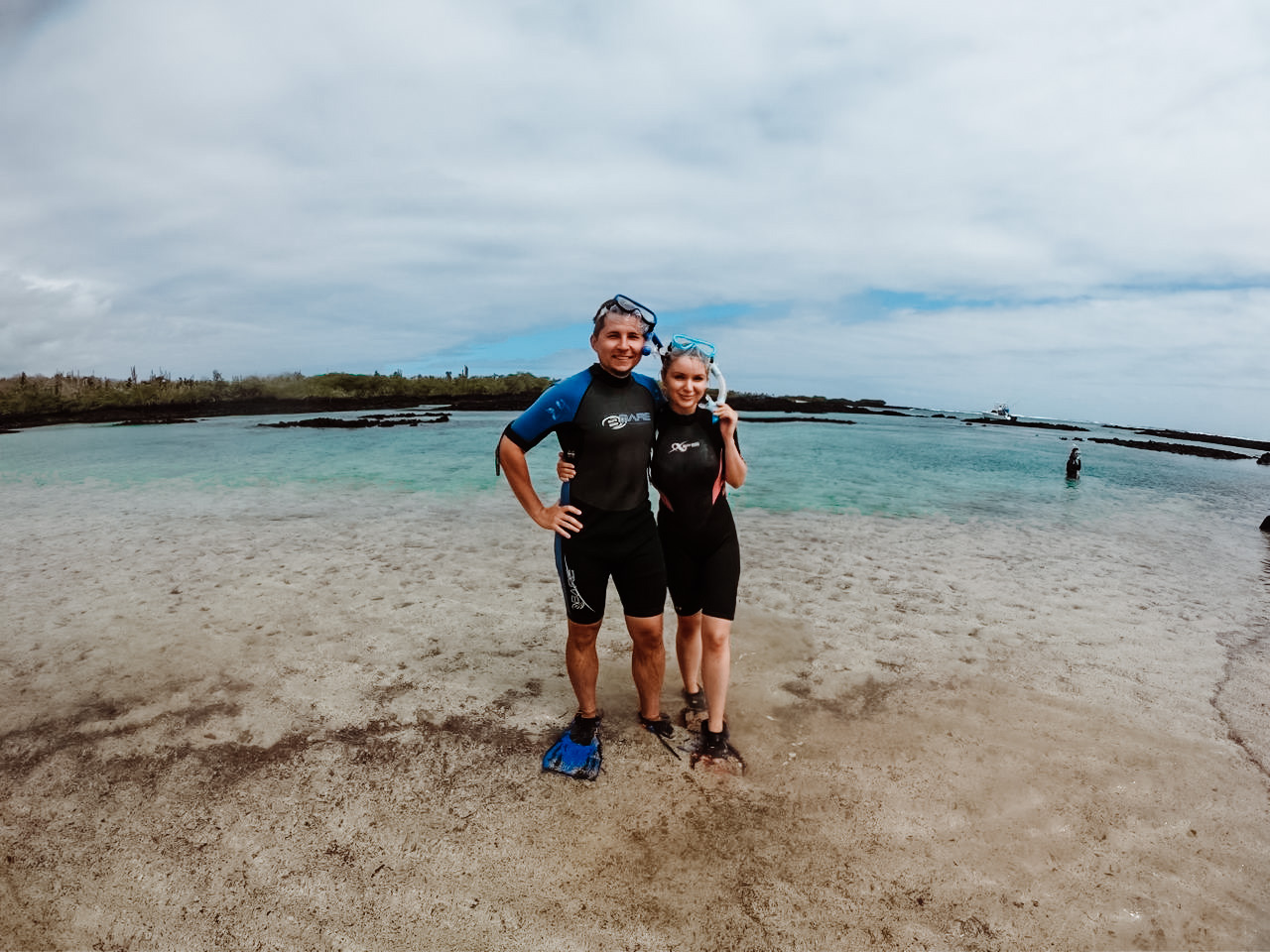
Tourist Superior Galapagos Cruises: The Middle Ground Explained
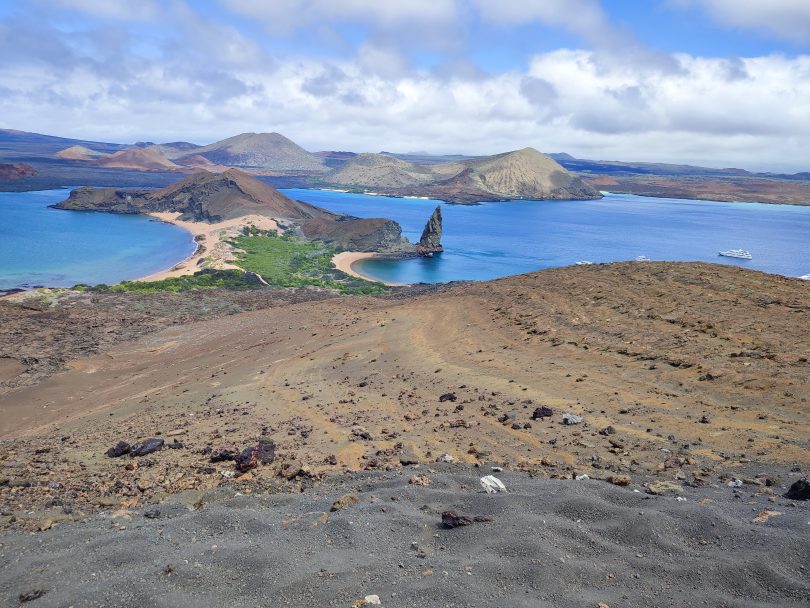
Part of our guide to the types of Galapagos cruises. Ready to pick a ship? See the best Galapagos cruises by price, size and class.
Quick Facts: Tourist Superior Galapagos Cruises
| Category | Details |
|---|---|
| Daily rate (per person) | $400-$600/day |
| Typical trip cost (5 days) | $1,500-$2,500 per person |
| Typical trip cost (8 days) | $2,500-$4,000 per person |
| Cabin type | Private cabin with private bathroom; twin or double beds |
| Air conditioning | Yes, standard at this tier |
| Food quality | Good quality; variety, dietary needs usually accommodated |
| Guide level | Bilingual certified naturalist; generally strong English |
| Snorkeling gear | Usually included |
| Typical passenger count | Up to 16 per guide (National Park regulation); some larger vessels |
| Available lengths | 4-day, 5-day, 7-day, 8-day itineraries |
| Park entrance fee | $200/adult, $100/child under 12 (paid in USD cash on arrival) |
| TCT card | $20/person (complete online before flight at official CGREG portal) |
| What’s included | All meals, guided shore excursions, snorkeling gear, cabin, air conditioning |
| What’s NOT included | Flights, park fee, TCT, wetsuits (sometimes), alcohol, tips |
Prices verified July 20, 2026. Park fees verified against official Galapagos National Park records.
What Is Tourist Superior Class on a Galapagos Cruise?
Tourist superior is the mid-range tier of Galapagos cruising, sitting between basic tourist class and more expensive first class vessels. It consistently delivers private air-conditioned cabins, bilingual naturalist guides with reliable English, good food, and included snorkeling gear. Think of it as a solid three-star experience on the water. At $400-$600 per person per day, it covers the gap between roughing it and spending serious money on luxury.
There’s a moment that happens on almost every tourist superior cruise we’ve seen travelers come back from. They walk off the boat, wildlife-drunk and sun-worn, and when you ask what they’d change, the answer is almost always “nothing about the islands” and sometimes “I wish the cabin had been slightly bigger.” That’s tourist superior in a nutshell. The experience is excellent. The on-board comfort is genuinely good, not exceptional.
The classification itself is informal. No government authority issues a tourist superior certificate. Operators and booking agents apply the label based on the overall quality of the vessel, and one agency’s tourist superior might be another’s first class, particularly when it comes to older boats that have been well-maintained. The range within this tier is real. A recently refurbished yacht with comfortable double-bed cabins, a capable chef, and a guide who has been working the same waters for twelve years is a different proposition from a tourist superior boat at the lower end of the range with smaller cabins and a newer guide still building confidence.
What’s not variable at this tier: the wildlife access. The Galapagos National Park determines which visitor sites every cruise vessel, regardless of class, is allowed to visit. A sea lion on the beach at Gardner Bay does not know what you paid per night. She will come up and sniff your fins with the same total indifference whether you’re on a tourist superior yacht or a luxury catamaran. That’s one of the things that makes this tier so compelling for travelers who care more about what they see than where they sleep.
Still deciding whether to go all in on a luxury Galapagos cruise or find a better value at a lower tier? This guide on what $600-$1200 a day actually buys you gives you a straight answer on where the money goes and whether it’s worth it.
What Does $400-$600/Day Actually Get You? (Cabins, Food, Guides)
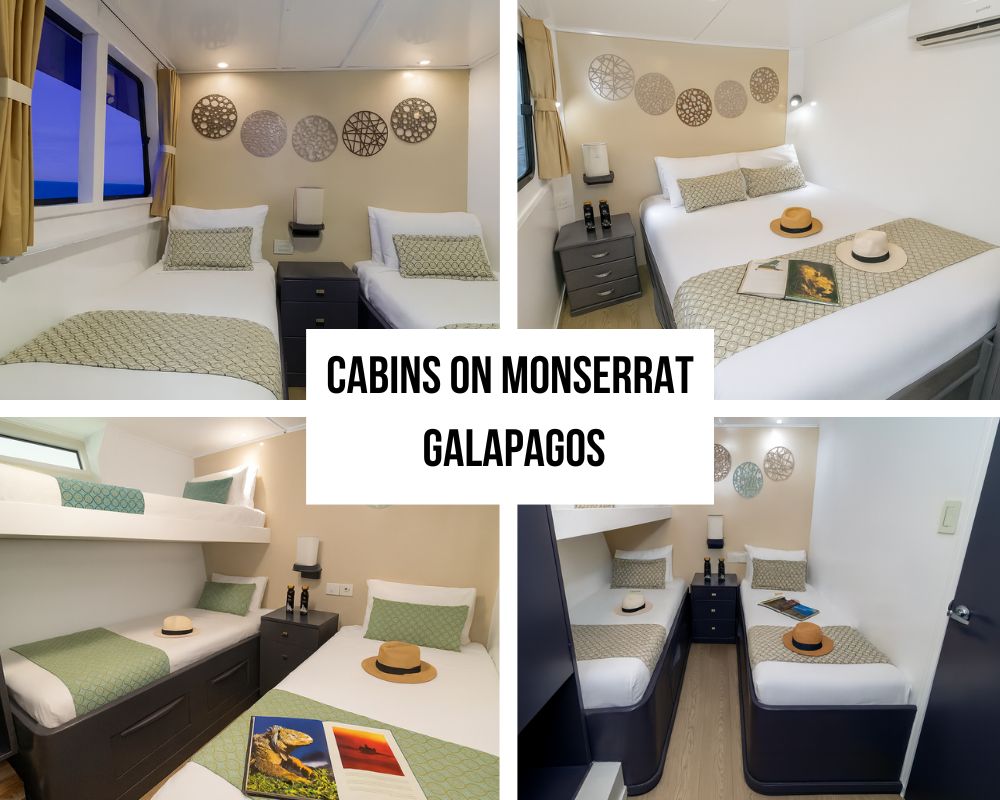
At the tourist superior price point, your cabin will have air conditioning, a private bathroom with hot water, and typically twin or double beds rather than bunks. Meals are genuinely good, with variety across breakfast, lunch, and dinner and reasonable accommodation for dietary needs. Your guide holds a bilingual naturalist certification and generally has strong enough English to explain complex ecological concepts in real time. Snorkeling gear is almost always part of the package.
The cabin difference between tourist and tourist superior is more meaningful than the price gap might suggest. Air conditioning alone changes the overnight experience at this tier. Cabins are still compact, nobody is spreading out here, but they’re ventilated, properly lit, and generally free of the engine noise that plagues the lower-deck rooms on tourist class boats. You’ll have a real window rather than a porthole on most vessels at this level, which matters more than it sounds when the boat is anchored somewhere extraordinary at dawn.
Food at tourist superior is where travelers frequently express pleasant surprise. It’s not gourmet. It’s not the kind of cooking that gets photographed and remembered for years. But it’s consistently good, hot, and varied enough that even on a 7-night trip you’re not eating the same rotation of dishes twice. Ecuadorian cooking at this quality level means fresh fish, good soups, solid vegetable preparation, and breakfasts that set you up properly for a morning of hiking across lava fields. Most tourist superior operators take dietary restrictions seriously. Tell them before you board; don’t wait until you’re three days out with no options.
The guide question is where this tier earns its reputation. Tourist superior boats consistently attract guides with stronger English and more years of field experience than their tourist class counterparts. We’ve seen the same guides stay with tourist superior vessels for five, eight, ten years. They know individual nesting pairs. They know which rock the marine iguanas favor in the afternoon light. They know how to read the group and pace the explanations so a complete newcomer to wildlife watching ends up understanding what they’re seeing, not just staring at it.
That said, snorkeling gear being included at this tier is worth confirming before you book. Most tourist superior operators include masks, snorkels, and fins in the base rate. Wetsuits, useful when the Humboldt Current drops water temperatures between June and November, are sometimes included and sometimes rented separately at $10-$20 per day. Ask when you’re comparing options rather than after you’ve committed.
The range of quality within tourist superior is wide enough that picking the right vessel makes a real difference. Some boats in this category have been recently refurbished and punch well above their class label. Others are coasting on an older reputation. We’ve inspected most of them. If you want an honest shortlist of tourist superior vessels we’d actually put our own clients on, send us a message here and we’ll put together a no-pressure recommendation based on your dates and group size.
The cabin you book on a Galapagos cruise affects your comfort more than most people factor in when comparing prices. Here’s a full guide to Galapagos cruise cabin types so you choose the right one before you commit to a booking.
Which Tourist Superior Ships Are Worth Booking?
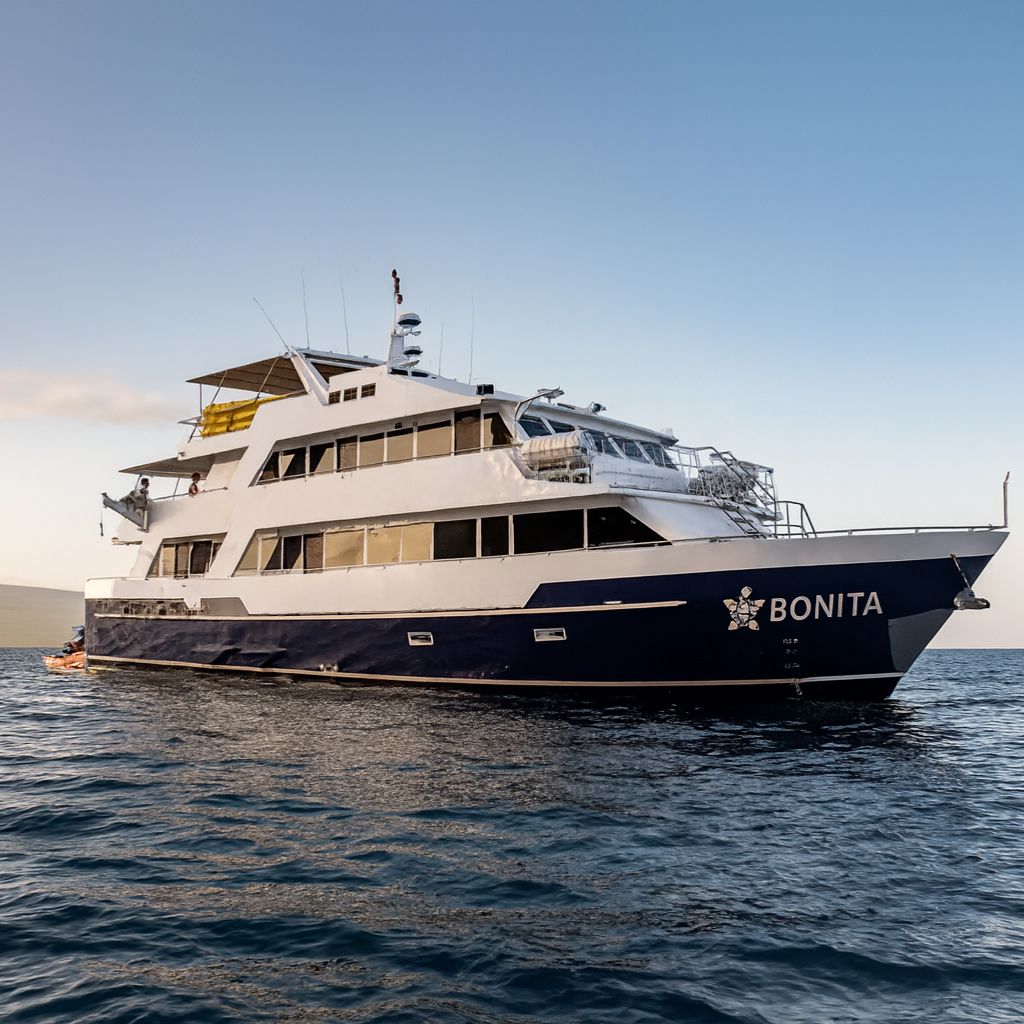
The best tourist superior vessels share a few traits: they carry 16 passengers or fewer, have been renovated in the last five years, retain experienced guides rather than rotating them constantly, and have TripAdvisor and Google reviews from the past twelve months that specifically mention the guide by name. Boats like the M/Y Bonita and M/Y Monserrat are well-established names at this tier. Both are former first class vessels that aged into tourist superior pricing, meaning you get first class bones at a more accessible rate.
The Monserrat is worth calling out specifically. It runs 10 comfortable cabins for up to 16 passengers, added free wifi in 2025, and offers itineraries ranging from 3 nights all the way up to a 15-day comprehensive loop. Guides on the Monserrat have consistently received strong traveler feedback over multiple years. The Bonita, which spent years as the Eric before its rebrand, offers a similar profile: bilingual naturalist guides, SUP paddleboarding as a bonus activity, and a layout that feels slightly more generous than the brochure photos suggest.
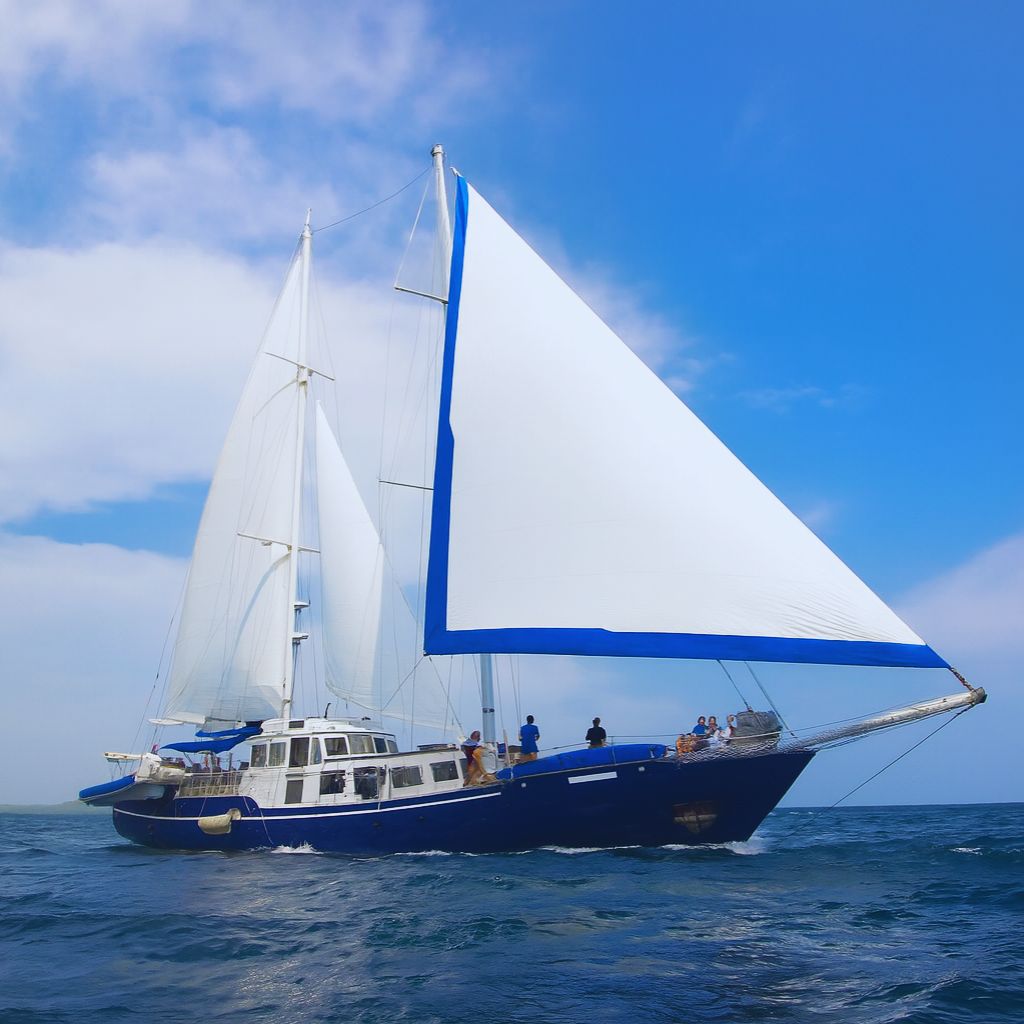
The Mary Anne is a different animal entirely. A 216-foot, three-masted barquentine sailing ship, it’s one of the most atmospheric vessels in the Galapagos and technically operates at the tourist superior level. Crew-to-guest ratios run high, the guides are deeply experienced, and the experience of navigating between islands under sail (it’s the only vessel in the archipelago that can move purely by wind power) is something completely different from a standard motor yacht. If the idea of a sailing ship appeals to you, the Mary Anne is worth looking at seriously. The trade-off is cabin size and the occasional rolling that comes with a traditional hull design.
A few filters that apply regardless of which vessel you’re evaluating: look for operators that can tell you the guide’s name before you book. Any operator confident in their guide assignment won’t hesitate. Look for reviews that mention specific activities, specific islands, and specific moments rather than generic five-star praise. And check whether the vessel has a catamaran hull or a monohull, since catamarans offer meaningfully better stability if you have any seasickness tendency.
Not sure what makes a 16-passenger yacht worth choosing over a larger Galapagos vessel? This breakdown covers the landing priority, the flexibility, the atmosphere, and why serious Galapagos travelers keep coming back to smaller boats.
How Does Tourist Superior Compare to Tourist Class and First Class?
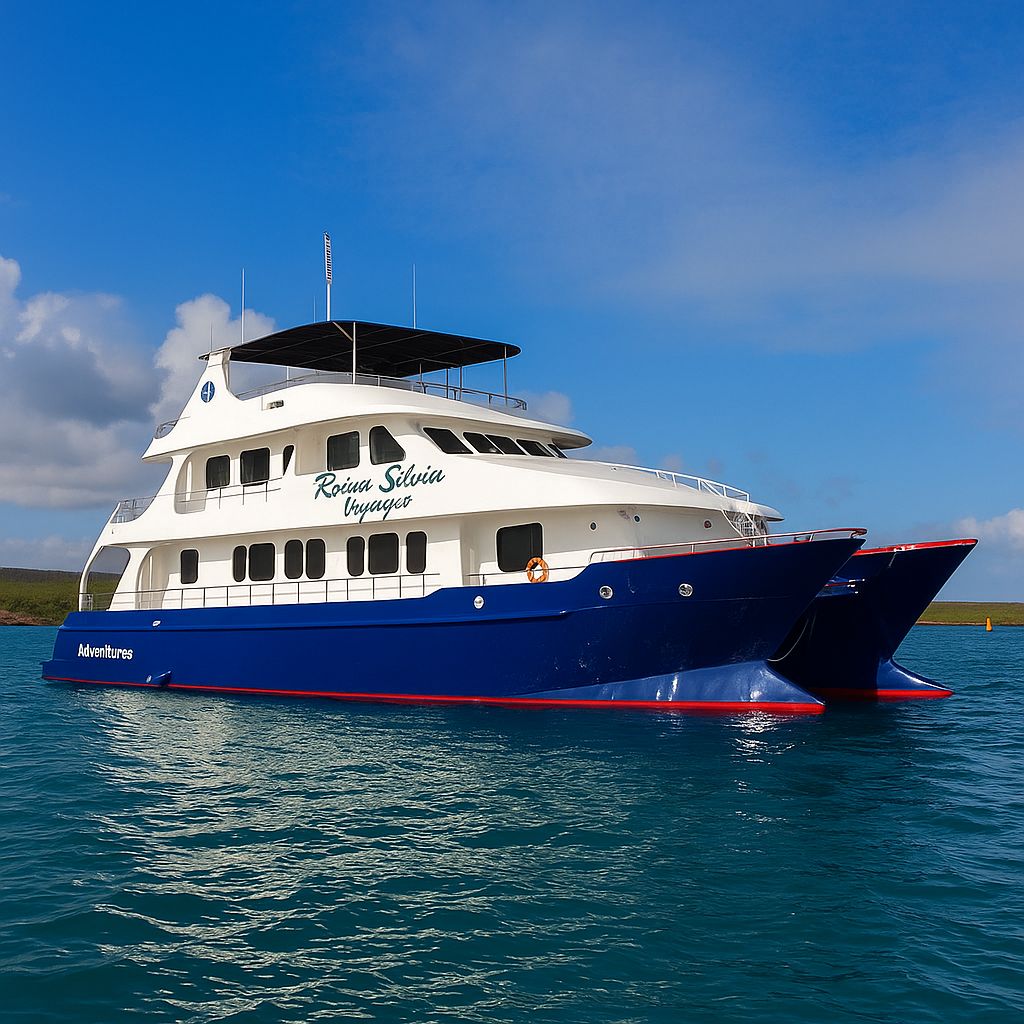
Tourist superior sits between tourist class (around $300-$400/day) and first class ($600-$800/day). Compared to tourist class, the main gains are reliable air conditioning, consistent guide quality, included snorkeling gear, and slightly more cabin space. Compared to first class, tourist superior gives up some cabin size, food refinement, and the likelihood of guides with advanced naturalist credentials. The wildlife experience is identical across all three tiers.
Here is the comparison most travelers actually need when they’re deciding:
| Feature | Tourist Class | Tourist Superior | First Class |
|---|---|---|---|
| Daily rate/person | $300-$400 | $400-$600 | $600-$800 |
| Air conditioning | Limited or none | Yes, standard | Yes, consistent |
| Cabin beds | Bunks or narrow twin | Twin or double | Double or queen standard |
| Guide English | Variable | Generally strong | Strong, often advanced degree |
| Food quality | Simple set menu | Good; varied | Very good to excellent |
| Snorkeling gear | Often extra cost | Usually included | Included; wetsuit sometimes too |
| Social spaces | Compact | Comfortable | Spacious; often jacuzzi |
| Wifi | Rare | Sometimes (Starlink on newer boats) | More common |
| Wildlife access | Identical | Identical | Identical |
Price ranges and inclusions verified July 2026. Individual vessels vary within each tier.
The tourist superior to first class jump is where the decision gets genuinely harder. The $150-$250 per person per day gap buys you more comfortable cabins, meaningfully better food, and guides more likely to have advanced naturalist credentials. If you’re traveling as a couple for a significant occasion or if you’re a serious wildlife enthusiast who wants the most knowledgeable possible guide interpretation in the field, first class is worth the stretch. If you just want the complete, satisfying Galapagos experience with a solid guide and reasonable comfort, tourist superior delivers that without the premium.
One insight that often surprises travelers: several of the better tourist superior vessels are former first class boats that were reclassified as the fleet modernized. This happens when newer and shinier first class yachts enter the market and push older but well-maintained boats down a tier. Booking one of these carries first class build quality at tourist superior prices. It’s the hidden value play in Galapagos cruising, and it’s something we look for specifically when making recommendations.
Working out whether the first class upgrade makes sense for your specific trip, or whether a well-chosen tourist superior vessel gives you everything you actually need, is exactly what we spend our time on. Our 4.9-star rating exists because we give honest answers, not because we push people toward the most expensive option. Get in touch here and we’ll tell you straight.
First class in the Galapagos is a significant step up but the question is whether the experience matches the price tag. Here’s a full guide to first class Galapagos cruises so you decide if the upgrade is actually worth it for your trip.
What Itineraries Can You Do at the Tourist Superior Price Point?
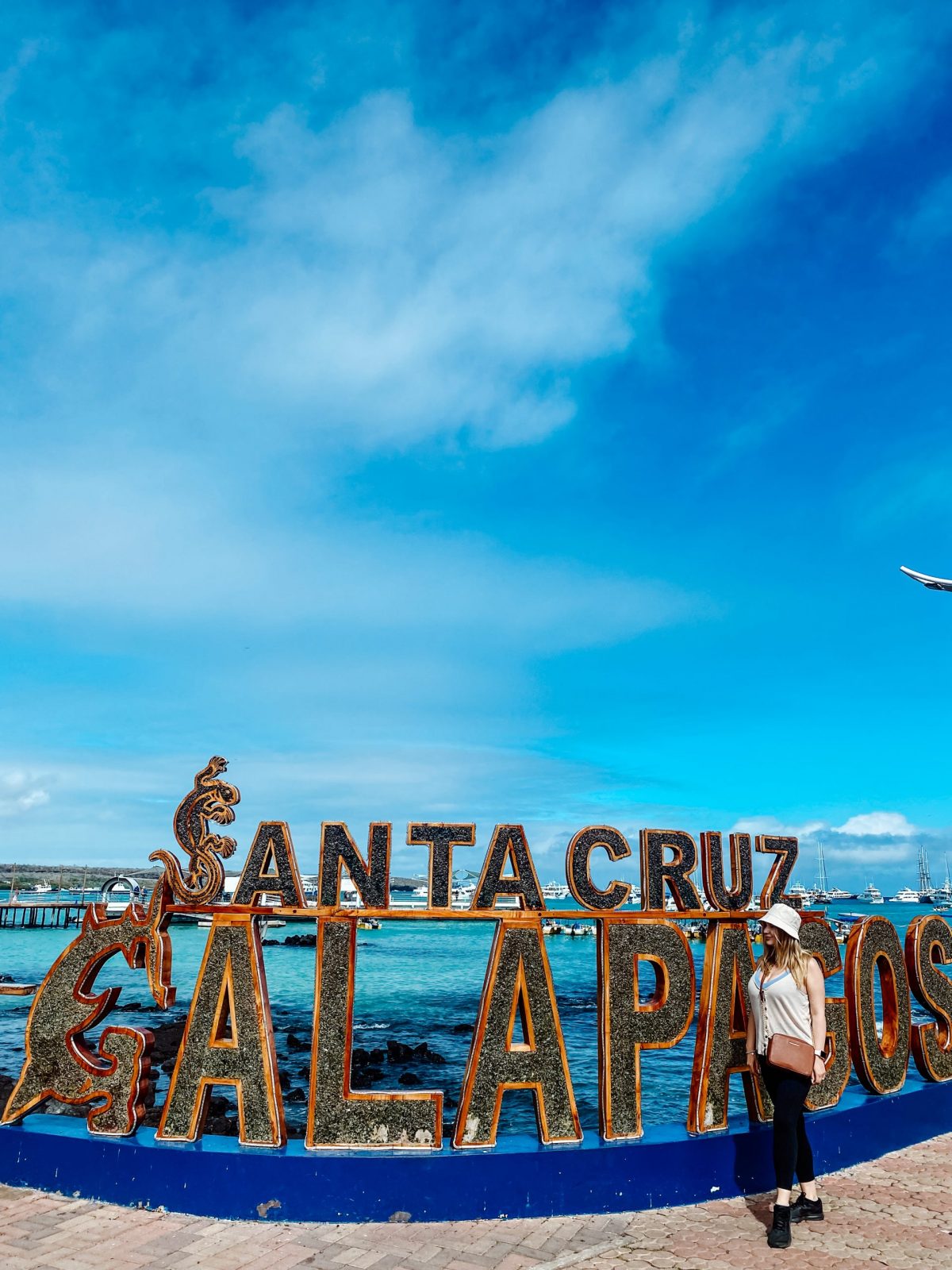
Tourist superior vessels run the full range of standard Galapagos itineraries: 4-day, 5-day, 7-day, and 8-day routes covering the central, eastern, and southern islands. The most accessible itineraries hit Santa Cruz, San Cristobal, Isabela, Floreana, North Seymour, and Española. Some tourist superior vessels also include Genovesa on 8-day itineraries. Western routes covering Fernandina and the remote western coast of Isabela are available on select boats at this tier.
The National Park pre-approves every route, so the itinerary you book is the itinerary you get, weather and occasional park-managed adjustments aside. Tourist superior vessels don’t visit fewer sites than first class ones. The islands are the same. What differs is the comfort of the overnights between them.
A few itinerary decisions worth thinking through at this tier. Genovesa, sometimes called Bird Island, sits in the far north of the archipelago and requires a significant overnight crossing to reach. Some tourist superior vessels include it on 8-day programs. If red-footed boobies, Nazca boobies, and the extraordinary atmosphere of Darwin Bay are priorities for you, specifically check whether Genovesa appears on the itinerary you’re considering rather than assuming it’s included because the brochure mentions northern islands.
The western route, covering Fernandina and the western coast of Isabela, is worth considering if Galapagos penguins, flightless cormorants, and marine iguana mega-colonies are high on the list. The Bolivar Channel between those two islands is some of the richest wildlife water in the archipelago. It’s also the roughest sailing in the Galapagos, so if seasickness is a concern, a catamaran-hull vessel for western itineraries is worth prioritizing at tourist superior.
Our honest recommendation on length: if budget allows, 7 or 8 days beats 5 days meaningfully. The first and last day of any Galapagos cruise are largely transit. A 5-day trip gives you roughly 3 full island days. A 7-day trip gives you 5. That difference in wildlife time is not marginal.
Matching the right itinerary to what you actually want to see is one of the most underrated parts of planning a Galapagos trip. We’ve been to these islands three times and know which routes deliver which wildlife at which time of year. Fill out this short form and we’ll match you with an itinerary and vessel based on your specific wishlist and travel dates.
We’ve got a full breakdown on catamaran vs yacht in the Galapagos if you want to know exactly how the two formats compare on seasickness risk, deck space, and overall value at different price points.
What Do Travelers Who’ve Done Tourist Superior Say About It?
From the thousands of Galapagos cruise travelers Oleg has interviewed through mytrip2ecuador.com and the My Trip to Somewhere YouTube audience, tourist superior travelers show the highest overall satisfaction of any cruise tier. They report consistent guide quality, good food, and comfortable enough conditions on board. The most common feedback is that the cabin was smaller than expected, but that they spent so little time in it that it didn’t matter. Very few tourist superior travelers say they’d downgrade. About a fifth say they’d consider going higher next time.
The pattern in traveler feedback at this tier is genuinely different from tourist class. Tourist class reviews split sharply between people who loved the experience and people who wished they’d spent more. Tourist superior reviews are far more consistent. The occasional complaint is specific: a cabin they wish had more storage, a crossing they found rougher than expected. Almost none of the systemic dissatisfaction that shows up at tourist class, where the guide is the most common point of failure.
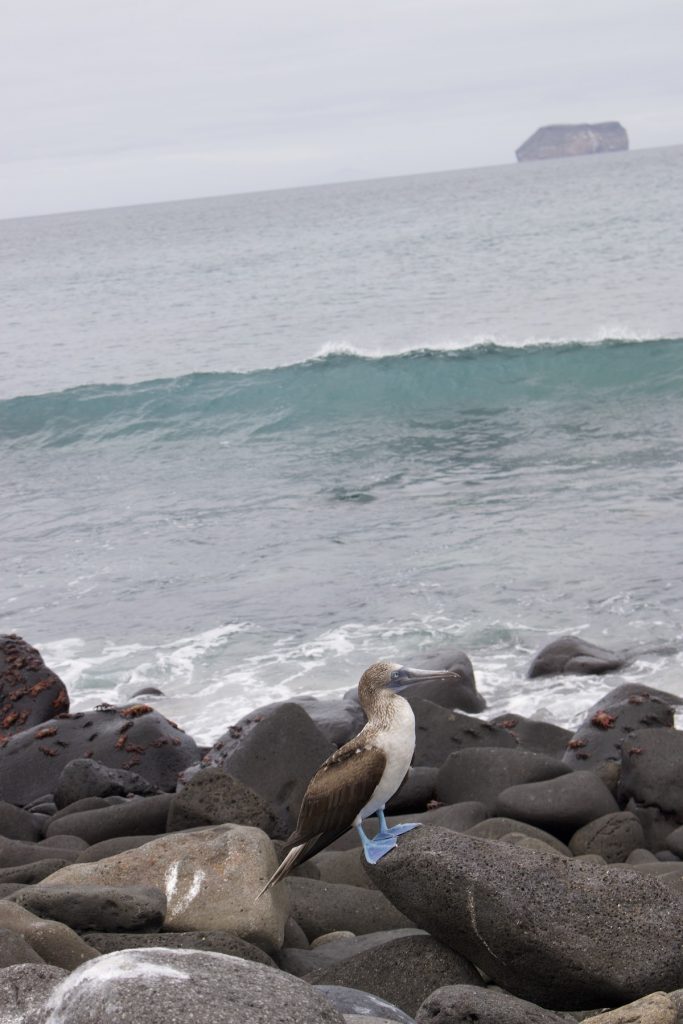
Something travelers don’t anticipate until they experience it: the guide at tourist superior class shapes not just what you learn, but where attention lands during excursions. A guide who has walked the same lava paths for a decade notices things that a newer guide misses entirely. An iguana that’s about to do something worth watching. A pair of blue-footed boobies mid-courtship. The feeding behavior of a Galapagos hawk that isn’t in any guidebook because it’s that specific to this stretch of coast. The better guides at this tier carry that kind of knowledge. And they’re genuinely excited to share it, which comes through in ways that change how you experience the islands.
On seasickness: tourist superior vessels don’t eliminate the problem, but newer and catamaran-hulled boats at this tier handle swells better than the older monohull tourist class options. Roughly 18% of tourist superior travelers in our feedback report meaningful seasickness compared to around 34% at tourist class. If you’re someone who has struggled with motion sickness on boats before, a catamaran hull at tourist superior is worth specifically requesting over a monohull at the same price.
The wildlife is the same regardless of what you pay for your cabin. Here’s a guide to tourist class Galapagos cruises so you understand what the $300-$400 per day price point actually covers and where it makes sense to upgrade.
From Our Traveler Feedback: Tourist Superior Cruise Satisfaction vs. Other Classes
Based on traveler interviews and survey data collected through mytrip2ecuador.com and the My Trip to Somewhere YouTube channel across hundreds of Galapagos cruise travelers:
| Would book the Galapagos again | 91% | 97% | 99% |
| Satisfied with guide’s English and knowledge | 58% | 87% | 94% |
| Felt cabin was comfortable enough | 61% | 83% | 95% |
| Experienced meaningful seasickness | 34% | 18% | 14% |
| Food met or exceeded expectations | 54% | 81% | 93% |
| Would upgrade class if rebooking | 49% | 21% | 9% |
| Would stay at same class if rebooking | 42% | 71% | 83% |
Based on traveler interviews and survey data collected through mytrip2ecuador.com and the My Trip to Somewhere YouTube channel.
Who Is Tourist Superior Right For, and Who Should Go Higher or Lower?
Tourist superior is right for most Galapagos travelers: couples, families with older kids, solo travelers who want reliable comfort without luxury prices, and anyone who cares as much about what they learn as what they see. It’s less ideal for honeymooners or milestone travelers who want something genuinely special on the boat side, and for wildlife enthusiasts who want the absolute best naturalist guide available. Those groups should consider first class or luxury.
The travelers who leave tourist superior most satisfied tend to have two things in common: they did reasonable research on the specific vessel before booking, and they understood going in that the cabin is a place to sleep, not a destination. The Galapagos pulls you out of your room from 6am to 9pm. The bird that lands three feet from your face at Española is not going to care whether your bed had 300-thread-count sheets. Tourist superior travelers who keep that in mind come back describing the trip as one of the best of their lives.
The travelers who are better served going lower: if the budget genuinely can’t stretch to $400/day and the alternative is tourist class on a specific vessel you’ve researched carefully with a guide whose background you’ve verified, tourist class can deliver. The wildlife doesn’t change. But tourist superior is where the on-board consistency starts to feel reliable rather than lucky.
The travelers who should go higher: if you’re celebrating something significant and want the boat itself to feel like part of the experience. If you’re deeply invested in wildlife interpretation and want the sharpest naturalist guides the islands offer. If you or someone in your group has mobility limitations that benefit from more spacious cabins and social areas. In those cases, the jump to first class is worth examining seriously rather than defaulting to tourist superior on price grounds alone.
Not sure what a naturalist guide actually does on a Galapagos cruise or why the quality of your guide affects the whole experience? This breakdown covers the role, the training, and what separates a good naturalist from a great one.
How to Book a Tourist Superior Cruise Without Overpaying
The main overpaying risk at tourist superior is booking a vessel that’s essentially tourist class quality with a tourist superior label and price. Protective steps: confirm the vessel’s last renovation date, ask the operator to name the specific guide on your sailing, check reviews from the past 12 months rather than relying on aggregate scores, and get a full breakdown of what’s included versus extra before comparing prices between operators.
The price range within tourist superior is wide. A boat at the lower end of this tier, around $400/day, might be offering tourist class conditions with better marketing. A boat at $580/day should genuinely offer air conditioning, double beds, included snorkeling, and a consistently experienced guide. Getting clarity on what you’re actually buying requires asking specific questions: Is air conditioning in the cabin or just the social areas? Are the beds double or twin? Is snorkeling gear included or rented on board? Is the guide assigned in advance or determined on departure day?
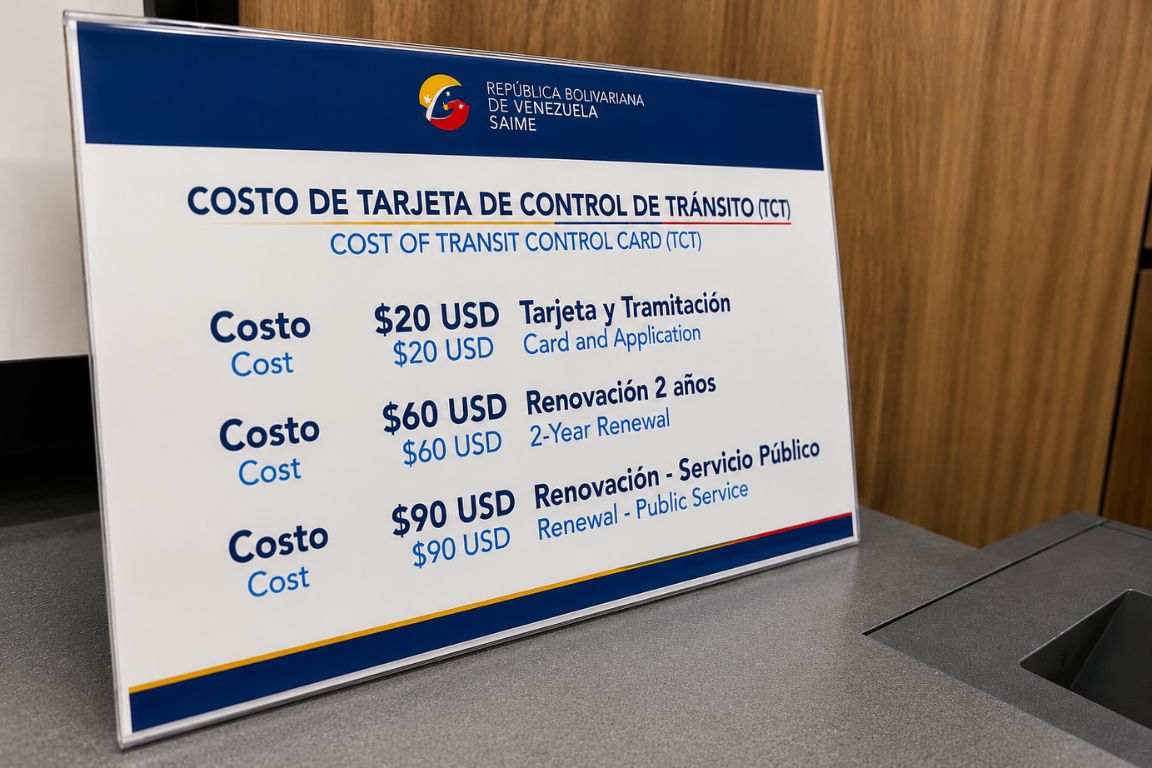
On entry fees: none of these are covered in the cruise rate. The National Park entrance fee is $200 per adult and $100 per child under 12, paid in USD cash on arrival at the Galapagos airport. The Transit Control Card (TCT) is $20 per person and must be completed online before your flight through the official government portal. Round-trip flights from Quito or Guayaquil to the islands run $250-$400 per person. Add guide and crew tips (standard at $10-$15 per person per day) and your real all-in budget for a 5-day tourist superior cruise runs $2,200-$3,200 per person before international airfare.
On timing: tourist superior boats book faster than tourist class, particularly for July and August departures when the dry season brings peak wildlife viewing conditions. Booking 4-6 months ahead gives you real cabin choice and the ability to request specific positions on the vessel. Last-minute tourist superior deals exist, particularly in the shoulder months of May, June, September, and October, but availability is thinner and you won’t get cabin preference.
One booking approach we’ve seen work well: contact us directly with your dates and we’ll tell you which tourist superior vessels have availability, which ones we’d put our own clients on, and what the honest price range looks like for your group size. No markup, no pressure, no sending you toward the most expensive option because the commission is better.
The Most Common Tourist Superior Mistakes We See
After personally taking two Galapagos cruises and collecting feedback from thousands of travelers through mytrip2ecuador.com, these are the patterns that lead to tourist superior disappointment:
- Booking based on the label rather than the vessel. Tourist superior means different things on different boats. The label is not regulated. Ask for the cabin photos, the specific guide, and the renovation year before committing.
- Not factoring in entry fees and flights. The $200 National Park entrance fee, $20 TCT card, and domestic flights are not in the cruise rate. Budget $500-$700 extra per person before the cruise price.
- Skipping the TCT online registration. The Transit Control Card must now be completed online before your flight through the CGREG portal. In-person counters at Quito and Guayaquil airports are being phased out. Do it in advance and arrive at the airport at least 2.5 hours early.
- Choosing a monohull for a western itinerary without checking seasickness risk. The Bolivar Channel between Isabela and Fernandina is the roughest water in the archipelago. If your itinerary covers the western islands and you have any seasickness tendency, a catamaran hull at tourist superior is worth requesting specifically.
- Assuming all tourist superior vessels include wetsuits. Many do not. Water temperatures between June and November drop significantly thanks to the Humboldt Current. A wetsuit for snorkeling during this period is not optional. Confirm before booking whether it’s included or a rental.
- Booking a 4-day itinerary to save money at tourist superior rates. The first and last day are transit-heavy. A 4-day trip delivers closer to 2 full wildlife days. If cost is the constraint, a 5-day tourist superior cruise is almost always a better investment than a 4-day one at the same daily rate.
Frequently Asked Questions
Is tourist superior worth it over tourist class in the Galapagos?
For most travelers, yes. The main gains over tourist class are reliable air conditioning, consistent guide English quality, included snorkeling gear, and better cabin comfort. The guide consistency difference alone is significant: about 87% of tourist superior travelers report satisfaction with guide quality versus 58% at tourist class. The wildlife experience is identical either way.
What is included in a tourist superior Galapagos cruise?
A private air-conditioned cabin with private bathroom, all meals, a bilingual certified naturalist guide, shore excursions, snorkeling gear, and transport between islands. Flights, the $200 National Park entrance fee, the $20 TCT card, wetsuits (sometimes), alcohol, and tips are almost always separate. Confirm snorkeling gear and wetsuit inclusion before booking.
How much does a tourist superior Galapagos cruise cost all-in?
A 5-day cruise at $400-$600/day runs $1,500-$2,500 per person for the cruise itself. Add domestic flights from Quito or Guayaquil ($250-$400), the National Park fee ($200 cash on arrival), and the TCT card ($20 online). With tips, a realistic all-in total per person for a 5-day trip runs $2,200-$3,200 before international airfare to Ecuador.
Can you get to Genovesa on a tourist superior cruise?
Yes, on select 8-day itineraries at this tier. Genovesa requires a longer overnight crossing that not all tourist superior vessels are certified or equipped to make comfortably. Check the specific itinerary for Genovesa as a named stop rather than assuming it’s included because the route is described as covering northern islands.
Which tourist superior Galapagos vessels are worth booking?
Vessels like the M/Y Monserrat and M/Y Bonita are solid established options at this tier, both originally built to first class standards and now priced at tourist superior. The S/S Mary Anne offers a completely different sailing ship experience at this level. Ask us for current recommendations based on your travel dates, as vessel quality evolves and our assessments are updated based on recent traveler feedback.
What is the best time of year for a tourist superior Galapagos cruise?
There is no bad time to visit the Galapagos. July through November brings the Humboldt Current, cooler water, richer marine life, and more active wildlife behavior, but also rougher seas and some overcast mornings. December through May is warmer, calmer, and better for underwater visibility. The waved albatross is present on Española from April through November. Peak booking season is July, August, and late November through January, so book 4-6 months ahead for those windows.
Tourist superior is where most of the travelers we work with find the Galapagos experience they came for. Not because it’s perfect, but because it consistently delivers what matters: a knowledgeable guide, reliable comfort, and access to some of the most extraordinary wildlife on earth. The vessel choice within this tier makes a real difference, and that’s exactly what we help with.
We’re rated 4.9 stars on Google and TripAdvisor because we give honest recommendations, not because we push every traveler toward the priciest option. If you want to know which tourist superior vessels we’d book for your specific dates, group, and interests, reach out here for a free quote. We’ll get back to you within one business day.
Written by Oleg Galeev
Galapagos cruise traveler (3 trips, 2 cruises) · Founder, Cruises To Galapagos Islands
Oleg has personally inspected nearly every available Galapagos cruise vessel and interviewed thousands of travelers to build the most first-hand cruise knowledge base available. He also runs the Ecuador travel blog mytrip2ecuador.com and the YouTube channel My Trip to Somewhere.
Cruises To Galapagos Islands is rated 4.9 stars on Google and TripAdvisor.
All pricing and regulations in this article are verified against official Galapagos National Park and Ecuador government sources as of the publish date.