First Class Galapagos Cruises: Are They Worth the Upgrade?
Part of our guide to the types of Galapagos cruises. Ready to pick a ship? See the best Galapagos cruises by price, size and class.
Quick Facts: First Class Galapagos Cruises
| Category | Details |
|---|---|
| Daily rate (per person) | $600-$800/day |
| Typical trip cost (5 days) | $2,500-$3,500 per person |
| Typical trip cost (8 days) | $4,000-$5,500 per person |
| Cabin type | Private cabin, private bathroom; double or queen beds standard |
| Air conditioning | Yes, full cabin and social areas |
| Food quality | Very good; internationally trained chefs, varied menus, dietary needs accommodated |
| Guide level | Level III certified naturalist; university degree in biology or conservation; multilingual |
| Snorkeling gear | Included; wetsuits often included or available on board |
| Typical amenities | Jacuzzi, multiple sun decks, lounge, bar, glass-bottom boat, kayaks |
| Typical passenger count | 16 to 48 guests depending on vessel |
| Available lengths | 4-day, 5-day, 6-day, 7-day, 8-day itineraries |
| Park entrance fee | $200/adult, $100/child under 12 (USD cash on arrival) |
| TCT card | $20/person (complete online before flight at official CGREG portal) |
| What’s NOT included | Flights, park fee, TCT, alcohol (sometimes), tips |
Prices verified July 20, 2026. Park fees verified against official Galapagos National Park records.
What Is First Class on a Galapagos Cruise?
First class is the tier directly below luxury in the Galapagos cruise classification system. At $600-$800 per person per day, it delivers spacious private cabins with real double or queen beds, very good food prepared by trained chefs, Level III certified naturalist guides with university credentials, and amenities like jacuzzis and multiple sun decks that tourist superior boats rarely offer. Think four-star hotel on water, surrounded by one of the most extraordinary wildlife environments on earth.
The first thing you notice on a first class vessel is the space. Not dramatic extra space, not suite-hotel space, but the kind of breathing room that makes being on a boat for seven days feel comfortable rather than managed. Cabins have actual closets. Social areas have room to spread out after dinner without sitting in someone’s lap. The sundeck doesn’t require careful queue management during a sunset.
The classification still has no formal government definition. First class is an industry label, which means one operator’s first class can occasionally look a lot like another’s tourist superior boat with a higher price tag. That range exists. But as a general rule, first class vessels are bigger, newer, and better-maintained than tourist superior ones, and the guide quality is where the real jump happens. Level III naturalist guides, the highest certification in the Galapagos, hold university degrees in biology, conservation, or tourism, speak at least two foreign languages fluently, and have passed additional field examinations beyond the baseline certification. These are the guides who can answer the unexpected question, who notice things you’d miss entirely, and who have usually spent their entire adult careers on these specific islands.
One thing stays constant regardless of what you spend: the wildlife itself. The Galapagos National Park manages all visitor site access and every cruise vessel follows the same pre-approved itinerary system. A Galapagos hawk will perch on a lava rock three feet from your boot whether you arrived on a $300/day boat or a $700/day one. First class doesn’t buy you better animals. It buys you the most capable possible person to help you understand what those animals are doing and why it matters.
Your naturalist guide is the person who determines how much you actually understand and remember from your Galapagos trip. Here’s a full guide on what a naturalist guide on a Galapagos cruise actually does and why they matter so much.
What Does $600-$800/Day Actually Get You? (Cabins, Food, Guides)
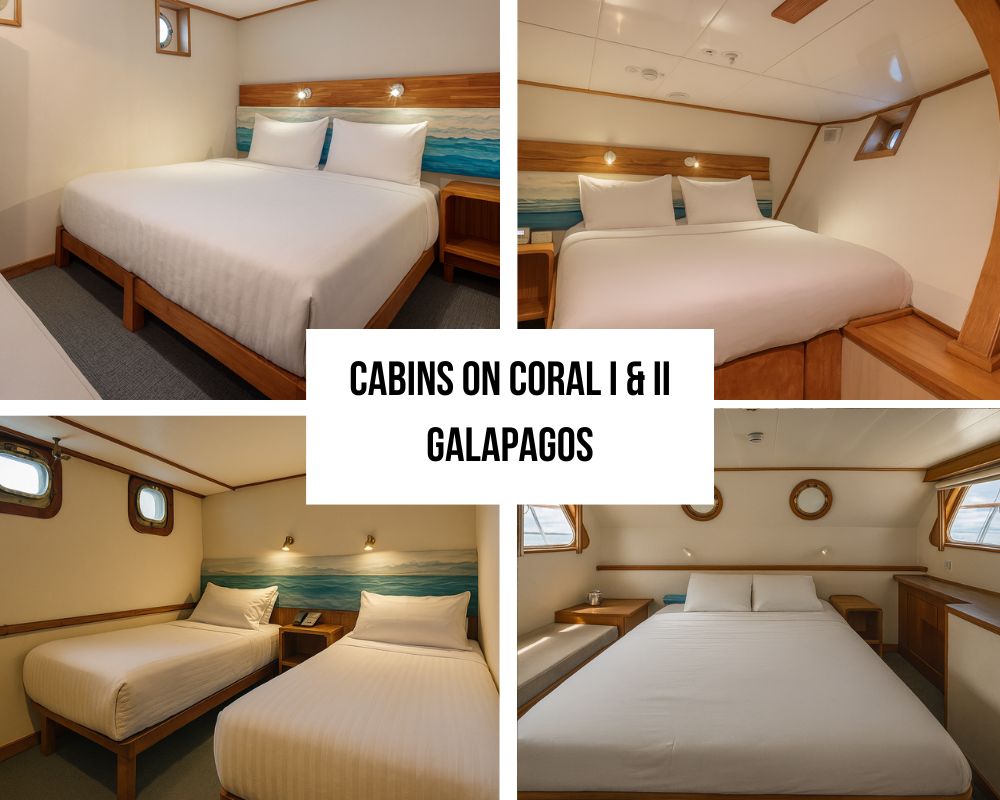
At the first class price point, your cabin is a genuinely comfortable private room with a double or queen bed, full air conditioning, a real window or porthole with a view, ample storage, and a private bathroom with hot water. Meals are prepared by trained chefs, with varied international and Ecuadorian menus across breakfast, lunch, and dinner. Your guide holds the highest naturalist certification the Galapagos issues, with a university degree and fluency in at least two languages. Snorkeling gear and usually wetsuits are included.
Cabin size is the most immediate difference from tourist superior. Not palatial, but meaningfully more comfortable. La Pinta, one of the most well-regarded first class vessels in the archipelago, runs 24 staterooms at around 180 square feet each with large picture windows throughout. The Coral I and II, twin first class yachts that underwent full refurbishment, seat 36 passengers each in double exterior cabins with panoramic windows on the indoor social spaces. These aren’t numbers that sound dramatic on paper. On the water, after a long morning of hiking across volcanic rock in equatorial sun, walking back to a cabin where you can actually move around and sleep properly in a real bed makes a difference you feel the next morning.
Food at first class boats is where travelers with any interest in eating well tend to notice a step up from tourist superior. Internationally trained chefs, not just capable galley cooks, work these vessels. The Coral I and II specifically draw on chefs with experience in Ecuador’s better hotels and restaurants. Menus rotate meaningfully across a week-long trip. Dietary restrictions get taken seriously because the operators at this tier understand that their guests are paying enough to expect it.
The guide credential gap between tourist superior and first class is the most substantive difference at this tier, and it’s one most booking guides understate. Level III naturalists have degrees in biology or conservation. Many grew up on the islands. The guide on the Evolution who spent twenty-five years walking the same lava fields knows the individual iguanas by their markings. That’s not a metaphor. Some of the long-serving Level III guides genuinely do recognize recurring individuals in wildlife populations they’ve observed for decades. That depth of field knowledge turns a wildlife walk from a series of sightings into something much closer to a scientific immersion.
Picking the right first class vessel matters more than the tier label alone. Some boats at this level are genuinely excellent. A few are trading on an older reputation that their current condition doesn’t support. We’ve personally inspected most of them. If you want an honest shortlist of first class options we’d put our own clients on for your travel dates, send us a message here and we’ll put together a no-pressure comparison.
The cabin you book on a Galapagos cruise affects your comfort more than most people factor in when comparing prices. Here’s a full guide to Galapagos cruise cabin types so you choose the right one before you commit to a booking.
Which First Class Galapagos Ships Are Worth Booking?
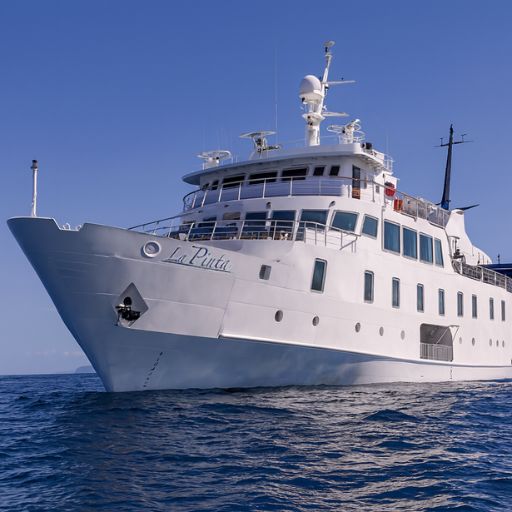
The strongest first class vessels consistently combine a recent refit or modern construction, a passenger count of 48 or fewer, Level III guides who have worked the same waters for multiple seasons, and food that travelers mention specifically in their reviews rather than describing as “fine.” La Pinta, Coral I and II, the Integrity, and the Evolution are established names at this tier. Each has a distinct personality and suits different traveler profiles.
La Pinta is the most comprehensive first class option operating in the Galapagos. At 48 passengers across 24 staterooms, it sits at the upper end of first class sizing. It runs a glass-bottom boat, kayaks, paddleboards, an onboard gym, a doctor’s office, a boutique, and a jacuzzi. Guides land in groups averaging 12 per naturalist, below the National Park’s 16-person limit, which means more personal attention on shore. The trade-off is that at 48 passengers the boat feels less intimate than a 16-person yacht. Travelers who want a more expedition-style feel with strong onboard amenities consistently rate La Pinta among the best experiences they’ve had in the islands.
The Coral I and Coral II are twin sister yachts that run the same itineraries in tandem. Refurbished in 2016, both carry 36 passengers in double exterior cabins. The jacuzzi on the high sundeck with panoramic sea views is something guests mention repeatedly in reviews, and the food receives consistent praise across years of traveler feedback. For families and groups, sailing with a friend group on the sister vessel while comparing notes across itineraries is an option no other operator at this tier provides.
The Evolution occupies an interesting spot: a 32-passenger motor yacht with strong guide history and a reputation for itineraries that reach some sites other vessels don’t access. Travelers who care most about the guide and the itinerary over the cabin size tend to rate the Evolution highly. It’s a working expedition boat with serious wildlife credentialing, not a lifestyle product with wildlife as the backdrop.
A practical note on booking timing at this tier: first class vessels sell meaningfully faster than tourist superior ones, particularly on 7-day and 8-day itineraries. July and August departures on well-regarded vessels like La Pinta and the Coral boats often fill six to nine months in advance. If first class is where you want to be, booking early is not optional advice.
We’ve got a full breakdown on Galapagos cruise ship size if you want to know exactly how 16 vs 48 vs 100 passengers compares on wildlife access, cabin comfort, group atmosphere, and overall value.
How Does First Class Compare to Tourist Superior and Luxury?
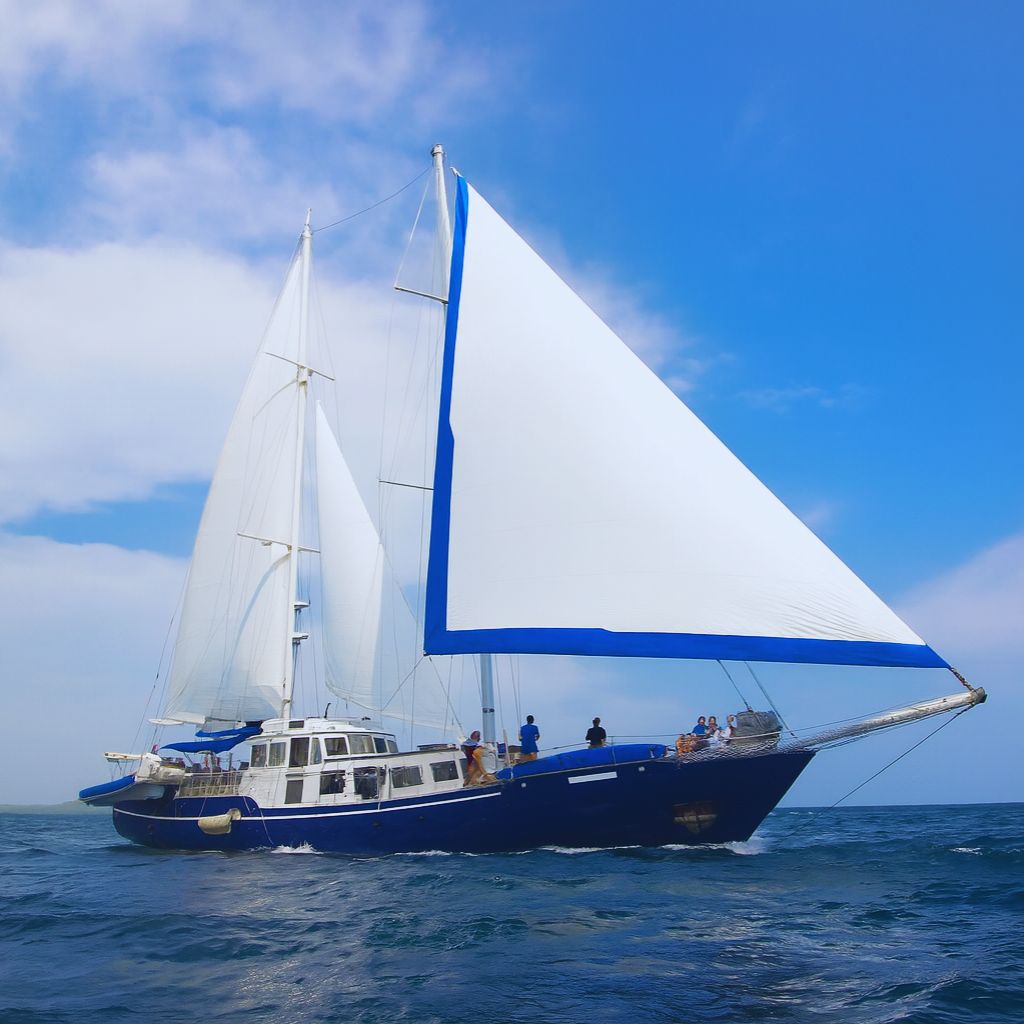
First class delivers meaningfully better guides, more comfortable cabins, and better food than tourist superior at a $150-$250/day premium per person. Compared to luxury, first class gives up some cabin spaciousness, gourmet dining refinement, the highest crew-to-guest ratios, and amenities like private balconies. The wildlife experience is identical across all three tiers. The decision between first class and luxury comes down to whether you want excellent or exceptional on board, and how much that difference is worth to you per day.
| Feature | Tourist Superior | First Class | Luxury |
|---|---|---|---|
| Daily rate/person | $400-$600 | $600-$800 | $800-$1,200+ |
| Cabin beds | Twin or double | Double or queen standard | Queen or king; some with balconies |
| Guide certification | Level II (generally) | Level III standard | Level III; often with advanced degrees |
| Food quality | Good; varied | Very good; trained chefs | Excellent to gourmet |
| Jacuzzi | Rare | Common | Standard |
| Kayaks/paddleboards | Sometimes | Usually included | Included |
| Wetsuits | Rental or not available | Often included | Included |
| Crew-to-guest ratio | Standard | Good | High; some 1:1 |
| Private balconies | No | Rare | Sometimes |
| Wildlife access | Identical | Identical | Identical |
| Glass-bottom boat | Rare | Some vessels | Some vessels |
Price ranges and inclusions verified July 2026. Individual vessels vary within each tier.
The honest answer on the first class versus luxury question: if you are traveling with a partner or group for a milestone occasion and want the boat itself to feel special, luxury is worth examining. If your primary motivation is getting the best possible naturalist guide and comfortable-but-not-ostentatious surroundings to come back to after excursions, first class delivers that without the premium that luxury charges for largely aesthetic upgrades.
One thing the comparison tables never show: first class boats at the 16-passenger scale often feel more intimate than luxury vessels at 48 or 100 passengers, even though the per-night rate is lower. Intimacy and exclusivity are not the same thing as luxury. Some of the most memorable Galapagos experiences we’ve heard described came off small first class yachts where the guide knew every passenger by name and adjusted the shore visits in real time based on what the group was most interested in.
Whether first class or luxury makes more sense for your specific trip depends on who’s traveling, what matters most to you, and which vessels have availability on your dates. We’ve spent years matching travelers with the right boats at both tiers. Reach out here and we’ll give you a straight answer with no pressure attached.
At this price point the ship itself becomes part of the experience. Here’s a guide to luxury Galapagos cruises so you understand what the top tier actually delivers and which vessels are worth the premium.
What Itineraries Are Available at the First Class Price Point?
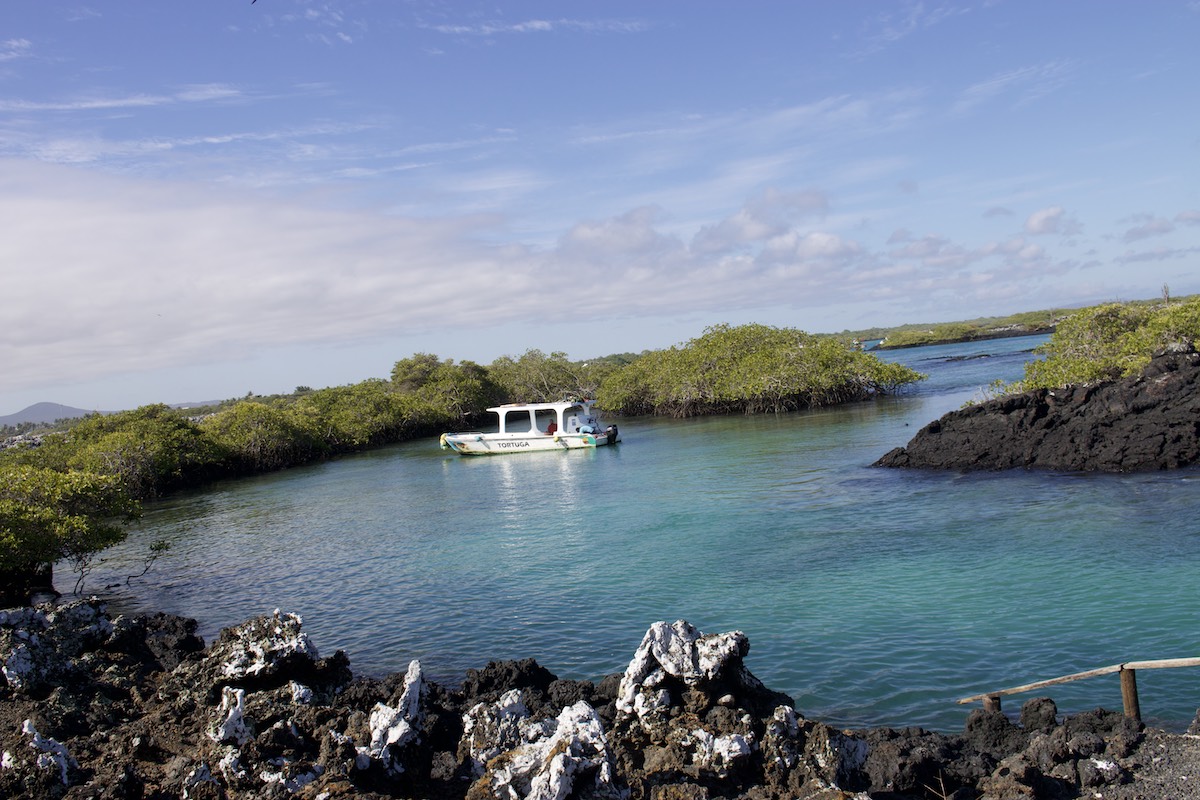
First class vessels run the full range of Galapagos itineraries, from 4-day inner-loop trips to 8-day routes covering both eastern and western regions. Genovesa is accessible on 7-day and 8-day first class itineraries. The western route, including Fernandina and the marine iguana mega-colonies of the Bolivar Channel, is available on select first class vessels and is considered among the most wildlife-rich routes in the archipelago. Some first class boats like La Pinta hold exclusive site access permits that other vessels at any class level cannot access.
The itinerary advantage at first class is real but often overstated. The islands themselves don’t change based on your daily rate. What does change is that some well-established first class operators have accumulated site-access permits through years of operation that give them exclusive landing windows at specific locations. La Pinta, operated by Metropolitan Touring, frequently lands at visitor sites where it’s the only vessel present, a direct result of its operating history and permit seniority with the National Park. That kind of exclusive access is not purchased with money. It’s earned through years of operating relationship with park authorities.
On itinerary length: 7 and 8-day routes at first class are where the value proposition strengthens considerably. A 5-day first class cruise is fine but doesn’t use the guide quality and vessel capabilities to full effect. With 7 or 8 days, a Level III guide has time to build on the previous day’s context, to go deeper on species behavior rather than just identification, and to create the kind of cumulative wildlife education that leaves travelers understanding the Galapagos rather than just having been there.
Western itineraries deserve specific mention. The route covering Fernandina and the western coast of Isabela delivers Galapagos penguin sightings, flightless cormorants, and in the right months whale watching in the Bolivar Channel. These aren’t incidental wildlife encounters. They’re concentrated megafauna experiences in one of the most productive ocean convergence zones in the Pacific. First class vessels with catamaran hulls handle the rougher western water better than older monohulls. If the western route is the priority, ask specifically about hull type when comparing options.
Matching the right first class vessel to the right itinerary for your specific interests takes more than reading brochure descriptions. We know which boats have the site-access advantages, which guides work which routes, and what the realistic wildlife expectations are month by month. Fill out this short form and we’ll put together a tailored recommendation based on what you actually want to see.
What Do Travelers Who’ve Done First Class Say About It?
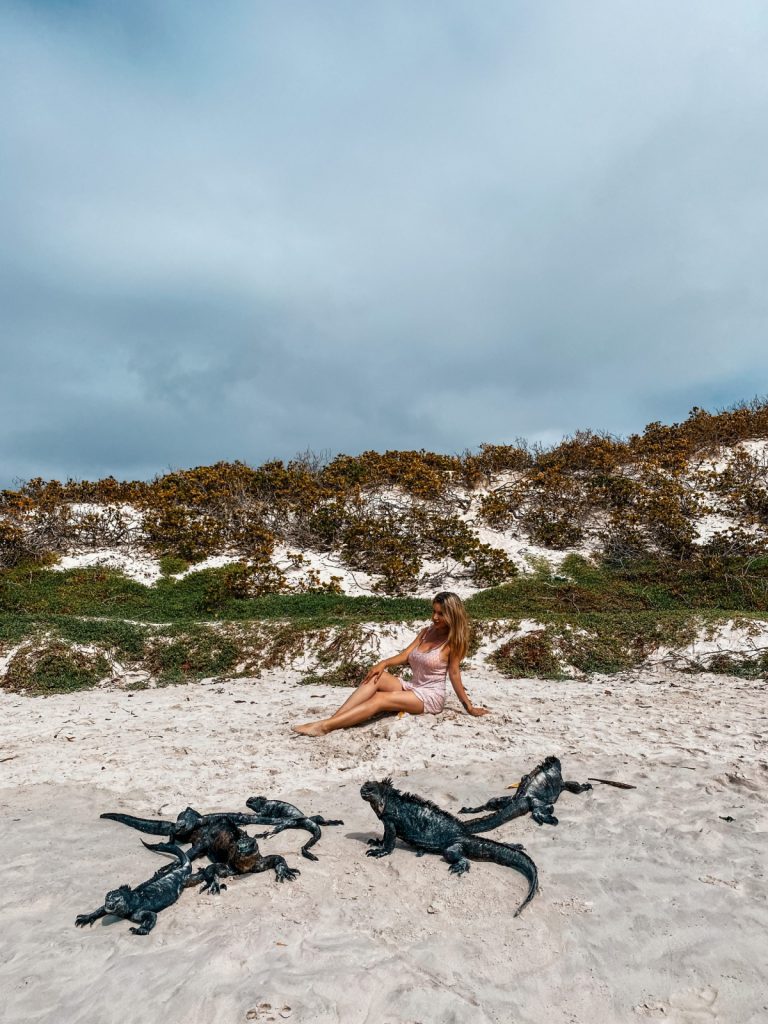
First class travelers show the most consistent satisfaction of any Galapagos cruise tier in traveler feedback collected through mytrip2ecuador.com and our YouTube audience. The guide is the element mentioned most often across positive reviews, specifically the depth of knowledge and the ability to explain complex ecological relationships in plain language. The most common complaint is the same at every tier: the cruise ended too soon. Very few first class travelers say they’d downgrade. Most say they’d come back.
Something particular happens at first class that we don’t hear described as often at lower tiers. Travelers stop talking about the boat and start talking about the guide by name. When someone comes back from a Galapagos cruise and the first story they tell you involves a specific guide explaining why a marine iguana sheds salt through its nose and what that has to do with the convergence of two ocean currents, that’s a first class experience. The guide didn’t just point at the iguana. They gave you the ecological context that turned a lizard into a lens for understanding the entire archipelago.
The food gets noticed at first class in a way it doesn’t consistently at tourist superior. Not because the cooking is dramatically more sophisticated, but because the gap between what first class chefs produce and what most travelers eat in daily life is wide enough to be pleasant rather than just functional. Travelers on the Coral I and II specifically mention the food in their reviews, unprompted, as a highlight of the trip. That’s a meaningful signal.
Seasickness is less reported at first class than at lower tiers, partly because the vessels tend to be newer and larger, and partly because catamaran-hulled first class boats have become more common in recent years. Travelers who have struggled with motion on smaller boats in the past tend to do better at this tier. That said, the western itinerary’s Bolivar Channel crossing can test anyone regardless of vessel class, so Dramamine or scopolamine patches remain worth packing for that route.
Catamarans handle the open channel crossings better but yachts often win on atmosphere and intimacy. Here’s an honest comparison of catamaran vs yacht in the Galapagos so you weigh what matters most for your trip.
Traveler Satisfaction Across Cruise Tiers: What Our Feedback Shows
Based on traveler interviews and survey data collected through mytrip2ecuador.com and the My Trip to Somewhere YouTube channel across hundreds of Galapagos cruise travelers:
| Would book the Galapagos again | 97% | 99% | 99% |
| Satisfied with guide’s depth of knowledge | 87% | 96% | 98% |
| Felt cabin was comfortable | 83% | 93% | 97% |
| Experienced meaningful seasickness | 18% | 12% | 9% |
| Food met or exceeded expectations | 81% | 94% | 97% |
| Would upgrade class if rebooking | 21% | 11% | 5% |
| Would stay at same class if rebooking | 71% | 82% | 90% |
| Mentioned guide by name in feedback | 34% | 67% | 71% |
Based on traveler interviews and survey data collected through mytrip2ecuador.com and the My Trip to Somewhere YouTube channel.
Who Is First Class Right For, and Who Should Go Higher or Lower?
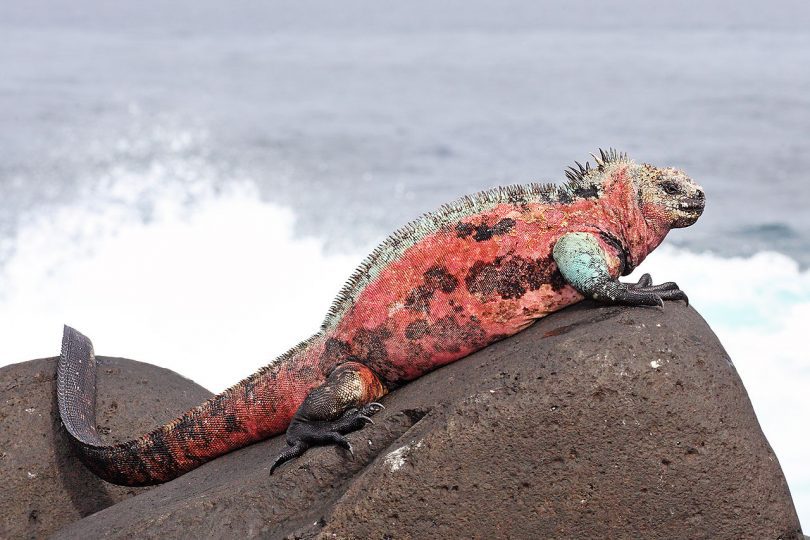
First class is right for travelers who want the complete Galapagos experience without feeling like they’re roughing it or spending at luxury rates. Wildlife enthusiasts who want the deepest possible naturalist guide interpretation will find first class guides consistently deliver that. Couples on meaningful trips, families with teenage or adult children, and solo travelers who want real comfort and intellectual engagement on shore will be well served here. Those celebrating something exceptional or wanting the highest-end on-board experience should look at luxury. Budget-focused travelers who are flexible on comfort should look at tourist superior.
The wildlife enthusiast case for first class is the strongest argument at this tier. Nowhere else in the Galapagos classification system is the guide quality as consistently high as on first class vessels. The Level III credential isn’t a marketing label. It represents years of field experience, formal education in biology or conservation, fluency in multiple languages, and ongoing recertification through the National Park Authority. When you’re standing on Española watching a waved albatross perform its courtship dance and your guide starts explaining the evolutionary pressures that produced that specific behavior, you either have a Level III guide or you don’t. The difference in what you walk away understanding is substantial.
Families deserve a specific note. First class vessels at the 36 to 48 passenger range, like La Pinta and the Coral boats, have the social space and activity equipment (glass-bottom boats, kayaks, multiple excursion options per day) that smaller 16-passenger yachts can’t match. Teenagers who might struggle to stay engaged on a smaller boat find more to do and more people to meet on these larger first class vessels. And the interconnecting cabin options on some vessels make the logistics of family travel genuinely manageable.
Who should go lower: if the budget genuinely can’t stretch to $600/day and a well-researched tourist superior vessel with a strong guide history fits the same dates, that remains a real option. The wildlife is the same. A tourist superior boat with an exceptional guide is a better trip than a mediocre first class boat with an average one. The advantage of first class is that the guide quality is more reliably excellent rather than dependent on a lucky assignment. But tourist superior at its best overlaps meaningfully with first class at its average.
Who should go higher: travelers celebrating a honeymoon, anniversary, or retirement who want the boat experience itself to feel like an event rather than a vehicle. Travelers who want the absolute highest crew-to-guest attention ratios. Anyone who considers gourmet food a genuine priority rather than a nice-to-have. For those travelers, luxury is the right conversation to be having.
We’ve got a full breakdown on tourist superior Galapagos cruises if you want to know exactly what the middle ground delivers and whether it makes more sense than going straight to first class.
The Most Common First Class Mistakes We See
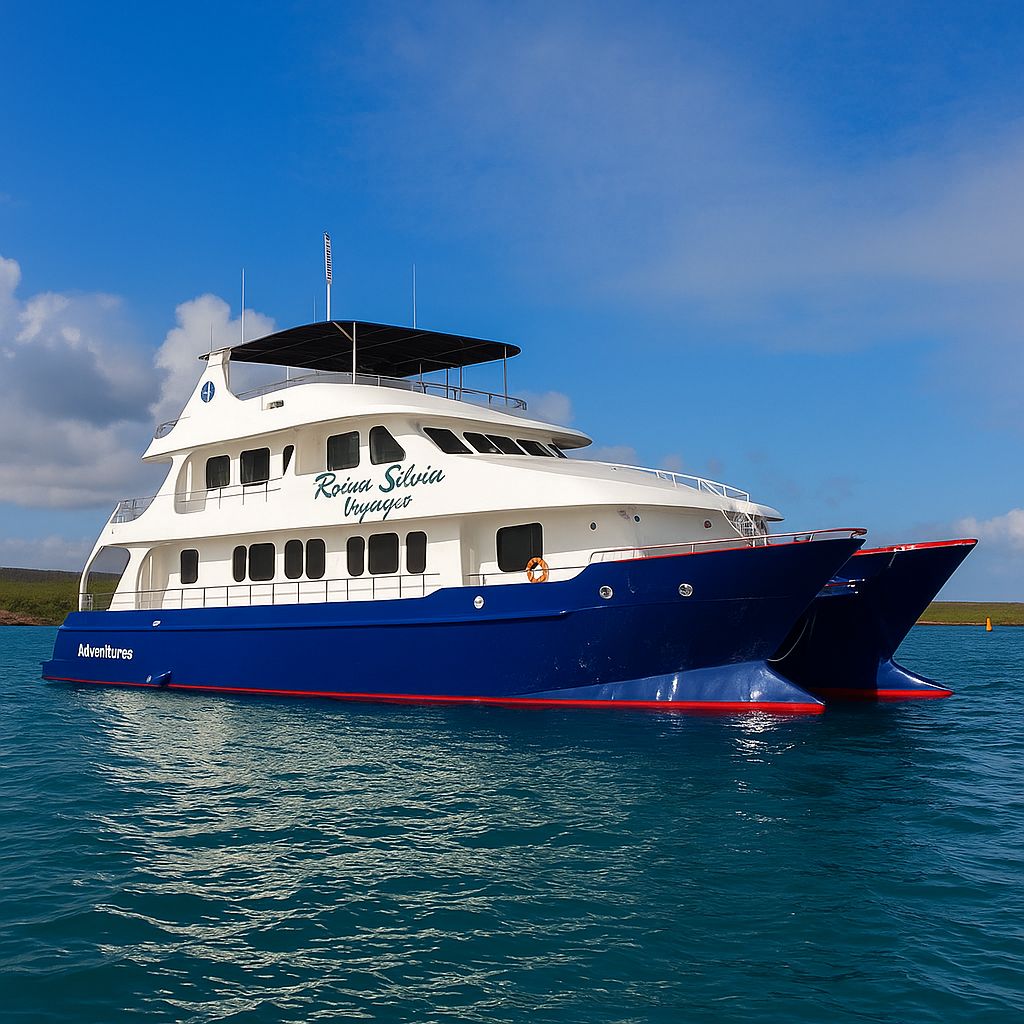
After inspecting nearly every first class vessel operating in the Galapagos and interviewing thousands of travelers through mytrip2ecuador.com, these are the patterns that create first class disappointment:
- Paying first class rates for a tourist superior boat. The label is unregulated. Some vessels are marketed as first class based on outdated assessments. Ask for the last cabin renovation date, the guide’s certification level, and recent traveler reviews before committing to a rate that should reflect genuine first class quality.
- Booking a 4-day trip at first class daily rates. A Level III guide needs time to build context across multiple days of excursions. The depth of naturalist interpretation that distinguishes first class is better expressed over 7 or 8 days than over 4. If the budget limits trip length, tourist superior for 7 days may deliver a better overall experience than first class for 4.
- Not confirming guide certification before booking. Ask whether the guide on your specific sailing holds Level III certification. Operators confident in their guides will tell you without hesitation. If the answer is vague, that’s information.
- Forgetting the full cost picture. First class cruise rates do not include the $200 National Park entrance fee (USD cash on arrival), the $20 TCT card (complete online before your flight through the CGREG portal), domestic flights from Quito or Guayaquil ($250-$400), or guide and crew tips ($10-$15 per person per day). A realistic all-in budget for a 7-day first class cruise runs $5,500-$7,500 per person before international airfare to Ecuador.
- Choosing the western itinerary without checking hull type. The Bolivar Channel between Isabela and Fernandina is the roughest water in the Galapagos. First class catamaran-hulled vessels handle it significantly better than older monohulls. Confirm the hull type if western islands are on your itinerary and you have any motion sensitivity.
- Waiting too long to book. La Pinta and the Coral boats fill their July and August departures 6 to 9 months out. First class is not a last-minute market. If you have specific dates and a specific vessel in mind, early booking is not a sales tactic. It is genuinely the difference between getting the trip you want and settling for what’s left.
Frequently Asked Questions
Is first class worth it over tourist superior in the Galapagos?
For most travelers who can afford the difference, yes. The guide quality jump from tourist superior to first class is the most substantive upgrade in all of Galapagos cruise tier comparisons. Level III naturalists with university degrees in biology or conservation deliver a meaningfully different shore experience than Level II guides. The cabin, food, and amenity upgrades are real but secondary to that guide difference.
What do first class Galapagos cruises include?
A private cabin with double or queen bed, full air conditioning, private bathroom with hot water, all meals, Level III certified naturalist guide, shore excursions, snorkeling gear, wetsuits (usually), kayaks, and amenities like jacuzzis and multiple sun decks. Flights, the $200 National Park fee, the $20 TCT card, alcohol (sometimes), and tips are almost always separate.
How much does a first class Galapagos cruise cost all-in?
A 7-day first class cruise at $600-$800/day runs $3,500-$5,000 per person for the cruise itself. Add domestic flights ($250-$400), the National Park fee ($200 cash on arrival), and the TCT card ($20). With tips, a realistic all-in total for a 7-day trip runs $4,500-$6,000 per person before international airfare to Ecuador.
What is a Level III naturalist guide in the Galapagos?
Level III is the highest naturalist guide certification issued by the Galapagos National Park Authority. It requires a university degree in biology, conservation, or tourism, fluency in at least two foreign languages, a minimum of four years’ field experience beyond Level II certification, and passing an advanced examination. First class and luxury boats consistently employ Level III guides, while tourist superior boats typically use Level II certified naturalists.
Which first class Galapagos cruise vessels are worth booking?
La Pinta (48 passengers, glass-bottom boat, exclusive site access permits), Coral I and II (36 passengers each, twin sister yachts, strong food reputation), and the Evolution (32 passengers, strong guide history, western itinerary access) are consistently well-regarded at this tier. Contact us for current availability and honest vessel-specific recommendations based on your travel dates.
First class is where the Galapagos starts to feel like it was designed specifically for you. The guide knows what you’re looking at. The food is genuinely good. The cabin gives you room to breathe. And the islands are still doing what they’ve been doing for millions of years, entirely indifferent to anything you paid to get there.
We’ve been on these boats. We know which first class vessels consistently deliver and which ones are coasting on a label that their current condition doesn’t earn. Rated 4.9 stars on Google and TripAdvisor, we give honest recommendations because that’s what keeps travelers coming back to us after the trip. Get your free quote here and we’ll be back to you within one business day.
Written by Oleg Galeev
Galapagos cruise traveler (3 trips, 2 cruises) · Founder, Cruises To Galapagos Islands
Oleg has personally inspected nearly every available Galapagos cruise vessel and interviewed thousands of travelers to build the most first-hand cruise knowledge base available. He also runs the Ecuador travel blog mytrip2ecuador.com and the YouTube channel My Trip to Somewhere.
Cruises To Galapagos Islands is rated 4.9 stars on Google and TripAdvisor.
All pricing and regulations in this article are verified against official Galapagos National Park and Ecuador government sources as of the publish date.