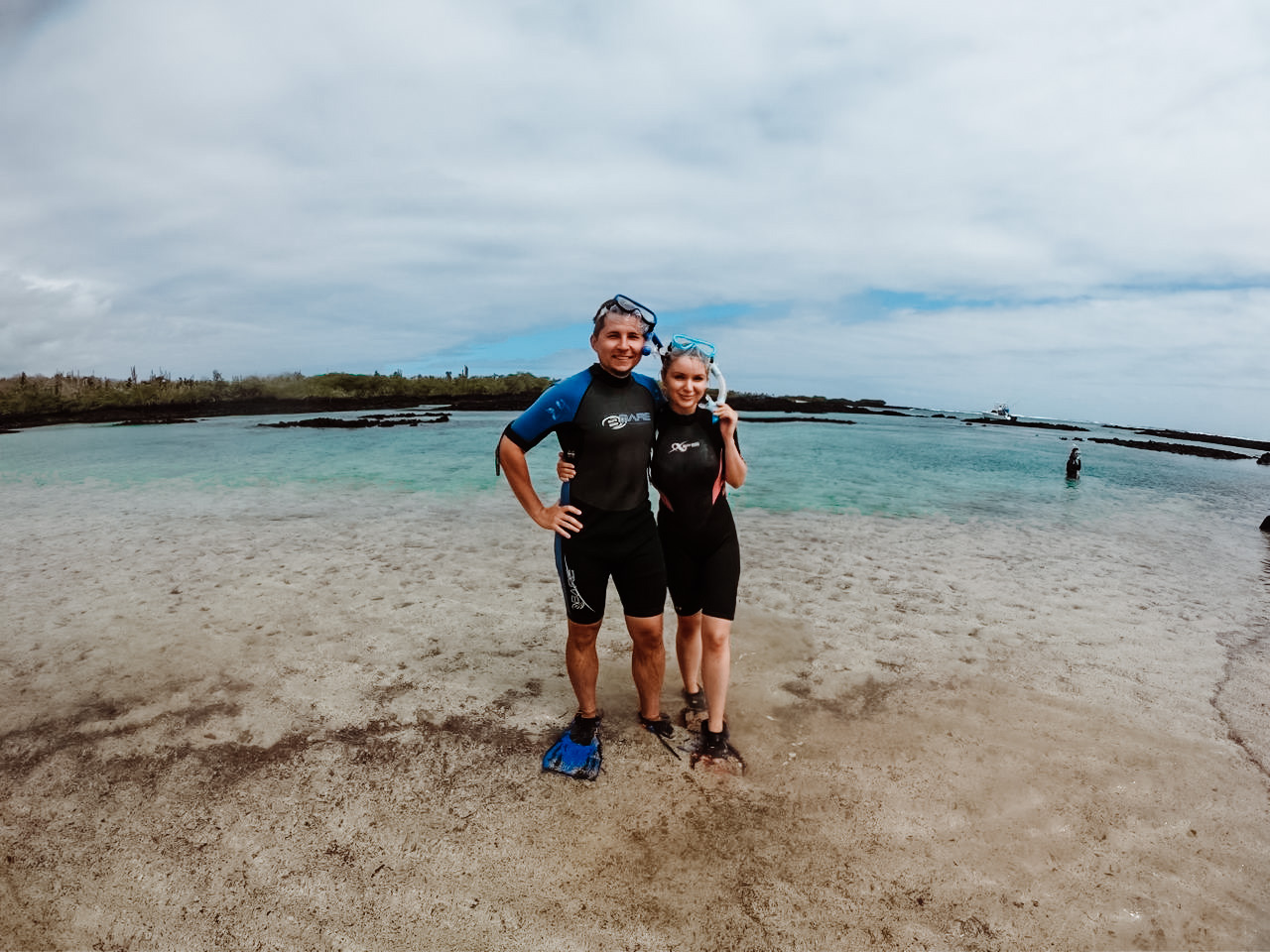
Luxury Galapagos Cruises: What $600-$1200/Day Actually Buys You
Part of our guide to the types of Galapagos cruises. Ready to pick a ship? See the best Galapagos cruises by price, size and class.
Quick Facts: Luxury Galapagos Cruises
| Category | Details |
|---|---|
| Daily rate (per person) | $800-$1,200/day; ultra-premium vessels $1,200-$2,000+/day |
| Typical trip cost (5 days) | $3,500-$6,000 per person |
| Typical trip cost (8 days) | $6,000-$11,000+ per person |
| Cabin type | Suites or large staterooms; private balconies or panoramic windows; king or queen beds standard |
| Air conditioning | Full cabin and social areas, always |
| Food quality | Gourmet; Relais & Chateaux chefs on top vessels; locally sourced; open bar usually included |
| Guide level | Level III certified; decades of field experience; 1:10 or better guide-to-guest ratio |
| Crew-to-guest ratio | High; some vessels approach 1:1 |
| Typical amenities | Jacuzzi, multiple sun decks, library, gym, spa (some), open bar, kayaks, wetsuits included, paddleboards |
| Typical passenger count | 16 to 100 guests depending on vessel |
| Available lengths | 4-day, 5-day, 7-day, 8-day, 10-day, 15-day itineraries |
| Park entrance fee | $200/adult, $100/child under 12 (USD cash on arrival; often handled by operator at this tier) |
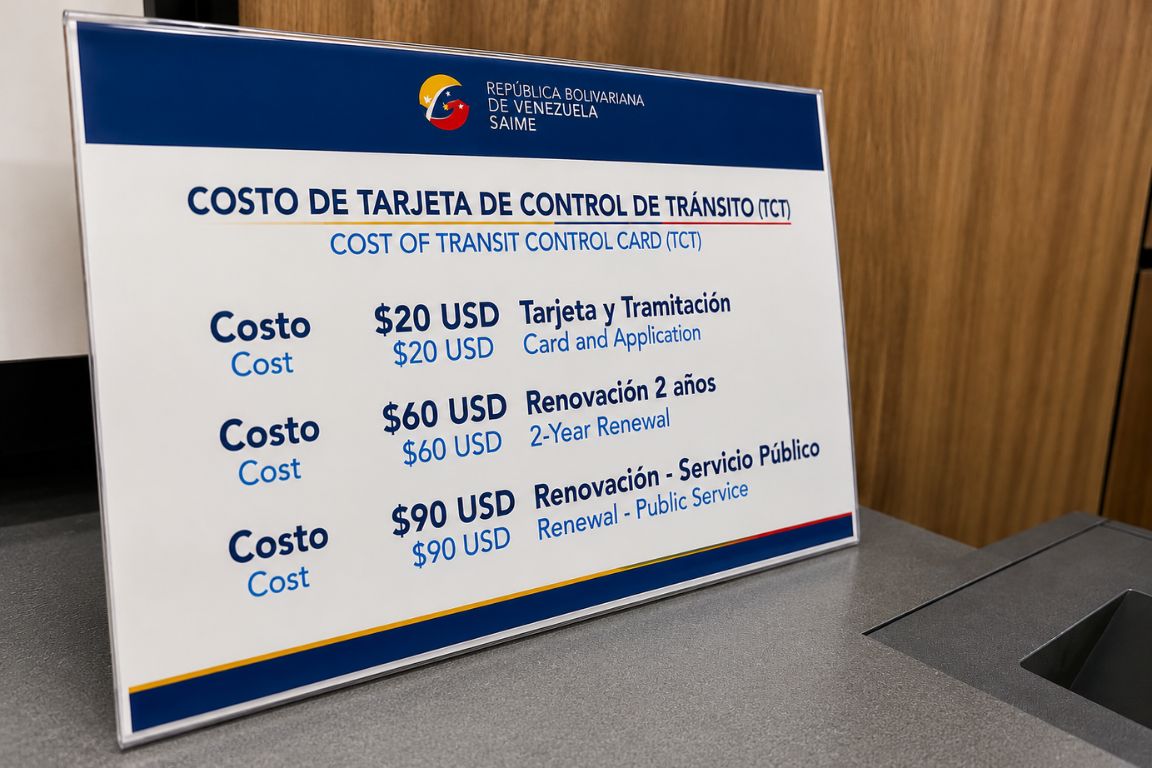
| TCT card | $20/person (complete online; many luxury operators handle this for you) |
| What’s often included that isn’t elsewhere | Open bar, wetsuits, kayaks, paddleboards, airport transfers, pre-cruise hotel, science lectures, cooking classes |
Prices verified July 20, 2026. Park fees verified against official Galapagos National Park records.
What Is Luxury Class on a Galapagos Cruise?
Luxury is the highest tier of Galapagos cruising. At $800-$1,200 per person per day, it delivers suite-style cabins with private balconies or panoramic ocean windows, gourmet food prepared by credentialed chefs, Level III naturalist guides with decades of field experience, high crew-to-guest ratios, open bars, and full equipment packages including wetsuits and kayaks. Think five-star hotel on water, purpose-built for one of the world’s most extraordinary wildlife destinations.
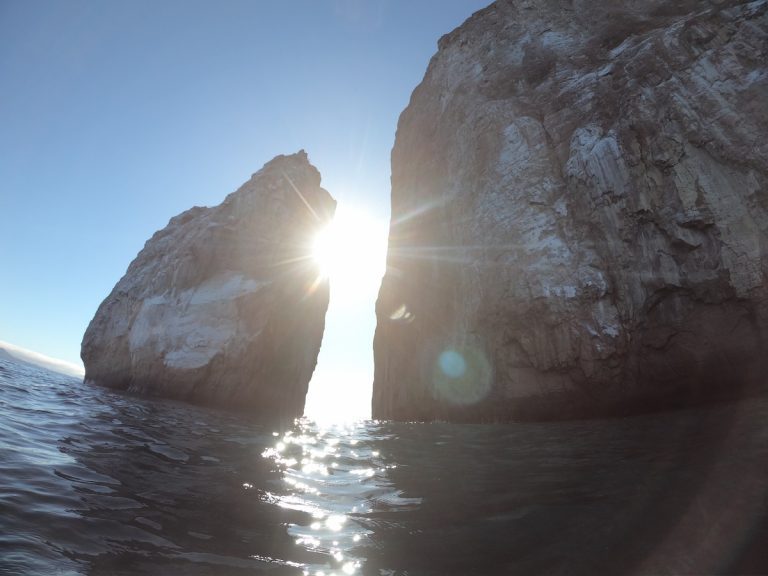
Put your face in the water at Kicker Rock on a luxury cruise and the sea lion still barrels toward you like she has somewhere to be. The Galapagos hawk on Fernandina still lands two feet from your boot and stares at you like the interloper you are. The waved albatross still performs that courtship dance that looks choreographed and ancient at the same time. None of that changes based on what you paid. The National Park makes sure of it, because the visitor sites are the same for every vessel that sails here.
What luxury changes is everything else. The cabin you come back to after the hawk encounter. The meal served at the table that evening. The guide who spent the walk explaining the evolutionary pressures that produced that specific behavior, the one who has been walking this same lava field for twenty-five years and still sounds like they discovered it yesterday. The caipirinha that appears at exactly the right moment at sunset, brought by someone who noticed you were heading up to the sundeck.
Luxury in the Galapagos is also not the same as luxury at a resort. These are expedition vessels operating in a remote UNESCO World Heritage site under strict National Park protocols. Cabins are not cruise-ship enormous. Social areas are not Vegas-hotel sprawling. What luxury means here is that every element on the boat, from the mattress to the menu to the guide’s credentials, has been selected and maintained at the highest standard available within the constraints of what operating in the Galapagos actually permits. That framing matters before you book.
First time booking a Galapagos cruise and not sure what the naturalist guide role actually involves? Our guide walks you through what they do on landings, on the boat, and in the water and why it’s worth asking about before you book.
What Does $800-$1,200/Day Actually Get You? (Cabins, Food, Guides, Extras)
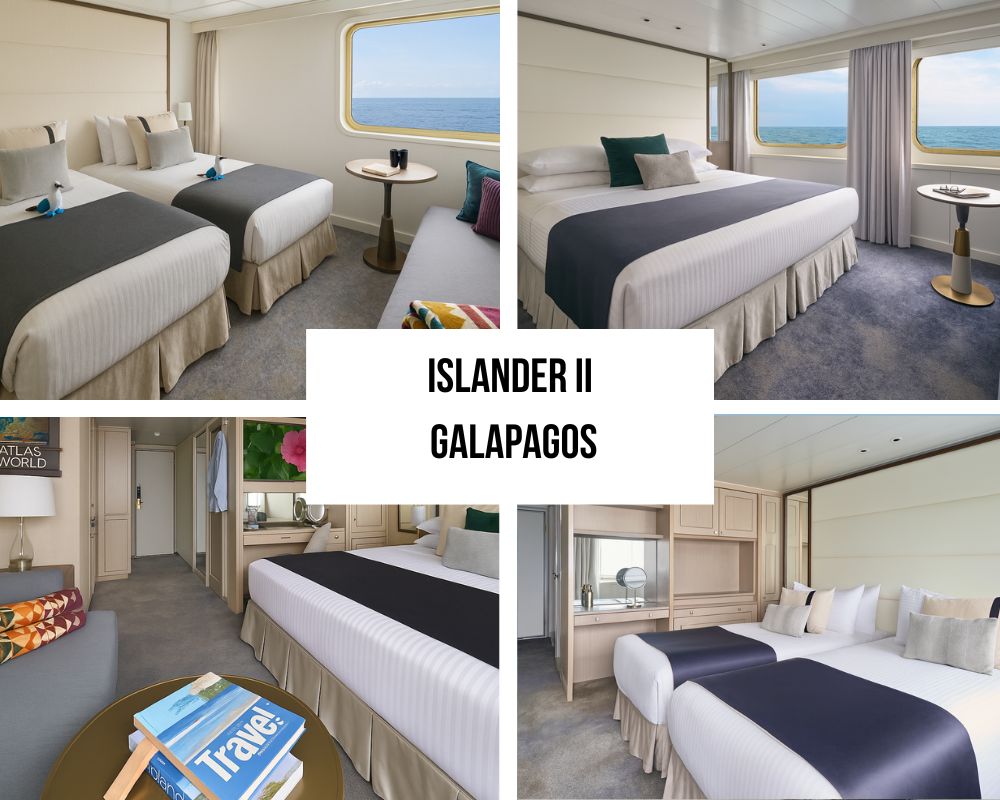
At the luxury price point, your cabin is a suite or large stateroom with a king or queen bed, a private balcony or full panoramic windows, premium linens, and genuine storage space. Meals are prepared by trained chefs using locally sourced Ecuadorian ingredients, often with an open bar included through the day and evening. Your naturalist guide holds Level III certification, typically has 10 or more years of field experience on these specific islands, and accompanies no more than 10 guests on shore. Wetsuits, kayaks, paddleboards, and often airport transfers are included in the rate.
The cabin experience at luxury tier is where the physical difference from first class becomes unambiguous. The Endemic catamaran, one of the standout luxury small vessels in the Galapagos, offers king-size beds and a private balcony in every suite, with full-height panoramic windows that make the cabin feel connected to the water rather than sealed off from it. Ecoventura’s Origin, Theory, and Evolve carry 20 guests each with large stateroom windows and a 13-member crew, including two naturalists, a concierge, and a Relais and Chateaux-certified chef. The Aqua Mare, at the ultra-premium end of the spectrum, runs 7 suites for 16 guests with a 1:1 crew-to-guest ratio, a naturalist assigned to every 8 guests rather than the National Park’s standard of 16, and one of the island’s few in-water guides who enters the water with guests during snorkeling sessions.
Food is where luxury vessels separate themselves most clearly from every other tier. Ecoventura’s head chef Estuardo Vilela leads a kitchen producing three full meals daily using locally sourced Ecuadorian ingredients, with amuse-bouches and snacks between excursions, all at marble-topped dining room tables. The open bar runs from morning coffee through evening cocktails on most luxury vessels, with premium wines and top-shelf spirits available for a modest upcharge on some boats. Travelers who have sailed on Ecoventura’s vessels mention specific meals months after the trip, which is the clearest signal that the food is doing something beyond nourishment.
The guide ratio is the element that changes the wildlife experience most concretely. Silver Origin, Silversea’s purpose-built Galapagos vessel carrying 100 guests, deploys 10 certified naturalist guides, achieving a 1:10 ratio that is among the highest in the archipelago. Every guide carries a different specialist credential: marine biology, volcanology, conservation, ornithology. On the Aqua Mare, the ratio drops to 1:8. On Ecoventura’s trio of 20-passenger yachts, it runs at 1:10 with two guides operating simultaneously. What that means practically is that your guide can stop and address your specific question without the group crowding in. It means they can split off with the three people who want to go deeper on the geology while the rest watch a sea lion colony. The difference in how much you learn is not marginal.
Luxury vessels in the Galapagos range from genuinely extraordinary to merely expensive. Knowing which is which requires more than reading brochures. We have inspected most of these boats personally and follow traveler feedback through mytrip2ecuador.com. If you want an honest comparison of the luxury options for your specific dates and travel style, send us a message here and we’ll give you a straight answer at no cost.
Trying to figure out which cabin type gives you the best value without sacrificing sleep quality on a week-long cruise? Here’s Galapagos cruise cabin types broken down so you make the right call before you book.
Which Luxury Galapagos Ships Are Worth Booking?
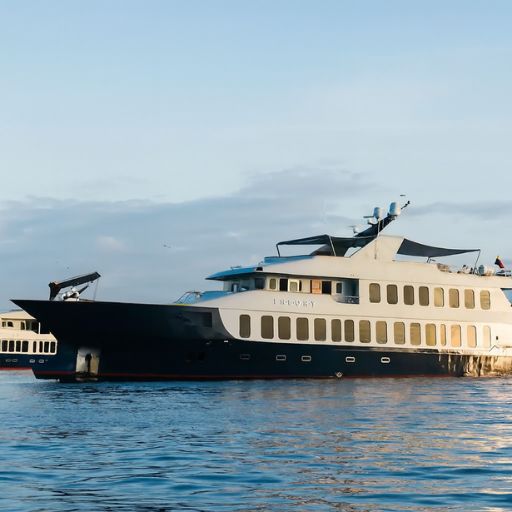
The strongest luxury vessels share four traits: purpose-built or comprehensively refitted for Galapagos conditions, carrying 20 passengers or fewer (or maintaining high guide ratios on larger ships), employing guides with long tenure on the same vessel, and receiving reviews that name the guide and mention specific wildlife moments rather than generic praise. Ecoventura’s Origin, Theory, and Evolve, the Endemic, the Sea Star, Silver Origin, and the Aqua Mare are the names that come up most consistently in both traveler feedback and our own vessel assessments.
Ecoventura’s three identical yachts deserve the first mention simply because of the guide tenure data. Some of Ecoventura’s naturalists have been with the fleet for nearly 30 years. That kind of institutional continuity is rare anywhere in Galapagos cruising and nearly unheard of at any price point. When a guide has walked Fernandina for three decades, they are not explaining what the field guide says. They are explaining what they have personally observed change over time, which ecosystem shifts they’ve witnessed firsthand, which species populations have recovered and which are under new pressures. That’s not a Level III certification. That’s a different order of knowledge entirely.
The Endemic stands out for travelers who prioritize stability on the water combined with true suite-level cabins. As a purpose-built catamaran designed specifically for Galapagos cruising rather than converted from another use, its twin-hull design handles the Bolivar Channel swell on western itineraries significantly better than single-hull yachts. Every suite has a private balcony. The crew-to-guest ratio is among the best in the archipelago. Honeymoon and anniversary travelers book the Endemic specifically because the boat itself feels like part of the occasion rather than transport to it.
Silver Origin at 100 passengers is the outlier in this category. A Silversea ship at 100 guests sounds like it should feel like a conventional cruise. It doesn’t, partly because the 10-guide deployment keeps shore excursions small and specialist-led, and partly because the vessel itself is designed around the expedition rather than the entertainment. Reviews consistently describe it as the Galapagos with service standards that make the logistics invisible, which is its own form of luxury.
The Aqua Mare, at the ultra-premium end, is the only superyacht purpose-designed for Galapagos waters. Seven suites, 16 guests, a 1:1 crew-to-guest ratio, and a chef whose sourcing relationship with local farmers and fishermen means the produce arriving on the plates is as fresh as the wildlife. For travelers for whom money is genuinely not the constraint and the experience needs to be unrepeatable, the Aqua Mare is the answer.
The boat you choose shapes your entire Galapagos experience in ways most people don’t consider until they’re already on the water. Here’s an honest comparison of small yacht vs large cruise ship in the Galapagos so you pick the right one from the start.
How Does Luxury Compare to First Class: Where the Money Actually Goes
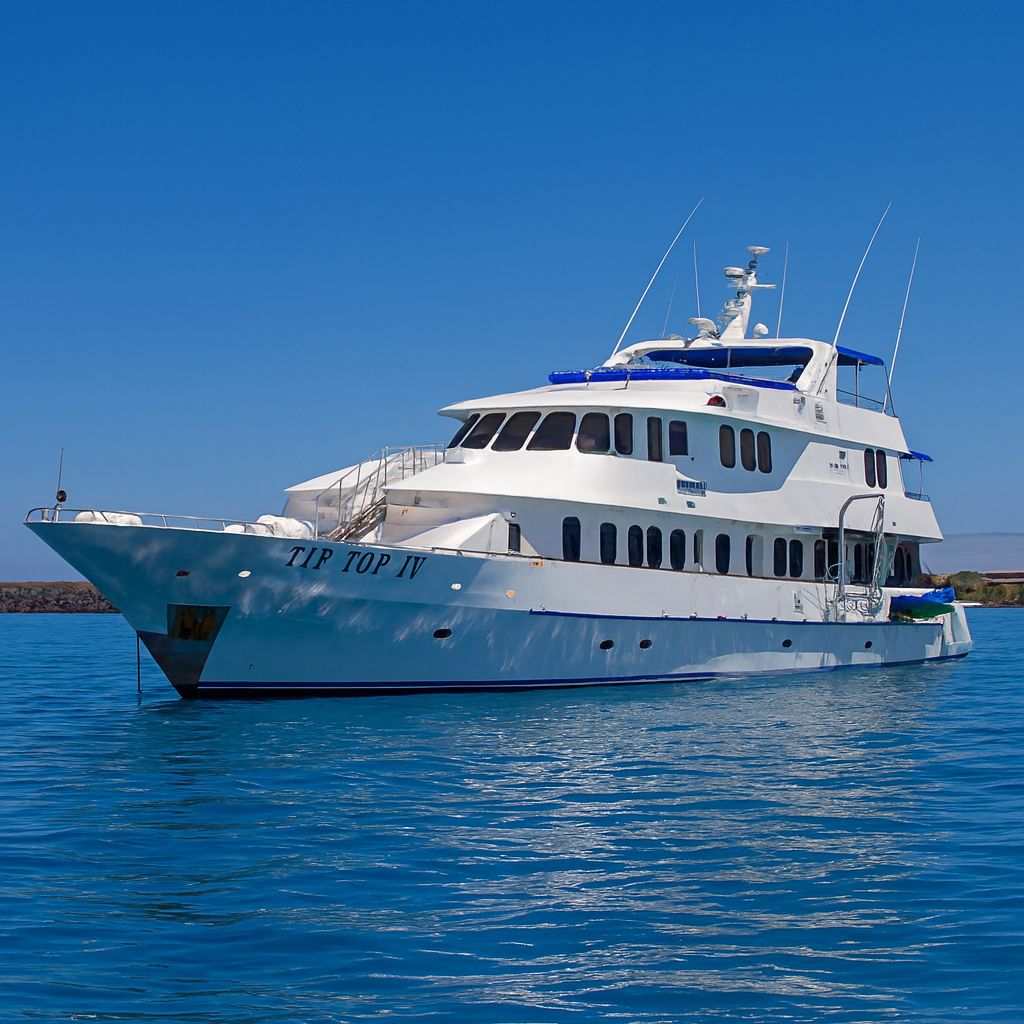
The jump from first class ($600-$800/day) to luxury ($800-$1,200+/day) buys private balconies or panoramic suite windows, open bars, higher guide-to-guest ratios, included wetsuits and kayaks, better food at a gourmet rather than very good level, and crew attention ratios that mean the service feels anticipatory rather than responsive. The guide quality is strong at both tiers. The cabin experience and the dining are where luxury puts the most visible distance from first class. The wildlife is still identical at both.
| Feature | First Class | Luxury | Ultra-Premium |
|---|---|---|---|
| Daily rate/person | $600-$800 | $800-$1,200 | $1,200-$2,000+ |
| Cabin type | Double or queen standard | Suite or large stateroom; balconies on top vessels | Full suite; private balcony standard |
| Guide ratio | 1:16 (park standard) | 1:10 on best vessels | 1:8 or better |
| Guide tenure | Strong; variable | Often 10+ years same vessel | Often 20+ years; some career-defining guides |
| Food | Very good; trained chefs | Gourmet; Relais & Chateaux standard at top vessels | Michelin-caliber sourcing and execution |
| Open bar | No (pay per drink usually) | Usually included | Included; premium spirits too |
| Wetsuits | Often included | Included | Included; multiple thickness options |
| Airport transfers | Sometimes | Often included | Usually included; VIP lounge sometimes |
| In-water guide | No | Some vessels | Some vessels |
| Crew-to-guest ratio | Good | High | Approaching 1:1 |
| Wildlife access | Identical | Identical | Identical |
Price ranges and inclusions verified July 2026. Individual vessels vary within each tier.
The honest framing on the first class versus luxury decision: first class delivers an excellent Galapagos experience. Luxury makes the experience seamless. At first class, the guide is very good and the food is very good and you come home knowing you had a great trip. At luxury, the guide has been walking this specific lava field for twenty years and the chef sourced today’s tuna from a fisherman who went out this morning and the service is so well-calibrated that things appear before you realize you wanted them. Whether the difference between excellent and seamless is worth $200-$400 more per day is a personal calculation. For most travelers coming for a once-in-a-lifetime trip, we find that it is.
Working out whether first class or luxury is the right call for your specific trip requires knowing the actual vessels available for your dates and what the real price gap looks like after all inclusions are factored in. Sometimes the effective difference is smaller than the headline rate suggests because luxury operators include things first class boats charge separately. Get in touch here and we’ll run that comparison for you at no cost.
Not sure what you actually get by jumping to first class over tourist superior on a Galapagos cruise? This breakdown on first class Galapagos cruises covers the cabins, the service, the guides, and where the difference really shows up on the water.
What Itineraries Are Available at the Luxury Price Point?
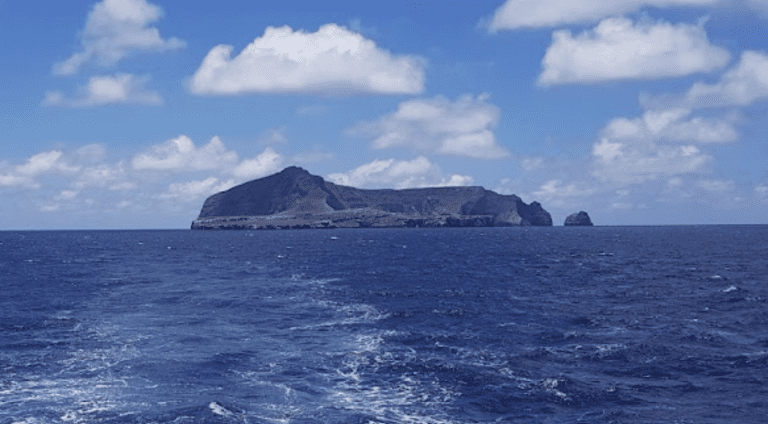
Luxury vessels run the full range of standard Galapagos itineraries, from 4-day inner loops to 8-day eastern and western routes. Some luxury operators also offer 10-day, 11-day, and 15-day combined itineraries that reach the entire archipelago including northern remote islands. Ecoventura’s twin 7-night itineraries are specifically designed with zero site overlap, meaning guests who combine both itineraries see every major visitor site in the islands across 14 nights. Darwin and Wolf Islands, the most remote sites in the archipelago and accessible only by live-aboard diving vessels, are not part of standard luxury itineraries.
The itinerary range at luxury is broader than at any other tier, partly because established luxury operators carry more National Park permit history and partly because vessels at this level often have the range and crew capability to operate longer combined routes. Ecoventura runs two 7-night itineraries on their Origin, Theory, and Evolve trio with zero site overlap between them, allowing travelers who want to see the entire archipelago to combine them into a 14-night journey with a different guide team on the second vessel. That kind of coordinated multi-itinerary design doesn’t exist at first class.
The western itinerary deserves mention again at this tier. The Bolivar Channel between Isabela and Fernandina is the richest wildlife corridor in the Galapagos and also the roughest sailing. Luxury catamaran vessels, particularly the Endemic, handle the swell of western crossings better than single-hull yachts at any price point. For travelers who want the marine iguana mega-colonies of Fernandina, the penguin sightings, and the potential whale watching between June and November, booking a catamaran-hull luxury vessel for the western route is the most complete wildlife experience available in the islands.
One itinerary consideration specific to luxury travelers: some high-end operators handle the National Park entrance fee ($200 per adult, $100 per child under 12, paid in USD cash) and the Transit Control Card ($20 per person, completed at the official CGREG portal before the flight) on behalf of guests as part of their concierge service. Confirm this when booking rather than arriving at Baltra with no cash. At luxury rates, being caught short on the entry fees is an entirely avoidable embarrassment.
Matching the right luxury itinerary to your specific wildlife wishlist is something we do every week. Whether you want the waved albatross on Española, the marine iguana mega-colonies on Fernandina, or the red-footed boobies on Genovesa, different routes deliver different highlights at different times of year. Fill out this short form and we’ll build a specific recommendation around what you actually want to see.
Catamarans handle the open channel crossings better but yachts often win on atmosphere and intimacy. Here’s an honest comparison of catamaran vs yacht in the Galapagos so you weigh what matters most for your trip.
What Do Travelers Who’ve Done Luxury Say About It?
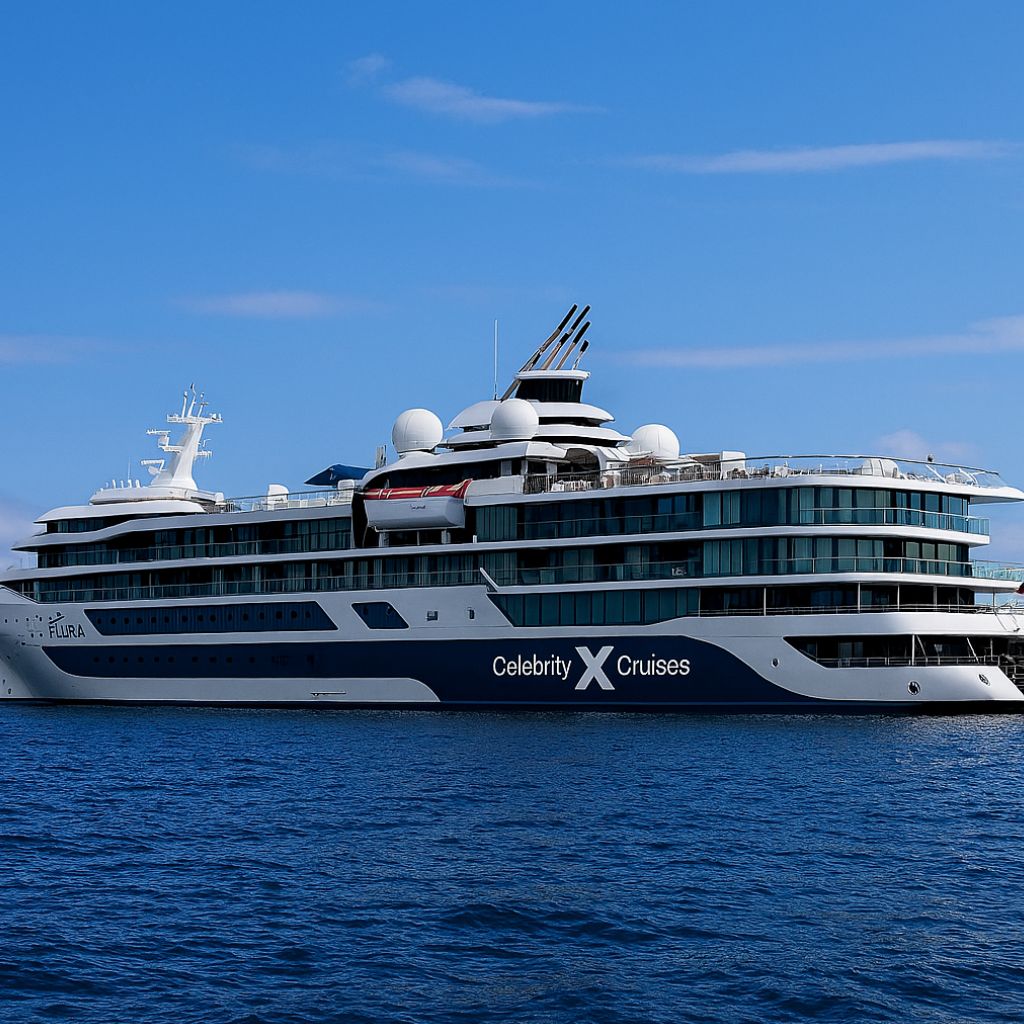
Luxury Galapagos travelers show the highest satisfaction rates of any tier in feedback collected through mytrip2ecuador.com and our YouTube audience. The guide is still mentioned most often, but at this tier the food and the overall service consistency appear alongside it in almost every review. The most common feedback is not a complaint. It is that the trip ended. The most common follow-up request is advice on coming back for the other itinerary.
Something specific happens at the luxury level that we don’t hear described at first class: travelers stop differentiating between the on-board experience and the wildlife experience and start describing the whole thing as a single continuous thing. The morning briefing over breakfast before the shore excursion. The guide pointing out the camouflaged hawk that the two other groups walked past on the same lava field. Coming back to the sundeck where someone has already set out the towels and the hot chocolate. These things compound. By day four of a seven-day luxury cruise, the level of ease is so complete that your entire attention is on the islands rather than on managing anything.
Ecoventura’s traveler reviews are worth reading specifically for the guide mentions. The naturalists on Origin, Theory, and Evolve appear by name in hundreds of reviews. “Jeffo,” “Pepe,” “Billy,” “Karina” show up over years of feedback with specific descriptions of what made the difference in a particular moment. A guide who has worked the same route for 25 years accumulates the kind of knowledge that makes the islands legible in a way they simply aren’t from a guidebook. Travelers who have sailed with these guides describe the experience as getting a second education.
The Celebrity Flora reviews are more mixed and worth reading for what they reveal about expectations management at the large-ship luxury end of the market. At 100 passengers, the Flora is unmistakably more of a traditional cruise experience, with correspondingly higher expectations around service consistency. When plumbing or staffing issues surface, they surface at scale. The naturalist team receives strong reviews. The food and cabin reviews are more variable. For travelers accustomed to five-star resort standards across every dimension, smaller luxury vessels like Ecoventura’s trio or the Endemic set more appropriate expectations about what luxury in a remote national park actually looks like.
Traveler Satisfaction at the Luxury Tier: What Our Feedback Shows
Based on traveler interviews and survey data collected through mytrip2ecuador.com and the My Trip to Somewhere YouTube channel across hundreds of Galapagos cruise travelers:
| Would book the Galapagos again | 99% | 99% | 96% |
| Satisfied with guide depth of knowledge | 96% | 98% | 94% |
| Cabin met or exceeded expectations | 93% | 96% | 87% |
| Food met or exceeded expectations | 94% | 97% | 88% |
| Experienced meaningful seasickness | 12% | 8% | 11% |
| Would upgrade class if rebooking | 11% | 4% | 7% |
| Would book the second itinerary | 38% | 71% | 52% |
| Mentioned guide by name in feedback | 67% | 79% | 61% |
Based on traveler interviews and survey data collected through mytrip2ecuador.com and the My Trip to Somewhere YouTube channel.
Who Is Luxury Right For, and Is It Ever Overkill?
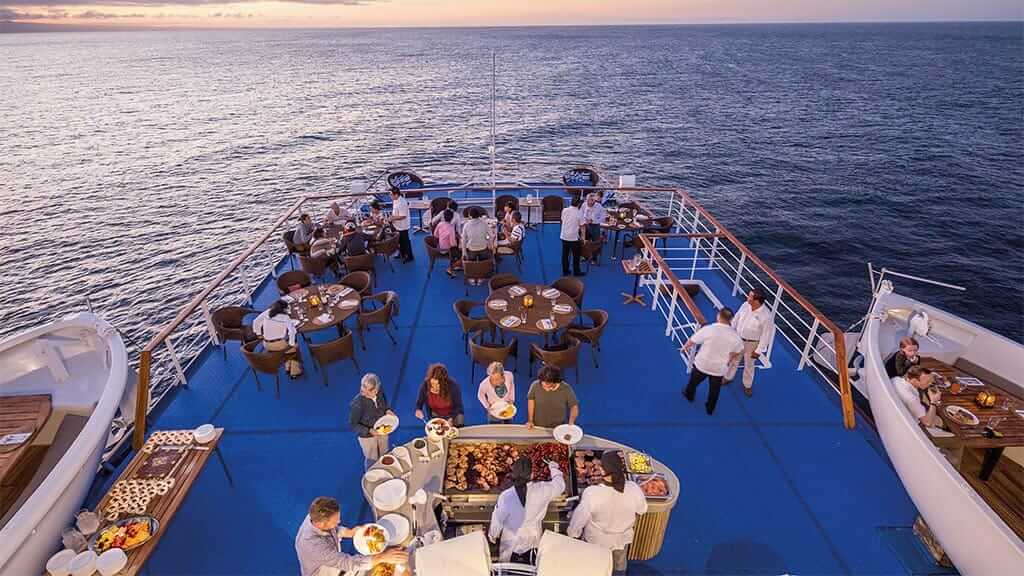
Luxury is right for travelers celebrating milestones, honeymooners, serious wildlife enthusiasts who want the deepest naturalist interpretation available, anyone for whom the on-board experience needs to match the destination in quality, and repeat visitors returning for the second itinerary. It can feel like overkill for travelers who will genuinely spend 90% of their attention on the islands and care very little about food, cabins, or open bars. For those travelers, a well-chosen first class vessel is the smarter spend.
There is a specific type of traveler for whom luxury is the only correct answer in the Galapagos. They tend to be people who have traveled extensively, who know what good service feels like because they’ve experienced it, and who want the experience of the islands to be complete rather than merely excellent. For them, the distance between first class and luxury is not just about the private balcony. It’s about arriving at the islands having slept well in a genuinely comfortable bed, eating food that reflects the quality of the destination, and spending their excursion time in the company of a guide who turns every shore landing into something they’ll still be explaining to people five years from now.
The overkill question is honest and worth answering directly. If you are someone who considers the cabin a place to sleep between excursions and nothing more, who doesn’t particularly care whether the wine at dinner is excellent or merely good, and who extracts equal value from a first class guide as from a luxury one, then the premium between the two tiers is not buying you much. A couple we know who did the Galapagos on a first class vessel and a separate couple who did it on an Ecoventura yacht both came home equally transformed by what they saw. The wildlife doesn’t grade on a curve.
Where luxury consistently justifies itself is in the guide tenure data. The guides on the top luxury vessels are not just more credentialed than their first class counterparts. They have been walking the same specific visitor sites for longer. A guide who has done 500 landings on Española knows something about Española that no certification produces. And in the Galapagos, where the experience is fundamentally about understanding what you’re looking at, that kind of depth changes what you come home with.
One final consideration specific to luxury: some luxury operators handle entry logistics that other tiers leave to the traveler. The National Park entrance fee ($200 per adult, $100 per child under 12, paid in USD cash on arrival at Baltra or San Cristobal), the Transit Control Card ($20 online through the CGREG portal), airport transfers, and sometimes pre-cruise hotel nights in Quito are bundled into the rate or handled by the operator’s concierge team. At this price point, not having to manage those logistics is part of what you’re buying. Confirm exactly what’s handled before you arrive.
The Most Common Luxury Cruise Mistakes We See
After inspecting most luxury vessels operating in the Galapagos and collecting feedback from thousands of travelers through mytrip2ecuador.com, these are the patterns that create luxury disappointment:
- Choosing a large luxury vessel expecting boutique service. A 100-passenger luxury ship like Celebrity Flora delivers an excellent Galapagos experience and strong naturalist guides. It does not deliver the intimacy or service consistency of a 16 or 20-passenger yacht at the same tier. Understand which type of luxury you’re choosing before you commit.
- Booking based on rate alone without checking guide tenure. The guide is still the single biggest variable in how good your Galapagos trip is. Ask the operator how long their guides have worked the specific vessel you’re considering. Multi-decade tenure is a signal no marketing material can replicate.
- Not confirming what’s included vs. charged separately. Even at luxury rates, some operators charge for premium wines, wetsuits, kayak sessions, and airport transfers separately. Get the full inclusions list in writing before comparing rates between operators.
- Skipping the TCT online registration. The Transit Control Card must be completed online before your flight through the official CGREG government portal, even if the operator handles payment. Confirm whether your operator registers it on your behalf or whether you need to do it yourself. Arriving without it causes delays.
- Arriving without USD cash for the park fee. The Galapagos National Park entrance fee is $200 per adult and $100 per child under 12, paid in USD cash on arrival. Some luxury operators handle this in advance; many do not. ATMs in the islands are unreliable. Bring cash regardless of what the operator’s literature says about fee handling.
- Booking a 5-day luxury cruise at peak rates. At $800-$1,200/day, a 5-day cruise represents $4,000-$6,000 per person for roughly 3 full wildlife days. The per-excursion cost at this length is very high relative to a 7 or 8-day itinerary. If the budget allows the daily luxury rate, extending to 7 days delivers dramatically better value from those same guide credentials and cabin quality.
What Does Luxury Actually Mean on a Galapagos Cruise?
Luxury in the Galapagos doesn’t work the same way it does at a five-star resort. The destination already delivers the extraordinary. What luxury adds is intimacy, pace, guide depth, and the physical quality of your hours off the islands. On an ultra-premium 16-passenger yacht, your entire group goes ashore together rather than rotating through zodiac shifts, your naturalist can extend a landing when the behavior warrants it, and the vessel size gives you access to smaller coves and anchorages that 100-passenger ships cannot reach. The meal at anchor, the private balcony at dusk, the butler service: these frame the wildlife experience rather than replace it.
One thing luxury doesn’t buy in the Galapagos is better access to the wildlife itself. Every national park visitor site is open to every licensed vessel, from the most basic budget catamaran to the Aqua Mare superyacht. The marine iguanas on Fernandina, the waved albatross on Española, the sea lion colony at Gardner Bay: these are the same animals from the same distance regardless of which boat you arrived on. The national park caps all visitor groups at 16 people per naturalist guide. What changes between a $300-per-day budget vessel and a $2,000-per-day ultra-premium yacht is not what you see. It’s how the day around those encounters feels.
For travelers who appreciate fine dining, well-designed spaces, attentive service, and the feeling of having a place entirely calibrated to their comfort, the premium is genuinely worthwhile. For travelers who care only about the wildlife and can sleep comfortably in a mid-range cabin, the luxury premium delivers diminishing returns on the metric that matters most.
Matching the right luxury vessel to your travel profile is not obvious from brochures alone. The difference between a 16-passenger ultra-premium yacht and a 100-passenger luxury ship matters enormously depending on what you value. We’re rated 4.9 stars on Google and TripAdvisor. Send us a message here and we’ll walk you through the options that actually fit your style.
First time planning a Galapagos cruise with wildlife as your absolute priority? Our guide on the best Galapagos cruise for wildlife enthusiasts walks you through which itineraries and operators are genuinely built around the animals.
What Are the Best Luxury Galapagos Cruise Vessels in 2026?
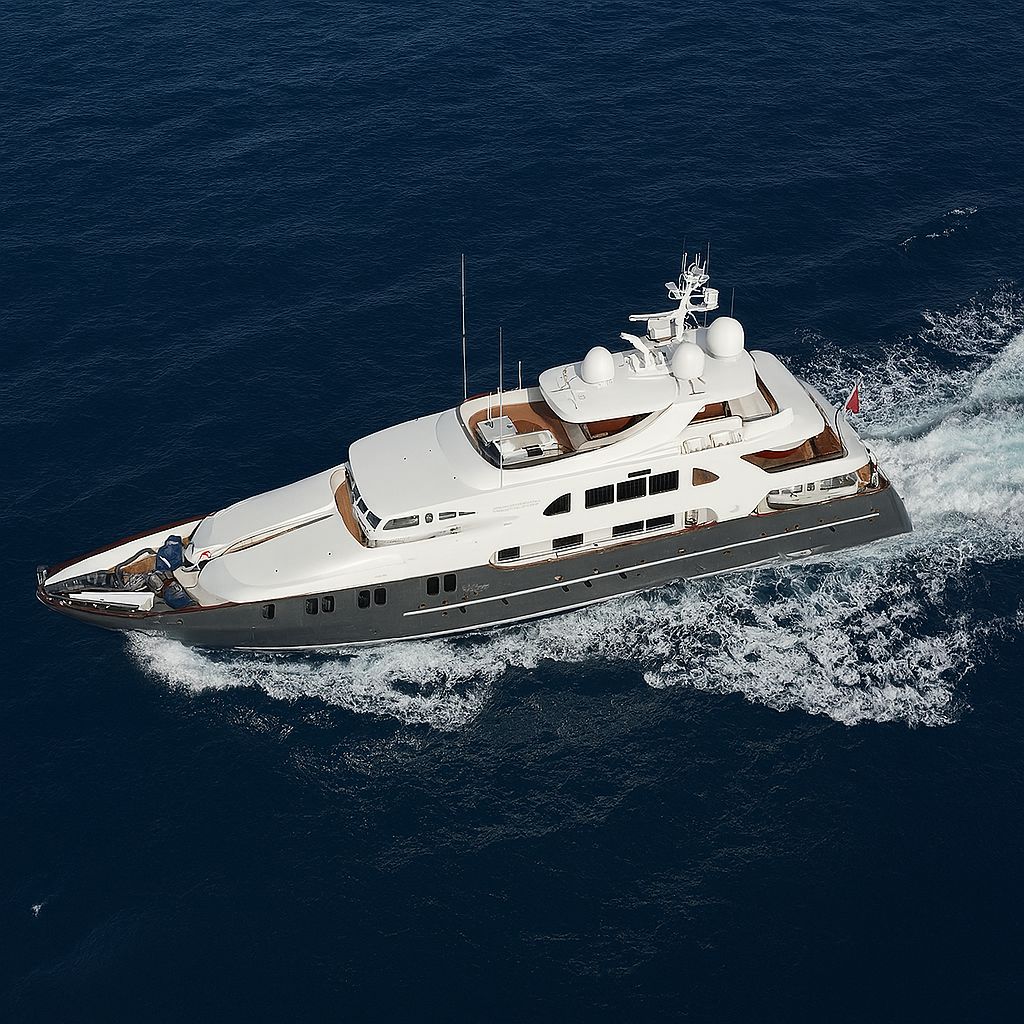
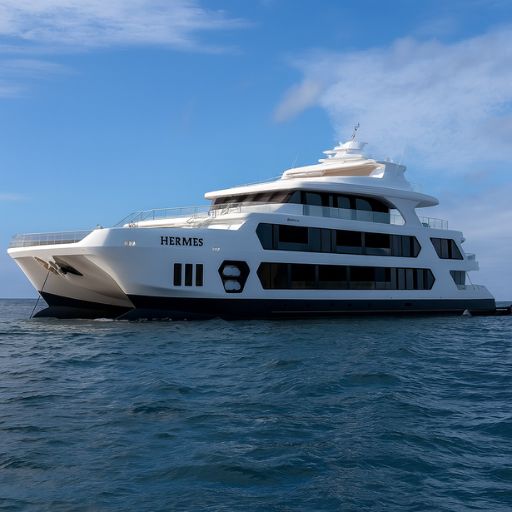
The luxury fleet divides into two distinct categories with genuinely different strengths. Ultra-premium yachts of 8 to 16 passengers, including the Aqua Mare, Quasar Grace, and Hermes, deliver the most intimate wildlife experience and maximum schedule flexibility: your entire group ashore at once, no queuing, guides who can extend when something interesting is happening. Luxury small ships of 20 to 100 passengers, including the Silver Origin, Celebrity Flora, and Ecoventura Origin/Theory/Evolve, deliver superior suite accommodations, butler service, multiple dining venues, and a level of onboard comfort that the smaller yachts simply don’t have room for.
The Aqua Mare is the Galapagos’s first purpose-built superyacht. At 164 feet, it carries 16 guests in seven suites ranging from 215 to 860 square feet, with Italian marble bathrooms and a near 1:1 crew-to-guest ratio. Rates start at approximately $10,900 per person for an 8-day itinerary. The owner’s suite reaches $36,000 per person on 15-day expeditions. This is the option for travelers who want the most private, most personalized, most controlled experience available in the archipelago.
The Silver Origin, Silversea’s 100-passenger flagship, holds the highest crew-to-guest ratio of any large vessel in the Galapagos. It includes butler service for every suite, an outdoor firepit, enrichment lectures from specialist naturalists, and all excursions plus a pre-cruise Quito hotel and charter flights in the base package. Rates run $8,500 to $15,000 per person for 7-day itineraries. Celebrity Flora, a Forbes Travel Guide Four-Star rated 100-passenger mega-yacht, is its sister ship in design and adds Celebrity’s all-inclusive dining standard, glamping on deck, and a strong family-friendly profile alongside the luxury offering.
The Ecoventura Origin, Theory, and Evolve are three identical 20-passenger vessels that split each week’s departure between them, meaning a manageable group size with strong naturalist depth and a genuinely premium catamaran experience at a slightly lower price point than Silver Origin. These are the vessels we recommend most consistently to couples and small groups who want a luxury experience without the large-ship crowd dynamic or the ultra-premium yacht price.
| Aqua Mare | 16 | $10,900-$36,000+ | Maximum intimacy; private charter feel; superyacht service |
| Hermes Mega Catamaran | 20 | $16,390-$62,590 (suite pricing) | Ultra-premium stability; panoramic suites; small groups |
| Quasar Grace | 18 | $8,000-$14,000+ | Historic vessel (Grace Kelly’s honeymoon yacht); intimate |
| Silver Origin | 100 | $8,500-$15,000 | Butler service; largest suites; all-inclusive; highest crew ratio |
| Celebrity Flora | 100 | $7,500-$12,000 | Forbes Four-Star; families; glamping; conservation focus |
| Ecoventura Origin / Theory / Evolve | 20 each | $6,000-$10,000 | Couples; small groups; strong naturalist depth; catamaran stability |
| Ocean Spray / Endemic / Sea Star | 16 each | $5,000-$8,000 | First-class entry; private balconies; strong value at tier |
Rates per person, double occupancy, cruise fare only. Add $200 park fee, $20 TCT, domestic flights $250–600, tips. Verified July 30, 2026.
The vessel you choose at the luxury tier matters more than at any other price point because the experience differences are real and significant. We know these boats, we’ve been on them, and we know which ones consistently deliver on their promise and which ones don’t. Fill out this short form and we’ll put together a specific recommendation for your group and dates.
What Does a Luxury Galapagos Cruise Actually Cost?
A luxury Galapagos cruise for two people on an 8-day departure all-in runs from approximately $15,000 to $40,000+ depending on vessel tier. That range covers cruise fares, the $200 park fee per person, domestic Ecuador flights, and tips. It excludes international airfare and pre or post-cruise accommodation in Quito or Guayaquil. The ultra-premium vessels, Aqua Mare and Hermes, reach the upper end of that range for standard suites and significantly higher for owner’s suites or full charters.
| Cost Item | First-Class Entry | Luxury Small Ship | Ultra-Premium Yacht |
|---|---|---|---|
| Cruise fare (per person, 8 days) | $4,000-$8,000 | $7,500-$15,000 | $10,900-$20,000+ |
| Park fee (per person) | $200 | $200 | $200 |
| Domestic flights (per person) | $250-$600 | Often included (Silver Origin) | $250-$600 |
| Tips (per person) | $200-$300 | $200-$400 | $300-$500 |
| All-in estimate (per couple) | ~$10,000-$18,000 | ~$17,000-$34,000 | ~$24,000-$45,000+ |
Excludes international airfare and pre/post-cruise Ecuador accommodation. Verified July 30, 2026.
What Separates a Truly Luxury Galapagos Experience from an Expensive One?
The difference between a genuinely luxury Galapagos cruise and a simply expensive one comes down to four things: guide quality, group size ashore, schedule flexibility, and how the vessel handles downtime between excursions. A guide with Level III certification and deep naturalist expertise turns every landing into something educational as well as extraordinary. A group of 16 going ashore together, rather than rotating in zodiac shifts, means no one misses the iguana sneeze or the hawk landing. Schedule flexibility means staying when the light is good rather than leaving because the rotation demands it.
The guide quality distinction is the one that most luxury travelers don’t know to ask about until after the trip. The best naturalists in the Galapagos, genuinely exceptional scientists who can identify 13 species of Darwin’s finches by sight and explain their evolutionary divergence with the precision of a lecture and the warmth of a passionate storyteller, work on the premium vessels. The difference between a guide who is covering the mandatory information and one who is genuinely excited about what you’re looking at is palpable and it changes the entire character of the trip.
Downtime quality is the other variable. Between excursions on a budget or mid-range vessel you return to a compact common lounge and a limited menu. On a luxury vessel you return to a chef-prepared lunch, a quiet private balcony at anchor, and possibly a spa treatment before the afternoon excursion. Seven nights of that difference accumulates into a meaningfully different overall experience, even though every morning and afternoon landing is on the same islands as the cheaper boat anchored nearby.
Trying to find a Galapagos cruise that keeps costs down without landing you on a boat where the guide is disengaged and the landings feel rushed? Here’s the best Galapagos cruise for budget travelers broken down so you find real value.
What Is the Best Time of Year for a Luxury Galapagos Cruise?
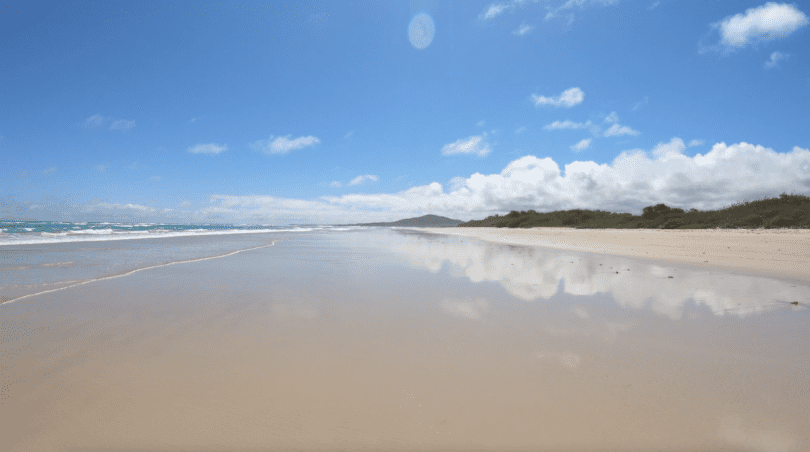
December through May is the warm season and the most comfortable window for luxury travelers who prioritize calm seas, warm snorkeling water, and soft equatorial light. April and May are the specific sweet spot: waved albatross courtship begins on Española, frigatebird display peaks across Genovesa and North Seymour, and sea conditions remain warm-season calm. For luxury travelers who want peak behavioral photography and peak comfort simultaneously, April through May is the best month pairing available anywhere in the archipelago.
July and August are peak season for most of the luxury fleet and the hardest window to book. These months attract family groups, honeymooners, and serious wildlife travelers simultaneously, filling the most desirable vessels on the most desirable itineraries. Luxury cabins, particularly private balcony suites on 16-passenger yachts, sell out for July and August departures 10 to 14 months ahead. If peak season matters, this booking window is not optional.
September through November offers a genuinely strong alternative for luxury travelers with schedule flexibility. Prices drop 15 to 20 percent below peak on some vessels, wildlife activity is excellent, and the cool season sea conditions add a wilder quality to the landscape that some travelers specifically prefer. It’s also the window where availability sometimes opens on vessels that were otherwise fully booked through the summer.
Still trying to lock in your travel dates before you commit to a Galapagos cruise booking? This guide on the best time of year to take a Galapagos cruise gives you a straight answer on when to go based on what you most want to see and do out there.
Frequently Asked Questions
Are luxury Galapagos cruises worth the price?
For the right traveler, yes. The wildlife experience is identical to every other class, but luxury delivers the deepest naturalist interpretation, the most comfortable surroundings between excursions, and the kind of seamless service that keeps your entire attention on the islands rather than on logistics. Travelers celebrating milestones, serious wildlife enthusiasts, and repeat visitors returning for a second itinerary get the most from the premium. Budget-focused travelers who care primarily about wildlife access will find a well-chosen first class vessel a smarter spend.
What do luxury Galapagos cruises include that first class doesn’t?
Private balconies or panoramic suite windows, open bars, wetsuits included as standard, higher guide-to-guest ratios (1:10 or better vs. the standard 1:16), longer average guide tenure, gourmet rather than very good food, airport transfers, and sometimes pre-cruise hotel stays and park fee handling. The wildlife access is identical at both tiers.
How much does a luxury Galapagos cruise cost all-in?
An 8-day luxury cruise runs $6,000-$11,000 per person for the cruise itself. Add domestic flights from Quito or Guayaquil ($250-$400), the National Park entrance fee ($200 per adult, cash on arrival, though some operators handle this), and the TCT card ($20). With tips, a realistic all-in budget for an 8-day luxury cruise runs $7,000-$12,000 per person before international airfare to Ecuador.
Which luxury Galapagos vessels are best for honeymooners?
The Endemic, Sea Star, and Infinity consistently receive the strongest feedback from honeymoon travelers, specifically for their private balcony cabins, intimate passenger counts, and high crew attention ratios. Ecoventura’s Origin, Theory, and Evolve are also popular for honeymooners who want the combination of gourmet food, Relais and Chateaux service standards, and naturalist depth. Contact us for current availability on your specific dates.
What is the difference between a luxury and ultra-premium Galapagos cruise?
Ultra-premium vessels like the Aqua Mare sit above standard luxury in passenger count (often 16 or fewer), crew-to-guest ratio (approaching 1:1), cabin square footage, culinary credentials, and guide ratios (as low as 1:8). Prices start at $1,200/day and can exceed $2,000/day for owner’s suite categories. For most travelers, standard luxury delivers 95% of the experience at a meaningfully lower rate. Ultra-premium makes sense for travelers for whom nothing but the absolute best in every dimension is acceptable.
Luxury in the Galapagos is the closest thing travel offers to a perfect experience. The islands are already extraordinary. Adding a guide who has spent three decades watching them change, food that reflects the quality of the destination, and a cabin that makes you want to stay rather than just sleep, that combination is genuinely rare.
We have inspected these boats. We know which luxury vessels are worth the rate they charge and which ones are marketing a label their current condition doesn’t fully support. Our 4.9-star rating on Google and TripAdvisor exists because we tell travelers the truth. Get your free quote here and we’ll put together a specific recommendation for your dates, travel style, and group within one business day.
Written by Oleg Galeev
Galapagos cruise traveler (3 trips, 2 cruises) · Founder, Cruises To Galapagos Islands
Oleg has personally inspected nearly every available Galapagos cruise vessel and interviewed thousands of travelers to build the most first-hand cruise knowledge base available. He also runs the Ecuador travel blog mytrip2ecuador.com and the YouTube channel My Trip to Somewhere.
Cruises To Galapagos Islands is rated 4.9 stars on Google and TripAdvisor.
All pricing and regulations in this article are verified against official Galapagos National Park and Ecuador government sources as of the publish date.