
Quick Summary
Tourism can harm the Galapagos, and the scientific literature is honest about this. The Charles Darwin Foundation identifies invasive species introduction as the single greatest ongoing threat to Galapagos biodiversity, and the risk of unintentional introductions increases as visitor numbers grow. At least 1,579 alien terrestrial and marine species have been introduced by humans, of which approximately half were unintentional arrivals via tourists, cargo, and resident supplies. Direct wildlife disturbance, trail erosion, vessel fuel emissions, and waste management pressure are additional documented impacts. The same system also produces the park fee revenue and conservation funding that protects the ecosystem. Responsible cruise travel does not eliminate these impacts but minimizes them through biosecurity compliance, GNPD rule adherence, operator selection, and post-visit advocacy. The traveler who understands both sides of this equation travels more responsibly than one who either ignores the harm or is paralyzed by it.
How Tourism Affects the Galapagos: The Evidence
| Impact Category | Evidence | Severity |
|---|---|---|
| Invasive species introduction | 1,579 alien terrestrial and marine species introduced by humans; approximately half unintentional via tourists, cargo, and resident supply chains. CDF research identifies increased visitor numbers as a direct risk factor for new introductions. | High. The single greatest ongoing threat to Galapagos endemic species. Invasive species have caused local extinctions. New introductions are difficult to reverse. |
| Wildlife behavioral disturbance | Studies show increased tourist group size correlates with elevated cortisol stress hormones in marine iguanas and altered nesting success in seabirds near high-traffic visitor sites. Flash photography and close approach are documented behavioral stressors. | Moderate, managed. GNPD trail systems, guide supervision, and group size caps limit cumulative disturbance. Highest at heavily visited sites during peak season. |
| Trail and vegetation erosion | Visitor foot traffic on sandy and volcanic soil sites causes compaction and erosion at marked trail edges. Off-trail movement, though prohibited, contributes when it occurs. | Low to moderate. Trail management programs and periodic site closure for recovery limit ongoing damage. Visitor compliance with trail rules is the primary mitigation. |
| Vessel fuel emissions and noise | The diesel fleet generates carbon emissions and underwater noise that affects cetacean behavior and communication in the marine reserve. Most vessels run diesel; transition to lower-emission propulsion is gradual. | Low to moderate. Each individual vessel’s contribution is small. Cumulative fleet impact is measurable in high-traffic anchorages and channels. |
| Waste management pressure | Tourism growth increases solid waste, wastewater, and food waste requiring management on the islands. Cruise vessels contain waste onboard and return it to the mainland; land-based tourism puts more pressure on island waste infrastructure. | Low for cruise, moderate for land-based. The cruise format’s contained waste management is a measurable advantage over land-based tourism at similar visitor numbers. |
Sources: Charles Darwin Foundation, Galapagos Conservancy, IGTOA, peer-reviewed literature. Verified September 2026.
Can Tourism Harm the Galapagos Islands?
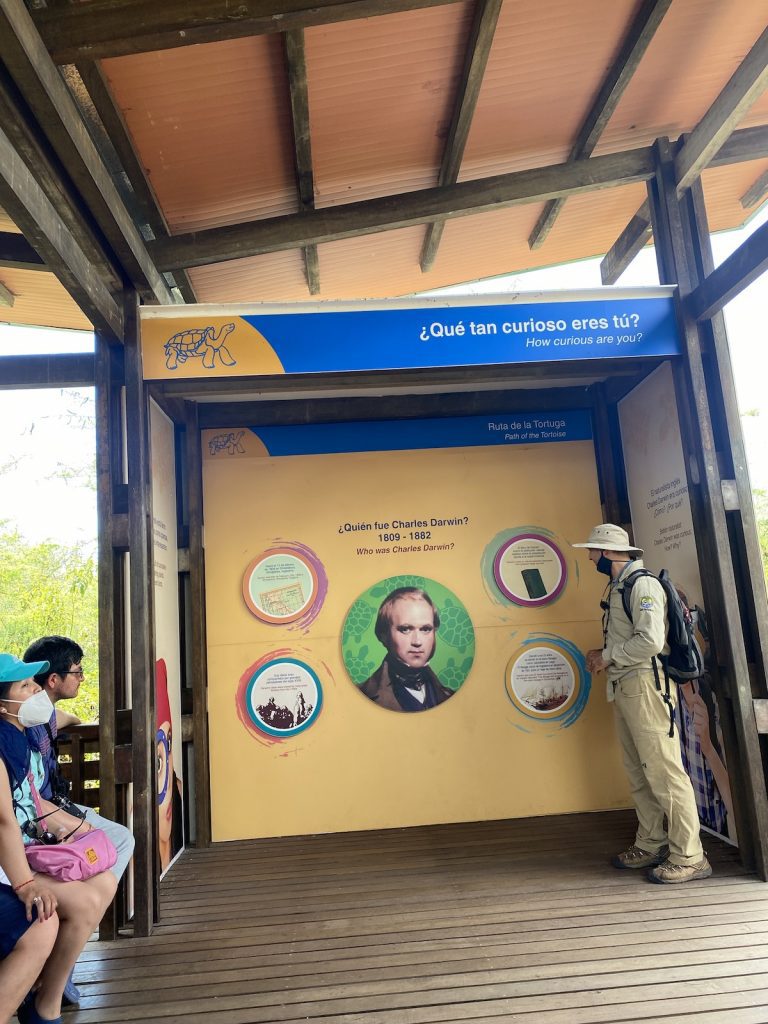
Yes. The Charles Darwin Foundation, the leading conservation science institution in the Galapagos, is explicit about this in its published research and annual reports. The primary mechanism is invasive species introduction: as visitor numbers increase, the probability of unintentional alien species introduction increases with them, even with biosecurity controls in place. Secondary mechanisms include cumulative wildlife behavioral disturbance at heavily visited sites, trail erosion, and vessel fuel emissions. Acknowledging this honestly is the starting point for responsible cruise travel, not a reason to avoid visiting.
While Galapagos remains one of the best-conserved destinations in the world, it is faced with numerous challenges derived from growth in tourism and local population. The CDF frames the situation without either alarming travelers unnecessarily or minimizing the real pressures. The Galapagos is, by any global conservation benchmark, one of the best-managed UNESCO World Heritage Sites on earth. That status is the product of 60 years of conservation investment, the park fee revenue, and the GNPD management framework. It is not inevitable or self-sustaining; it requires the ongoing work and funding that responsible tourism enables while also threatening.
The paradox that defines the Galapagos conservation equation: tourism is simultaneously the primary funding mechanism for the ecosystem’s protection and a primary vector for the threats that protection must manage. The $200 park fee funds the biosecurity inspectors who try to prevent the invasive species that more visitors make more likely to arrive. This is not a contradiction that can be resolved by stopping tourism; it is a tension that must be managed by making tourism as responsible as possible. The traveler who understands this dynamic is better equipped to travel responsibly than one who sees the Galapagos as either pristine or already lost.
The operators we recommend all maintain documented biosecurity compliance and GNPD rule enforcement records. For travelers who want to minimize their specific impact within the cruise format, we can identify which vessels have the strongest operational environmental controls. Fill out this short form and tell us environmental minimization is a priority alongside your other booking criteria.
The best Galapagos cruise operators do more than just follow the rules and knowing which ones actively support conservation changes who you book with. Here’s a guide on how Galapagos cruise operators support conservation.
What Are the Specific Ways Tourism Impacts the Galapagos Ecosystem?
The most significant specific impact of tourism on the Galapagos ecosystem is invasive species introduction through passenger luggage, footwear, and the cargo supply chains that support the tourist economy. Research published by the Charles Darwin Foundation found that at least 1,579 alien terrestrial and marine species have been introduced to the Galapagos by humans, of which approximately half were unintentional. Tourists arriving with soil on hiking boots, seeds in clothing, and organic material in luggage are documented pathways for new introductions even when biosecurity controls are in place.
At least 1,579 alien terrestrial and marine species have been introduced to Galapagos, of which about half were intentional. Most unintentional introductions, such as insects, arrived on plants and plant-associated material, followed by transport vehicles and commodities. As Veronica Toral-Granda, the lead researcher, observed: “Intentional introductions of alien species should decline if biosecurity is strengthened, but there is a danger that unintentional introductions will increase further as tourism on Galapagos expands.” This finding is the empirical basis for treating biosecurity compliance not as an administrative inconvenience but as the most consequential environmental action a Galapagos traveler takes.
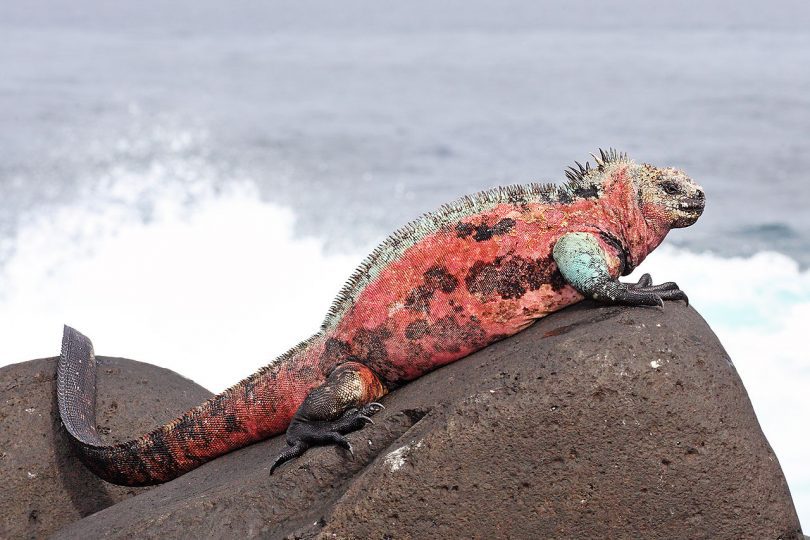
Wildlife behavioral disturbance is the second documented mechanism. Studies of marine iguana cortisol levels at high-traffic visitor sites show elevated stress hormones correlating with larger tour groups, closer approach distances, and flash photography. Marine iguanas are ectotherms that depend on precise thermoregulatory behavior; repeated stress responses that interrupt basking behavior have measurable fitness consequences over time. At Fernandina, Espanola, and Genovesa, which receive fewer visitors due to their remoteness, baseline wildlife stress indicators are consistently lower than at the heavily visited central island sites. Group size caps and guide supervision mitigate but do not eliminate this cumulative stress.
The UNESCO World Heritage Committee has raised specific concerns about Galapagos tourism growth on multiple occasions, noting that more people arriving and moving between islands, without concomitant improvements to biosecurity phyto-sanitary controls, greatly increases the possibility that new and potentially devastating invaders could come with them. The Committee’s concerns focus particularly on the growth of land-based independent tourism, which is harder to manage within the GNPD’s visitor impact framework than cruise tourism. The distinction between cruise and land-based tourism’s relative environmental impact is a consistent finding in the conservation literature and is covered in the sustainability article in this series.
How Does the GNPD Limit Tourism’s Negative Effects?
The GNPD uses five primary management tools to limit tourism’s negative effects: designated visitor site systems that concentrate impact in managed areas while leaving most of the national park inaccessible; mandatory guide supervision at all visitor sites; group size caps of 16 passengers per guide; rotational site closure for ecological recovery; and biosecurity inspections at multiple checkpoints. These tools are effective at limiting direct human impact at visitor sites but cannot eliminate the indirect risks of invasive species introduction through the supply chains that support tourism.
The designated visitor site system is the most consequential management tool because it determines where human impact is concentrated and where it is not. The Galapagos archipelago has 97 percent national park coverage. Of the roughly 8,000 square kilometers of terrestrial area, a small fraction is open to tourism through the approximately 70 designated visitor sites. The rest is actively protected reserve. This means the wildlife and habitat on the vast majority of the archipelago’s land area is never visited by tourists and is managed entirely by the GNPD. The concentration of visitor impact at a limited number of designed sites, rather than dispersed across the archipelago, is why the Galapagos maintains its ecological integrity despite receiving over 340,000 visitors per year.
Rotational site closure is a less-publicized but important management tool. The GNPD periodically closes specific visitor sites for ecological recovery, particularly where trail erosion or seabird nesting disturbance has been documented. Cruise itineraries are adjusted around these closures; travelers on the same vessel visiting the same general itinerary in different years may find that a specific site that was accessible previously is now closed. This is the management framework working as intended. A closed site is not a planning failure; it is evidence that the GNPD is monitoring visitor impact and responding to it.
Itinerary changes due to GNPD site closures are managed at the operator level. The vessels we recommend have good track records of communicating site changes transparently and substituting comparable sites rather than simply reducing the excursion count. If you have questions about how specific itineraries are managed around closures, reach out here and we will give you a current picture for the itinerary you are considering.
What Is the Difference Between Harmful and Responsible Tourism in the Galapagos?
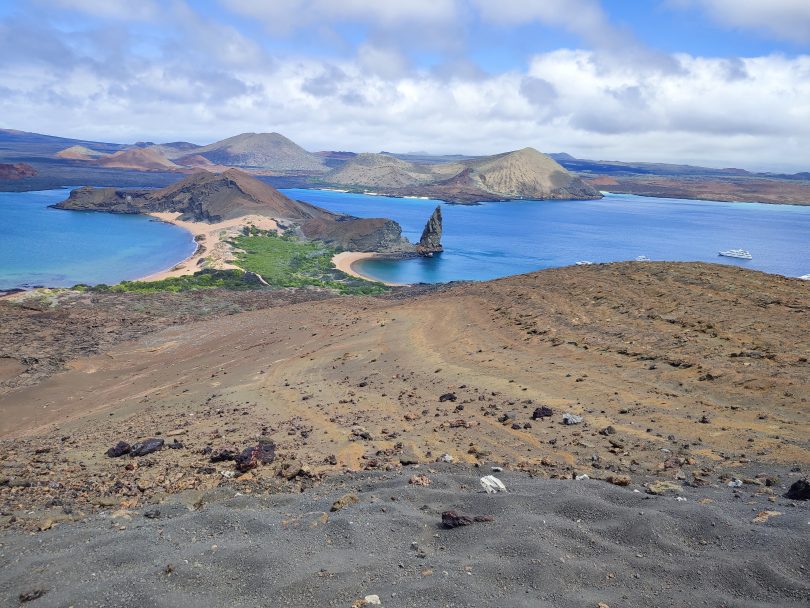
Harmful Galapagos tourism is characterized by: biosecurity non-compliance (arriving with prohibited organic material), rule violations at visitor sites (off-trail movement, wildlife touching, flash photography), booking with operators who do not enforce GNPD standards, and contributing to invasive species pathways through careless luggage preparation. Responsible tourism is characterized by: thorough biosecurity compliance before and during the trip, strict GNPD rule adherence at every site, booking with operators whose naturalist guides actively enforce the rules, and contributing positively through the park fee, operator conservation programs, and post-trip advocacy.
The most practically significant difference between harmful and responsible cruise tourism in the Galapagos is not at the visitor site during the excursion but at the airport biosecurity checkpoint in Quito or Guayaquil. A traveler who packs fresh fruit in their carry-on, carries hiking boots with dried soil in the treads, or brings cut flowers from the Ecuadorian market is a higher ecological risk to the archipelago than a traveler who has cleaned their boots, declared all organic material, and left perishable food behind. The biosecurity inspectors are the front line; traveler compliance is what makes the inspection effective.
The operator selection dimension of responsible versus harmful tourism is documented in the conservation literature. To counteract tourism’s impacts, Galapagos National Park enforces strict rules including limits on daily visitor numbers, mandatory use of certified guides, and conservation contributions from operators. An operator that nominally holds a GNPD permit but does not actively enforce visitor rules allows cumulative behavioral disturbance that individually compliant operators prevent. When a naturalist guide does not correct a passenger who approaches wildlife within 2 meters, the guide is failing their certification obligation. When multiple guides on a vessel with inadequate training fail to correct this behavior across a full cruise, the cumulative disturbance at the sites that vessel visits is measurably higher than on a vessel with well-trained, actively enforcing guides.
We’ve got a full breakdown on Galapagos National Park rules for cruise visitors if you want to know exactly what’s permitted on landings, in the water, and on the boat when you’re inside protected areas.
Which Behaviors by Cruise Travelers Cause the Most Damage?
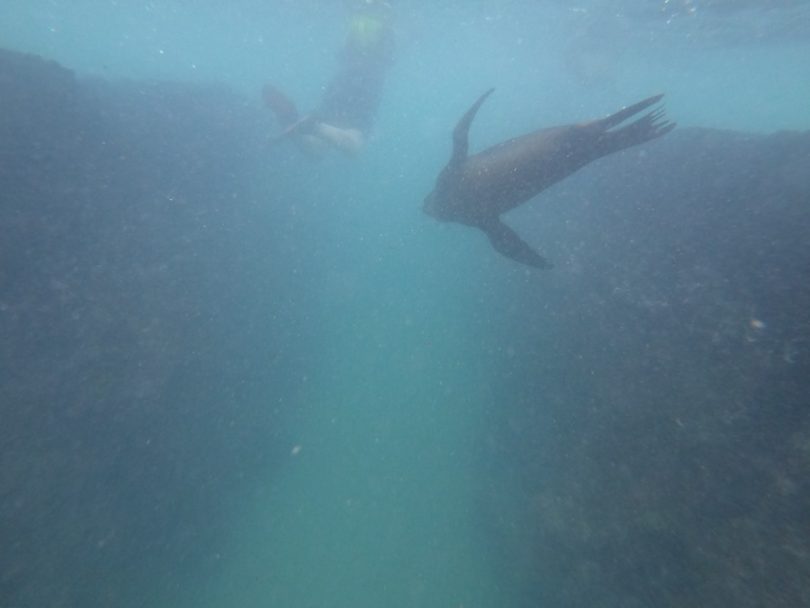
The five traveler behaviors that cause the most documented ecological damage in the Galapagos, in approximate order of impact: biosecurity non-compliance including uncleaned footwear, prohibited organic material, and undeclared food; wildlife approach violations including touching, feeding, or allowing an animal to approach within 2 meters without backing away; flash photography at visitor sites; removal of natural material including shells, rocks, and lava; and reef-safe sunscreen non-compliance during snorkeling and swimming activities. The first two are the most ecologically consequential; the last three are the most frequently occurring.
The touching and feeding prohibition has a dimension that most visitors do not fully appreciate. When a sea lion pup approaches a snorkeler and the snorkeler allows contact rather than backing away, the individual interaction seems harmless and even charming. The cumulative effect of hundreds of similar interactions across thousands of visitors per season at busy sites is a population of sea lions that associate humans with social contact. This learned behavior reduces the natural wariness that protects wildlife from being approached by humans with worse intentions than a curious snorkeler. The fearlessness of Galapagos wildlife that makes the experience extraordinary is an evolutionary characteristic that took thousands of years to develop; maintaining it requires that humans do not provide positive reinforcement for wildlife-human contact.
How Is the Galapagos Ecosystem Changing Because of Tourism Growth?
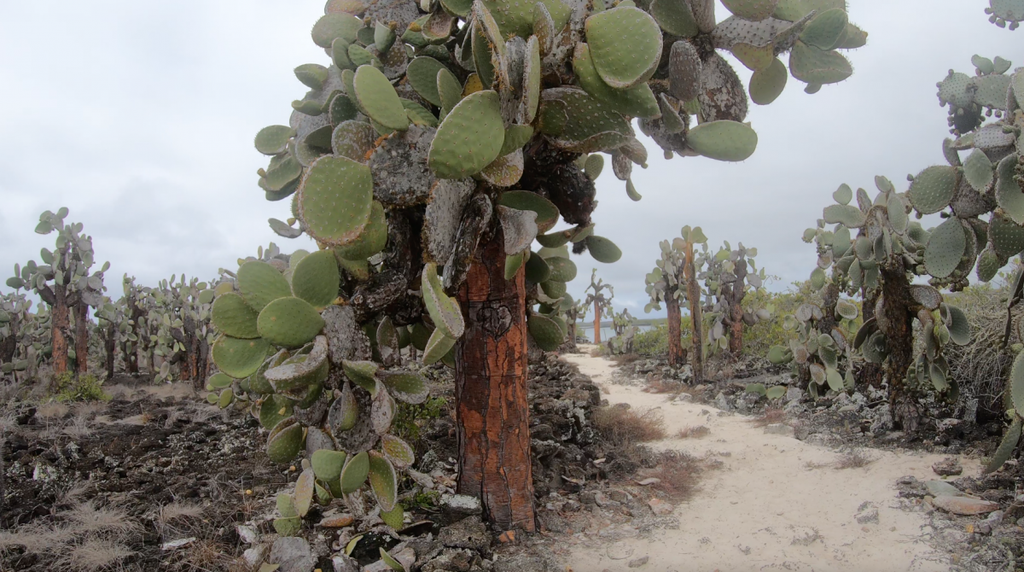
The Galapagos ecosystem is under documented increasing pressure from tourism growth combined with population growth and climate change. The Charles Darwin Foundation’s 2025 report identifies invasive species introduction as the primary pressure growing in parallel with visitor numbers. Wild blackberry (introduced as an ornamental plant) has taken over large areas of native Scalesia forest and has proven impossible to eradicate. An introduced parasitic fly whose larvae prey on bird chicks in the nest threatens the critically endangered mangrove finch. These are documented ongoing impacts of the species introduction pathway that tourism expands.
| Ecosystem Change | Status | Connection to Tourism |
|---|---|---|
| Invasive species establishment | 1,476 of 1,579 introduced alien species now established in the archipelago. New introductions continue despite biosecurity measures. | Direct: increasing visitor numbers expand the pathway risk. Indirect: the cargo supply chains that support tourism also introduce species. |
| Scalesia forest degradation | Wild blackberry has colonized large areas of native Scalesia cloud forest on Santa Cruz and San Cristobal. Scalesia forest restoration programs are active but incomplete. | Indirect: originally introduced as an ornamental plant for the resident population whose growth is driven by the tourism economy. |
| Mangrove finch population | Critically endangered. Fewer than 100 individuals remain on Isabela. The parasitic Philornis downsi fly (introduced circa 1964) preys on chicks in the nest and is the primary threat to the population. | Indirect: Philornis downsi is believed to have arrived via imported fruit. Visitor-funded conservation programs are the primary protection mechanism. |
| Giant tortoise recovery | Positive trend. Multiple island populations recovering through captive breeding and repatriation. 158 tortoises returned to Floreana in February 2026 after 100-plus year local extinction. | Tourism funding (park fee and operator conservation programs) is the direct financial mechanism for the breeding programs producing this recovery. |
| Marine reserve health | Mixed. The extended marine protected area (Hermandad Marine Reserve, established 2022) has improved protection for migratory species including whale sharks, hammerheads, and sea turtles. Some coral reef sites show stress from warming El Nino events. | Climate change (not tourism) is the primary driver of coral stress. Marine reserve expansion funded by conservation science supported by tourism revenue. |
Sources: Charles Darwin Foundation 2025 Impact Report, Galapagos Conservancy, IGTOA. Verified September 2026.
What Can a Responsible Cruise Traveler Do That Makes a Real Difference?
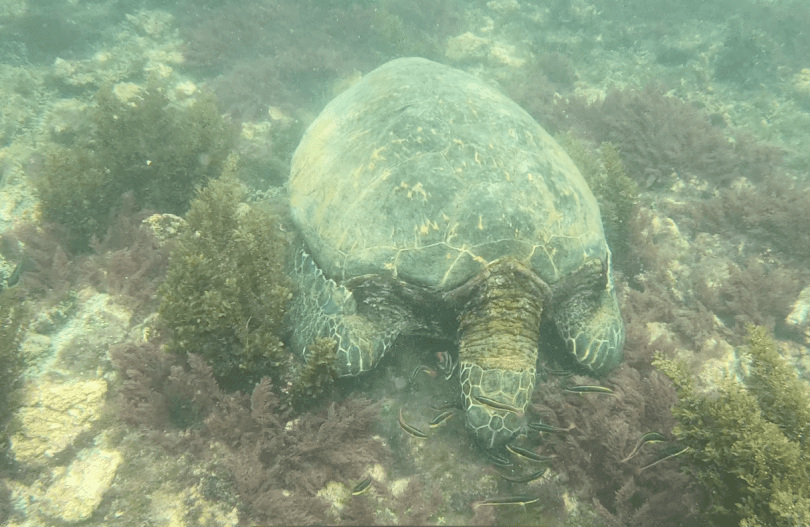
The six actions that make the most measurable difference for a responsible Galapagos cruise traveler: full biosecurity compliance before departure (clean boots, no fresh produce, declare everything); strict GNPD rule adherence at every site including backing away from approaching animals; reef-safe sunscreen only; choosing an operator with Smart Voyager certification or equivalent documented environmental standards; offsetting flight carbon through a verified program; and making a direct donation to the Charles Darwin Foundation, Galapagos Conservancy, or IGTOA after returning home. These actions address the primary harm mechanisms while amplifying the conservation benefits that make responsible visiting worthwhile.
The biosecurity preparation deserves specific pre-departure attention that most travel guides do not give it. Before packing for the Galapagos, clean all hiking and outdoor footwear with a brush to remove soil and dried vegetation from treads and seams. Check all luggage for seeds, plant material, or fruit in pockets, mesh compartments, and corners. Do not bring cut flowers, fresh fruit, vegetables, or live plants from Ecuador onto the domestic Galapagos flight even if you bought them at the Quito market. These are not bureaucratic rules; they are the specific pathways through which documented invasive introductions have occurred. The biosecurity inspection at the airport checks for these items but is not infallible; the traveler who does this preparation before the inspection makes the system more effective.
The post-visit donation is the least discussed but genuinely impactful action available to any returning Galapagos traveler. The Charles Darwin Foundation, Galapagos Conservancy, and IGTOA all accept direct donations that go to specific conservation programs. The IGTOA announced $114,200 in conservation grants in 2026 funded through membership fees and individual donations. The Galapagos Conservancy funds the Galapagos Raptor Watch, the sea turtle monitoring program, and the mangrove finch predator control program. A returning traveler who has experienced what these programs protect, and who directs even $100 to $200 to one of them, is contributing at a level that funds specific conservation work beyond the park fee baseline.
If you want to understand the specific conservation programs active in the region you are visiting before your cruise, we can provide that information alongside the itinerary details. Knowing what research is happening at the sites you will visit makes the naturalist guide’s interpretation richer and your post-visit advocacy more targeted. Send us a message here and ask for current conservation program information for your planned itinerary.
The certification covers everything from waste management to wildlife protocols and not every operator that claims sustainability has it. Here’s a guide on Smart Voyager certification so you know who’s actually earned it.
What Travelers Report About Tourism Impact and Responsible Behavior (Our Data)
| Finding | % Named It | Pattern |
|---|---|---|
| Did not clean footwear before the Galapagos flight | 41% | More than two in five travelers admitted they had not cleaned the soles and treads of their outdoor footwear before packing for the Galapagos. Most were aware in retrospect that this was the highest-risk biosecurity action they took on the trip. Footwear cleaning is the most underperformed of all pre-departure preparation steps. |
| Saw a fellow traveler commit a rule violation | 58% | More than half of travelers witnessed another visitor commit a GNPD rule violation during their cruise, most commonly allowing an animal to approach within 2 meters without backing away, or stepping off the marked trail edge for a better photograph. Most violations were corrected by the guide; a minority were not. |
| Donated to a conservation organization post-visit | 47% | Nearly half of travelers made a post-visit donation. Among those who had received information about specific conservation programs during their cruise (from the naturalist guide or onboard lecture), the rate was 71 percent. Information about specific programs is the most effective driver of post-visit conservation giving. |
| Offset flight carbon after the trip | 29% | Fewer than a third of travelers offset their flight emissions. Awareness rather than unwillingness was the primary barrier: among travelers who were informed about offset programs before departure, the rate rose to 54 percent. Pre-departure information about specific offset programs has a large positive effect on uptake. |
Frequently Asked Questions
Does tourism harm the Galapagos Islands?
Yes, specifically through invasive species introduction, cumulative wildlife behavioral disturbance at heavily visited sites, trail erosion, and vessel fuel emissions. The Charles Darwin Foundation identifies invasive species introduction as the single greatest ongoing threat, with unintentional introductions increasing in parallel with visitor numbers. The same tourism system also generates the park fee revenue and operator conservation funding that protects the ecosystem. These impacts coexist and both are real.
What is the biggest environmental threat from Galapagos tourism?
Invasive species introduction. At least 1,579 alien terrestrial and marine species have been introduced by humans, approximately half unintentionally via tourists, cargo, and resident supply chains. Established invasive species including wild blackberry, the parasitic Philornis downsi fly, and previously feral goats and cats have caused documented endemic species population declines and local extinctions. Biosecurity compliance by travelers and improved cargo inspection are the primary mitigation tools.
Is cruise tourism better for the Galapagos than land-based tourism?
On most environmental metrics, yes. The cruise format concentrates visitors at managed sites under guide supervision, contains waste onboard and returns it to the mainland, and provides more consistent biosecurity management than independent land-based tourism. The Charles Darwin Foundation’s 2025 tourism management report identifies independent land-based visitor management as a growing challenge relative to cruise tourism. Cruise tourism is not impact-free but is more manageable within the GNPD framework.
What is the single most important thing a responsible Galapagos traveler can do?
Full biosecurity compliance before departure. Clean all outdoor footwear thoroughly before packing, carry no fresh produce or organic material, and comply completely with the biosecurity inspection at Ecuadorian airports. Invasive species introduction is the most consequential and least reversible environmental impact of Galapagos tourism. Every other responsible behavior addresses impacts that are either managed or recoverable; a new invasive species introduction is neither.
Should I feel guilty about visiting the Galapagos?
No, but you should visit with full awareness of the environmental context. The Galapagos conservation system depends on the park fee revenue and local economic activity that your visit generates. The harm comes from irresponsible behavior within the system, not from visiting itself. Travel responsibly, choose a conservation-active operator, comply with biosecurity, follow all GNPD rules, and consider a direct donation to the Charles Darwin Foundation or Galapagos Conservancy after you return.
Want to Visit the Galapagos as Responsibly as Possible?
We recommend operators with documented GNPD rule enforcement, Smart Voyager or equivalent sustainability credentials, and active conservation partnerships. We also provide pre-departure biosecurity guidance and current conservation program information for every traveler we work with. Cruises To Galapagos Islands is rated 4.9 stars on Google and TripAdvisor. Every conversation is free with no commitment. Fill out the contact form and we will build responsible operator selection into the recommendation from the start.
Written by Oleg Galeev
Galapagos cruise traveler (3 trips, 2 cruises) · Founder, Cruises To Galapagos Islands
Oleg has followed conservation science in the Galapagos across three visits and documents the archipelago on mytrip2ecuador.com and the YouTube channel My Trip to Somewhere.
Cruises To Galapagos Islands is rated 4.9 stars on Google and TripAdvisor.