
TL;DR
There is no bad month to cruise the Galapagos, but the experience varies a lot depending on what you want to see. The warm season (December to May) brings calmer seas, clearer water, and excellent snorkeling. The dry season (June to November) delivers richer marine life, more wildlife activity on land, and cooler temperatures for hiking. Peak prices hit in July, August, Christmas, and Easter. If you want the best balance of wildlife, value, and thinner crowds, December through January or September through October are consistently the strongest months in our experience.
Quick Facts: Galapagos Cruise Seasons at a Glance
| Factor | Warm / Wet Season (Dec-May) | Cool / Dry Season (Jun-Nov) |
|---|---|---|
| Air Temperature | 77-88°F (25-31°C) | 66-79°F (19-26°C) |
| Water Temperature | 75-77°F (24-25°C) | 66-72°F (19-22°C) |
| Sea Conditions | Calm, low seasickness risk | Choppier, wetsuit recommended |
| Underwater Visibility | Excellent – warm, clear water | Good – nutrient-rich, more plankton |
| Marine Life | Sea turtles, rays, tropical fish | Penguins, whale sharks, hammerheads |
| Land Wildlife | Lush vegetation, hatching tortoises | Seabird nesting, albatross, boobies |
| Crowds / Prices | High at Christmas and Easter | Peak July-August; lower Sept-Oct |
| Wetsuit Needed? | Usually no | Yes, especially Aug-Oct |
Prices and data verified May 2026 against official Galapagos National Park and Ecuador government sources.
Is There Really a “Best” Month for a Galapagos Cruise, or Does It Depend on What You Want to See?
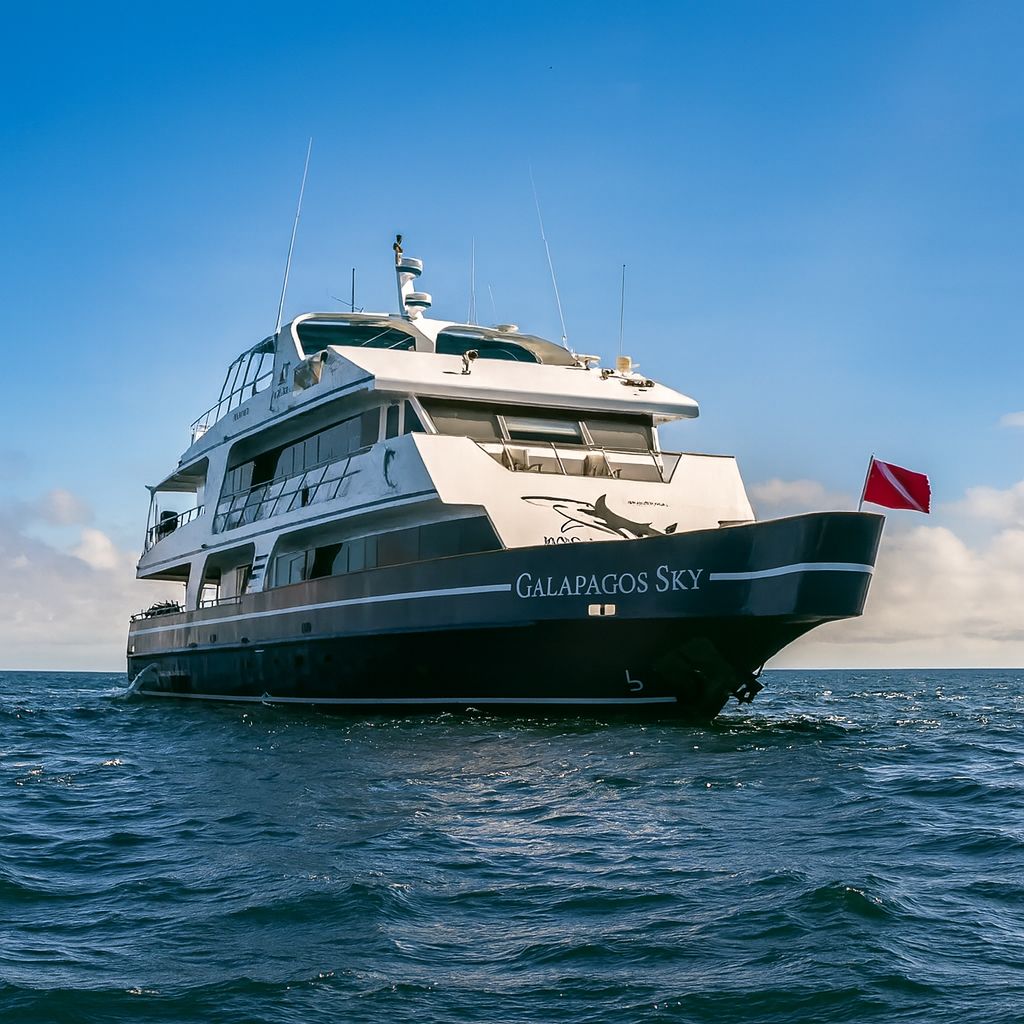
There is no single best month for a Galapagos cruise. Every month delivers something remarkable, but what you see and how comfortable the crossing feels changes considerably depending on the season. The honest answer is: the best month is the one that lines up with your priorities, your seasickness tolerance, and your budget. First-time cruisers tend to love December through February. Wildlife obsessives often come back in July or August. Budget-focused travelers do best in September or October.
The question we get most often is some version of “when should I go?” And after three personal trips, two cruises, and conversations with thousands of travelers through our YouTube channel and mytrip2ecuador.com, the answer we always give is this: stop trying to find the single best month and start figuring out what kind of experience you actually want.
The Galapagos sits on the equator, which sounds like it would mean stable, predictable weather year-round. It doesn’t. Two ocean currents take turns controlling the climate. From roughly December through May, the warm Panama Current brings calm seas, warmer water, and those bright postcard-blue skies that make underwater photos look effortless. From June through November, the cold Humboldt Current sweeps up from Antarctica and turns the ocean into a feeding frenzy. Temperatures drop, seas get choppy, and the wildlife explodes. Both versions of the Galapagos are extraordinary. They’re just very different experiences.
One thing we can say flatly: there is no “off season” here. No hurricane risk. No month where the wildlife goes quiet. The park operates year-round and every month has genuine highlights. What changes is which highlights are front and center.
Figuring out the right season for your specific travel style and budget is genuinely one of the trickier parts of planning a Galapagos cruise. If you want someone to walk through the options with you, we’re happy to help. Fill out this short form and we’ll put together a free, no-commitment quote based on when and how you want to travel.
What Is the Galapagos Dry Season and Who Should Book It?
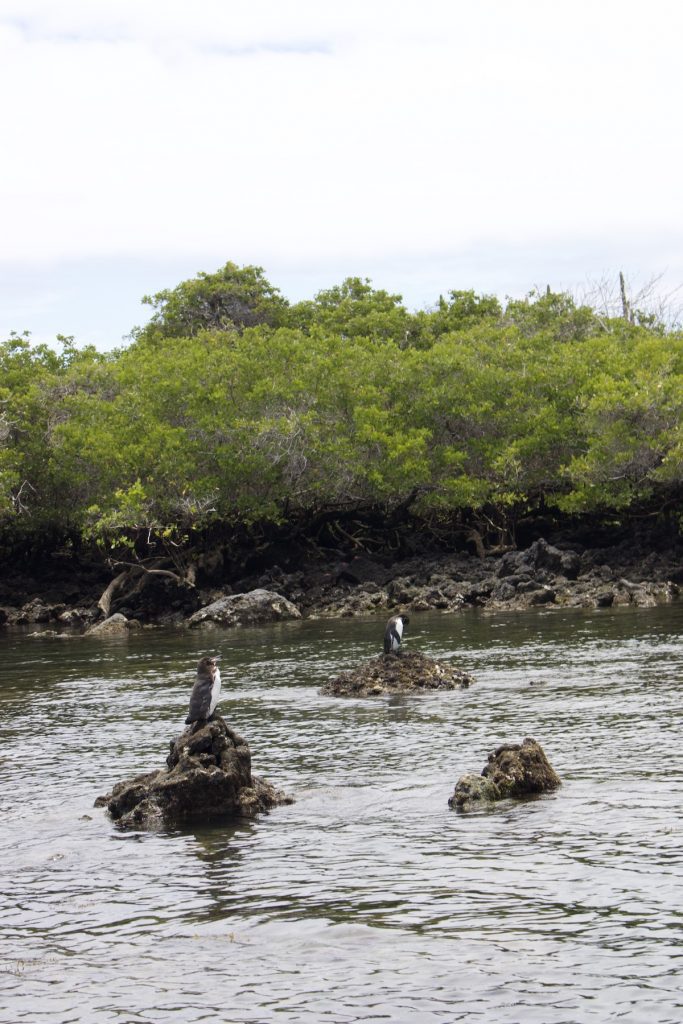
The dry season runs from June through November. It’s cooler, drier in the lowlands, and brings a surge of marine life driven by the nutrient-rich Humboldt Current. This is the best time for seeing large pelagics like whale sharks, hammerheads, penguins, and nesting seabirds. The tradeoff is choppier seas and colder water that makes snorkeling less comfortable without a wetsuit.
What happens during the dry season is essentially this: cold, nutrient-dense water from Antarctica flows north along the South American coast and hits the Galapagos. The cold triggers a bloom of plankton and small marine life. That attracts fish. The fish attract bigger fish. And suddenly you’ve got whale sharks cruising off Darwin and Wolf, hammerheads moving in schools around Kicker Rock, and Galapagos penguins hunting along the cooler western shores of Isabela and Fernandina.
On land, the lowlands look brown and arid, which surprises some first-timers who show up expecting lush jungle. The highlands stay green because of the garua, a fine persistent mist that clings to the upper elevations and keeps the vegetation alive. It gives the islands an almost cinematic quality on misty mornings. It also means sea conditions are rougher. The southern trade winds that drive the Humboldt Current also kick up swells between islands, especially on overnight passages. August and September are the choppiest months we’ve experienced.
Who should book the dry season? Divers and serious snorkelers who want marine megafauna. Birdwatchers chasing the full blue-footed booby nesting cycle on Española. Travelers who run hot and prefer cooler hiking conditions. Anyone who has been before and wants to see a different version of the islands.
Who should think twice? Travelers prone to seasickness, anyone who wants warm, comfortable snorkeling without a wetsuit, and families with young children who may struggle with rougher crossings at night.
What Is the Galapagos Warm Season and What Does It Actually Look Like on the Water?
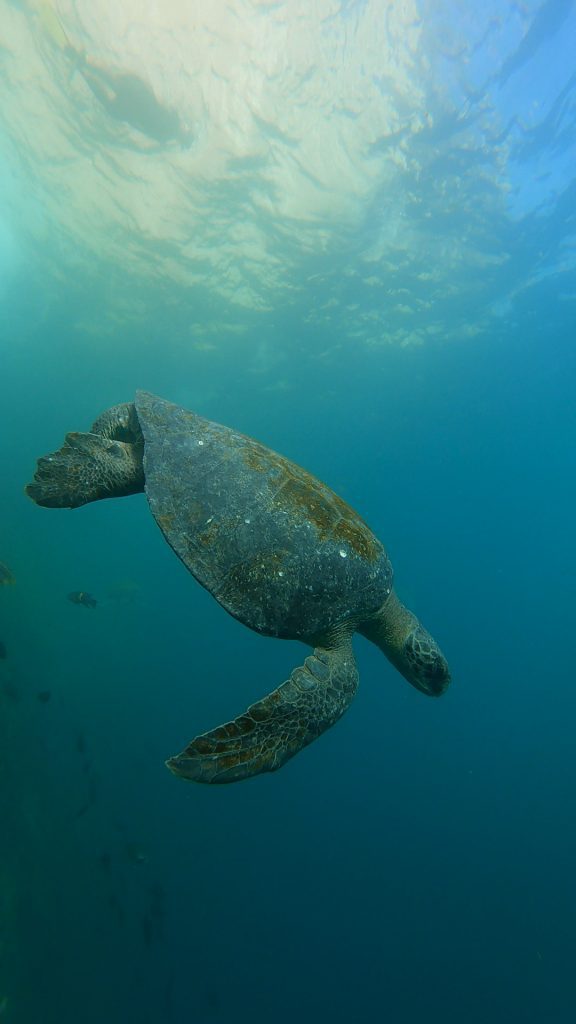
The warm season (December through May) brings calmer seas, warmer water, and some of the best snorkeling and diving conditions of the year. Sea turtles are mating and nesting, marine iguana hatchlings emerge, and the landscapes go intensely green. This is the most comfortable time to be on the water and the safest choice for travelers who worry about seasickness.
The Panama Current arrives around December and does something the Humboldt never does: it warms things up and quiets the ocean. Surface temperatures climb to 75-77°F (24-25°C). The swell drops. Night crossings feel gentle. You wake up at anchor in a calm bay, slide into clear water, and have sea lions spiraling past your legs before breakfast. That’s warm season.
The rain that comes with this season gets overstated in most guides. Yes, March is technically the wettest month. But “wettest” in the Galapagos lowlands means occasional afternoon showers that usually clear by evening, not constant grey drizzle. The sun is intense and the skies are frequently blue. Pack sunscreen regardless.
What you trade for the calm water is some of the dry season’s wildlife intensity. Whale sharks and large pelagic encounters are less common. The seabird nesting frenzies happen later in the year. But you gain sea turtle nesting, marine iguana courtship color changes, giant tortoise hatchlings appearing in the highlands, and underwater visibility that makes every snorkeling session feel like being inside an aquarium.
January through March sits in a kind of sweet spot: warm water, active wildlife, and generally lower prices than the Christmas and Easter peaks. We’ve consistently pointed travelers toward this window when they ask us where the value is.
The warm season is also when some of the most in-demand vessels get fully booked months out. If you’re targeting December through March, don’t wait. Reach out here and we’ll tell you what’s still available and which boats are actually worth the price difference.
Which Wildlife Events Are Tied to Specific Months and Should They Drive Your Booking Decision?
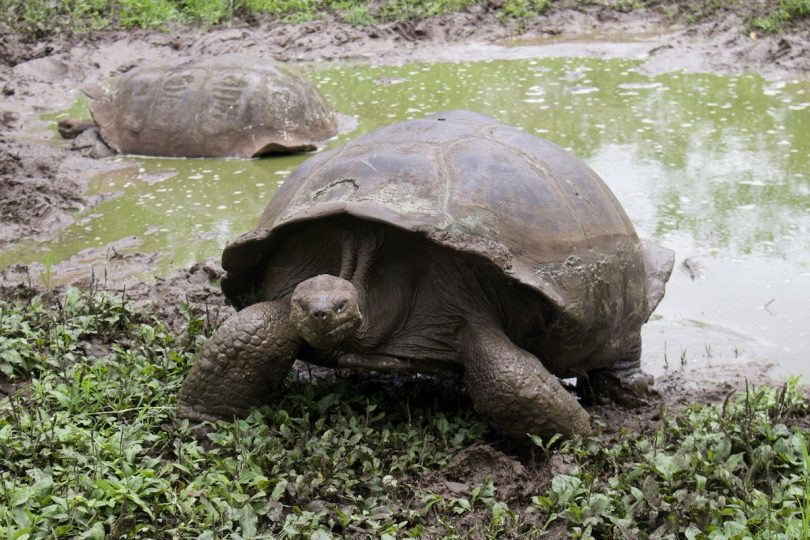
A handful of Galapagos wildlife events are genuinely seasonal and worth planning around. The waved albatross on Española (April through December), blue-footed booby nesting on Española (May through August), whale sharks at Darwin and Wolf (June through November), and green sea turtle nesting on beaches (December through February) are among the most time-sensitive encounters. Most other species are visible year-round.
Here’s the thing most guides won’t tell you: the vast majority of Galapagos wildlife operates on its own schedule regardless of season. Marine iguanas are always there. Sea lions are always there. Giant tortoises are always there. Darwin’s finches don’t pack up and leave in October. What changes are the behavioral states you catch them in.
The events worth planning around are the ones with hard windows. The waved albatross is the clearest example. They arrive on Española around late March, lay eggs in May, and the fledglings leave by December. Come in February and you will not see a single one. The blue-footed booby courtship dance on Española peaks in May through July, with all four life stages (eggs, chicks, juveniles, adults) visible simultaneously in July. That overlap is genuinely special and worth timing for.
Whale sharks around Darwin and Wolf are another hard seasonal event. These giant filter feeders show up with the Humboldt Current, typically June through November, and the concentrations around the northern islands in this window are among the most reliable whale shark encounters in the world.
On the other side, sea turtle nesting peaks in January, with females hauling out on beaches at night. Giant tortoise eggs hatch in the highlands from December through April. Frigate birds inflate their red pouches year-round but are particularly active in the dry season.
Key Wildlife Events by Month
| Month | Signature Wildlife Event | Season |
|---|---|---|
| January | Green sea turtle nesting peaks; giant tortoise eggs hatching | Warm |
| February | Marine iguana color changes (breeding); flamingo nesting on Floreana | Warm |
| March | Waved albatross arrives on Española (late month); marine iguanas nest on Fernandina | Warm |
| April | Blue-footed booby courtship on North Seymour; albatross egg-laying begins | Transition |
| May | Waved albatross eggs on Española; sea lion pups old enough to interact in water | Transition |
| June | Whale sharks arrive at Darwin/Wolf; humpback whales begin appearing | Dry |
| July | Blue-footed booby nesting peak on Española (all four stages visible); penguins active | Dry |
| August | Coolest month; Galapagos hawk courtship; sea lions giving birth; flightless cormorant nesting | Dry |
| September | Fur seal mating begins; Nazca boobies nesting on Genovesa; whale sharks still present | Dry |
| October | Lava heron nesting begins; sea lion pups playful in water; transition warming starts | Dry |
| November | Frigate bird courtship on Genovesa; warming waters, calmer conditions return | Transition |
| December | Waved albatross fledglings leave; giant tortoise eggs begin hatching; green turtles mating | Warm |
What Does Each Month Actually Look Like on a Galapagos Cruise? (January Through December)
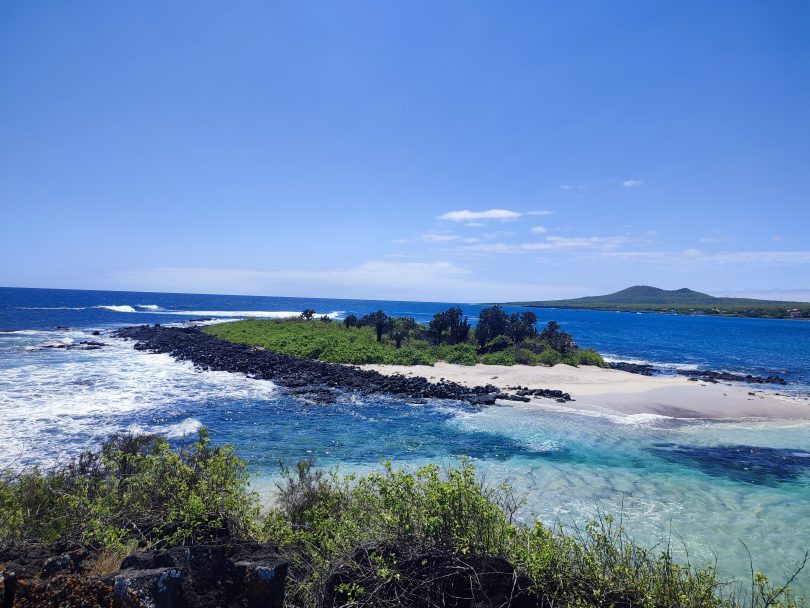
Every month in the Galapagos offers a distinct experience. Some months are warm and calm, ideal for snorkeling. Others are cooler and wildlife-rich, better for land excursions and marine megafauna. Here is what you can realistically expect on the water and on the islands, month by month, based on our experience and thousands of traveler conversations.
January sits at peak warm season. Water temperatures hit around 75°F (24°C) and the seas are calm. Sea turtles are hauling out on beaches to nest, giant tortoise eggs are hatching in the highlands, and marine iguanas are starting their breeding color changes. It’s one of the better months for snorkeling. The downside: Christmas holiday crowds linger into early January and prices stay elevated.
February is arguably one of the quietest and most underrated months on the calendar. The crowds thin out after the holiday rush, prices drop, the water stays warm and clear, and marine iguana nesting peaks on Santa Cruz. Flamingos nest on Floreana. Nazca boobies wrap up their nesting season. Baby giant tortoises are still emerging. For the value it delivers, February doesn’t get nearly enough attention.
March is the wettest month by rainfall average, but don’t let that put you off. Rain on these islands is usually brief and tropical. The sun burns through. Late March brings the first waved albatross arrivals on Española, which is one of the most anticipated wildlife events of the year. Water temperatures are at their warmest. Marine iguanas are nesting on Fernandina and North Seymour. It feels the most tropical of any month here.
April is a transition month and feels like it. The rains start tapering. The albatross are settling in on Española and egg-laying begins. Blue-footed booby courtship ramps up on North Seymour. Water visibility is still good. Easter week falls in April in many years and drives a noticeable price spike and crowd increase around the islands.
May is when the albatross are laying eggs on Española and the sea lion pups from a year ago are finally old enough to interact with snorkelers without causing their mothers to intervene. That specific encounter, sea lion pups treating your fins like toys while you hover in clear water, is one of the things travelers mention most to us. Temperatures are cooling slightly. Seas remain manageable.
June marks the start of the dry season in most years. The Humboldt Current arrives. Water temperatures start dropping. Whale sharks begin appearing at Darwin and Wolf in the north. Humpback whales are sometimes spotted off Isabela. The seabird communities get busy. Seas are starting to get choppier on overnight crossings. Pack the Dramamine.
July is peak travel season and for good reason. The blue-footed booby nesting on Española reaches its most photogenic point, with eggs, small chicks, half-grown juveniles, and adults all present on the same trails. Flightless cormorants are doing their courtship displays on Fernandina. Whale sharks are active up north. The water is significantly cooler and a wetsuit is no longer optional for most people. School holidays from North America and Europe push prices and demand to their highest point of the year.
August is the coolest month. Water temperatures can drop close to 66°F (19°C) in some years. The garua mist hangs heavy over the highlands in the mornings. Seas are at their choppiest. Galapagos hawks are courting on Española and Santiago. Sea lions are giving birth across the central and western islands. The marine life is extraordinary but this is genuinely the roughest time of year to be on the water. If you’ve had bad motion sickness on boats before, this is the month to think hard about.
August is also one of the months where choosing the right vessel matters most. Larger boats handle the chop significantly better than smaller ones. If you’re planning a July or August cruise, let us help you find a boat that won’t leave you horizontal for half the trip. Send us a quick message and we’ll point you toward the right options for your budget.
September is the quiet gem of the calendar. Prices drop as North American and European school holidays end. Wildlife is still incredibly active: whale sharks, seabirds nesting, fur seals mating, Nazca boobies on Genovesa. The ocean is still cool and nutrient-rich but seas begin to settle slightly compared to August. We’ve heard from more travelers who say September exceeded their expectations than almost any other month.
October continues the shoulder season trend. Prices stay lower. Lava herons begin nesting. Sea lion pups born earlier in the dry season are now bold and playful in the water. Snorkeling visibility starts improving as the transition back toward warm season begins. Temperatures on land tick upward. It’s a genuinely comfortable month that gets overlooked by most travelers who anchor too much on the July/August peak.
November is the transition back to warm season. The garua lifts. Skies get clearer. Frigate bird males on Genovesa are inflating their red pouches again, starting a new courtship cycle. Water temperatures rise and undersea visibility improves. The seas calm down. Brown noddies are breeding. It feels like the islands exhaling after six months of dry season intensity.
December marks the start of warm season and brings some of the best overall conditions of the year. Giant tortoise eggs begin hatching in the highlands. Green sea turtles are mating offshore. Waved albatross fledglings are leaving Española for the first time. Weather is sunny and warm. The holiday period from mid-December onward drives prices and bookings sharply upward, so early December (before the 15th) is often an underrated window with warm season conditions but pre-peak pricing.
How Does the Time of Year Affect Galapagos Cruise Prices and Availability?
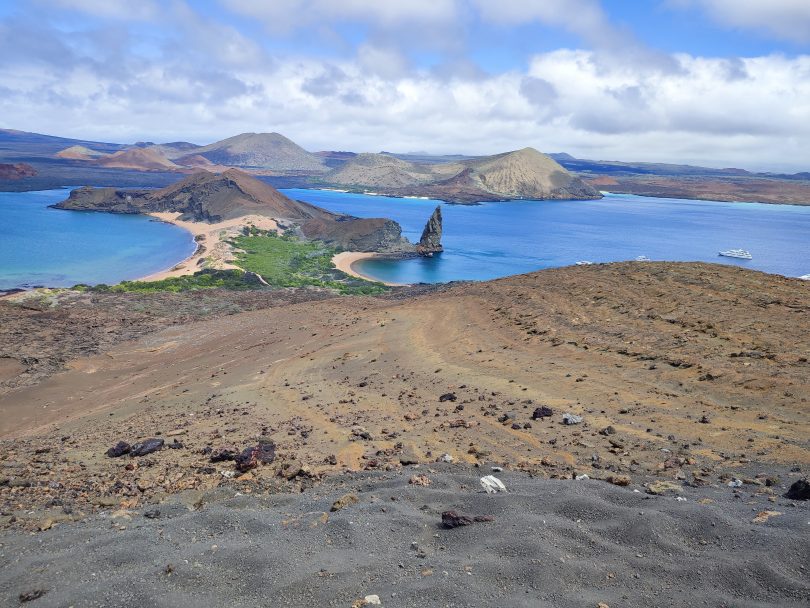
Galapagos cruise prices peak during July, August, Christmas week, New Year’s, and Easter. The cheapest months are typically September, October, February, and March. Booking 6 to 12 months in advance is the norm for prime dates; last-minute deals exist but require flexibility. The limited number of vessels in the park means demand routinely outpaces supply on the best itineraries.
The Galapagos has a hard capacity limit built into it. The Galapagos National Park controls the number of vessels allowed to operate, and those vessels have fixed passenger capacities. This is not like booking a Caribbean cruise where another ship leaves next week. The inventory is finite and the good boats on the best routes fill up fast. That constraint is the most important pricing reality to understand before you start comparing months.
With that in mind, here’s how the year breaks down from a cost standpoint. July and August are the most expensive months across all vessel classes. Christmas week and New Year’s (roughly December 20 through January 5) are the second peak, with some operators charging a premium on top of their already-elevated rates. Easter week, which falls between late March and mid-April depending on the year, is a third pressure point that many travelers overlook when planning.
The shoulder months of September and October consistently offer the lowest prices on the calendar. February and March are lower than the Christmas and summer peaks but higher than September and October. If you’re flexible on timing and cost is a real consideration, September and October deliver strong wildlife and real savings, often 20 to 30% below July rates on comparable boats.
Relative Price and Availability by Month
| Month | Relative Price | Availability | Notes |
|---|---|---|---|
| January | High (early) / Moderate (late) | Limited early Jan | Holiday premium lingers first two weeks |
| February | Moderate | Good | Underrated value month |
| March | Moderate / High (Easter) | Tight around Easter | Easter week adds premium in some years |
| April | Moderate / High (Easter) | Tight around Easter | Easter falls in April in many years |
| May | Moderate | Good | Strong wildlife, reasonable prices |
| June | Moderate-High | Getting tight | Summer travel season begins |
| July | Peak | Very limited | Highest demand of the year |
| August | Peak | Very limited | Book 9-12 months out for quality boats |
| September | Low | Best availability | Best value month on the calendar |
| October | Low | Good | Excellent wildlife, low crowds |
| November | Moderate | Good | Transition to warm season |
| December | Moderate / Peak (holidays) | Tight mid-month onward | Early December is a hidden gem |
Price data compiled from operator rate sheets and traveler feedback. Verified May 2026.
What Are the Worst Times to Visit the Galapagos and Why?
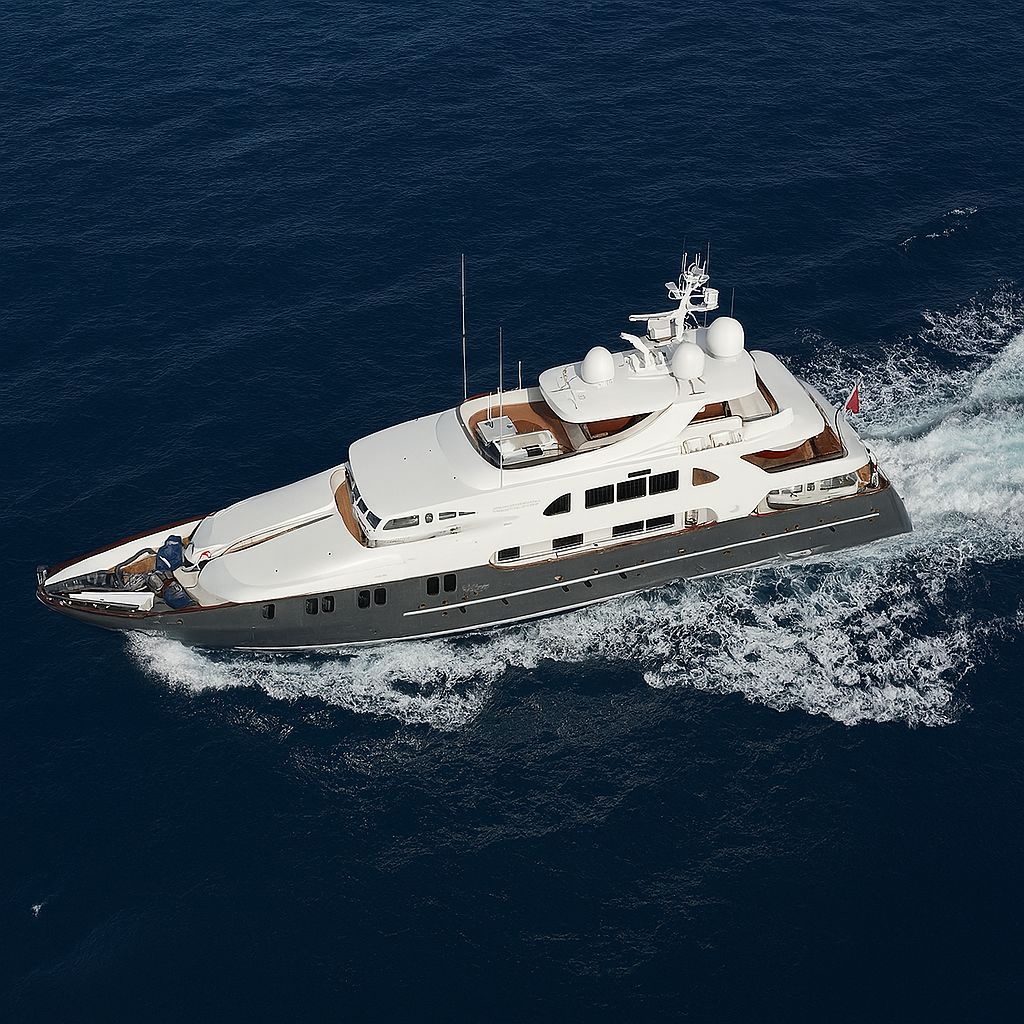
There are no “bad” months in the Galapagos, but there are months that work against specific types of travelers. Late August and September are the roughest for motion sickness. The Christmas and Easter peaks are the hardest on the budget. Anyone hoping to see the waved albatross should avoid December through February. The key is knowing which mismatches apply to your trip.
We say this with complete honesty because too many travelers arrive expecting the same experience regardless of when they book: there is no universally worst time to visit the Galapagos. Every month has real highlights. What exists are specific mismatches between traveler expectations and conditions.
The mismatch we see most is travelers booking August because it falls in their summer vacation window, without knowing it’s both the most expensive month and the choppiest. August delivers incredible wildlife but it also delivers overnight crossings where the boat is heaving and a meaningful portion of passengers spend the first night flat on their backs. That’s not a disaster but it’s worth knowing going in.
The waved albatross window is another hard mismatch. It’s one of the most dramatic wildlife encounters in the entire archipelago, and visitors who arrive between January and late March will not see a single one. Española without the albatross is still beautiful, but it’s a different experience than arriving in May when the colony is nesting at full density.
And the price mismatches. Christmas week and New Year’s in the Galapagos costs more than almost any other week of the year. If your goal is a luxury vessel during the holidays, budget for it properly. If your goal is value, January 6 through late March offers the same warm-season conditions at meaningfully lower rates.
What Month Did We Personally Find Most Rewarding After Three Trips?
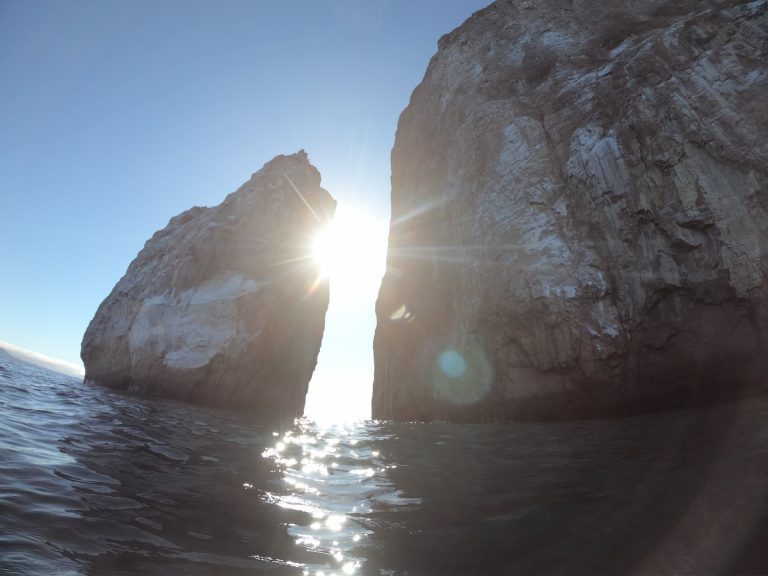
After three trips and two full cruises, December stands out as the most consistently rewarding month. Warm season conditions are arriving, the holiday crowds haven’t peaked yet if you go in early December, the tortoise hatchlings are emerging, green sea turtles are mating offshore, and the light on the water in December is unlike anything we’ve seen at other times of year. It’s the closest thing to a “best” month that actually exists.
This is a genuine opinion, not a marketing answer. My first cruise was in the warm season and the snorkeling changed something in me. The second was in the dry season, and watching a school of hammerheads cruise below us at Kicker Rock is still one of the clearest memories I have from any trip anywhere. Both were extraordinary. But if you forced me to send a first-timer to one month, I’d send them to early December.
Here’s why. The seas are calming down from the dry season chop but the Humboldt’s influence is still lingering enough that marine life is active. Water temperatures are rising but not yet at their March peak, so there’s a nice mix of warm-water and cold-water species visible. Giant tortoise hatchlings are emerging in the Santa Cruz highlands, which is one of those moments that stops you in your tracks in a way that no photograph prepares you for. And critically: early December sits just before the holiday price spike.
The travelers from our audience who report the highest satisfaction consistently cluster around early December, late January, and September. That’s not a coincidence. Those three windows hit the intersection of strong wildlife, manageable crowds, and honest pricing.
Whatever month you’re considering, the most important next step is the same: find a boat that matches your budget and your priorities before the dates you want disappear. We’ve physically inspected nearly every vessel operating in the Galapagos and we know which ones are worth the price and which ones aren’t. Get in touch here for a free quote with no pressure to book.
What Travelers Actually Say: Timing Regrets and Wins From Our Audience
After three personal trips and thousands of conversations with Galapagos cruise travelers through mytrip2ecuador.com and our YouTube channel, patterns emerge. The table below reflects the most common feedback we’ve collected on timing decisions: what people wish they’d known before booking their month.
| Timing Decision | % Who Said It Was the Right Call | Most Common Reason Given |
|---|---|---|
| Booked July/August for wildlife | 74% | Marine life exceeded expectations; 26% wished they’d known about seasickness risk |
| Booked December–February for calm seas | 88% | Snorkeling and sea conditions better than expected; high satisfaction for first-timers |
| Booked September/October for value | 91% | Best value-to-experience ratio; frequently said they’d go back in the same window |
| Booked Christmas/Easter without planning ahead | 52% | Crowds and price were higher than expected; wished they’d booked 9+ months out |
| Went specifically for waved albatross (Apr–Nov) | 96% | Called it the most memorable wildlife encounter of their lives |
| Went in March expecting dry weather | 79% | Rain didn’t impact the trip; warm water and calm seas surprised them positively |
Based on traveler feedback collected through mytrip2ecuador.com and the My Trip to Somewhere YouTube audience.
What Trips People Up: The Timing Mistakes We See Most Often
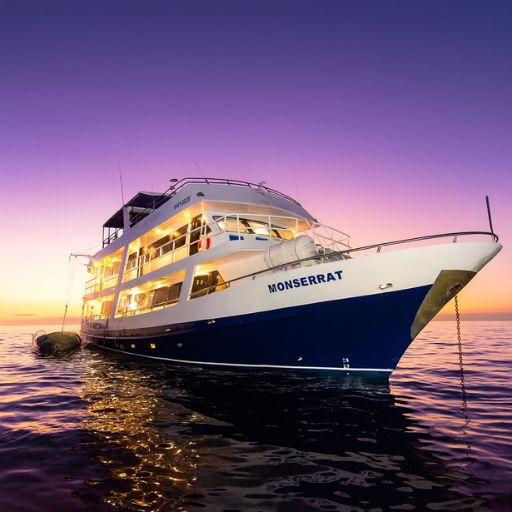
These patterns show up across our traveler conversations more than almost anything else related to timing.
Underestimating August seasickness. The August chop on overnight island-to-island crossings is real and it catches people off guard. Travelers who’ve handled choppy water fine in other destinations sometimes find the Galapagos dry season swells are a different level. If you’re committed to August, choose a larger vessel and have Dramamine ready.
Booking Christmas week at the last minute. The Galapagos operates on finite inventory. Christmas week on the best boats sells out 9 to 12 months in advance. Travelers who wait until August or September to book a December holiday cruise end up either paying significantly over market or settling for boats they wouldn’t have chosen otherwise.
Timing for one animal and missing the booking window. The waved albatross window on Española is April through December. Whale sharks at Darwin and Wolf are June through November. These are not soft guidelines. Travelers who arrive in January hoping to tick off the albatross will not see one. Check the specific wildlife event against your travel dates before you finalize anything.
Assuming wet season means constant rain. March is the “rainiest” month in the Galapagos with an average of around 3 inches of rainfall. In a tropical context that’s brief afternoon showers, not grey days. Travelers who avoid January through May because of the rain label miss some of the most enjoyable snorkeling conditions of the year.
Frequently Asked Questions
What is the best month to see whale sharks in the Galapagos?
Whale sharks are most reliably seen from June through November around the northern islands of Darwin and Wolf. The concentration of these filter feeders in this window is among the most predictable whale shark encounters on the planet. Outside of this window, sightings are rare.
Is April a good time for a Galapagos cruise?
April is a transition month with a lot going for it. The waved albatross is arriving on Española and laying eggs. Blue-footed booby courtship is active on North Seymour. Water temperatures are warm and visibility is good. The main caveat is Easter week, which falls in April in many years and brings higher prices and more competition for berths.
How far in advance should I book a Galapagos cruise?
For July, August, Christmas, and Easter, book 9 to 12 months out if you want a specific vessel or itinerary. For shoulder season months like September, October, February, and March, 4 to 6 months is generally sufficient. Last-minute deals (within 4 weeks of departure) do exist, particularly for shoulder season departures, but they require flexibility on vessel and itinerary.
Is the rainy season in the Galapagos bad for cruise travel?
No. The rainy season (December to May) is actually the preferred time for most first-time cruise travelers because of calmer seas, warmer water, and excellent snorkeling. Rainfall in the lowlands is typically brief and doesn’t significantly interrupt excursions. March is the wettest month but even then, persistent all-day rain is uncommon in the island lowlands.
What month is least crowded in the Galapagos?
September and October consistently see the fewest visitors and the lowest cruise prices. Demand drops sharply after the July and August school holiday peak and doesn’t recover until the Christmas season. Wildlife is still active, seas are beginning to calm from their August roughness, and you’ll share visitor sites with fewer boats.
Do I need a wetsuit for snorkeling in the Galapagos?
It depends on when you go. During the warm season (December to May), water temperatures reach 75-77°F (24-25°C) and most travelers are comfortable without a wetsuit. During the dry season (June to November), water temperatures drop to 66-72°F (19-22°C), and a shorty wetsuit is strongly recommended for anyone doing extended snorkeling.
Planning the right time for your Galapagos cruise makes a bigger difference than most people realize before they go. The month shapes everything: what you see in the water, how comfortable the crossings are, what wildlife is active on land, and what the whole trip costs. We’ve been there three times and talked to thousands of travelers who’ve made this trip. We know what works and what leads to regret.
If you want a free, no-obligation quote tailored to your travel dates and priorities, we’d love to help. Cruises To Galapagos Islands holds a 4.9-star rating on both Google and TripAdvisor because we take the time to match travelers to the right experience. Contact us here and we’ll get back to you with honest recommendations.
Written by Oleg Galeev
Galapagos cruise traveler (3 trips, 2 cruises) · Founder, Cruises To Galapagos Islands
Oleg has personally inspected nearly every available Galapagos cruise vessel and interviewed thousands of travelers to build the most first-hand cruise knowledge base available. He also runs the Ecuador travel blog mytrip2ecuador.com and the YouTube channel My Trip to Somewhere.
Cruises To Galapagos Islands is rated 4.9 stars on Google and TripAdvisor.
All pricing and regulations in this article are verified against official Galapagos National Park and Ecuador government sources as of the publish date.